
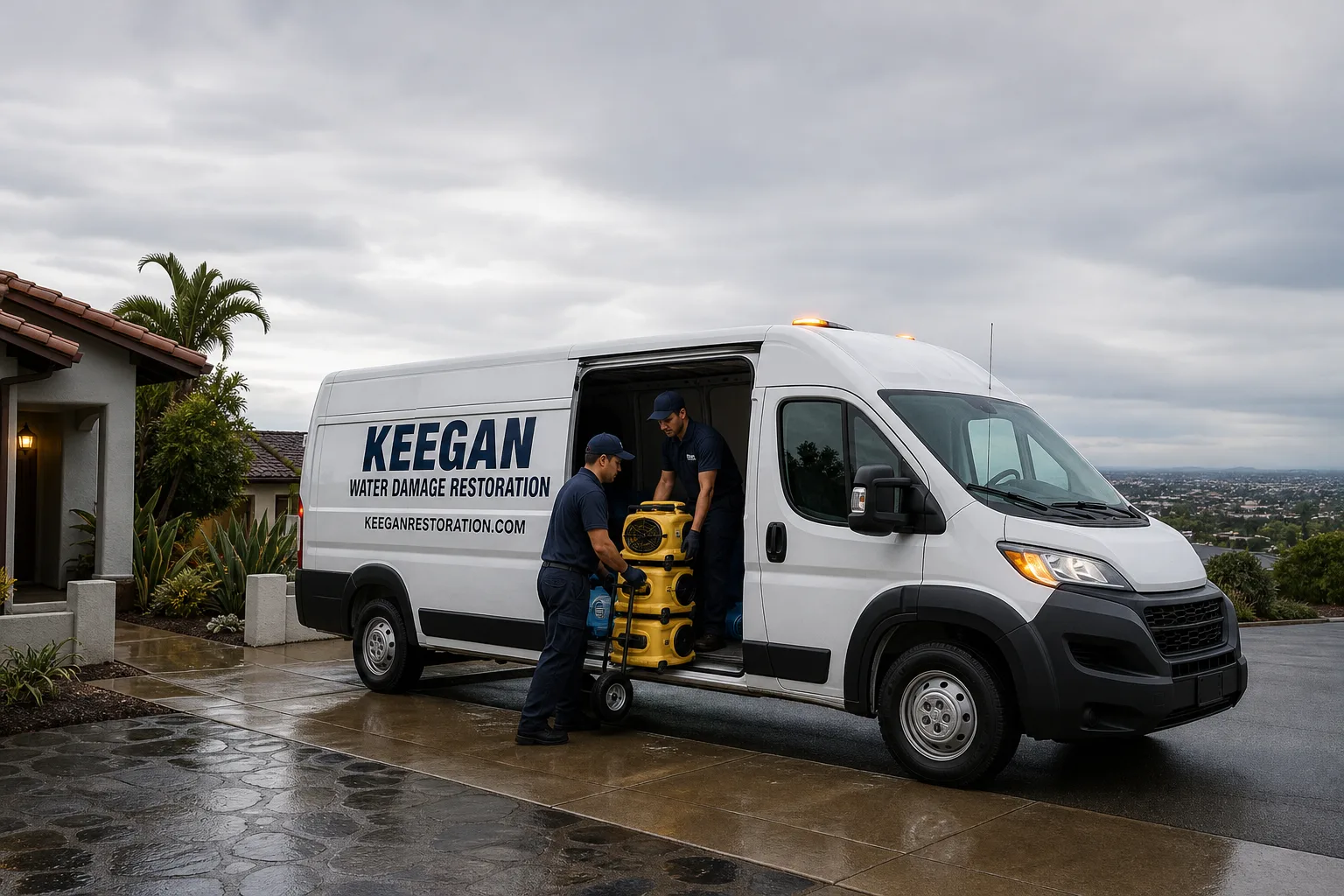
Free visual inspection and a written scope of work before any mitigation begins - photos, moisture readings, and drying logs go in your claim file
The scope we write is the scope we bill. Anything new gets shown to you, in writing, before we touch it.
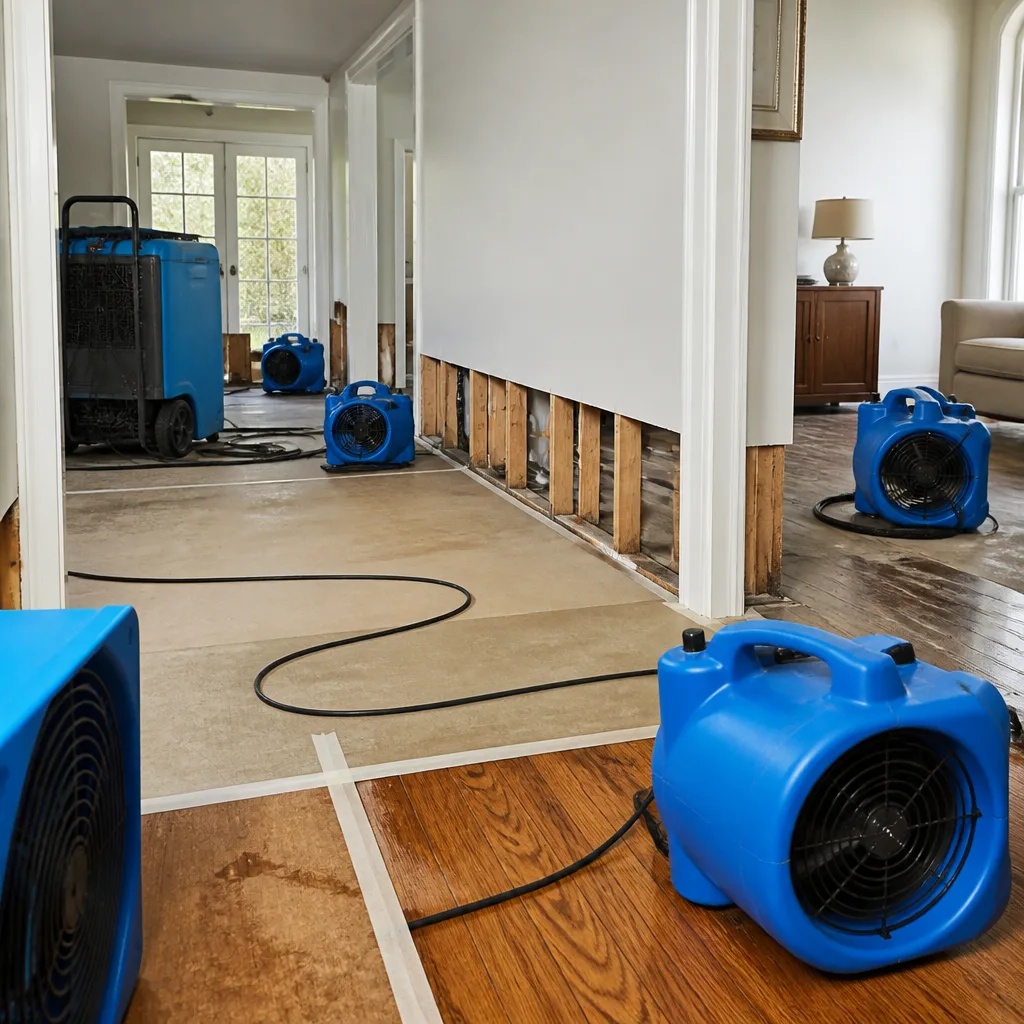

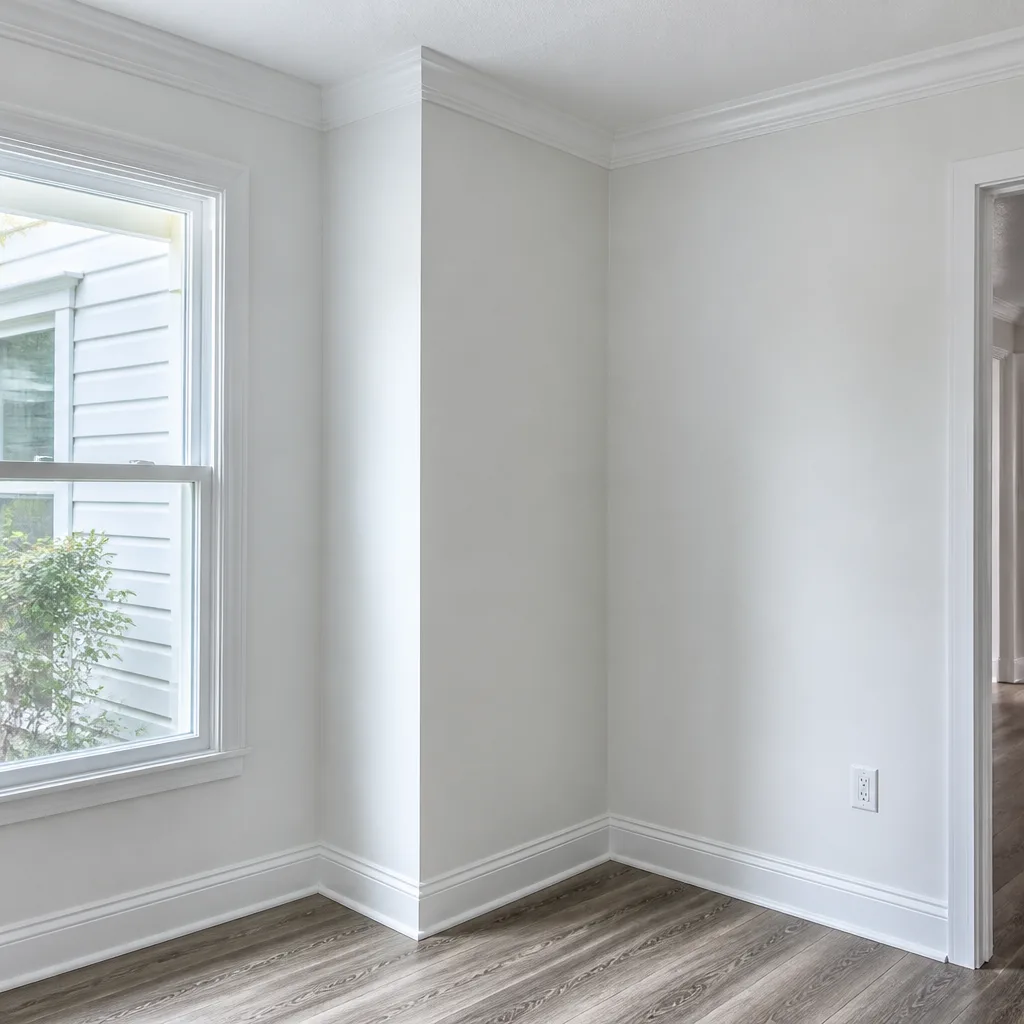

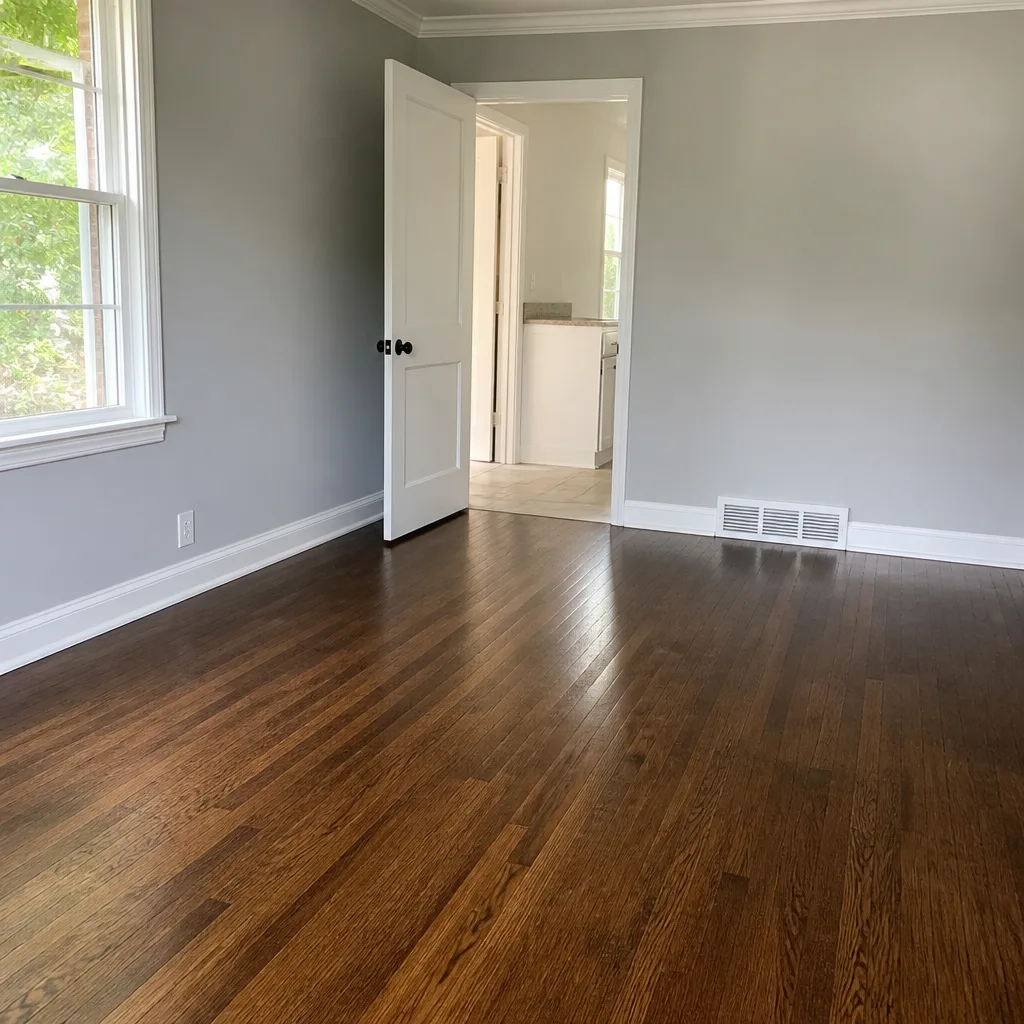

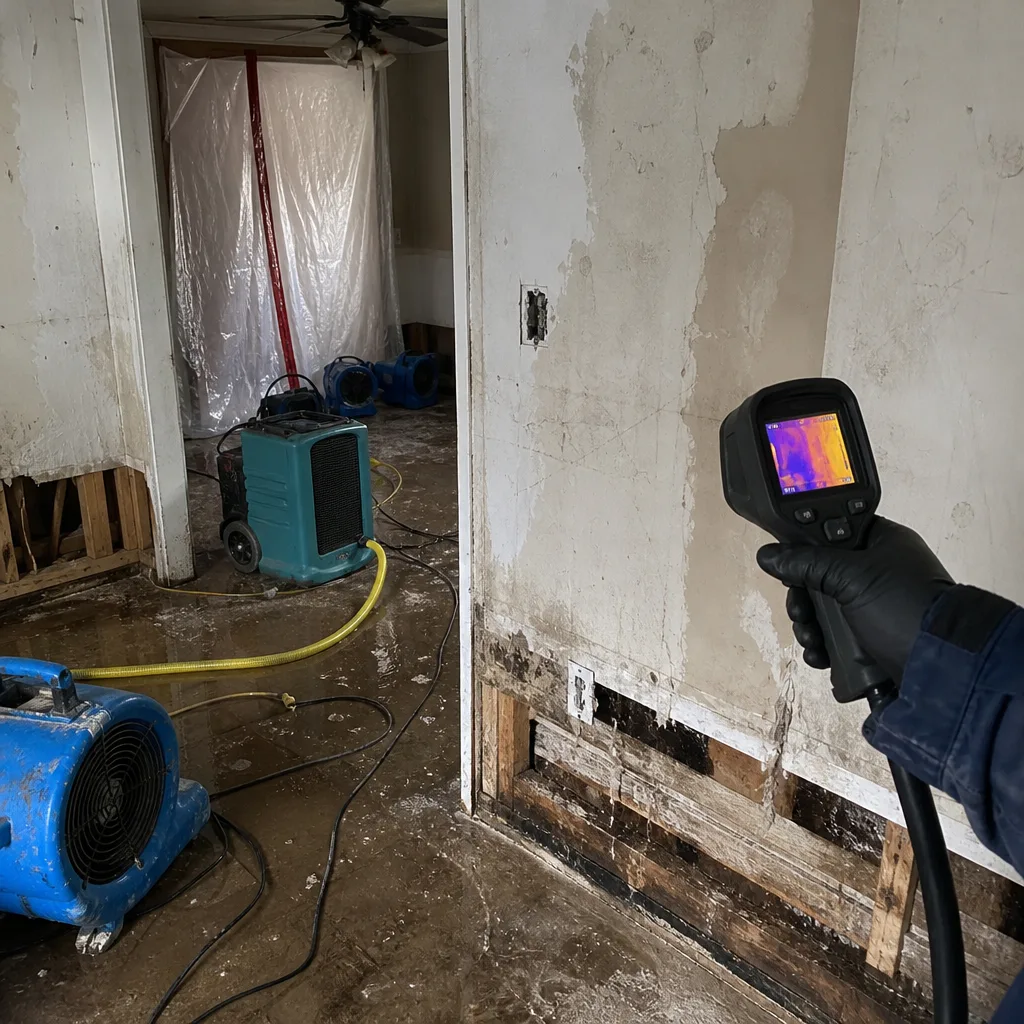 Before
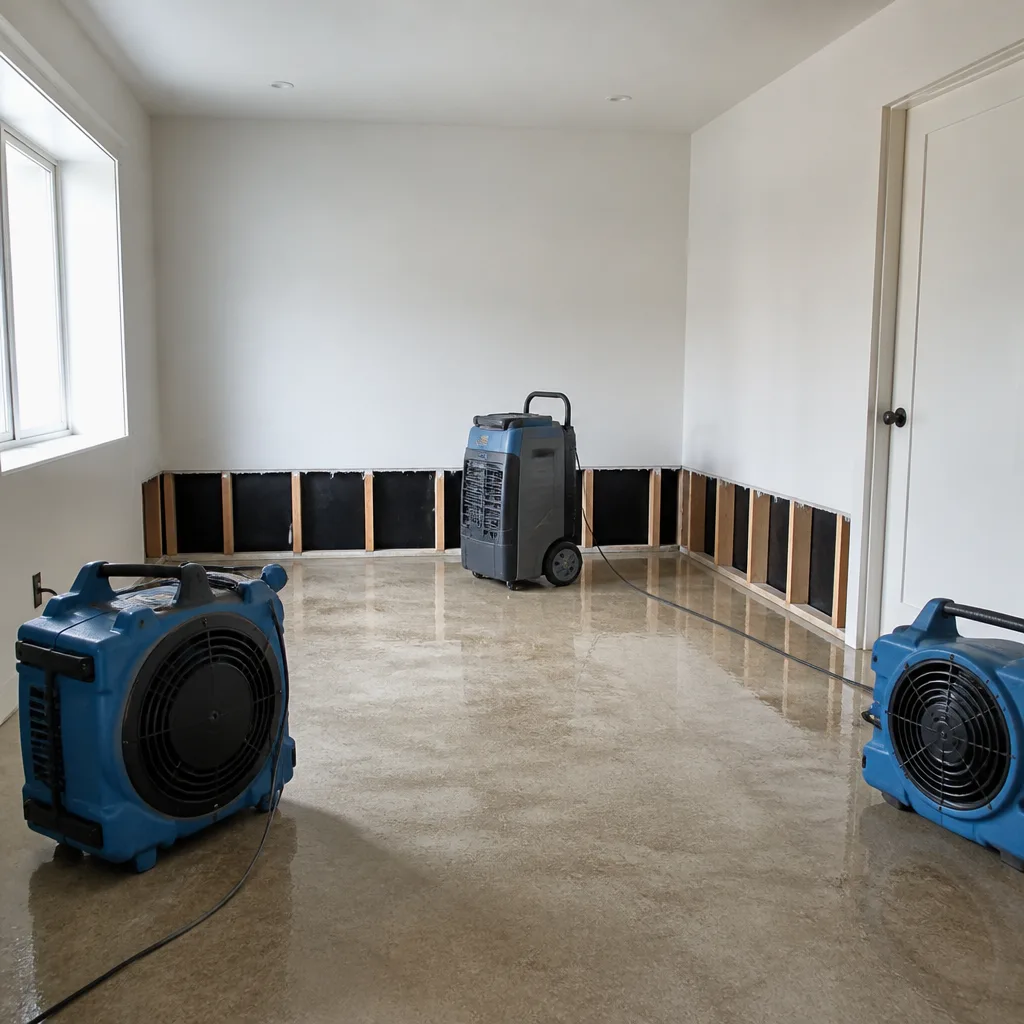 After
After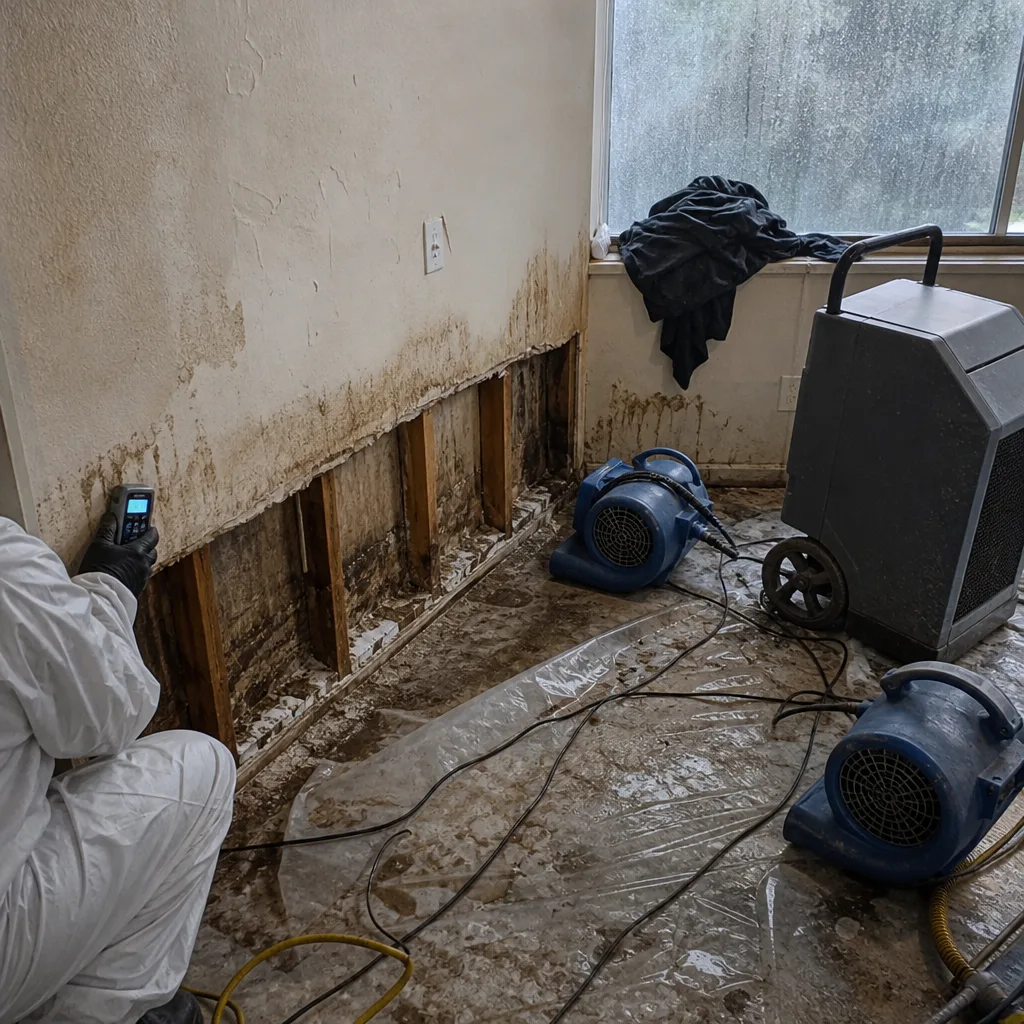 Before
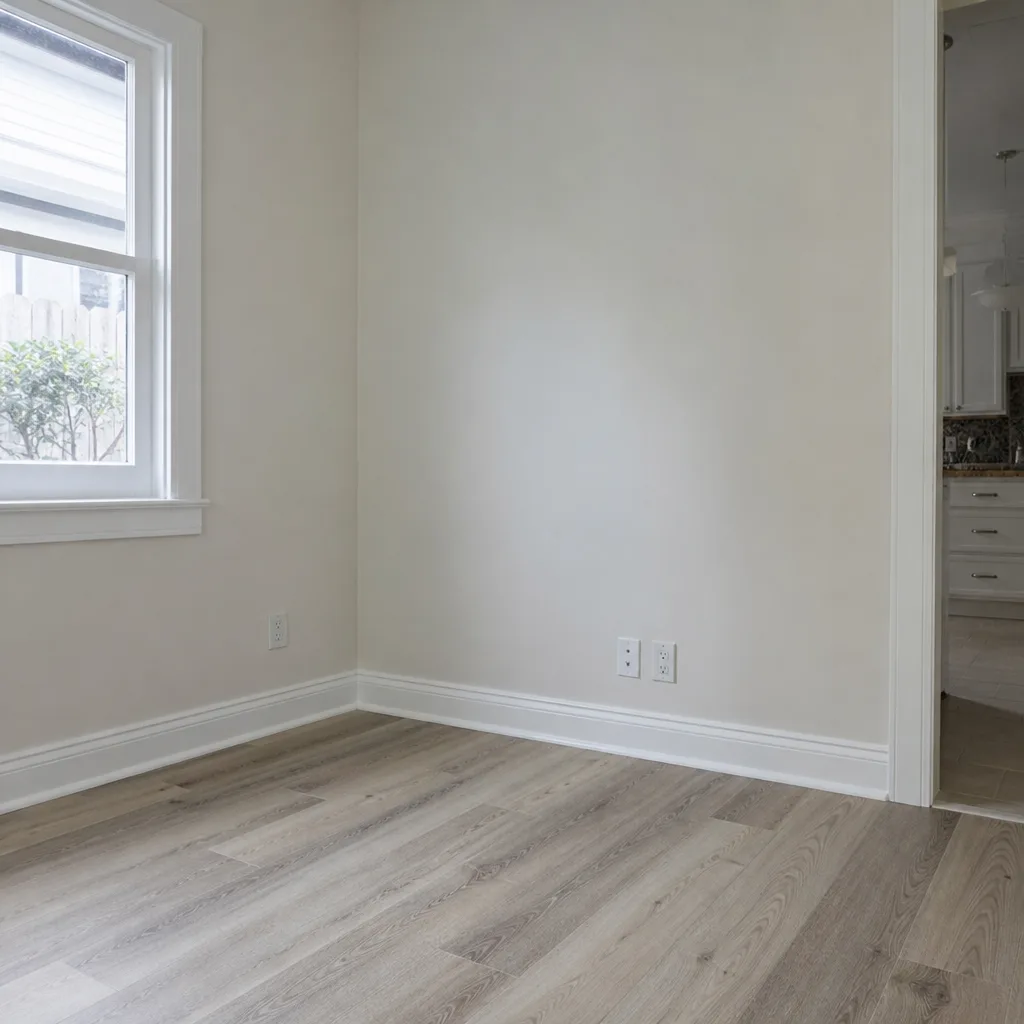 After
After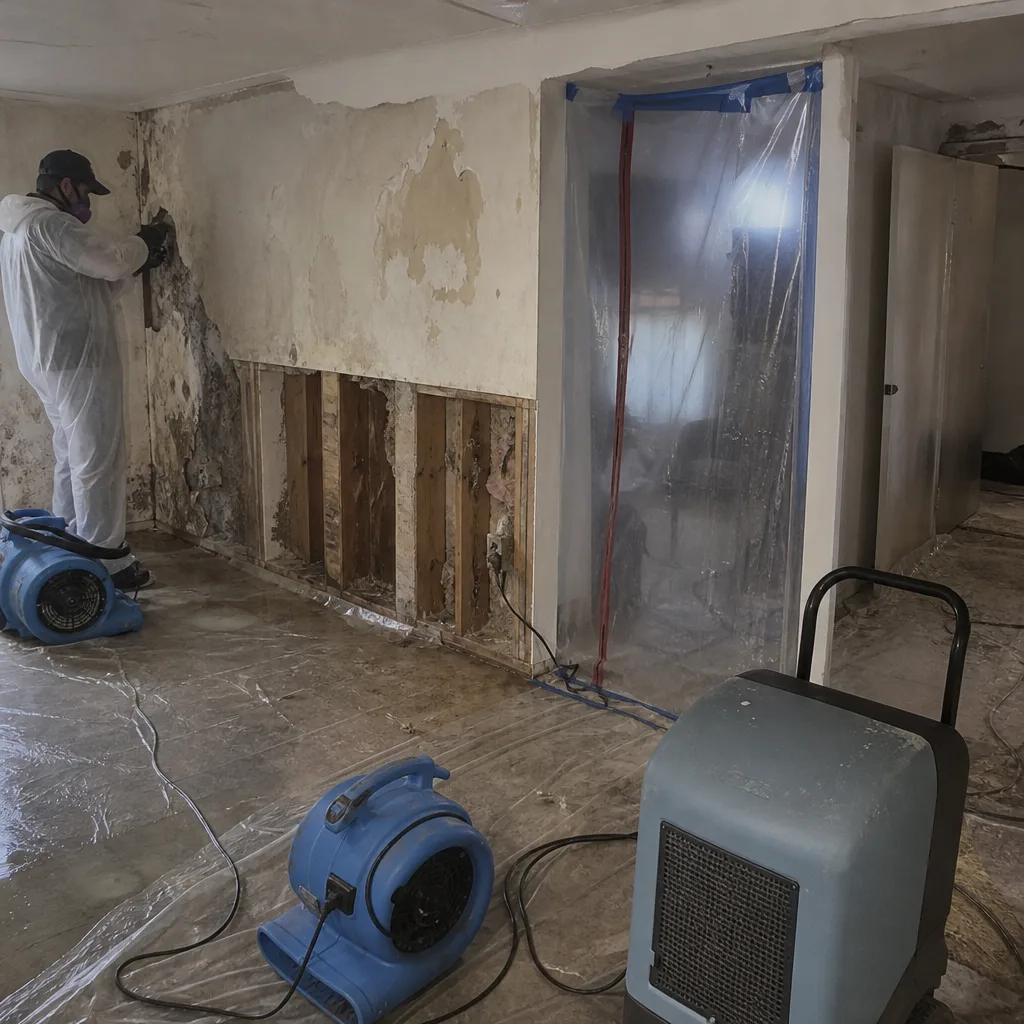 Before
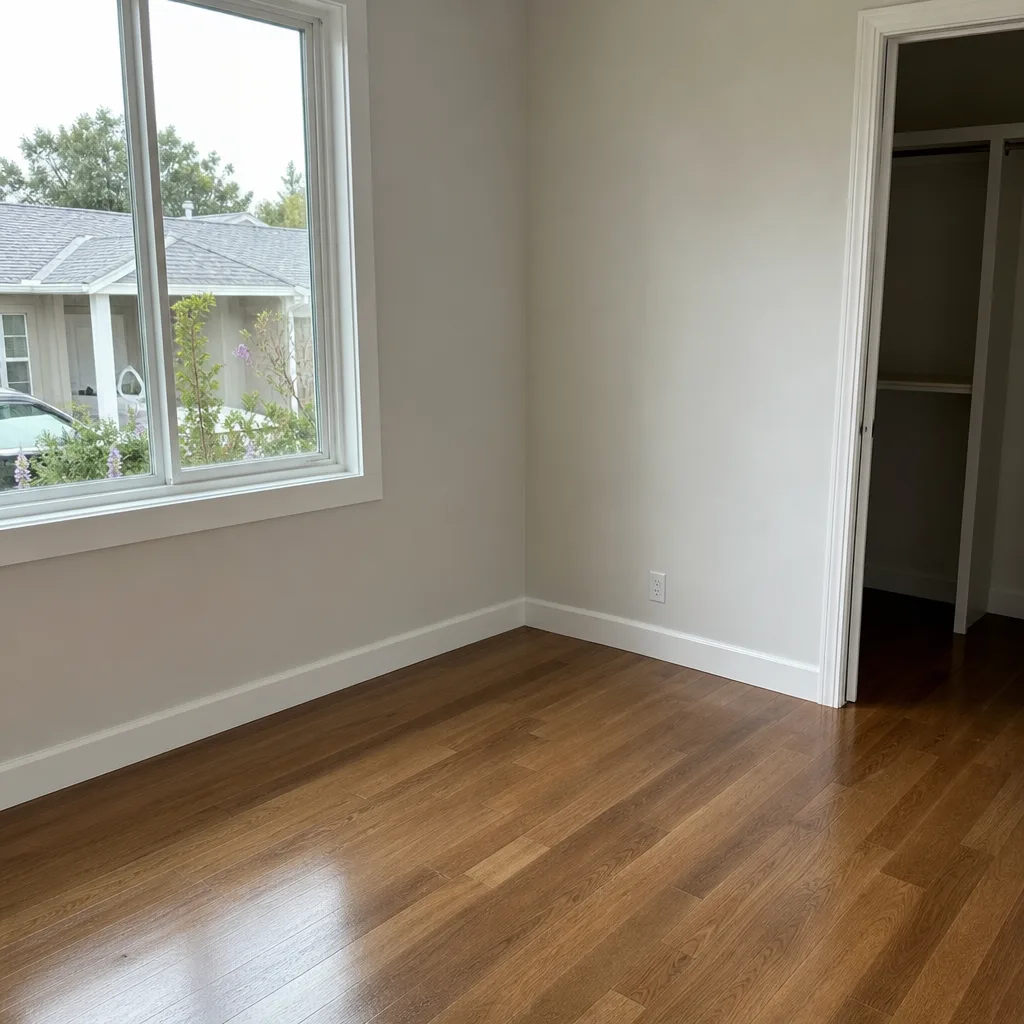 After
AfterSigns of Hidden Mold
If you’re seeing a musty smell you can’t source, discolored patches behind furniture, or family members with unexplained allergy symptoms that clear up when they leave the house, you’re most likely dealing with hidden mold growth. Mold hides inside walls, under flooring, and above ceiling tiles – anywhere moisture has been sitting without drying out. It doesn’t have to be visible to be a problem, and it rarely announces itself cleanly.
Most hidden mold starts with a water event that was never fully dried: a slow pipe drip, a roof leak that soaked insulation, a dishwasher line that failed behind a cabinet. The surface looks fine because the moisture wicked inward. By the time you smell it or see a stain, mold colonies are already established in the material behind the finish surface. That’s the part that matters, and that’s the part that needs professional assessment and remediation – not a bottle of bleach and a weekend.
Why It Happens
A Past Leak That Was Never Properly Dried
This is the most common cause we see. A pipe sweats, a supply line fails slowly, or a roof lets in water during a bad storm – and the visible mess gets cleaned up, but the drywall cavity or subfloor underneath never fully dries. Mold needs moisture and an organic food source, and drywall paper gives it both. If you had a water event in the last one to three years and the area was dried with fans and towels rather than professional drying equipment, there’s a real chance mold is living inside the wall system right now. Look for slight bowing or soft spots in drywall near old leak areas, or paint that has bubbled and re-flattened.
Chronic High Humidity in a Poorly Ventilated Space
Basements, crawl spaces, and bathroom ceilings with weak exhaust fans are prime mold environments even without a discrete leak. When indoor humidity stays above 60 percent for extended periods, condensation builds on cold surfaces – pipe chases, exterior walls, window frames – and mold grows in the condensation film. You’ll often notice it first as a grey or black haze along the grout lines of a tile wall, or as black stippling on a bathroom ceiling near the fan. If the fan is weak or vented into the attic rather than outside, that pattern will keep coming back no matter how often you clean it.
Slab or Foundation Moisture Intrusion
Ground moisture that wicks up through a concrete slab or through block foundation walls keeps the materials above it perpetually damp. Carpet padding over a slab is particularly vulnerable – it holds moisture against the concrete and creates a sealed mold incubator. A sign worth knowing: if a carpeted room smells musty only in summer, when ground moisture is highest, or if baseboards near exterior walls feel slightly soft, slab or foundation moisture is a serious candidate. Lifting a corner of the carpet near an exterior wall and checking the pad is a reasonable first look – if the pad is discolored or the concrete beneath it shows white mineral deposits, moisture is migrating up.
HVAC System Mold Spread
Air handlers and duct systems move conditioned air through a home, but they also move mold spores. If the air handler coil or drain pan has a mold colony – which happens when drain pans don’t empty fully or coil surfaces stay wet – the system distributes spores through every register in the house. The giveaway is a musty smell that’s strongest when the system first kicks on, or black spotting around supply registers on the ceiling. This scenario is worth taking seriously because it means mold may be present in multiple rooms even if the original growth point was one air handler.
What to Do Right Now
- Don’t disturb visible mold growth. Scrubbing, painting over, or using a shop vac on mold colonies releases a large number of spores into the air and can spread contamination to areas that weren’t affected. Leave it alone until a trained technician can assess it.
- Photograph everything. Take clear photos of any visible discoloration, soft spots, staining, or water damage you can see. Get date-stamped images if your phone allows it. This documentation matters for your insurance claim.
- Stop using the affected space heavily. If the suspected area is a bedroom, bathroom, or a room where someone is having unexplained respiratory symptoms, minimize time in that space until you know what you’re dealing with.
- Turn off the HVAC if you suspect duct contamination. If the musty smell is strongest at your supply registers or cycles with your air system, turning the system off limits further spore spread while you wait for assessment. This is a reasonable precaution, not a permanent fix.
- Locate the original moisture source if you can – and stop it. If there’s an active drip under a sink, a supply line that’s visibly wet, or a window showing active condensation, stopping the moisture source is step one. You can’t remediate mold while the thing feeding it is still running. If the moisture source involves your electrical panel, gas lines, or any component you’re not certain about, call a licensed tradesperson first and don’t reach behind anything you can’t clearly see.
How We Fix It
When your local Keegan Water Damage Restoration team arrives, the first thing we do is a full assessment – moisture readings, visual inspection, and an honest conversation about what we found and what it means. We use professional-grade moisture meters and thermal imaging to map where moisture is actually present, not just where it’s visible. Before any work starts, we put the full scope and price in writing. That’s not a formality – it’s how every Garrison job runs, without exception.
Remediation itself follows IICRC, RIA, and IFA standards: containment is set up to prevent spore spread to unaffected areas, affected materials are removed and disposed of properly, and the structure is dried using equipment from Dri-Eaz, Phoenix, XPOWER, B-Air, and Injectidry. Where moisture is the underlying driver, we address that too – because remediation without drying is just delaying the same problem. The service that resolves this is mold remediation, and where water damage is still active or unaddressed, water damage restoration runs alongside it. The job is documented throughout to support your insurance claim. Every repair is backed by the 365-Day Done Right Promise – in writing, for a full year, with a free return visit if anything fails.
Frequently Asked Questions
Hidden mold should not be left unaddressed for long – active mold growth continues spreading as long as moisture and food sources are present, and some mold types produce mycotoxins that affect air quality throughout the home. If anyone in the household has respiratory conditions, allergies, or immune sensitivities, the risk of delay is higher. The right move is to get an assessment done promptly so you know what you’re actually dealing with. Call (361) 317-7269 – a live person answers around the clock, including nights and weekends.
Your local Keegan team answers calls 24 hours a day, 7 days a week – including holidays – so you’re never waiting until Monday to talk to a real person. Assessment scheduling depends on your location and current demand, but we don’t run phone trees or automated queues: you reach a live person every time. Call (361) 317-7269 and we’ll tell you exactly what availability looks like for your area.
It depends on the cause. Most homeowner’s policies cover mold remediation when it results from a sudden, accidental water event – like a burst pipe – but exclude mold from long-term neglect or chronic moisture issues. The documentation we produce on every job – moisture readings, photos, scope of work – is formatted specifically to support an insurance claim, and we’re experienced at working directly with adjusters. The honest answer is that your policy language determines coverage, and your local Keegan team can help you understand what the documentation supports.
Surface cleaning with household products handles surface contamination only – it doesn’t reach mold that has grown into drywall paper, insulation, or wood framing, and it doesn’t address the moisture that caused growth in the first place. For anything larger than a small isolated patch on a non-porous surface, IICRC standards call for professional remediation that removes affected materials and addresses the underlying moisture source. Cleaning over hidden mold typically delays the problem by a few weeks, not longer. If you’re unsure what you’re dealing with, the assessment will tell you – and it starts with a free written estimate before any work begins.
Get It Fixed
Call (361) 317-7269 – a live person picks up around the clock. Your local Keegan Water Damage Restoration team will assess the situation, put the price in writing before anything starts, and back the work with the 365-Day Done Right Promise. Mold doesn’t wait, and neither do we.
Written by Shane Pruitt, Owner at Keegan Water Damage Restoration, part of the Garrison Partners family since 2005.
What Our Customers Say
"Fire damage in the kitchen from a stove flare-up. They cleaned the soot, removed the burnt cabinets, and deodorized the house."
- Lorraine D."Water heater burst in the garage and flooded the hall. Crew was there fast, in uniform, set up dehumidifiers and air movers, and ran drying logs every day. Veteran-owned and organized."
- Gail S."Quiet, focused crew. Everyone had a job and they did it."
- Alice M.