
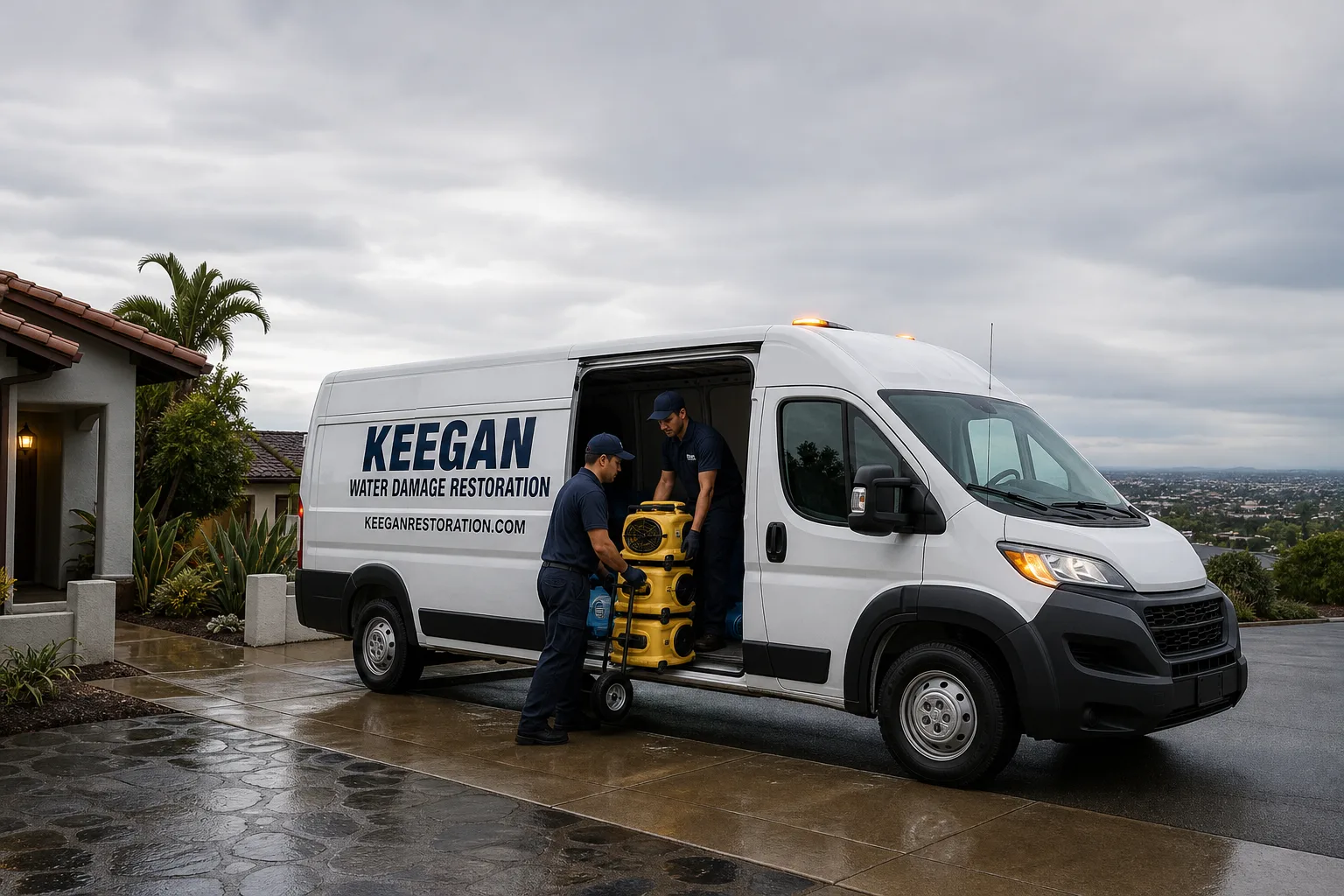
Free visual inspection and a written scope of work before any mitigation begins - photos, moisture readings, and drying logs go in your claim file
The scope we write is the scope we bill. Anything new gets shown to you, in writing, before we touch it.
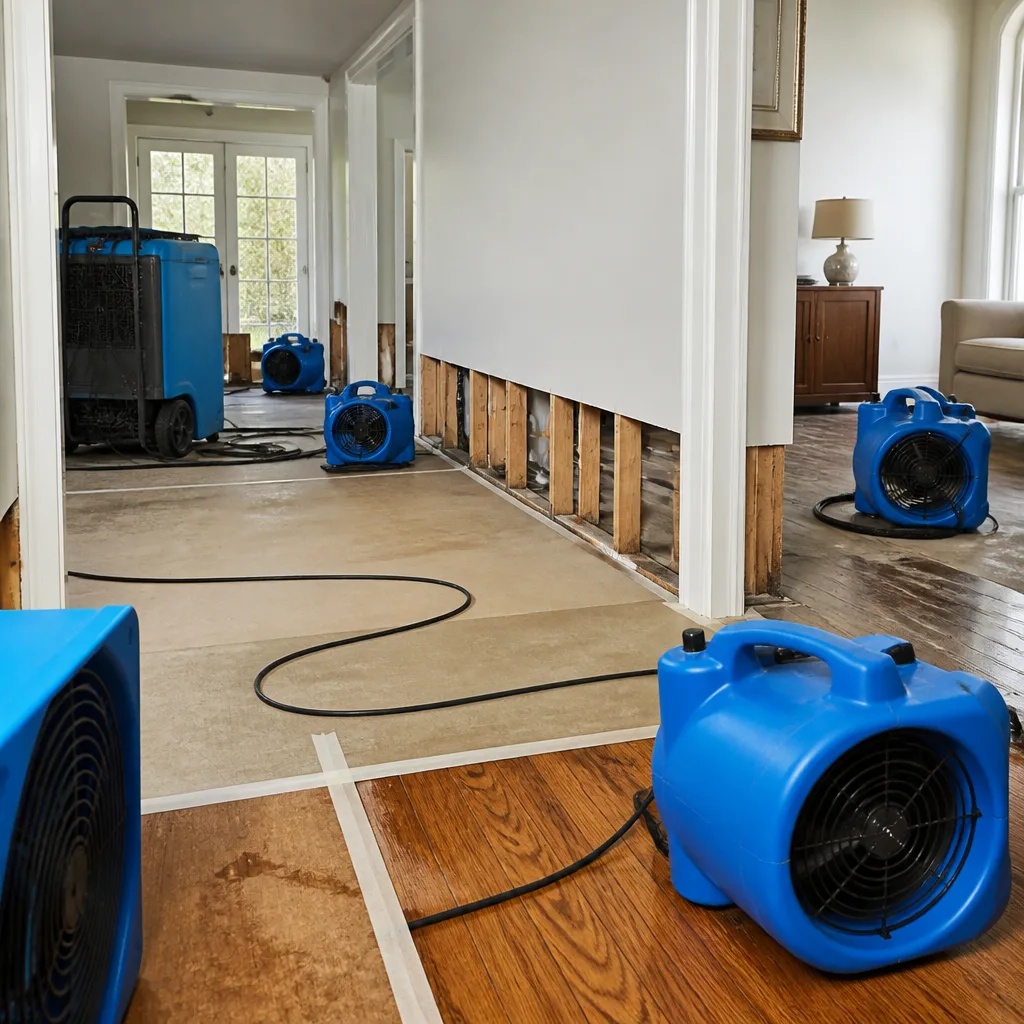



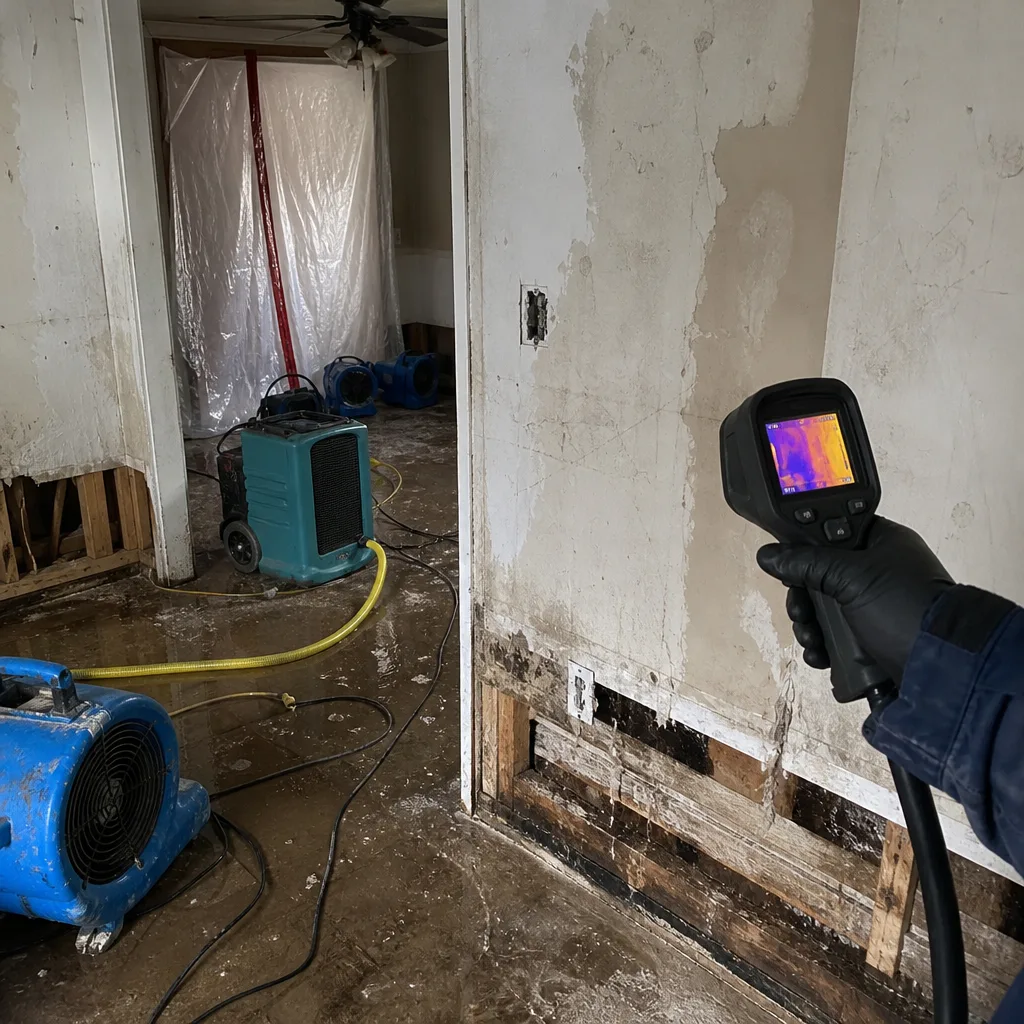 Before
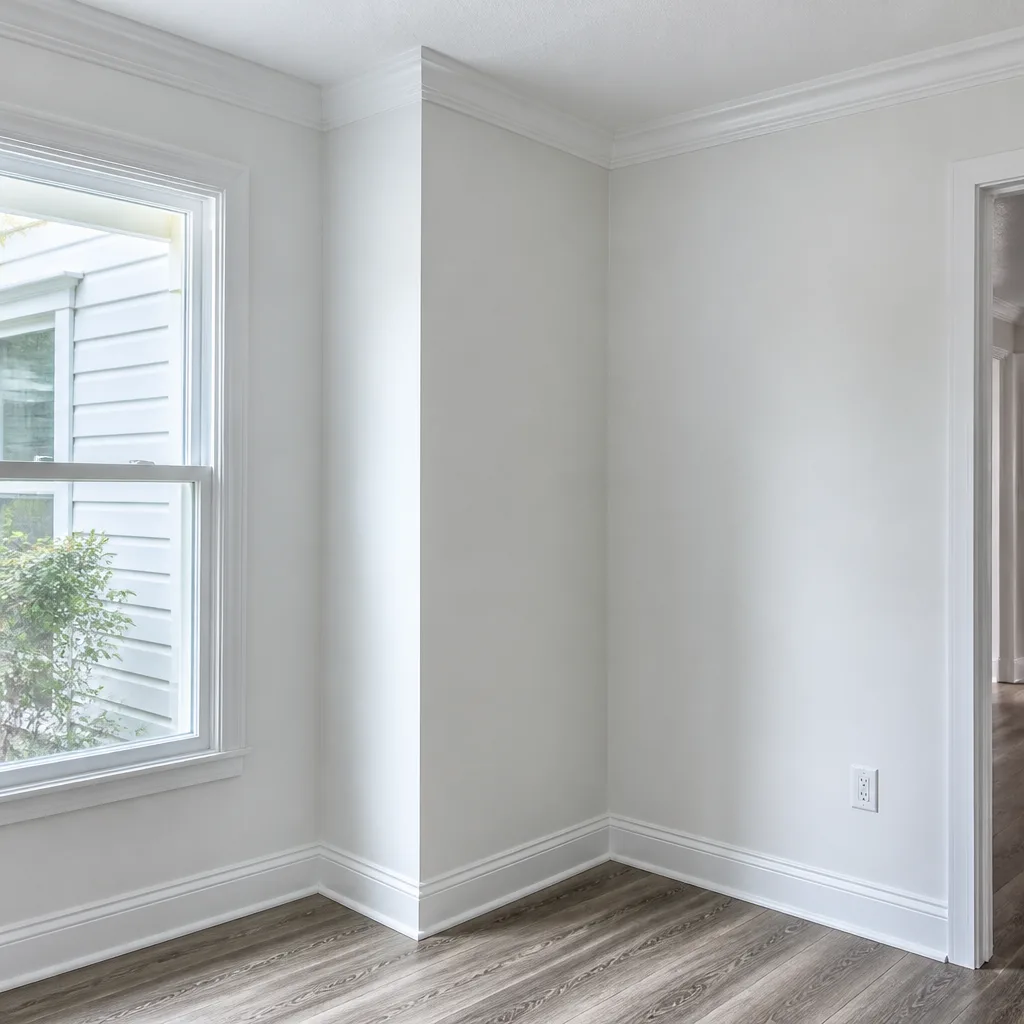
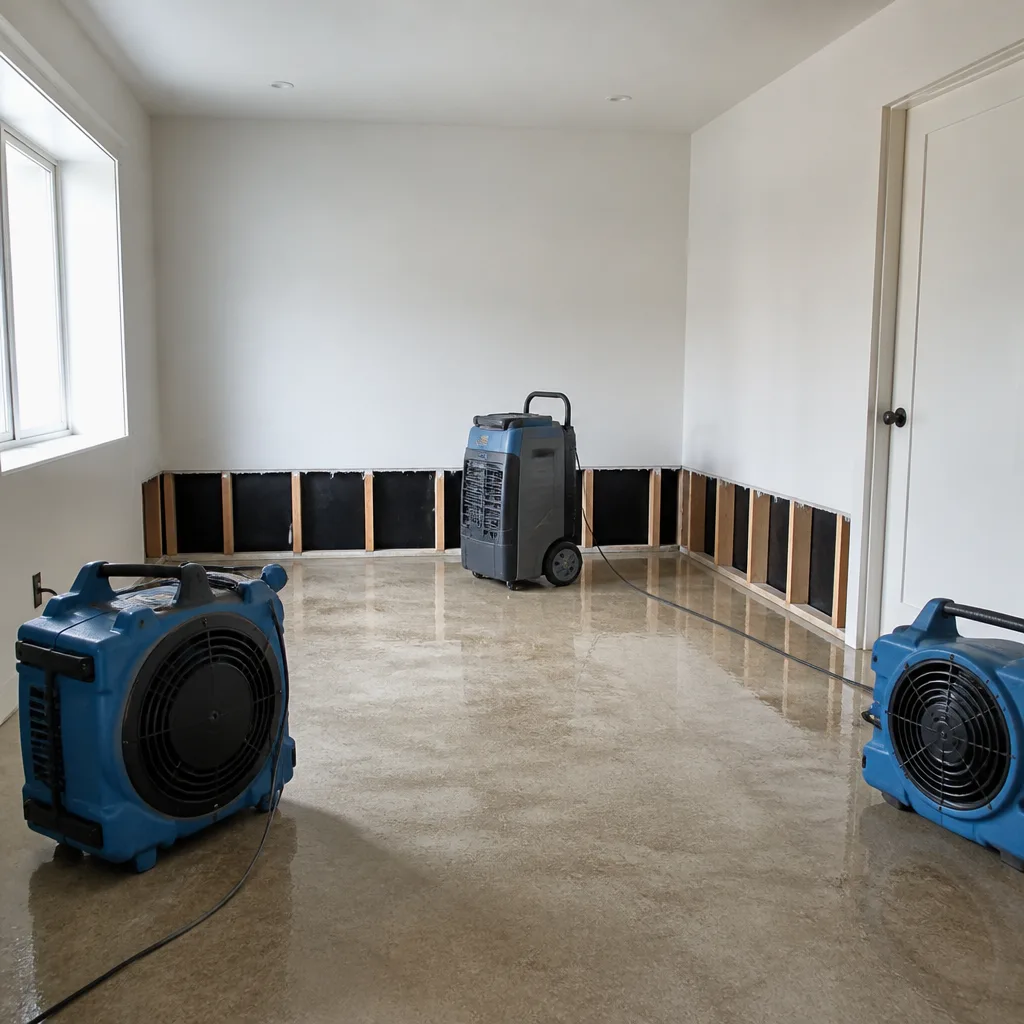 After
After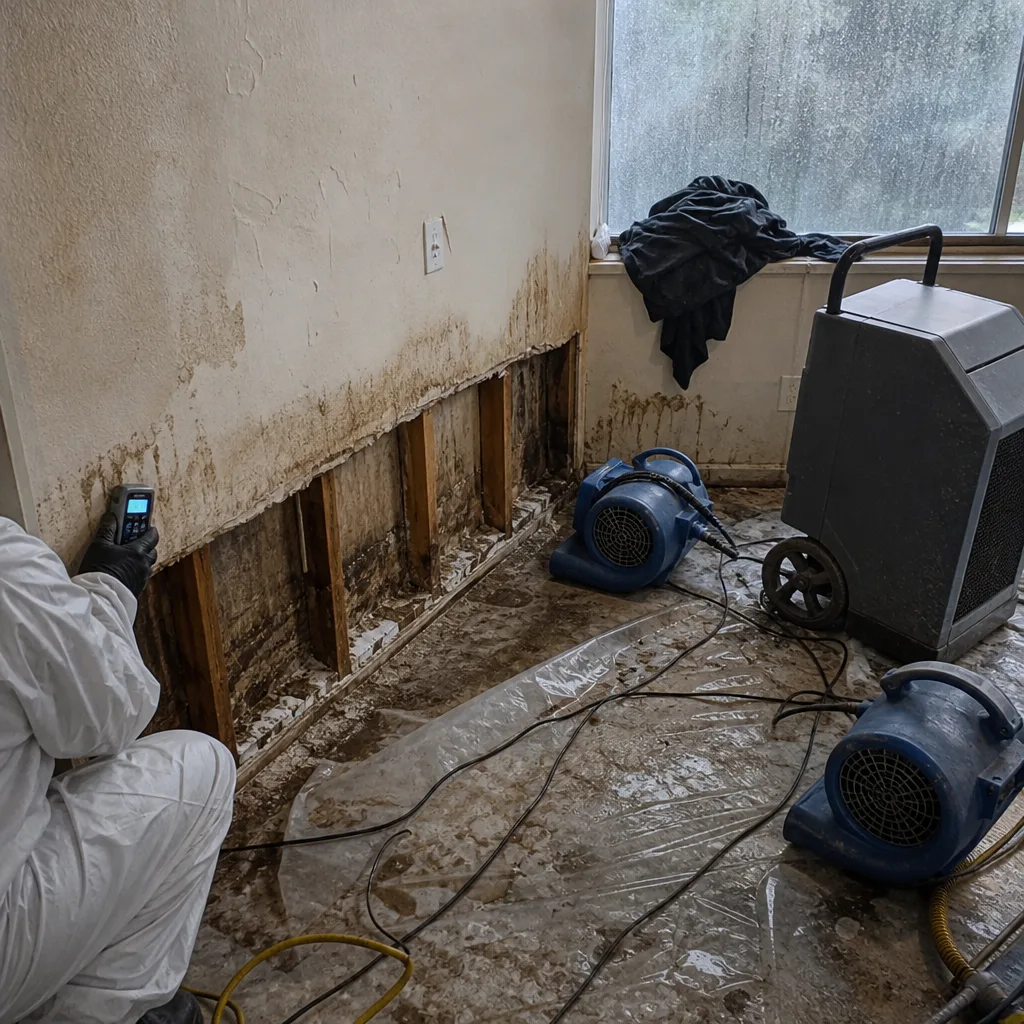 Before
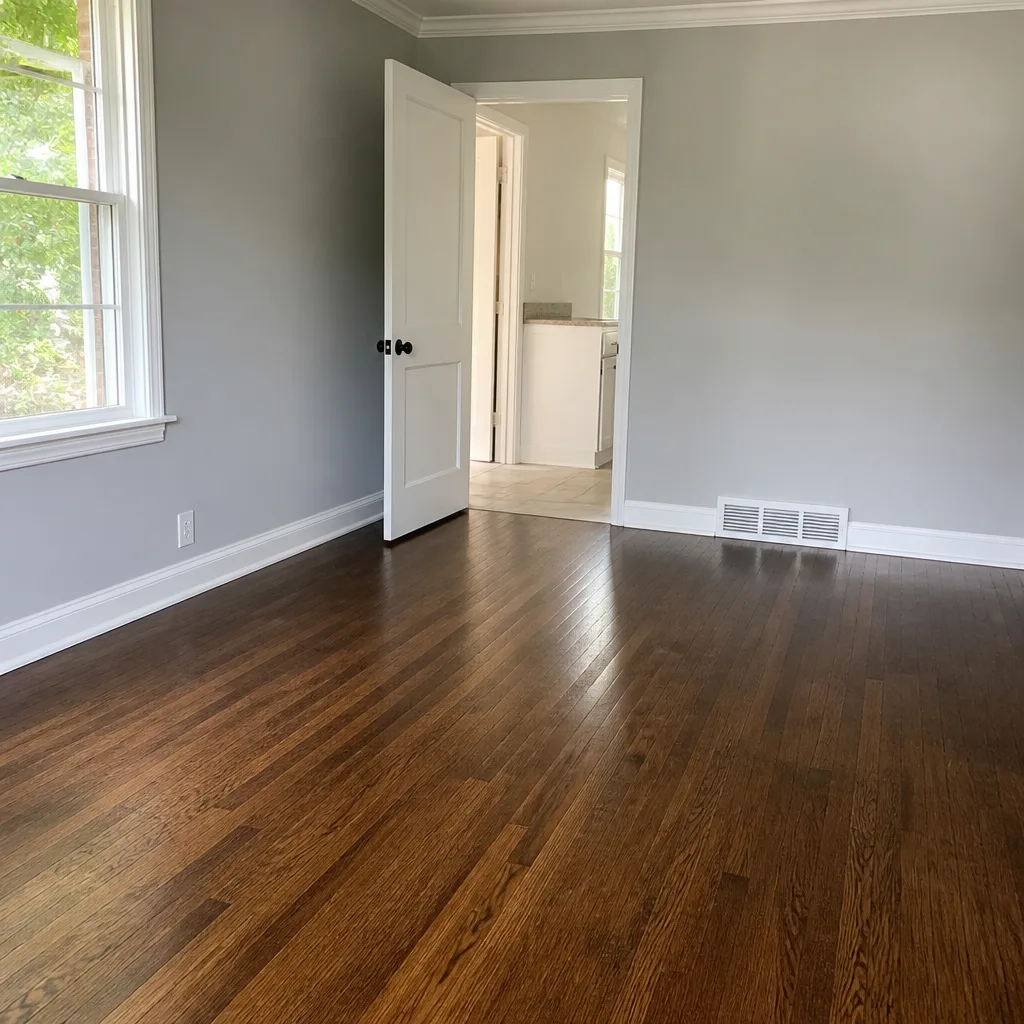
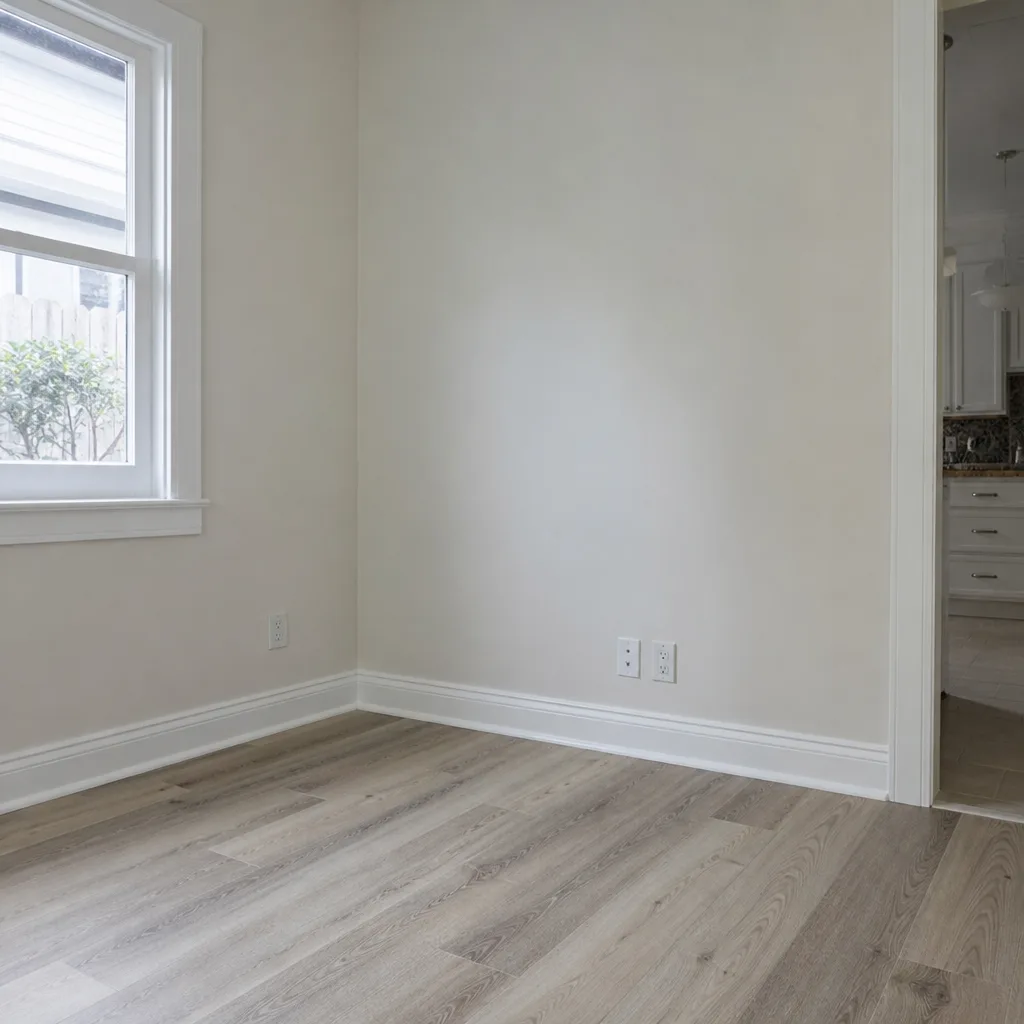 After
After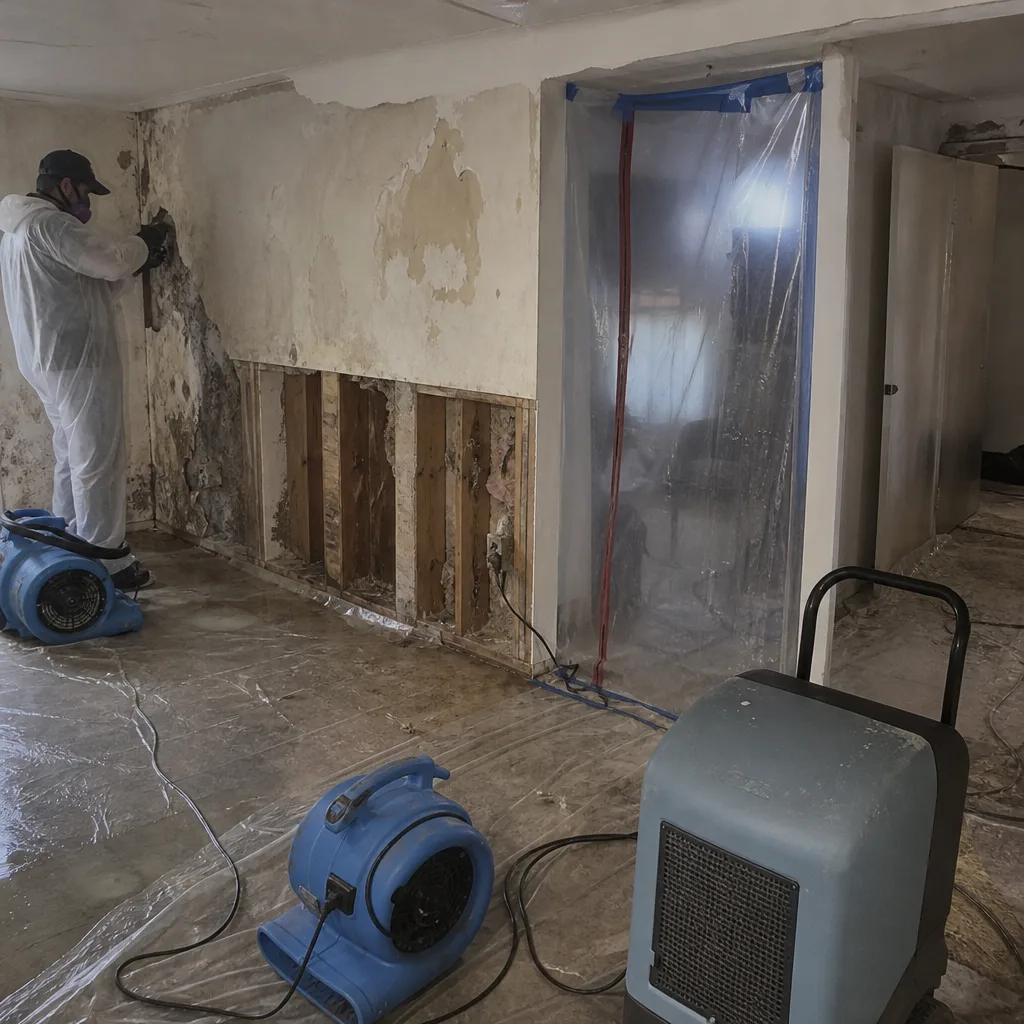 Before
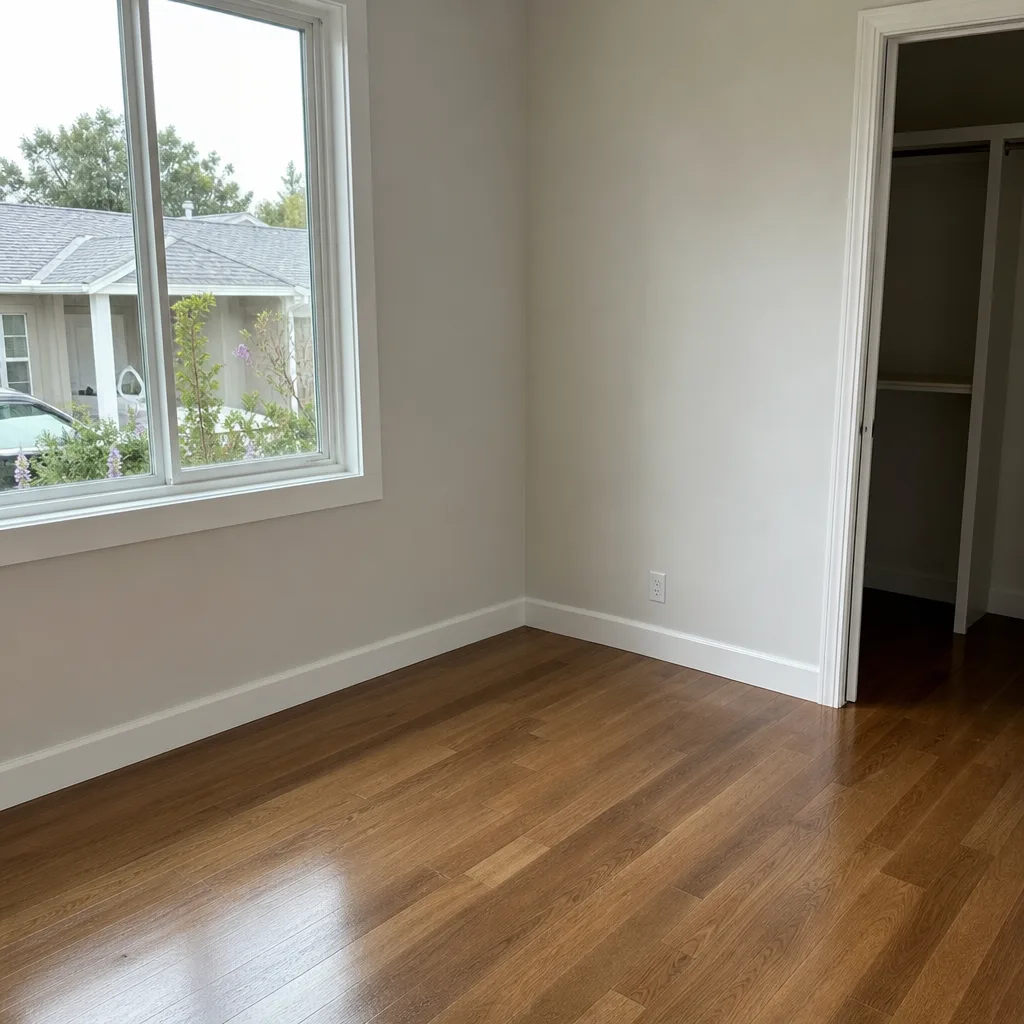 After
AfterWater Damage First 24 Hours
What’s Happening
If you’re standing in front of standing water, soaked drywall, or a ceiling that’s sagging and dripping right now, the clock is already running. Water damage in the first 24 hours is almost always recoverable – but the window to keep it that way is shorter than most people realize.
Water doesn’t sit still. The moment it hits your subfloor, wall cavity, or insulation, it starts migrating – wicking upward through drywall, spreading laterally under flooring, and saturating materials that look dry from the surface. What reads as a “small leak” on Tuesday morning can be a serious structural and mold-risk situation by Wednesday night. The first 24 hours are the critical window because extraction and drying started within that window almost always saves the materials that would otherwise need to be torn out and replaced. Waiting doesn’t save money. It typically costs more – in scope, in materials, and in time off your calendar.
Why It Happens
Burst or Leaking Supply Lines
Supply lines are the pressurized pipes that feed your sinks, toilets, dishwasher, and refrigerator. When a braided steel line fails – often suddenly, with no warning – it can discharge a significant volume of water in minutes. If you walked into a room and found water spreading fast across the floor with no obvious source, check under sinks and behind the toilet first. A kinked or visibly wet line is usually the culprit.
Failed or Overflowed Appliances
Washing machines, dishwashers, and water heaters are among the most common sources of interior flooding. A washing machine that overflows during a cycle, a dishwasher with a failed door gasket, or a water heater that’s cracked at the base will all put water on the floor quickly. The tell is the location: water pooling near an appliance, or a wet trail running from it toward a drain or wall.
Roof or Structural Intrusion After a Storm
A storm that pushes water through a compromised roof, damaged flashing, or a failed window seal sends water into the ceiling structure before it ever appears on your ceiling or walls. By the time you see a water stain, a bulge, or an active drip, the structural cavity above it has already been wet for some time. Do not attempt to investigate a sagging ceiling yourself – that surface can give way without warning. Note the location, photograph it, and keep clear of it until a technician assesses the structure.
Slab or Hidden Pipe Leaks
A slow leak under a concrete slab or inside a wall cavity is the one that tends to catch homeowners off guard because there’s no dramatic event – just a floor that feels warm in one spot, a water bill that’s climbing, or a faint damp smell that keeps coming back. By the time you notice those signs, the subfloor or wall framing underneath may have been wet for days. If your flooring is buckling, if baseboards are pulling away from the wall, or if you can hear running water when everything in the house is off, this is likely what you’re dealing with.
What to Do Right Now
- Stop the source if it’s safe to do so. Turn off the supply valve under the affected fixture, or shut off the main water supply to the house. The main shutoff is typically near the water meter, in a utility room, or in a basement. If you’re not sure where it is, find it before you need it next time.
- Don’t touch electrical equipment in or near standing water. If water has reached an area with outlets, a panel, or plugged-in appliances, leave that zone alone. Electricity and standing water is a serious hazard. Call a professional before re-entering that area.
- Photograph everything before you move anything. Walk the perimeter and take photos of the water’s current edge, the affected materials, and any visible source. That documentation matters later for your insurance claim – and your local Keegan Water Damage Restoration team will need it as part of the job file.
- Move what you can without entering unsafe areas. Furniture, rugs, and soft goods that are still dry should be moved out of the water’s path if you can do it safely. Saturated area rugs and upholstered furniture hold water and accelerate secondary damage – move them to a dry area if they’re not too heavy to handle.
- Don’t use a regular household vacuum to extract the water. Standard vacuums aren’t built for water extraction and can create an electrocution risk. Leave extraction to professional equipment. Call (361) 317-7269 now – a live person answers around the clock, every day of the year.
How We Fix It
When your local Keegan Water Damage Restoration team arrives, the first thing the technician does is a full moisture assessment – not a visual scan, a documented reading. We use professional moisture meters and thermal imaging to find where the water has actually traveled, not just where it’s visible. That map drives everything that follows.
Extraction comes first. We use professional-grade equipment from Dri-Eaz, Phoenix, XPOWER, B-Air, and Injectidry – the same equipment set referenced in IICRC, RIA, and IFA standards for structural drying – to pull standing water and begin the drying process across affected materials. Once extraction is complete, we set the drying configuration: air movers, dehumidifiers, and where needed, Injectidry panels that dry wall cavities without requiring demolition.
The service that handles this is Water Damage Restoration. If the moisture assessment finds conditions that support mold growth – which can begin in as little as 24 to 48 hours in the right conditions – Mold Remediation may be indicated as a follow-on scope.
Before any work starts, you get the price in writing. That’s not a policy we apply selectively – it’s The Garrison Standard on every job. The work is backed by the 365-Day Done Right Promise: if something we did fails within a year, we return and make it right at no charge.
Frequently Asked Questions
It can’t wait. Water that sits overnight migrates significantly further into wall cavities, subfloor materials, and insulation – materials that may still be salvageable tonight but will likely require replacement by morning. Beyond the structural issue, the conditions that support mold growth establish themselves within the first day or two of sustained moisture. Acting now is almost always the less expensive and less disruptive path. Call (361) 317-7269 – there’s a live person there right now.
Your local Keegan Water Damage Restoration team handles emergency water calls around the clock, including nights, weekends, and holidays. When you call (361) 317-7269, you reach a live person directly – no phone tree, no callback queue. They’ll connect you with your local team and get the process started.
Most standard homeowner’s policies cover sudden and accidental water damage – a burst pipe, an appliance failure, a storm intrusion – but typically exclude gradual leaks or flooding from outside the structure. Your local Keegan team documents every job with photos and moisture readings formatted to support the insurance claim process, and we can coordinate directly with your adjuster. The fastest way to find out where you stand is to call us and your insurer at the same time.
That depends on what the moisture assessment finds. If water reached structural materials – wall framing, subfloor, insulation – a surface-level dry-out won’t address what’s inside the cavity. If the assessment shows the moisture is contained to non-porous surfaces and was caught quickly, a dry-out may be the right scope. We don’t upsell remediation when it isn’t indicated. The written price you receive before any work starts reflects exactly what the assessment shows – nothing added at the door. Call (361) 317-7269 and we’ll tell you what we’re actually looking at once we’ve seen it.
Get It Fixed
Call (361) 317-7269 right now – a live person answers every call, 24 hours a day, 7 days a week. Your local Keegan Water Damage Restoration team will assess the damage, give you a written price before anything starts, and get the drying process underway. Water out, dried right, and documented for your claim.
Written by Shane Pruitt, Owner at Keegan Water Damage Restoration, part of the Garrison Partners family since 2005.
What Our Customers Say
"Quiet, focused crew. Everyone had a job and they did it."
- Alice M."Documented everything with photos for my insurance. No arguments from the adjuster."
- Carmen R."They pulled the wet drywall to two feet up and dried the studs. Replaced it clean and painted to match."
- Tom E.