
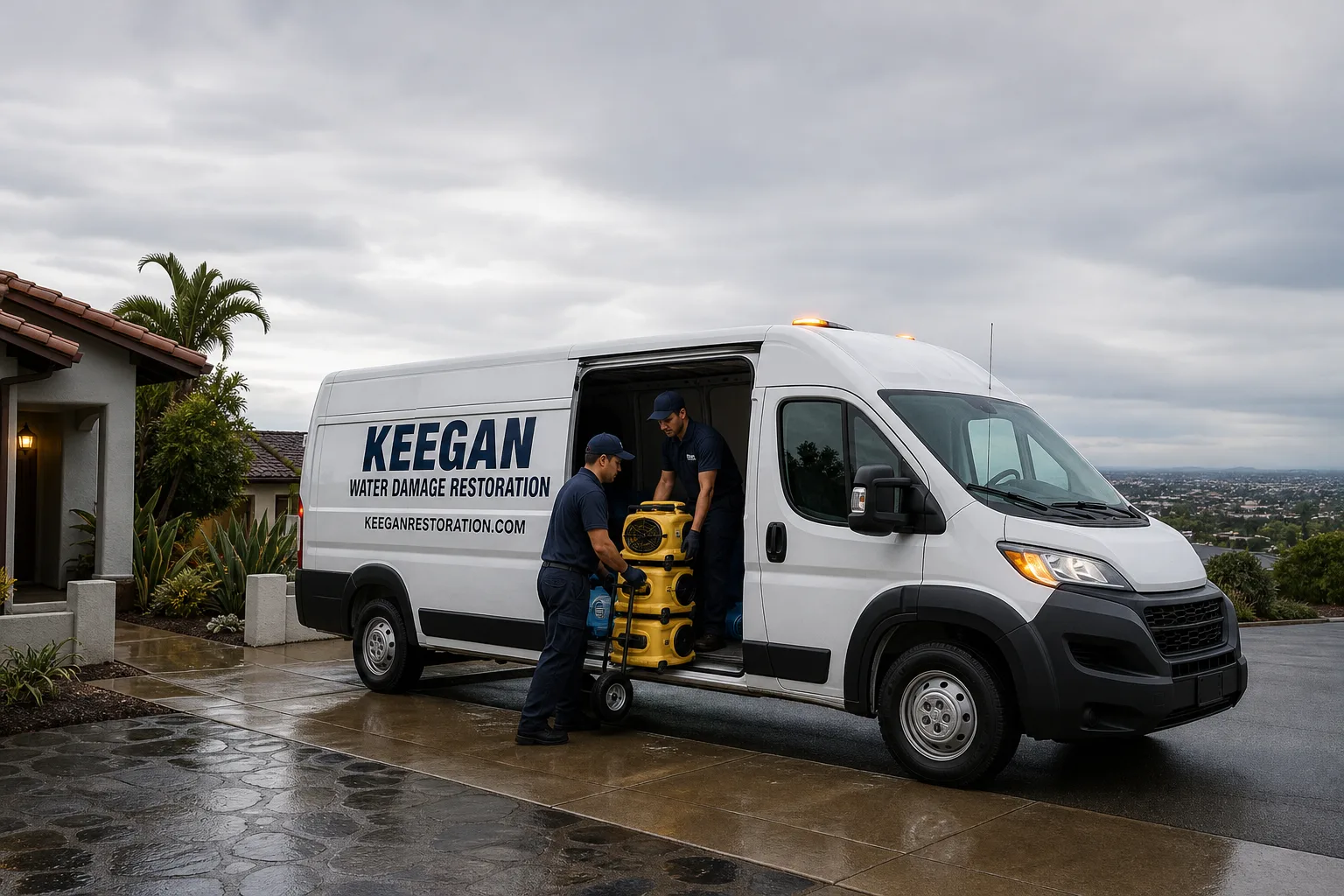
Free visual inspection and a written scope of work before any mitigation begins - photos, moisture readings, and drying logs go in your claim file
The scope we write is the scope we bill. Anything new gets shown to you, in writing, before we touch it.
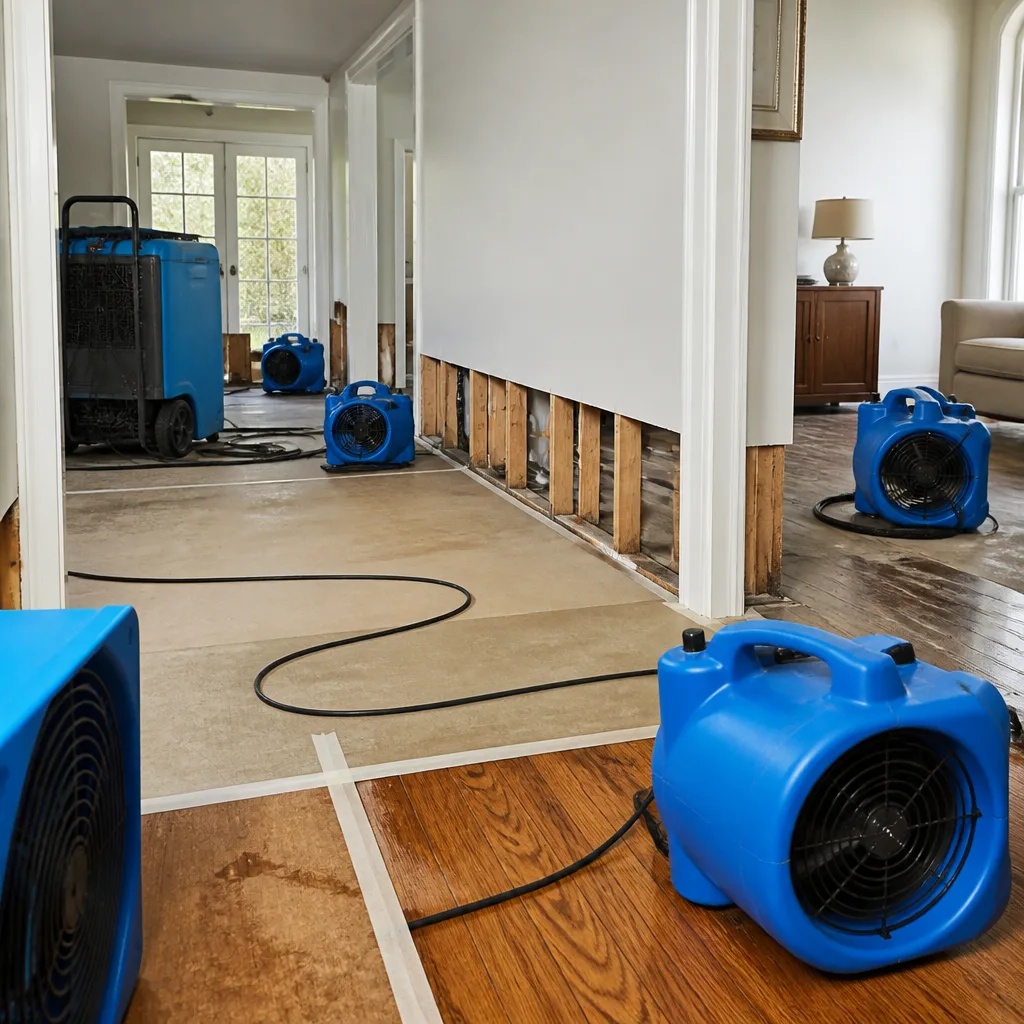


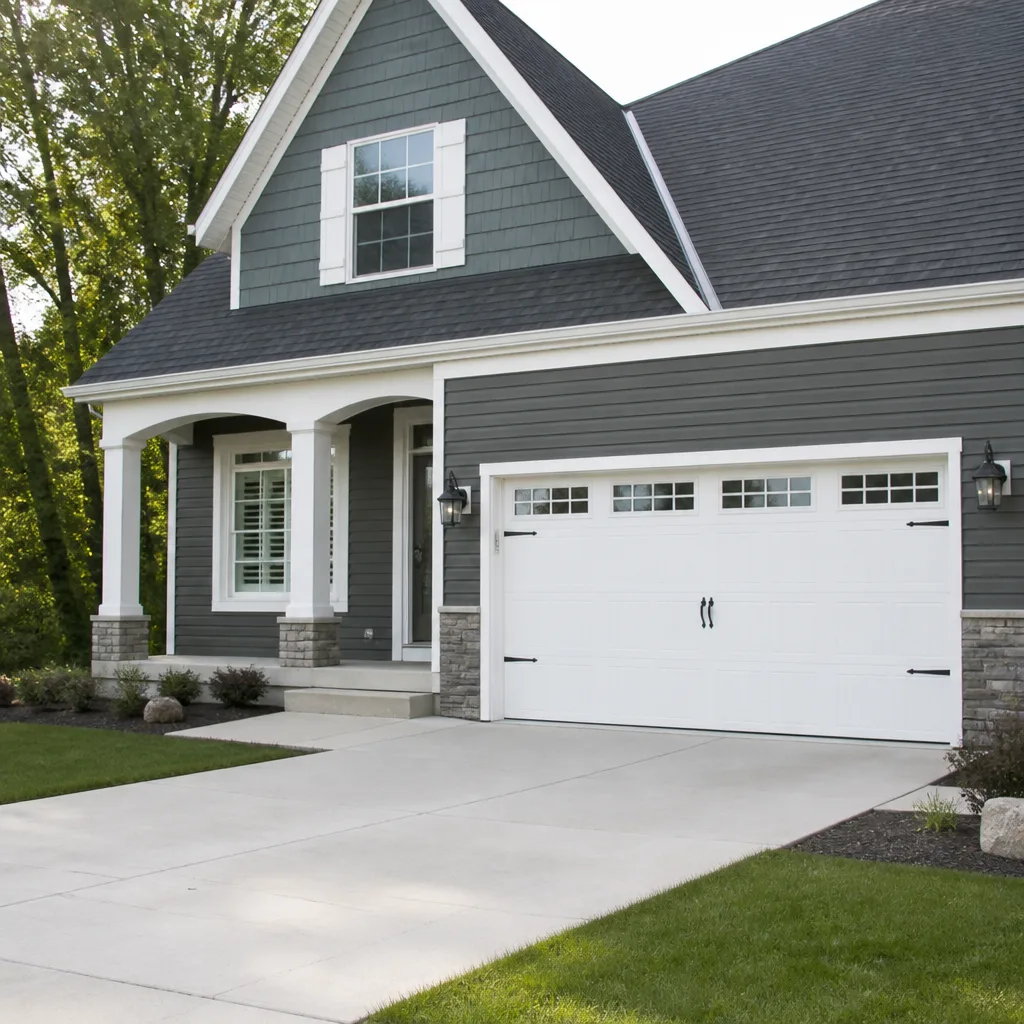
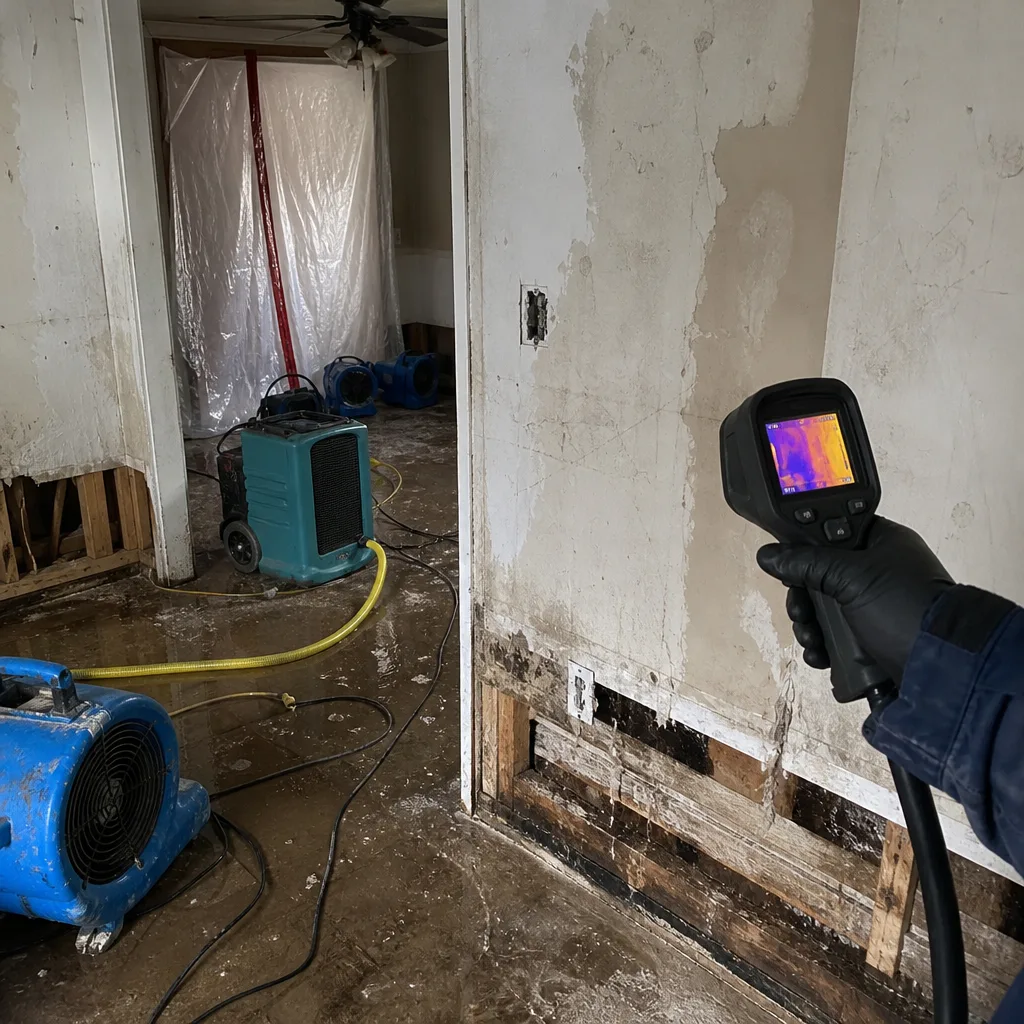 Before
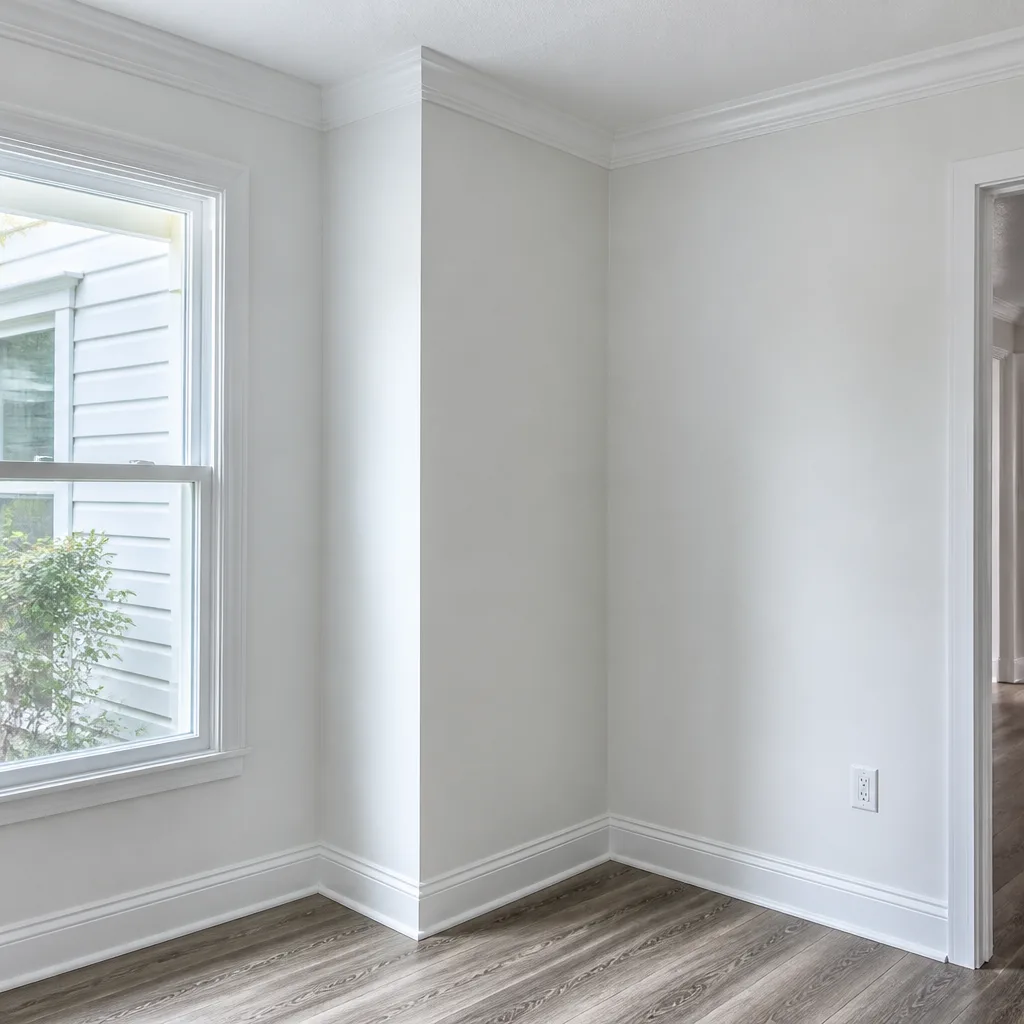
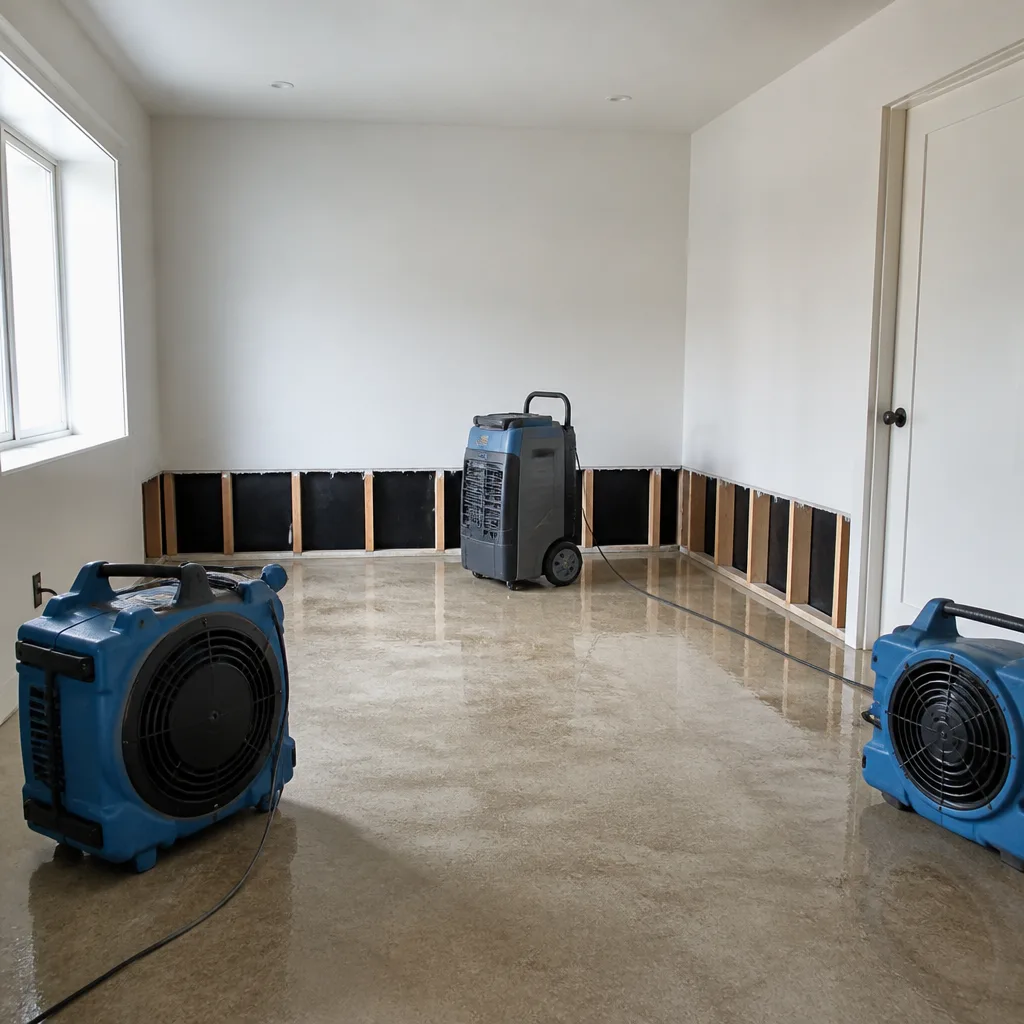 After
After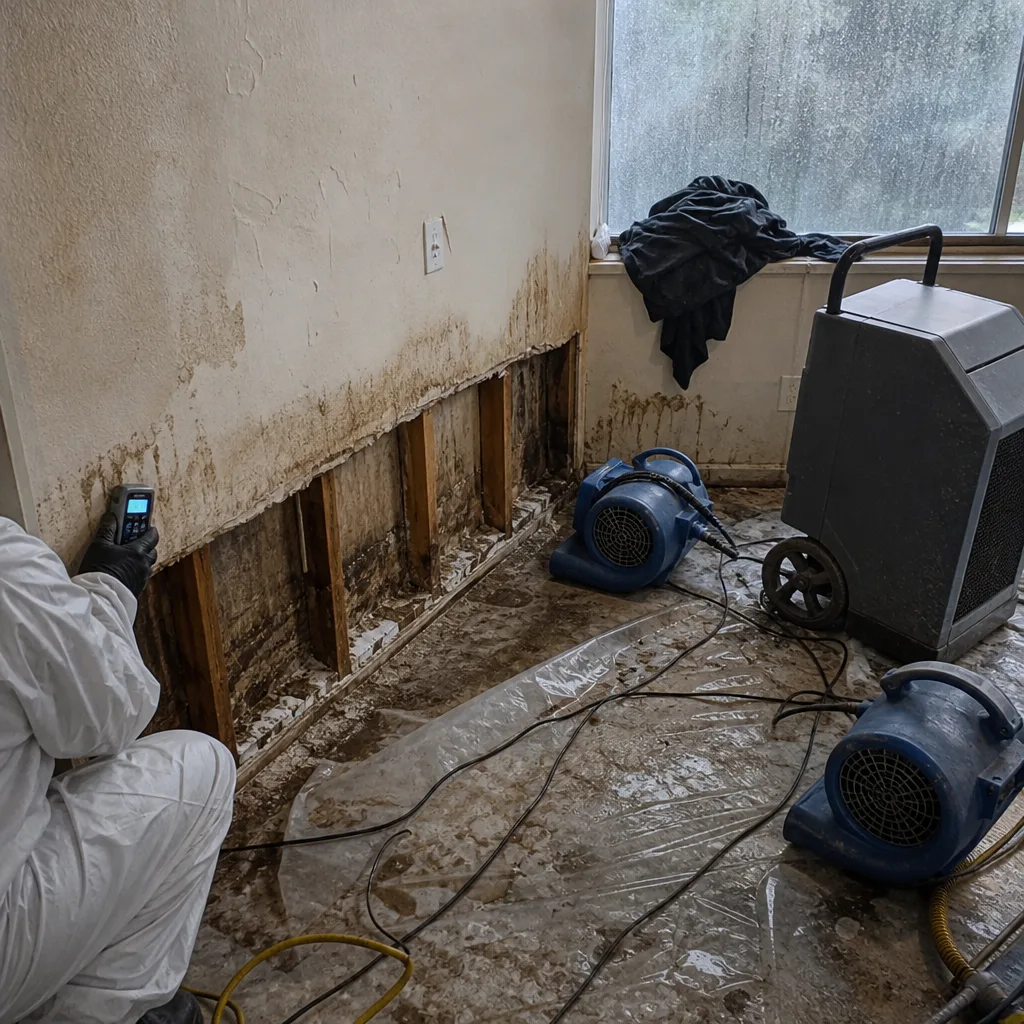 Before
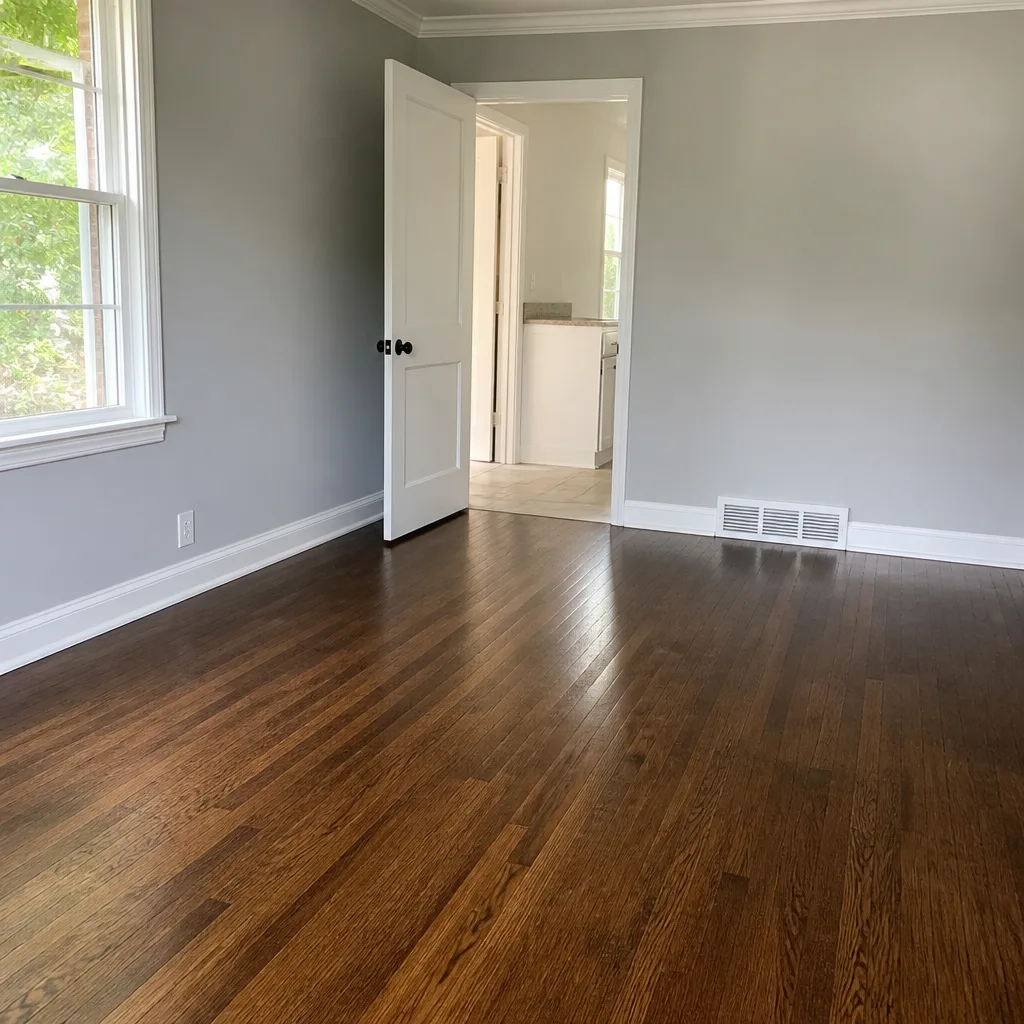
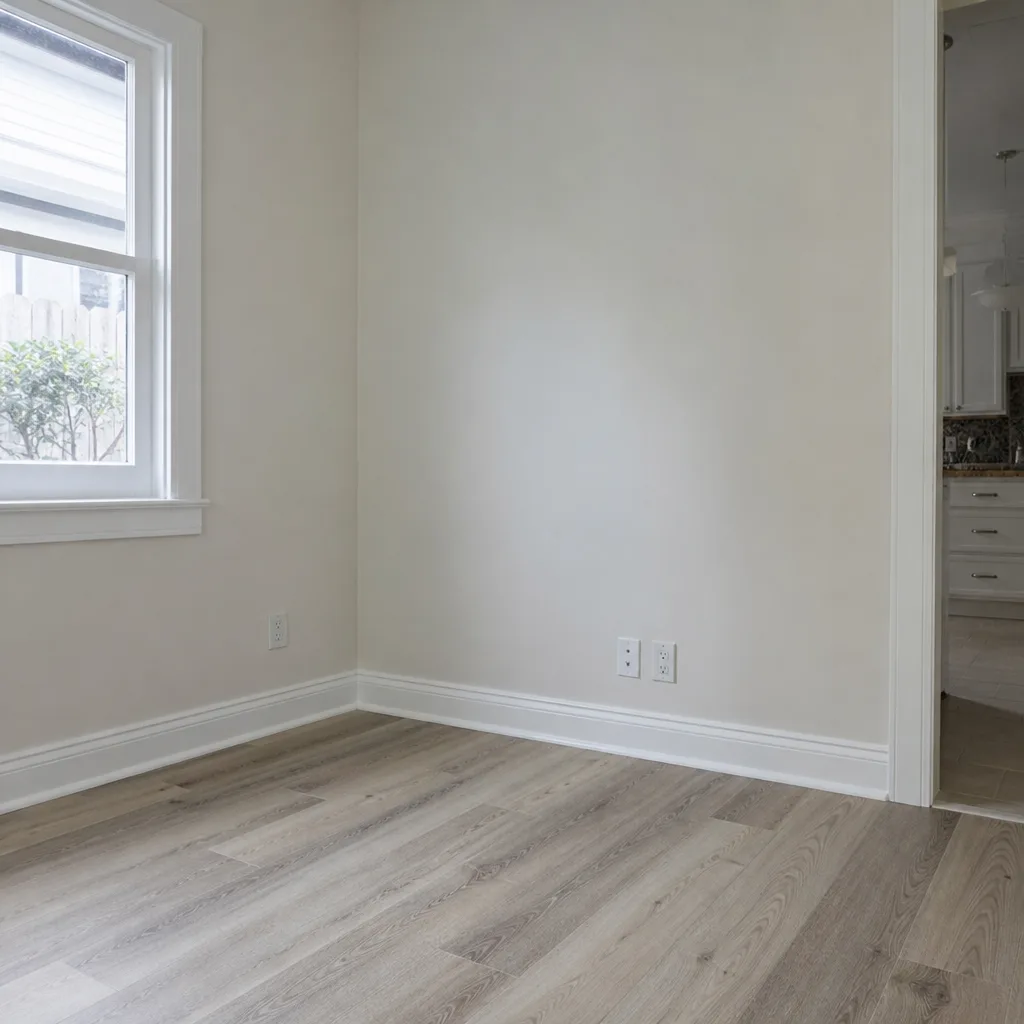 After
After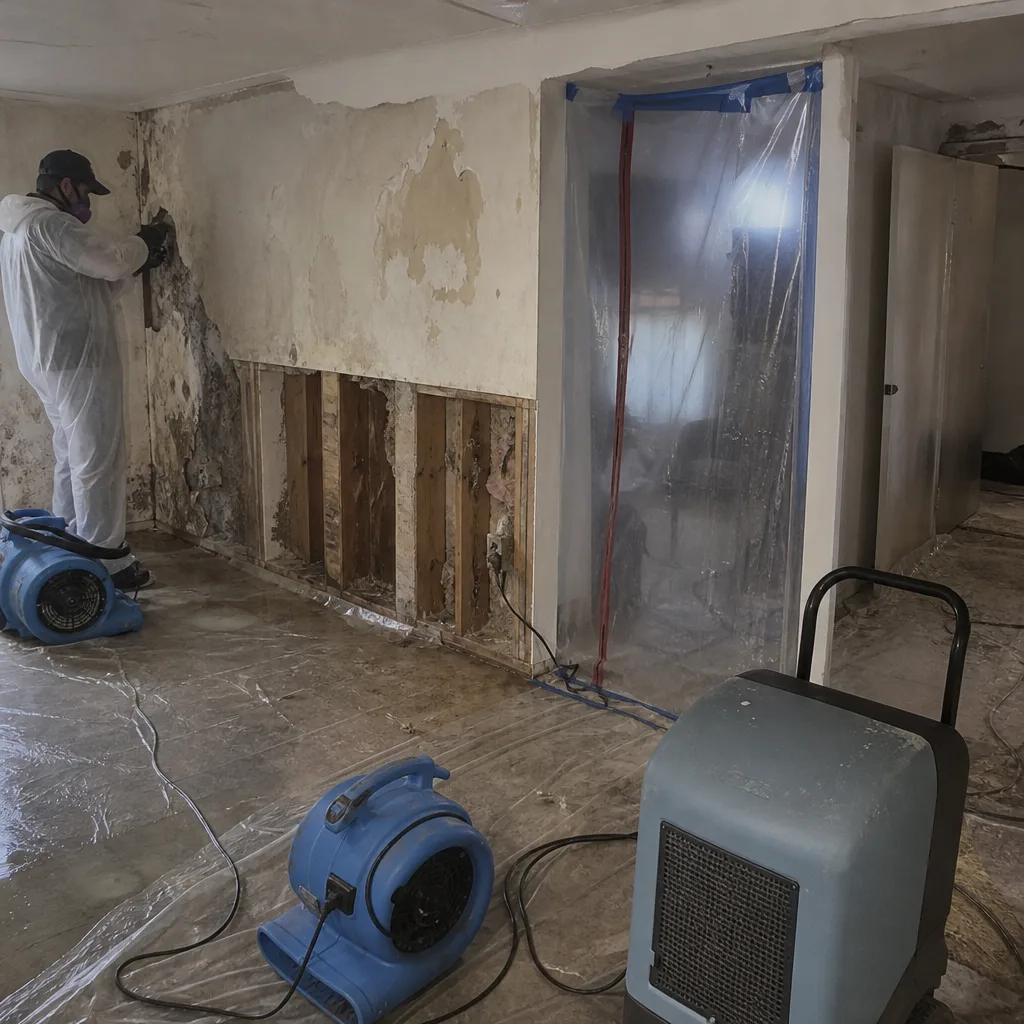 Before
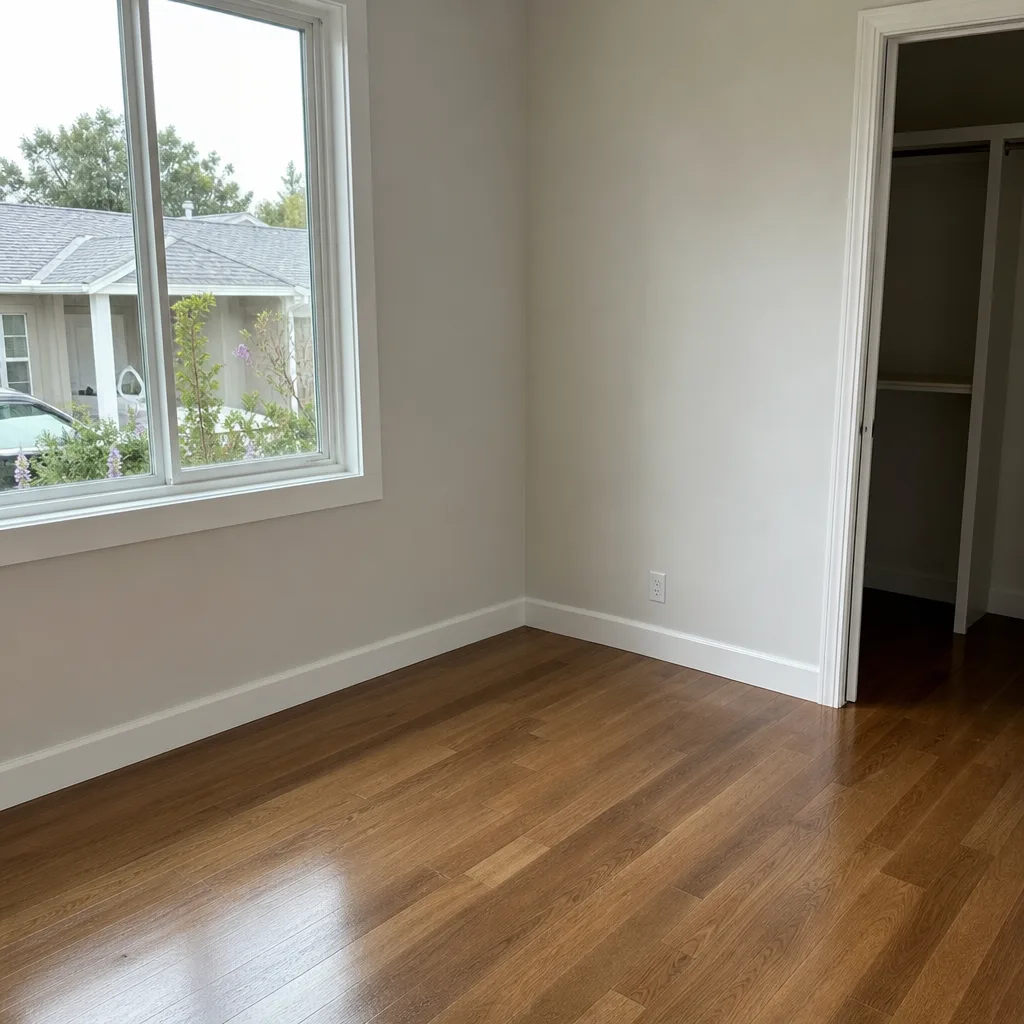 After
AfterFire and Smoke Damage Cleanup Steps
What’s Happening
After a fire, your home has two problems working against you at the same time: the visible char and structural damage from the flames, and the invisible but equally destructive layer of smoke, soot, and acidic residue that has settled into every surface, cavity, and air duct it could reach. Fire damage restoration is the process that addresses both, in the right order, before the secondary damage becomes permanent. Call (361) 317-7269 to reach a live person at your local Keegan Water Damage Restoration team right now.
Most homeowners focus on what burned. The harder problem is often what didn’t. Smoke moves faster than fire and travels farther, coating metal, fabric, drywall, and wood with a fine, acidic film that begins etching and corroding surfaces within hours. Soot is oily and electrostatically charged, which means it clings and penetrates rather than sitting on top. Odor molecules bond to porous materials at the molecular level. If cleanup steps are taken in the wrong sequence, or with the wrong chemistry, they can push soot deeper into surfaces instead of lifting it – making a recoverable situation much harder to resolve.
Why It Happens
Kitchen fires that spread beyond the appliance
Grease fires and stovetop flare-ups are the most common origin point for residential fire damage. They’re fast and hot, and cabinets above a range catch quickly. You’ll know this is your source if the heaviest char and greasy soot residue is concentrated at ceiling height in the kitchen, with a fan-shaped spread toward adjacent rooms. The grease component makes the soot especially difficult to clean without professional degreasers and specific alkaline chemistry.
Electrical fires inside walls or ceilings
An overloaded circuit, a failing outlet, or degraded wiring insulation can ignite inside a wall cavity where no one can see it. By the time smoke is visible in the room, the fire has often been burning inside the structure for several minutes. Homeowners typically notice a persistent electrical or acrid burning smell before they see any flame or visible damage. This is one of the more deceptive fire types because the surface damage looks minimal while the structural and air quality damage can be significant.
HVAC-distributed smoke after a contained fire
Even a small, quickly extinguished fire can send smoke through a running HVAC system before anyone thinks to shut it off. If your system was operating during or immediately after the fire, smoke has likely traveled through the ductwork and deposited soot across multiple rooms, sometimes the entire house. You can usually tell this is a factor if rooms far from the fire origin have a visible haze or a smoke smell that doesn’t match the proximity to the burn area.
Firefighting water damage layered on top of fire damage
Suppression efforts – whether from a sprinkler system, a garden hose, or a fire department – introduce significant water into a structure that’s already heat-stressed. Drywall that survived the fire can be saturated within minutes. This secondary water damage creates the conditions for mold growth within 24 to 48 hours if it isn’t addressed as part of the restoration. If you’re seeing standing water, wet flooring, or wet walls alongside the fire damage, both problems need to be worked simultaneously, not sequentially.
What to Do Right Now
- Don’t turn on the HVAC system. If it was running during the fire, it has already pulled smoke through the ducts. Running it again will redistribute soot and odor further into the building. Turn it off and leave it off until a technician has assessed the system.
- Photograph everything before touching it. Walk through the property with your phone and document every room, every surface, every item that shows damage. These photos are the foundation of your insurance claim, and they need to show the damage in its original state. Capture wide shots of each room, then close-ups of specific damage points.
- Don’t wipe soot surfaces with dry cloths or paper towels. Dry wiping smears the oily, electrostatically charged particles deeper into porous surfaces and can make professional cleaning significantly harder. Leave soot undisturbed until the right chemistry and equipment arrive.
- If the fire department has cleared the structure, ventilate carefully. Open windows on opposite sides of the home to create cross-ventilation and reduce smoke concentration in the air. This is a basic step, not a substitute for professional air scrubbing – but it reduces your immediate exposure while you wait.
- If you suspect any electrical involvement, stay out until the structure is cleared. An electrical fire that appeared to be extinguished can reignite. If the origin was in a wall, ceiling, or panel, treat the structure as potentially unsafe until an electrician and your restoration team have both signed off. Don’t re-enter a structure with an uncleared electrical fire origin – call your local Keegan team at (361) 317-7269 and let them coordinate access safely.
How We Fix It
Fire damage restoration follows a specific sequence, and skipping steps is how secondary damage becomes permanent damage. When your local Keegan Water Damage Restoration team arrives, the first task is a thorough assessment – what burned, how far smoke traveled, whether the HVAC distributed it, and whether firefighting water has created a secondary moisture problem. That assessment drives the written scope of work, and the price goes on paper before any work begins. No exceptions, no estimates that shift at the door.
Structural debris is removed. Affected contents are inventoried and segregated. Soot and char are cleaned from salvageable surfaces using chemistry matched to the specific soot type – dry, wet, or protein-based residue each requires a different approach. If water intrusion is present from suppression efforts, our drying equipment from Dri-Eaz, Phoenix, XPOWER, B-Air, and Injectidry is deployed alongside the fire cleanup, run to IICRC, RIA, and IFA standards, with full moisture documentation. Odor treatment – thermal fogging, hydroxyl generation, or encapsulation depending on the materials involved – comes after the source is removed, not instead of it. Reconstruction is scoped and scheduled in writing once the remediation phase is complete. The work is backed by the 365-Day Done Right Promise: if it fails within a year, we return and make it right at no charge.
Frequently Asked Questions
It cannot, and a few days is long enough for the damage to become significantly more expensive. Smoke’s acidic compounds begin etching metal, glass, and finished surfaces within hours of a fire. If water was used in suppression, mold can establish itself in 24 to 48 hours in wet building materials. The longer soot sits, the deeper it penetrates porous surfaces, and some materials that are cleanable in the first 24 hours become unsalvageable by day three. Call (361) 317-7269 – a live person answers every hour of every day, and your local team will move fast.
Most standard homeowner’s policies cover fire damage restoration, including smoke and soot cleanup, as well as water damage caused by firefighting efforts. Coverage specifics depend on your policy, your insurer, and the cause of the fire. Your local Keegan team documents every job – photos, moisture readings, scope of damage – in a format structured to support your claim, and we coordinate directly with adjusters when that helps move things forward. Get the work scoped quickly so you have documentation from the earliest point after the fire.
A live person answers at (361) 317-7269 every hour of every day, including nights, weekends, and holidays – no phone tree, no call-back queue. Your local Keegan Water Damage Restoration team will assess your situation and tell you exactly when they can be there. Before any work starts, you’ll have the price in writing. Nothing moves until you’ve seen the number and agreed to it.
The honest answer depends on what a proper assessment finds. A small, contained fire with no structural involvement and no HVAC distribution may require a narrower scope. But smoke travels further than most homeowners expect, and the only way to know what you’re dealing with is to test the affected areas properly – including hidden cavities where soot and moisture can sit undetected. Your local Keegan team will tell you what they actually find, put the scope in writing, and let you make the decision from there. No upselling, no pressure – just the written price before anything starts.
Get It Fixed
Call (361) 317-7269 right now – a live person answers every hour of every day. Your local Keegan Water Damage Restoration team will assess the damage, put the price in writing before any work begins, and back every repair with the 365-Day Done Right Promise. Fire damage doesn’t wait, and neither do we.
Written by Shane Pruitt, Owner at Keegan Water Damage Restoration, part of the Garrison Partners family since 2005.
What Our Customers Say
"Water heater burst in the garage and flooded the hall. Crew was there fast, in uniform, set up dehumidifiers and air movers, and ran drying logs every day. Veteran-owned and organized."
- Gail S."Quiet, focused crew. Everyone had a job and they did it."
- Alice M."Documented everything with photos for my insurance. No arguments from the adjuster."
- Carmen R.