
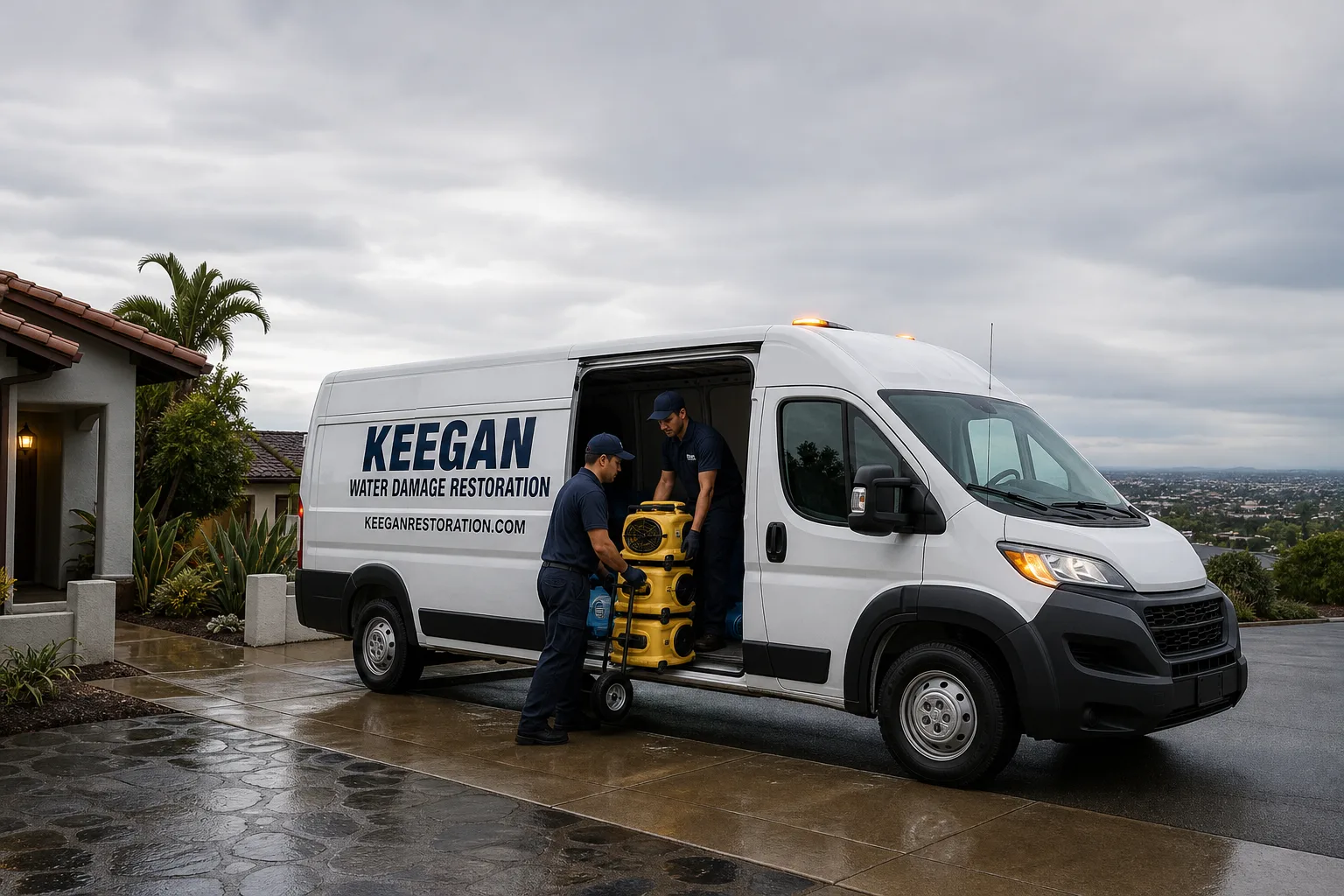
Free visual inspection and a written scope of work before any mitigation begins - photos, moisture readings, and drying logs go in your claim file
The scope we write is the scope we bill. Anything new gets shown to you, in writing, before we touch it.
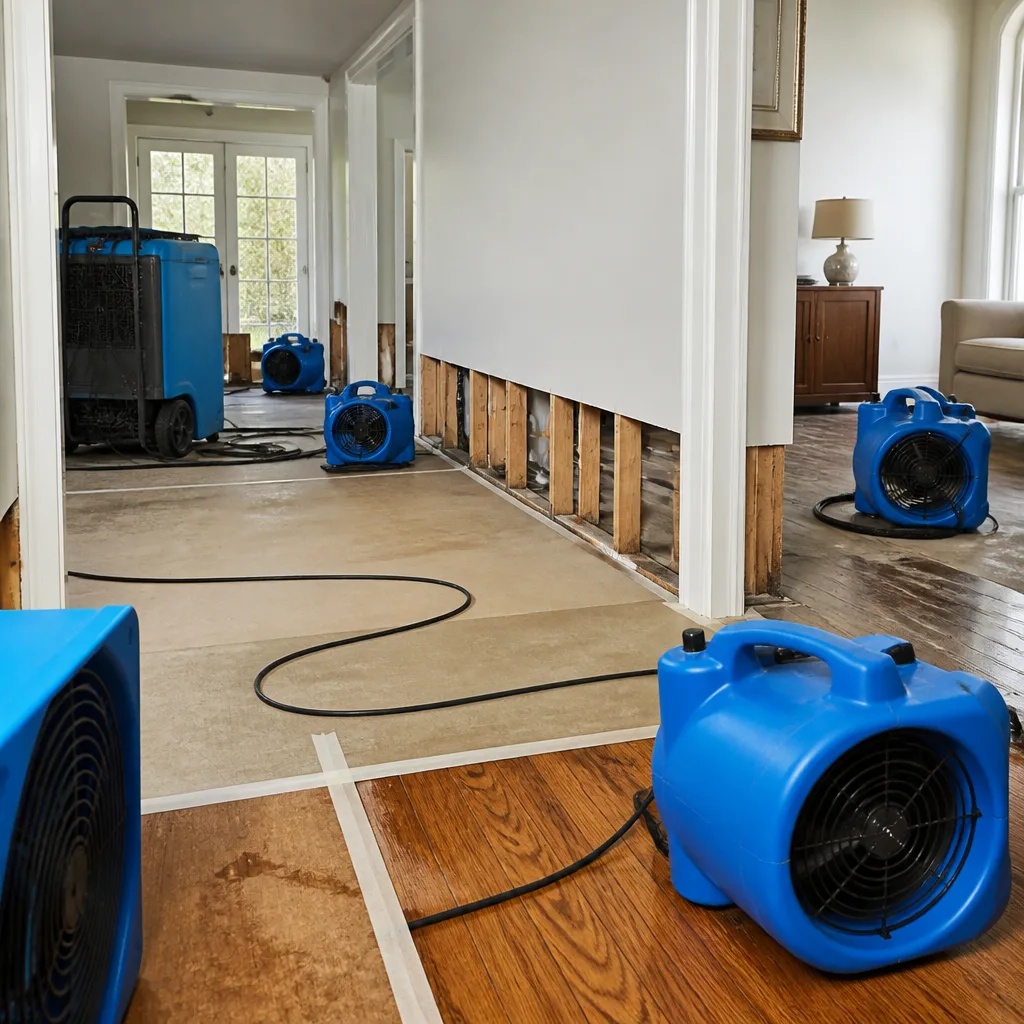
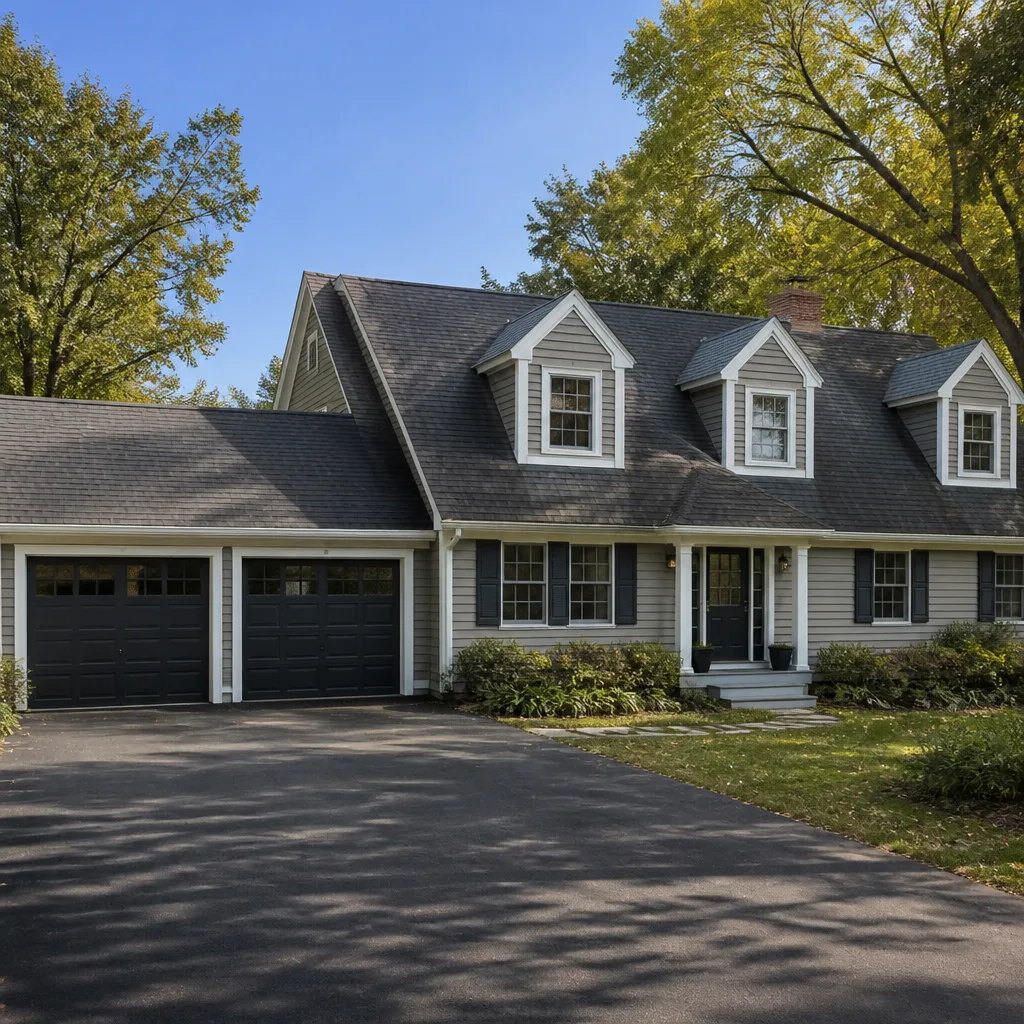
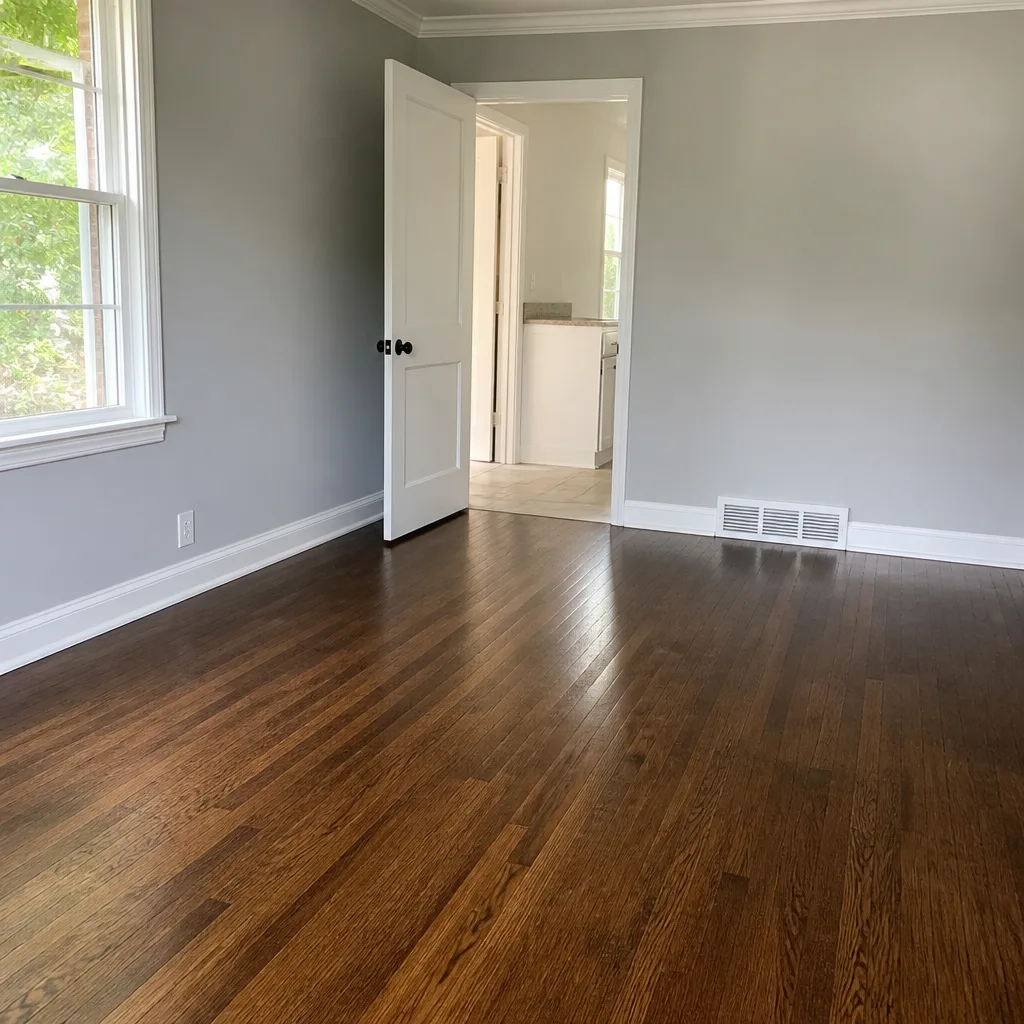
 Before
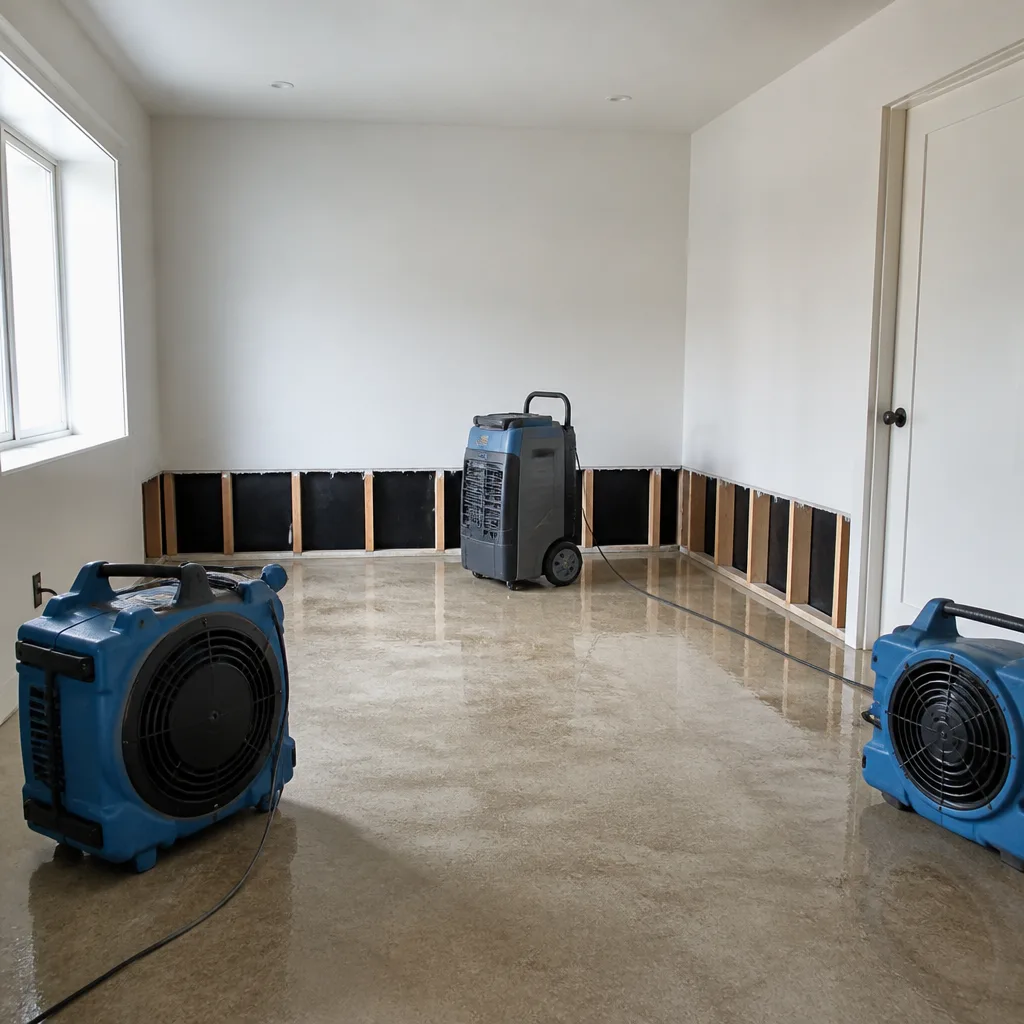 After
After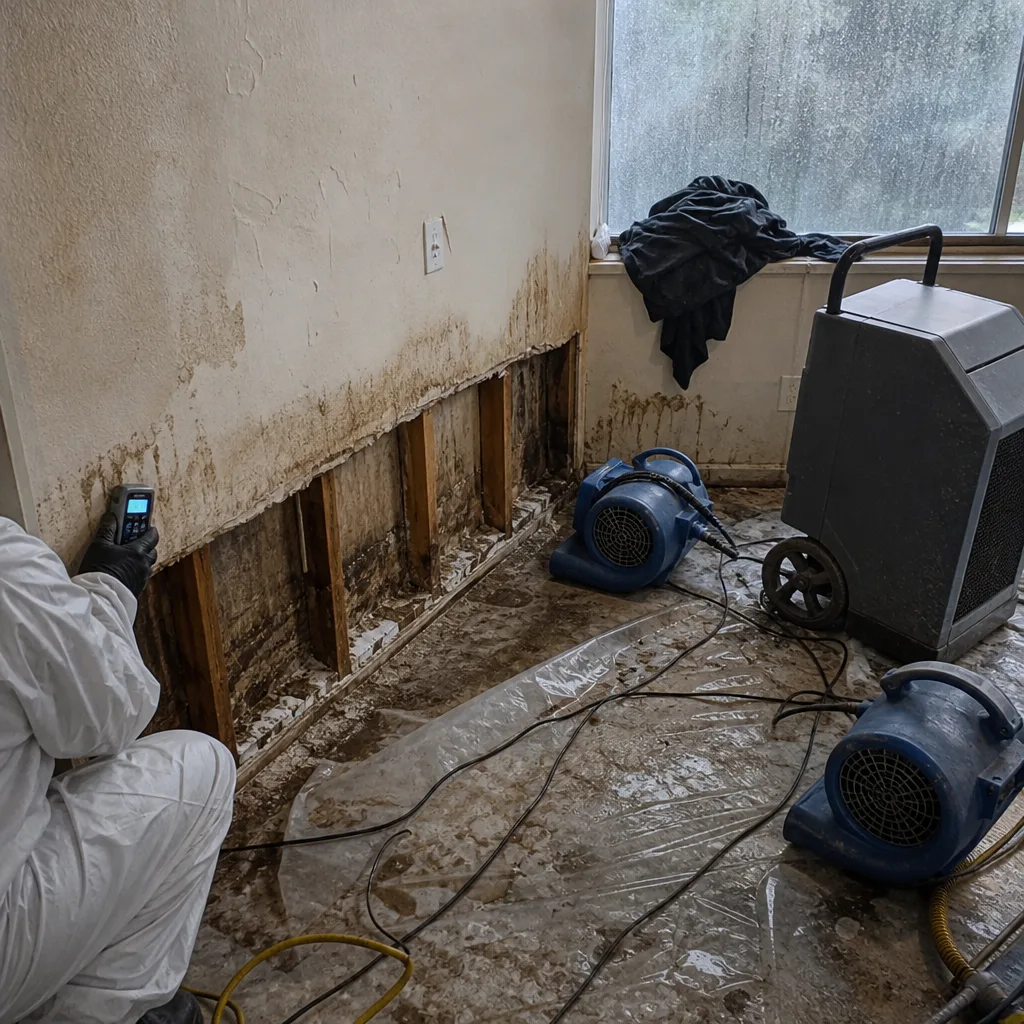 Before
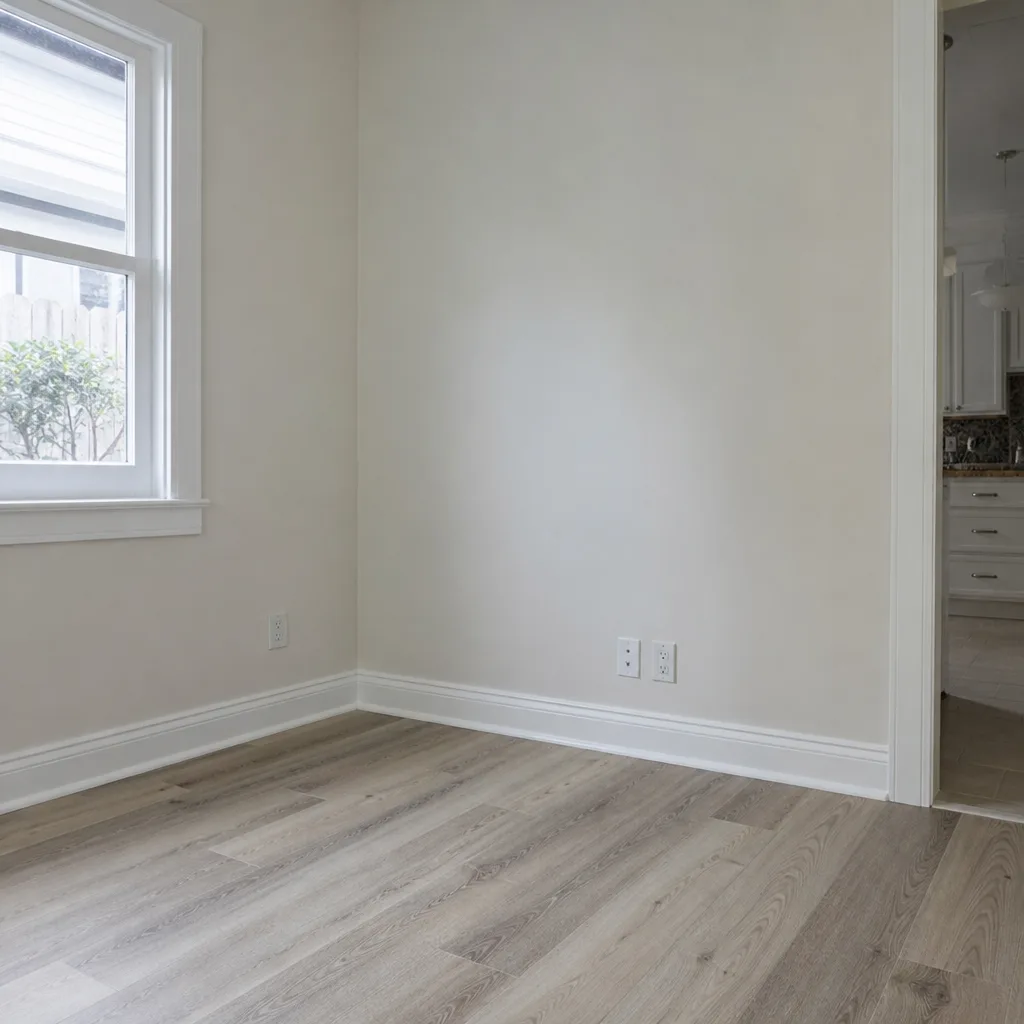 After
After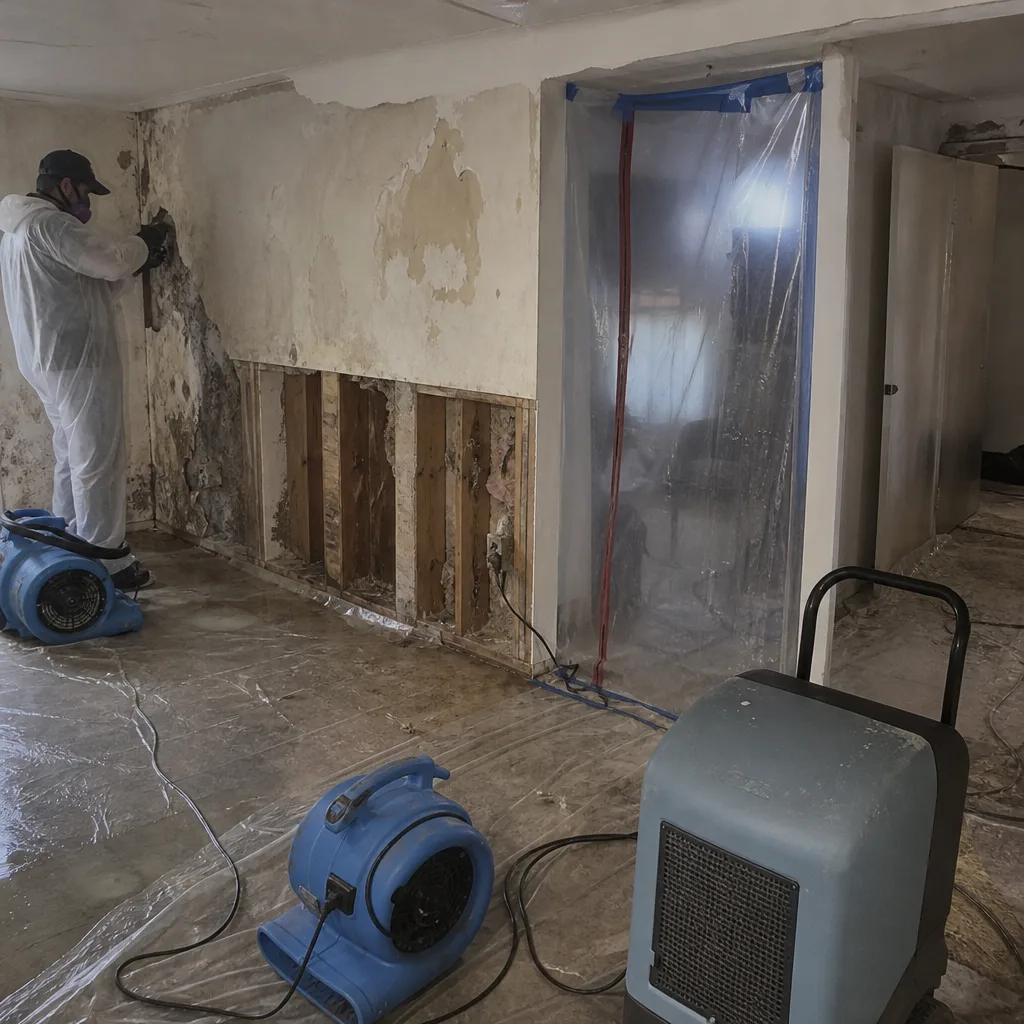 Before
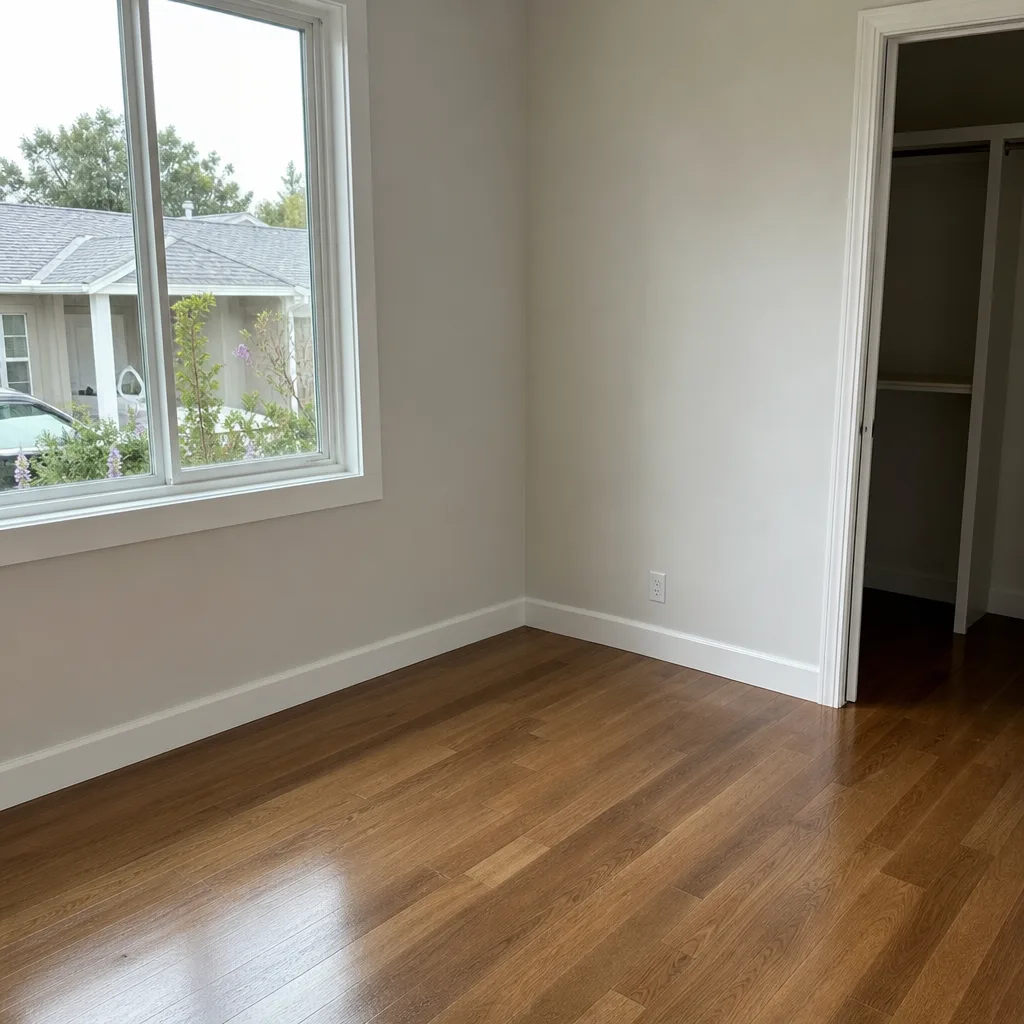 After
AfterMold Remediation Stopped Working
When mold remediation stops working, it almost always means the underlying moisture source was never fully eliminated, the original remediation was incomplete, or both. Mold does not come back on its own – it comes back because the conditions that fed it the first time are still present. This is a moisture problem that needs a diagnosis, not a second round of the same incomplete fix.
If you’re standing in front of visible mold growth that was treated once already, or you’re smelling that familiar musty odor in a space that was supposedly cleared, the remediation did not hold. That happens more often than most homeowners realize. Either the crew stopped short of the real source, drying was incomplete, or a slow moisture intrusion – a condensation problem, a pinhole pipe leak, or a compromised vapor barrier – continued feeding spores after the work was done. The mold you’re seeing now is the evidence. The fix starts with finding exactly why it came back.
Why It Happens
The Moisture Source Was Never Found
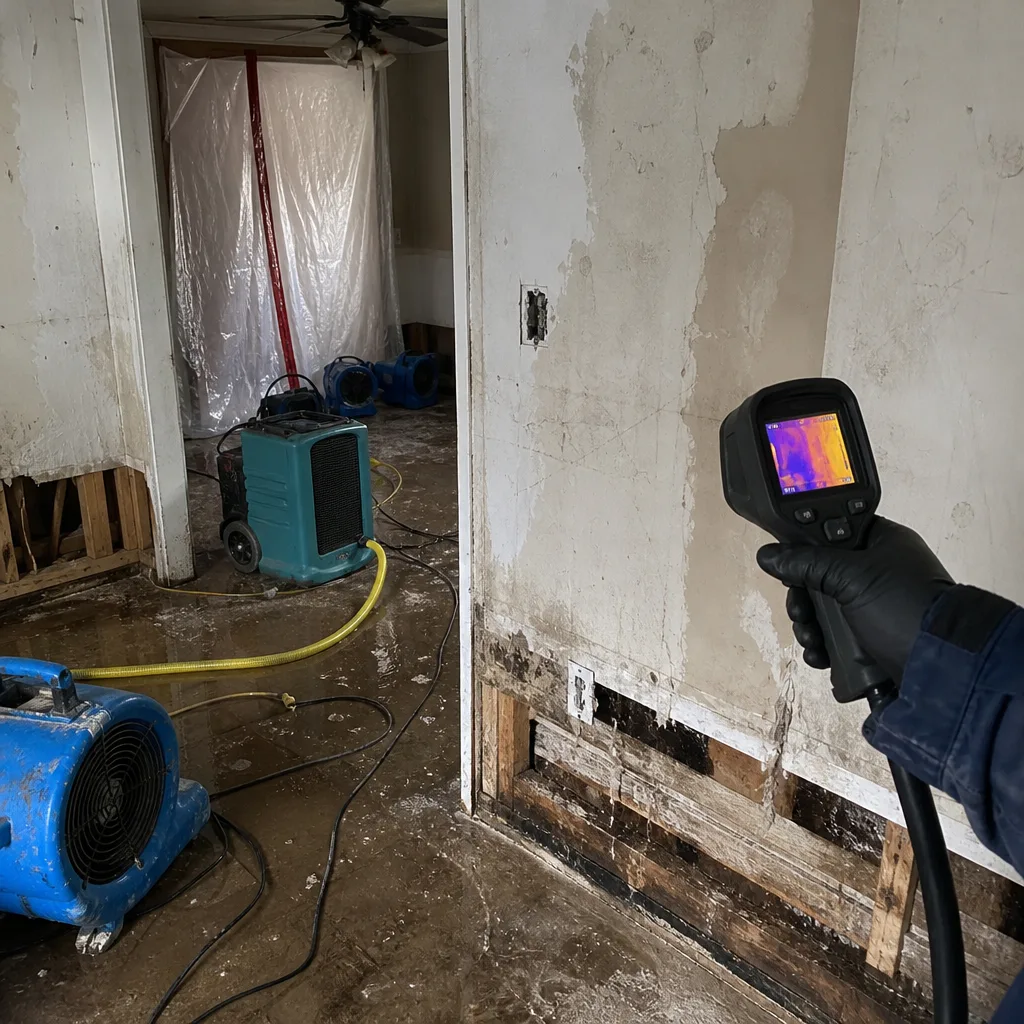
Mold remediation that doesn’t hold is almost always a moisture investigation that stopped too early. If a crew treated visible surface mold without identifying where the water was actually coming from, the spores had everything they needed to recolonize within weeks. The tell here is straightforward: if the mold came back in the same spot it was treated, and nothing was done to a pipe, a drainage system, or a crawl space vapor barrier, the source is probably still active. Thermal imaging and moisture meters, not just a visual pass, are the tools that find it.
Drying Was Incomplete Before the Rebuild Started
IICRC drying standards require materials to reach specific moisture content targets before any encapsulation or reconstruction begins. When drying is cut short – equipment pulled too early, or fewer air movers than the job actually needed – materials that appear dry on the surface still carry enough moisture inside to sustain mold growth. You can often identify this pattern when mold returns beneath paint, inside wall cavities, or on the back face of drywall that was left in place. The material looked fine; the readings told a different story.
The Containment Failed or Was Skipped
During remediation, containment barriers and negative air pressure keep mold spores from spreading to unaffected areas of the home while the work is being done. If containment was inadequate or was not set up at all, spores aerosolized during the treatment and settled elsewhere in the structure. Mold appearing in a new location after a remediation – not where it was before, but somewhere nearby – is a strong indicator that cross-contamination happened during the original job.
A New Moisture Intrusion Opened Up
Sometimes the first remediation was done correctly, and a separate water event created new conditions for mold growth. A slow roof leak that developed over winter, a dishwasher supply line that started weeping, or seasonal condensation behind an exterior wall can all produce fresh mold in a previously treated space. The way to distinguish this from a failed remediation is timing: if the mold appeared well after the original work and in a slightly different location or pattern, a new intrusion is worth ruling in first.
What to Do Right Now
- Stop disturbing the affected area. Do not scrub, spray, or attempt to remove visible mold yourself. Disturbing mold without proper containment spreads spores through your HVAC system and to other rooms.
- Photograph everything before it changes. Take clear, well-lit photos of the mold growth, the surrounding materials, and any visible water staining or damage nearby. Date-stamp them. This documentation matters for your insurance claim.
- Check for active moisture right now. Look at the ceiling above the affected area, the wall behind it, and any plumbing fixtures nearby. A soft spot in drywall, a water stain with a tide line, or condensation on a cold surface points you toward the source without opening anything up.
- Turn off HVAC circulation if the mold is significant. Running forced-air heat or cooling through a space with active mold pushes spores into every duct outlet in the house. Shut the system down in the affected zone if you can isolate it.
- Do not enter a crawl space or attic to investigate on your own. Confined spaces with active mold can have elevated spore concentrations that are genuinely hazardous without respiratory protection. Stop at the access point, photograph what you can see, and leave the close inspection to a technician with proper PPE.
How We Fix It
When your local Keegan Water Damage Restoration team arrives, the first thing a technician does is find the moisture – not treat the mold. We use moisture meters and thermal imaging to map exactly where water is hiding in the structure before any remediation work begins. That diagnostic step is what most failed remediations skipped.
Once the source is located, the repair path runs through our mold remediation service, and in most cases a water damage restoration scope runs alongside it to address the underlying intrusion. Containment is set up, negative air pressure is established, and affected materials are removed to the extent the IICRC protocols call for – no shortcuts on what stays and what goes. Drying equipment from our roster of Dri-Eaz, Phoenix, XPOWER, B-Air, and Injectidry units runs until readings confirm the structure has reached target moisture levels. Documentation is collected throughout to support your insurance claim.
Before any of that work starts, you get the price in writing. That is not optional at Keegan – it is how every job runs under The Garrison Standard. The work is backed by our 365-Day Done Right Promise: if it fails within a year, we come back and make it right at no charge.
Frequently Asked Questions
Yes, recurring mold should be treated as a health concern until it’s fully resolved. Many mold species produce mycotoxins and allergens that affect air quality, and a space that was remediated once and has active regrowth likely has elevated spore counts. Keep the area ventilated to the outside if possible, limit time in the affected space, and call (361) 317-7269 to get a technician out to assess it.
Mold does not pause. Every day of active moisture is another day of colonization, and mold that has been established once regrows faster the second time because the spore load in the material is already high. If there is any active water intrusion driving it, waiting makes the structural damage worse and the remediation scope larger. Call (361) 317-7269 – a live person answers every call, day or night, and your local team can walk you through next steps immediately.
Coverage depends on the cause. If the mold returned because of a sudden, covered water event – a burst pipe, for example – most policies will treat it the same as the original claim. If it returned because of a slow leak that went unreported, or because the original remediation was done by a contractor you hired separately, coverage gets more complicated. Your local Keegan team documents every job with photos and moisture readings formatted to support an insurance claim, and we can work directly with your adjuster. Call us first and let the documentation do the talking.
Your local Keegan Water Damage Restoration team is available to respond, and a live person answers at (361) 317-7269 around the clock – no phone tree, no callback queue. Scheduling depends on your team’s current dispatch, but we don’t make you wait on hold or navigate an automated system to find out. Call now and we’ll tell you exactly when someone can be there.
Get It Fixed
Mold that came back once will keep coming back until the moisture source is gone. Call (361) 317-7269 right now – a live person answers every call, 24 hours a day. Your local Keegan Water Damage Restoration team will diagnose the real cause, give you a written price before anything starts, and back the work for a full year.
Written by Shane Pruitt, Owner at Keegan Water Damage Restoration, part of the Garrison Partners family since 2005.
What Our Customers Say
"Documented everything with photos for my insurance. No arguments from the adjuster."
- Carmen R."They pulled the wet drywall to two feet up and dried the studs. Replaced it clean and painted to match."
- Tom E."Fire damage in the kitchen from a stove flare-up. They cleaned the soot, removed the burnt cabinets, and deodorized the house."
- Lorraine D.