
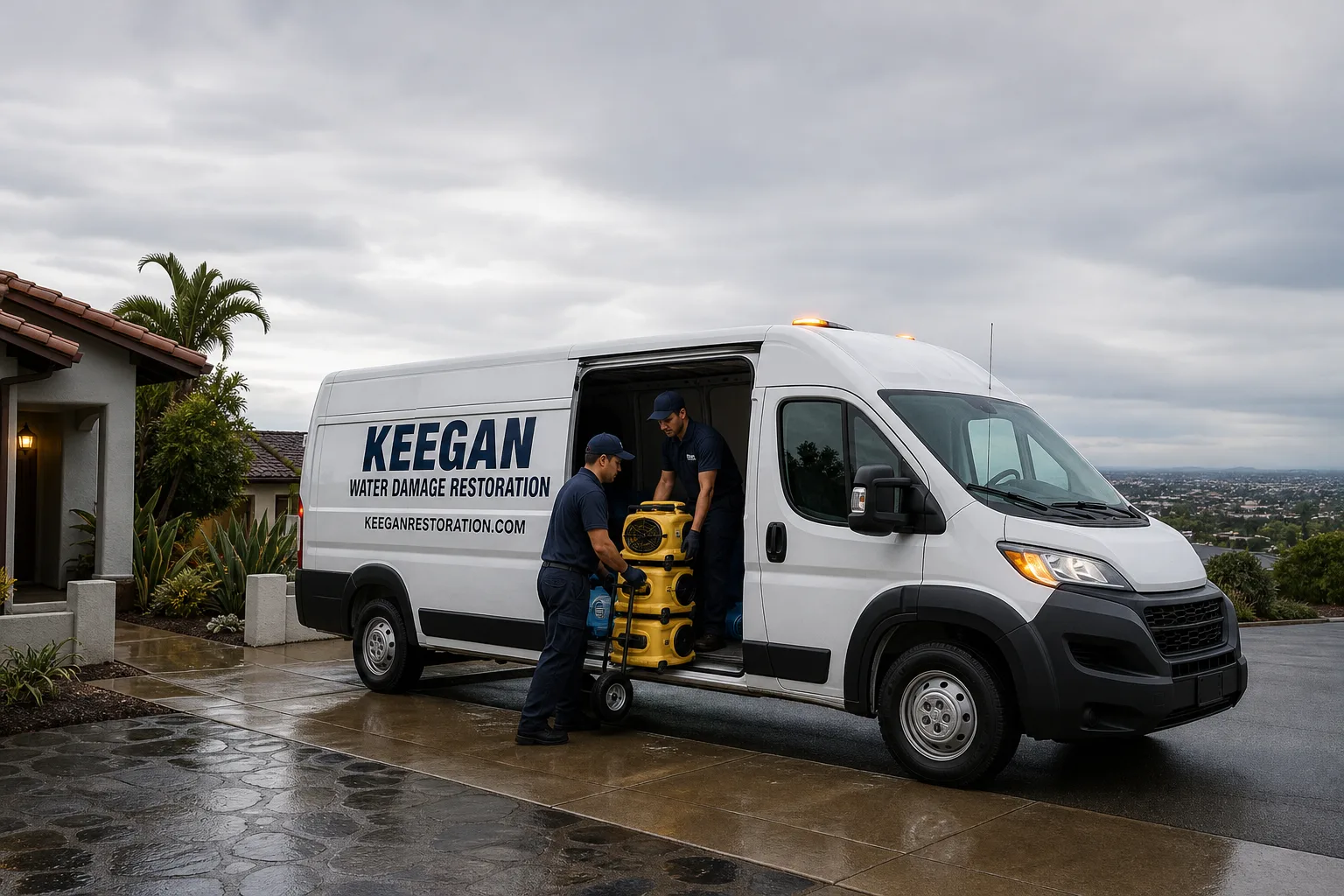
Free visual inspection and a written scope of work before any mitigation begins - photos, moisture readings, and drying logs go in your claim file
The scope we write is the scope we bill. Anything new gets shown to you, in writing, before we touch it.
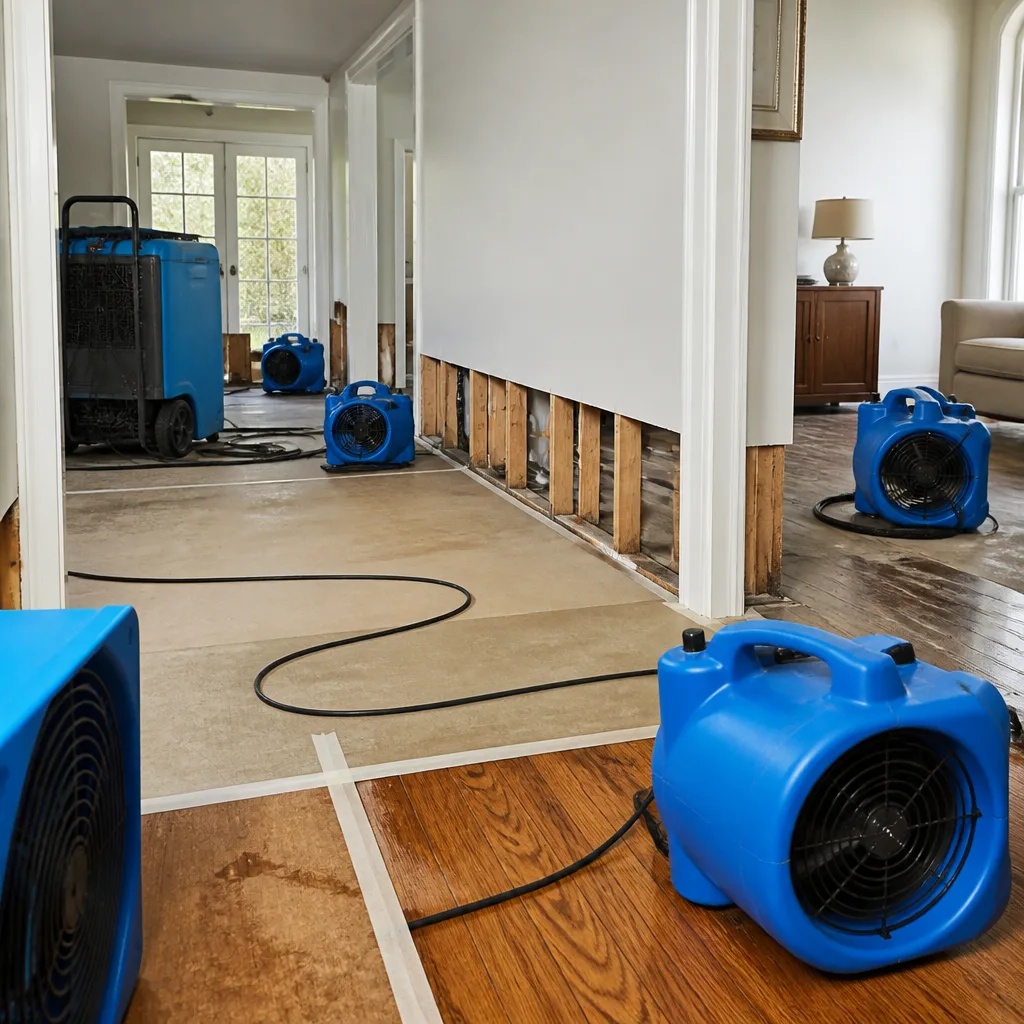

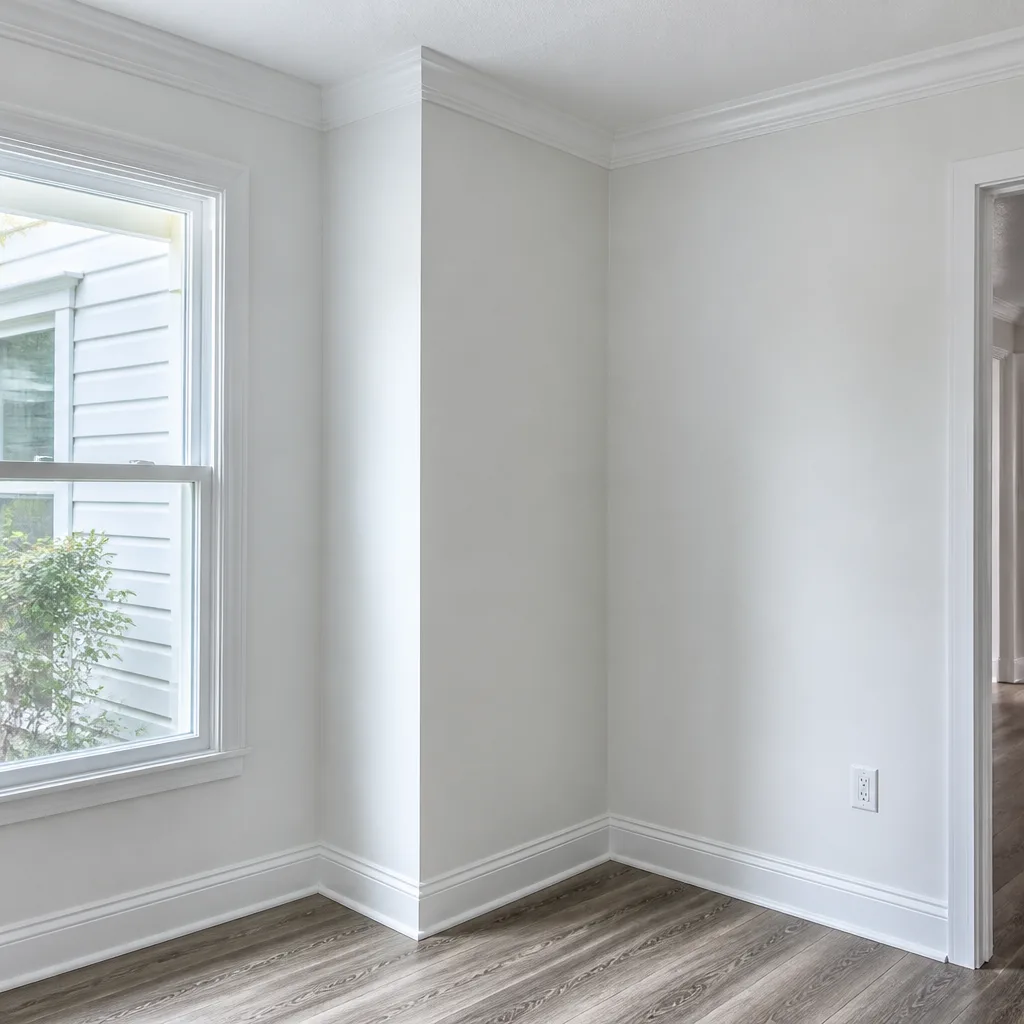


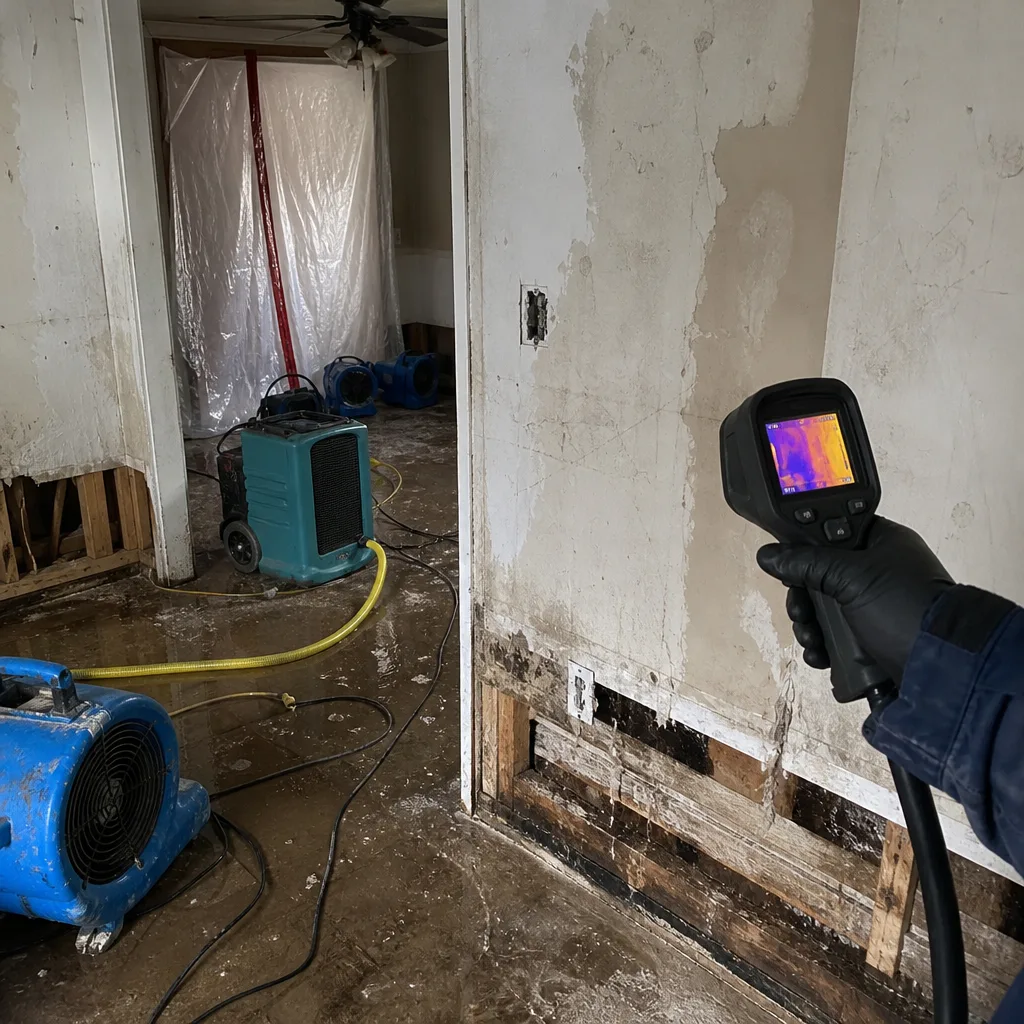 Before
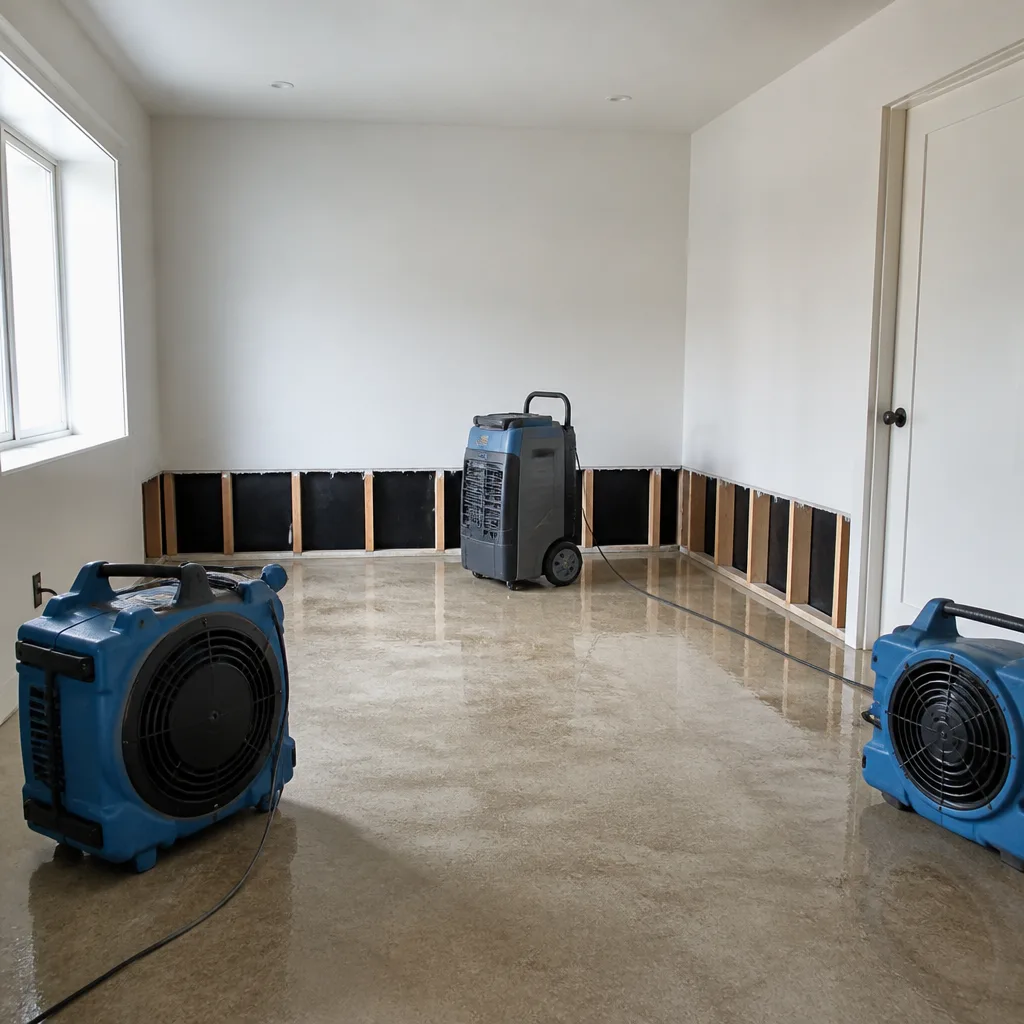 After
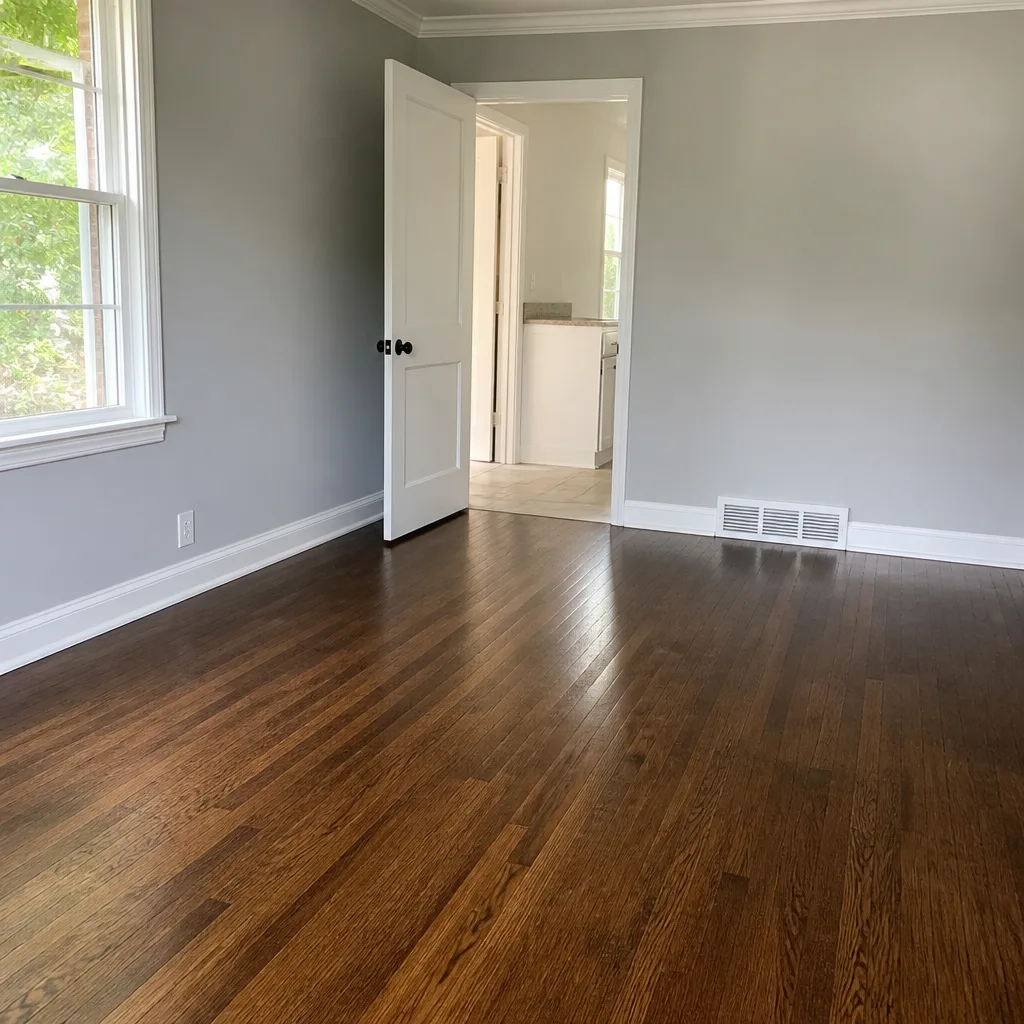
After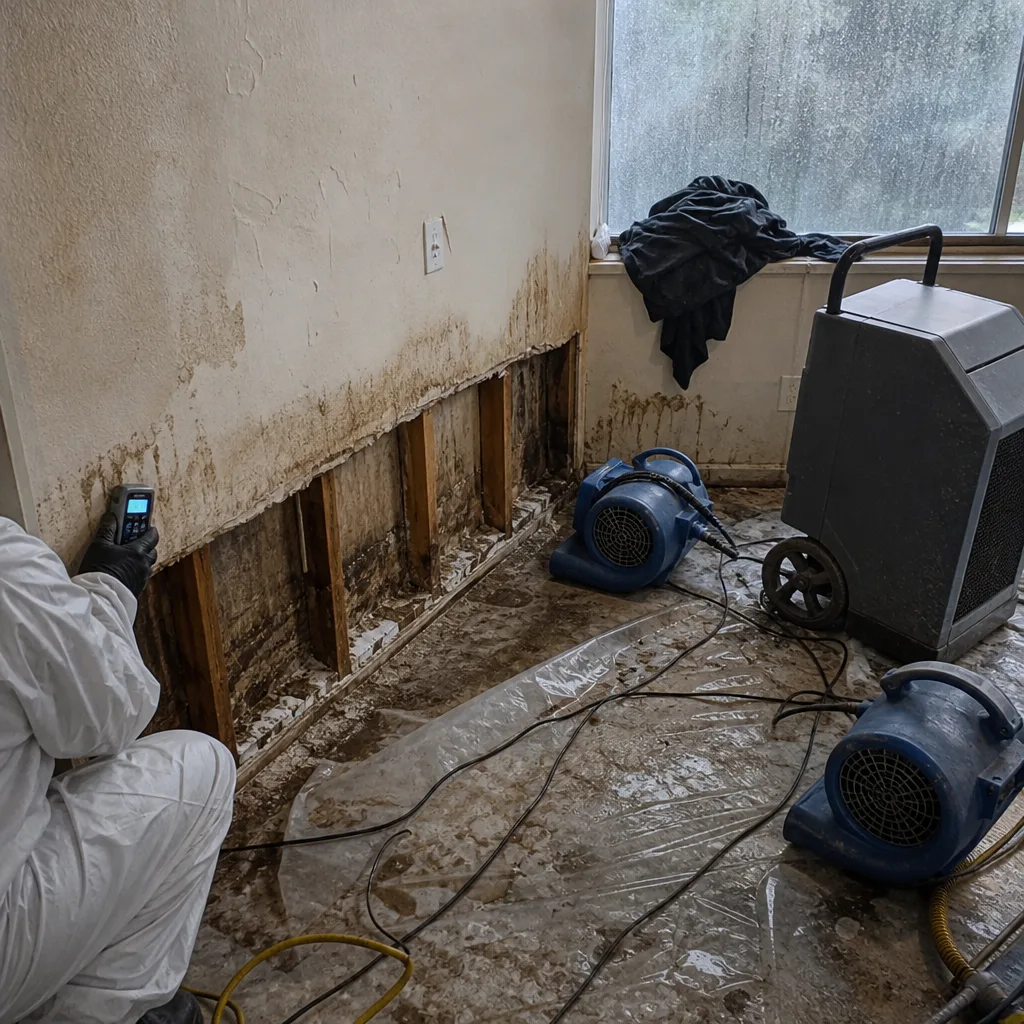 Before
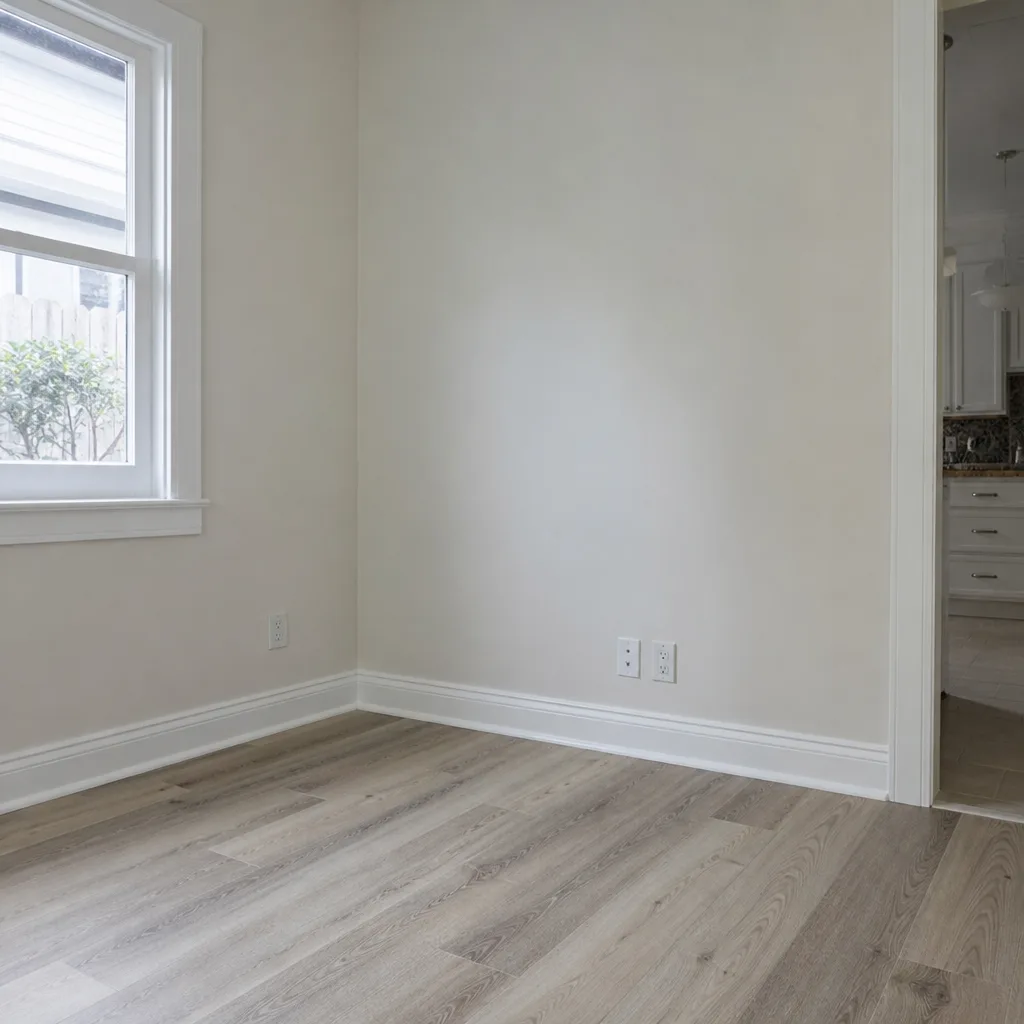 After
After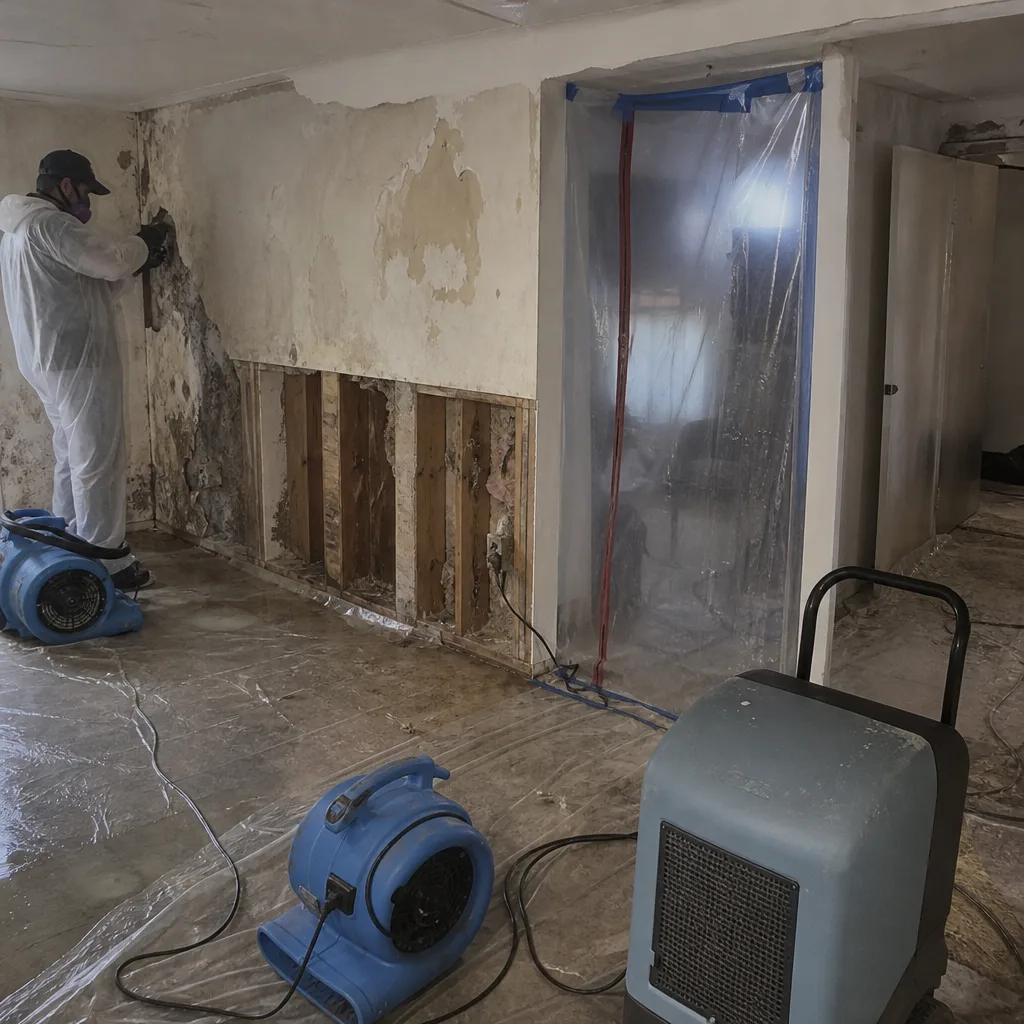 Before
 After
AfterDoes Insurance Cover Water Damage?
What’s Happening
Whether your homeowner’s policy covers water damage depends almost entirely on the source of the water and how quickly the damage occurred. Sudden, accidental events – a burst pipe, an appliance failure, a storm driving rain through a broken window – are almost always covered. Gradual leaks, deferred maintenance, and flooding from outside your home are almost always not.
That one sentence is the source of more claim denials than anything else in the industry. Adjusters are trained to ask two questions: where did the water come from, and how long had the problem been developing before you called? If the answer to the second question is “weeks” or “months,” the claim gets complicated fast. That’s not conjecture – it’s how standard homeowner’s policies are written, and it catches a lot of people off guard when they’re already dealing with wet floors and swelling drywall.
The good news is that documentation changes everything. A properly documented claim – with photos, moisture readings, equipment logs, and a written scope – gives your adjuster exactly what they need to approve coverage. That’s a big part of what your local Keegan Water Damage Restoration team does on every job.
Why It Happens
Sudden Pipe Burst or Supply Line Failure
This is the event most policies are written to cover. A copper line corrodes through, a washing machine hose lets go, a frozen pipe cracks overnight – the water comes fast and the source is obvious. If you can see water actively running, hear it behind a wall, or find a clear point of failure, you’re almost certainly looking at a covered event. The clock starts the moment you discover it, so document the source with photos before anything else moves.
Appliance Overflow or Discharge
Dishwashers, refrigerator ice makers, water heaters, and HVAC condensate lines all fail in ways that look sudden but are sometimes preceded by slow drips the homeowner never noticed. Coverage typically hinges on whether the damage was truly sudden or whether visible signs of the problem existed beforehand. Check whether the floor underneath the appliance shows old staining, warping, or soft spots – an adjuster will look there, and so will a Keegan technician.
Roof or Window Intrusion After a Storm
Wind-driven rain through a damaged roof, a broken skylight, or a failed window seal is usually covered under the windstorm portion of a standard policy – but only if the opening was caused by the storm itself, not by pre-existing deterioration. Look at the ceiling below the wet area. A single, fresh water stain in a well-maintained space reads differently than a stain with concentric rings, which tells an adjuster the roof had been leaking for a while.
Sewer Backup or Drain Overflow
Standard homeowner’s policies typically exclude sewer backup and drain overflow unless the homeowner added a specific rider for it. This matters because the water involved is almost always Category 3 – what the trade calls “black water” – meaning it carries pathogens and requires full containment and remediation, not just drying. If you’re seeing sewage-contaminated water on your floor, stop using any drains in the home and call immediately. This is a health issue, not just a coverage question.
What to Do Right Now
- Photograph everything before you move it. Take wide shots of the room, close shots of the water source, and detail shots of any visible damage. Timestamps matter. Don’t mop, dry, or rearrange until you have a full photo record – those images are your claim.
- Stop the source if you safely can. Turn off the supply valve under a leaking fixture, or shut off the main water supply to the house if the source isn’t obvious. Do not open electrical panels, work inside walls, or touch anything near the water heater’s gas line yourself.
- Don’t run fans or your HVAC into a wet space. It feels helpful, but it can spread moisture into areas that weren’t affected and complicate both the drying process and your claim documentation.
- Keep people and pets out of any area with sewage-contaminated water. Black water contains bacteria and other pathogens. It is not safe to wade through, clean up with household supplies, or leave for later.
- Call your insurance company to report the loss – then call your local Keegan Water Damage Restoration team. You don’t have to have all the answers before you call your insurer. Report what you know, get a claim number, and let the restoration professionals handle the documentation from there.
How We Fix It
When your local Keegan Water Damage Restoration team arrives, the first thing we do is a full moisture assessment – thermal imaging, moisture meters, readings at the wall cavity and subfloor. That tells us exactly where the water has migrated, which is almost always further than what’s visible. Before any equipment goes down, you get a written price. The work doesn’t start until you’ve approved it. That’s not a courtesy – it’s how every Garrison job runs.
Extraction comes first. We pull standing water fast using professional-grade equipment from our roster of Dri-Eaz, Phoenix, XPOWER, B-Air, and Injectidry machines, operated to IICRC, RIA, and IFA standards. Structural drying follows – air movers, dehumidifiers, and where walls are involved, in-wall drying systems. Every reading gets logged, every day, formatted to support your adjuster’s review. If the moisture assessment or documentation reveals damage that needs to go further, that’s a conversation about our water damage restoration work, and in cases involving contamination, our mold remediation service. The whole job is covered by the 365-Day Done Right Promise: one full year, in writing, with a free return visit if anything we repaired fails.
Frequently Asked Questions
Yes, in most cases a burst pipe is covered because it qualifies as a sudden, accidental event under standard homeowner’s policies. The key is documentation – the source, the timing, and the extent of the damage all need to be on record before drying begins, because once a space is dry the evidence is gone. Your local Keegan team documents every step of the job in a format your adjuster can actually use.
Gradual leaks, deferred maintenance, flood water entering from outside, and sewer backup (without a specific rider) are the four most common exclusions. If a slow leak under a sink has been dripping for months, the policy may deny the claim on the grounds that the homeowner should have caught it. If your damage has any of these characteristics, call us first – we can help you understand what the documentation shows before you file.
It cannot wait. Wet structural material starts growing mold in as little as 24 to 48 hours under the right conditions, and secondary damage – swelling framing, delaminating subfloor, compromised drywall – compounds with every hour. Beyond the structure, standing or trapped moisture creates air quality issues that get worse, not better, with time. Call (361) 317-7269 now. A live person answers every call, around the clock, every day of the year.
Your local Keegan Water Damage Restoration team responds to active water damage as quickly as the situation requires – that’s the nature of this work. When you call (361) 317-7269, a live person picks up, gets your information, and gets the right team moving. There are no phone trees and no call-back queues when water is still damaging your home.
Get It Fixed
Call (361) 317-7269 right now – a live person answers every call, 24 hours a day, 7 days a week. Your local Keegan Water Damage Restoration team will assess the damage, give you a written price before any work starts, and handle the documentation your insurance adjuster needs. Water out, dried right, documented for your claim.
Written by Shane Pruitt, Owner at Keegan Water Damage Restoration, part of the Garrison Partners family since 2005.
What Our Customers Say
"Quiet, focused crew. Everyone had a job and they did it."
- Alice M."Documented everything with photos for my insurance. No arguments from the adjuster."
- Carmen R."They pulled the wet drywall to two feet up and dried the studs. Replaced it clean and painted to match."
- Tom E.