
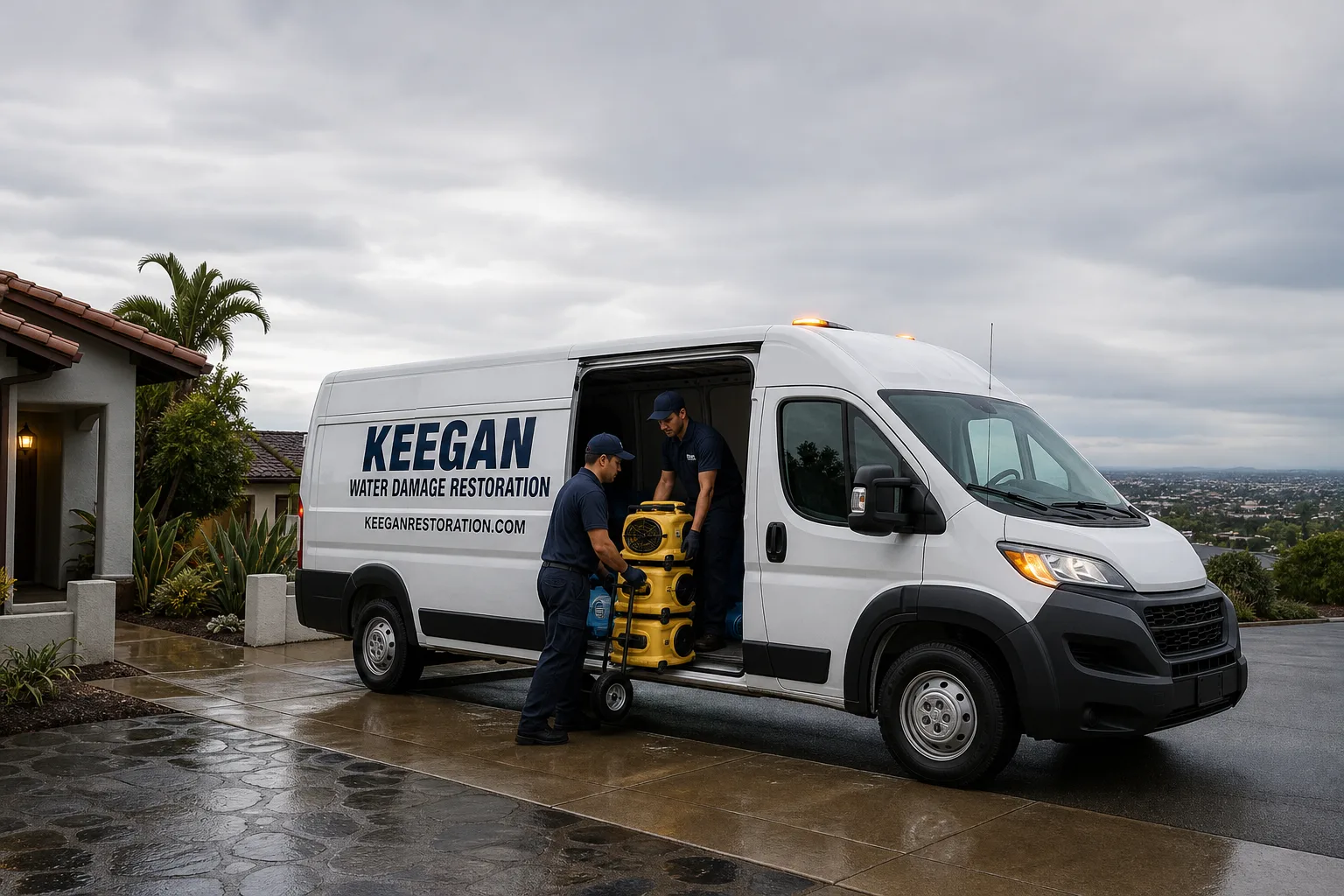
Free visual inspection and a written scope of work before any mitigation begins - photos, moisture readings, and drying logs go in your claim file
The scope we write is the scope we bill. Anything new gets shown to you, in writing, before we touch it.
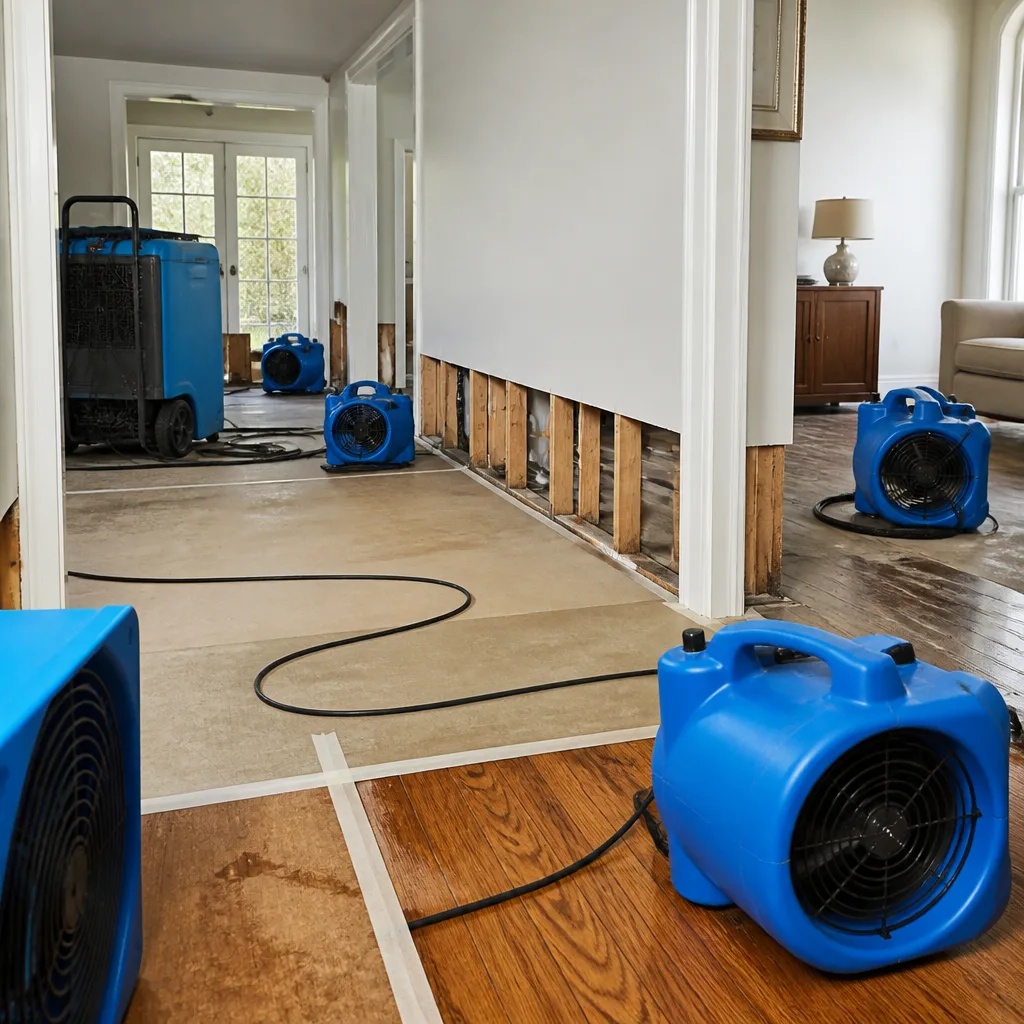
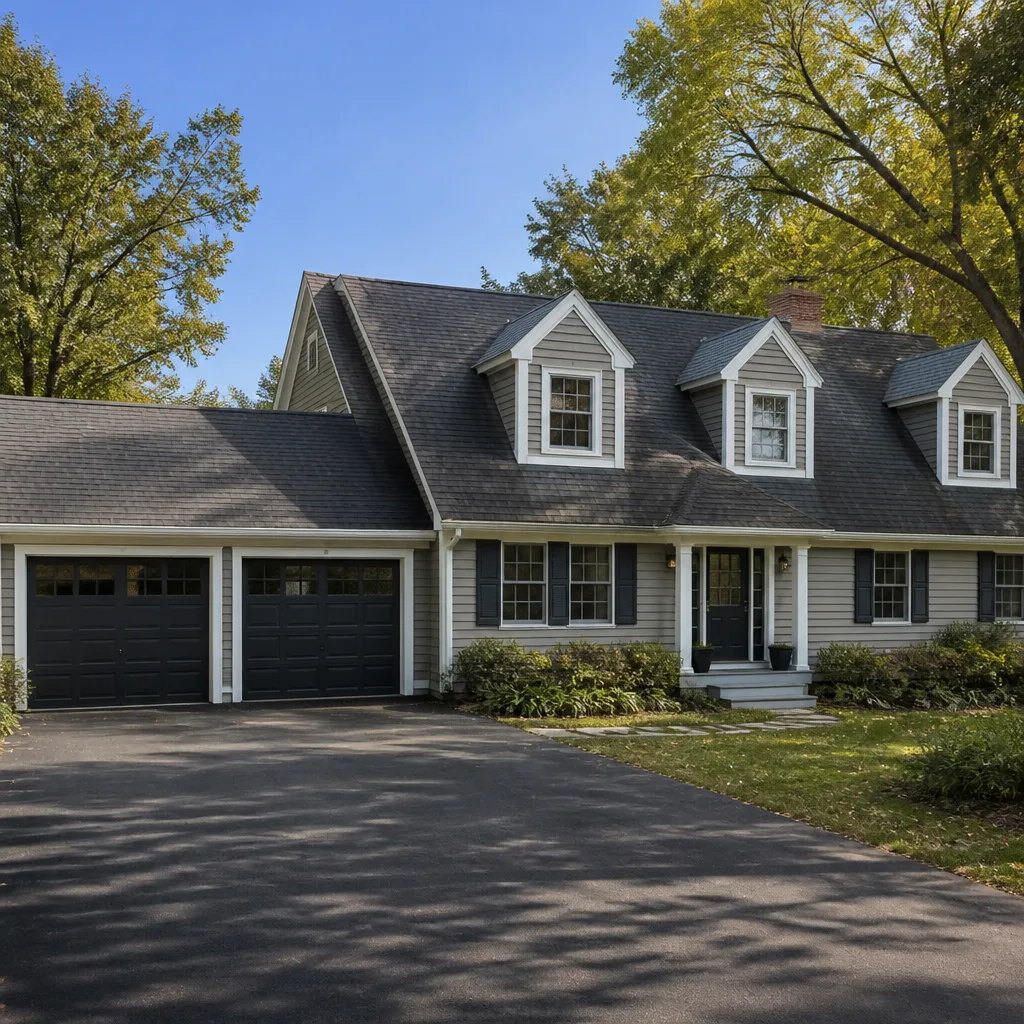
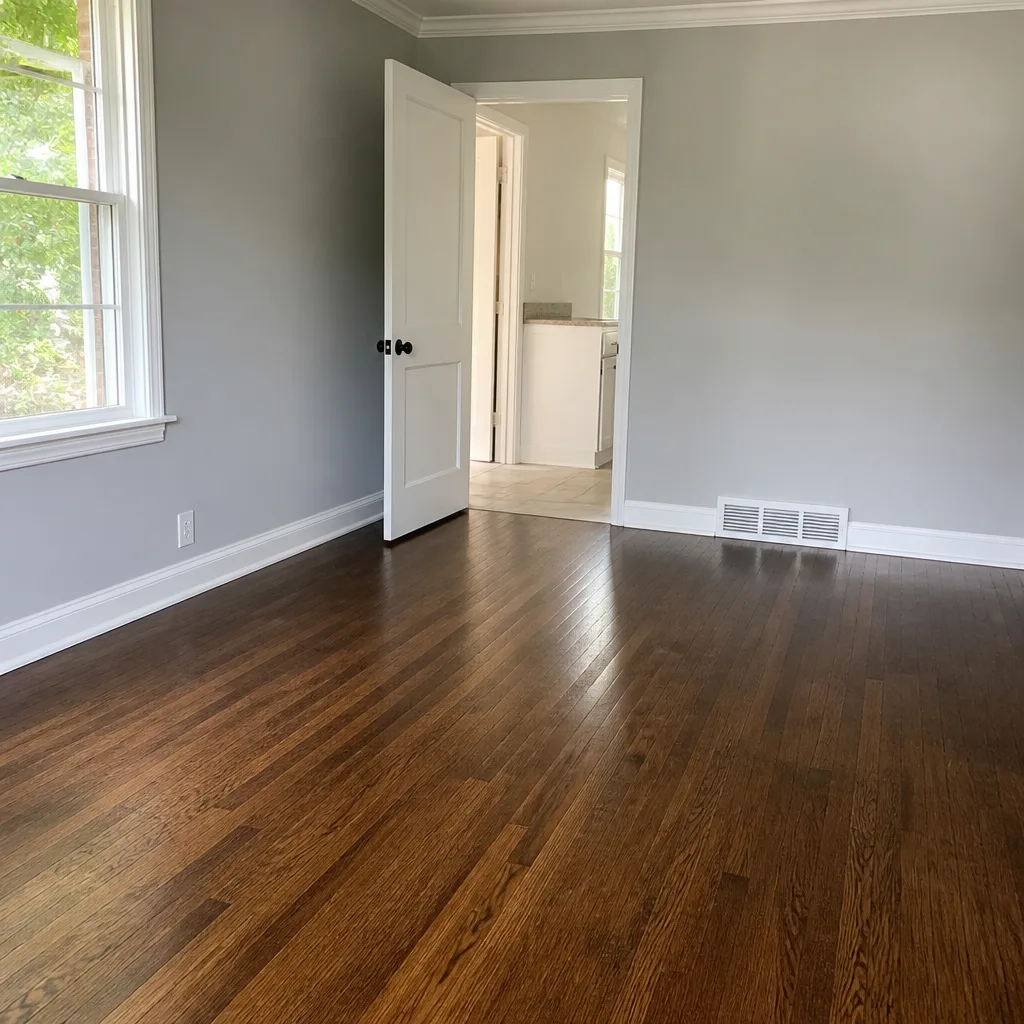
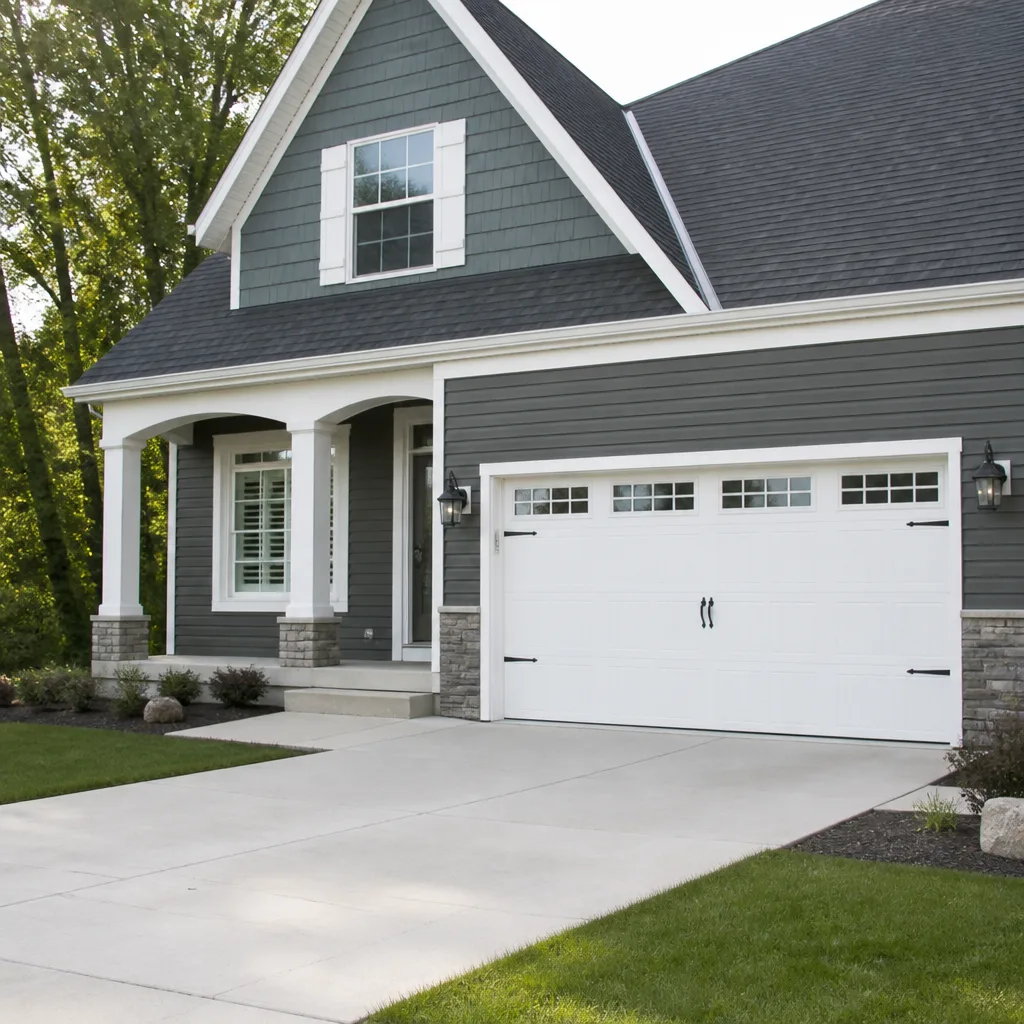
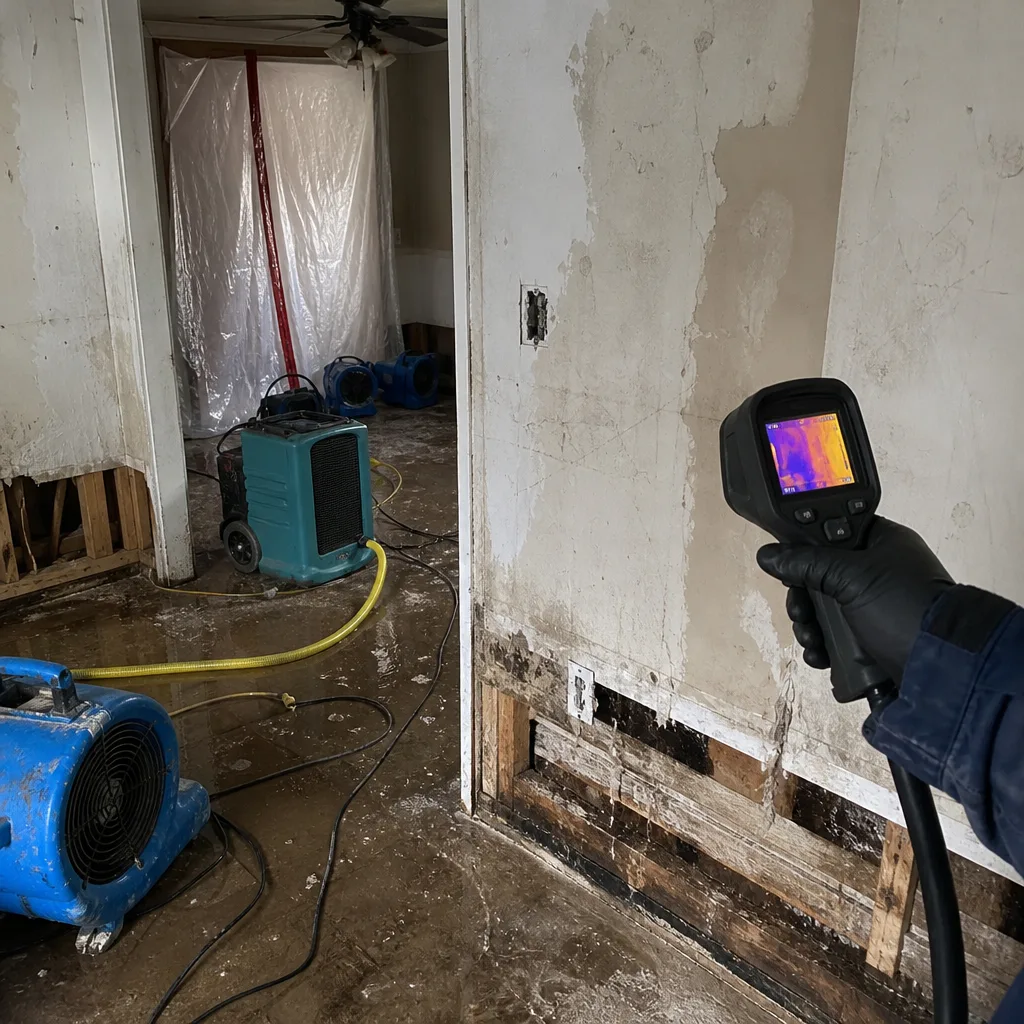 Before
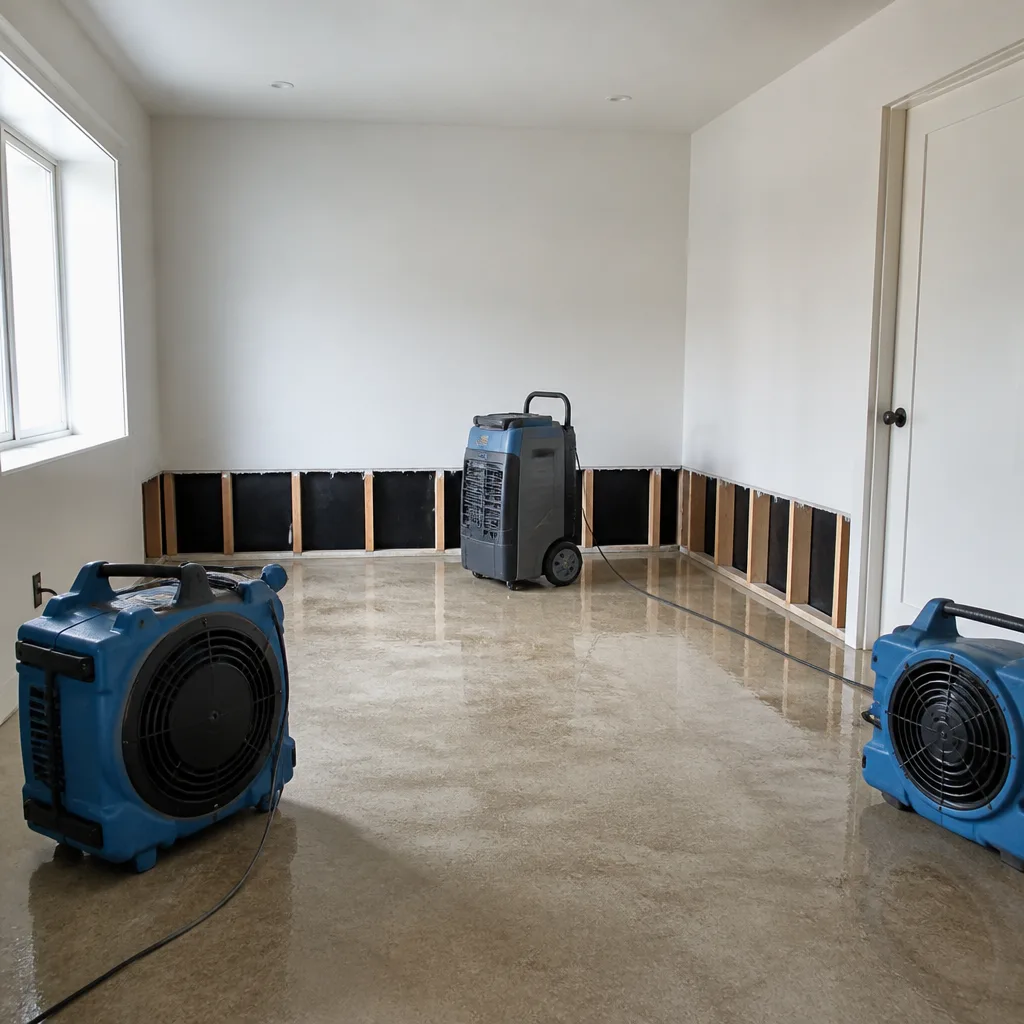 After
After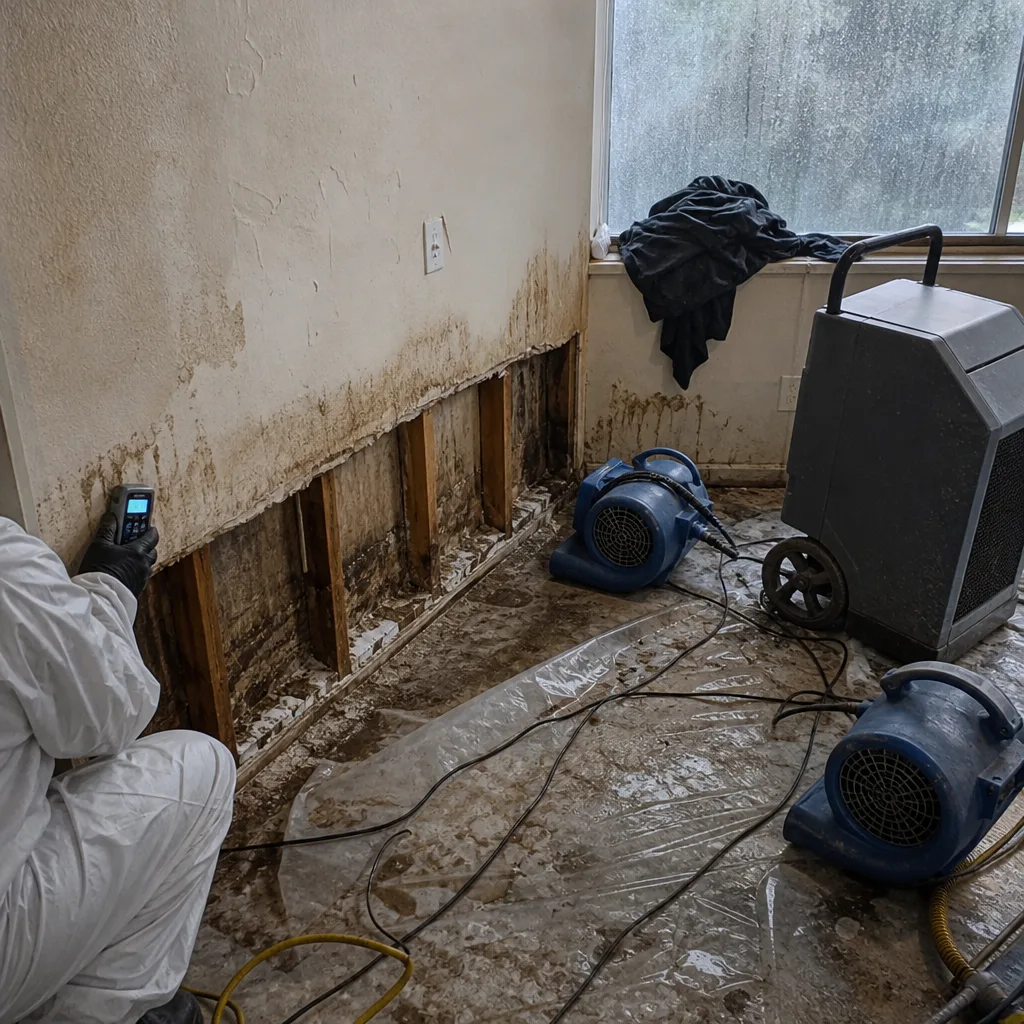 Before
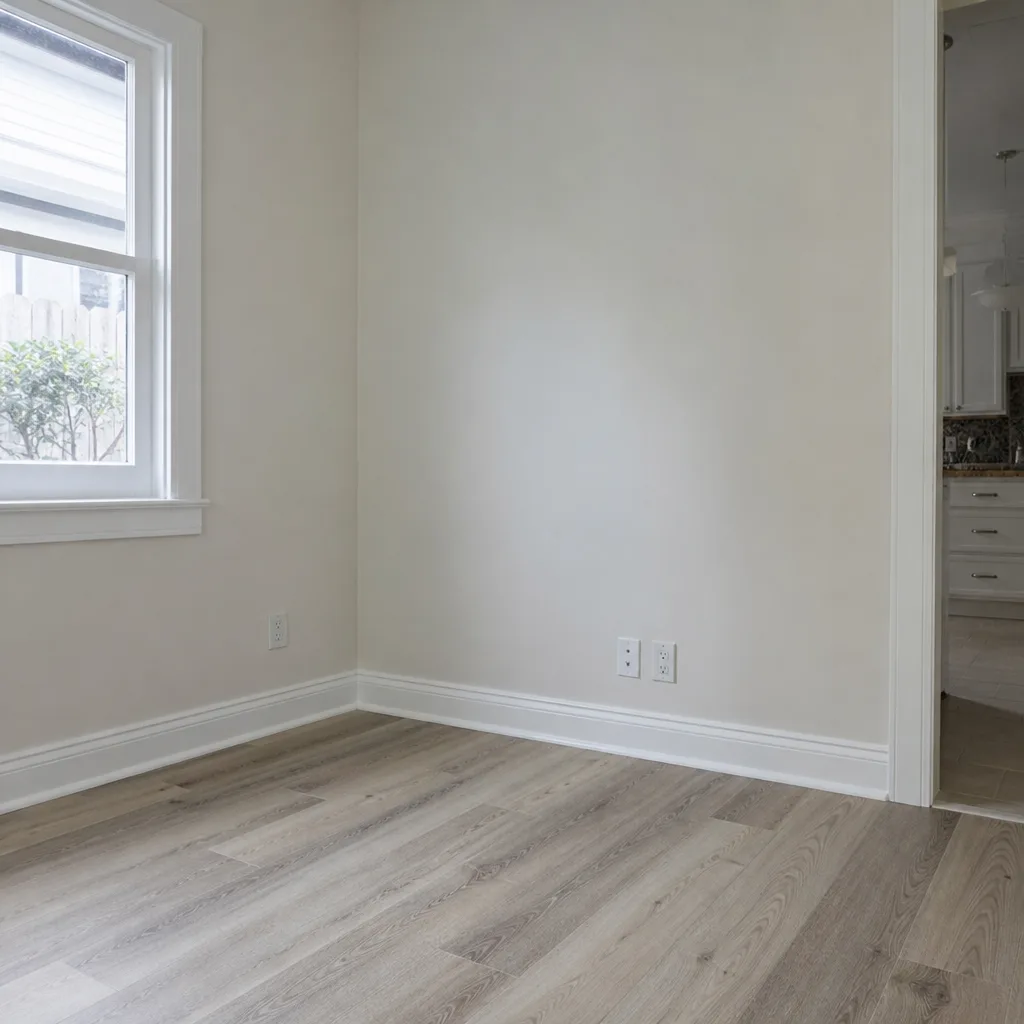 After
After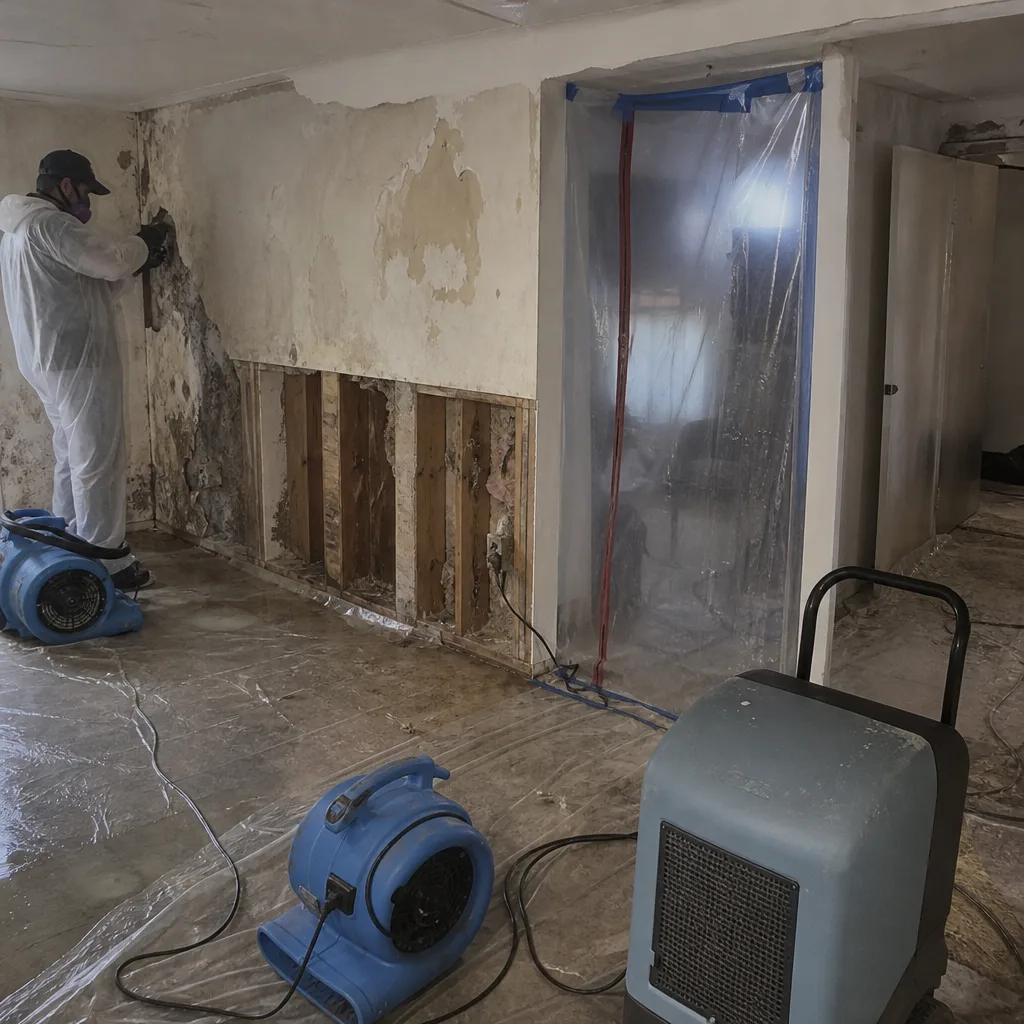 Before
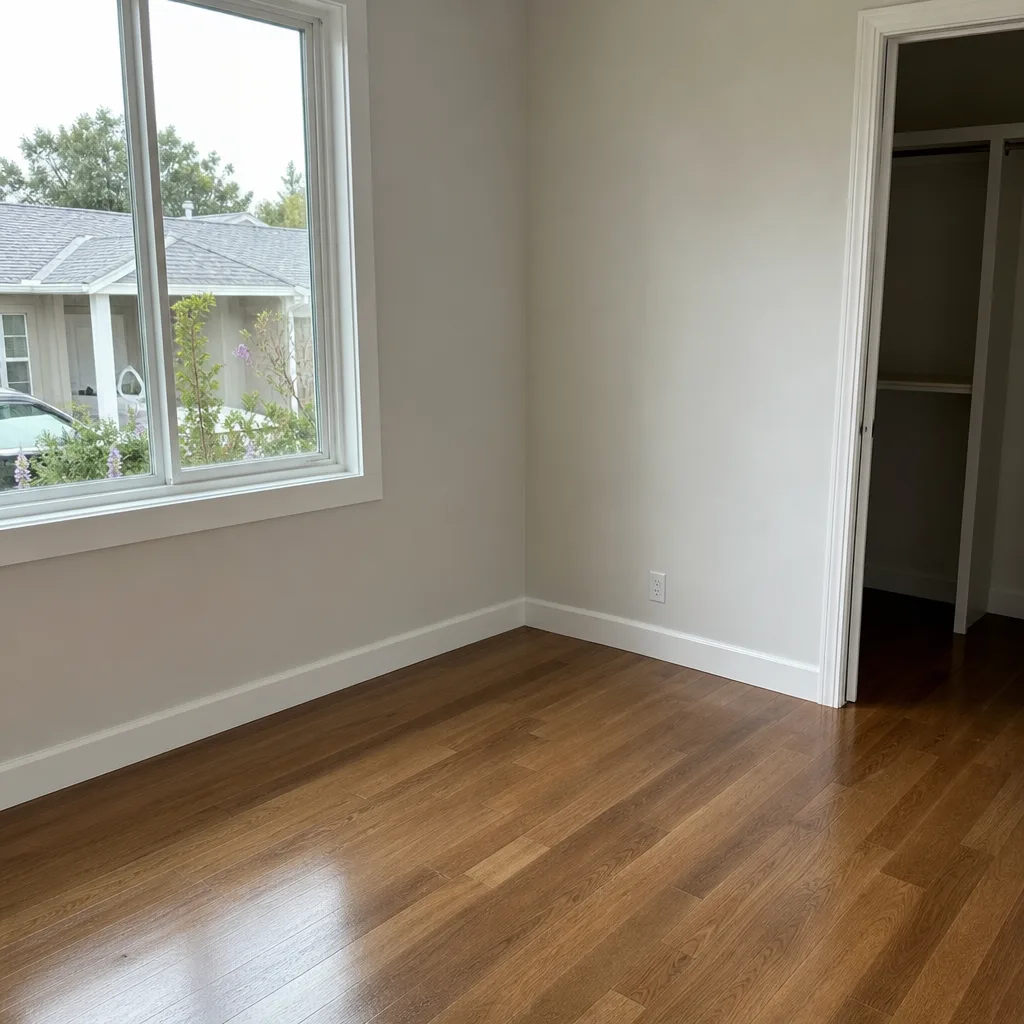 After
AfterFire Damage Restoration Stopped Working
When fire damage restoration stops working, it almost always means the initial cleanup addressed the visible char and debris but left behind hidden smoke residue, compromised structural material, or moisture from firefighting water that is now actively causing secondary damage. The job was started but not finished to the standard it needed. That gap is what you’re looking at right now.
Smoke and soot don’t stay where the fire was. They migrate into wall cavities, ductwork, insulation, and subfloor framing during the event itself, and if those areas weren’t treated or documented during the original restoration, the problem doesn’t stop – it just moves slower. The same goes for water used to suppress the fire: drywall, framing lumber, and flooring can hold enough moisture to grow mold within 72 hours of the event. If restoration stopped before drying was verified with a meter, you may now be dealing with a mold problem layered on top of a fire problem. Neither one waits.
Why It Happens
Incomplete Smoke and Soot Removal
Visible soot is only part of the problem. Protein smoke from kitchen fires and wet smoke from slow-burning synthetic materials leave oily residues that soak into porous surfaces and bond to paint, wood grain, and drywall paper. If the crew didn’t use appropriate chemical counteractants and HEPA-filtered air scrubbers throughout the affected zone, the odor returns, surfaces stay discolored, and the chemistry continues to etch whatever it’s sitting on. You can usually tell this is the issue if the smell comes back within days of the original work or if you see black smearing reappear on walls and ceilings that were supposedly cleaned.
Residual Moisture from Firefighting Water
Suppression water goes everywhere fast, and it doesn’t respect finish materials. Subfloor assemblies, wall cavities behind tile, and insulated attic bays can hold water for weeks without showing a wet surface to the eye. If the original crew didn’t run drying equipment long enough to reach target moisture content – verified with a calibrated moisture meter at depth – the water is still there. Signs: a musty smell that wasn’t there before, soft spots in flooring, or paint bubbling away from drywall weeks after the event.
Structural Damage That Wasn’t Scoped
Fire weakens structural members in ways that aren’t always obvious from the surface. Char depth matters: a beam that looks intact may have lost meaningful load-bearing capacity depending on how deep the combustion went. If the original scope didn’t include a structural assessment or if repairs were made only to cosmetic finishes without addressing the framing behind them, the problem didn’t get fixed – it got covered. Doors and windows that no longer close squarely, visible cracking in finished surfaces, or a floor that feels soft in areas away from the burn zone are signals worth taking seriously.
Mold That Developed After the Fire
Mold is a direct downstream consequence of fire events more often than most homeowners expect, because suppression water creates the moisture and the smoke damage creates airborne organic material that mold feeds on. If remediation didn’t include a post-drying mold inspection – or if restoration was delayed more than a few days – mold colonies may now be established inside walls or under flooring. A persistent musty odor in a room that should be dry, or visible dark spotting on previously cleaned surfaces, points here.
What to Do Right Now
- Stop using the HVAC system. If smoke residue or mold is present, running the air handler spreads contamination through every room on that duct circuit. Turn it off until a technician has assessed the ductwork.
- Don’t disturb charred or visibly damaged structural members. Fire-weakened framing and roof components can fail without warning. If you’re unsure whether a beam, joist, or wall is compromised, stay out of that area and call a professional before anything is touched.
- Photograph everything before you move, clean, or discard anything. Date-stamped photos of current conditions – including any new damage like mold, moisture staining, or soft flooring – are part of your insurance documentation. Take them now, before any additional work begins.
- Don’t run fans through a space with suspected mold. Moving unfiltered air through a mold-affected area spreads spores. If you smell must or see dark spotting, leave the space alone.
- Call your insurance carrier to flag the ongoing issue. If a prior claim was filed, this secondary damage may need to be documented as a continuation of that claim or opened as a new one. Your adjuster should know what’s happening.
How We Fix It
When your local Keegan Water Damage Restoration team arrives, the first thing they do is a documented assessment – moisture readings at depth, air quality checks, and a visual scope of every affected surface. That assessment drives a written price, delivered to you before any work begins. No work starts until you’ve seen the number and agreed to it in writing. That’s not a courtesy; it’s The Garrison Standard on every job.
The repair path depends on what the assessment finds, but for a fire job that stopped short, it typically involves fire damage restoration and, where suppression water caused secondary growth, mold remediation. Technicians use IICRC-standard protocols, professional-grade drying equipment from Dri-Eaz, Phoenix, XPOWER, B-Air, and Injectidry, and chemical counteractants appropriate to the smoke type. Job documentation is formatted to support your insurance claim directly. When the work is complete, it’s covered by the 365-Day Done Right Promise: if it fails within a year, Keegan returns and makes it right at no charge, with a free second visit included. That guarantee is in writing, not just a phrase on a website.
Frequently Asked Questions
It should not wait. Smoke residue is actively acidic and continues to etch metal fixtures, corrode electronics, and degrade porous surfaces the longer it sits. If suppression water is still trapped in the structure, mold can establish in as little as 72 hours. A job that looks cosmetically done but left moisture behind is a compounding problem, not a stable one. Call (361) 317-7269 and let a technician tell you exactly what’s still active.
A live person answers at (361) 317-7269 around the clock – nights, weekends, and holidays. Your local Keegan team will get you on the schedule and tell you the arrival window clearly. Keegan does not use phone trees or call-back queues; someone picks up every time. Call now and find out how soon we can get to you.
Insurance coverage for secondary damage from an incomplete restoration depends on your policy language and how the original claim was documented – there’s no single answer that covers every situation. What we can tell you is that Keegan’s job documentation is formatted specifically to support adjuster review: moisture logs, photo records, and scope documentation that show what was found and what was done. We work alongside your adjuster directly, which makes the process cleaner than going back and forth between your carrier and a crew that’s already off the job.
If the fire happened more than a couple of days before drying equipment was running, if you smell must in areas that should be dry, or if you see dark spotting on surfaces that were supposedly cleaned, mold is a reasonable concern. The only way to know for certain is a professional assessment with moisture readings and air sampling – not a visual guess from the doorway. Your local Keegan team will assess on arrival and include findings in the written scope before any work starts.
Get It Fixed
Call (361) 317-7269 right now. A live person answers every call, day or night. Your local Keegan Water Damage Restoration team will assess the damage, put the price in writing before any work begins, and back every repair with the 365-Day Done Right Promise. Book online or pick up the phone – either way, we get to work.
Written by Shane Pruitt, Owner at Keegan Water Damage Restoration, part of the Garrison Partners family since 2005.
What Our Customers Say
"Fire damage in the kitchen from a stove flare-up. They cleaned the soot, removed the burnt cabinets, and deodorized the house."
- Lorraine D."Water heater burst in the garage and flooded the hall. Crew was there fast, in uniform, set up dehumidifiers and air movers, and ran drying logs every day. Veteran-owned and organized."
- Gail S."Quiet, focused crew. Everyone had a job and they did it."
- Alice M.