
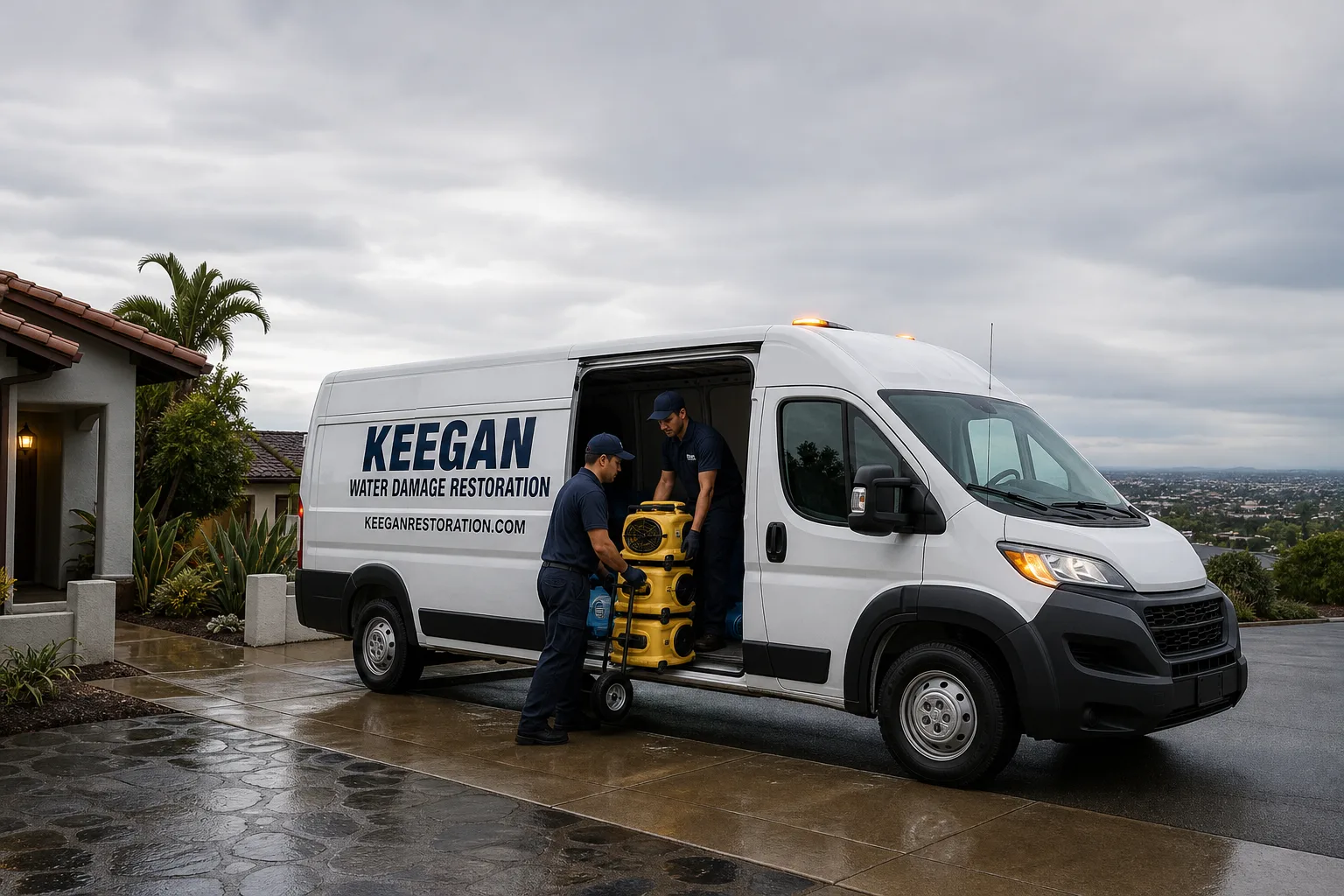
Free visual inspection and a written scope of work before any mitigation begins - photos, moisture readings, and drying logs go in your claim file
The scope we write is the scope we bill. Anything new gets shown to you, in writing, before we touch it.
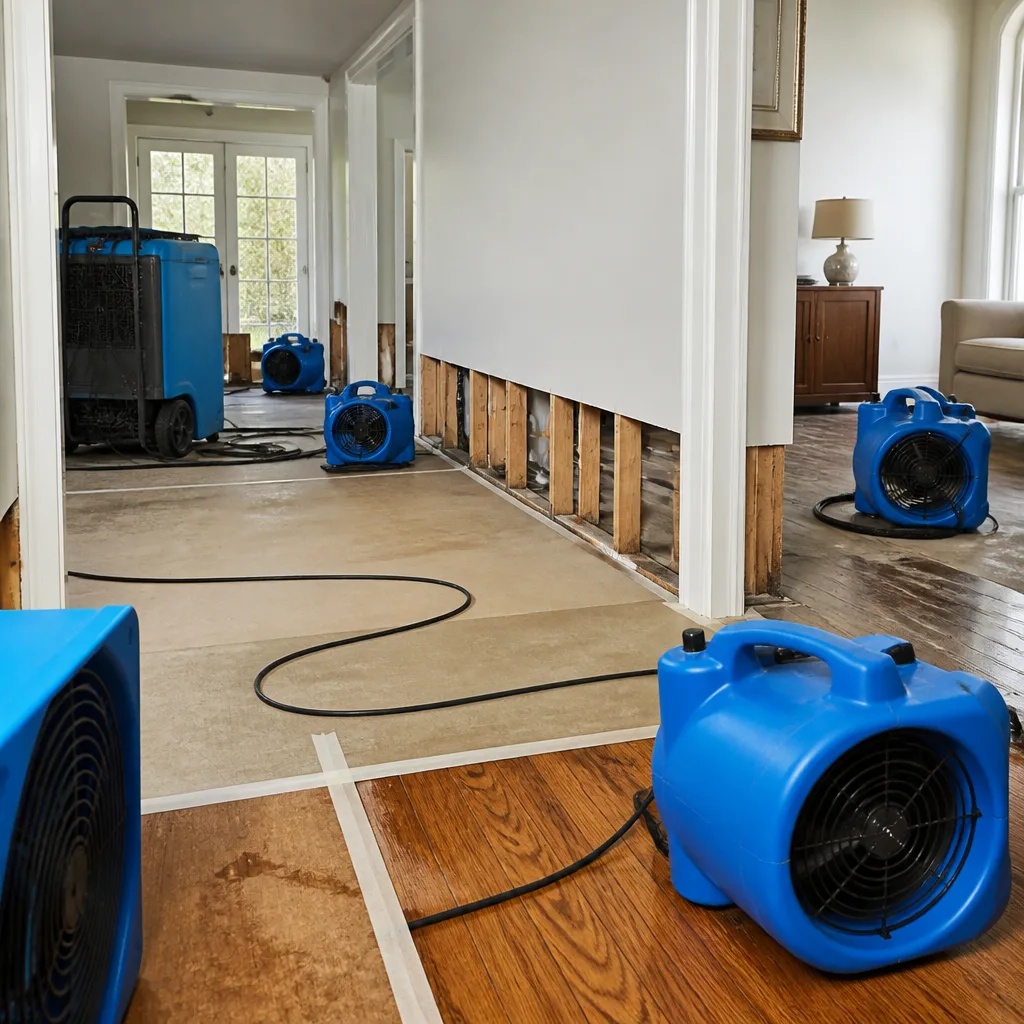
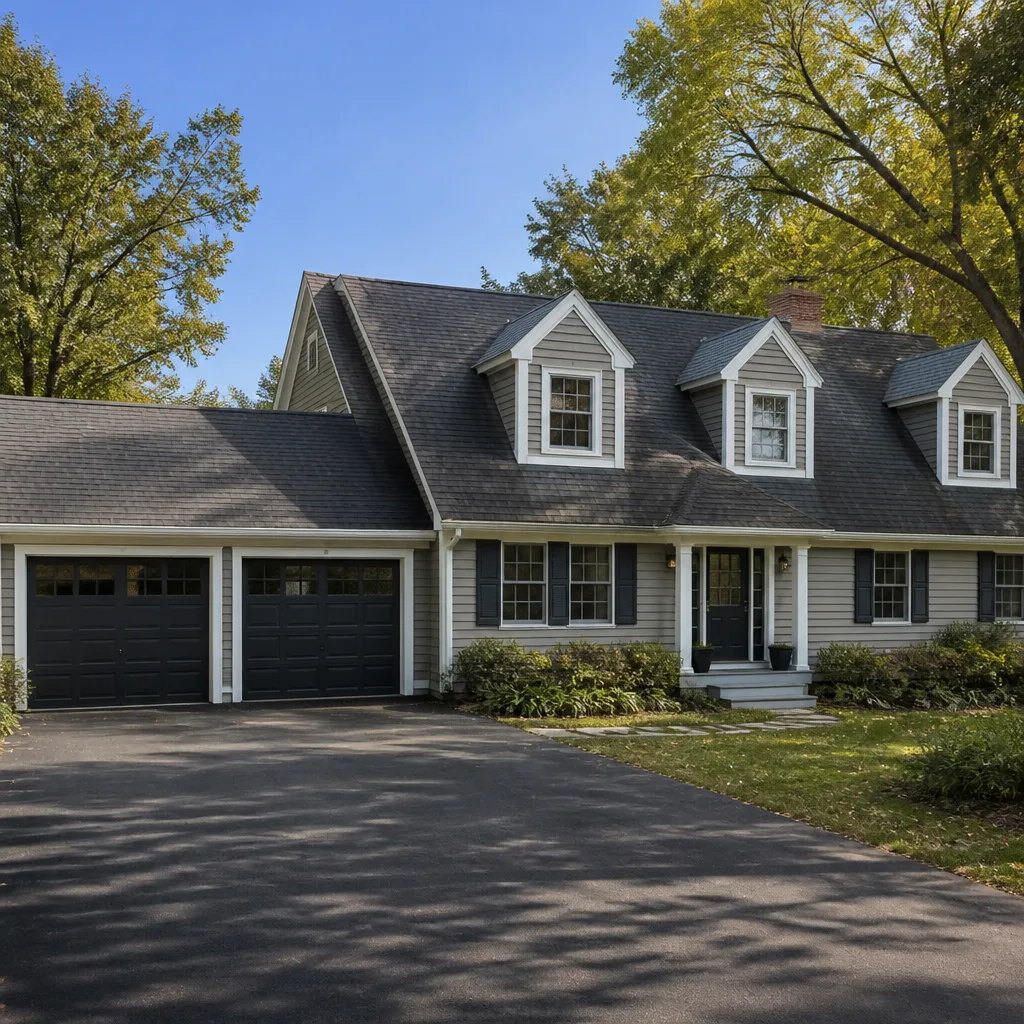
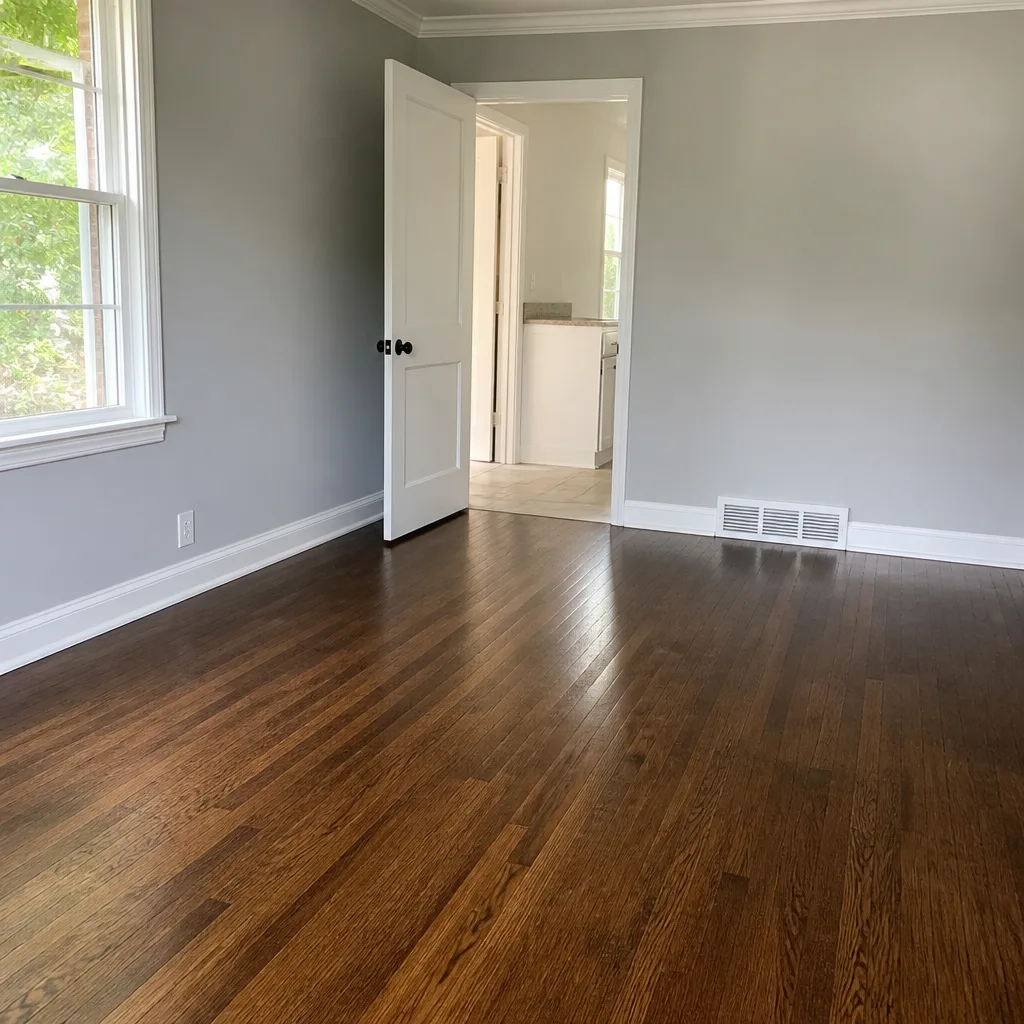
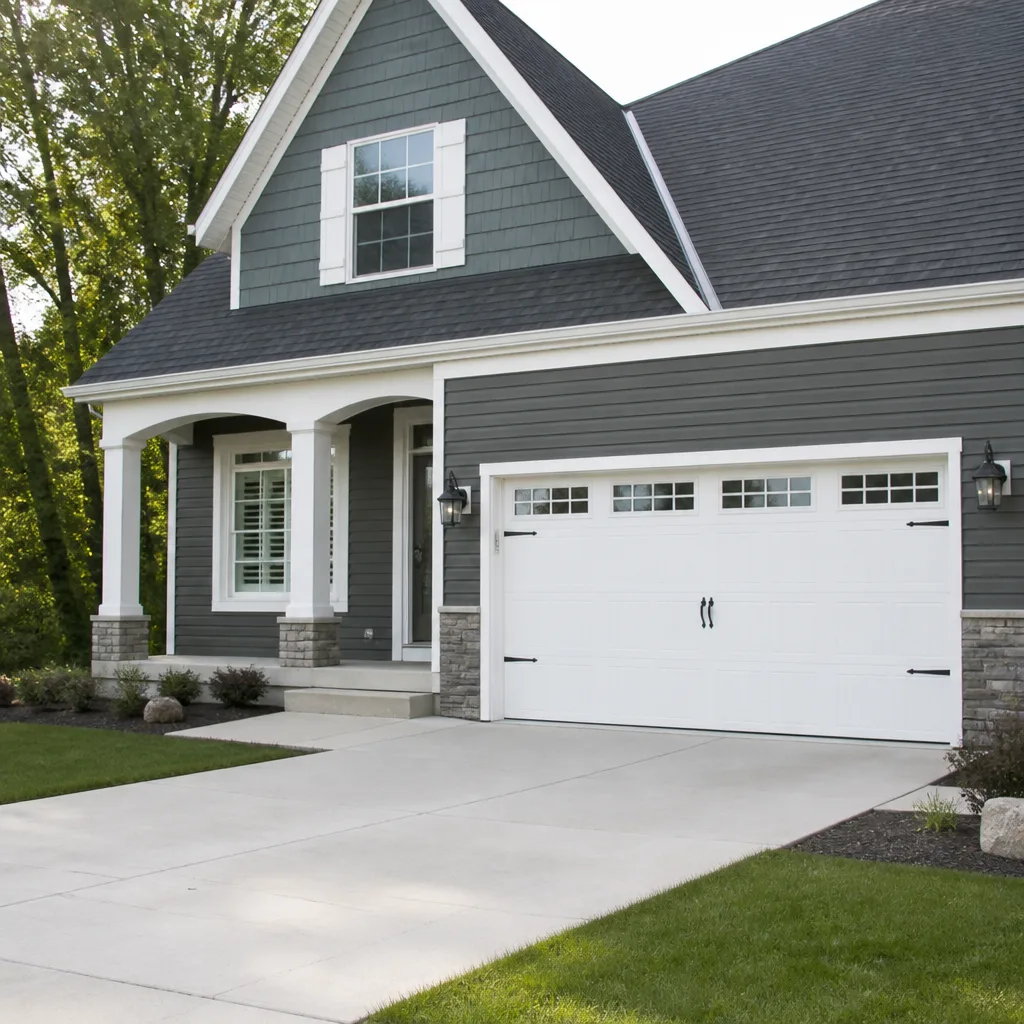
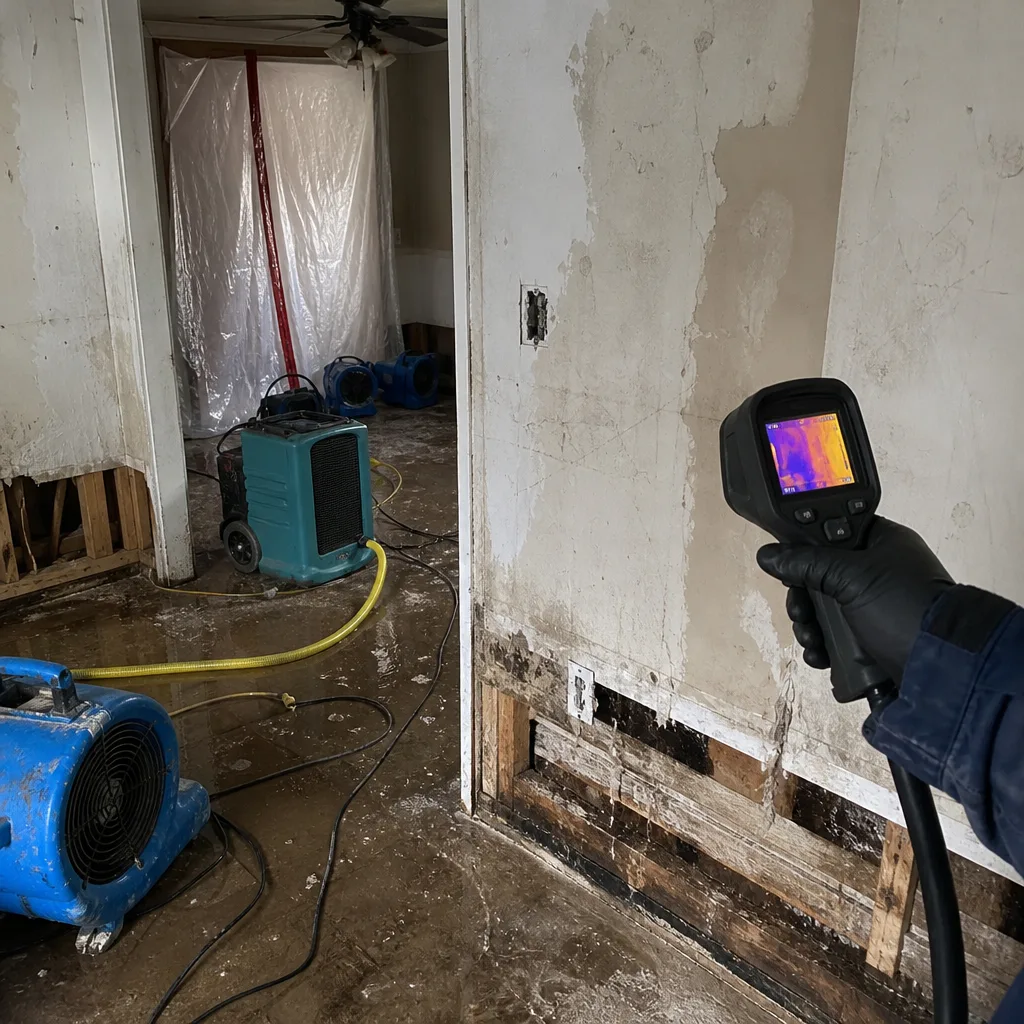 Before
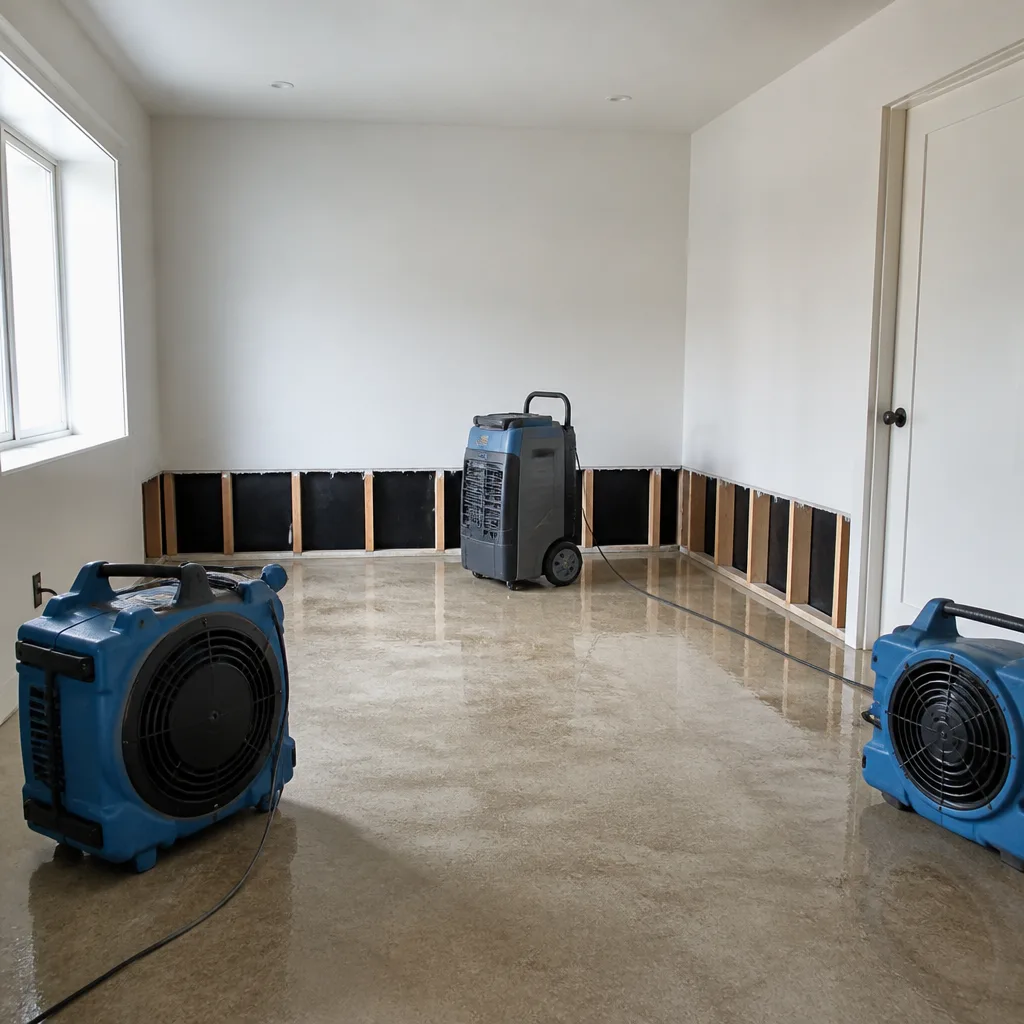 After
After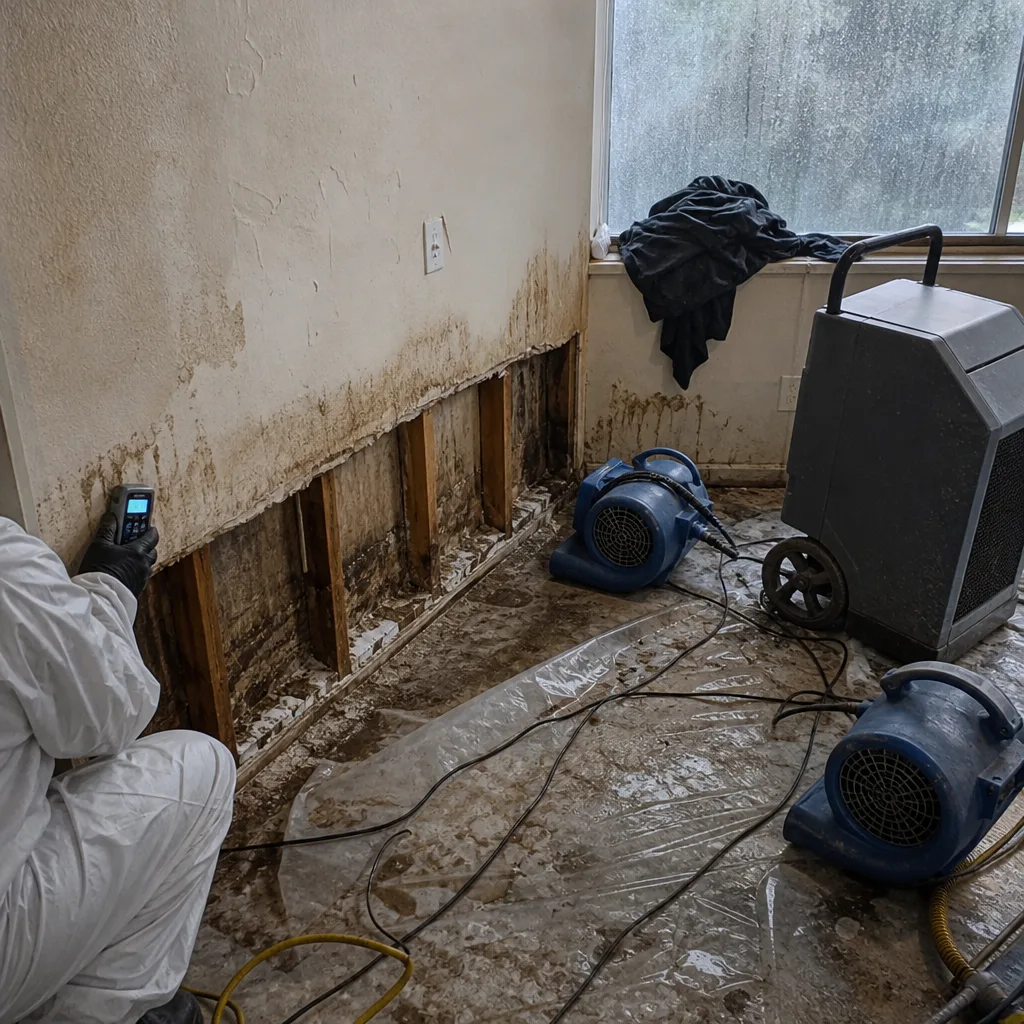 Before
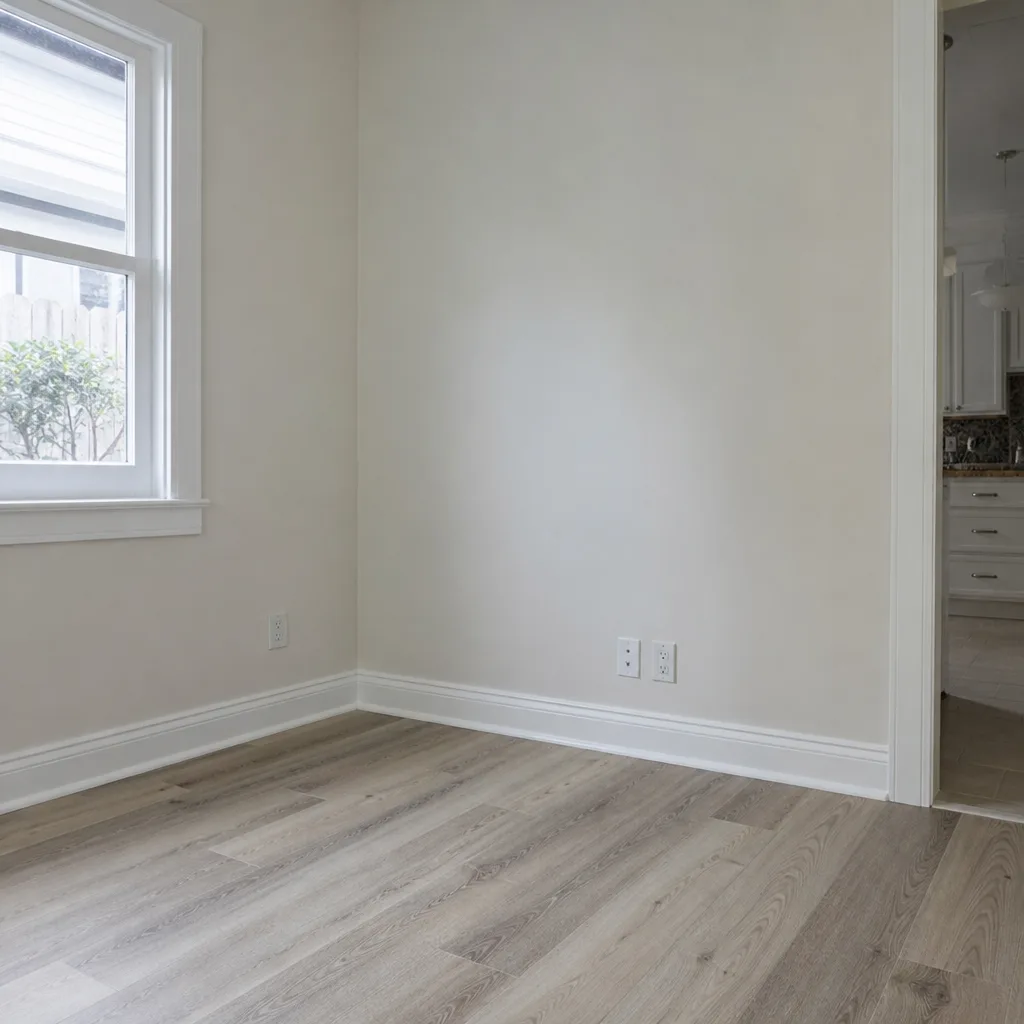 After
After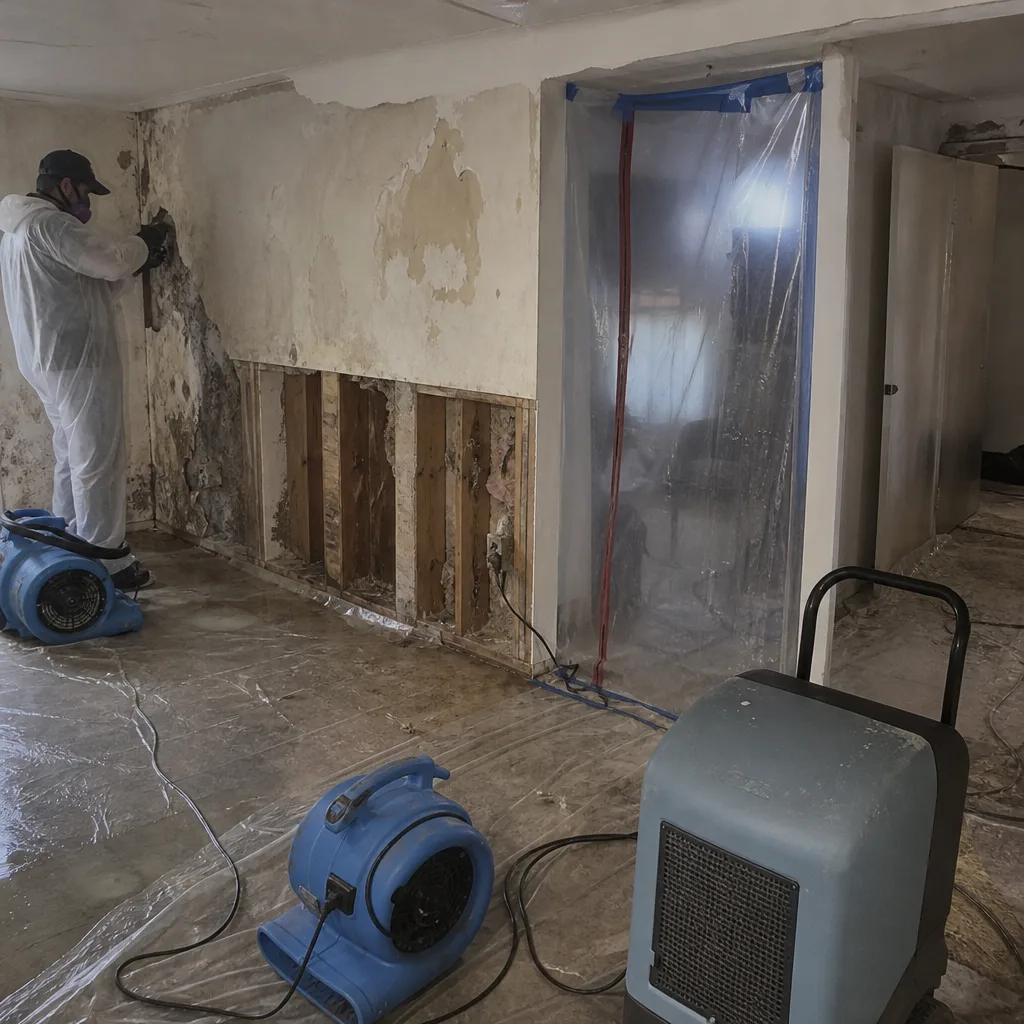 Before
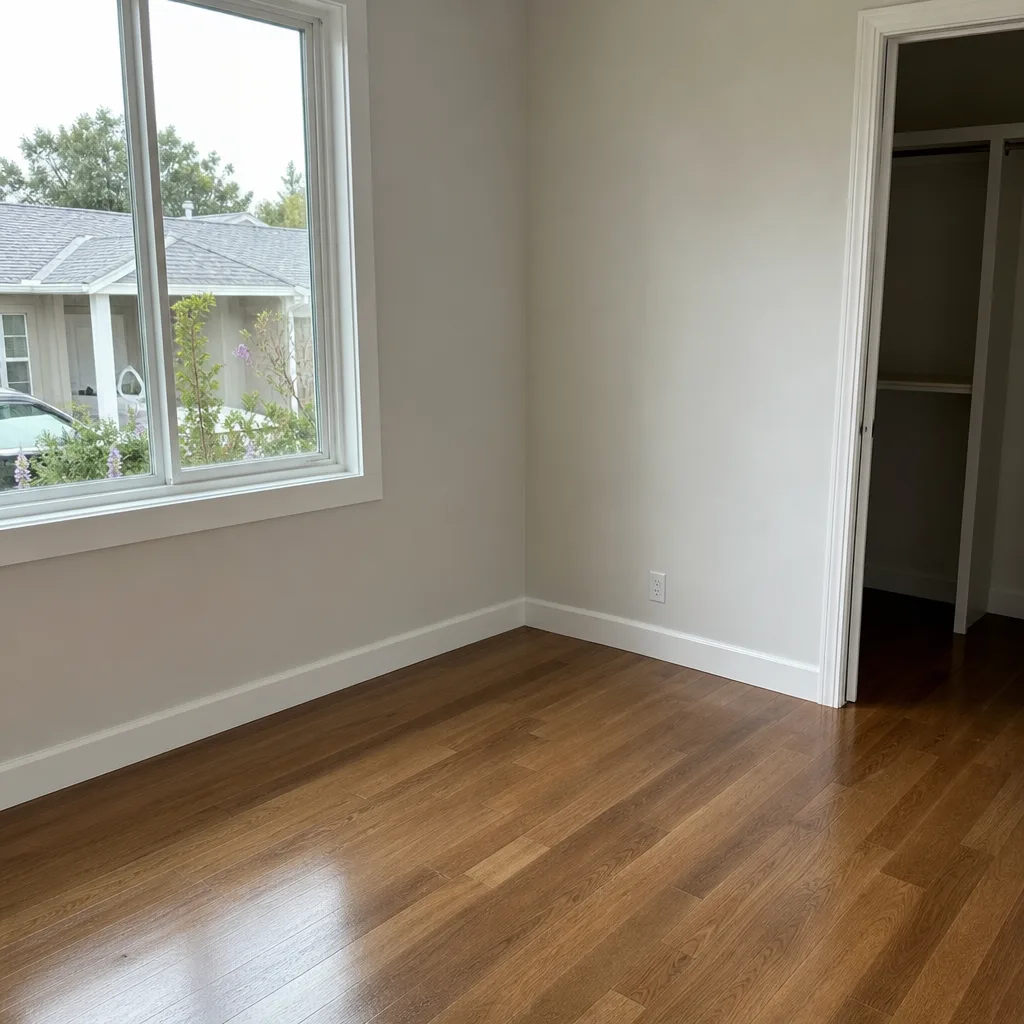 After
AfterHow Much Does Storm & Disaster Restoration Cost in Los Angeles?
Storm and disaster restoration in Los Angeles typically runs $2,800 – $8,500 for a standard residential water damage job, with fire damage recovery starting around $4,500 and major reconstruction reaching $25,000 or more. Most homeowners in neighborhoods like the San Fernando Valley, West Adams, and Silver Lake see final bills between $5,000 and $12,000 once drying, demolition, and rebuild are complete. We’re Keegan Water Damage Restoration, part of the Garrison Partners family since 2005, and we put every price in writing before any equipment touches your home.
Los Angeles presents a unique restoration market. The combination of aging infrastructure in pre-1960s neighborhoods, clay-heavy soils that shift and crack foundations in areas like Baldwin Hills, and the Santa Ana wind-driven fire season means damage here rarely stays simple. Our crews have restored homes after the Woolsey Fire burn scar mudslides, extracted water from burst pipes in Mid-Century slab foundations, and dried out condos in Marina del Rey where salt air corrodes supply lines. That local pattern recognition matters when we’re scoping your job and giving you a written price that doesn’t move.
Storm & Disaster Restoration Cost Breakdown (2026)
These ranges reflect what we see on Los Angeles jobs in 2026. Your written estimate from Keegan will itemize every line. The price we give you before work starts is the price you pay.
| Service Category | Typical Range | What It Covers |
|---|---|---|
| Emergency water extraction | $350 – $950 | Pumping, standing water removal, initial moisture mapping |
| Structural drying (per day) | $180 – $380 | Air movers, dehumidifiers, psychrometric monitoring with Dri-Eaz and Phoenix equipment |
| Desiccant drying (large commercial) | $2,200 – $4,500/day | Low-grain refrigerant or desiccant systems for dense structures |
| Contaminated water cleanup (Category 3) | $7 – $15/sq ft | Sewage, floodwater, or groundwater with full PPE and antimicrobial treatment |
| Fire damage cleanup and soot removal | $4,500 – $12,000 | Dry ice blasting, thermal fogging, HEPA air scrubbing |
| Smoke odor remediation | $1,800 – $5,500 | Ozone treatment, hydroxyl generators, sealants on structural framing |
| Mold remediation (contained area) | $1,500 – $4,000 | Containment, negative air, removal per IICRC S520 |
| Whole-house mold abatement | $8,000 – $25,000 | Extensive growth in wall cavities, HVAC systems, or post-flood conditions |
| Demolition and debris removal | $1,200 – $3,500 | Controlled demo of drywall, flooring, insulation; haul-away to L.A. County certified facilities |
| Structural rebuild / reconstruction | $45 – $125/sq ft | Framing, drywall, flooring, paint to pre-loss condition |
| Contents pack-out and cleaning | $1,800 – $6,500 | Inventory, transport, ultrasonic or ozone cleaning of personal property |
| Asbestos/lead testing and abatement (pre-1978 homes) | $1,500 – $8,000 | Required in many Los Angeles neighborhoods with original construction |
Jobs in the Hollywood Hills or Pacific Palisades often run higher due to access constraints, hillside drainage complications, and the prevalence of custom finishes that require matched replacement. In contrast, post-war tract homes in the San Fernando Valley or South Gate tend toward the lower end of these ranges because of simpler construction and better equipment access. The 365-Day Done Right Promise applies regardless of job size – if anything we repair fails within one year, we return and make it right at no charge.
What Affects Storm & Disaster Restoration Pricing in Los Angeles
- Water category and contamination level. Clean water from a burst supply line (Category 1) costs significantly less to mitigate than sewage backup or floodwater (Category 3), which requires full PPE, antimicrobial treatment, and specialized disposal per Los Angeles County Department of Public Health requirements.
- Time to response. Water that sits more than 24 hours in L.A.’s warm climate accelerates mold growth and wood rot. We answer calls with a live person 24/7, including nights and holidays, because every hour of delay can add $500 – $2,000 to the final scope.
- Property age and construction type. Pre-1978 homes in neighborhoods like Echo Park, Highland Park, and West Adams frequently contain asbestos or lead-based materials that trigger mandatory testing and abatement before demolition can begin. Slab foundations common in post-war Valley construction trap moisture differently than raised foundations in older areas.
- Access and logistics. Hillside homes in Laurel Canyon or Beachwood Canyon require specialized pumping equipment and longer hose runs. High-rise condos in Downtown L.A. or Century City need freight elevator coordination and after-hours scheduling that affects labor costs.
- Insurance documentation requirements. Every Keegan job is photographed, moisture-logged, and formatted to support your insurance claim. More complex claims with disputed coverage or multiple policy periods require additional documentation time, which we build into your upfront written price.
- Seasonal demand surges. Santa Ana fire season (typically September through November) and the January – March rainy period create spikes in call volume. Our pricing stays flat year-round, but contractor availability across Los Angeles tightens during these windows, making early response critical.
How to Save on Storm & Disaster Restoration
We’re not going to tell you to shop for the cheapest bid. In this trade, the cheapest bid usually becomes the most expensive mistake. Here’s how Los Angeles homeowners actually control costs without cutting corners:
- Stop the source immediately. Shut off your main water valve if it’s a plumbing failure. Tarps and sandbags for roof leaks. The less water that enters, the less extraction and drying you need. Our live answer line at (361) 317-7269 can walk you through this while a crew is en route.
- Document everything before touching anything. Photograph standing water levels, damaged materials, and the apparent source. This accelerates insurance approval and prevents disputes that delay work. We handle full documentation on every job, but your initial photos strengthen the file.
- Ask about partial versus full pack-out. If only one room is affected, on-site cleaning with portable equipment may suffice. Full contents removal to our facility adds cost but protects items from secondary damage. We scope this in your written estimate.
- Verify your deductible and coverage limits before work starts. Many Los Angeles homeowners carry $2,500 – $5,000 wind/hail deductibles or separate flood policies through NFIP. Knowing your out-of-pocket exposure helps you make informed decisions about scope.
- Don’t demo prematurely. Ripping out drywall before moisture mapping destroys evidence insurers need. Our technicians use thermal imaging and penetrating moisture meters to establish the exact dry line before any demolition begins.
Free estimates are part of The Garrison Standard. Call (361) 317-7269 and we’ll send a uniformed, background-checked technician to scope your damage and put the price in writing. No pressure, no bait-and-switch.
How Keegan Handles Storm & Disaster Restoration in Los Angeles
Every job runs to The Garrison Standard: show up inside the window, price in writing, do it by the book, leave the site clean, stand behind the work for a full year. Here’s what that looks like in practice.
Step 1: Emergency response and containment. When you call (361) 317-7269, a live person answers. We dispatch background-checked, uniformed technicians with Dri-Eaz extraction units and Phoenix dehumidifiers to your location. First priority is stopping active damage: water shutoff, board-up, tarping, or containment barriers.
Step 2: Damage assessment and moisture mapping. We document everything with photographs, thermal imaging, and moisture readings logged to IICRC standards. This scope of loss becomes the foundation of your insurance claim and our written estimate.
Step 3: Written estimate delivered before work starts. No exceptions. The price includes labor, equipment, materials, and projected timeline. If we find hidden damage during work, we document it, photograph it, and present a revised scope in writing before proceeding.
Step 4: Extraction, drying, and decontamination. We deploy professional-grade equipment – Dri-Eaz, Phoenix, XPOWER, B-Air, and Injectidry systems – sized to your structure’s cubic footage and material porosity. Psychrometric readings are logged daily to prove drying progress to your insurer.
Step 5: Rebuild and restoration. Our crews handle controlled demolition, debris haul-away, and reconstruction to match pre-loss condition. Every repair is backed by the 365-Day Done Right Promise: if it fails within one year, we return and make it right at no charge, including a free second visit.
Step 6: Final documentation and insurance support. Complete job file with moisture logs, equipment placement charts, before/after photography, and itemized billing formatted for your adjuster. We work directly with insurance when authorized.
FAQs – Storm & Disaster Restoration Cost
How much does storm and disaster restoration cost in Los Angeles?
Most Los Angeles homeowners pay between $5,000 and $12,000 for complete storm or disaster restoration, with smaller water mitigation jobs starting around $2,800 and major fire reconstruction exceeding $25,000. The final cost depends on water category, square footage affected, and whether rebuild is included. Call (361) 317-7269 for a free written estimate specific to your property.
Is it cheaper to repair or replace after storm damage?
Repair is usually cheaper for isolated water damage under 48 hours old with no structural compromise; replacement becomes more cost-effective when materials have absorbed contaminated water, mold has established beyond surface growth, or fire has compromised structural members. In Los Angeles, we see many 1950s – 1970s homes where original drywall and insulation meet replacement thresholds faster than newer construction. We itemize both options in your written estimate so you can decide with real numbers.
Does insurance cover storm and disaster restoration in Los Angeles?
Standard homeowners policies typically cover sudden and accidental water damage, fire, and wind damage, but exclude flooding without a separate NFIP policy and may limit mold coverage to $5,000 – $10,000. Earthquake damage requires a separate California Earthquake Authority policy. We format every Keegan job file to support your claim and work directly with adjusters when you authorize us. Call (361) 317-7269 and we can review your policy language with you.
How quickly can you start work?
We dispatch emergency crews within 60 – 90 minutes for active water damage in most Los Angeles neighborhoods, and a live person answers every call 24 hours a day, 7 days a week. Fire damage jobs requiring board-up and security begin immediately; full restoration starts once the structure is released by the fire department and your insurer. The written estimate is delivered before any billable work begins.
What’s included in your 365-Day Done Right Promise?
Every repair Keegan completes is backed by a written, one-year guarantee: if the work fails within 365 days, we return and make it right at no charge, including a free second visit. This covers our drying, reconstruction, and mold remediation work. The promise is part of The Garrison Standard and applies to every job regardless of size. We put it in writing because we stand behind what we build.
Written by Shane Pruitt, Owner at Keegan Water Damage Restoration, serving Los Angeles with The Garrison Standard since 2005.
Pricing reflects the Los Angeles market as of 2026. Keegan Water Damage Restoration offers free estimates – call (361) 317-7269.
What Our Customers Say
"Documented everything with photos for my insurance. No arguments from the adjuster."
- Carmen R."They pulled the wet drywall to two feet up and dried the studs. Replaced it clean and painted to match."
- Tom E."Fire damage in the kitchen from a stove flare-up. They cleaned the soot, removed the burnt cabinets, and deodorized the house."
- Lorraine D.