
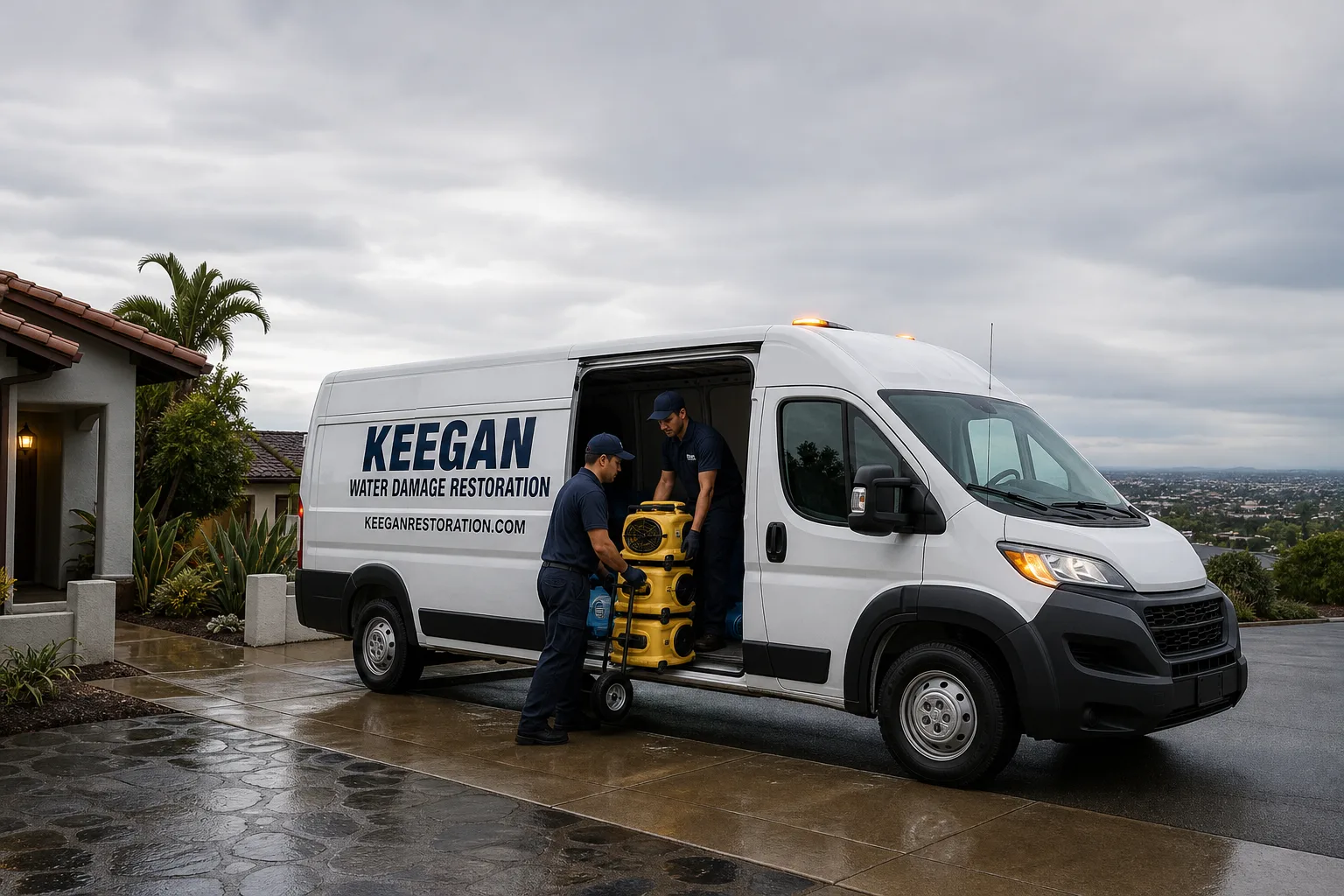
Free visual inspection and a written scope of work before any mitigation begins - photos, moisture readings, and drying logs go in your claim file
The scope we write is the scope we bill. Anything new gets shown to you, in writing, before we touch it.
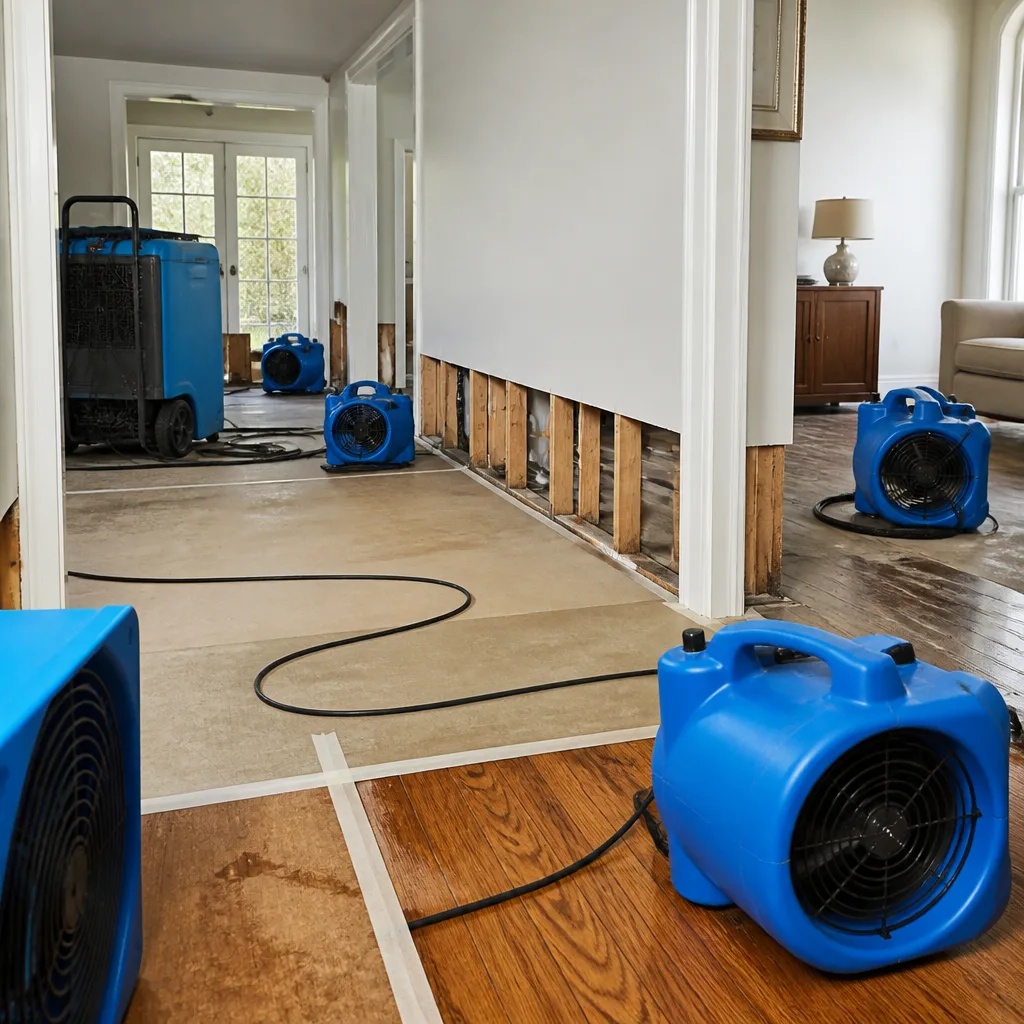



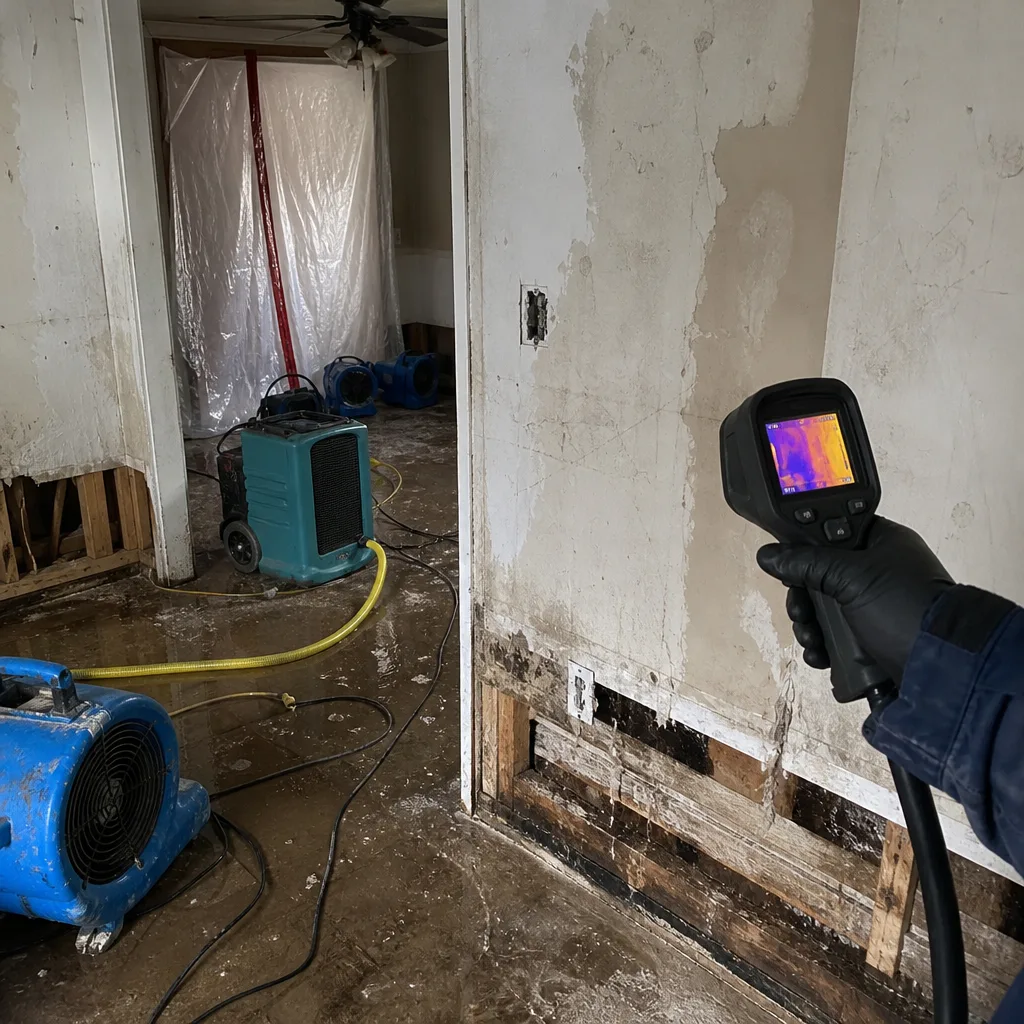 Before
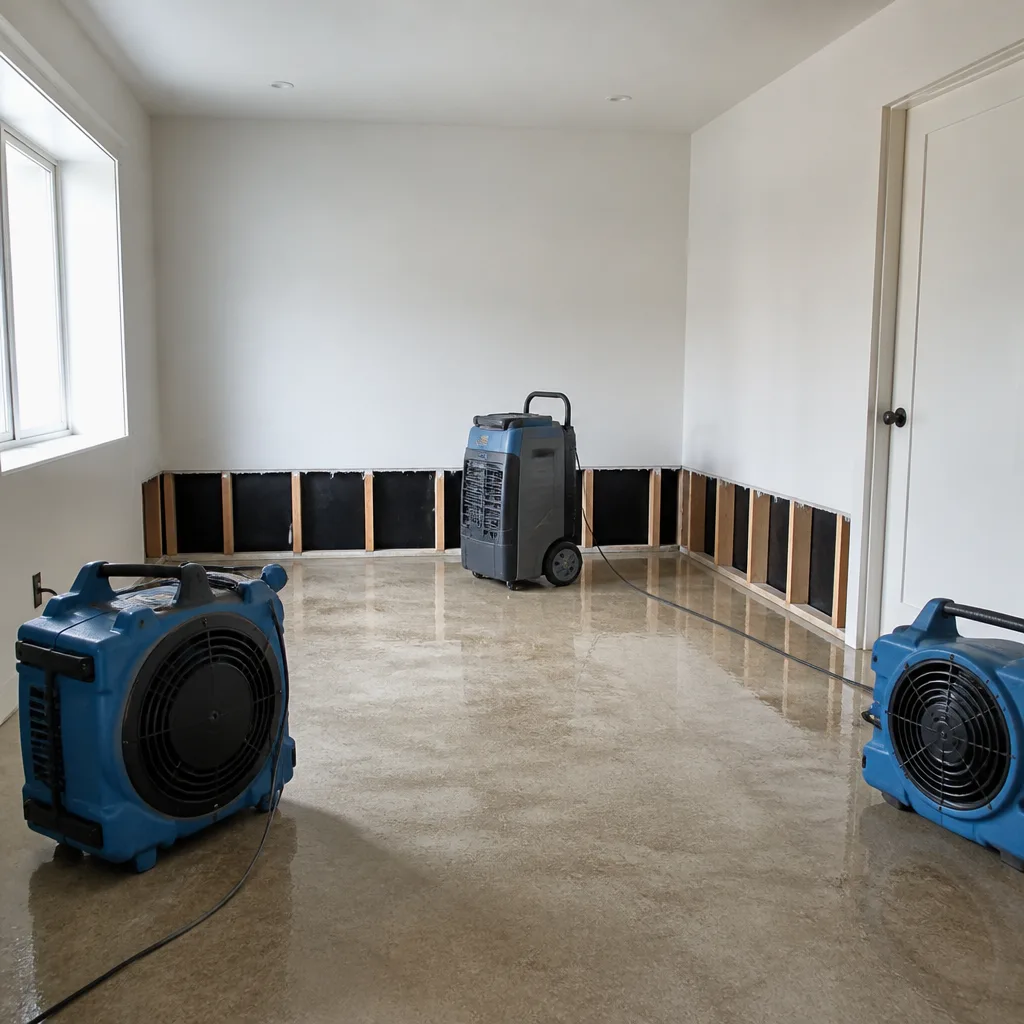 After
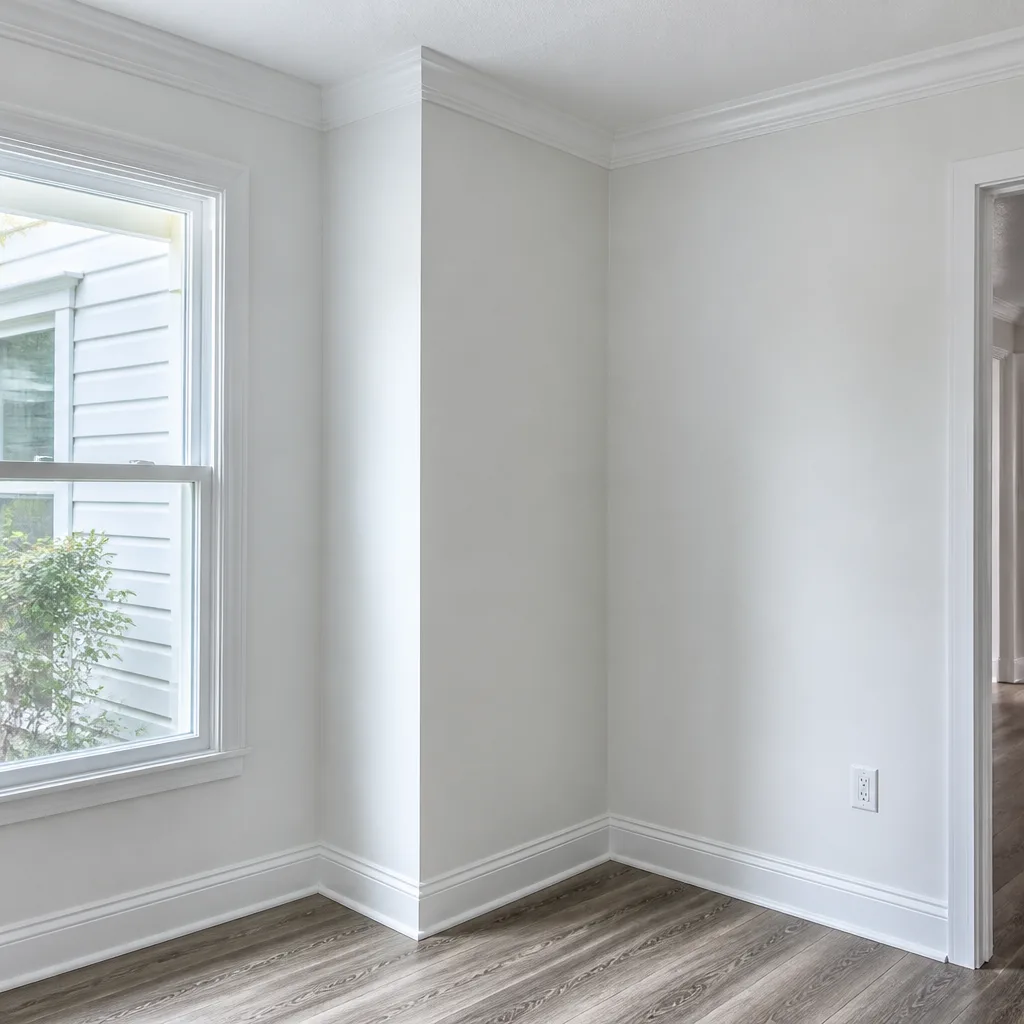
After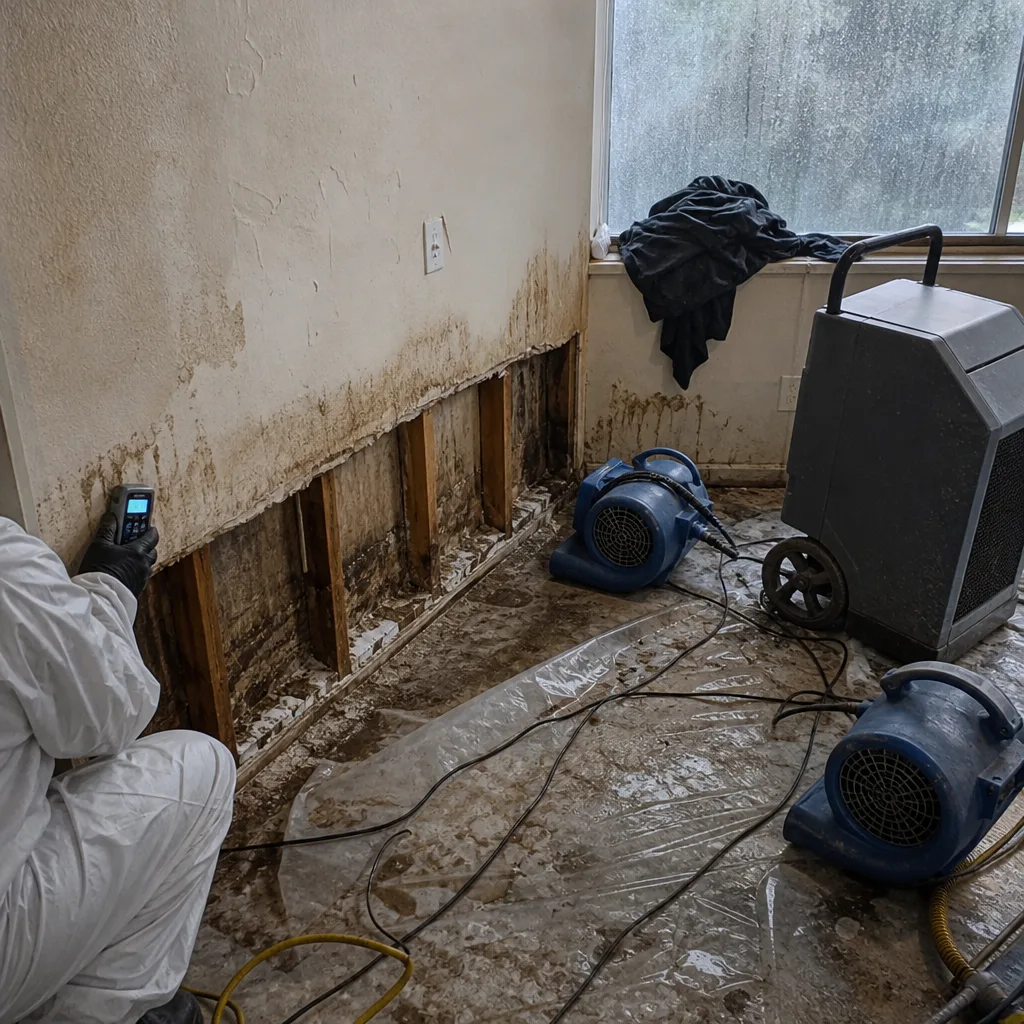 Before
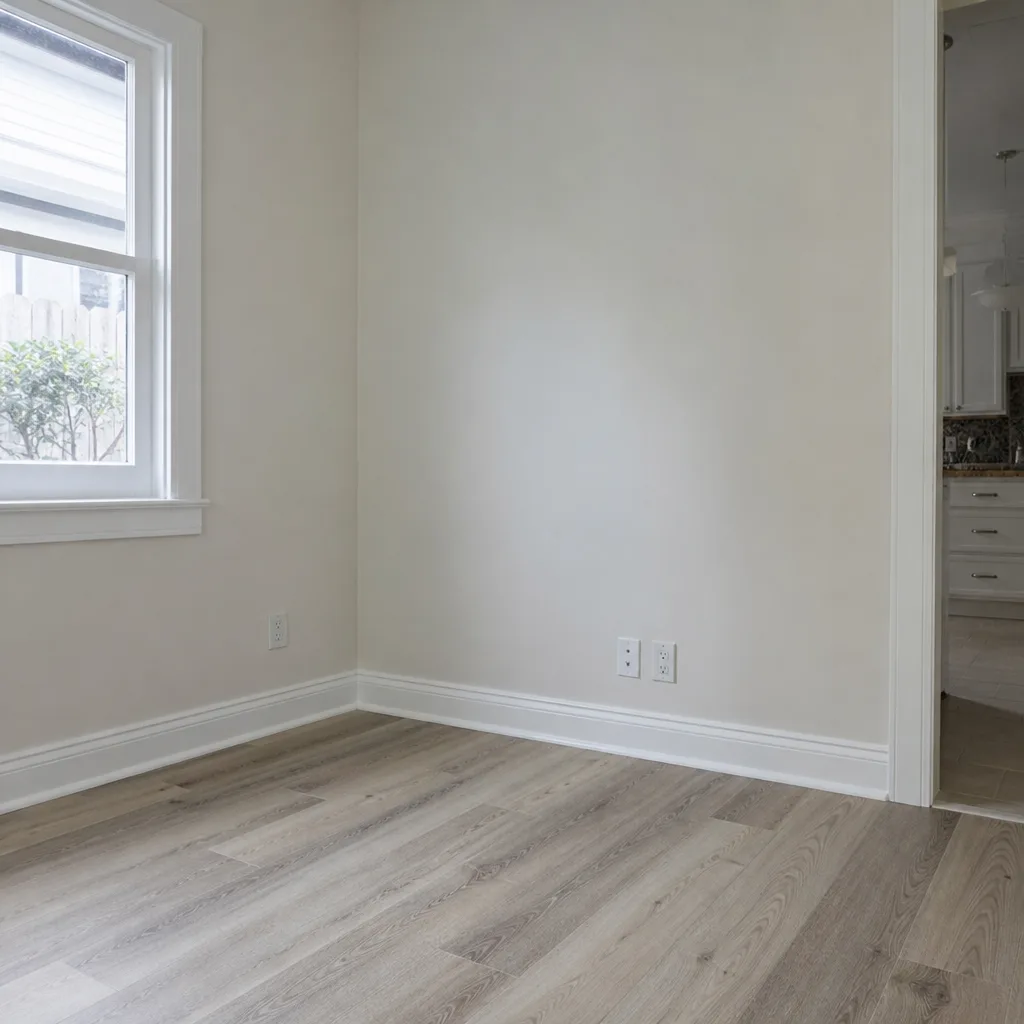 After
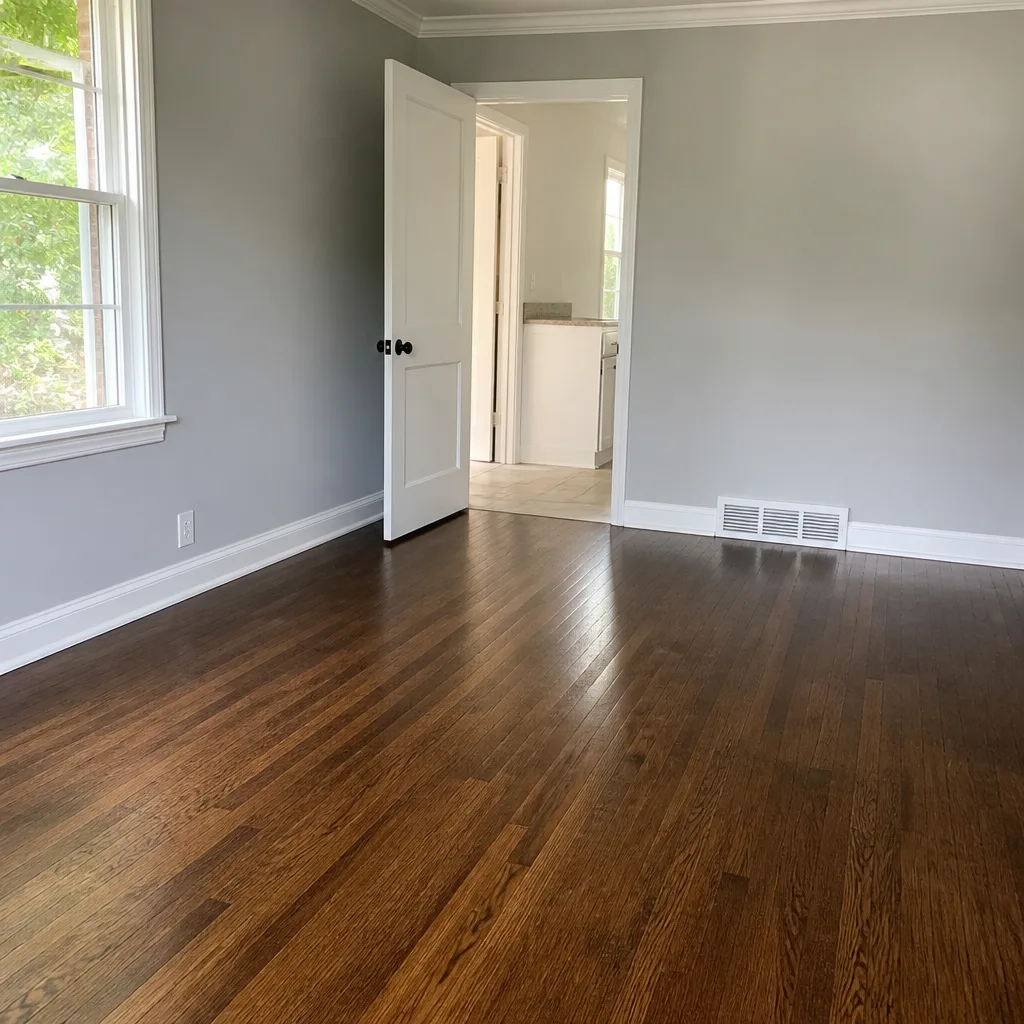
After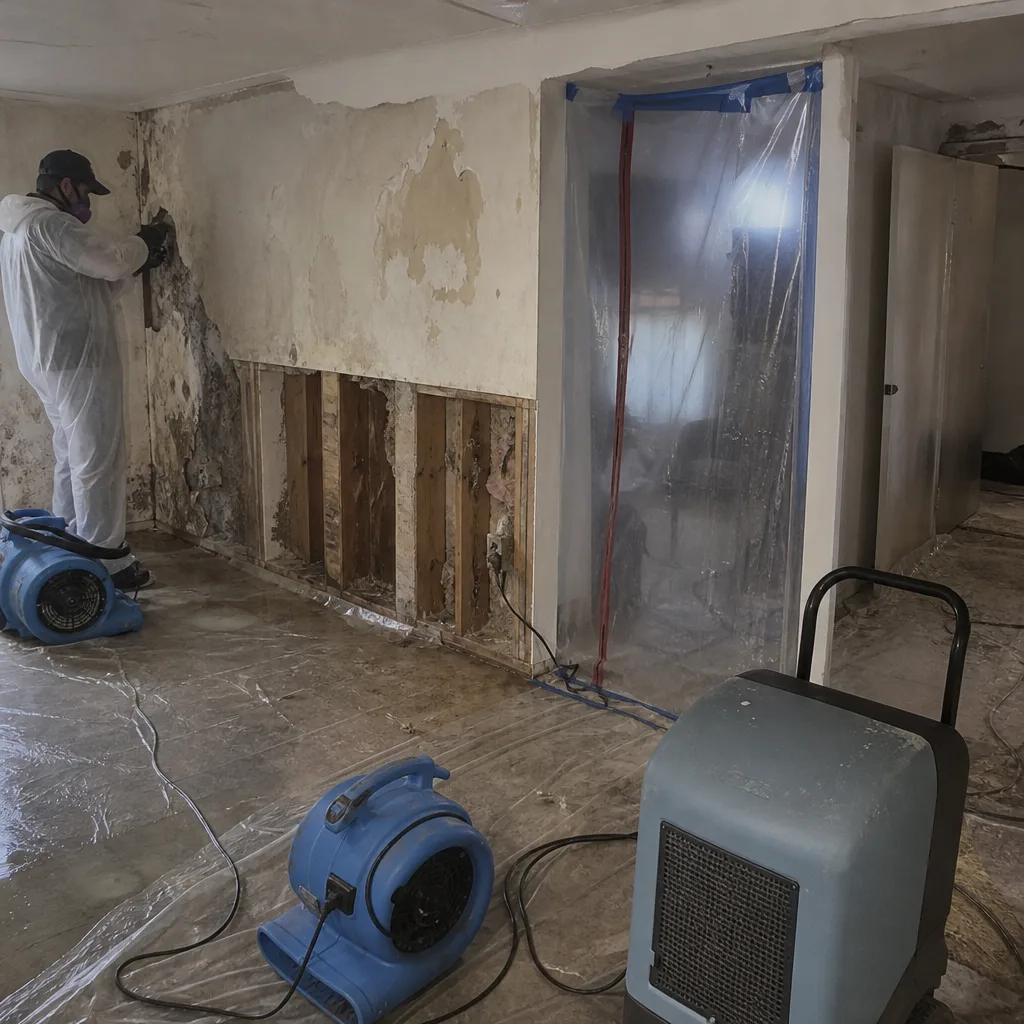 Before
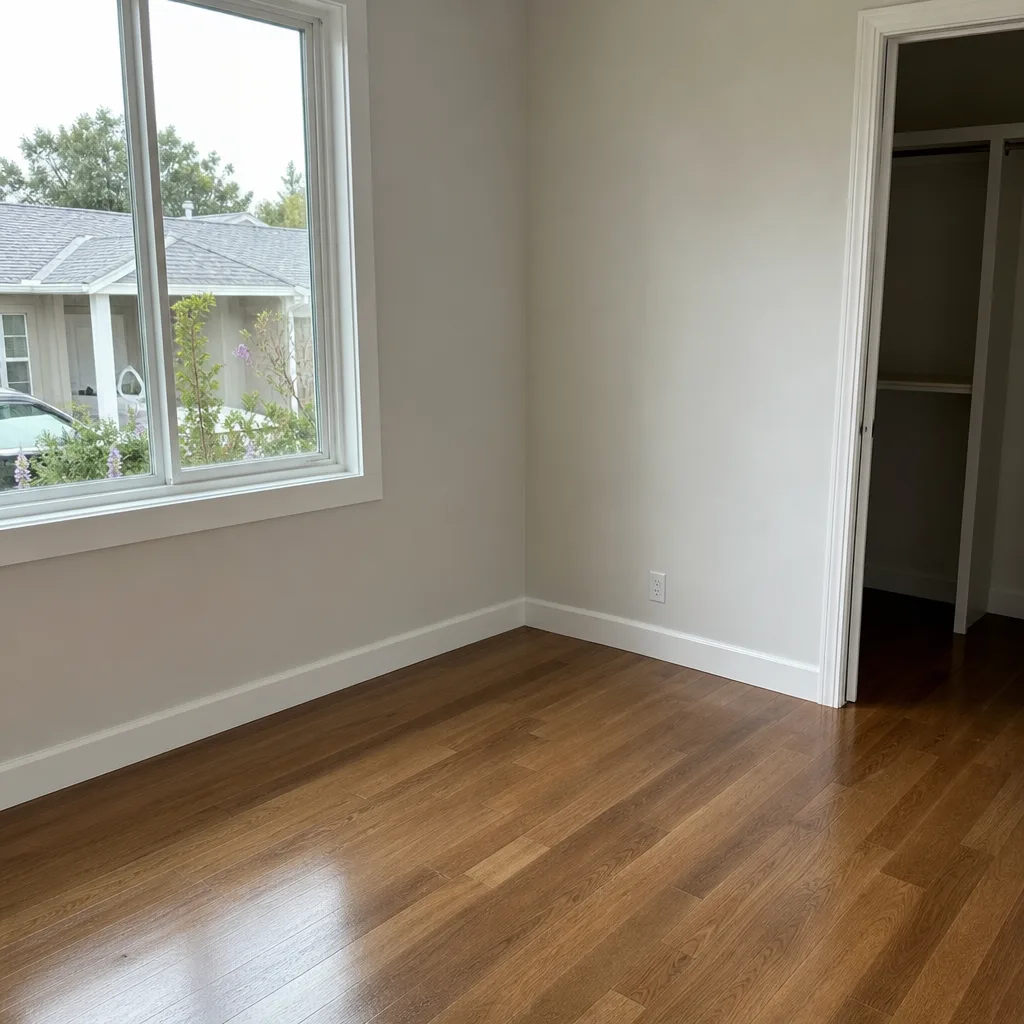 After
AfterWhat to Do After a House Flood
A flooded house means standing water is actively damaging your structure, your contents, and potentially your air quality right now. The first 24 to 48 hours determine how much of your home is salvageable, and water does not wait. Your most important move is to stop the source if you safely can, document everything with photos, and call your local Keegan Water Damage Restoration team so extraction and drying equipment can be on site before secondary damage sets in.
Water soaks into framing, subfloor, drywall, and insulation faster than most people expect. What looks like a surface mess on day one can be a mold-ready environment by day three. The goal of the first few hours is not to clean up – it is to stop the spread. That means getting the water out, getting the structure dry to IICRC standards, and documenting every affected area in a format your insurance adjuster can actually use.
Why It Happens
Burst or Failed Supply Lines
Supply lines run to every toilet, sink, refrigerator icemaker, and washing machine in your home. They are under constant pressure, and when a fitting corrodes or a braided hose cracks, the water does not stop until the valve closes. If you walked into a room and found water spraying or pooling fast with no obvious drain backup, a supply line failure is the most likely cause. The shutoff valve for the affected fixture – or the main house shutoff – is your first move.
Appliance or Water Heater Failure
Water heaters hold 40 to 80 gallons and fail without much warning when the tank corrodes through or a pressure-relief valve sticks open. Dishwashers and washing machines can overflow from a clogged drain line, a failed door gasket, or a stuck inlet valve. If the water is warm or hot, or if you find the puddle near a utility closet or laundry room, the appliance is almost certainly the source. Turn the appliance off at its dedicated shutoff and cut power to it at the breaker before doing anything else in that space.
Roof or Window Intrusion After a Storm
Heavy rain can drive water through damaged shingles, failed flashing, cracked window seals, or foundation gaps. Storm-driven intrusion tends to show up as ceiling staining, wet insulation in the attic, or water running down interior walls during or just after rain. If you suspect the roof, do not go up to inspect it yourself – steep roof and height work carries serious fall risk. Photograph what you can see from inside and from the ground, then let your local Keegan team assess the entry point safely.
Sewer Backup or Drain Overflow
When a municipal line backs up or a main drain clogs, the water that comes up through floor drains, toilets, or tub drains is not clean water – it carries sewage contamination and needs to be handled as a Category 3 loss under IICRC classification. You will usually smell it before you see a large volume of it. Do not walk through sewage-contaminated water without waterproof boots, do not run any drains or flush any toilets while the backup is active, and keep children and pets out of the affected area entirely until the source is confirmed clear and remediation is underway.
What to Do Right Now
- Stop the water source if you can do it safely. Turn off the shutoff valve for the affected fixture, or close the main house shutoff. If you cannot identify the source or the shutoff is not accessible, call your local Keegan team and your water utility immediately.
- Cut power to the affected area at the breaker panel if water is near outlets, appliances, or your electrical panel. Water and live current together create an electrocution hazard. If you are not certain which breakers cover the flooded area, shut off the main breaker and call a professional – do not wade into standing water to investigate live electrical equipment.
- Photograph everything before moving anything. Shoot the water source, the affected rooms, visible damage to walls and flooring, and any personal property that took damage. These photos become the backbone of your insurance claim. Take them even if the damage looks minor – it almost never stays minor.
- Move what you can without going into standing water. Pull rugs, move furniture to dry ground, and elevate items off wet flooring if you can do it quickly and safely. Do not use a standard household vacuum to try to pull water – it is not built for it and poses an electrical risk.
- Call your local Keegan Water Damage Restoration team. A live person answers at (361) 317-7269 around the clock, every day of the year. The sooner extraction equipment is running, the smaller the total footprint of damage. Do not wait to see if it dries on its own – it will not.
How We Fix It
When your local Keegan technician arrives, the first thing they do is a full moisture assessment – using thermal imaging and professional moisture meters to map exactly where water has traveled, including behind walls and under flooring where you cannot see it. That reading determines the scope of work, and the scope becomes a written price you approve before a single piece of equipment is set up. No surprises at the door.
Extraction comes first. We use truck-mount and portable extractors to pull standing water from the structure, then set commercial drying equipment from Dri-Eaz, Phoenix, XPOWER, B-Air, and Injectidry based on the specific materials and moisture readings in your space. Drying is monitored and logged to IICRC, RIA, and IFA standards – that documentation goes directly to your adjuster in a format they recognize. If mold has already started or the contamination level requires it, water damage restoration and mold remediation are handled as connected work so nothing gets missed. Most residential drying runs three to five days depending on materials and the volume of water involved. Every bit of it is covered by the 365-Day Done Right Promise: if the work fails in the first year, we come back and make it right at no charge.
Frequently Asked Questions
It cannot wait. Water migrates into wall cavities, subfloor assemblies, and insulation within hours, and mold growth can begin in as little as 24 to 48 hours under the right temperature and humidity conditions. Structural materials like OSB subfloor and paper-faced drywall deteriorate quickly once saturated. The longer extraction is delayed, the larger the affected area and the higher the eventual cost to restore it. Call (361) 317-7269 now – someone picks up every hour of the day.
Yes. Your local Keegan Water Damage Restoration team dispatches for water damage around the clock, including weekends and holidays, because water damage is not a Monday-through-Friday problem. A live person at (361) 317-7269 will take your information and get a technician moving. We give you a real arrival window and we hold to it – that is part of The Garrison Standard.
Standard homeowner’s insurance typically covers sudden and accidental water damage – a burst pipe, a failed appliance, a roof breach from a storm – but it generally does not cover flooding from outside the home, which requires a separate flood insurance policy. The specifics depend on your policy language. What we can tell you is that every Keegan job is fully documented with photos, moisture logs, and scope of work formatted to support your claim, and we work directly with adjusters so you are not playing telephone between two parties who speak different technical languages.
Household fans move surface air but cannot reach moisture inside wall cavities, under flooring, or within structural assemblies – which is exactly where the lasting damage happens. Professional equipment like the Dri-Eaz and Phoenix units we run is calibrated to pull moisture out of building materials at the depth where mold and rot actually start. Running box fans over a wet floor can also create air movement that accelerates mold spore distribution if contamination is already present. Get a proper moisture reading first – your local Keegan team does that assessment as part of the job, and the written estimate comes before any work begins. Call (361) 317-7269 to get that process started.
Get It Fixed
Call (361) 317-7269 right now – a live person answers every hour of every day. Your local Keegan Water Damage Restoration team will assess the damage, give you a written price before any work starts, and get extraction and drying underway. Every repair is backed by the 365-Day Done Right Promise.
Written by Shane Pruitt, Owner at Keegan Water Damage Restoration, part of the Garrison Partners family since 2005.
What Our Customers Say
"Documented everything with photos for my insurance. No arguments from the adjuster."
- Carmen R."They pulled the wet drywall to two feet up and dried the studs. Replaced it clean and painted to match."
- Tom E."Fire damage in the kitchen from a stove flare-up. They cleaned the soot, removed the burnt cabinets, and deodorized the house."
- Lorraine D.