
Last updated October 11, 2026
Free visual inspection and a written scope of work before any mitigation begins - photos, moisture readings, and drying logs go in your claim file
The scope we write is the scope we bill. Anything new gets shown to you, in writing, before we touch it.
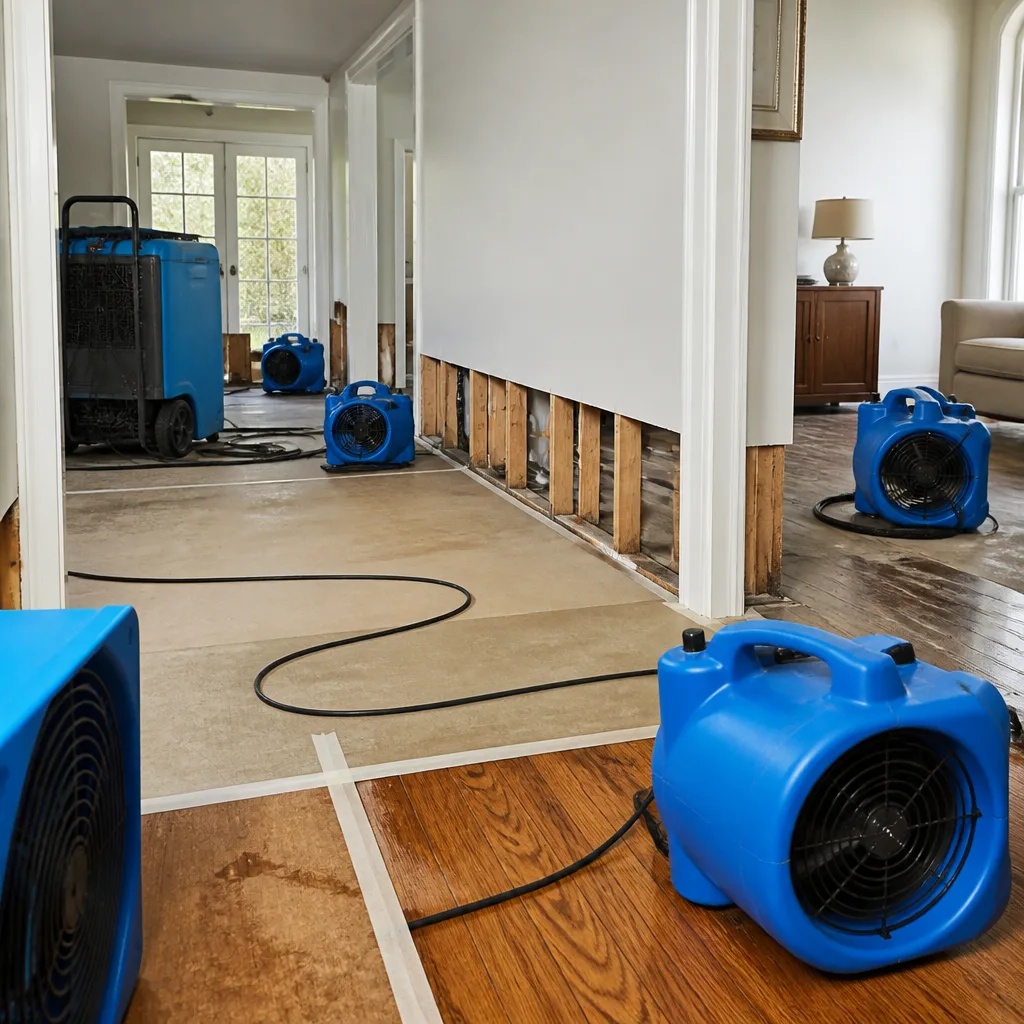
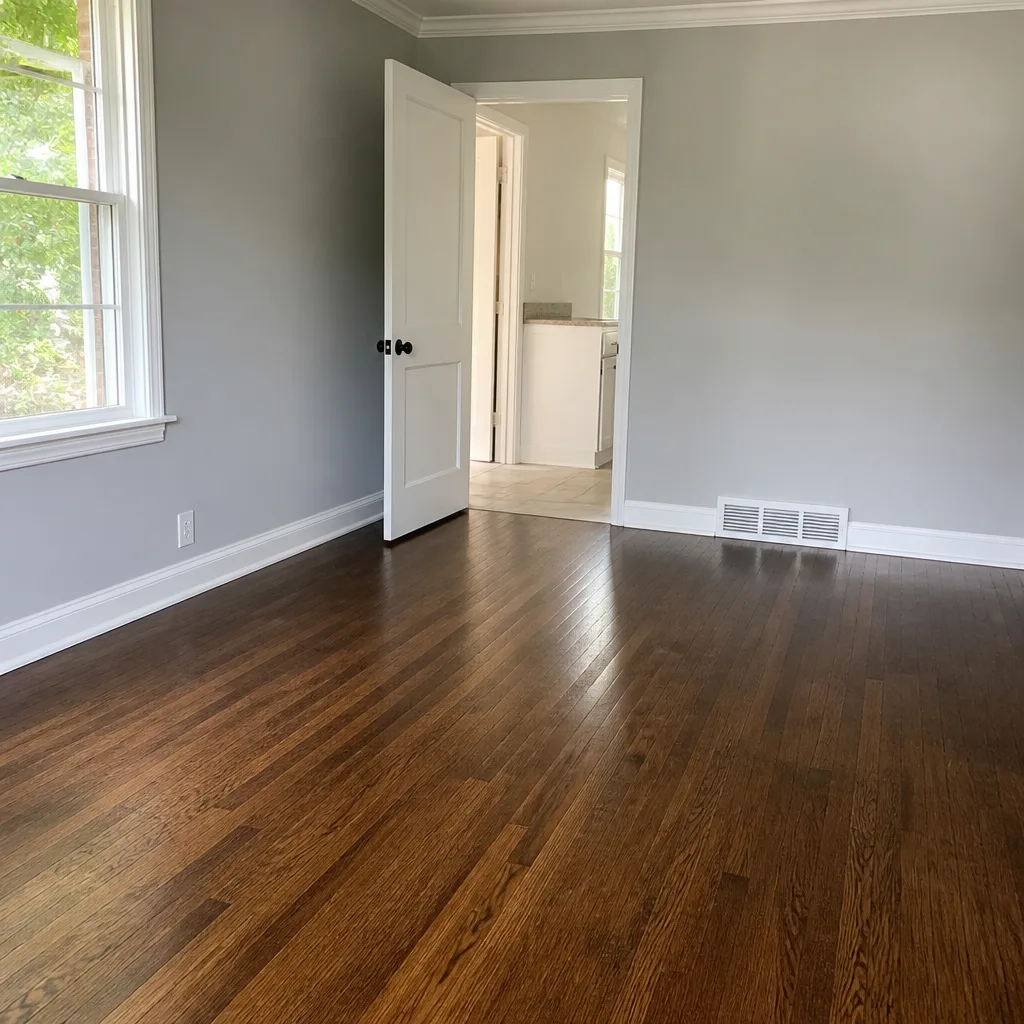
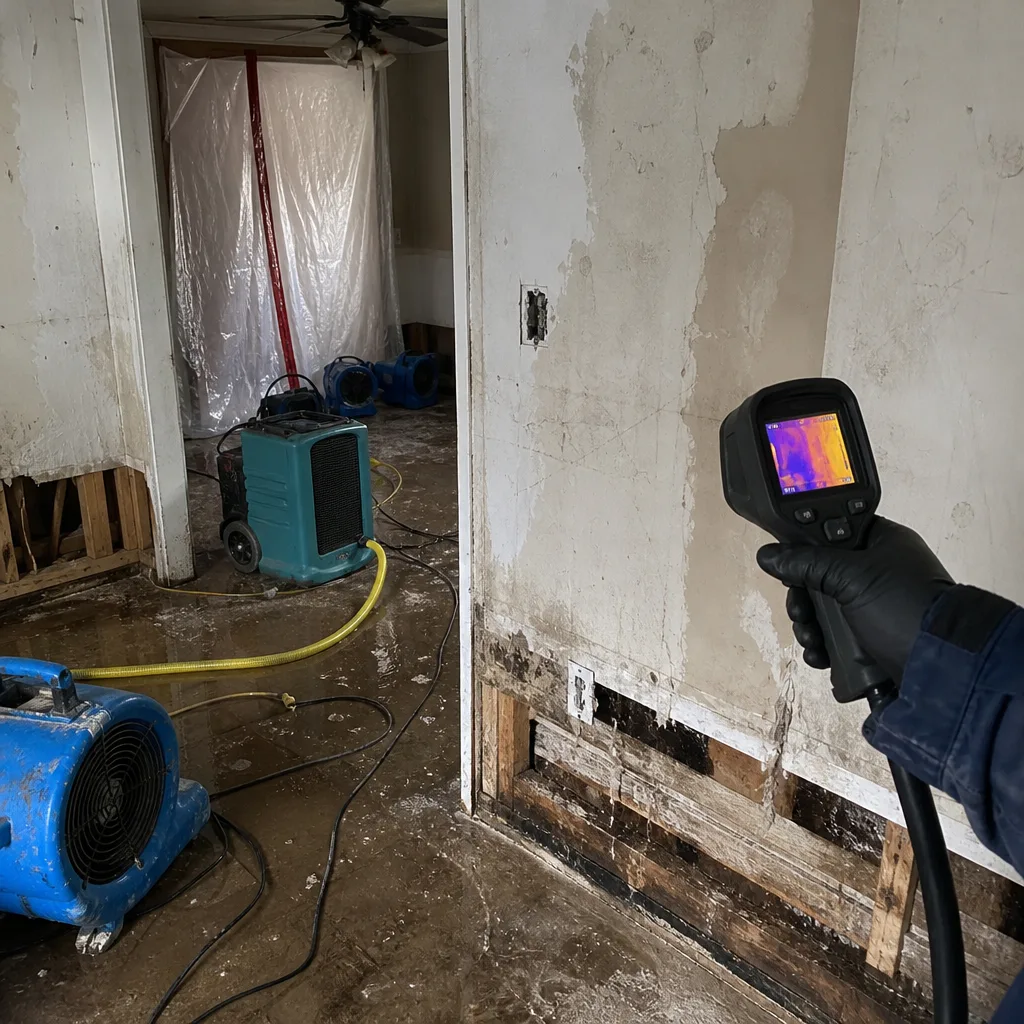 Before
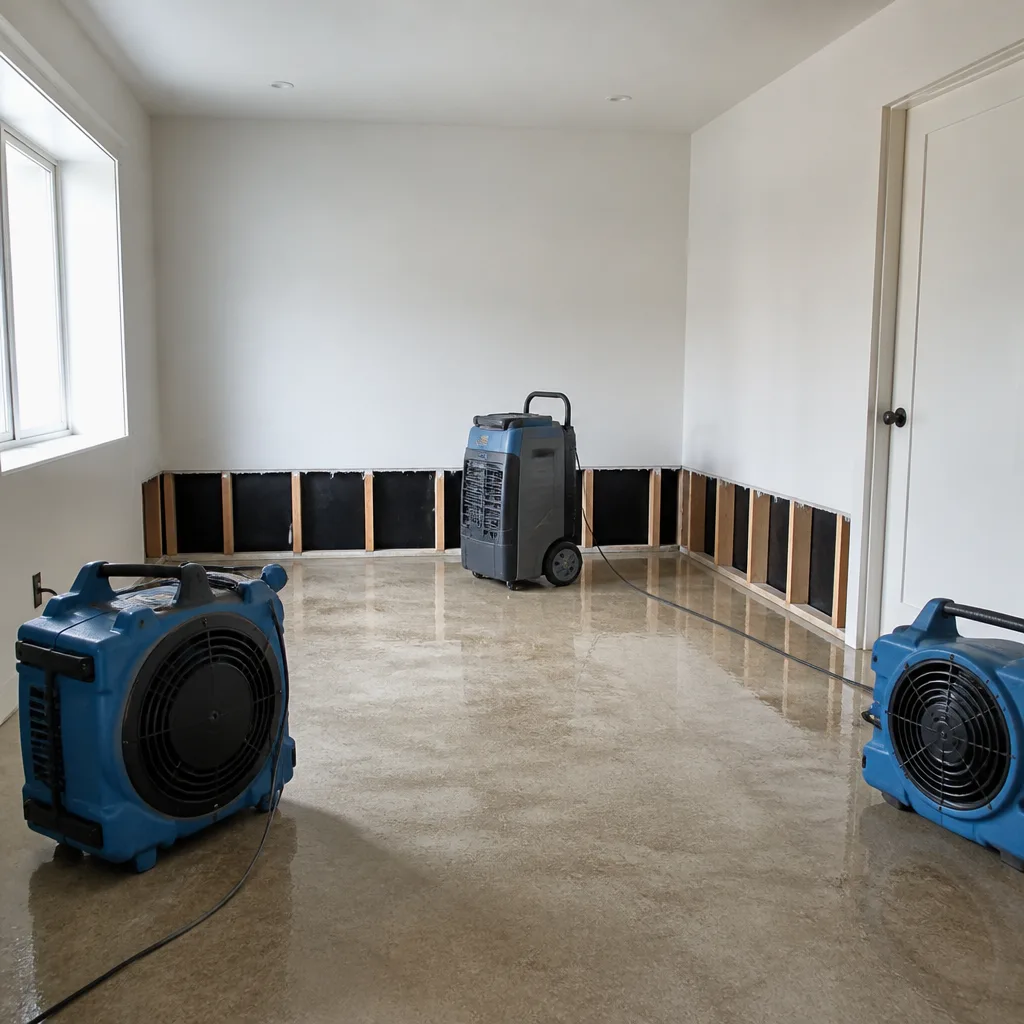 After
After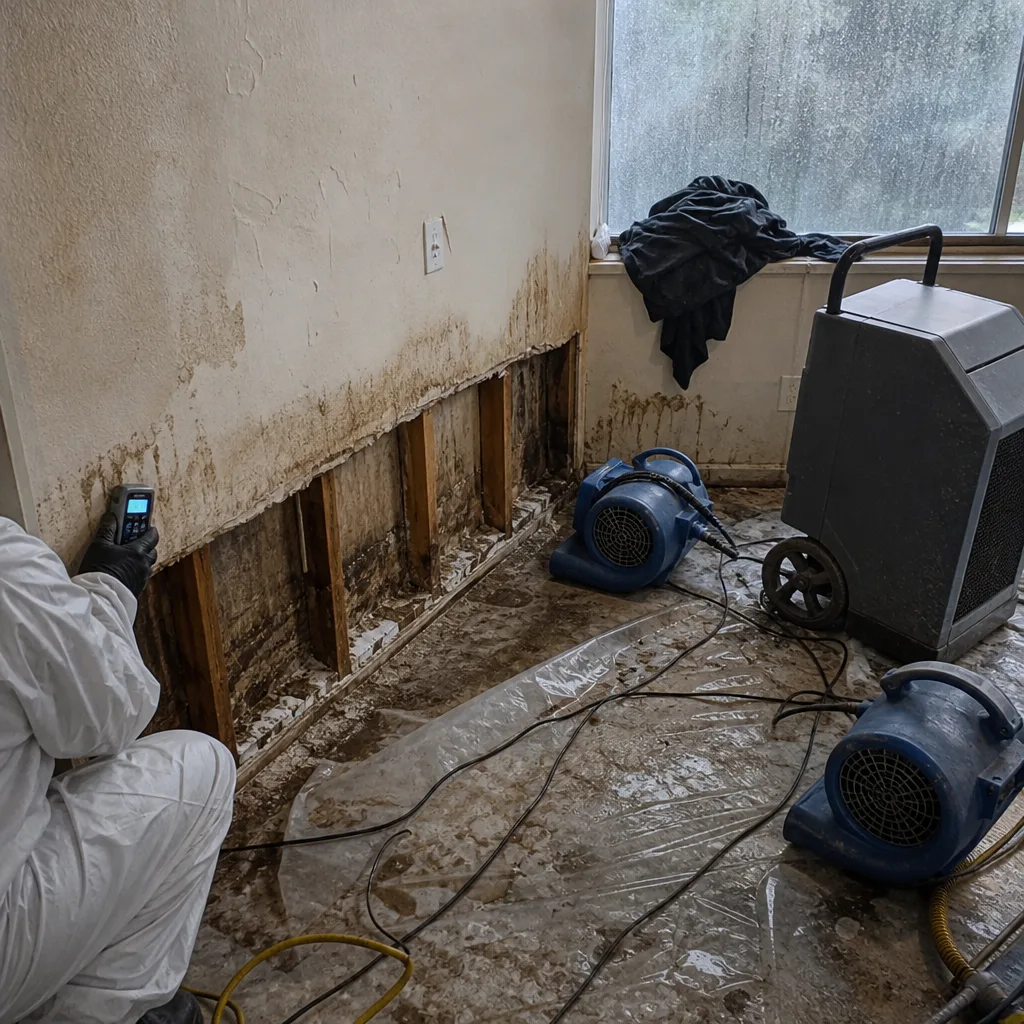 Before
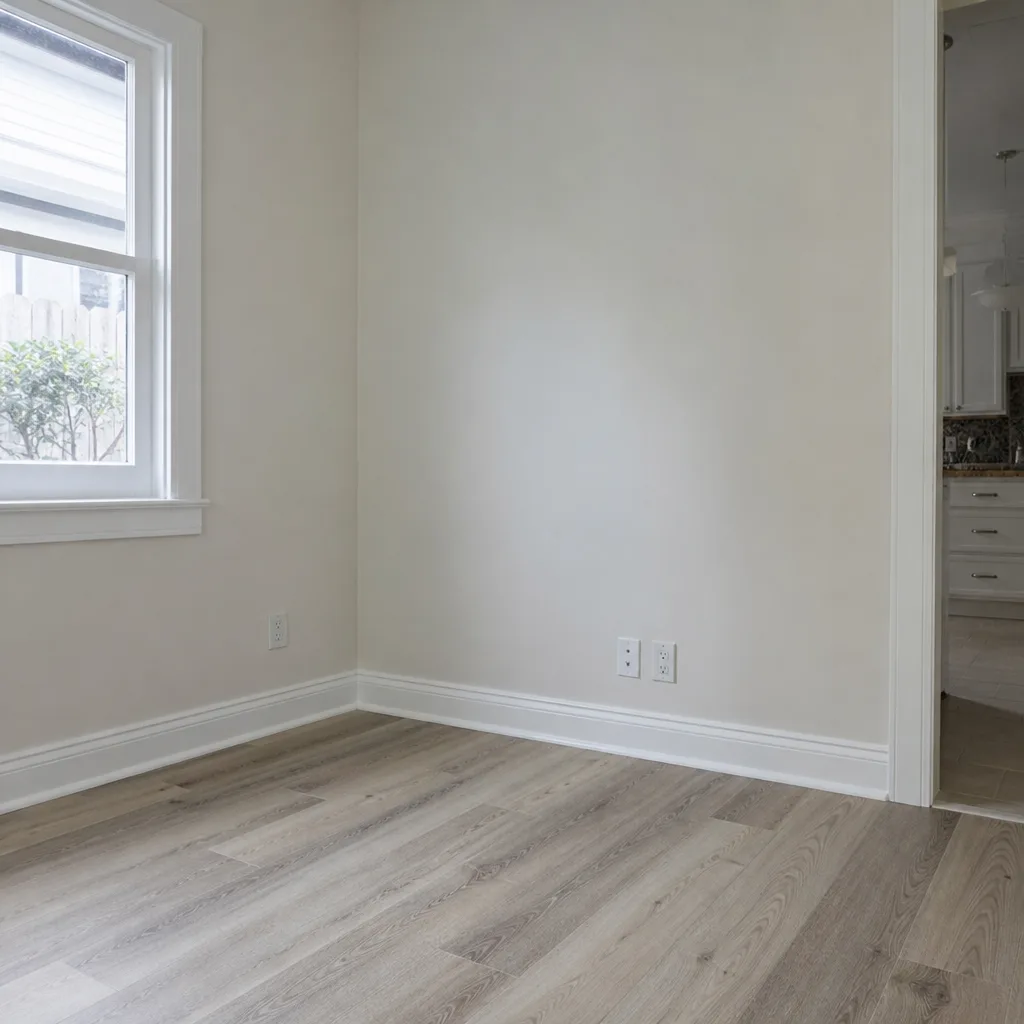 After
After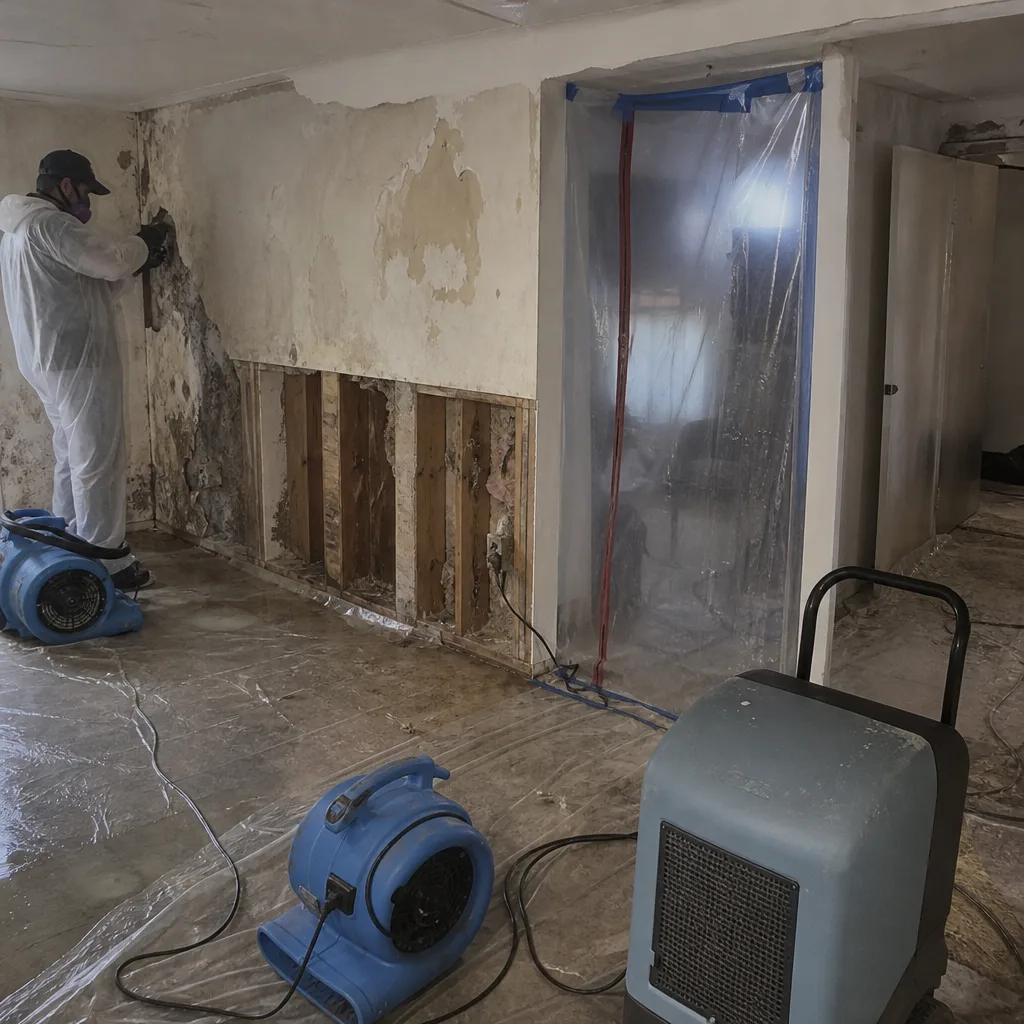 Before
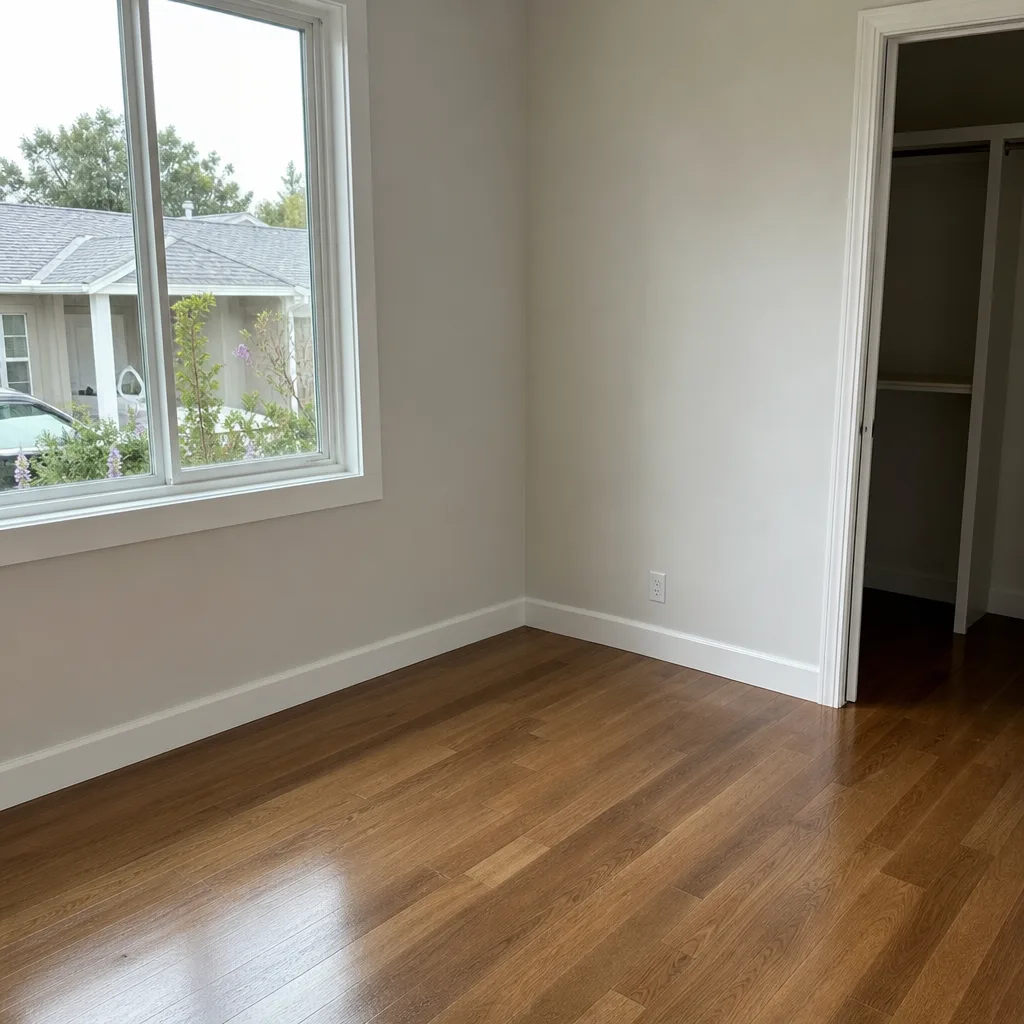 After
AfterDamage Restoration Permits, Codes & Inspections in CA: What You Need to Know
Here’s a fact most homeowners in Los Angeles don’t learn until it’s too late: if a restoration contractor replaces water-damaged drywall without pulling a permit and the work required one, the violation attaches to your property, not the contractor’s license. It surfaces on a title search at closing, and you, not the original contractor, become responsible for bringing it into compliance. We’ve seen this stall sales in neighborhoods from Silver Lake to the San Fernando Valley, often on work completed years earlier by a previous owner. This guide explains exactly where California law draws the line between routine repair and permitted renovation, how Los Angeles building departments enforce that line, and what documentation you need to protect your property value and insurance claim. For more guides & resources, visit our blog.
Quick Answer
In California, damage restoration work requires a building permit whenever it involves structural repairs, electrical or plumbing modifications, or replacement of more than one wall’s worth of drywall in a single room. Cosmetic drying, cleaning, and like-for-like replacement of finishes typically do not. In Los Angeles, the Department of Building and Safety (LADBS) issues most residential permits, with turnaround times ranging from same-day for minor repairs to 4-6 weeks for structural work requiring plan check.
Table of Contents
- When Are Permits Required for Restoration Work?
- How the Los Angeles Permit Process Works
- City of Los Angeles vs. LA County and Independent Municipalities
- How Permits and Inspections Support Insurance Claims
- What to Do About Unpermitted Work from a Previous Owner
- Mold Remediation: Special Permitting and Disclosure Rules
- Common Mistakes to Avoid
- When to Call a Professional
- Frequently Asked Questions
When Are Permits Required for Restoration Work?
California Building Standards Code (Title 24) delegates permit authority to local jurisdictions, but the threshold is consistent enough to describe clearly. In our experience running water damage restoration, fire damage restoration, and mold remediation jobs across Los Angeles since 2005, the question isn’t whether permits matter, it’s whether your specific scope crosses into regulated territory. Homeowners weighing their options may find our DIY vs Professional Damage Restoration: The Los Angeles Homeowner’s Decision Guide helpful.
Permit-required work includes:
- Structural drying that requires removal and replacement of load-bearing elements, wall studs, or subflooring
- Drywall replacement exceeding 32 square feet in a single room (the LADBS threshold for “minor repair” exemption)
- Any electrical work beyond resetting a breaker or replacing a damaged outlet faceplate
- Plumbing repairs beyond swapping a flex line or faucet aerator
- HVAC ductwork replacement or modification
- Roof decking repair or replacement (not just shingle patching)
- Foundation or slab work, including epoxy injection for crack repair after water intrusion
Work that typically does not require a permit:
- Water extraction and structural drying using professional-grade equipment (our Dri-Eaz and Phoenix dehumidifiers, XPOWER air movers, and Injectidry cavity drying systems operate within IICRC standards without permit requirements)
- Surface cleaning and antimicrobial application
- Removal of non-structural, non-load-bearing finish materials (carpet, pad, baseboard, non-bearing partition drywall)
- Like-for-like replacement of cabinets, flooring, or fixtures in the same location without plumbing or electrical changes
The 32-square-foot drywall rule catches many homeowners off guard. In a typical Los Angeles bathroom flood, water wicks up drywall behind the vanity and extends to adjacent walls. If our moisture mapping shows affected area exceeding that threshold, we flag the permit requirement in our written scope before work starts. This is part of The Garrison Standard: the price is put in writing before any work begins, and that scope includes permit costs and scheduling when applicable.
Climate matters here too. Los Angeles sees concentrated winter rain events that drive water into wall cavities through compromised stucco or roof penetrations. The warm, dry summers that follow encourage homeowners to patch and paint without proper drying. We’ve opened walls in Mid-City homes where “minor” water damage concealed 40 square feet of saturated drywall and compromised insulation, well past the permit threshold, with mold colonization behind the repair.
How the Los Angeles Permit Process Works
The Los Angeles Department of Building and Safety (LADBS) processes the majority of residential restoration permits for properties within city limits. Understanding their workflow helps you set realistic timelines and avoid the common scenario where a contractor starts demolition, discovers structural damage, and halts work for three weeks waiting for permit approval.
Step-by-step: obtaining a restoration permit in Los Angeles
- Determine permit type. Most restoration work falls under “Repair/Renovation” (RR) permits. Structural repairs require an RR-Structural submittal. Electrical or plumbing-only work can sometimes use standalone trade permits.
- Prepare documentation. For work exceeding $300 in value, LADBS requires a scope of work description, floor plan showing affected areas, and often photos of damage. For structural work, a licensed engineer or architect must prepare plans.
- Submit application. Online submission through the LADBS e-Permit system is fastest. In-person submission at Metro or Valley offices works for complex cases requiring consultation.
- Plan check (if required). Structural and major renovation permits enter plan check, typically 4-6 weeks. Over-the-counter permits for minor repairs can issue same-day.
- Pay fees and receive permit. Fees scale with project valuation. A typical drywall and insulation replacement permit runs $200-$500.
- Schedule inspections. LADBS requires inspection at rough framing (if structural), insulation, and final completion. Inspections must be requested 24 hours in advance through the online system.
- Obtain final approval. The Certificate of Occupancy or final inspection sign-off closes the permit and records compliance on the property’s LADBS history.
Turnaround times vary significantly by season. January through March, following winter rain events, LADBS experiences volume surges that extend plan check timelines. We build this contingency into our project schedules and communicate it in our written scope. The Garrison Code value of “show up inside the window” applies to permit timelines too: we don’t promise what we can’t control, and we don’t start demolition that requires a permit until we have it in hand.
For emergency situations where active water intrusion threatens structural integrity, LADBS offers an Emergency Repair Authorization process. This allows limited immediate work to prevent further damage, with full permit application submitted within 72 hours. We’ve used this for burst supply lines in hillside homes where delayed action risked foundation undermining.
City of Los Angeles vs. LA County and Independent Municipalities
Los Angeles County contains 88 incorporated cities, each with its own building department or contract with LA County for permit services. This fragmentation creates real confusion for homeowners and contractors alike.
City of Los Angeles uses LADBS exclusively. Their e-Permit system is the most developed in the region, and their inspection scheduling is predictable within 24-48 hours once permitted. Properties in neighborhoods like Echo Park, Venice, or Woodland Hills all fall under this unified system.
Unincorporated LA County areas, including portions of Altadena, East Los Angeles, and the Antelope Valley, use LA County Public Works, Building and Safety Division. Their process is similar but slower, plan checks often running 6-8 weeks for structural work, and inspection availability more constrained. We’ve completed fire damage restoration jobs in unincorporated La Crescenta where permit timelines added three weeks to project duration.
Independent municipalities with their own building departments include:
- Santa Monica: Uses the Santa Monica CityNet system. Notably strict on energy compliance documentation; replacement insulation must meet current Title 24 standards, which may exceed what was originally installed.
- Culver City: Requires pre-application conference for structural repairs exceeding $10,000. This adds a week but prevents mid-process revision requests.
- Beverly Hills: Maintains its own plan check and inspection staff. Historical preservation overlay districts add a second review layer for properties over 50 years old, common in the flatlands.
- Pasadena: Separates permits by district; some areas fall under Pasadena’s department, others under LA County depending on annexation history.
- Long Beach, Glendale, Burbank, Torrance: Each operates independent departments with varying electronic systems and inspection protocols.
The practical implication: your restoration contractor must verify jurisdiction before quoting permit timelines. A contractor who assumes LADBS procedures for a Santa Monica property will miss energy compliance requirements and face inspection failures. At Keegan Water Damage Restoration home, we confirm jurisdiction during our initial assessment and include the specific department, permit type, and estimated timeline in every written scope.
Neighborhood-specific factors matter too. hillside properties in Los Angeles, common in Laurel Canyon, Beachwood Canyon, and Mount Washington, often trigger additional geotechnical review when foundation or retaining wall damage occurs. The Los Angeles Hillside Ordinance imposes grading and drainage requirements that can extend permit timelines and scope requirements.
How Permits and Inspections Support Insurance Claims
Insurance adjusters and underwriters increasingly scrutinize permit compliance, particularly for water damage restoration and fire damage restoration claims where repair scope is substantial. The documentation trail created by permitted work serves multiple protective functions for the homeowner.
Permit documentation strengthens your claim in four ways:
- Scope validation. A permitted scope has been reviewed by a plan check engineer for code compliance. This third-party validation makes it harder for insurers to dispute the necessity of structural repairs.
- Cost justification. Permit fees and inspection costs become line-item documentation of legitimate project expenses. LADBS fee schedules are public and defensible.
- Quality verification. Passed inspections demonstrate work was completed to code, not merely “repaired.” This matters for replacement cost value policies and future claims.
- Resale protection. Final inspection records attach to the property’s permanent record. When you sell, buyers and their lenders can verify compliance, preventing last-minute renegotiation or deal collapse.
We format every job’s documentation, including permit applications, inspection results, and photo records, to support direct adjuster coordination. Our equipment roster, including Injectidry systems for cavity drying and B-Air negative air machines for containment, generates data logs that supplement permit documentation with verifiable drying metrics.
The 365-Day Done Right Promise adds another layer. If permitted work we complete requires correction within one year, we return at no charge with permit amendment and re-inspection handled as part of the correction. This isn’t common in the industry. Many contractors avoid permit work precisely because it creates accountability they don’t want. We accept that accountability as part of The Garrison Standard.
One Los Angeles-specific consideration: the city’s soft-story retrofit program and similar seismic ordinances have raised inspector awareness of structural integrity. Fire damage restoration in older multi-family buildings, common in Koreatown and Westlake, now frequently triggers structural review even when damage appears cosmetic, as covered in our DIY vs Professional Fire Damage Restoration: What’s Safe to Do Yourself. Starting work without permits in these contexts risks mid-project stoppage and uncovered additional living expense costs.
What to Do About Unpermitted Work from a Previous Owner
This scenario arrives at our office regularly. A homeowner in Los Angeles discovers water damage, we open the wall, and find prior repairs completed without permits, often with substandard materials or incomplete drying-exactly the scenario our Damage Restoration Warning Signs: A Los Angeles Homeowner’s Reference Guide is designed to help you avoid. The previous owner may have hired an unlicensed contractor, done the work themselves, or simply not known permit requirements.
Your options, in order of practicality:
- Document everything before altering anything. Photograph the unpermitted work thoroughly. This protects you if the scope expands and creates evidence for potential recovery from the prior owner or their insurer.
- Consult a real estate attorney on disclosure obligations. California Civil Code Section 1102 requires disclosure of unpermitted work to buyers. Active concealment can create liability. Documented voluntary disclosure with a remediation plan is defensible.
- Obtain a retroactive permit if possible. LADBS and most LA County-contracted departments allow retroactive permitting for work that meets current code. This requires opening walls for inspector visibility, which may expand scope, but creates clean title.
- Request a Certificate of Compliance or equivalent. Some jurisdictions issue this when retroactive inspection confirms code compliance, even if the original permit was absent.
- Escrow for future correction if selling. If retroactive permitting isn’t feasible, a negotiated escrow holdback with disclosure allows sale completion while protecting the buyer.
In our experience, the worst choice is doing nothing. Unpermitted water damage restoration, particularly when it concealed mold, creates compounding liability. We’ve remediated mold in Los Feliz bungalows where a 2018 bathroom leak was “repaired” with new tile over wet substrate, no permit, no drying verification. By 2023, the mold colonization required $40,000 in permitted remediation, structural repair, and air quality testing, all disclosed to the current owner’s insurer as pre-existing conditions.
The Garrison Standard requires us to flag unpermitted conditions we discover, document them photographically, and include permit requirements for proper remediation in our written scope. We don’t perform cosmetic concealment of code violations. This occasionally costs us jobs to contractors who will, but it protects our customers and our 365-Day Done Right Promise from being undermined by hidden conditions.
Mold Remediation: Special Permitting and Disclosure Rules
Mold remediation occupies a distinct regulatory category in California, with additional layers beyond standard building permits. Understanding these layers prevents the common scenario where a homeowner completes “mold removal” only to face disclosure problems at sale or health complaints from occupants.
California Labor Code Section 6501.5 and associated regulations require mold remediation contractors to follow specific work practices, though they do not create a standalone permit category. The permit trigger remains the building work involved: drywall removal, HVAC modification, structural repair. However, Los Angeles County and several independent municipalities, including Santa Monica and Beverly Hills, have enacted additional notification requirements for mold work in multi-unit buildings.
Key mold-specific considerations in Los Angeles:
- Air quality documentation. While not a permit per se, post-remediation air sampling by an independent third party creates defensible documentation. We recommend this for all mold remediation jobs and include it in scopes where occupant health sensitivity exists.
- Tenant notification. In rental properties, Los Angeles Rent Stabilization Ordinance and California Civil Code 1941.1 create notification obligations that parallel permit requirements. Documentation of proper notification protects landlords from habitability claims.
- Insurance coordination. Mold claims are frequently disputed or capped. Permit-compliant remediation with full documentation, including moisture mapping and drying logs from our Phoenix and Dri-Eaz equipment, supports coverage arguments.
- Health department referral. Extensive mold in certain building types may trigger Los Angeles County Department of Public Health notification, particularly in schools, daycares, or healthcare facilities.
The IICRC S520 Standard for Professional Mold Remediation guides our technical approach, but local jurisdiction requirements determine our permit and notification obligations. We never assume mold work is “just cleaning.” Every job gets jurisdictional verification and appropriate documentation.
Los Angeles’s Mediterranean climate creates specific mold risk patterns. The dry season allows superficial mold to appear resolved while hyphae penetrate substrate. Winter rain events reactivate growth. We’ve removed “remediated” mold from Pacific Palisades homes where prior contractors sprayed bleach on visible growth without substrate removal or moisture control, creating a recurring cycle that required full permitted remediation.
Common Mistakes to Avoid
- Assuming your contractor handles permits automatically. Many restoration contractors, particularly those competing on speed and low price, omit permit costs from bids and begin work without them. Verify permit status in writing before demolition starts.
- Accepting “permit not required” without jurisdictional verification. A contractor who works primarily in Burbank may incorrectly apply Burbank’s thresholds to a Santa Monica property. The variance in requirements is real and consequential.
- Starting emergency drying without documenting pre-loss condition. Even when permits aren’t required for extraction and drying, photo documentation of original damage supports insurance claims and proves the scope wasn’t expanded unnecessarily.
- Ignoring permit status when buying a home in Los Angeles. Title insurance increasingly excludes unpermitted work discovered after closing. A pre-purchase permit history search through LADBS or the relevant municipality costs little and prevents major surprises.
- Completing DIY repairs after professional mitigation without permits. We frequently see homeowners handle their own reconstruction after we complete permitted structural drying. If that reconstruction includes electrical, plumbing, or structural work without permits, the compliance gap remains.
- Failing to obtain final inspection sign-off. An open permit creates the same title problems as no permit. Confirm your contractor schedules and passes final inspection, and obtain the documentation for your records.
When to Call a Professional
Call a licensed restoration contractor when water, fire, or mold damage affects structural elements, requires drywall or subfloor replacement, or involves any electrical or plumbing system. The permit determination alone justifies professional assessment: the cost of getting it wrong attaches to your property permanently. Keegan Water Damage Restoration offers free estimates in Los Angeles. We’ll assess damage, verify jurisdictional requirements, and provide a written scope with permit costs and timelines before any work begins. Call (361) 317-7269 to schedule. A live person answers every call, 24 hours a day, 7 days a week, including nights, weekends, and holidays.
Frequently Asked Questions
Yes, if the replacement exceeds 32 square feet in a single room or involves any structural, electrical, or plumbing elements. Below that threshold, like-for-like replacement in the same location typically does not require a permit. Call (361) 317-7269 for an exact quote on your specific damage, estimates are free.
Over-the-counter minor repair permits at LADBS often issue same-day. Structural or extensive renovation permits require plan check, typically 4-6 weeks in the City of Los Angeles, 6-8 weeks in unincorporated LA County. Winter rain event surges can extend these timelines. We build permit scheduling into every written scope so you know before work starts.
Most standard homeowners policies cover reasonable costs to repair covered damage, including permit fees and inspection costs required by law. Documentation is key: the permit application must describe work necessitated by the covered peril. We format our scopes and permit applications to support this coverage argument and coordinate directly with adjusters when requested.
California requires disclosure of unpermitted work on the Transfer Disclosure Statement. Failure to disclose can create post-sale liability for the seller. Buyers’ lenders and title insurers may require permits, inspections, or escrow holdbacks. In competitive Los Angeles markets, undisclosed unpermitted work discovered during escrow frequently kills deals or triggers price reductions exceeding the original repair cost.
Not a separate permit category, but mold remediation often triggers building permits for the underlying work: drywall removal, HVAC modification, structural repair. Some Los Angeles County municipalities require additional notification for mold work in multi-unit buildings. We verify all requirements during assessment and include them in our written scope.
Homeowner-performed work is subject to the same permit requirements as contractor work. Los Angeles allows owner-builders to pull permits, but you remain subject to all code requirements, inspections, and liability. For structural, electrical, or plumbing work, the practical risks of error exceed most homeowners’ capabilities. For your safety, we recommend professional assessment of any damage involving these systems.
The Bottom Line
Permit compliance in California restoration work isn’t bureaucratic box-checking, it’s property protection. The violation attaches to your land, follows through title searches, and compounds if concealed. In Los Angeles’s fragmented jurisdictional landscape, the specific requirements vary by municipality and project scope, but the principle is constant: documented, inspected, code-compliant work protects your insurance claim, your property value, and your future sale. The cost of permitting is predictable. The cost of avoiding it is not. Get the scope in writing, verify permit requirements before work starts, and obtain final inspection documentation for your records.
Written by Shane Pruitt, Owner at Keegan Water Damage Restoration, serving Los Angeles since 2005.