
Last updated October 11, 2026
Free visual inspection and a written scope of work before any mitigation begins - photos, moisture readings, and drying logs go in your claim file
The scope we write is the scope we bill. Anything new gets shown to you, in writing, before we touch it.
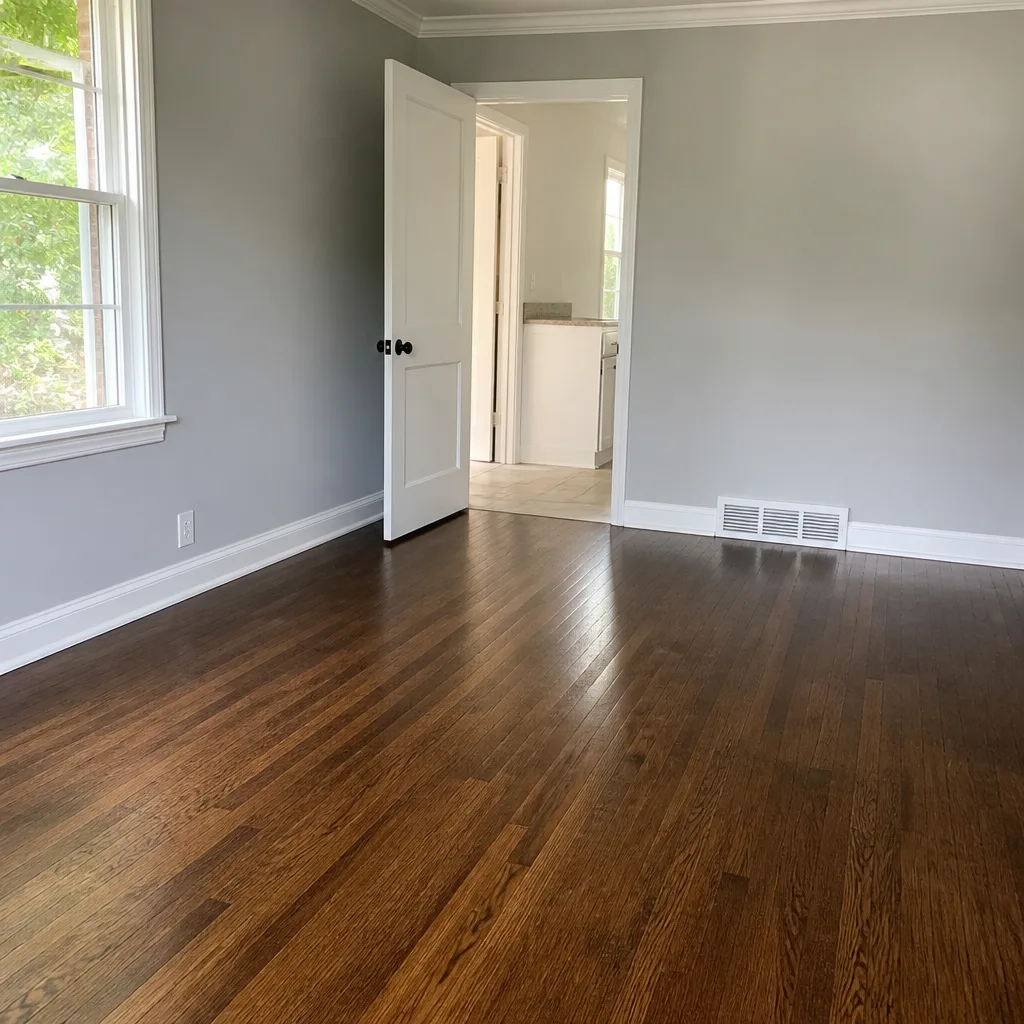
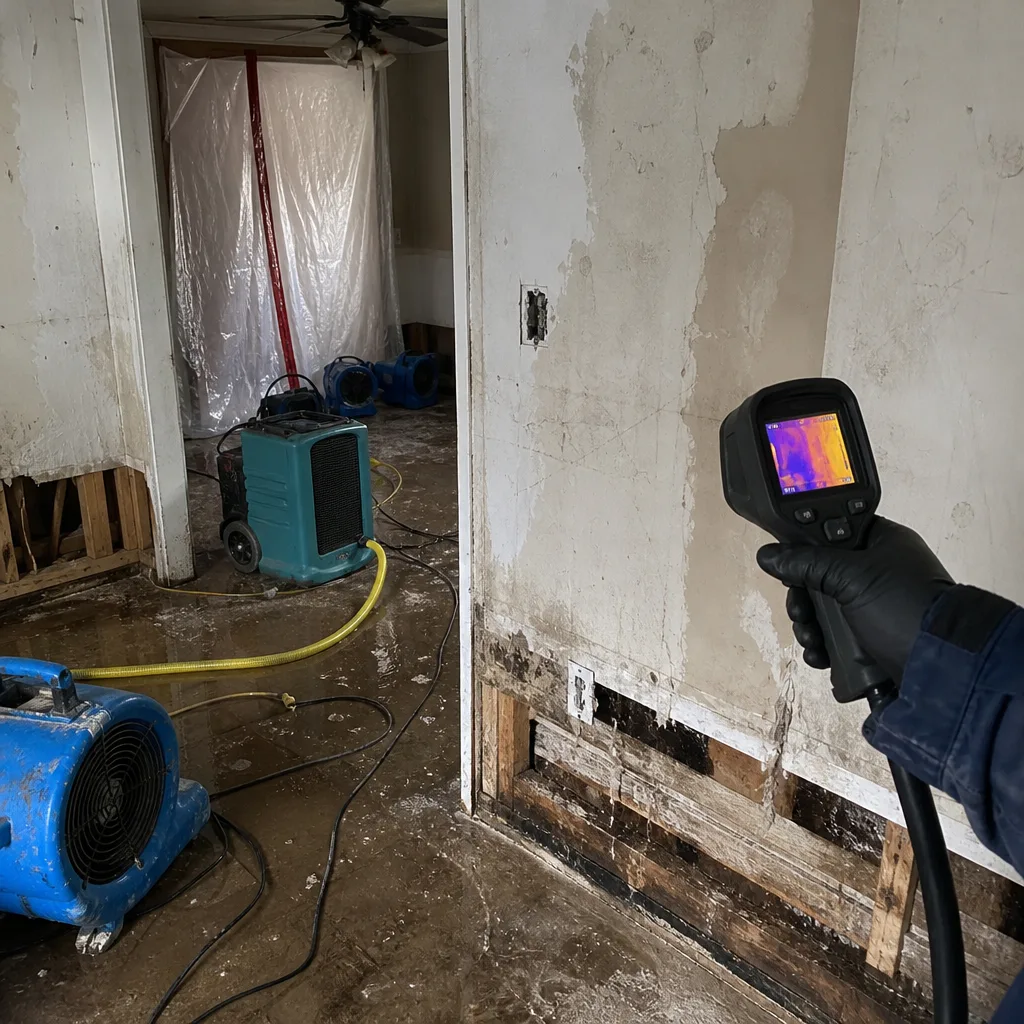 Before
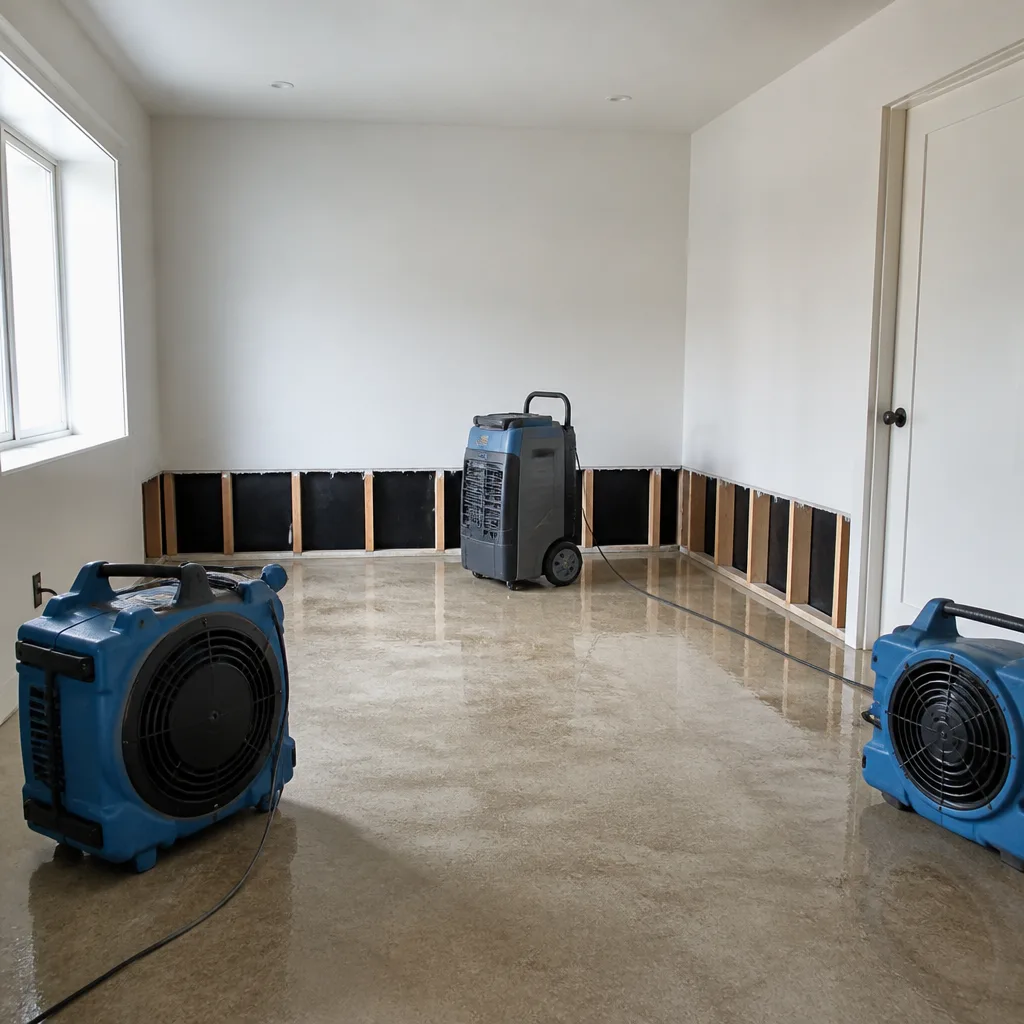 After
After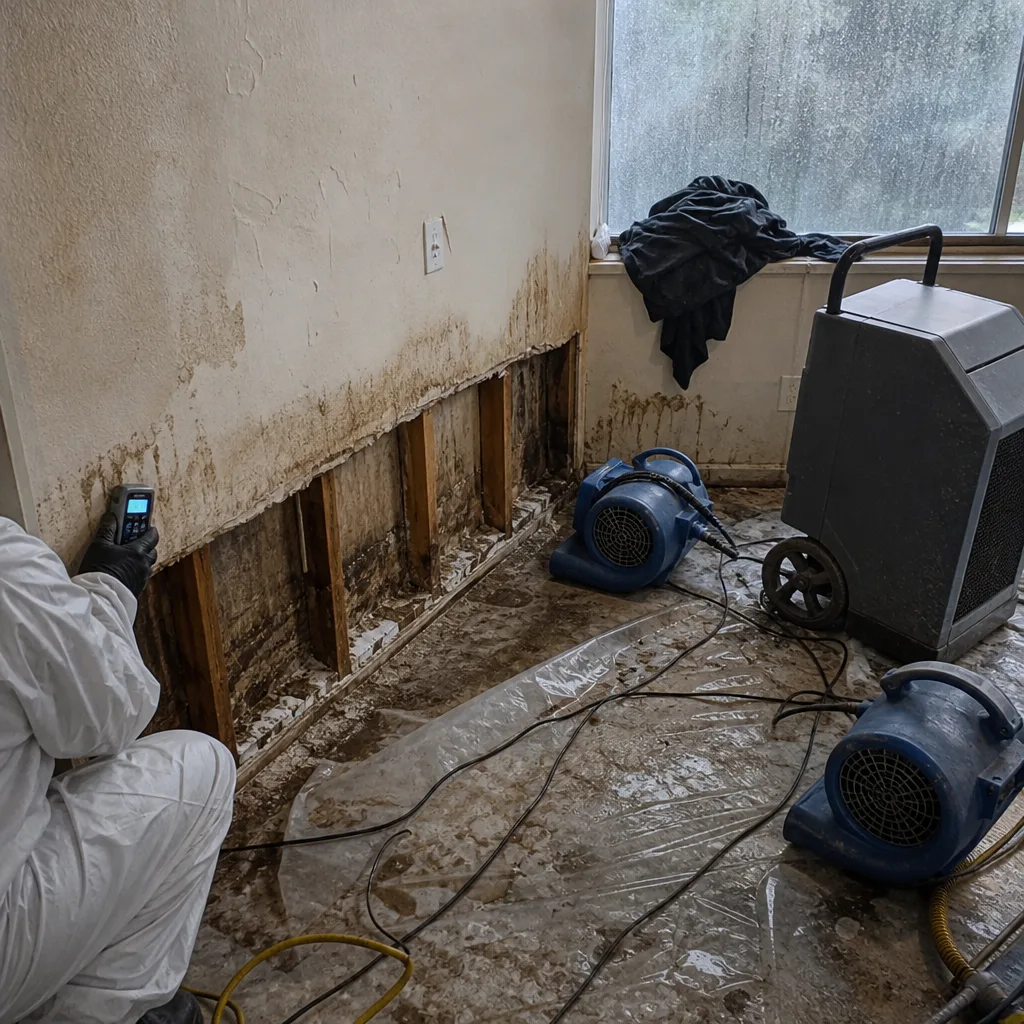 Before
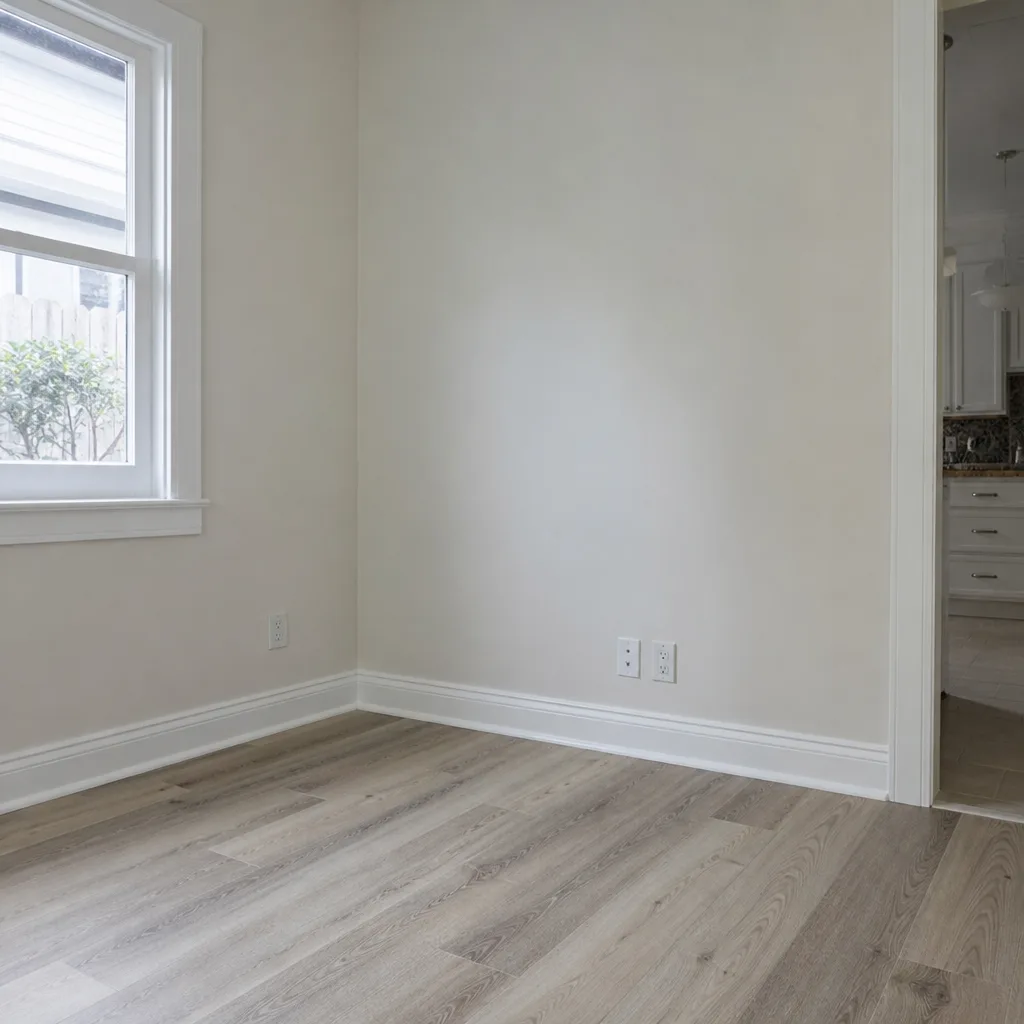 After
After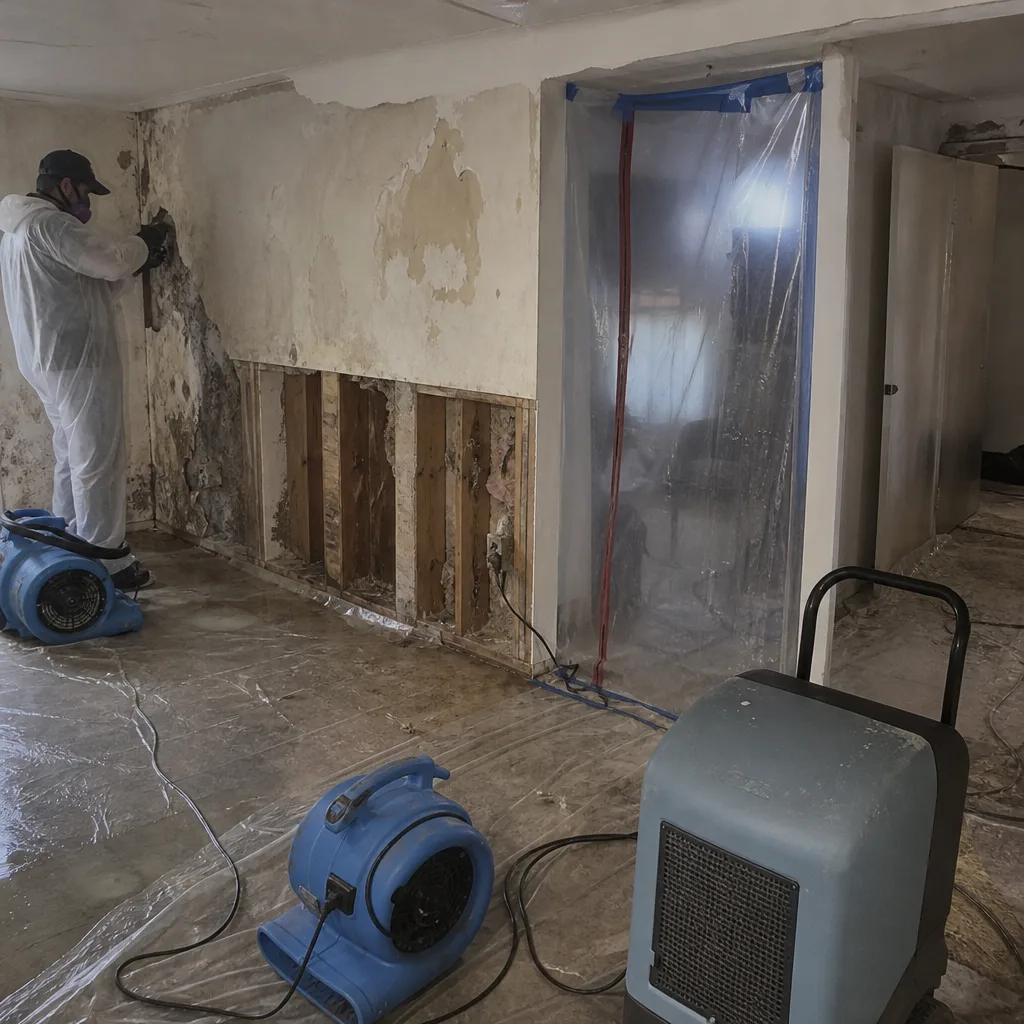 Before
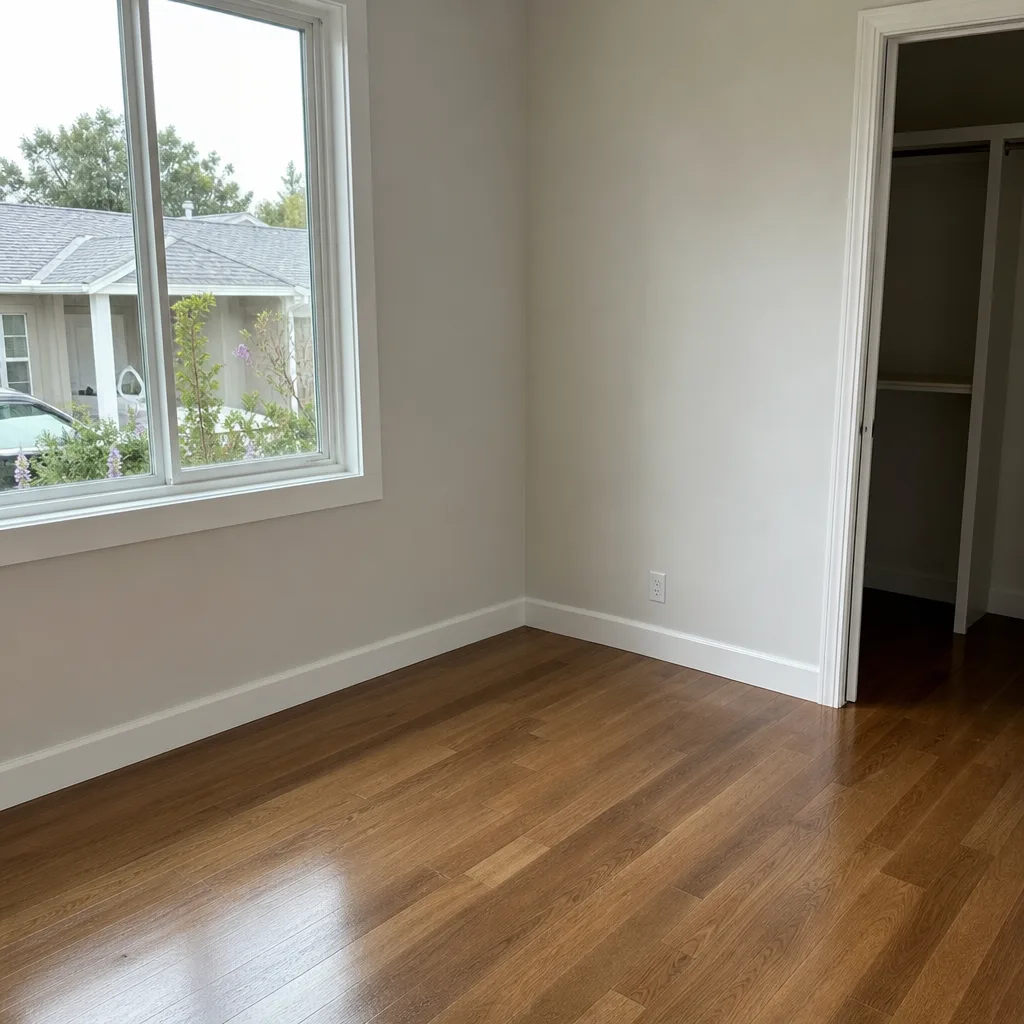 After
AfterDIY vs Professional Damage Restoration: The Los Angeles Homeowner’s Decision Guide
A shop vac, box fans, and two days of drying time will make a water-damaged floor feel dry to the touch while leaving moisture content at 25 – 30% inside the subfloor – double the threshold at which mold becomes likely. You cannot feel that difference. A moisture meter can. In Los Angeles, where our mild winters and coastal humidity create year-round mold conditions, we’ve seen hundreds of homes where a manageable water cleanup turned into a full mold remediation because a homeowner (or an unqualified contractor) closed up walls that were still wet inside. This guide draws a hard line at the capability gap, not at effort or willingness. You’ll learn exactly what you can safely handle yourself, what California law requires a licensed professional to do, and the three measurements that determine whether a structure is actually dry or just feels that way. For related guidance, see our comparison of DIY vs Professional Water Damage Restoration: What’s Safe to Do Yourself.
Quick Answer
Most Los Angeles homeowners can handle water extraction and initial content removal in the first two hours after a water intrusion. After that point, professional restoration is the lower-risk choice because confirming structural dryness requires thermal imaging and calibrated moisture meters that cost more to rent than most single jobs are worth. Category 3 water (sewage or floodwater) and confirmed mold over ten square feet must be handled by a licensed remediation contractor under California health codes, regardless of homeowner skill level.
Table of Contents
- What Homeowners Can Legitimately Do in the First Two Hours
- The Three Measurements That Define a Properly Dried Structure
- California’s Regulatory Line: Where DIY Becomes Illegal
- How a Failed DIY Dry-Out Affects Your Insurance Claim
- The Scenario Where Professional Mitigation Always Wins
- DIY vs Professional: Real Cost Comparison in Los Angeles
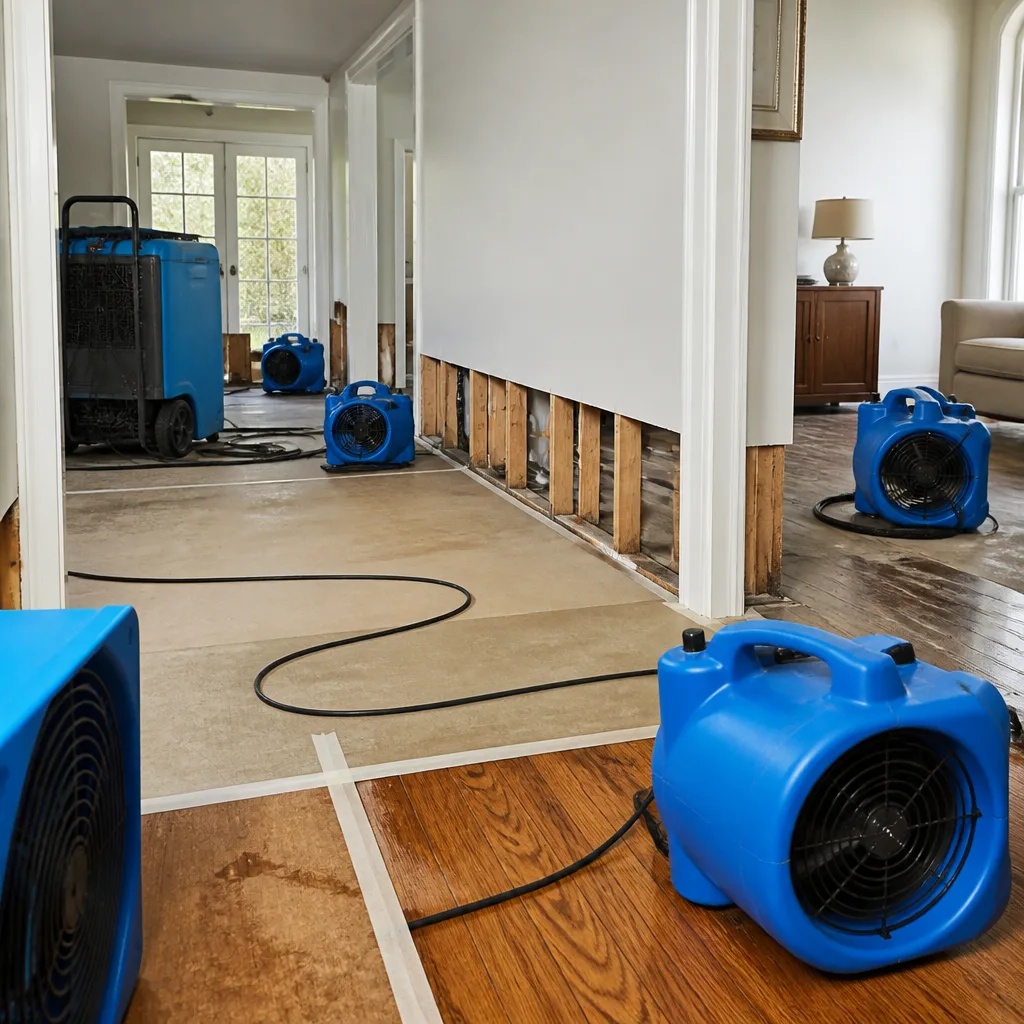
- The Equipment Reality: What Pros Bring That You Can’t Rent Easily
- Common Mistakes to Avoid
- When to Call a Professional
- Frequently Asked Questions
What Homeowners Can Legitimately Do in the First Two Hours
The first two hours after water intrusion are critical, and there is real work a homeowner can do safely and effectively. The goal during this window is simple: stop the source, remove standing water, and get wet materials out of the house before they wick moisture into dry structure.
- Stop the source. Shut off the water main if the intrusion is plumbing-related. For roof leaks, place a bucket and call a roofer – water damage restoration does not include roof repair.
- Extract standing water. A wet/dry shop vac can remove water from hard surfaces. Work in passes, emptying the tank frequently. Do not use a standard household vacuum – electrocution risk and equipment damage.
- Remove wet contents. Rugs, cushions, clothing, and other porous items that can be moved should go outside or to a dry area. The goal is to reduce the total moisture load in the structure.
- Document everything with photos and video. Take timestamped photos of all affected areas, water lines on walls, and damaged contents. This documentation is the foundation of your insurance claim. Our teams format all job documentation to support adjuster review, and we recommend homeowners start this process immediately.
- Increase air circulation safely. Box fans on dry flooring can begin evaporative drying. Do not place fans where cords sit in water. Do not direct fans directly at drywall seams that are already swelling – this can force moisture deeper into the wall cavity.
After these steps, the honest assessment begins. Is the water limited to surface materials you can see and touch? Or did it reach wall cavities, subfloor, or insulation? In older Los Angeles neighborhoods like Echo Park or Highland Park, where lath-and-plaster walls and raised foundation construction are common, water travels in ways that are not visible from the surface. The two-hour window closes fast when water has a path to follow.
What homeowners should not attempt in this window: cutting drywall without confirming electrical and plumbing locations, lifting saturated carpet without proper extraction tools (the pad underneath holds gallons of water), or assuming that “feels dry” means “is dry.” We’ve responded to calls in Silver Lake where a homeowner removed visible water, ran fans for three days, and repainted – only to find mold blooming behind the baseboards six weeks later because the stud cavity never dropped below 20% moisture content.
The Three Measurements That Define a Properly Dried Structure
The core argument for professional restoration rests on three measurements that most homeowners cannot take accurately. These are not obscure technicalities. They are the difference between a completed job and a deferred problem.
1. Surface Moisture
Pinless moisture meters measure the moisture percentage at the surface of materials like wood, drywall, and concrete. For wood framing, the target is typically 12 – 15% moisture content. For drywall, below 1% above normal equilibrium. Surface meters are available at hardware stores for $50 – 150, but they require calibration to material type and do not read through finishes like paint or tile. A reading on painted drywall is essentially useless without knowing the paint’s interference factor.
2. Ambient Humidity (Psychrometrics)
Psychrometrics is the study of air moisture relationships – temperature, relative humidity, and vapor pressure. Professional restoration uses this data to calculate the specific humidity ratio and determine how much moisture air can hold at current conditions. In Los Angeles, where marine layer influence can spike coastal humidity above 80% in early mornings, drying calculations change by neighborhood and by hour. A drying plan that works in Pasadena at 2 PM may fail in Santa Monica at 8 AM. We use Phoenix and Dri-Eaz dehumidification equipment sized to the specific psychrometric load of each job, adjusted daily based on recorded conditions.
3. Material Moisture Content (Invasive and Thermal)
This is the measurement that matters most and is least accessible to homeowners. Pin-type meters with insulated probes reach into wall cavities and subfloors to measure moisture at depth. Thermal imaging cameras (FLIR or equivalent) reveal temperature differentials that indicate moisture behind surfaces – cool spots where evaporation is occurring, or where insulation is wet. Together, these tools answer the critical question: is the structure dry where I cannot see or reach?
The rental cost for a thermal camera and calibrated moisture meter system runs $200 – 400 per day in Los Angeles. A pinless meter from a hardware store cannot substitute. This is the capability gap we reference in every assessment: without these tools, you are guessing at the most important variable in the job.
California’s Regulatory Line: Where DIY Becomes Illegal
California draws clear legal boundaries around who can perform certain restoration work. These are not suggestions or insurance preferences. They are enforceable health code requirements.
Category 3 Water (Sewage or Floodwater): Any water intrusion containing sewage, groundwater flooding, or backed-up drain water is classified as Category 3 under IICRC standards. California Health and Safety Code requires licensed remediation contractors for Category 3 water damage. The risk is not just odor or staining – it is bacterial and viral contamination of structural materials. Homeowners who attempt Category 3 cleanup without proper PPE, containment, and antimicrobial treatment expose themselves to serious illness and create liability issues if the property is later sold or rented.
Mold Over Ten Square Feet: The California Department of Public Health and local air quality management districts require licensed mold remediation for confirmed mold growth exceeding ten contiguous square feet. Our DIY vs Professional Mold Remediation: What’s Safe to Do Yourself guide covers these requirements in detail. This applies to visible mold and to concealed mold discovered during demolition. In Los Angeles County, the South Coast Air Quality Management District has additional notification requirements for mold remediation in commercial and multi-family properties. Single-family homeowners are not exempt from the ten-square-foot rule – they are simply less likely to be inspected unless a complaint is filed or the property transfers.
Asbestos and Lead: Pre-1981 construction in Los Angeles (which includes vast swaths of the city’s housing stock) may contain asbestos in flooring, insulation, or joint compound, and lead in paint. Disturbing these materials during water damage demolition without testing and abatement licensing violates EPA RRP rules and California OSHA standards. We coordinate certified testing before any demolition in older properties – this is standard procedure under The Garrison Standard, not an upsell.
The practical implication: if your water damage involves sewage, if you discover mold during cleanup, or if your home was built before 1981 and you need to open walls, DIY is not a legal option. Continuing exposes you to fines, insurance denial, and health liability.
How a Failed DIY Dry-Out Affects Your Insurance Claim
Insurance adjusters evaluate water damage claims against a standard of reasonable mitigation. This is where DIY efforts can backfire financially, not just structurally.
When a homeowner attempts drying and later discovers mold or structural damage, the insurance question becomes: did the homeowner’s actions prevent further damage, or did they allow conditions to worsen? If the insurer determines that professional mitigation would have prevented the subsequent damage, they may deny coverage for the mold remediation or reconstruction as “ensuing loss not reasonably mitigated.” This is not a rare outcome. We’ve documented dozens of Los Angeles claims where partial DIY drying led to partial or full denial of mold-related costs.
The documentation standard matters here. Professional restoration creates a paper trail: moisture readings at arrival, daily drying logs, equipment placement diagrams, and final clearance readings. This documentation proves that mitigation met industry standards. A homeowner with box fans and a shop vac has no comparable record. When mold appears six months later, the absence of documented drying data weakens the claim significantly.
Our teams photograph every stage and format documentation for adjuster review. This is not extra work – it is the standard we apply to every job, because we know the claim will be scrutinized and we intend for our customers to prevail.
The Scenario Where Professional Mitigation Always Wins
There is one scenario where we recommend professional mitigation without hesitation, regardless of homeowner skill or equipment access: any water intrusion that contacted wall cavities, subfloor, or insulation and sat for more than 24 hours.
The 24 – 48 hour window is when mold germination begins. Once mold has started, the job changes from water mitigation to mold remediation – with different equipment, different containment requirements, and different cost structures. In Los Angeles, where temperatures rarely drop below 50°F even in winter, mold growth conditions are nearly year-round. A January pipe burst in a Valley Village crawl space progresses almost as quickly as a July slab leak in Venice.
Water that reaches wall cavities cannot be extracted without invasive access. Wet insulation cannot be dried in place – fiberglass loses R-value when wet and creates a vapor barrier that traps moisture against framing. Subfloor moisture above 16% content risks cupping, buckling, and mold growth that will not be visible until the finished flooring fails.
In these scenarios, professional equipment is not a convenience. It is the only path to verified dryness. Our crews use Injectidry systems to deliver heated, dehumidified air into wall cavities without full demolition. We deploy desiccant dehumidifiers when standard refrigerant units cannot achieve the low specific humidity required. And we do not close a job until moisture readings at depth confirm the structure is within acceptable parameters – documented, photographed, and provided to the homeowner and their insurer.
DIY vs Professional: Real Cost Comparison in Los Angeles
Cost is the question behind most DIY consideration. Here is an honest breakdown of what each path actually costs for a typical residential water damage scenario in Los Angeles – a pipe burst affecting a 12×15 living room with water reaching drywall and subfloor.
| Cost Item | DIY Path | Professional Path |
|---|---|---|
| Shop vac rental (3 days) | $45 – 65 | Included |
| Box fans (purchase) | $80 – 120 | Included |
| Dehumidifier rental (residential grade, 7 days) | $280 – 400 | Commercial grade included |
| Thermal camera + moisture meter rental (3 days) | $600 – 900 | Included |
| Drywall repair materials | $150 – 250 | Included in scope |
| Paint and finish materials | $100 – 180 | Included in scope |
| Antimicrobial treatment (if needed) | $40 – 80 | Included |
| Time investment | 40 – 60 hours | Your time for access and decisions |
| Risk of incomplete drying / mold | Significant | Mitigated by documented verification |
| Insurance documentation | None standard | Formatted for adjuster review |
| Total Out-of-Pocket (typical range) | $1,295 – 1,995 | $2,800 – 4,500 (mitigation only, before insurance) |
The DIY path appears cheaper until you account for equipment access, time, and risk. The professional path includes verification that the job is complete, documentation that protects your insurance position, and the 365-Day Done Right Promise that covers any failure of the repair. In our experience, homeowners who choose DIY for significant water damage and later need mold remediation spend 2 – 3x the professional mitigation cost to resolve the full problem.
Most Los Angeles homeowners carry insurance with water damage coverage. Deductibles typically range from $1,000 – 2,500. Professional mitigation that prevents mold and documents properly often costs the homeowner only their deductible, with the insurer covering mitigation and reconstruction. DIY that fails can leave the homeowner with a denied claim and a $15,000 mold remediation bill.
The Equipment Reality: What Pros Bring That You Can’t Rent Easily
The equipment gap between DIY and professional restoration is wider than most homeowners realize. It is not about power or speed alone. It is about control and measurement.
- Injectidry HP Plus systems: Deliver positive or negative pressure drying into wall cavities, under hardwood flooring, and through cabinet toe-kicks without removing the finish materials. Rental availability in Los Angeles is limited to specialty suppliers, and training is required for effective use.
- Phoenix 200 MAX dehumidifiers: Remove 125+ pints per day at AHAM conditions. Residential dehumidifiers remove 30 – 70 pints. The difference is not linear – it is the difference between achieving target specific humidity in 3 days versus 10 days, which is often the difference between a dry structure and a moldy one.
- Dri-Eaz HEPA air scrubbers: Create negative pressure containment during mold remediation, filtering air to 0.3 microns. Essential for occupant safety and regulatory compliance. Not available at standard rental centers.
- XPOWER axial air movers: Positioned for laminar airflow across wet surfaces, with daisy-chain capability for whole-room drying plans. Consumer fans create turbulent airflow that does not penetrate to the boundary layer where evaporation actually occurs.
- B-Air water extraction tools: Weighted extraction wands for carpet and pad that remove water under pressure, reducing the total moisture load before drying begins. A shop vac cannot extract from pad effectively.
The IICRC S500 standard for water damage restoration specifies equipment capacity calculations based on cubic footage, class of water damage, and ambient conditions. Our technicians are trained to these standards, and our equipment is maintained and calibrated to manufacturer specifications. A homeowner renting similar equipment would need to source from multiple suppliers, transport it, and operate it without the training that governs effective placement and adjustment.
Common Mistakes to Avoid
- Using bleach on mold. Bleach does not penetrate porous materials and can add moisture that worsens mold growth. In Los Angeles, where many homes have textured drywall and plaster, surface treatment without remediation is particularly ineffective.
- Drying only what you can see. Water follows gravity and capillary action. The wettest area is often below the visible water line or on the reverse side of the drywall. We’ve found saturated insulation in Brentwood homes where the surface drywall appeared dry after two days of fan drying.
- Closing up before verification. Repainting, reinstalling baseboards, or replacing flooring before moisture readings confirm dryness traps moisture and guarantees future mold. The temptation to “get back to normal” is understandable and dangerous.
- Ignoring the HVAC system. If water contacted ductwork or the air handler, spores and moisture can distribute throughout the home. This is especially common in Los Angeles ranches with crawl space or attic duct systems.
- Delaying the decision. Every hour of delay increases the moisture migration and mold risk. The “I’ll see how it looks tomorrow” approach has cost many homeowners thousands in additional remediation.
- Assuming insurance will cover DIY failure. Insurers expect reasonable mitigation. Documented professional work meets this standard; undocumented DIY often does not.
When to Call a Professional
Call a professional restoration contractor when: water has contacted wall cavities, subfloor, or insulation; the water source is Category 2 or 3 (gray or black water); mold is visible or suspected; the structure was built before 1981 and demolition is required; or you need documentation for an insurance claim. For fire damage scenarios, see DIY vs Professional Fire Damage Restoration: What’s Safe to Do Yourself. In Los Angeles, where our combination of aging housing stock, seismic plumbing stress, and mild climate creates persistent water damage risk, professional mitigation is an investment in structural integrity and financial protection.
Keegan Water Damage Restoration offers free estimates in Los Angeles. A live person answers every call, 24 hours a day, 7 days a week – including nights, weekends, and holidays. We put the price in writing before any work starts, and every repair is backed by our 365-Day Done Right Promise. Call (361) 317-7269 to schedule an assessment.
Frequently Asked Questions
Professional water damage mitigation for a typical residential room in Los Angeles ranges from $2,800 – 4,500, with reconstruction costs additional depending on finish materials. Most homeowners pay only their insurance deductible when coverage applies. Call (361) 317-7269 for a free written estimate specific to your situation.
Insurance may cover DIY-attempted mitigation if the damage was properly documented and the homeowner acted reasonably to prevent further loss. However, insurers frequently deny “ensuing loss” claims – mold or structural damage that resulted from incomplete drying – when no professional documentation exists. Photo documentation, moisture logs, and a clear timeline strengthen your position significantly.
Keegan Water Damage Restoration answers calls with a live person 24/7 and dispatches background-checked, uniformed technicians to Los Angeles locations. Response time varies by traffic and distance, but emergency water mitigation is prioritized for active intrusions where damage is ongoing. Call (361) 317-7269 for current availability.
Visible mold on a hard surface smaller than ten square feet can sometimes be cleaned by a homeowner with proper PPE and an EPA-registered antimicrobial. However, mold on porous materials (drywall, carpet, insulation) or any amount exceeding ten square feet requires licensed remediation under California codes. More importantly, visible mold often indicates concealed mold. Without inspection, you cannot know the full extent.
At Keegan, we document every job to support your insurance claim and coordinate directly with adjusters as needed, but the policyholder retains responsibility for claim filing and approval. We provide the technical documentation – moisture logs, photos, scope of loss, equipment records – that adjusters require to evaluate coverage and payment. Direct adjuster coordination is available when authorized by the policyholder.
Older neighborhoods with aging infrastructure – Echo Park, Highland Park, Silver Lake, and parts of the San Fernando Valley – experience frequent pipe failures and slab leaks. Coastal areas like Venice and Santa Monica see elevated humidity that complicates drying. Hillside homes in Hollywood Hills and Pacific Palisades face unique challenges with drainage and foundation water intrusion. Each area requires adjusted drying protocols based on construction type and microclimate.
The Bottom Line
The DIY versus professional question is not about your capability or willingness to work. For more guides & resources on making informed restoration decisions, explore our blog. It is about access to the tools that verify a structure is dry, and the legal requirements that govern certain contamination types. In Los Angeles, where mild temperatures extend mold risk year-round and aging housing stock creates hidden water pathways, the cost of guessing is often a full remediation six months later. Handle the first two hours yourself if you can do so safely. After that, the lower-risk path runs through documented, verified, guaranteed professional mitigation. The Garrison Code applies: show up inside the window, price in writing, do it by the book, leave the site clean, stand behind the work for a full year.
Written by Shane Pruitt, Owner at Keegan Water Damage Restoration, serving Los Angeles since 2005.