
Last updated October 11, 2026
Free visual inspection and a written scope of work before any mitigation begins - photos, moisture readings, and drying logs go in your claim file
The scope we write is the scope we bill. Anything new gets shown to you, in writing, before we touch it.
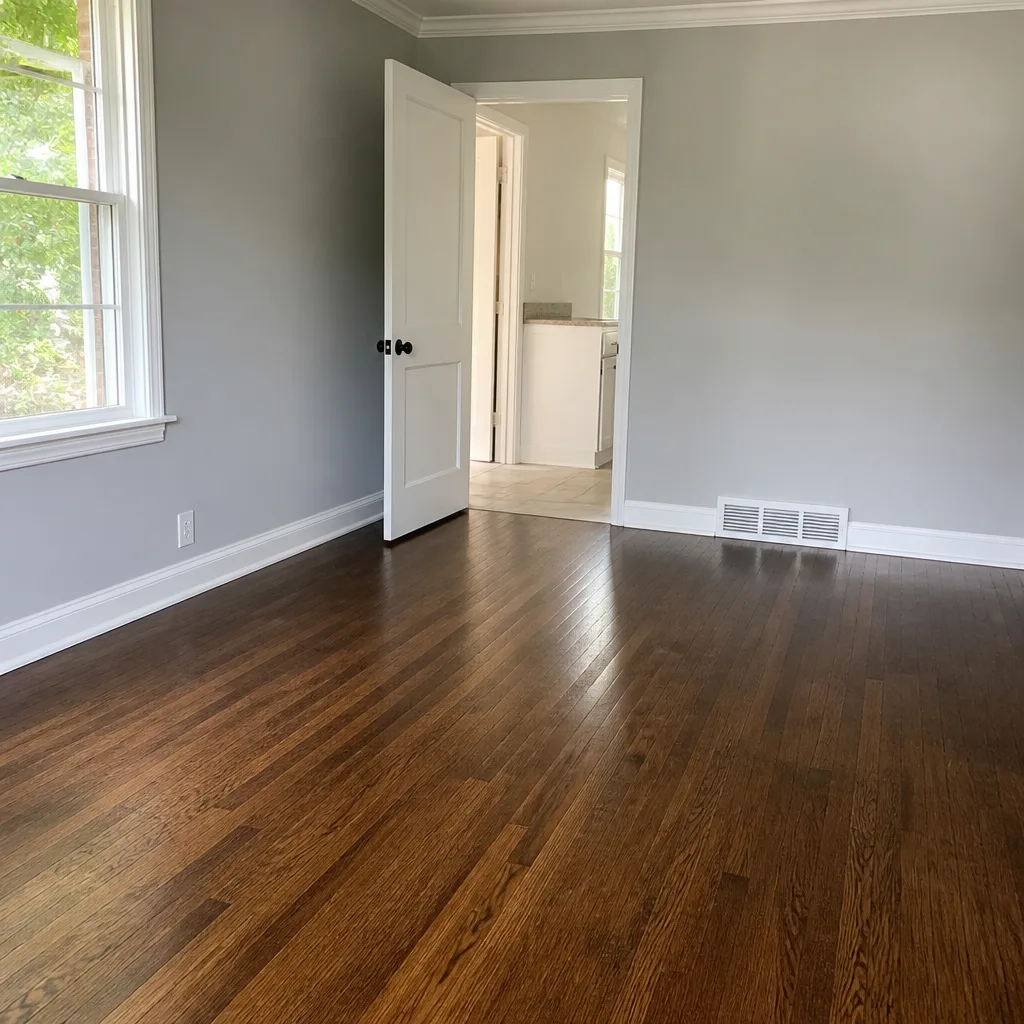
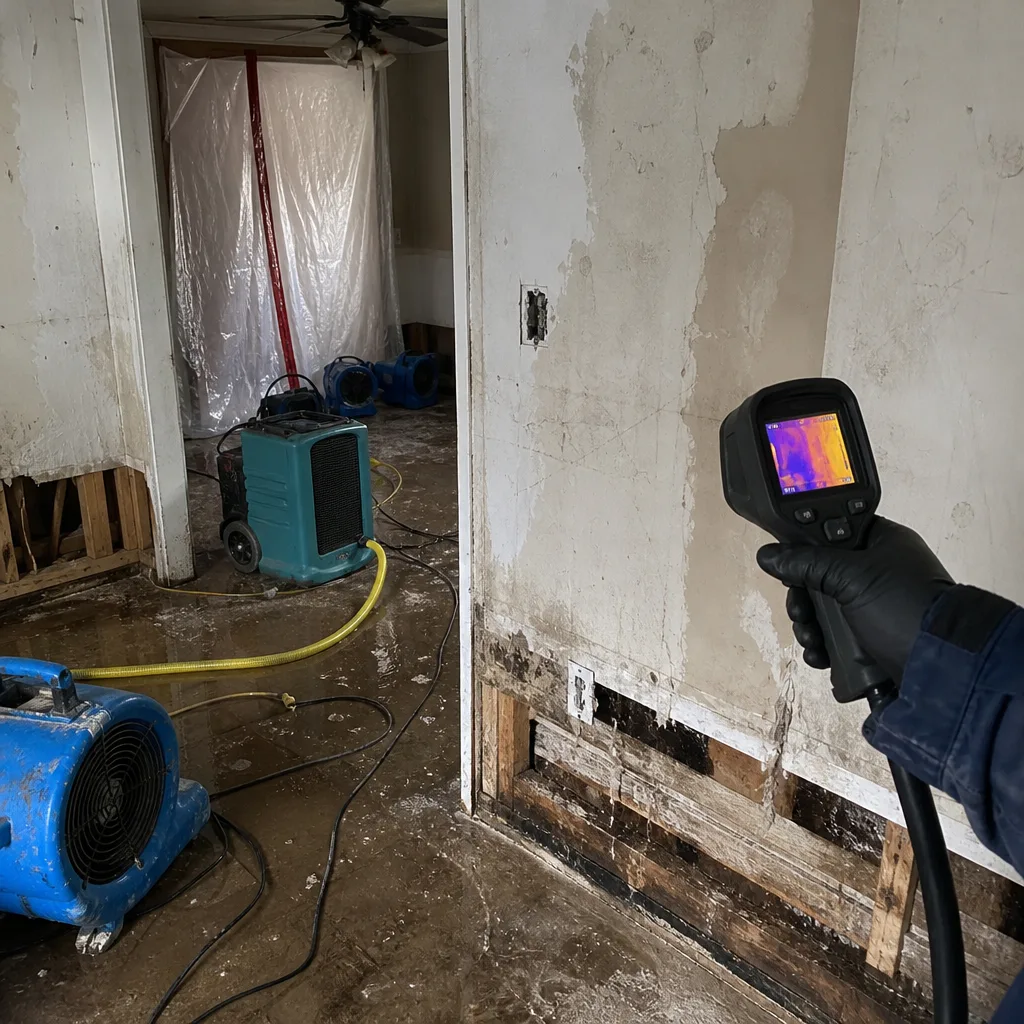 Before
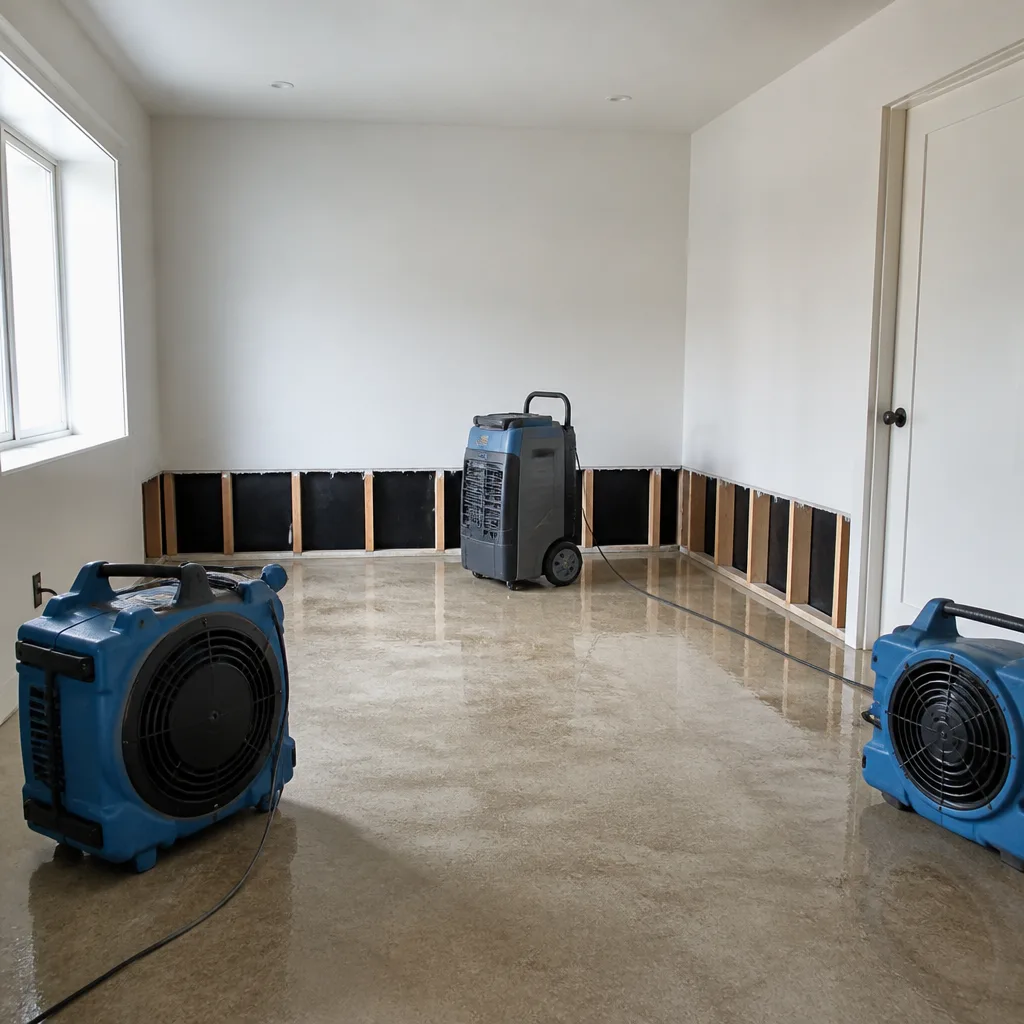 After
After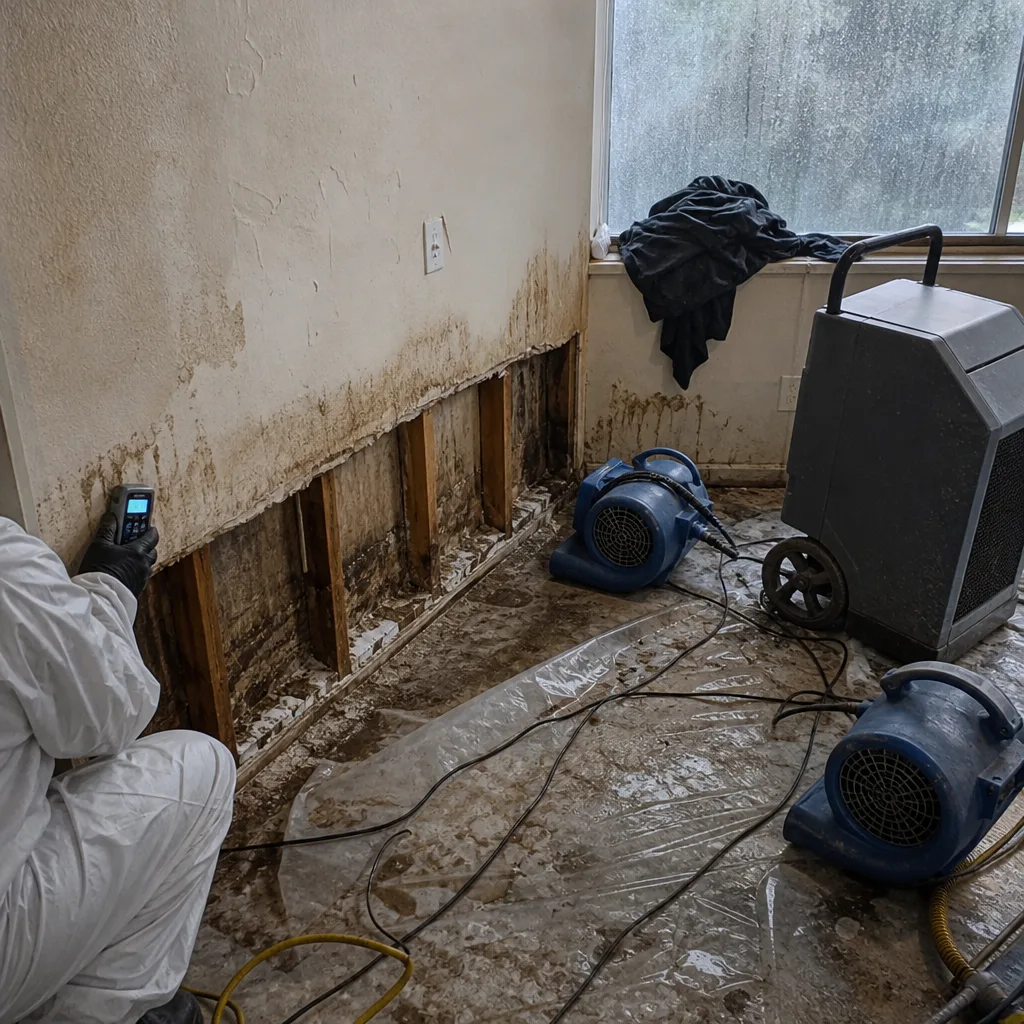 Before
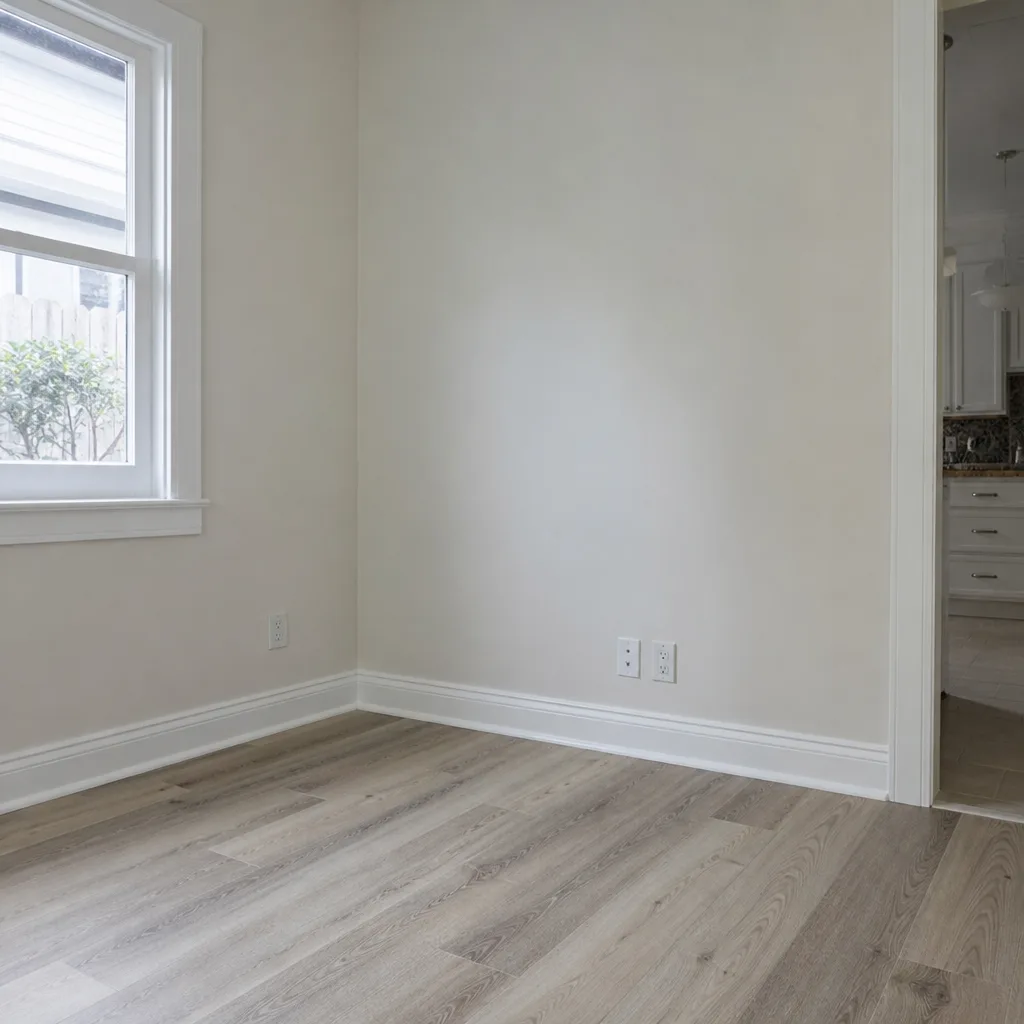 After
After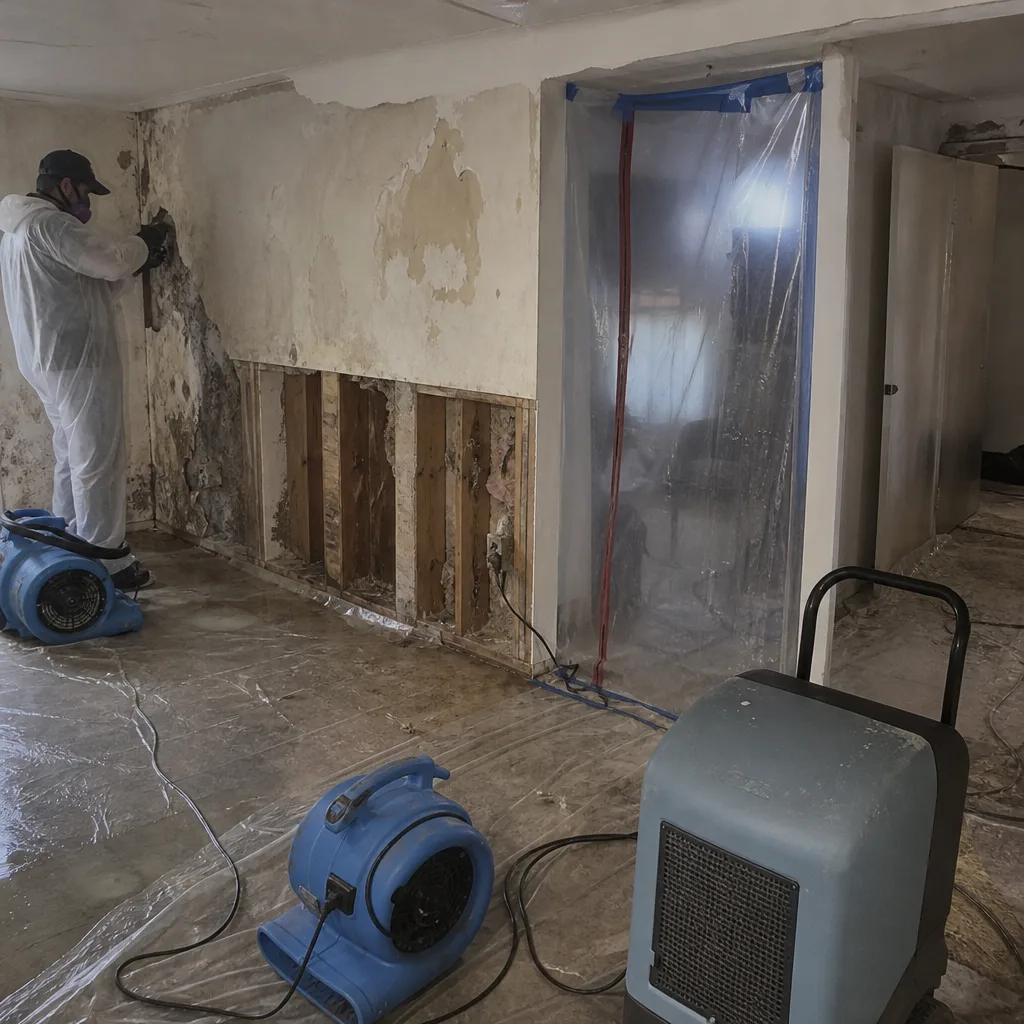 Before
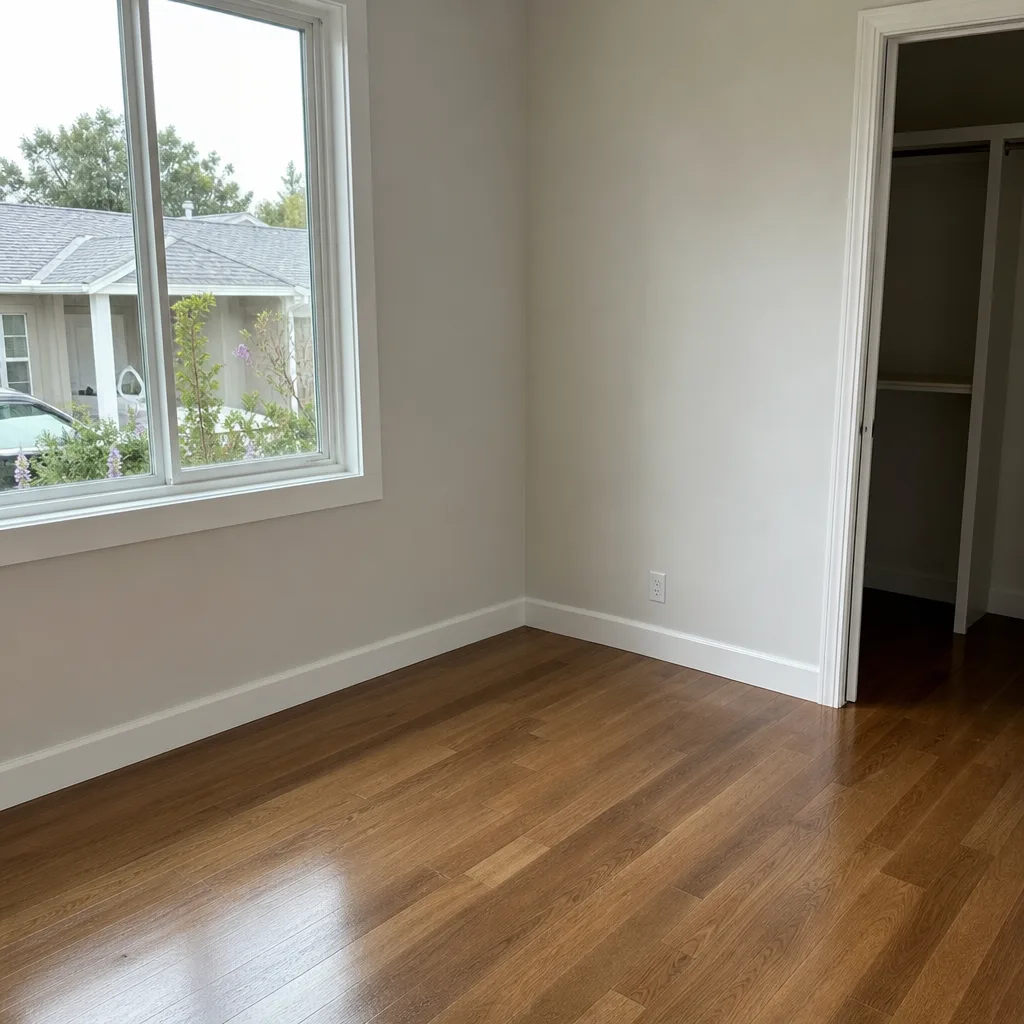 After
AfterDIY vs Professional Mold Remediation: What’s Safe to Do Yourself
Here’s the problem with most advice you’ll find online: the EPA’s 10-square-foot DIY guideline was written for surface mold on hard, non-porous materials like tile or glass. It was never intended to cover mold inside wall cavities, behind baseboards, or wicking through drywall – which is exactly how most homeowners in Los Angeles misapply it. We’ve been called to homes in Silver Lake and Venice where a small bathroom mold spot became a whole-house contamination because someone opened the wall with a utility knife and no containment. In this guide, we’ll show you precisely where the DIY line sits, why it has nothing to do with square footage, and what happens when that line gets crossed.
Quick Answer
Surface mold on hard, non-porous materials smaller than 10 square feet can be handled safely with proper PPE and the right cleaning agents. Any mold that requires cutting into walls, ceilings, or floors – or any mold on porous materials like drywall, carpet, or insulation – requires our Mold Remediation services with professional containment, negative air pressure, and trained technicians to prevent spore dispersal throughout your home.
Table of Contents
- Surface Mold vs. Mold with Root Structure: The Critical Distinction
- When DIY Mold Removal Is Actually Appropriate
- Why Negative Air Pressure Containment Changes Everything
- The Health Risk Calculus: Who Should Leave the House
- California Contractor Licensing for Mold Work
- DIY vs. Professional Mold Remediation Costs in Los Angeles
- Common Mistakes to Avoid
- When to Call a Professional
- Frequently Asked Questions
Surface Mold vs. Mold with Root Structure: The Critical Distinction
The entire DIY debate hinges on a distinction most homeowners never hear explained clearly. Surface mold sits on top of a material. It hasn’t sent hyphae – root-like filaments – into the substrate. Think of the black spots that appear on shower caulk, or the pink film that develops on a bathroom tile in a humid Los Angeles summer when the exhaust fan isn’t running. These colonies live on the surface and can be wiped away without releasing significant spore loads from within the material.
Mold with root structure is a different organism entirely. Once hyphae penetrate porous materials – drywall paper facing, fiberglass insulation, carpet backing, ceiling tiles, or the cellulose in wood framing – the mold is now part of the material. Wiping the surface kills only the visible portion. The root system remains, continues feeding on moisture, and will re-colonize the surface within days or weeks. More critically, any attempt to remove or clean the material without containment releases millions of spores that were previously trapped inside.
In Los Angeles, we see this constantly with the region’s older housing stock. Pre-1980s homes in neighborhoods like Echo Park, Highland Park, and parts of the San Fernando Valley often have original plaster and lath walls with decades of moisture events behind them. A small surface stain on the living room wall might represent a root system that has spread through the entire cavity, fed by a slow pipe leak or previous flooding that was never properly dried. The surface looks manageable. The wall interior is not.
Here’s how to tell what you’re dealing with:
- Surface mold characteristics: Wipes off with light pressure; no discoloration remains on the material underneath; material feels firm and intact; no musty odor returns within 24 hours after cleaning.
- Root-structure mold characteristics: Staining persists after surface wiping; material is soft, crumbly, or warped; musty odor intensifies when the area is disturbed; the mold returns in the same spot within 1-2 weeks; the affected area is on drywall, carpet, ceiling tile, or insulation rather than tile, glass, or sealed stone.
The 10-square-foot EPA guideline assumes surface mold. Once root structure is involved, square footage becomes irrelevant. A 2-square-foot patch of mold inside a wall cavity can release more spores into your HVAC system than a 50-square-foot surface colony on a concrete floor.
When DIY Mold Removal Is Actually Appropriate
There are genuine DIY scenarios, and doing them correctly protects your home and your health. The conditions are narrow and specific:
- The mold is on a hard, non-porous surface. Tile, glass, sealed stone, metal, or sealed laminate. Not painted drywall (paint is porous), not wood, not carpet, not grout that has lost its seal.
- The area is genuinely under 10 square feet. Measure it. A spot the size of a dinner plate is about 1 square foot. Multiple small spots in the same room count as one contiguous area if they’re on the same moisture source.
- There is no ongoing moisture problem. The leak is fixed, the condensation is resolved, the ventilation is improved. If you can’t identify and stop the moisture source, you’re painting over a hole in the boat.
- No one in the household is immunocompromised, asthmatic, under age 2, or over 65 with respiratory conditions. We’ll cover this in depth in the health risk section.
- You have proper PPE and cleaning agents. Not bleach. We’ll explain why.
The correct DIY method:
- Wear an N95 respirator (not a dust mask – an actual N95 with two straps), nitrile gloves, and eye protection. Long sleeves and pants that can be washed immediately after.
- Open windows and run an exhaust fan if available. Create negative pressure in the room if possible – a window fan blowing out works for small jobs.
- Mix a cleaning solution of dish soap and water, or use a commercial mold cleaner containing hydrogen peroxide or quaternary ammonium compounds. Do not use bleach on porous materials – it damages surface structure and can actually feed mold by adding water content. On hard non-porous surfaces, bleach is unnecessary and introduces toxic fumes.
- Scrub the affected area with a disposable brush or sponge. Do not use your household scrub brush – it becomes a spore vector.
- Wipe the area with a clean, damp cloth, then dry it thoroughly with a fan.
- Dispose of all cleaning materials in a sealed plastic bag. Wash protective clothing separately in hot water.
- Monitor the area for 2 weeks. Any return of mold indicates root structure or ongoing moisture – stop and call a professional.
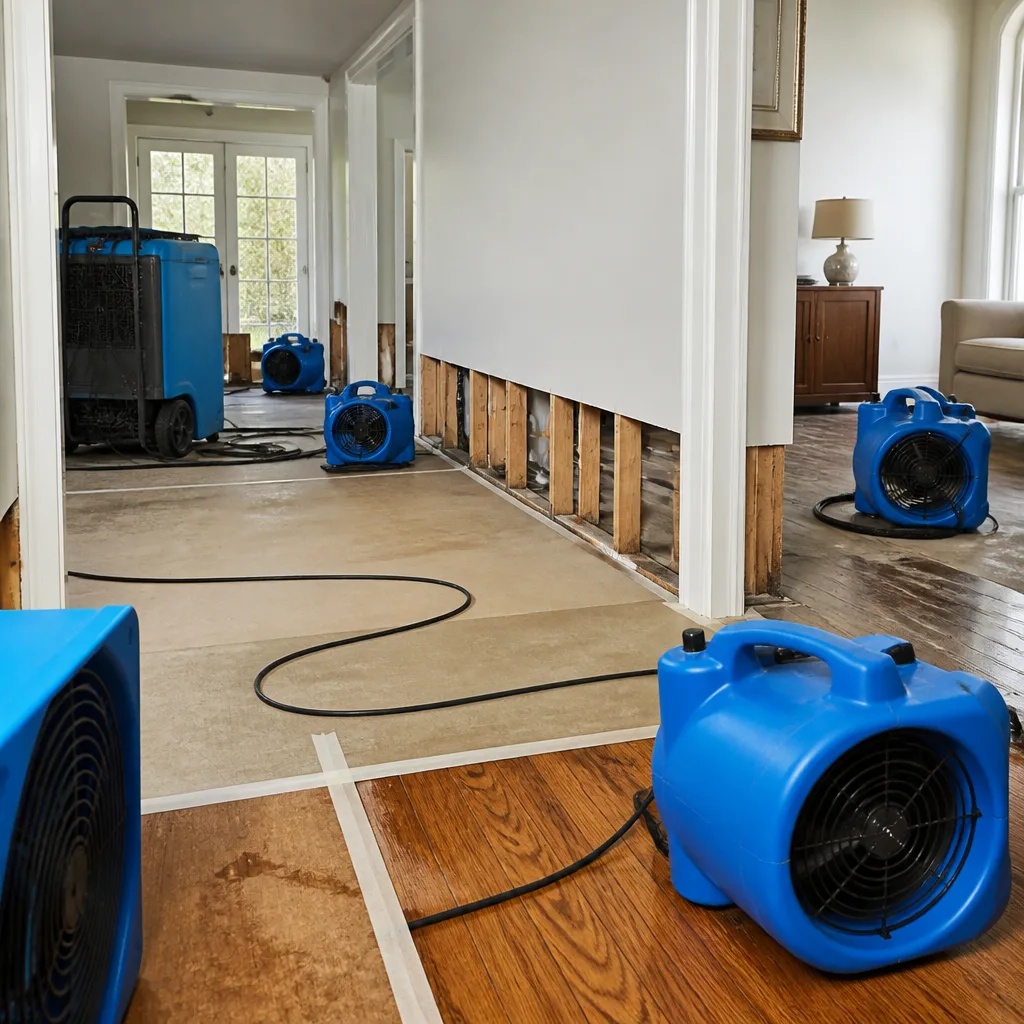
In Los Angeles, where humidity spikes during Santa Ana wind reversals and marine layer events can keep coastal homes damp for days, proper drying is especially critical. Running a Phoenix or Dri-Eaz dehumidifier for 48 hours after cleaning – the same professional-grade equipment we deploy on jobs – prevents the moisture rebound that triggers re-growth.
Why Negative Air Pressure Containment Changes Everything
This is the technical concept that separates safe remediation from spore dispersal. Negative air pressure containment means creating a sealed work zone where air is actively extracted and filtered, so air flows into the contaminated area rather than out of it. Without it, cutting into a wall, removing baseboards, or pulling up carpet creates a pressure pulse that forces spores through every gap, vent, and doorway into previously clean spaces.
Professional remediation in Los Angeles follows IICRC S520 standards, which mandate containment for any mold-impacted material that must be removed rather than surface-cleaned. Here’s what that looks like on a job:
- Physical barriers: 6-mil polyethylene sheeting sealed with tape around the work perimeter, including floors and ceilings.
- Negative air machines: HEPA-filtered air scrubbers positioned to exhaust outside the containment, creating inward airflow at all gaps.
- Airlocks: Entry points with double flaps of sheeting to prevent pressure loss when technicians enter or exit.
- HEPA vacuuming: All surfaces within containment are vacuumed with sealed HEPA units before barriers are removed.
- Post-remediation verification: Air sampling or ERMI dust analysis to confirm spore levels have returned to background.
We’ve documented jobs in Los Angeles where DIY wall-opening without containment elevated airborne spore counts in distant bedrooms to levels higher than the original mold room. Spores travel on air currents, hitch rides on clothing, and settle in HVAC ductwork. The homeowner’s “small” bathroom project became a $15,000 whole-house remediation because the containment step was skipped.
The equipment matters. We use XPOWER and B-Air air movers with HEPA filtration, Dri-Eaz dehumidifiers for moisture control during remediation, and Phoenix units for specialized drying scenarios. These aren’t consumer-grade machines. A typical homeowner air purifier moves 100-200 CFM and has no sealed HEPA. Our negative air machines move 2,000+ CFM with 99.97% efficiency at 0.3 microns – the particle size of most mold spores.
If your mold situation requires removing any building material, you need this level of containment. Period. The square footage of visible mold is irrelevant once you’re generating dust and debris from demolition.
The Health Risk Calculus: Who Should Leave the House
Mold exposure isn’t binary. Most healthy adults can tolerate low-level spore exposure without symptoms. But certain populations face genuine medical risk from even small-scale disturbance of mold colonies, and the DIY decision must account for who lives in the home.
Never attempt DIY mold removal – even surface cleaning – if any of the following are present:
- Infants under 24 months: Developing respiratory systems, higher breathing rates relative to body mass, and inability to communicate early symptoms.
- Immunocompromised individuals: Chemotherapy patients, organ transplant recipients on immunosuppressants, HIV-positive individuals with low CD4 counts, or those on biologic medications for autoimmune conditions. Aspergillus and other common molds can cause invasive infections in these populations.
- Active asthma or COPD: Mold spores are potent asthma triggers. Disturbing a colony can provoke attacks requiring emergency intervention.
- Cystic fibrosis or bronchiectasis: Pre-existing lung damage creates colonization risk for Aspergillus fumigatus and other pathogenic molds.
- Pregnancy: Limited data exists on teratogenic effects, but the precautionary principle applies – especially for stachybotrys and other mycotoxin-producing species.
In Los Angeles, where wildfire smoke already stresses respiratory health across the basin from June through November, adding mold spore exposure creates compounding effects. We’ve had calls from families in Altadena and Pasadena after the Eaton Fire complex, where water damage from fire suppression met delayed Fire Damage Restoration Maintenance Schedule: What to Do and When violations and created mold conditions in homes that were structurally intact but internally compromised.
Even for healthy adults, DIY work without proper respirator fit-testing is risky. The N95 you bought at the hardware store is only effective if it seals completely to your face. Facial hair, improper sizing, or reuse beyond manufacturer specifications all compromise protection. Professional remediation technicians wear half-face respirators with P100 cartridges, fit-tested annually.
If anyone in your household falls into a high-risk category, professional remediation isn’t a luxury – it’s a medical precaution. The cost of hotel accommodation for 2-3 nights during professional work is trivial compared to an ER visit or long-term health complication.
California Contractor Licensing for Mold Work
California does not have a standalone “mold remediation license.” This confuses many Los Angeles homeowners, who assume anyone advertising mold services has passed a state-specific credentialing process. They haven’t. Here’s what actually exists and what you should verify:
Contractor State License Board (CSLB) requirements:
- General Contractor (B-license): Can perform mold remediation as part of broader construction work. Verify at checkthelicensefirst.com.
- Specialty C-61/D-64 (Non-Specialized): Some mold contractors hold this limited specialty. It permits mold remediation specifically.
- Asbestos certification (if applicable): Pre-1981 buildings may have asbestos-containing materials that become friable during mold remediation. Disturbing asbestos without proper certification is a felony in California.
Industry certifications to verify (not legally required, but professionally expected):
- IICRC Applied Microbial Remediation Technician (AMRT): The standard credential for mold remediation practitioners. Requires 4-day course, exam, and continuing education.
- IICRC Water Damage Restoration Technician (WRT): Relevant because mold follows water – understanding moisture measurement and drying science is prerequisite to proper remediation.
- RIA Certified Mold Professional (CMP): Advanced credential requiring documented field experience and examination.
- ACAC certifications: Various mold-related credentials through the American Council for Accredited Certification.
In Los Angeles, the Department of Building and Safety may require permits for extensive remediation involving structural repair or asbestos abatement. A legitimate contractor will handle permit pull and inspection scheduling – never accept “we’ll skip the permit to save you money” on mold work involving demolition.
Red flags when hiring: No CSLB license verifiable online. No insurance certificate naming you as additional insured upon request. No written scope of work with line-item pricing. No mention of containment or negative air in their proposed methodology. Anyone who gives a phone quote without site inspection is guessing, and guesses go up at the door.
At Mold Remediation in Los Angeles, we put the full scope and price in writing before any containment goes up. That’s The Garrison Standard, and it’s how we’ve operated since 2005.
DIY vs. Professional Mold Remediation Costs in Los Angeles
Cost transparency matters. Homeowners deserve realistic numbers to make informed decisions. Here’s what mold remediation actually costs in the Los Angeles market, based on our experience across the metro area:
| Scenario | DIY Cost Range | Professional Cost Range | What’s Included in Professional |
|---|---|---|---|
| Surface mold on bathroom tile/caulk (<10 sq ft) | $25 – $75 (supplies, PPE, cleaner) | $350 – $650 | Inspection, surface treatment, moisture source identification, 1-year guarantee |
| Small contained area on drywall (10 – 25 sq ft, no demolition) | Not recommended – no safe DIY path | $1,200 – $2,800 | Containment, HEPA air scrubbing, antimicrobial treatment, drying, post-verification |
| Wall cavity mold requiring demolition (single room) | DIY attempt typically increases final cost 40 – 100% | $3,500 – $8,500 | Containment, negative air, material removal, HEPA cleaning, reconstruction, documentation |
| Whole-house contamination (HVAC involvement, multiple rooms) | DIY not applicable | $10,000 – $30,000+ | Full containment, duct cleaning or replacement, structural drying, contents cleaning, rebuild |
The hidden cost of DIY vs Professional Water Damage Restoration: What’s Safe to Do Yourself failure isn’t just the eventual professional bill – it’s the interim spore load your family breathes, the belongings that become secondary contamination sources, and the insurance complications when documentation is missing. We format every job to support your claim, with photo documentation, moisture logs, and line-item scopes that adjusters recognize.
Los Angeles pricing runs toward the higher end of national ranges due to labor costs, permitting complexity, and the premium on skilled trades. But “cheap” mold work is invariably missing containment, proper disposal, or post-verification – corners that cost far more when they fail.
Common Mistakes to Avoid
- Using bleach on porous materials. Bleach’s active ingredient, sodium hypochlorite, is 90-95% water. It briefly bleaches mold color while adding moisture that feeds deeper growth. On wood or drywall, it damages surface structure and can worsen the problem. Use hydrogen peroxide-based cleaners or commercial antimicrobial products instead.
- Opening a wall without containment. We’ve seen this in Los Angeles bungalows from Koreatown to Leimert Park – a homeowner discovers mold behind wallpaper, cuts a “peek hole,” and releases spores throughout the house. Any wall penetration requires at minimum plastic sheeting and negative air. Preferably, it requires a professional.
- Ignoring the moisture source. Mold is a symptom. Killing visible mold without fixing the leak, condensation, or humidity problem guarantees recurrence. In coastal Los Angeles neighborhoods like Playa del Rey and San Pedro, marine layer humidity alone can sustain mold at 65%+ relative humidity. Dehumidification is often necessary even after leak repair.
- Painting over mold with “mold-resistant” paint. These paints contain antimicrobial additives that work on clean surfaces. They do not kill existing mold. Painting over active growth traps moisture and creates a worse problem within months. We’ve stripped kilz-covered mold from entire room perimeters – the paint held the moisture in perfectly.
- Running HVAC during remediation. Your air handler will distribute spores to every room with a vent. Turn the system off, seal vents in the work area, and have ducts inspected if there was any airborne disturbance before containment was established.
- Trusting visual assessment alone. Mold behind walls, under flooring, or in HVAC plenums is invisible until it’s extensive. Moisture meters, thermal imaging, and air sampling reveal what eyes cannot. Professional assessment costs $300 – $600 in Los Angeles – cheap insurance against missing hidden growth.
- Delaying action for “mild” mold. Mold grows exponentially under favorable conditions. A spot that doubles in 48 hours under ideal moisture and temperature becomes unmanageable quickly. Los Angeles’s warm climate means favorable conditions persist year-round, unlike colder regions with natural winter slowdown.
When to Call a Professional
Call a professional when: the mold is on porous material; the area exceeds 10 square feet of surface growth; you smell mustiness but cannot locate the source; anyone in the home is high-risk for health complications; the mold follows water damage from a leak, flood, or fire suppression; or you need documentation for an insurance claim or real estate transaction.
In Los Angeles, where housing stock ranges from 1920s Spanish Revival to mid-century modern to new construction, each era presents different mold vulnerabilities. Older homes have decades of moisture history. Newer homes can be so tightly sealed that minor leaks create major mold events with no drying pathway.
Keegan Water Damage Restoration offers free estimates in Los Angeles – call (361) 317-7269. Every estimate includes moisture mapping, a written scope of work, and a firm price before any work begins. Our technicians are background-checked, uniformed, and trained to IICRC standards. Every repair is backed by our 365-Day Done Right Promise: if it fails within one year, we return and make it right at no charge.
Frequently Asked Questions
Only if the ceiling is a hard, non-porous material like tile or metal, and the spot is genuinely under 10 square feet. Most bathroom ceilings in Los Angeles are painted drywall or plaster, which are porous – even “washable” paint has microscopic pores that hold spores. If the spot is on drywall, call for assessment. The ceiling stain often indicates roof or vent moisture that has created a larger hidden colony.
It depends on the cause. Sudden, accidental water damage – burst pipe, appliance failure, fire suppression – typically triggers coverage. Slow leaks, maintenance neglect, or flood (without separate flood policy) usually do not. We document every job with photo evidence, moisture logs, and cause-and-origin analysis formatted for adjuster review. Call (361) 317-7269 and we can review your policy language with you.
Keegan Water Damage Restoration answers calls with a live person 24 hours a day, 7 days a week – including nights, weekends, and holidays. For active water damage with mold risk, we aim for on-site response within hours, not days. Established mold without active water intrusion is typically scheduled within 24-48 hours for assessment.
For small, contained jobs with proper negative air and no high-risk occupants, remaining in unaffected areas is often acceptable. For extensive remediation, demolition, or when high-risk individuals are present, temporary relocation is recommended. We specify this in our written scope before work starts – never as a surprise mid-project.
Technically, “abatement” refers to removal of the hazard, while “remediation” encompasses the full process: assessment, containment, removal, cleaning, drying, and verification. In practice, the terms are often used interchangeably in Los Angeles. What matters is the scope of work – ask any contractor to specify exactly what their process includes beyond “removing the mold.”
Verify their CSLB license at checkthelicensefirst.com. Confirm active general liability and workers compensation insurance. Ask for IICRC or RIA certifications by name. Request a written scope with line-item pricing before work begins – never accept verbal-only estimates. At Keegan, we provide all of this as standard practice, governed by The Garrison Standard we’ve followed since 2005.
The Bottom Line
The DIY line in mold remediation isn’t measured in square feet – it’s measured in containment capability. Surface mold on hard materials, under 10 square feet, with proper PPE and no high-risk occupants: that’s the full extent of safe DIY. Anything involving porous materials, wall cavities, or demolition requires professional negative air containment, HEPA filtration, and trained technicians. Misapplying the EPA’s surface-mold guideline to hidden growth is how small problems become whole-house contaminations. In Los Angeles’s warm, humid climate, delays and shortcuts compound fast. Get the assessment, get it in writing, and get it contained before you cut into anything.
Written by Shane Pruitt, Owner at Keegan Water Damage Restoration, serving Los Angeles since 2005.