
Last updated October 11, 2026
Free visual inspection and a written scope of work before any mitigation begins - photos, moisture readings, and drying logs go in your claim file
The scope we write is the scope we bill. Anything new gets shown to you, in writing, before we touch it.
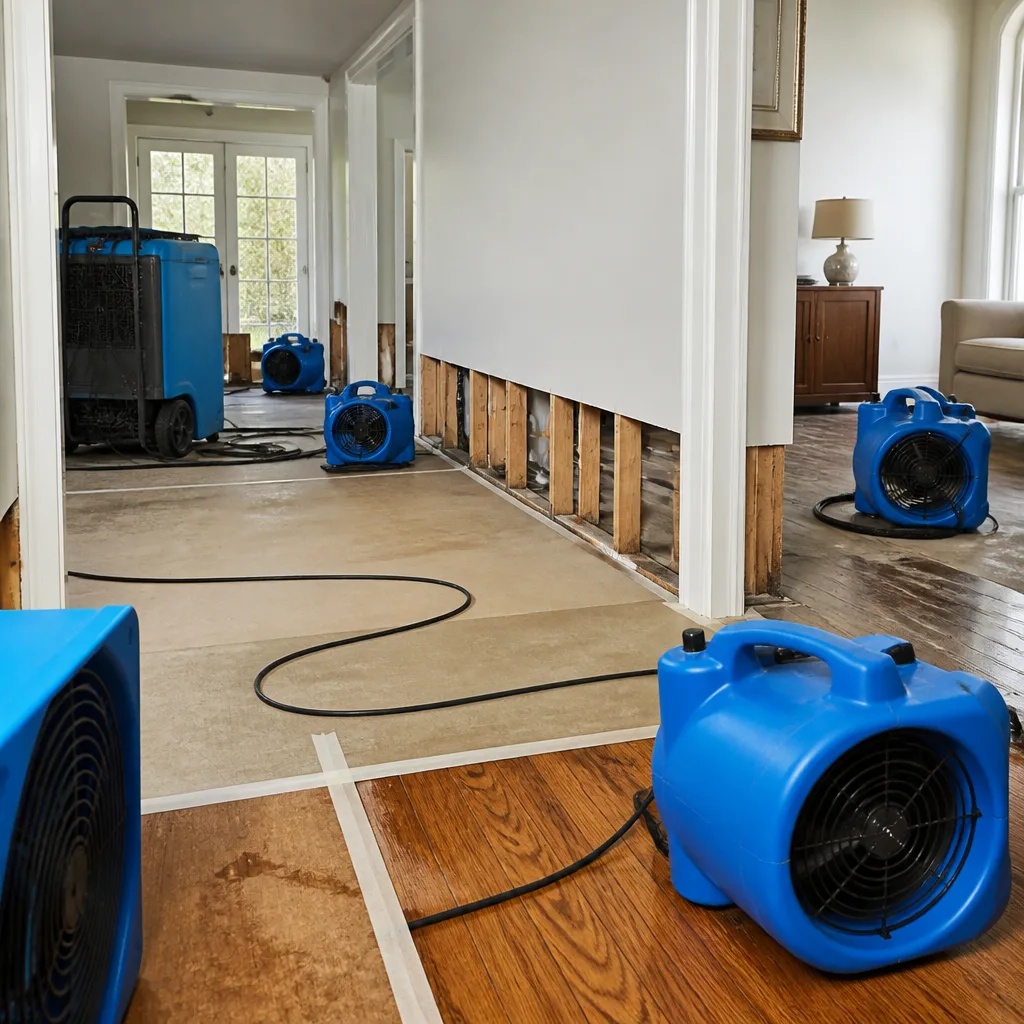
 Before
 After
After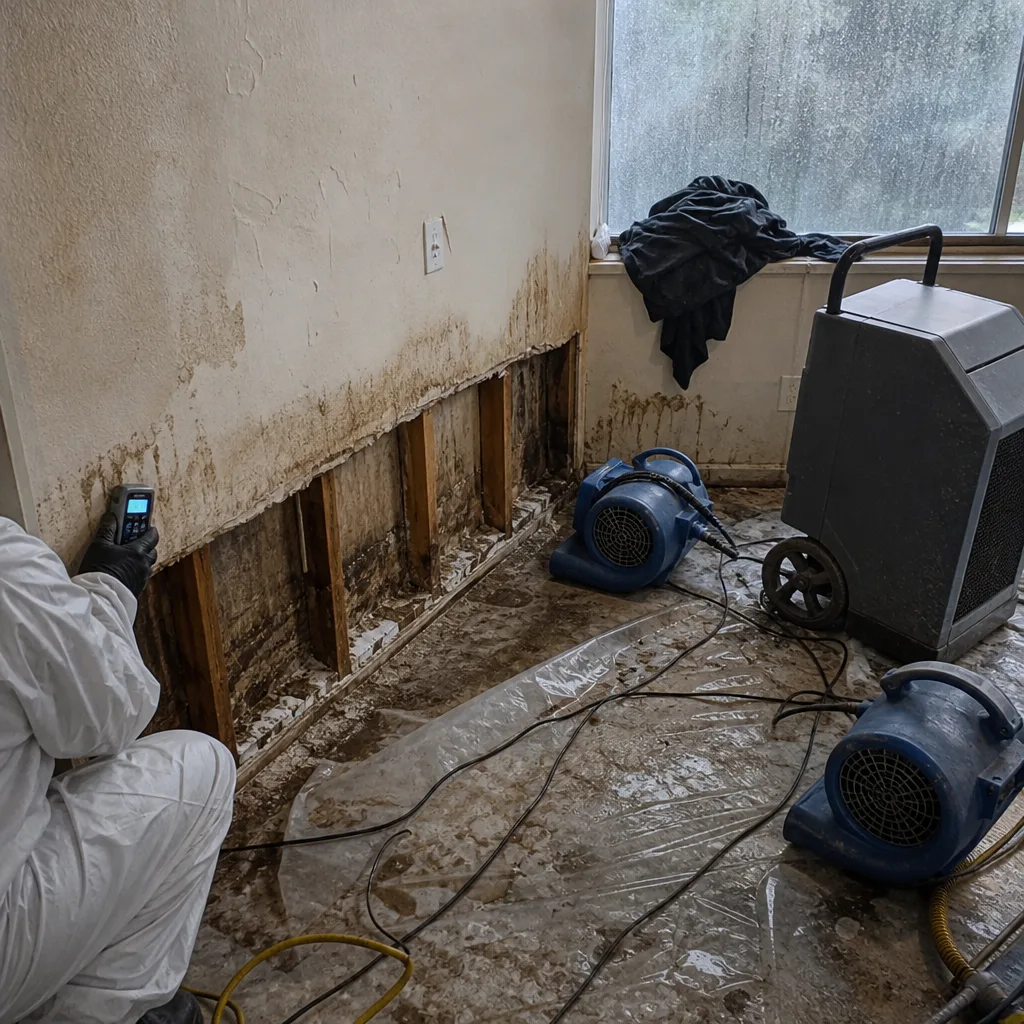 Before
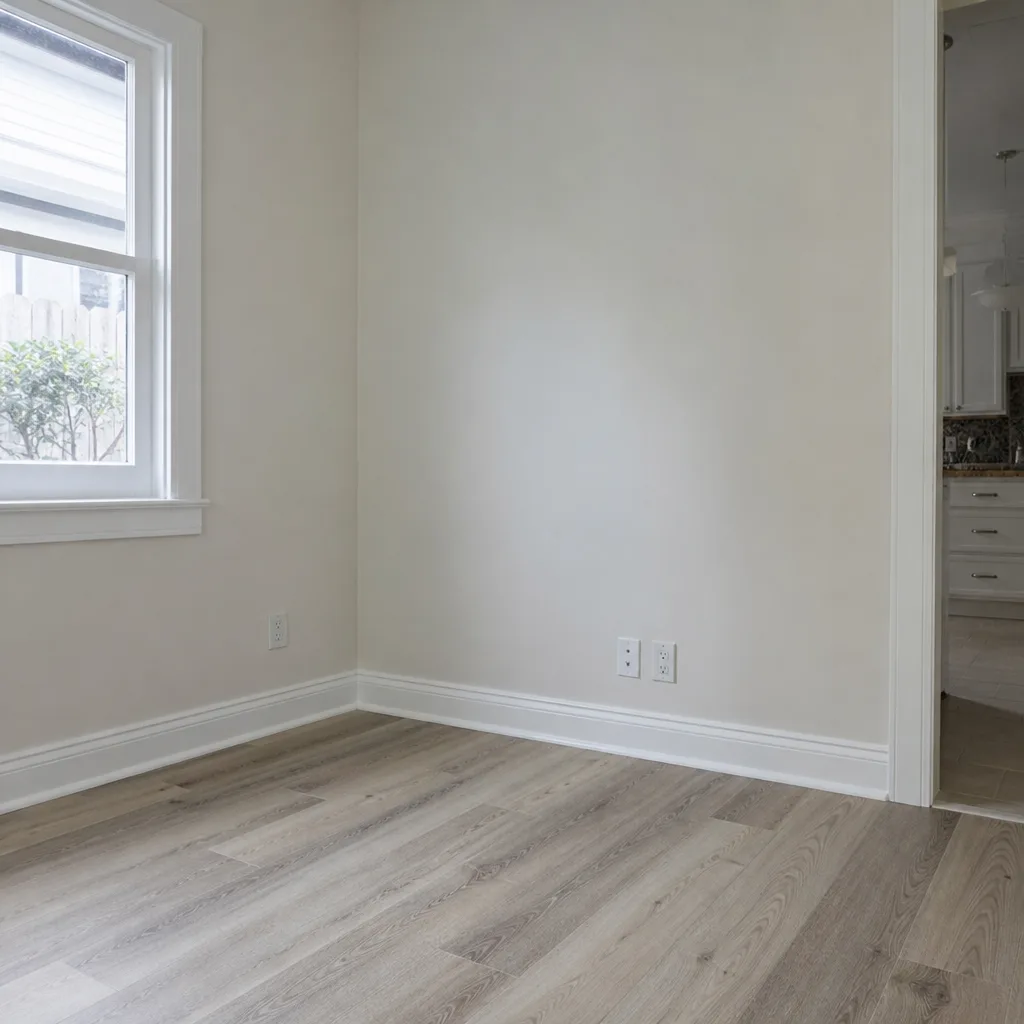 After
After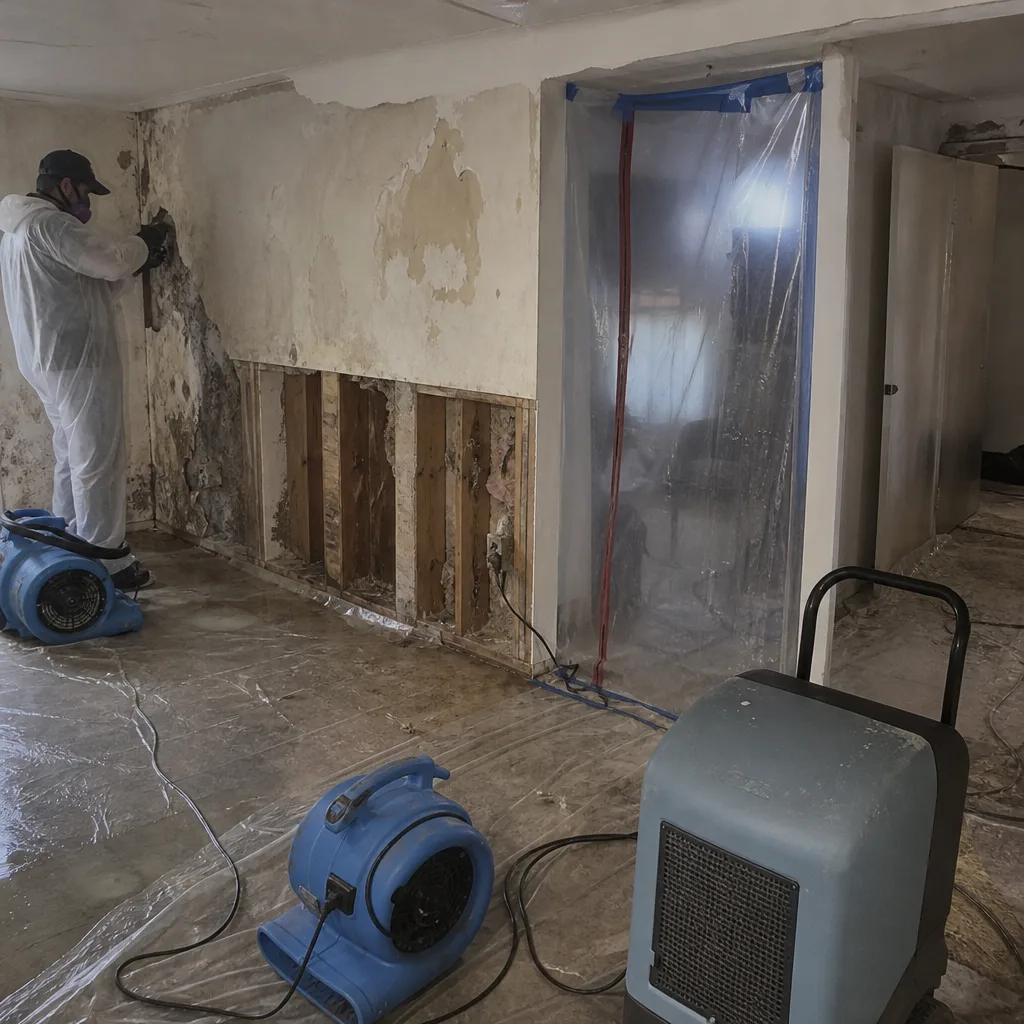 Before
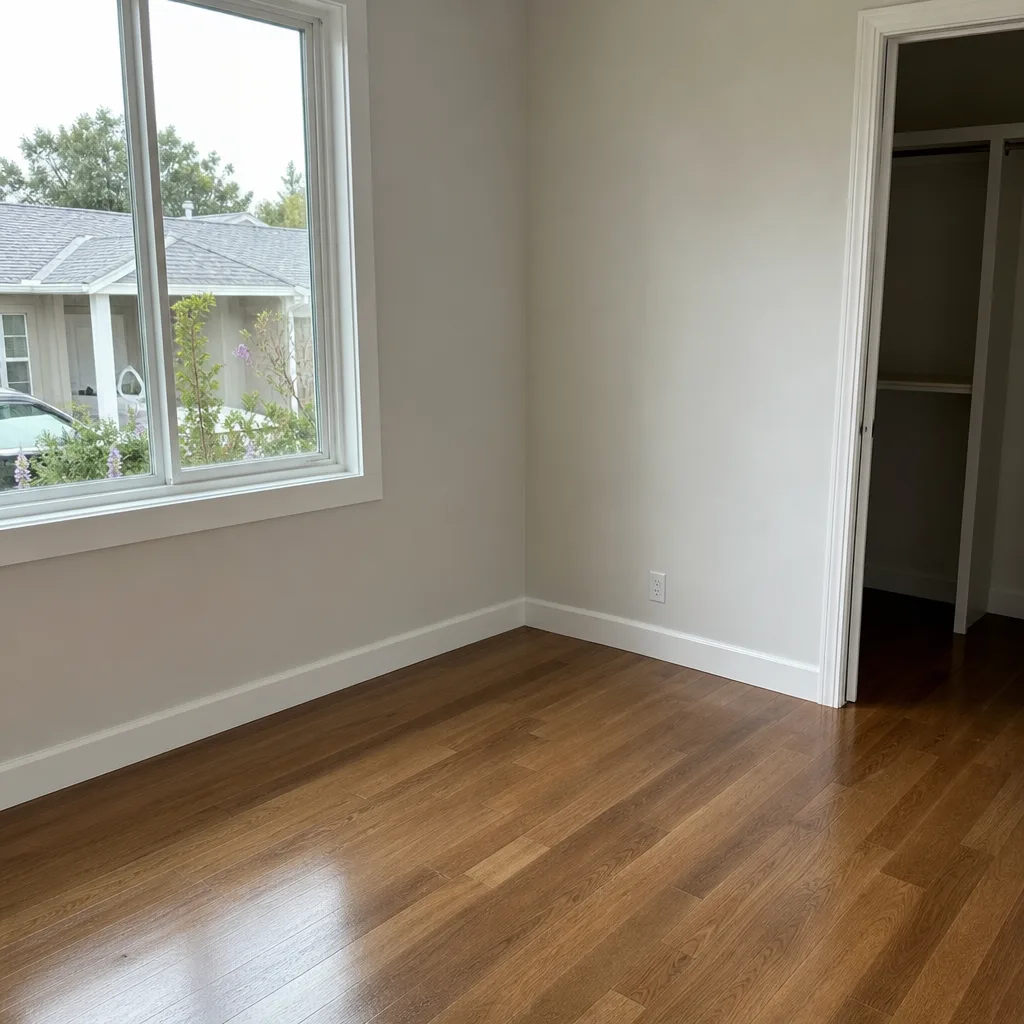 After
AfterDamage Restoration Cost Breakdown: The Los Angeles Homeowner’s Reference for 2026
Most Los Angeles homeowners discover restoration pricing only after standing water is already warping their floorboards or smoke has settled into every vent. Here’s what the industry doesn’t advertise openly: the same water damage job can be quoted anywhere from $2,800 to $14,000 depending almost entirely on how the contractor structures three invisible line items, equipment rental duration, labor-hour tracking, and regulated material disposal. In a market where Xactimate sets the regional rates insurers expect to see, a contractor who can’t produce a line-item estimate mapped to those codes is pricing by feel, not by standard. This guide breaks down what each line item should cost in Los Angeles in 2026, how to spot padding, and why the written price before work starts protects you from the invoice that arrives 40% higher than the verbal quote. For warning signs every Los Angeles homeowner should watch for, see our companion reference.
Quick Answer
Water damage restoration in Los Angeles typically ranges from $3,200 to $12,000 for residential mitigation, fire damage restoration runs $4,500 to $25,000 depending on structural involvement, and mold remediation costs $2,000 to $8,000 for contained jobs or $8,000 to $30,000 for full tear-out with negative air containment. Equipment charges, labor rates, and regulated disposal fees are the three variables that separate an honest bid from a padded one.
Table of Contents
- How Labor Rates Work on Los Angeles Restoration Jobs
- Equipment Charges: What Daily Rates Should Look Like
- Disposal and Haul-Away: The Hidden Cost Driver
- Mold Remediation: Contained vs. Uncontained Pricing
- How a Written Price Before Work Starts Protects You
- Making Your Estimate Align with Insurance Expectations
- Common Mistakes to Avoid
- When to Call a Professional
- Frequently Asked Questions
How Labor Rates Work on Los Angeles Restoration Jobs
Los Angeles labor rates for restoration work split into two distinct categories, and contractors who blur that line on your estimate are either sloppy or deliberately confusing. Mitigation technicians, the crew that extracts water, sets drying equipment, and monitors moisture levels, bill at a different rate than structural repair crews who rebuild walls, replace subfloors, and finish surfaces.
In 2026, Xactimate’s Los Angeles pricing sets mitigation technician labor at roughly $85 to $110 per hour, while structural repair labor runs $95 to $135 per hour depending on trade specialization. A water damage job in a Sherman Oaks ranch house might need 16 to 24 mitigation hours for extraction and drying, then another 20 to 40 structural hours for drywall, flooring, and paint. That’s two separate labor pools, and your estimate should show them separately.
We see a common problem in the Valley and around Mid-City: contractors quote a single “restoration labor” rate somewhere in the middle, then staff the entire job with lower-paid mitigation techs who aren’t qualified to hang drywall or run electrical. The homeowner gets a wall that fails inspection six months later.
What to look for on your estimate:
- Mitigation labor hours itemized separately from structural repair hours
- Each category labeled with the appropriate Xactimate labor code
- Supervision hours broken out if a project manager oversees the job
- No “combined labor” lump sums that obscure who’s doing what work
The Garrison Standard requires we show every hour by category before any work starts. If a contractor in Los Angeles hands you a single-page estimate with one labor line, that’s a red flag.
Equipment Charges: What Daily Rates Should Look Like
Equipment is where restoration pricing gets genuinely confusing for homeowners, and it’s where some Los Angeles contractors build in the most padding. Professional drying and air quality equipment, dehumidifiers, air movers, air scrubbers, and specialized injection systems, is billed per unit per day. The daily rate should reflect the actual cost of professional-grade machines, not consumer rentals from a hardware store.
In our market, legitimate 2026 daily equipment rates look like this:
| Equipment Type | Daily Rate Range | Typical Job Duration |
|---|---|---|
| Low-grain refrigerant dehumidifier (Dri-Eaz, Phoenix) | $45 – $65 | 3 – 7 days |
| Axial air mover (XPOWER, B-Air) | $18 – $28 | 3 – 5 days |
| HEPA air scrubber | $55 – $85 | 2 – 7 days |
| Injectidry hardwood floor drying system | $125 – $195 | 3 – 5 days |
| Desiccant dehumidifier (large commercial) | $185 – $295 | 5 – 14 days |
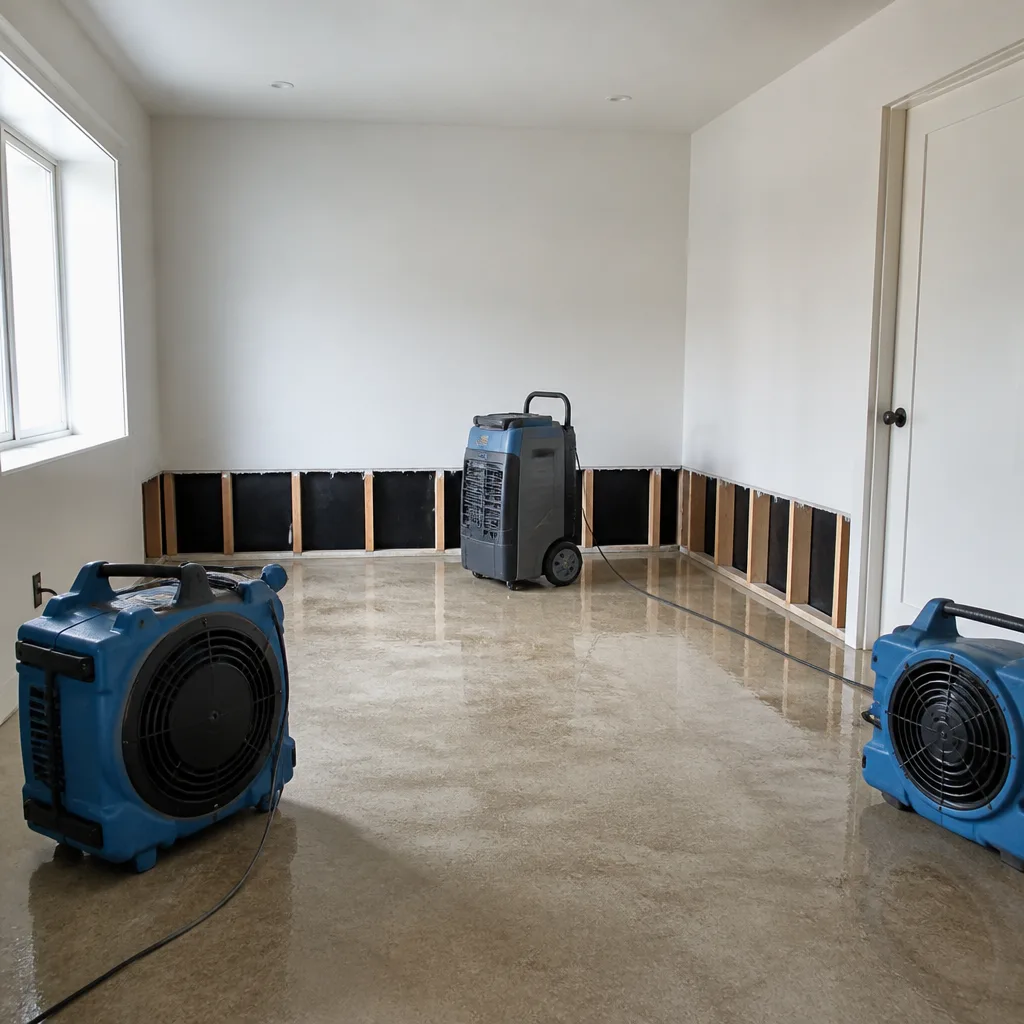
A typical Los Angeles residential water damage job, say a pipe burst in a Silver Lake bungalow with hardwood floors, might deploy two dehumidifiers, six air movers, one air scrubber, and an Injectidry system for four days. The equipment line item should run $1,400 to $2,200, itemized by unit and day. If your estimate shows $800 or $4,000 for equipment with no breakdown, something’s wrong.
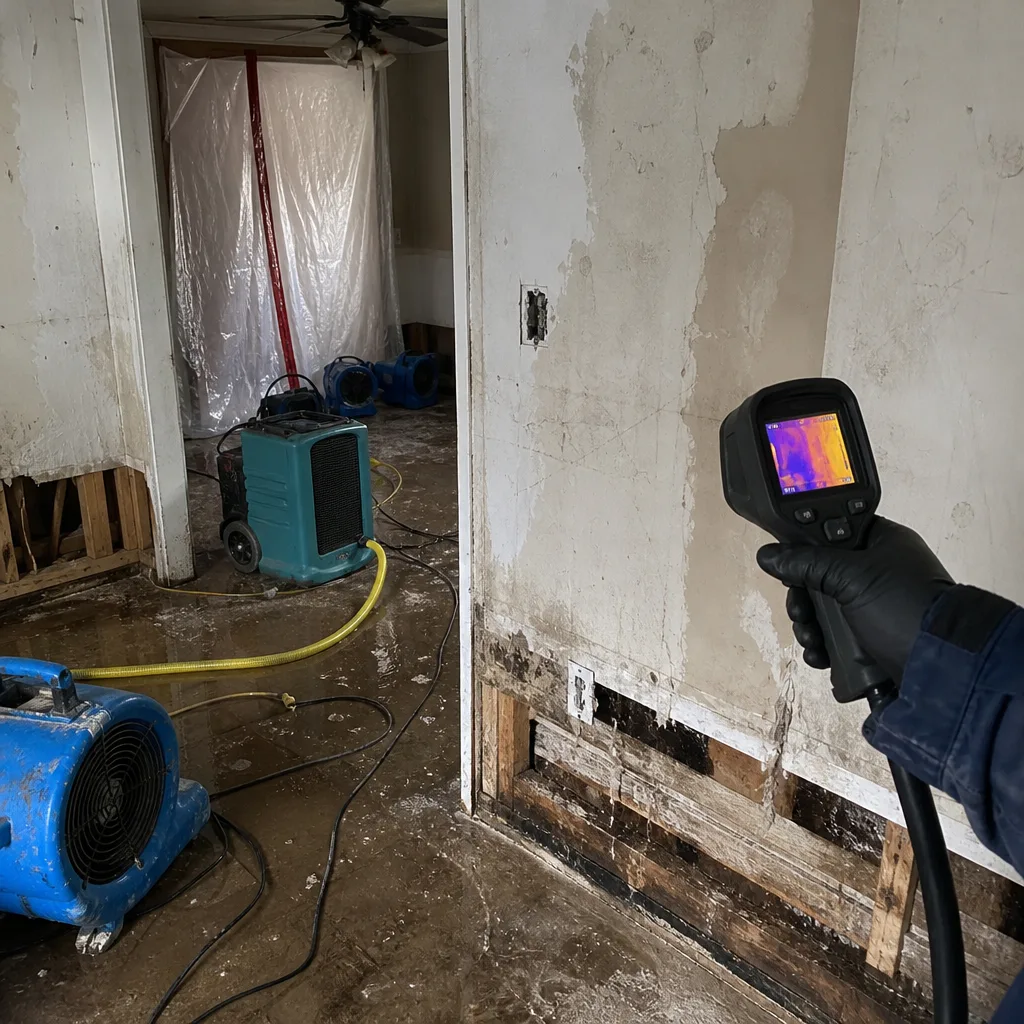
Climate matters here. Los Angeles’s mild winters mean we rarely need the extended drying periods required in humid coastal markets, but our hot, dry Santa Ana wind periods can accelerate surface drying while trapping moisture inside wall cavities. That’s why we use moisture meters and thermal imaging to determine actual drying progress, not calendar guesses. Equipment stays until the structure reads dry per IICRC standards, not until a preset day count expires.
One more thing: ask whether the contractor owns their equipment or rents it. Rental costs get passed through with markup, and some Los Angeles operators run entirely on rental fleets. At Keegan Water Damage Restoration, we own our Dri-Eaz, Phoenix, XPOWER, B-Air, and Injectidry equipment outright, so our daily rates reflect actual maintenance and depreciation, not third-party rental margins.
Disposal and Haul-Away: The Hidden Cost Driver
Disposal fees surprise more Los Angeles homeowners than any other line item, and they’re also where regulatory compliance matters most. Water-damaged materials fall into categories that determine how they must be handled, and California’s damage restoration permits, codes, and inspections add requirements that don’t exist in every state.
Category 1 water, clean water from a burst supply line, produces standard construction debris that hauls at normal rates. Category 2 water, gray water from appliances or sump failures, requires treated handling. Category 3 water, sewage or floodwater, triggers full hazardous material protocols. Mold-contaminated materials are regulated separately under California’s Title 17 and must be bagged, labeled, and transported to licensed facilities.
Current Los Angeles market rates for regulated disposal:
- Standard construction debris: $85 – $140 per cubic yard, including bin and haul
- Category 2 water-damaged materials: $140 – $220 per cubic yard, with manifest documentation
- Category 3 / sewage-contaminated debris: $280 – $450 per cubic yard, with full chain-of-custody tracking
- Mold-contaminated drywall and insulation: $195 – $340 per cubic yard, requiring licensed hazardous waste transporter
A 1,200 square foot Los Angeles home with four feet of wetted drywall might generate 12 to 18 cubic yards of debris. If that’s Category 3 water, disposal alone runs $3,400 to $8,100. If a contractor quotes $800 for “debris removal” on that job, they’re either eating massive losses, cutting regulatory corners, or planning to add change orders later.
We document every disposal load with photos, weight tickets, and facility receipts, formatted to support your insurance claim. Adjusters know the difference between a contractor who tracks disposal properly and one who guesses. In our experience across Los Angeles, from Venice to Eagle Rock, disposal documentation is one of the most common reasons claims get held up, and one of the easiest to prevent with proper paperwork from day one.
Mold Remediation: Contained vs. Uncontained Pricing
Mold remediation pricing in Los Angeles has the widest spread of any restoration service, and the difference between a contained job and an uncontained tear-out explains most of that variance. Understanding which approach your situation actually requires, and what each should cost, protects you from both under-treatment and overselling.
Contained mold remediation uses negative air pressure machines, HEPA filtration, and physical barriers to isolate the affected area. The crew removes only visibly contaminated materials, cleans remaining surfaces with antimicrobial agents, and runs clearance testing before removing containment. This approach works when mold is limited to a defined area, typically under 30 square feet, with no hidden growth behind intact walls.
Uncontained tear-out becomes necessary when mold has spread through wall cavities, affected HVAC systems, or grown behind materials that can’t be cleaned in place. This requires full room or multi-room containment, often with temporary relocation of occupants, and always with post-remediation verification testing.
Los Angeles pricing for each approach in 2026:
| Approach | Typical Range | What’s Included |
|---|---|---|
| Contained remediation, small area (under 30 sq ft) | $2,000 – $4,500 | Containment, HEPA air scrubbing, removal of affected materials, cleaning, clearance testing |
| Contained remediation, medium area (30-100 sq ft) | $4,500 – $8,000 | Expanded containment, multiple air scrubbers, structural drying, full documentation |
| Uncontained tear-out, single room | $8,000 – $15,000 | Full isolation, temporary barriers, HVAC protection, extensive removal, rebuild preparation |
| Uncontained tear-out, multiple rooms or whole house | $15,000 – $30,000+ | Large-scale containment, possible relocation assistance, comprehensive rebuild scope |
The cheaper method often fails clearance testing. We’ve been called to homes in Los Angeles where a previous contractor “remediated” mold by spraying bleach and painting over it, no containment, no air filtration, no removal. The mold returned within months, and the second remediation cost double because the first attempt spread spores through the HVAC system.
Clearance testing, performed by an independent third party, not the remediation contractor, runs $350 to $650 per sample area in Los Angeles. A proper contained job for a bathroom might need two sample areas. A whole-house uncontained job might need six to ten. Any contractor who guarantees they’ll pass clearance without independent verification is cutting a corner you don’t want cut.
At Mold Remediation in Los Angeles, we scope every mold job with moisture mapping and thermal imaging before recommending an approach. The written price includes the containment level, equipment count, disposal category, and clearance testing protocol before any work starts.
How a Written Price Before Work Starts Protects You
The restoration industry has a reputation problem, and pricing is at the center of it. A homeowner calls at 2 AM with water pouring through the ceiling, gets a verbal “ballpark” over the phone, and signs an authorization for emergency work. The crew arrives, stops the immediate damage, then presents an invoice 40% higher than the phone quote, with a demand for immediate payment or they’ll remove their equipment.
This happens regularly in Los Angeles. We’ve talked to homeowners in Koreatown, Culver City, and the Hollywood Hills who’ve experienced variations of it.
The Garrison Standard exists specifically to eliminate this scenario. Here’s how the written price process works on every Keegan job:
- Emergency stabilization first. We stop active damage, extract standing water, and set initial drying equipment to prevent further loss. This is documented with photos and moisture readings.
- Full assessment within 24 hours. A project manager inspects the complete damage profile, including hidden areas accessed with thermal imaging and borescopes.
- Written scope and price delivered. Every line item, labor hours by category, equipment units and days, disposal volume and category, and rebuild materials, is itemized with Xactimate codes. The total price is fixed unless you request changes.
- Change order protocol defined. If hidden damage is discovered, we document it, explain the additional scope, and get your written approval before proceeding. The price never moves without your signature.
- Work proceeds to the written scope. No substitutions, no “while we’re here” additions, no invoice surprises.
The 365-Day Done Right Promise backs this up. If any repair fails within one year, we return and make it right at no charge, with a free second visit included. That’s not a verbal assurance; it’s in writing on every contract.
Compare this to the alternative: a contractor who won’t put price in writing, who bills time-and-materials with no cap, who presents a “revised estimate” after demolition reveals what any experienced tech should have anticipated. In Los Angeles’s competitive restoration market, the contractors who operate this way often have the lowest initial quotes and the highest final invoices.
Making Your Estimate Align with Insurance Expectations
Insurance adjusters evaluate restoration claims against Xactimate pricing databases, and estimates that deviate significantly from regional norms get flagged for review, slowing payment or triggering partial denials. A contractor who understands this system produces documentation that moves claims through smoothly.
Key alignment points for Los Angeles homeowners:
- Line-item detail matching Xactimate structure. Every labor category, material, and equipment unit should correspond to a recognized code. Lump-sum estimates require manual review and delay payment.
- Photo documentation with metadata. Date-stamped, geotagged photos of damage before work, during demolition, and after completion. Adjusters use these to verify scope.
- Moisture logs and drying charts. Daily readings showing progressive drying to IICRC standards, proving equipment was necessary and appropriately deployed.
- Direct adjuster coordination. A contractor who communicates directly with your adjuster, sharing documentation and answering scope questions, prevents the adjuster from guessing at what was done.
We format every job file to support insurance claims from the first photo. In Los Angeles’s high-property-value market, where even modest homes carry substantial coverage, claim delays can leave homeowners paying out of pocket for months. Our documentation process, developed across thousands of jobs since 2005, is designed to prevent that.
One specific Los Angeles consideration: many homes in older neighborhoods like Los Feliz, Hancock Park, and parts of Pasadena have original plaster and lath, not modern drywall. Xactimate has separate codes for plaster repair, and contractors unfamiliar with these materials may estimate using drywall codes, then hit you with change orders when the actual work requires specialized trades. We identify original materials during assessment and code them correctly from the start.
Common Mistakes to Avoid
- Accepting a phone quote as binding. No honest contractor can price water or fire damage accurately without seeing the property. A phone “estimate” is a guess, and guesses tend to rise once crews are on site.
- Ignoring the equipment day count. A low daily rate with an inflated day count costs more than a fair daily rate with accurate duration. Ask how drying progress is measured and documented.
- Hiring a contractor who won’t specify disposal category. If your job involves Category 2 or 3 water, or any mold, disposal is regulated. A contractor who quotes “debris removal” without specifying category and manifest requirements may be planning illegal dumping or surprise surcharges.
- Skipping independent mold clearance testing. The same contractor who performed remediation should not perform clearance verification. That’s a basic conflict of interest, and most Los Angeles insurers require third-party documentation anyway.
- Choosing the lowest bid without comparing line items. A $4,500 mold bid against an $8,000 bid isn’t comparable if the lower price omits containment, air scrubbing, or clearance testing. Compare scopes, not totals.
- Signing open-ended authorizations. Never sign a document that authorizes “all necessary work” without a defined scope and price cap. This is how $3,000 jobs become $12,000 jobs.
- Neglecting to verify rebuild qualifications. Mitigation contractors who promise to “handle everything” may lack licensed trades for electrical, plumbing, or structural work. Ask for trade-specific licensing for rebuild phases.
When to Call a Professional
Some situations demand immediate professional response regardless of cost considerations. Active water intrusion that can’t be stopped at the source, sewage backup of any volume, electrical systems compromised by water, structural collapse or fire damage affecting load-bearing elements, and visible mold growth exceeding 10 square feet or with musty odors indicating hidden growth. For a complete checklist, see our Damage Restoration Emergency Preparedness Guide for Los Angeles Homes.
In these scenarios, speed of response limits the total damage and total cost. Every hour of delayed extraction adds drying days and increases the likelihood of secondary mold growth. For fire damage, acidic soot begins etching surfaces within hours and becomes permanently damaging within days.
Water Damage Restoration in Los Angeles and Fire Damage Restoration in Los Angeles from Keegan Water Damage Restoration includes live-answered emergency dispatch 24 hours a day, 7 days a week. We provide free estimates with written, itemized pricing before any work begins. Call (361) 317-7269 to speak with a live person now, not a callback queue.
Frequently Asked Questions
Residential water damage mitigation in Los Angeles typically costs $3,200 to $12,000 depending on water category, affected square footage, and required equipment. Category 1 clean water jobs in compact homes start lower; Category 3 sewage jobs with extensive contamination and regulated disposal run toward the high end or beyond. Call (361) 317-7269 for a free, written estimate on your specific situation.
Most Los Angeles homeowners policies cover sudden, accidental water damage and fire damage, but exclude gradual leaks, maintenance neglect, and flood damage without separate flood coverage. We document every job to support your claim and coordinate directly with adjusters. Your deductible applies, and coverage limits vary by policy.
Keegan Water Damage Restoration answers calls with a live person 24 hours a day, 7 days a week, including nights, weekends, and holidays. Emergency dispatch for active water or fire damage aims for arrival within the committed window, because every hour of delay increases total damage and total cost.
Surface mold under 10 square feet on non-porous materials can sometimes be addressed with proper cleaning and moisture control. Hidden mold, growth on porous materials like drywall or insulation, or any mold resulting from Category 2 or 3 water requires professional remediation with containment and air filtration. We assess with moisture mapping and thermal imaging before recommending an approach.
Dramatically lower bids usually omit necessary scope: inadequate equipment, no containment, unlicensed disposal, or missing rebuild phases. Compare line items, not totals. Ask specifically about equipment units and days, labor categories, disposal category and volume, and whether clearance testing is included.
At Keegan Water Damage Restoration, we coordinate directly with your adjuster, providing photo documentation, moisture logs, and itemized estimates formatted to Xactimate standards. This prevents the adjuster from guessing at scope and reduces claim delays. You remain the policyholder and final decision-maker on all work.
The Bottom Line
Restoration pricing in Los Angeles becomes transparent when you understand the three drivers: labor rates by category, equipment charged per unit per day, and disposal fees regulated by material type. Honest contractors itemize these line items, map them to industry-standard codes, and put the total in writing before work starts. The rest is noise. Demand the written price, verify the scope matches your actual damage, and never authorize open-ended work. The Garrison Standard was built on these principles because we’ve seen what happens when they’re ignored, and we’ve built our reputation in Los Angeles by refusing to operate any other way. Explore more guides & resources to protect your home and budget.
Written by Shane Pruitt, Owner at Keegan Water Damage Restoration, serving Los Angeles since 2005.