
Last updated October 11, 2026
Free visual inspection and a written scope of work before any mitigation begins - photos, moisture readings, and drying logs go in your claim file
The scope we write is the scope we bill. Anything new gets shown to you, in writing, before we touch it.
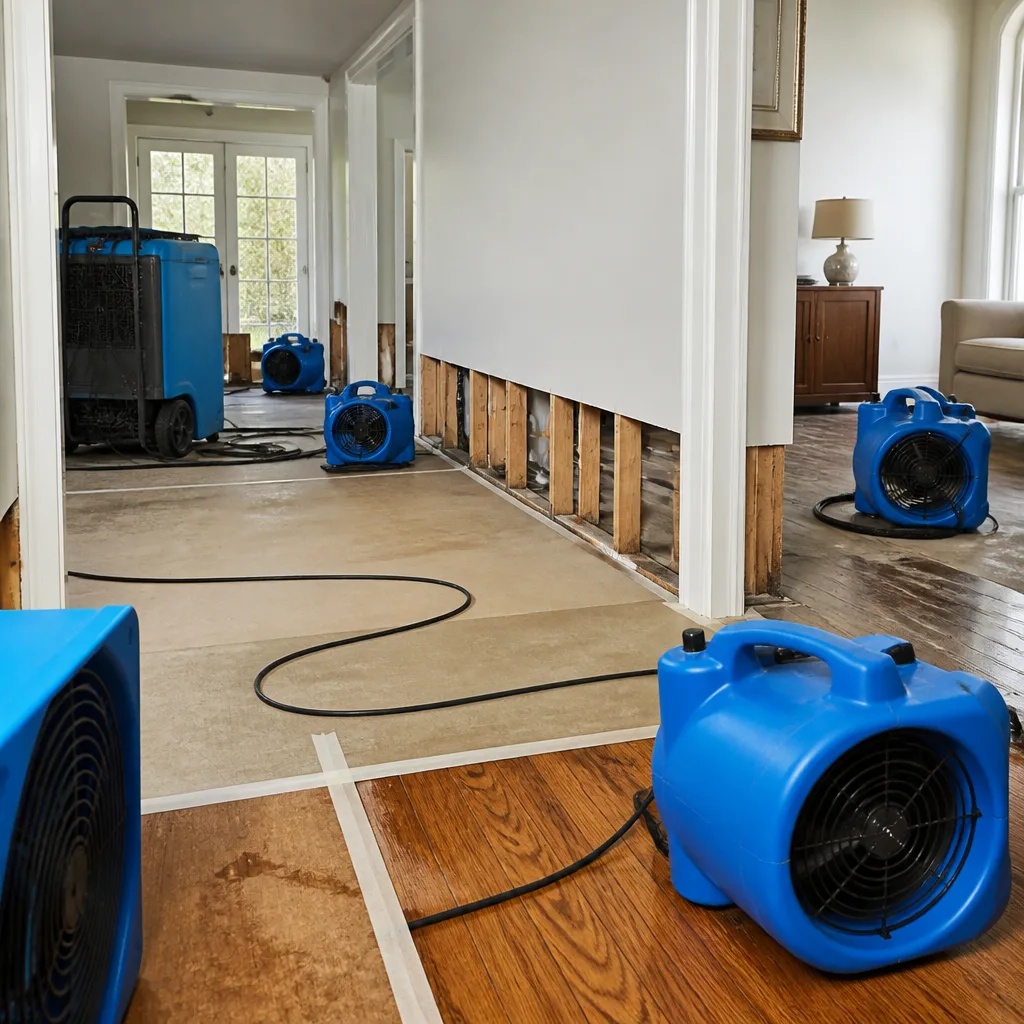
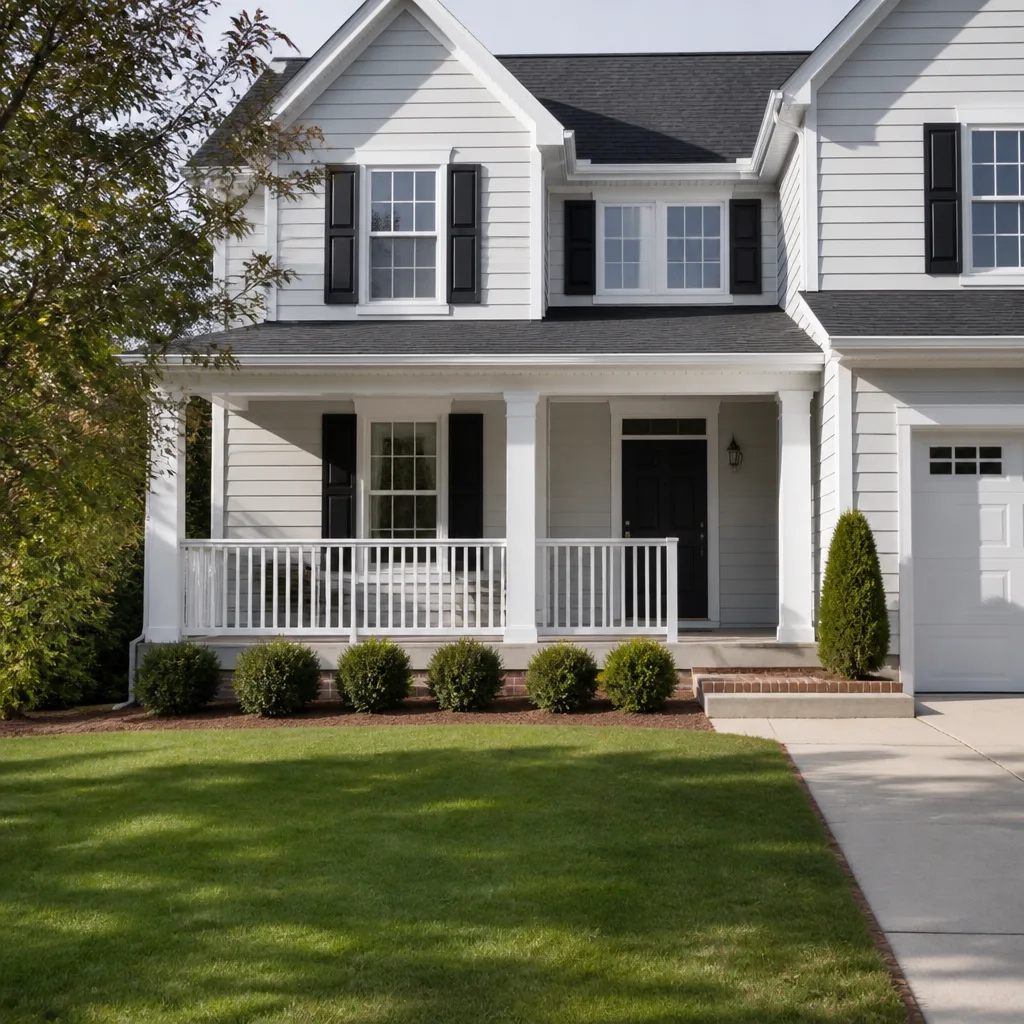
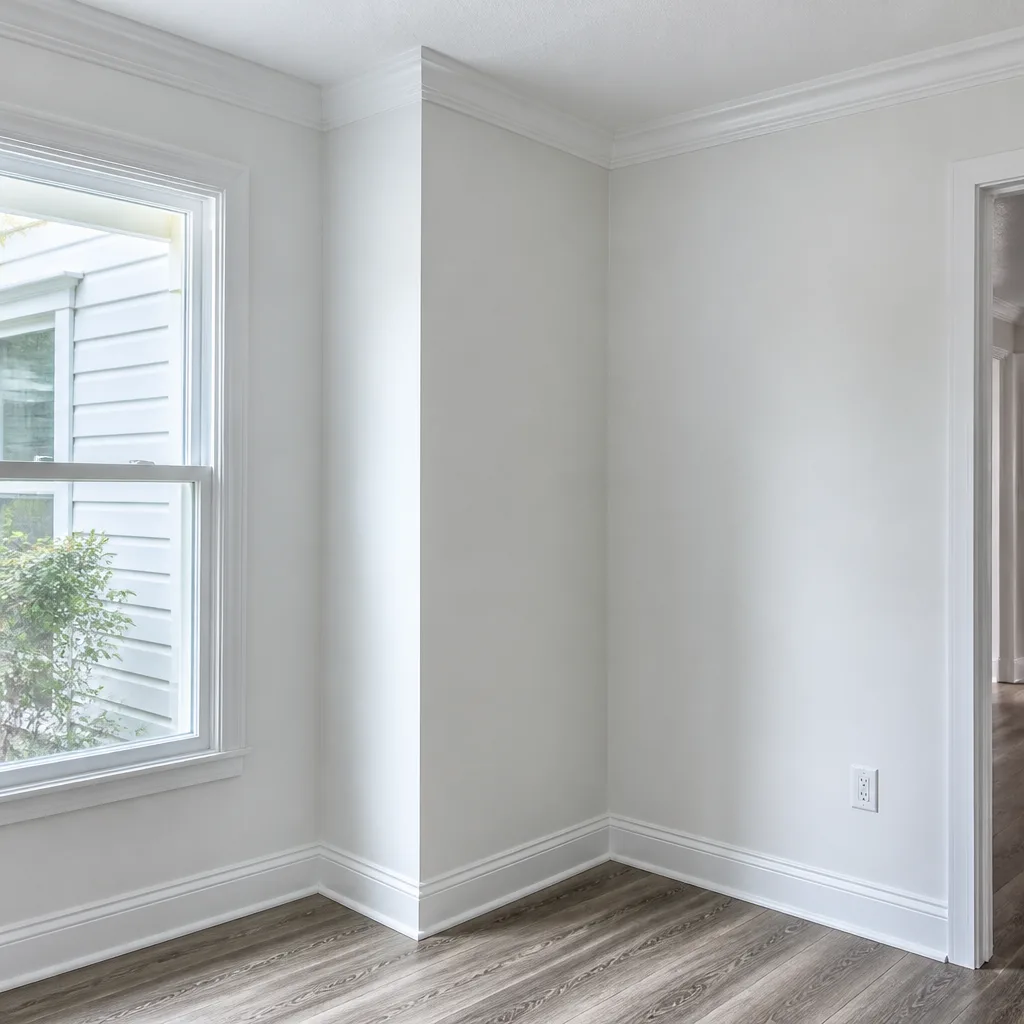
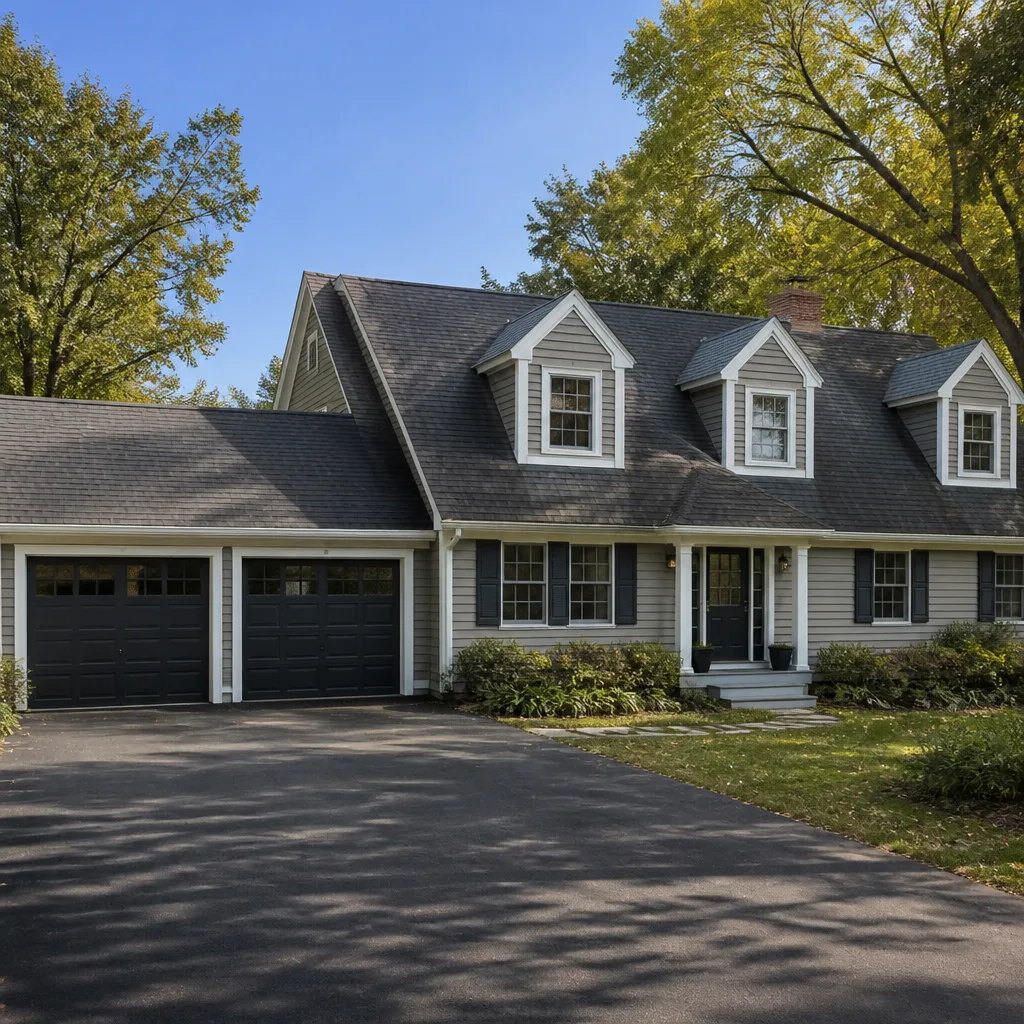
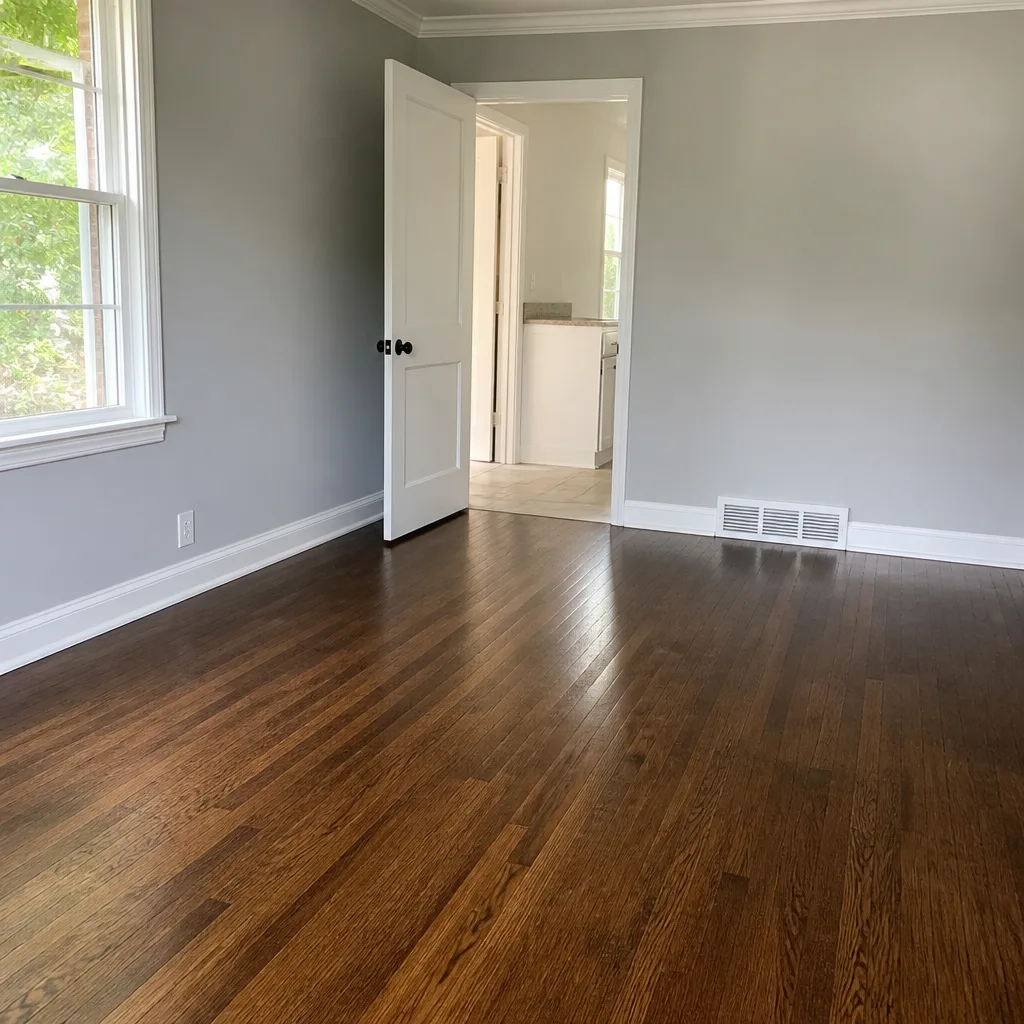
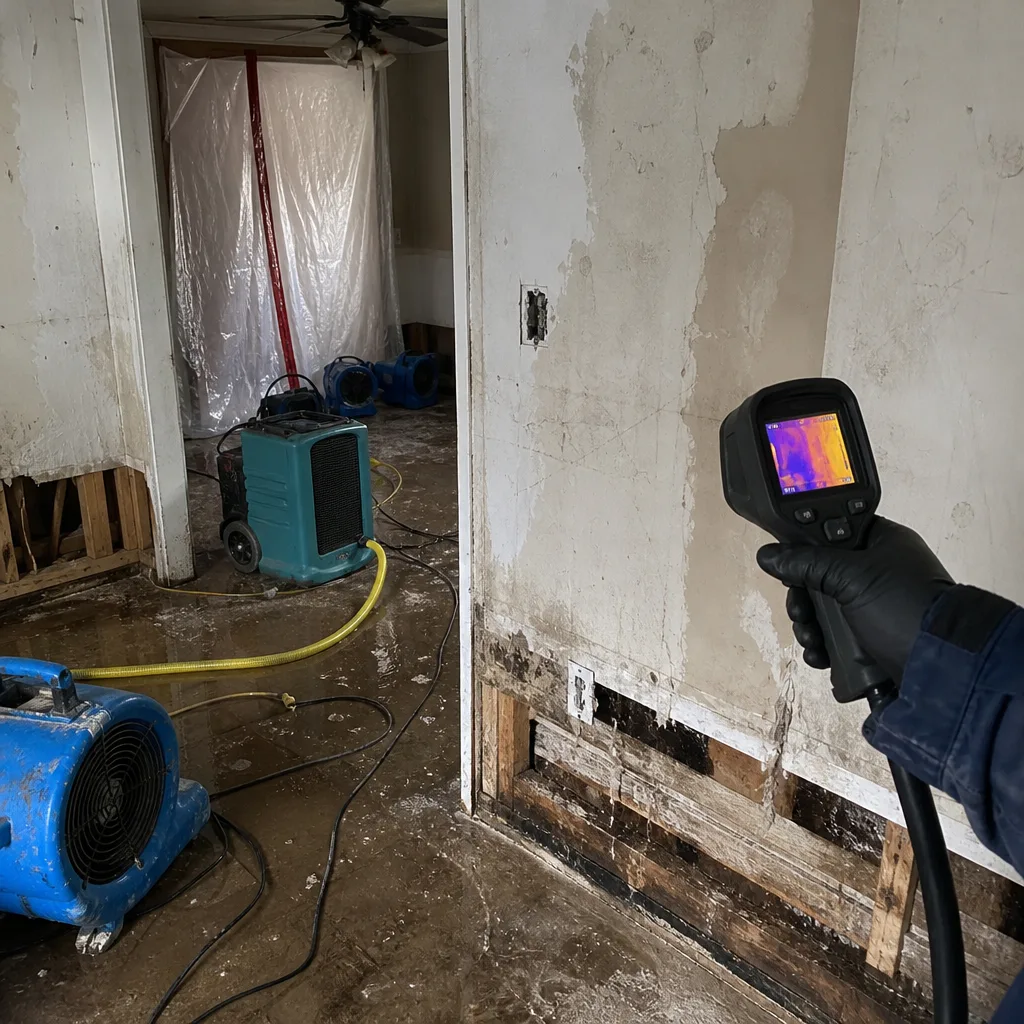 Before
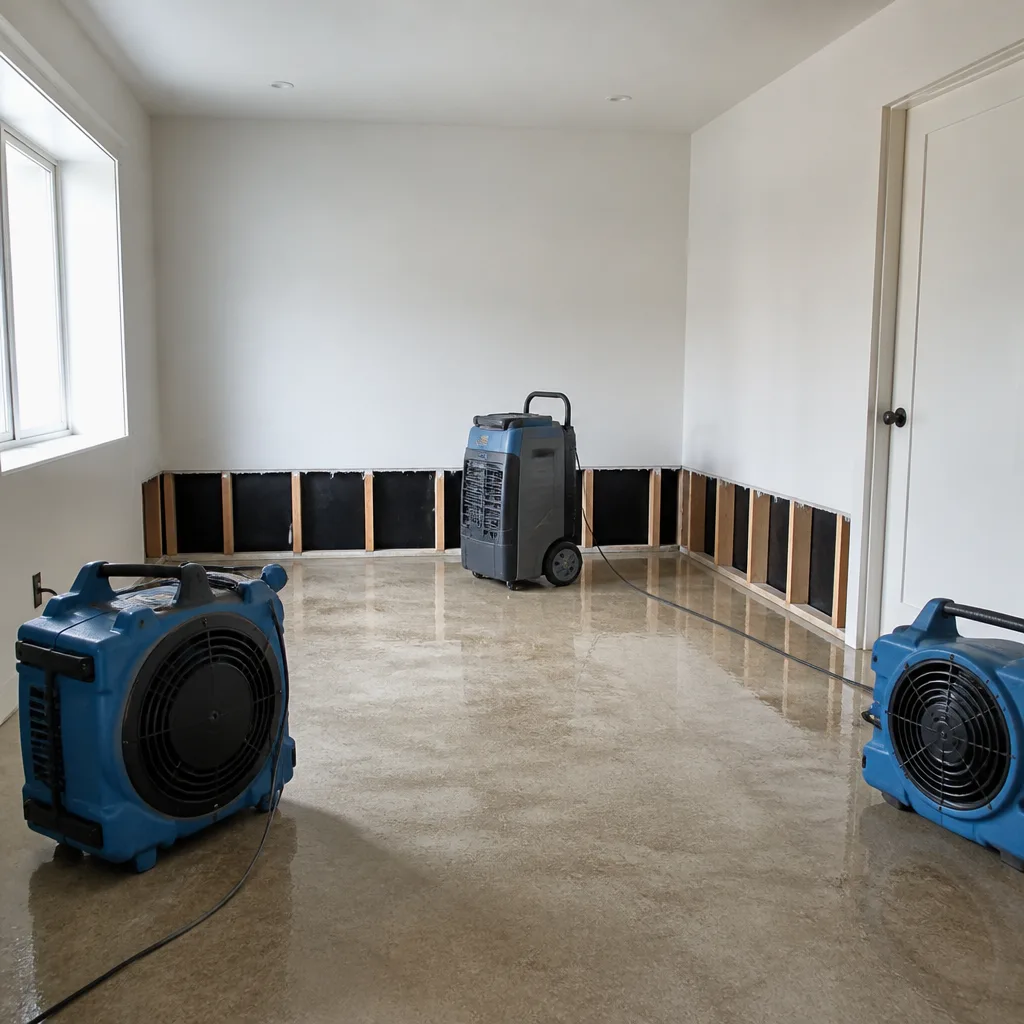 After
After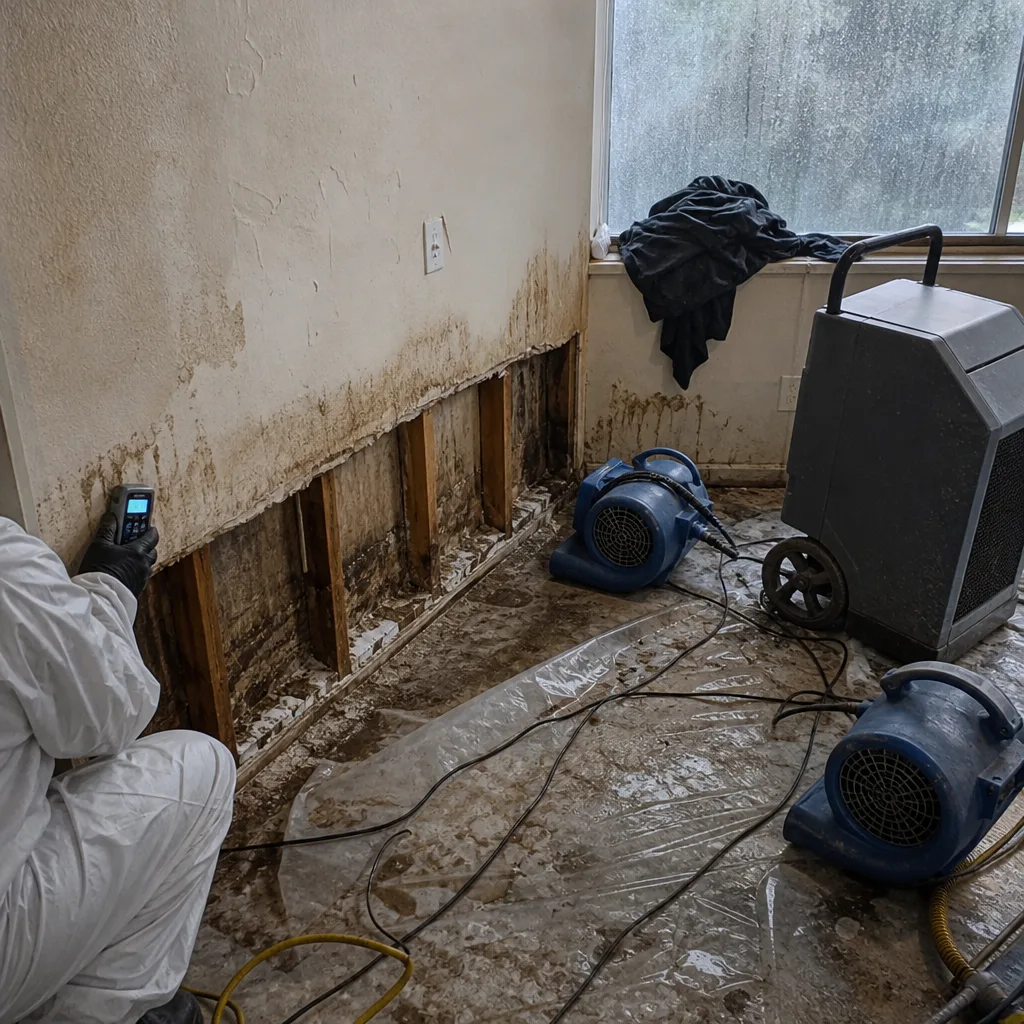 Before
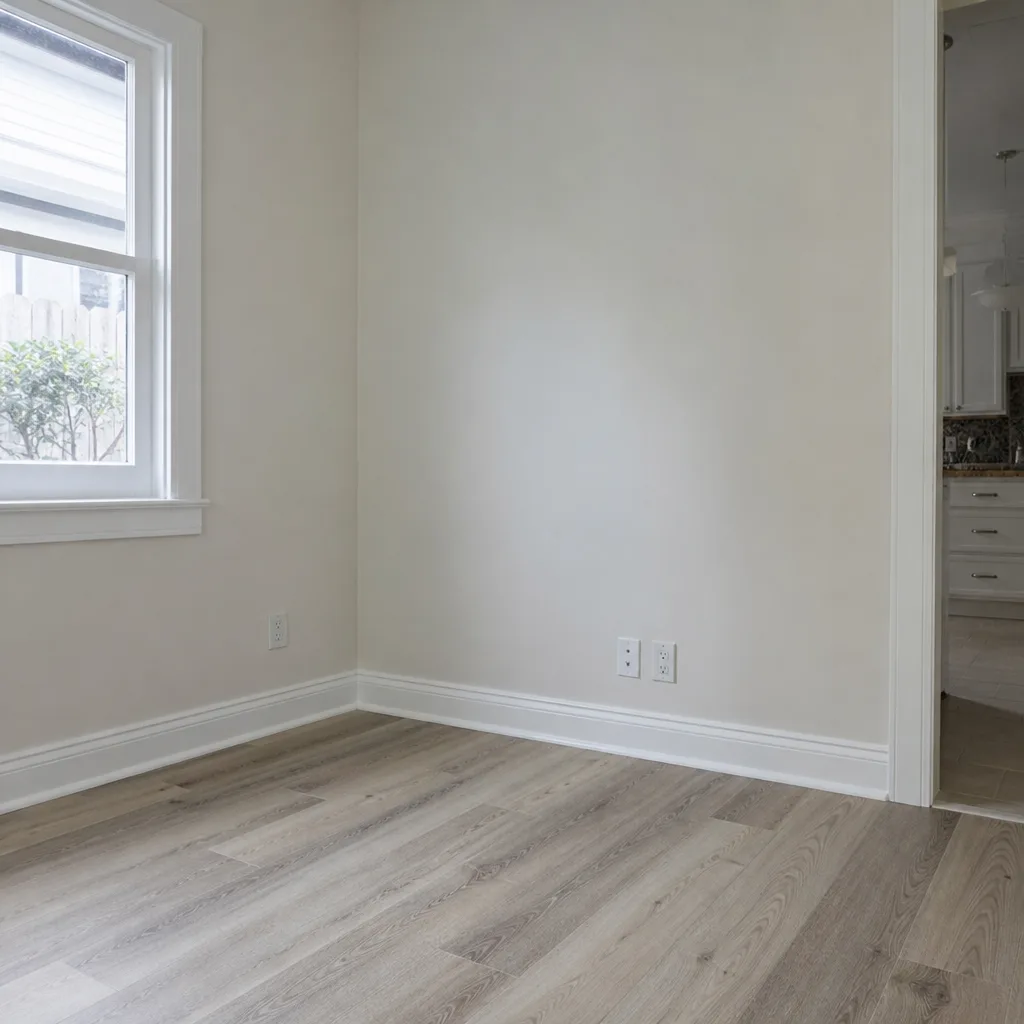 After
After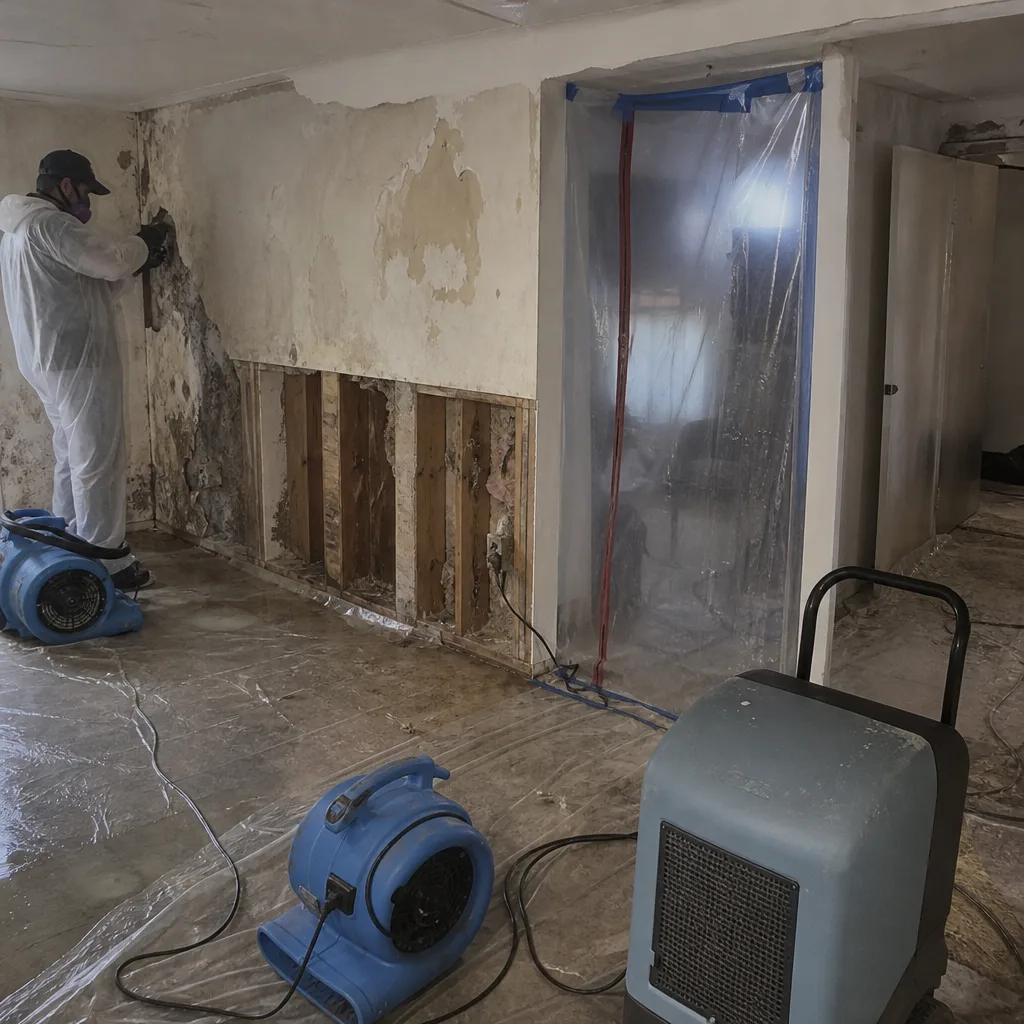 Before
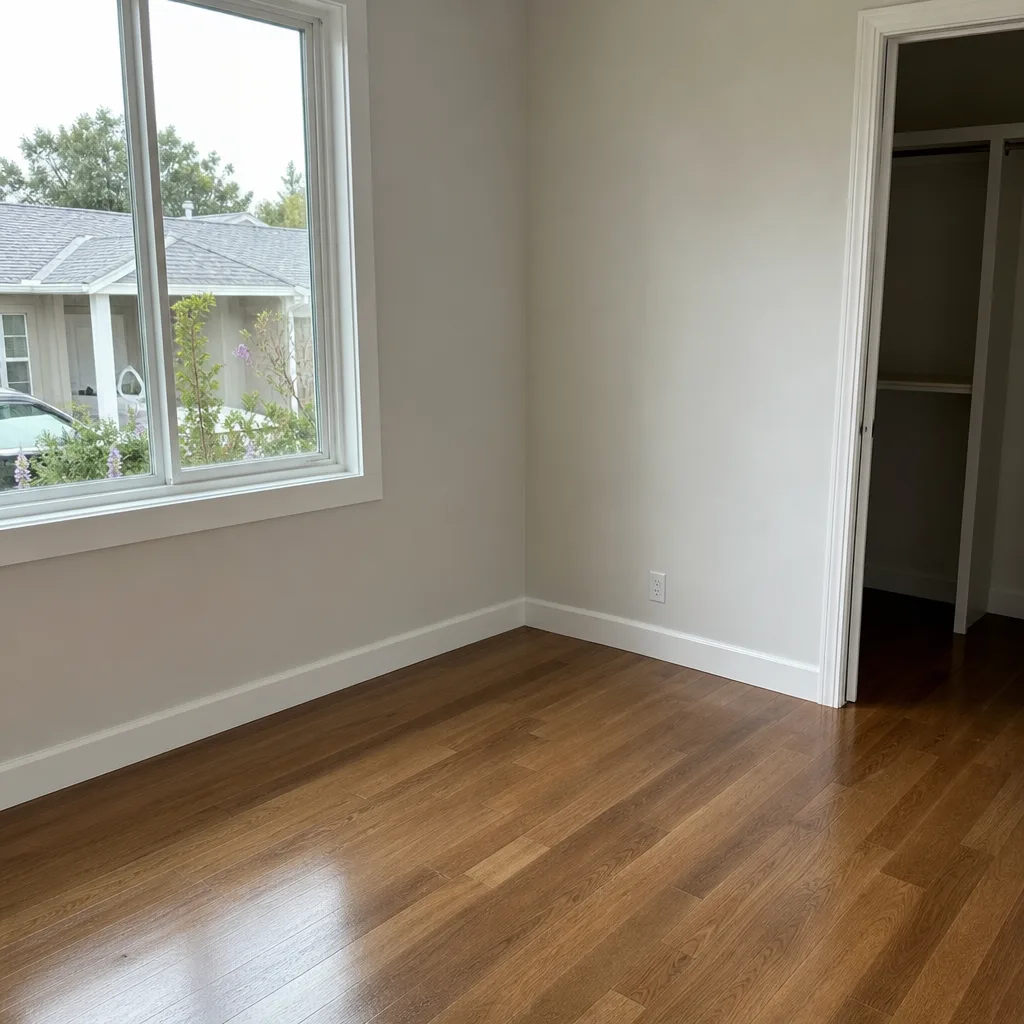 After
AfterThe Complete Water Damage Restoration Guide for Los Angeles Homeowners
Most Los Angeles homeowners discover water damage not during a storm but weeks after one. Our Mediterranean climate creates a dangerous illusion: stucco exteriors and concrete slab foundations trap moisture invisibly while the sun bakes everything dry on the surface. By the time you notice warped baseboards or a musty smell, mold colonies may already be established inside your walls. In this guide, we’ll explain how water damage behaves differently in Los Angeles homes, what California law requires from Water Damage Restoration services, and how to protect your property from the hidden decay that our dry spells disguise.
Quick Answer
Water damage restoration in Los Angeles typically involves emergency extraction, moisture mapping with thermal imaging, structural drying using commercial dehumidification, and controlled demolition of unsalvageable materials. For detailed pricing context, see our Damage Restoration Cost Breakdown: The Los Angeles Homeowner’s Reference for 2026. For a standard residential loss, expect 3 – 5 days of active drying and $3,200 – $8,500 in restoration costs, with mold-prone homes in coastal neighborhoods like Venice or Santa Monica running higher due to delayed detection.
Table of Contents
- Why Los Angeles Water Damage Is Different From Other Cities
- The Hidden Threat: How Stucco and Slab Foundations Trap Moisture
- The Restoration Process: What Actually Happens Step by Step
- Why Equipment Matters: Drying Science in LA’s Climate
- California Insurance Documentation: What Adjusters Need to See
- Southern California Hard Water: The Corrosion Nobody Talks About
- California’s Written Estimate Law: Your Protection Against Surprise Bills
- Costs and Timeline: Real Numbers for Los Angeles Homeowners
Why Los Angeles Water Damage Is Different From Other Cities
Water damage in Los Angeles follows patterns that restoration crews from humid climates often miss. Our rainfall arrives in concentrated winter bursts, separated by six to eight months of near-zero precipitation. This cycle trains homeowners to stop looking for leaks once the skies clear. Meanwhile, the damage continues inside walls where relative humidity stays elevated long after the outside world feels bone-dry.
The geography compounds this. Los Angeles neighborhoods from the Hollywood Hills to the San Fernando Valley sit on varied terrain – hillside homes with retaining-wall moisture intrusion, flatland bungalows on expansive clay soils, and coastal properties battling salt-laden marine air. Each requires different moisture detection strategies.
We’ve responded to calls in Silver Lake where a homeowner smelled mildew for three months before finding saturated insulation behind a perfectly intact plaster wall. The February rain had entered through a cracked clay roof tile, traveled down the rafter bay, and pooled in the wall cavity. By May, the visible surface looked fine. The interior was 28% moisture content – nearly triple the dry standard.
Three factors make Los Angeles water damage distinct:
- Clay-tile and concrete-tile roofing common in Spanish Revival and Mediterranean-style homes cracks under thermal cycling (hot days, cool nights) but leaks slowly enough that staining appears long after the initial breach
- Concrete slab foundations eliminate the crawl space that would otherwise allow visual inspection of plumbing leaks – a slab leak can saturate subflooring for weeks with no external sign
- Extended dry periods allow mold to establish in wall cavities where humidity from a single leak lingers for months, fed by temperature differentials between sun-heated exterior stucco and air-conditioned interior spaces
Restoration in Los Angeles demands equipment calibrated for these conditions. Standard moisture meters designed for wood-frame, humid-climate construction often misread concrete and stucco assemblies. Our crews use thermo-hygrometers and thermal imaging to find what surface inspections cannot.
The Hidden Threat: How Stucco and Slab Foundations Trap Moisture
Stucco dominates Los Angeles residential exteriors for good reason – it handles our sun and seismic movement well. But Portland cement stucco is also hygroscopic: it absorbs and holds moisture. A hairline crack at a window sill can wick water into the scratch coat and brown coat layers, creating a reservoir that feeds interior wallboard for weeks.
The problem is visibility. Unlike wood siding, which shows swelling, discoloration, or rot relatively quickly, stucco can feel dry to the touch while the wall cavity behind it reaches saturation. We’ve opened stucco walls in Los Feliz that tested dry on the exterior surface but contained standing water in the bottom track of metal framing.
Concrete slab foundations create a parallel blind spot. In much of the country, plumbers run supply lines through crawl spaces or basements where leaks become visible quickly. In Los Angeles, particularly in postwar neighborhoods from the San Fernando Valley to the Westside, copper or PEX lines run through or beneath the slab itself. A pinhole leak in a pressurized line can lose 10 – 30 gallons daily into the soil beneath your home, wicking upward through the slab and into flooring materials.
Signs of slab-leak water damage that Los Angeles homeowners often misread:
- Hot spots on flooring – a warm area on tile or wood often indicates a hot-water line leak beneath the slab, not a heating system issue
- Cracking tile or warping laminate – moisture migration through concrete creates hydrostatic pressure that separates flooring from substrate
- Musty odor without visible mold – the concrete itself is wicking moisture, but the colony hasn’t reached the surface yet
- Unexpectedly high water bills – a 10-gallon-per-day leak adds 300 gallons monthly; if your usage jumps without explanation, the water is going somewhere
Moisture mapping for slab homes requires non-invasive tools. We use thermal imaging cameras to identify temperature differentials where evaporative cooling occurs at wet areas, then confirm with pinless moisture meters designed for masonry substrates. Invasive testing – drilling core samples through the slab – is a last resort, not a first step.
The Restoration Process: What Actually Happens Step by Step
Every water damage restoration job we handle in Los Angeles follows a documented sequence aligned with IICRC S500 standards. The process doesn’t change whether we’re responding to a burst supply line in Brentwood or storm flooding in the Hollywood Hills. What changes is the equipment selection and drying duration based on local conditions.
Step 1: Emergency Contact and Dispatch
A live person answers our line 24 hours a day, 7 days a week. We gather the loss type, water source category (clean, gray, or black), affected areas, and whether power is available. For Category 1 clean water losses, we aim to have a crew on site within the emergency response window. Category 3 sewage losses require additional PPE and containment setup.
Step 2: Inspection and Moisture Mapping
The crew chief documents everything with photographs formatted for insurance submission. We identify the water source, stop active flow if possible, and map moisture throughout the structure. In Los Angeles slab homes, this includes perimeter readings at base plates, subfloor testing through drilled access points if necessary, and thermal imaging of all exterior walls.
Step 3: Water Extraction
Standing water removes faster and more completely by extraction than by evaporation. We deploy truck-mounted or portable extractors depending on access. For carpeted areas, weighted extraction tools compress padding to release trapped water. Hard surface extraction follows with squeegee wands. Every gallon removed by extraction is a gallon that doesn’t need to be evaporated and dehumidified, which shortens the overall drying timeline.
Step 4: Controlled Demolition
Not all wet materials can be dried in place. Water-saturated drywall above the flood cut line, deteriorated insulation, and delaminated flooring come out. We make flood cuts at calculated heights based on wicking patterns and structural assembly. In Los Angeles, we often encounter lath-and-plaster walls in pre-1960 homes; these require different demolition techniques than modern drywall to avoid releasing asbestos-containing materials.
Step 5: Structural Drying
This is where equipment selection matters. We position air movers to create laminar airflow across wet surfaces, and dehumidifiers to remove evaporated moisture from the air. In Los Angeles’s low-humidity climate, refrigerant dehumidifiers often outperform desiccants for residential work – the dry outside air already gives us an advantage we exploit. But for sealed interior rooms or dense masonry assemblies, we switch to desiccant drying or add heat to accelerate evaporation.
Step 6: Verification and Documentation
We don’t declare a job dry based on time elapsed. Every affected area must reach the drying goal – typically within 4 percentage points of a dry standard reading from an unaffected area of the same structure. We document final moisture readings, photograph the dry condition, and provide a complete job file formatted for insurance adjuster review.
Step 7: Repair and Reconstruction
Restoration includes putting the structure back to pre-loss condition. We provide a written scope of repairs, a fixed price approved before work begins, and completion to The Garrison Standard. Every repair carries our 365-Day Done Right Promise.
Why Equipment Matters: Drying Science in LA’s Climate
Psychrometrics – the study of air and moisture relationships – governs every drying decision we make. Three variables control evaporation rate: temperature, humidity, and airflow. Los Angeles gives us low humidity for much of the year, but stucco mass, slab thermal mass, and interior climate control can create microclimates that defy the regional average.
Our equipment roster includes Dri-Eaz and Phoenix dehumidifiers, XPOWER and B-Air air movers, and Injectidry systems for specialty drying. Each serves a specific function:
- Dri-Eaz and Phoenix refrigerant dehumidifiers pull moisture from air passing across cooled coils, condensing it for collection. In Los Angeles’s typical 30 – 50% relative humidity, these units operate efficiently and cost-effectively for most residential losses
- XPOWER and B-Air air movers create the surface airflow that pushes the boundary layer of saturated air away from wet materials, allowing continued evaporation. Placement matters – we calculate air mover count by square footage and class of water loss, not by guesswork
- Injectidry systems deliver directed airflow inside wall cavities, under cabinets, and through hardwood flooring via mat systems. In Los Angeles homes with minimal demolition tolerance – historic properties, high-end finishes – Injectidry allows in-place drying that would otherwise require extensive tear-out
The mistake we see from less experienced operators is deploying equipment without monitoring. A dehumidifier left running unmonitored in a closed room can over-dry wood to the point of cracking, or under-perform if the condensate pump fails. Our technicians log psychrometric readings daily, adjusting equipment count and placement based on actual progress, not assumptions.
In coastal Los Angeles neighborhoods where marine layer humidity spikes morning moisture levels, we sometimes supplement refrigerant dehumidification with heat. Raising the temperature even 5 – 10 degrees increases the air’s capacity to hold moisture, accelerating evaporation from dense materials like concrete and tile.
California Insurance Documentation: What Adjusters Need to See
California homeowners face insurance documentation requirements that differ from standard national claim procedures, and missing any element can delay or reduce your settlement. The California Department of Insurance requires specific disclosures from carriers, and adjusters working Los Angeles losses are trained to look for documentation that supports or contradicts the claimed scope.
What we document on every job:
- Source identification and category classification – clean water (Category 1), gray water (Category 2), or black water (Category 3). Category affects both health precautions and what materials must be removed versus dried
- Pre-loss condition photographs – showing the state of finishes, contents, and structure before our work begins, to distinguish damage from pre-existing conditions
- Moisture mapping with date-stamped readings – thermal images, meter readings, and psychrometric logs that prove the extent of water migration
- Equipment placement diagrams – showing where each unit was positioned, for how long, and why that location was selected
- Daily monitoring logs – proving the drying progressed appropriately and that equipment remained in service
- Final dry standard verification – demonstrating that affected materials returned to acceptable moisture content before equipment removal
California law also gives homeowners specific rights in the claims process. Your insurer must acknowledge your claim within 15 days of filing, and must accept or deny within 40 days of proof of loss. If coverage is disputed, they must explain why in writing. We format our documentation to directly address the proof-of-loss requirements, reducing back-and-forth that delays your settlement.
Direct adjuster coordination is standard on our jobs. We provide the same documentation package to you and your adjuster simultaneously, so there’s no information asymmetry. If an adjuster disputes a line item – common with specialized drying equipment or controlled demolition – we explain the IICRC standard that supports the necessity, with reference to the specific condition found in your structure.
Southern California Hard Water: The Corrosion Nobody Talks About
Los Angeles tap water runs hard – typically 200 – 300 ppm total dissolved solids, with significant calcium and magnesium content. After a water loss, this mineral-laden water leaves deposits inside wall cavities that accelerate corrosion of metal components long after the moisture itself is gone.
We’ve opened walls in Pasadena where copper supply lines showed pitting corrosion at contact points with drywall that had been wet once, dried, and never properly cleaned. The minerals formed galvanic cells where dissimilar metals met moist surfaces. Six months later, a pinhole leak developed at exactly that location, causing a second loss.
Hard water residue also affects electrical components. Junction boxes, outlet receptacles, and low-voltage wiring that sat in even briefly saturated conditions can develop conductive mineral films. A standard moisture meter reads dry; an ohmmeter reveals compromised insulation resistance. We flag these conditions for licensed electrician evaluation, documenting the finding for insurance coverage determination.
The remediation isn’t complicated, but it’s often skipped by crews working to minimum standards. After extraction and before drying, we flush affected cavities with clean water where accessible, or apply antimicrobial treatments that neutralize both biological and mineral residue. It’s an extra step that takes time, but it prevents the callback that nobody wants – especially under our 365-Day Done Right Promise.
California’s Written Estimate Law: Your Protection Against Surprise Bills
California Business and Professions Code Section 7159 requires home improvement contracts, including water damage restoration, to be in writing and to include specific elements before work begins. This isn’t optional guidance – it’s binding law, and any contractor who starts work without a compliant written estimate is operating illegally.
The required elements include:
- The contractor’s name, address, and license classification
- A description of the work to be performed and materials to be used
- The total contract price, or a statement that the contract is on a time-and-materials basis with the hourly rate specified
- Notice of the owner’s three-day right to cancel
- Notice that the contractor is licensed and bonded
For emergency water damage work, there’s a practical tension: you need immediate extraction to prevent further damage, but you also need the legal protection of a written contract. Reputable operators solve this with a two-phase agreement – an emergency services authorization with a not-to-exceed limit for immediate mitigation, followed by a full restoration contract once the scope is visible.
At Keegan, we put the price in writing before any work starts – always, on every job, no exceptions. Even in active-loss emergencies, we provide a written emergency authorization with clear limits. You’ll never face a situation where extraction is underway and the crew chief reveals a higher price than quoted.
If a contractor tells you they “can’t write an estimate until they see everything” and then starts demolition, stop the work. The estimate requirement exists precisely to prevent the scenario where you’re committed before you know the cost. Any operator who won’t comply with this basic legal protection is signaling how they’ll handle every other obligation.
Costs and Timeline: Real Numbers for Los Angeles Homeowners
Restoration costs vary with water category, affected square footage, and construction type. These ranges reflect our experience across Los Angeles residential losses:
| Service | Typical Range | Factors Affecting Cost |
|---|---|---|
| Emergency extraction (up to 1,500 sq ft) | $450 – $1,200 | Standing water depth, accessibility, flooring type |
| Moisture mapping and documentation | $300 – $600 | Slab vs. crawl space, number of affected rooms |
| Structural drying (3 – 5 day standard) | $1,800 – $4,500 | Equipment count, dehumidifier type, monitoring frequency |
| Controlled demolition and debris removal | $800 – $2,400 | Wall height, plaster vs. drywall, hazardous material testing |
| Antimicrobial treatment | $400 – $900 | Square footage, application method, Category 2/3 contamination |
| Full reconstruction (per room) | $3,500 – $12,000 | Finish quality, custom materials, permit requirements |
Coastal Los Angeles properties in Venice, Santa Monica, or Marina del Rey often run 15 – 25% higher due to delayed detection – by the time the loss is apparent, mold remediation is layered into the scope. Hillside homes in the Hollywood Hills or Pacific Palisades may require additional containment for multi-level water migration.
Timeline expectations:
- Category 1 clean water, prompt response: 3 – 4 days drying, 1 – 2 weeks reconstruction
- Category 2 gray water (appliance discharge): 4 – 5 days drying, antimicrobial treatment required, 2 – 3 weeks reconstruction
- Category 3 black water (sewage or flooding): 5 – 7 days drying, extensive demolition, 3 – 6 weeks reconstruction
- Delayed discovery (common in Los Angeles): Add 2 – 4 days for mold remediation before standard drying can begin
Insurance typically covers sudden and accidental water damage, not gradual leaks or maintenance failures. Documentation of the event timing matters – a burst supply line is covered; a slow drip that went unaddressed for months may not be. We photograph evidence of the failure mode to support your coverage position.
Common Mistakes to Avoid
- Waiting for visible mold before calling – In Los Angeles’s dry climate, mold can grow inside walls for weeks without surface evidence. By the time you see it, the remediation scope has tripled.
- Using household fans instead of commercial dehumidification – A box fan evaporates water into the air but doesn’t remove it. Without dehumidification, that moisture re-condenses on cooler surfaces and spreads the damage.
- Accepting a verbal estimate for emergency work – California law requires written contracts. A contractor who won’t put terms in writing before starting is preparing to move the price later.
- Ignoring slab leak warning signs – Warm floor spots, cracking tile, or unexplained water bill increases in a Los Angeles slab home demand immediate professional moisture mapping, not wait-and-see.
- Demolishing without documenting for insurance – Every removed material should be photographed before disturbance. Adjusters cannot verify a claim from a debris pile.
- Assuming stucco exterior means the wall is dry – Stucco’s mass holds moisture for weeks. Surface dryness means nothing without interior verification.
- Skipping the final moisture verification – Equipment removal before dry standard achievement guarantees mold recurrence. Demand documented proof, not a verbal “it’s dry.”
When to Call a Professional
Call immediately for any Category 2 or 3 water loss, any loss affecting more than a single small room, any water contacting electrical systems, or any situation where you cannot identify and stop the source. For Los Angeles homeowners specifically, call if you notice warm floor spots, unexplained humidity, or musty odors in a home with concrete slab construction – these are the delayed-discovery signatures our climate creates. For preparation tips, read our Damage Restoration Emergency Preparedness Guide for Los Angeles Homes.
Keegan Water Damage Restoration offers free estimates in Los Angeles – call (361) 317-7269. Explore our more guides & resources for additional homeowner information. A live person answers 24 hours a day, 7 days a week, including nights, weekends, and holidays. We’ll put the scope and price in writing before any work begins, back every repair with our 365-Day Done Right Promise, and document everything to support your insurance claim.
Frequently Asked Questions
Most Los Angeles residential water damage restorations fall between $3,200 and $8,500 for mitigation and drying, with reconstruction adding $3,500 – $12,000 per room depending on finish quality. Coastal properties with delayed discovery often run higher due to mold remediation requirements. Call (361) 317-7269 for a free written estimate specific to your loss.
Homeowners insurance typically covers sudden and accidental water damage – burst pipes, appliance failures, or storm intrusion – but excludes gradual leaks, maintenance failures, or flooding without separate flood coverage. California requires insurers to acknowledge claims within 15 days and respond within 40 days of proof of loss. We document every job to support your coverage position and coordinate directly with adjusters.
For active water losses in Los Angeles, we aim for emergency response within our committed window, with live dispatch available 24 hours a day, 7 days a week. Speed matters most for Category 1 clean water – every hour of delay allows migration into additional materials. Category 3 sewage losses require additional PPE preparation but receive the same priority dispatch.
Household equipment cannot achieve the air exchange rates or dehumidification capacity required for structural drying. A box fan evaporates surface water but leaves wall cavities, insulation, and subflooring saturated. Without commercial dehumidification, that moisture feeds mold and causes structural deterioration. In Los Angeles’s slab-construction homes, undetected subsurface moisture is particularly dangerous.
Los Angeles’s Mediterranean climate creates a deceptive dry-outside, wet-inside pattern. Extended dry spells allow moisture to hide in stucco mass and concrete slabs while surface conditions appear normal. This delays discovery by weeks or months, allowing mold establishment and corrosion progression that wouldn’t occur in more consistently humid climates where dampness is immediately noticeable.
California Business and Professions Code Section 7159 requires a written contract including the contractor’s license information, scope of work, total price or hourly rate, and notice of your three-day cancellation right. At Keegan, we provide this before any work begins – no exceptions. The written price never moves at the door.
The Bottom Line
Water damage in Los Angeles demands restoration calibrated to local conditions: stucco exteriors that hide interior saturation, slab foundations that conceal subsurface leaks, and a climate that trains homeowners to ignore moisture until mold forces attention. The right response combines rapid extraction, proper moisture mapping with tools designed for masonry and concrete, documentation formatted to California insurance requirements, and a written price before any work starts. Don’t let the sunshine outside convince you the problem has passed – the damage continues until it’s properly found and dried.
Ready to protect your Los Angeles home? Learn more about our water damage restoration services in Los Angeles, or call Keegan Water Damage Restoration at (361) 317-7269 for a free estimate. We also provide fire damage restoration in Los Angeles and mold remediation in Los Angeles – every service backed by The Garrison Standard and our 365-Day Done Right Promise.
Written by Shane Pruitt, Owner at Keegan Water Damage Restoration, serving Los Angeles since 2005.