
Last updated October 11, 2026
Free visual inspection and a written scope of work before any mitigation begins - photos, moisture readings, and drying logs go in your claim file
The scope we write is the scope we bill. Anything new gets shown to you, in writing, before we touch it.
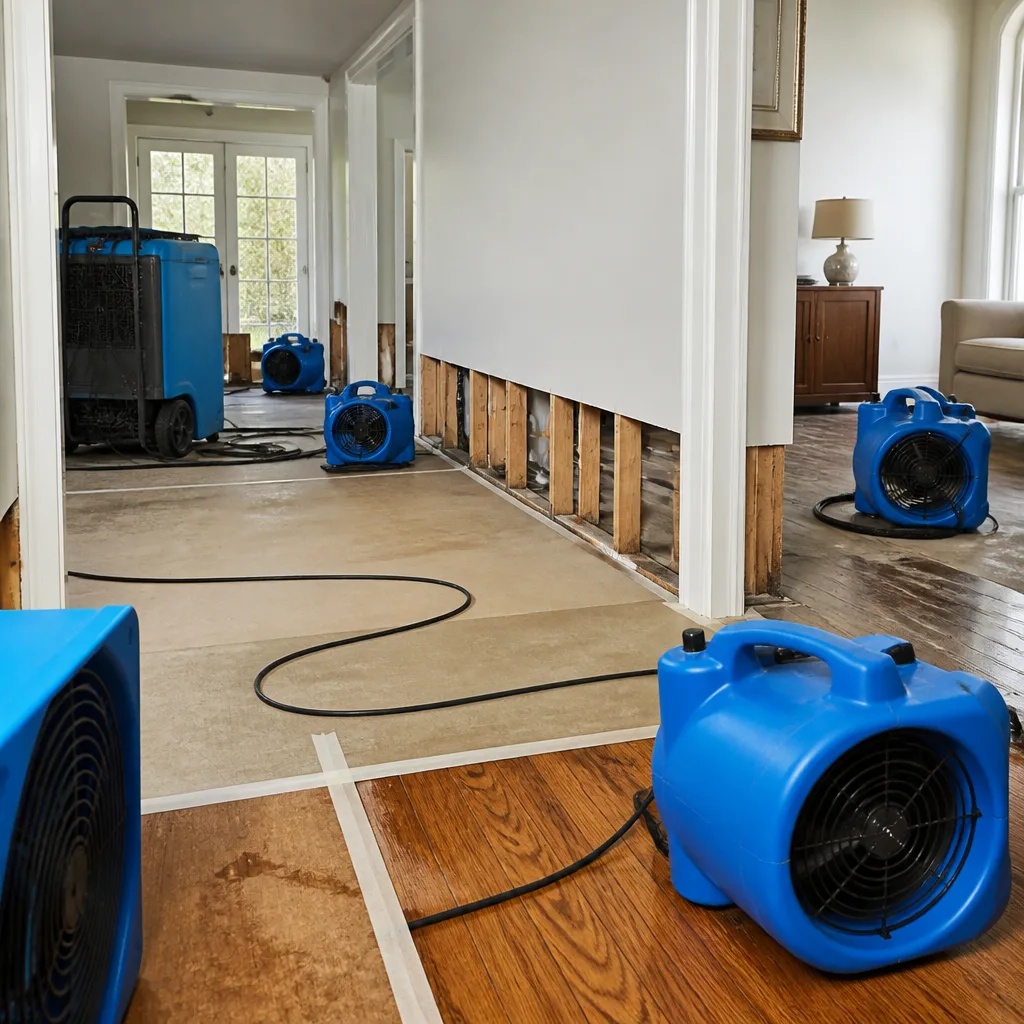
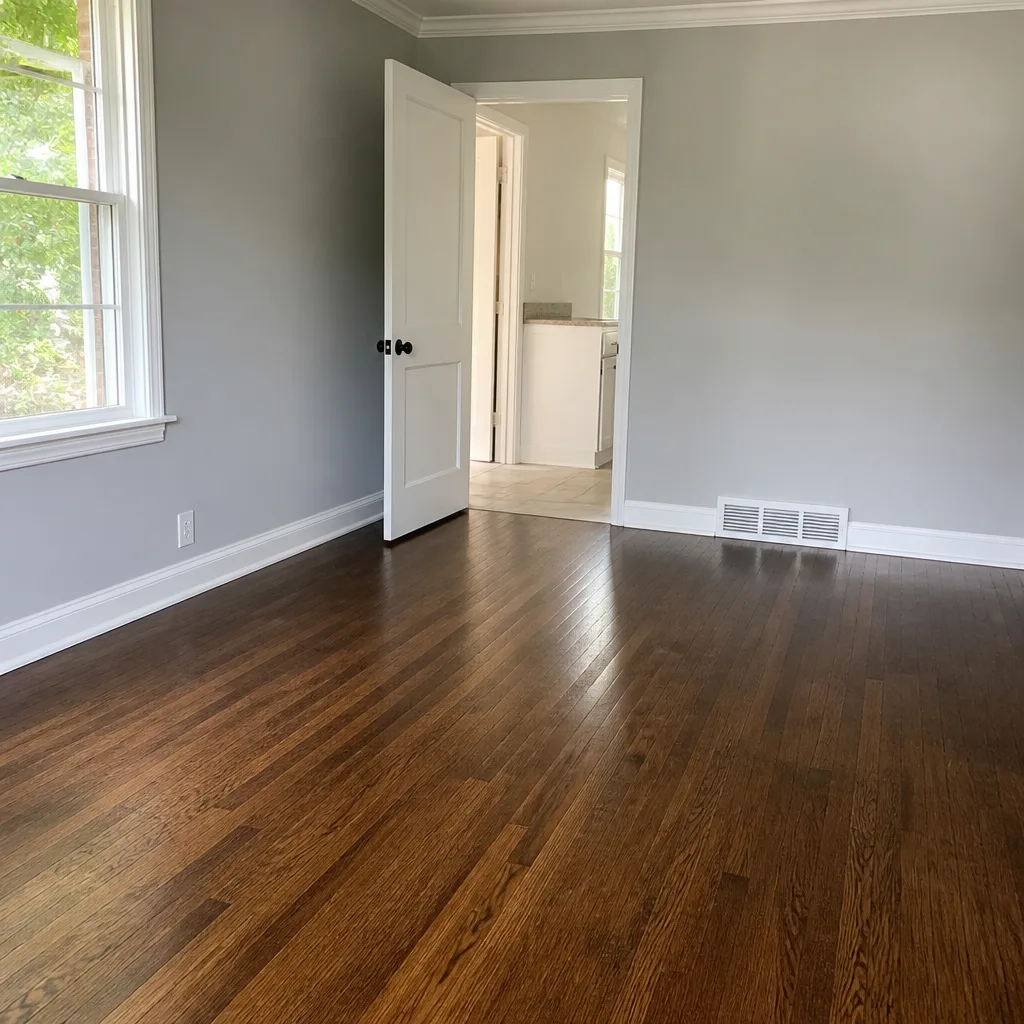
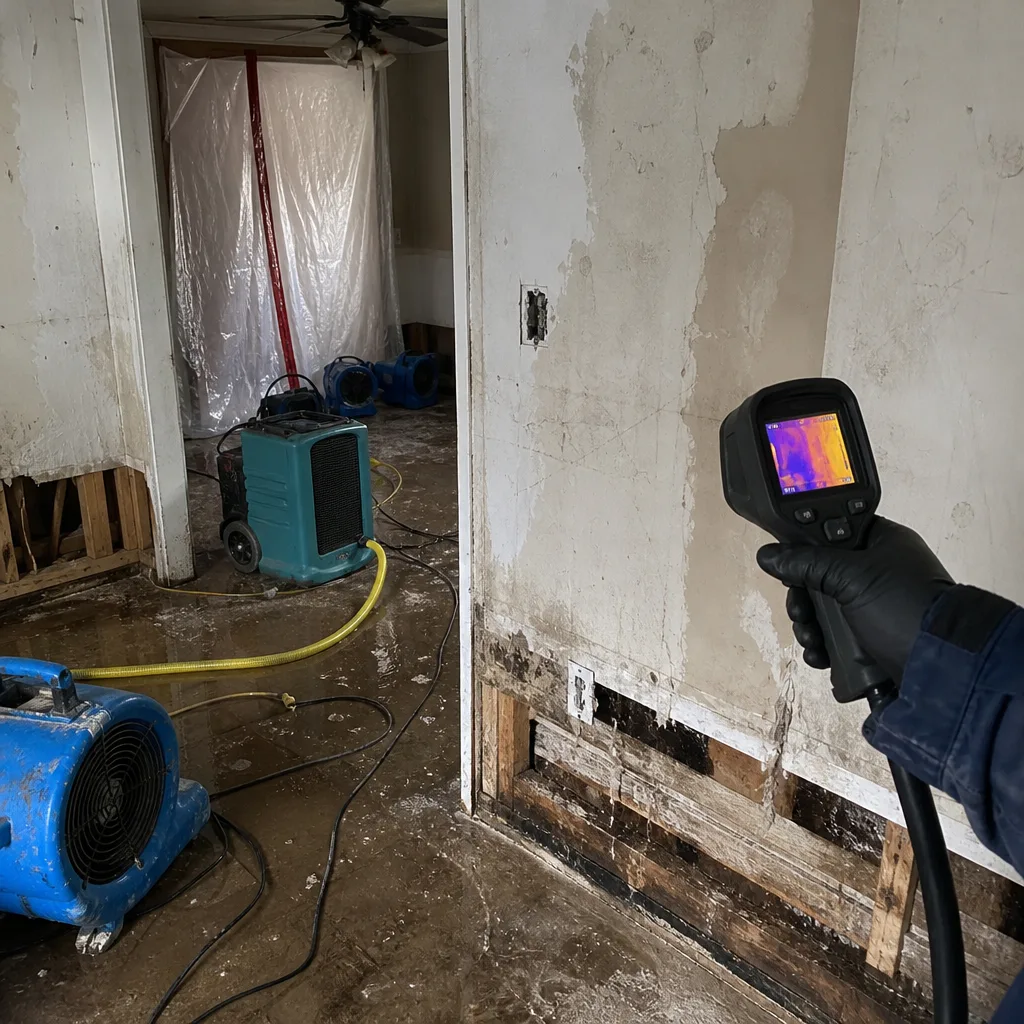 Before
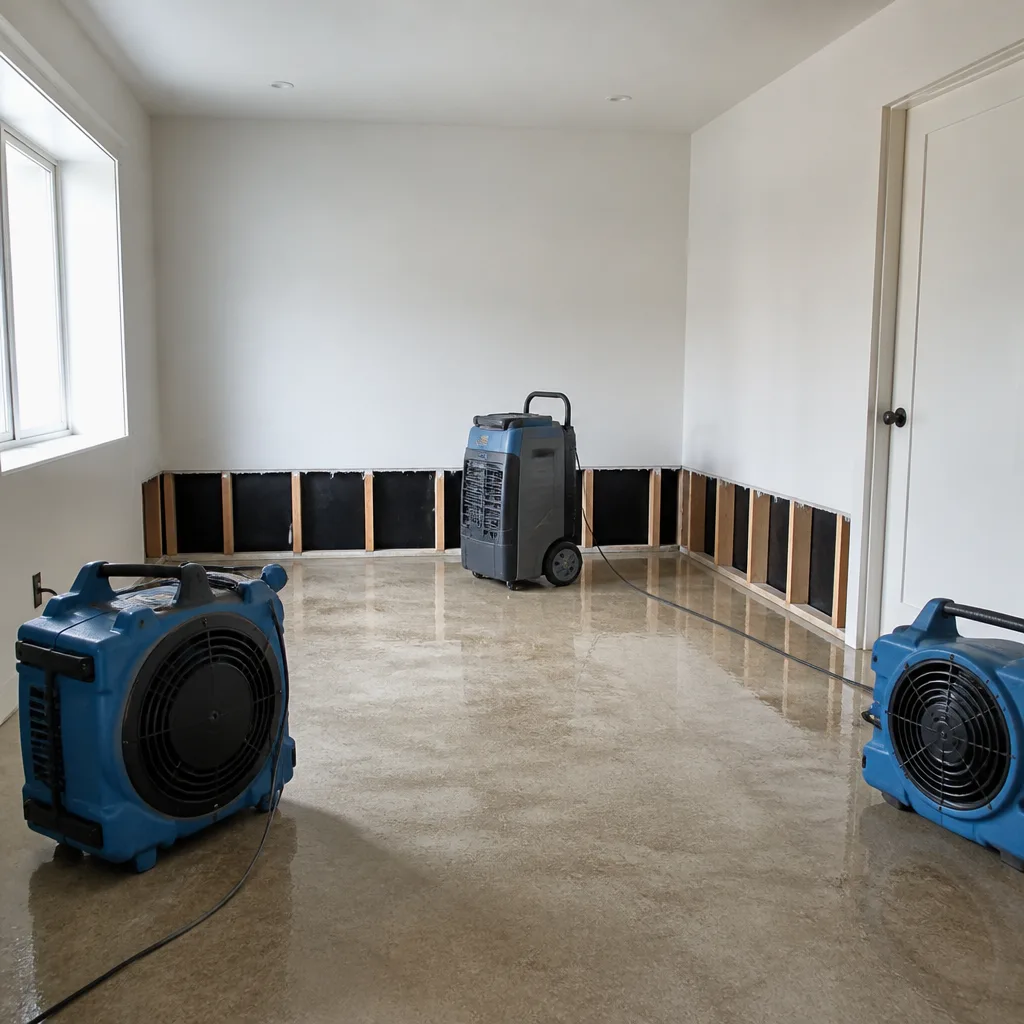 After
After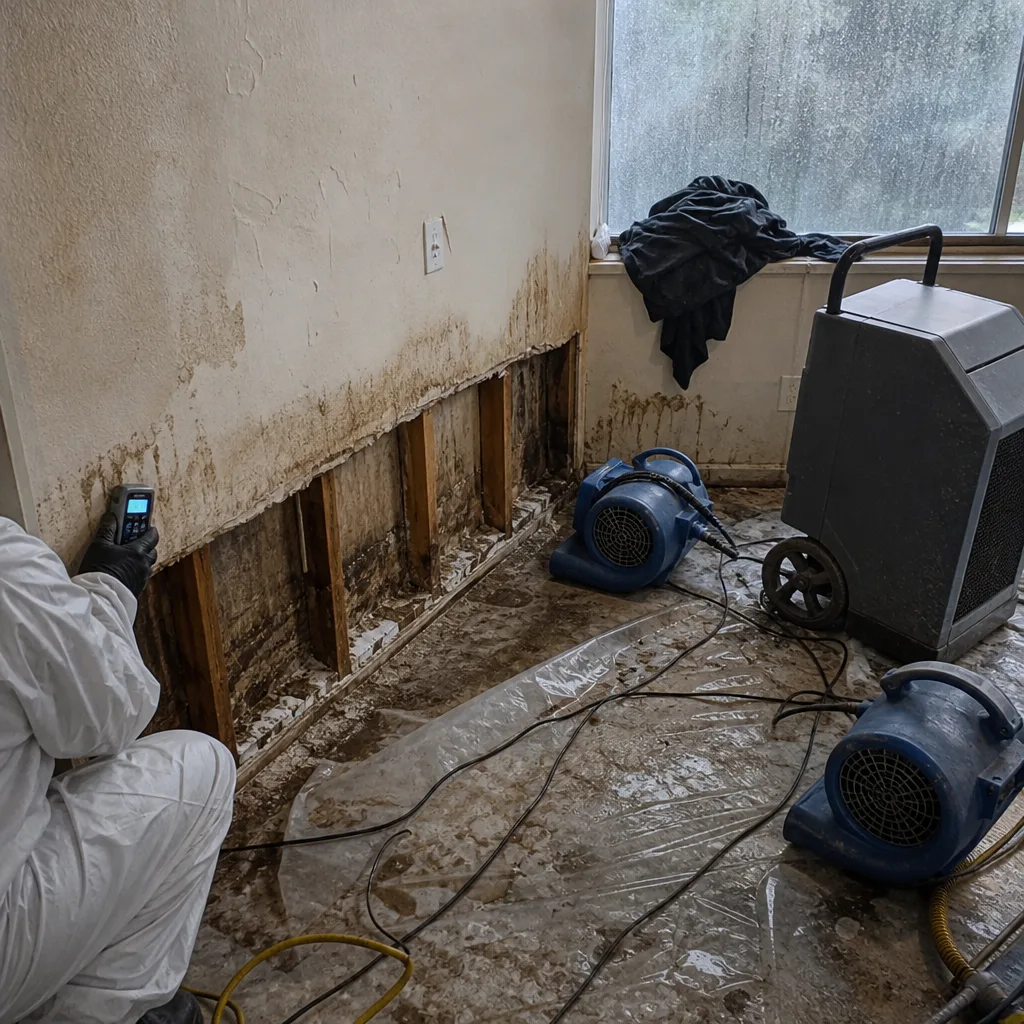 Before
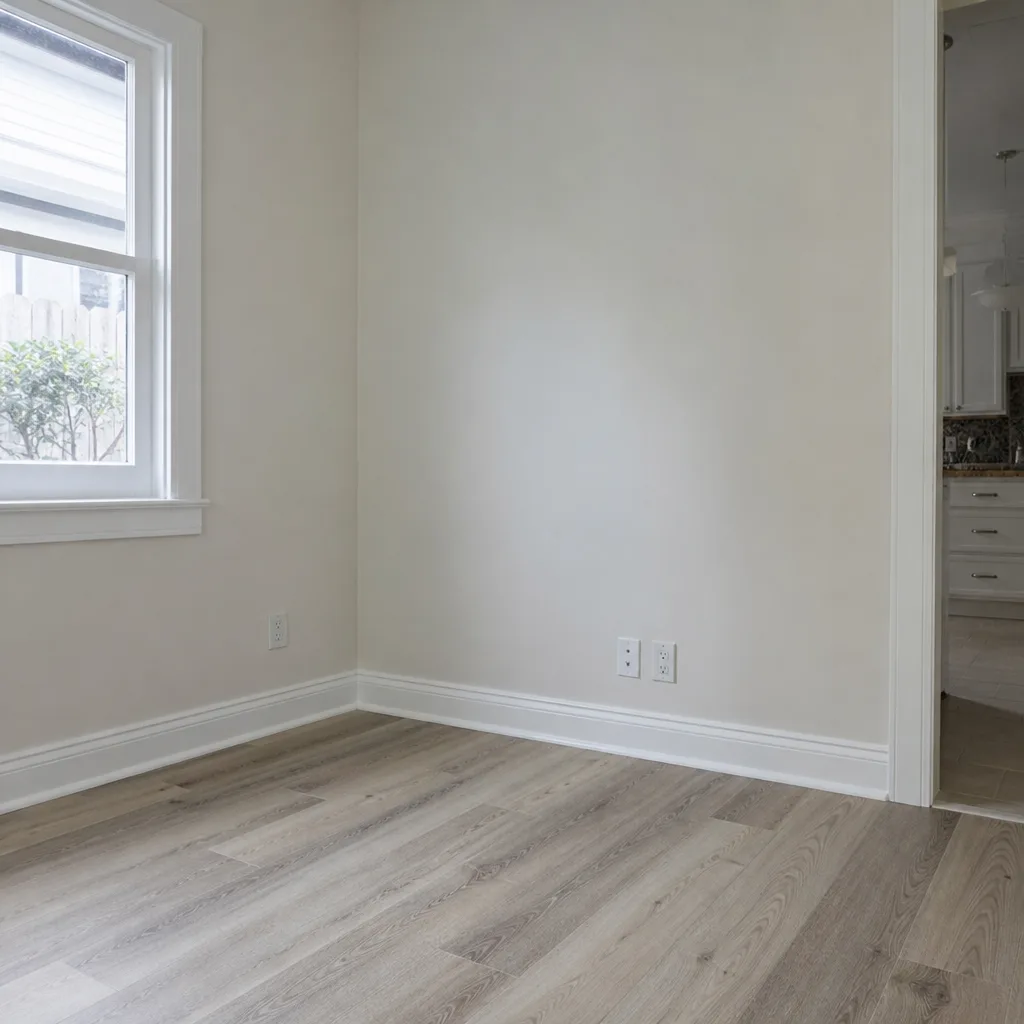 After
After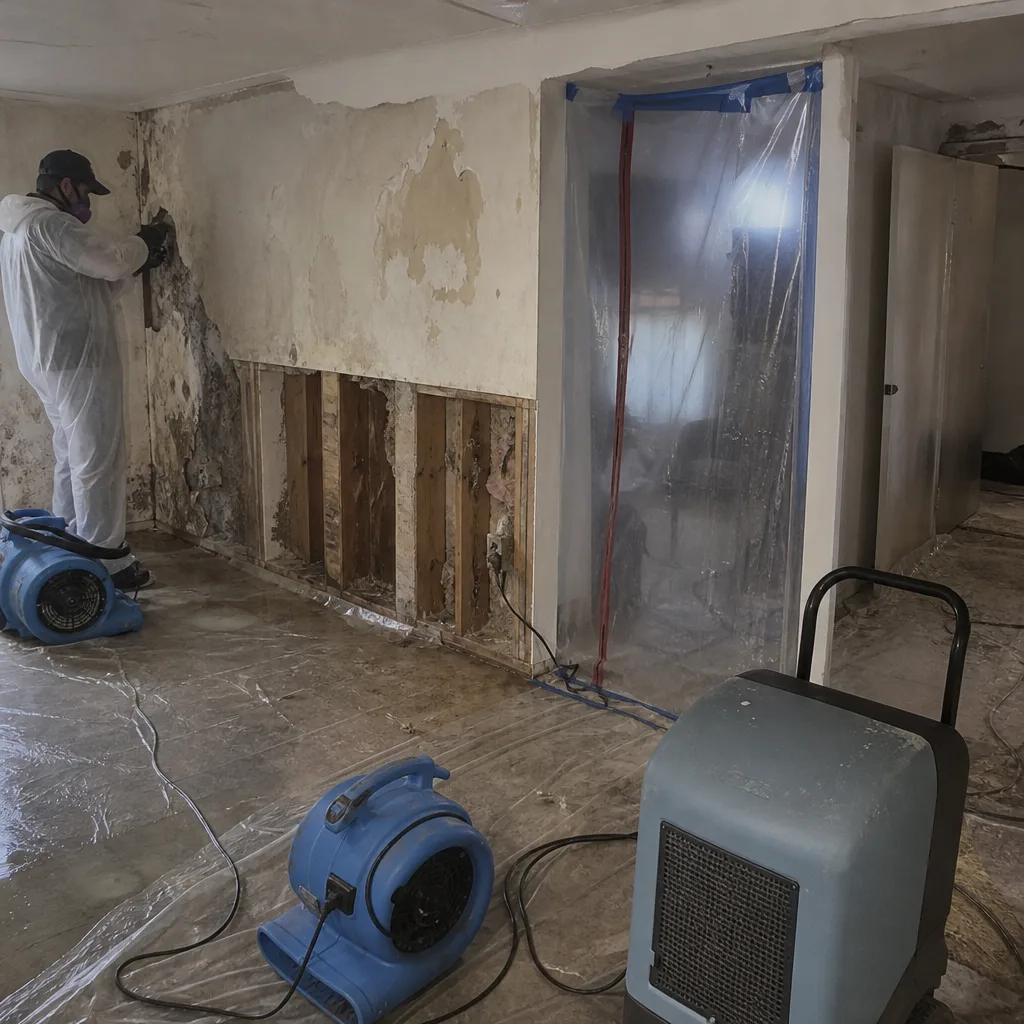 Before
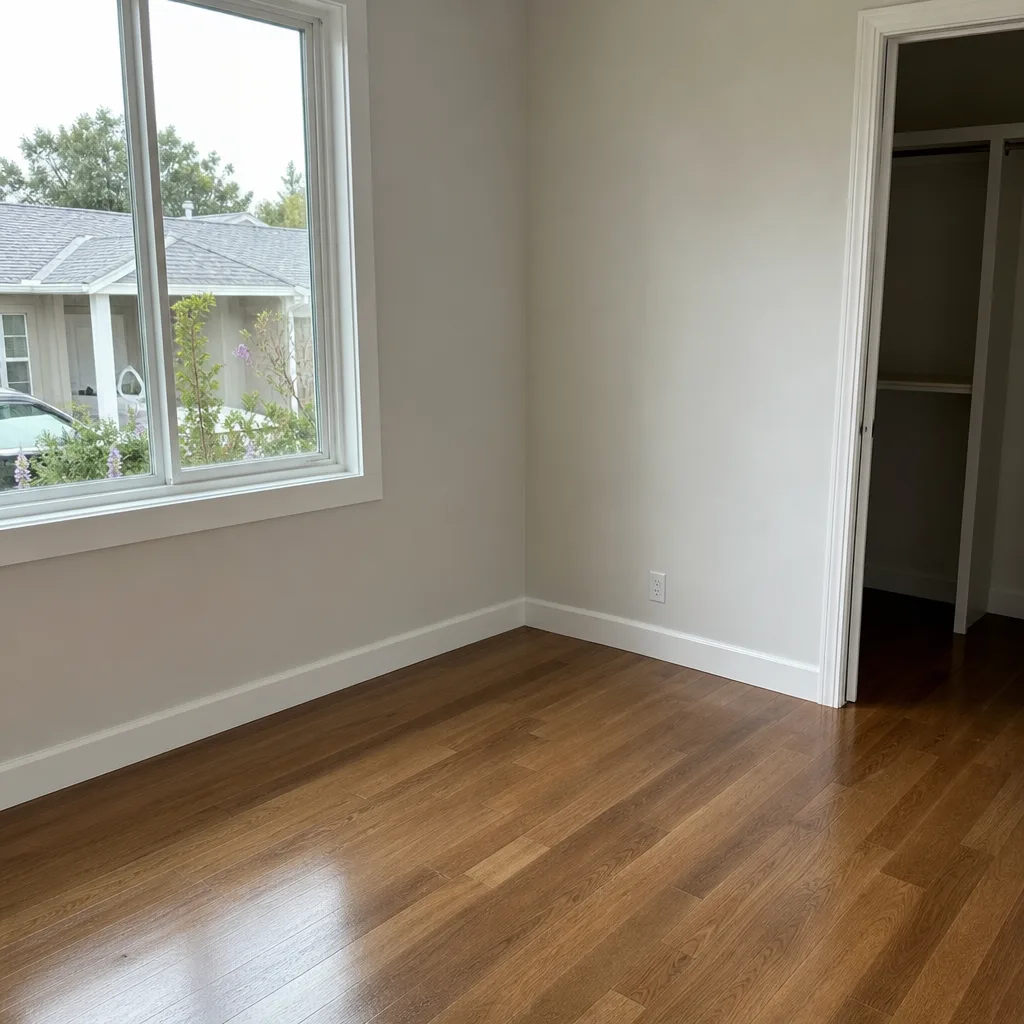 After
AfterDIY vs Professional Water Damage Restoration: What’s Safe to Do Yourself
Here’s something most Los Angeles homeowners don’t realize until it’s too late: you can legally pull up a wet area rug yourself, but you cannot legally remediate Category 3 sewage-contaminated water in California without following IICRC S500 protocols. Try to DIY it, and you may be forced to disclose that unpermitted work when you sell your home later, even if the damage looks “fine.” In this guide, we’ll break down exactly which water damage tasks have a hard ceiling on acceptable error, how California disclosure law applies to your situation, and where the line sits between saving money and creating a bigger problem. We’ve run our Water Damage Restoration services across Los Angeles since 2005, and the pattern is always the same: the homeowners who know the categories and the code requirements make better decisions in the first two hours, when every minute of standing water is actively destroying their property.
Quick Answer
You can safely handle Category 1 clean water on hard surfaces yourself if you act within 24 hours: move furniture, extract standing water with a wet/dry vacuum, and run air movers on the surface. Anything involving Category 2 gray water, Category 3 black water, water that has seeped into walls or subfloors, or any situation where you plan to file an insurance claim should go to an IICRC-certified professional. The reason isn’t skill, it’s documentation, legal compliance, and the fact that moisture you cannot see will destroy your structure from the inside out.
Table of Contents
- Understanding Water Categories: What You’re Actually Dealing With
- Safe DIY Actions You Can Start Immediately
- California Disclosure Laws and Why DIY Work Can Cloud Your Home Sale
- The Insurance Documentation Trap: How DIY Drying Can Sink Your Claim
- Professional Equipment vs. Rental Shop Gear: What the Difference Actually Costs You
- How to Evaluate a Restoration Estimate Like a Technician
- Common Mistakes to Avoid
- When to Call a Professional
- Frequently Asked Questions
- The Bottom Line
Understanding Water Categories: What You’re Actually Dealing With
Water damage restoration isn’t one problem. It’s three distinct problems, and the category determines everything: what’s safe to touch, what equipment you need, what PPE is required, and whether California law treats the remediation as a regulated activity.
Category 1: Clean Water
This is water from a broken supply line, overflowing sink, or rainwater that hasn’t picked up contaminants. It’s “clean” at the source, but it degrades fast. In Los Angeles, where daytime temperatures regularly hit 80°F even in shoulder seasons, Category 1 water can become Category 2 in as little as 24 hours. The microbial growth clock starts the moment water hits a surface.
Safe DIY ceiling: surface extraction on tile, concrete, or sealed hardwood; moving wet items to dry areas; running fans and dehumidifiers if you own them. Unsafe DIY: anything behind walls, under cabinets, or involving carpet pad, which acts like a sponge and traps moisture against subfloors.
Category 2: Gray Water
Dishwasher discharge, washing machine overflow, sump pump failures. Contains enough biological load to cause discomfort or sickness if contacted or ingested. The IICRC S500 standard requires antimicrobial treatment and controlled demolition of porous materials that can’t be dried within 72 hours.
Safe DIY ceiling: virtually none beyond stopping the source and calling for help. You can lay towels to prevent spread. That’s it. The antimicrobial step requires EPA-registered products applied at specific concentrations, and the drying protocol requires moisture mapping to verify that materials have returned to dry standard, which is typically below 16% moisture content for wood framing in Los Angeles’s coastal climate zones.
Category 3: Black Water
Sewage backup, seawater intrusion, rising floodwater from the Los Angeles River or any storm drain system. This is regulated remediation in California. IICRC S500 mandates full containment, negative air pressure, removal of all porous materials, and HEPA filtration. The California Health and Safety Code and local AHJ (Authority Having Jurisdiction) requirements apply. You cannot legally perform Category 3 remediation as an unlicensed homeowner and then sell the property without disclosure, because the work creates a health and safety record that survives in permit and disclosure databases.
We’ve responded to Category 3 losses in the San Fernando Valley where the homeowner attempted extraction with a Shop-Vac, then dried the carpet with box fans. Six months later, the musty smell wouldn’t leave. The carpet looked dry. The pad and subfloor were harboring bacteria at levels that required full gutting of the room. The DIY “savings” turned into a $14,000 rebuild instead of a $3,800 mitigation.
Safe DIY Actions You Can Start Immediately
There are exactly five things a homeowner can do safely before professional help arrives, and doing them correctly actually helps the crew rather than complicating the job.
- Stop the source. Turn off the supply line, the main shutoff, or the appliance. If you don’t know where your main shutoff is, find it now, before you need it. In Los Angeles, many 1950s-era homes in neighborhoods like Eagle Rock and Highland Park have original gate valves that seize if they haven’t been exercised. Test yours annually.
- Move furniture and valuables to a dry area. Aluminum foil or wood blocks under legs prevent stain transfer to wet carpet. Don’t move items into an undamaged room if that room shares HVAC with the wet area, you’ll spread moisture and microbes through the duct system.
- Extract standing water from hard surfaces only. A wet/dry vacuum works on tile, concrete, sealed stone, or vinyl plank. Do not attempt extraction from carpet unless you own a carpet extractor with adequate lift, a standard wet/dry vac will leave the pad saturated and create a worse environment than if you’d done nothing.
- Remove wet fabrics and hang them to dry. Curtains, throw pillows, area rugs without rubber backing. These are salvageable if dried within 24-48 hours. Rubber-backed rugs and anything with foam core, discard. The foam traps moisture and grows mold faster than any other household material.
- Document everything with photos and video. Capture the water line on walls, the source, the spread pattern, and every item you move or discard. This isn’t for social media. It’s for your insurance adjuster, and it establishes the pre-mitigation condition that professionals will later verify with moisture meters and thermal imaging.
What not to do: don’t cut open walls, don’t remove baseboards unless they’re already floating loose, don’t apply bleach to porous materials (it destroys cellulose fibers and leaves behind water that feeds mold), and don’t run your household HVAC in recirculation mode, it distributes moisture and spores throughout the structure.
California Disclosure Laws and Why DIY Work Can Cloud Your Home Sale
This is the section most water damage guides skip entirely, and it’s the one that costs Los Angeles homeowners the most money five years later.
California Civil Code Section 1102 requires sellers to disclose material facts affecting the value or desirability of residential property. Water damage that required structural drying, mold remediation, or replacement of building materials qualifies. The Keegan Water Damage Restoration home team has reviewed hundreds of disclosure packets during real estate transactions, and the pattern is consistent: improperly documented DIY water mitigation creates a red flag that buyers’ inspectors flag, that lenders question, and that can delay or kill a sale.
Here’s how it plays out. A homeowner in Silver Lake has a washing machine overflow in 2022. They extract the water themselves, run fans for three days, replace the carpet, and move on. In 2026, they list the home. The buyer’s inspector finds moisture staining on the baseplate, elevated moisture readings in the wall cavity, or a musty odor that suggests prior water intrusion. The seller’s disclosure says “previous water damage, self-repaired.” The buyer demands a mold inspection. The mold inspection finds elevated spore counts in the wall cavity. Now the seller is paying for emergency mold remediation, a structural drying protocol, and possibly a price reduction, all because the original work wasn’t documented to IICRC standards with dry-standard verification. For related guidance, see our Fire Damage Restoration Maintenance Schedule: What to Do and When.
Professional mitigation creates a paper trail: moisture logs, psychrometric readings, equipment placement diagrams, and a certificate of dry standard. That documentation satisfies disclosure requirements and protects your future sale. DIY work, no matter how competent, creates a gap that buyers and their agents will exploit.
In Los Angeles’s competitive real estate market, where even modest homes in neighborhoods like Atwater Village or Culver City attract multiple offers, any disclosure irregularity becomes leverage for the buyer. The $2,000 you “saved” on professional drying becomes a $15,000 concession at closing.
The Insurance Documentation Trap: How DIY Drying Can Sink Your Claim
Insurance carriers don’t deny water damage claims because you tried to help. They deny claims because your DIY attempt destroyed the evidence they need to verify the loss.
Here’s the sequence that trips homeowners. Water event occurs. Homeowner extracts water, runs fans, assumes the problem is solved. Three weeks later, mold appears. Homeowner files a claim. The carrier sends an adjuster. The adjuster finds no standing water, no visible moisture, and no professional documentation of the original loss. The carrier concludes that the mold resulted from long-term maintenance neglect, not a sudden and accidental discharge, and denies the claim under the policy’s mold exclusion or maintenance clause.
The critical element is “sudden and accidental.” Water damage coverage requires proof that the loss was sudden, that mitigation was attempted promptly, and that the resulting damage was a direct result of the covered peril. Professional restoration crews document all three elements in real time. We photograph the source, moisture-map the affected areas, establish a drying goal based on regional standards for Los Angeles’s climate, and provide daily logs until dry standard is achieved. That documentation package is formatted specifically for adjuster review and supports direct billing to the carrier.
If you’ve already begun DIY extraction, stop and call before you alter the scene further. We can document what you’ve done, establish the remaining moisture load, and create a scope of work that the carrier will recognize. But if you’ve already removed wet materials, discarded the carpet, and run dehumidifiers until the air feels dry, you’ve eliminated the data points that prove your loss was real and required professional intervention.
One more Los Angeles-specific factor: many homeowners in the area carry earthquake policies with separate water damage riders. The documentation requirements for these riders are even stricter than standard HO-3 policies, because carriers treat water damage in seismically active zones as a higher moral hazard. Professional documentation isn’t just helpful here, it’s often the difference between coverage and denial.
Professional Equipment vs. Rental Shop Gear: What the Difference Actually Costs You
The rental shop at the big box store will sell you carpet fans and a dehumidifier for $89 per day. What they won’t explain is the performance gap between that equipment and what an IICRC-certified crew deploys.
Air movement: Rental fans move air at roughly 1,600 CFM (cubic feet per minute). Our B-Air and XPOWER axial air movers pull 2,400-3,200 CFM and are positioned using Injectidry systems to direct airflow into wall cavities and under cabinets. The difference isn’t speed, it’s reach. Surface drying with rental equipment leaves a moisture gradient, wet at the bottom, dry at the top, that creates the exact conditions for mold growth.
Dehumidification: Standard rental dehumidifiers remove 50-70 pints per day at 80°F, 60% RH. Our Phoenix and Dri-Eaz LGR (low-grain refrigerant) units remove 130-170 pints per day at the same conditions, and continue extracting efficiently as humidity drops. This matters because drying isn’t done when the air feels dry. It’s done when the materials reach their specific dry standard, which for gypsum drywall in Los Angeles is typically 0.75% moisture content by weight above the ambient equilibrium.
Detection: We use penetrating moisture meters, thermal imaging, and thermo-hygrometers to map the moisture envelope. Rental shops don’t rent these, because misuse causes liability. Without them, you’re guessing. We’ve torn out perfectly good drywall because a homeowner was sure it was wet, and we’ve found saturated insulation behind apparently dry walls because the homeowner was sure it was fine. The equipment cost of guessing wrong is always higher than the cost of professional detection.
Containment: For Category 2 and 3 losses, we build polyethylene containment barriers and run negative air machines with HEPA filtration. No rental shop provides this. Without it, contaminated particles migrate to unaffected areas through the HVAC system and natural pressure differentials.
The math: rental equipment for a week runs $600-900. Professional mitigation for the same loss runs $2,500-4,500. But the rental equipment, used without detection and containment, has a significant probability of leaving hidden moisture that causes $8,000-15,000 in secondary damage. The professional job includes documentation that supports insurance coverage. The rental job does not. Check our Fire Damage Restoration Troubleshooting: Common Problems and How to Fix Them for additional restoration insights.
How to Evaluate a Restoration Estimate Like a Technician
Not every estimate that looks professional is. Here’s how to read the document and know whether you’re paying for disciplined work or for a crew that will move the price at the door.
Line-item scope, not lump sum. A legitimate estimate breaks out extraction, demolition, equipment, monitoring, and reconstruction separately. Each line includes quantities, unit prices, and extended totals. Lump-sum estimates with vague descriptions like “dry out affected areas” are a warning sign. At Water Damage Restoration in Los Angeles, every Keegan estimate follows The Garrison Standard: written price before work starts, with no movement at the door.
Daily monitoring included. Drying is a dynamic process. Psychrometric conditions change as materials release moisture. The estimate should include daily technician visits to reposition equipment, record readings, and adjust the drying plan. Any estimate that assumes “set it and forget it” for three days is written by someone who doesn’t understand building science.
Dry standard verification. The estimate should specify how the crew determines that drying is complete. Typically this means moisture readings within 3-4 percentage points of a dry reference reading taken from an unaffected area of the same structure. Without this benchmark, “dry” is subjective.
Antimicrobial application with EPA registration numbers. For Category 2 and 3 losses, the estimate should specify the product, its EPA registration, and the application method. Vague references to “disinfectant” or “sanitizer” suggest the crew is using whatever’s cheapest, possibly including products not rated for the contamination level present.
Reconstruction scope or explicit exclusion. Some restoration companies mitigate and rebuild. Others mitigate and leave. The estimate should be clear about where mitigation ends and whether reconstruction is included, priced separately, or referred to a third party. At Keegan, we scope reconstruction in writing before any rebuild begins, with the same upfront pricing discipline.
Guarantee terms in writing. The estimate should reference a guarantee period and what it covers. Our 365-Day Done Right Promise is printed on every Keegan estimate: if the repair fails within one year, we return and make it right at no charge, with a free second visit included. No guarantee, or a verbal “we stand behind our work,” is not equivalent.
Red flags: estimates that require a deposit before you see the scope, estimates that change when the crew arrives, estimates that don’t reference industry standards (IICRC, RIA, or IFA), and estimates that pressure you to sign immediately because “the price goes up if we have to come back tomorrow.”
Common Mistakes to Avoid
- Using bleach on porous materials. Bleach is 90% water. It discolors the surface, destroys cellulose fibers, and leaves behind moisture that feeds mold deep in the material. On concrete or tile, it’s ineffective against the biofilm that forms after water damage. Use antimicrobial products rated for the specific contamination category, or leave it to professionals.
- Drying carpet without removing the pad. Carpet pad is a sponge with a plastic vapor barrier on one side. It holds 2-3 times its weight in water and cannot be effectively dried from above. In Los Angeles’s warm climate, wet pad grows mold in 48-72 hours. The correct protocol is pad removal with carpet salvage attempted only if extraction begins within 24 hours.
- Running household HVAC during active water damage. Your duct system becomes a distribution network for moisture and microbes. Turn the system off at the thermostat and at the breaker. If the loss involves Category 2 or 3 water, the ductwork may require professional cleaning before the system restarts.
- Assuming tile or vinyl is “fine” because it’s hard surface. Water migrates through grout joints, perimeter gaps, and the subfloor seams that exist in every installation. We’ve found saturated OSB subfloors under apparently dry porcelain tile in homes from Pasadena to Torrance. The tile is fine. The structure beneath it is not.
- Waiting for insurance approval before starting mitigation. Every major carrier allows for emergency mitigation without pre-authorization. The duty to mitigate damages is in your policy. Document everything, keep receipts, and submit with your claim. Waiting 72 hours for adjuster approval turns a $3,000 extraction job into an $11,000 mold remediation.
- Discarding damaged materials before documentation. Your insurance claim requires proof of loss. That waterlogged baseboard is evidence. Photograph it in place, photograph it with a moisture meter reading, then remove it. The adjuster cannot verify your scope if you’ve already cleared the scene.
- Hiring a general contractor instead of a restoration specialist for the mitigation phase. General contractors build. Restoration technicians dry, document, and control microbial growth. These are different skill sets with different equipment and different insurance documentation requirements. A GC who offers to “handle the water damage too” is often learning on your job.
When to Call a Professional
Call immediately if: the water involves sewage, chemicals, or any source you can’t identify; the water has been standing more than 24 hours; the water has touched drywall, insulation, or any structural component; you smell mustiness or see any discoloration; you plan to file an insurance claim; or the affected area exceeds roughly 10 square feet of combined surface.
Los Angeles homeowners face additional urgency factors. Our Mediterranean climate means dry summers and concentrated winter rains. January storms can overwhelm drainage in hillside neighborhoods from the Hollywood Hills to Pacific Palisades, creating Category 3 losses from combined sewer overflow. Summer heat accelerates microbial growth in any hidden moisture. The seasonal pattern means restoration crews are often scheduled solid during peak demand, and the homeowners who call first get the fastest response.
Fire Damage Restoration in Los Angeles and Mold Remediation in Los Angeles are governed by the same principles: document first, mitigate fast, and never let a contractor start work without a written scope and price. Keegan Water Damage Restoration offers free estimates throughout Los Angeles. A live person answers every call, 24 hours a day, 7 days a week, including nights, weekends, and holidays. Call (361) 317-7269 and we’ll dispatch background-checked, uniformed technicians who work to The Garrison Standard: written price before work starts, professional-grade equipment from Dri-Eaz, Phoenix, XPOWER, B-Air, and Injectidry, and a full year of protection under our 365-Day Done Right Promise.
Frequently Asked Questions
Most residential water mitigation jobs in Los Angeles range from $2,200 for a contained clean-water extraction to $7,500 for a Category 2 loss with wall cavity drying and antimicrobial treatment. Category 3 sewage losses with full containment and reconstruction typically start at $8,000 and can exceed $20,000 for whole-house flooding. The exact cost depends on the water category, square footage affected, and whether demolition and reconstruction are included. Call (361) 317-7269 for a free written estimate with no price movement at the door.
Yes, if the damage resulted from a sudden and accidental discharge, like a burst pipe or appliance failure. Long-term leaks, gradual seepage, and flooding from outside the structure typically are not covered under standard HO-3 policies in California. Flood insurance is a separate product through the NFIP or private carriers. The key to coverage is documentation: photograph everything, mitigate promptly to prevent further damage, and keep all receipts. Professional restoration crews format documentation specifically for adjuster review and can coordinate direct billing with most major carriers. Explore more guides & resources on our blog.
Response time varies by demand and location, but Keegan Water Damage Restoration answers every call with a live person, 24/7, and dispatches from a local location. During major storm events, priority goes to Category 3 losses and occupied homes with vulnerable residents. The most important factor is your call timing: every hour of standing water increases the mitigation cost and the probability of secondary mold damage. If you’re unsure whether your situation qualifies for emergency dispatch, call (361) 317-7269 and we’ll assess over the phone.
For Category 1 losses under 100 square feet, usually not. For Category 2 or 3 losses, or any loss requiring extensive demolition, temporary relocation is often necessary and may be covered under your policy’s additional living expenses provision. Containment barriers, equipment noise, and the need to de-energize portions of the electrical system make occupied mitigation impractical in many cases. Your restoration contractor should discuss this during the initial scope and document any relocation recommendation for your adjuster.
Touch is not a reliable indicator. Drywall can feel dry at the surface while maintaining 30% moisture content in the core, well above the 0.75% above equilibrium that defines dry standard in Los Angeles’s climate. Professional crews verify dryness with penetrating moisture meters that read at depth, thermo-hygrometers that measure relative humidity in wall cavities, and thermal imaging that reveals evaporative cooling patterns indicating hidden moisture. Without these tools, you’re guessing, and guessing wrong means mold growth in 30-90 days.
You’ll likely face a denied insurance claim for the mold remediation, because the carrier will classify it as resulting from your failure to mitigate properly or from long-term maintenance neglect. You’ll pay for mold remediation out of pocket, which in Los Angeles typically runs $15-30 per square foot for contained remediation and $40-60 per square foot for whole-house treatment with HVAC decontamination. You’ll also face California disclosure obligations when you sell, and the mold history, even if remediated, may trigger buyer inspection demands and price negotiations. The cost of improper DIY almost always exceeds the cost of professional mitigation.
The Bottom Line
The DIY-versus-professional question in water damage isn’t about whether you’re handy. It’s about which tasks have a hard ceiling on acceptable error, and that ceiling is determined by the water category, the materials affected, and your legal and financial exposure. Surface extraction of Category 1 clean water on hard floors? Safe to handle yourself, if you act fast and document everything. Anything involving gray water, black water, wall cavities, subfloors, insurance claims, or California disclosure obligations? The risk of hidden moisture, denied claims, and future liability far exceeds any perceived savings.
At Keegan Water Damage Restoration, we’ve been part of the Garrison Partners family since 2005, serving Los Angeles homeowners with the same discipline on every job: show up inside the window, price in writing before work starts, do it by the book, leave the site clean, and stand behind the work for a full year. That’s The Garrison Code, and it’s how we’ve built a reputation in a market where too many contractors do the opposite.
If you’re facing water damage now, or if you’re reading this to prepare for the possibility, save our number: (361) 317-7269. A live person answers every call, 24/7, and we’ll give you a free written estimate with no pressure and no price movement at the door. The call costs nothing. The information costs nothing. The peace of mind that comes from knowing exactly what you’re dealing with, that’s worth everything when water is actively destroying your home.
Written by Shane Pruitt, Owner at Keegan Water Damage Restoration, serving Los Angeles since 2005.