
Last updated October 11, 2026
Free visual inspection and a written scope of work before any mitigation begins - photos, moisture readings, and drying logs go in your claim file
The scope we write is the scope we bill. Anything new gets shown to you, in writing, before we touch it.
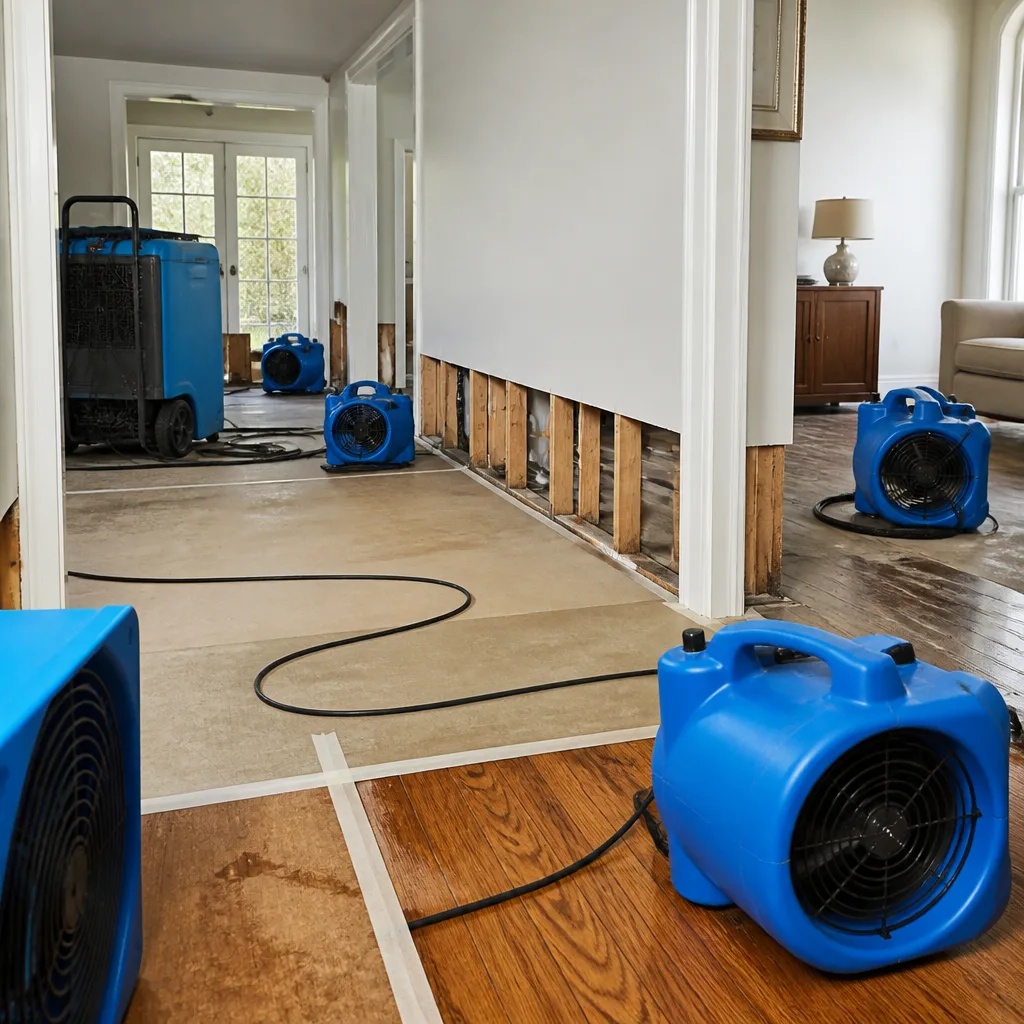
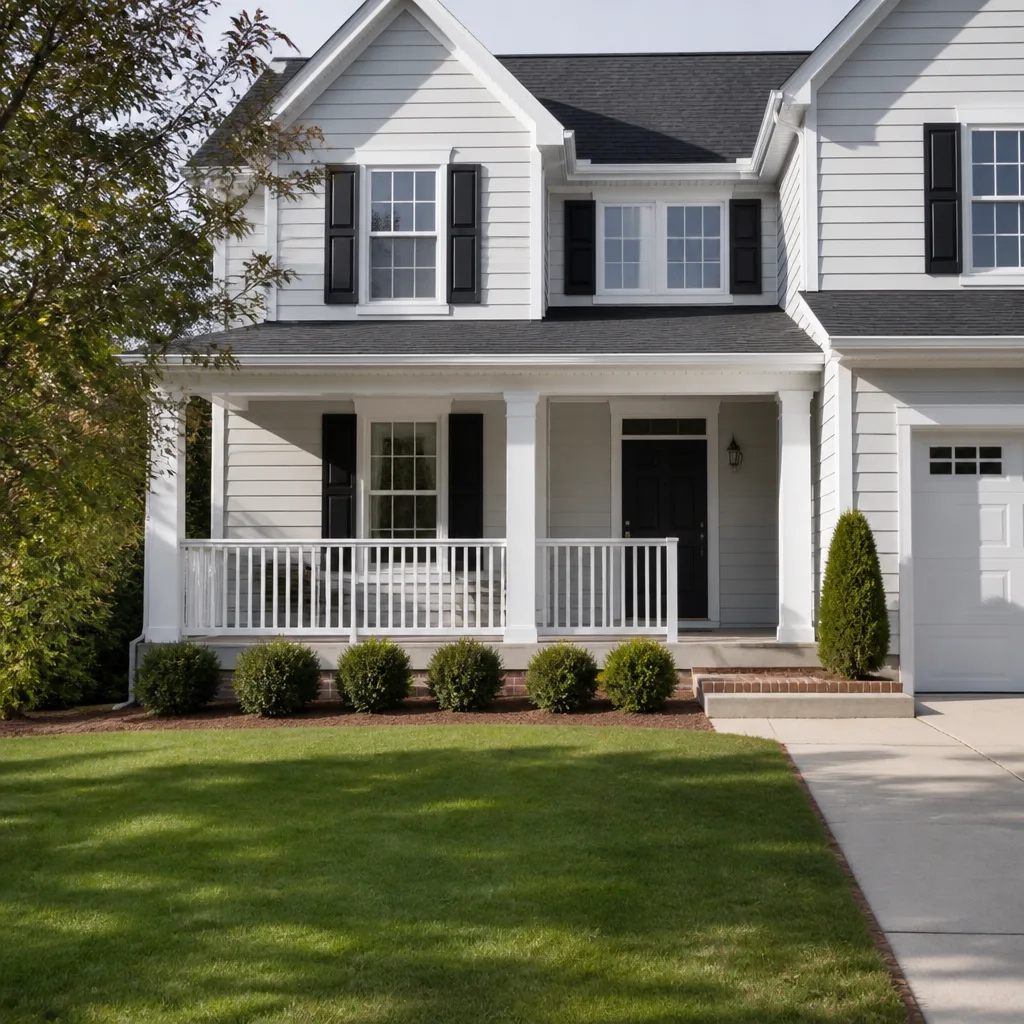
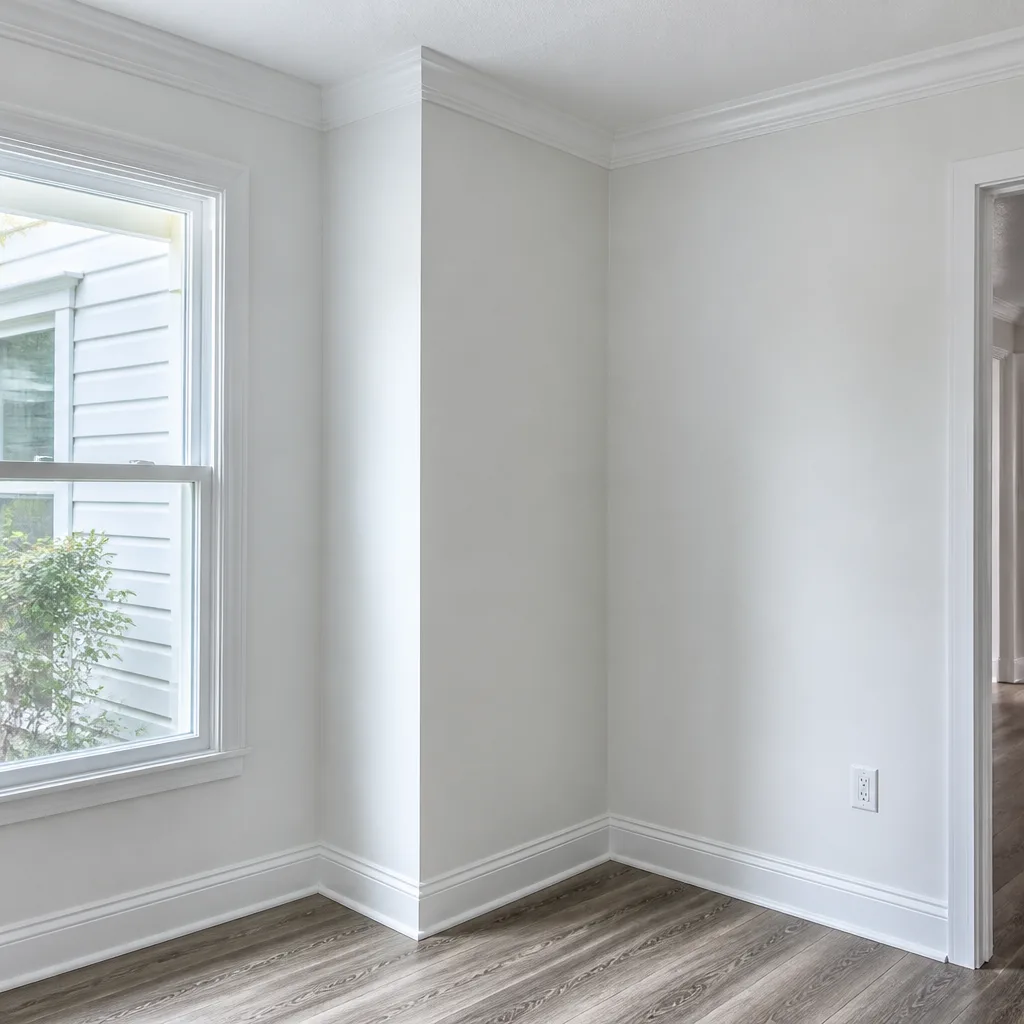
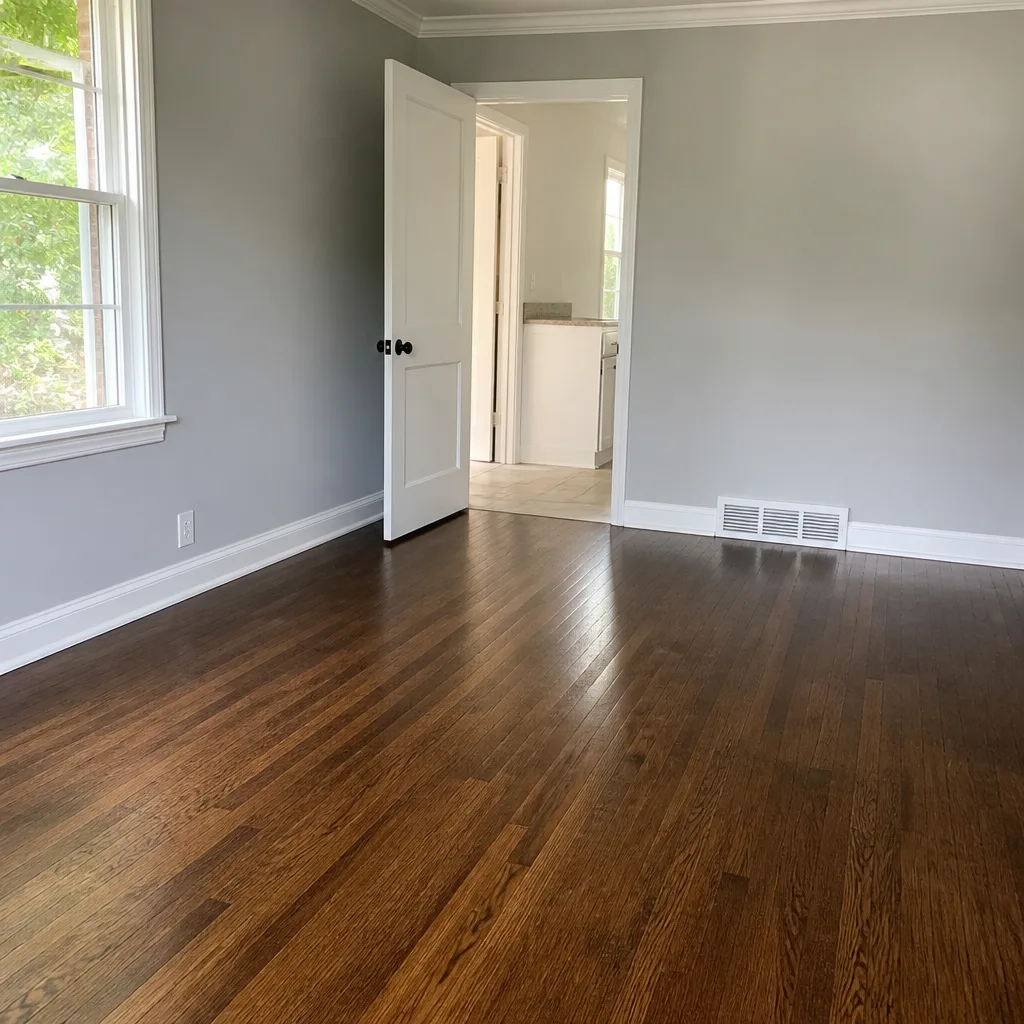
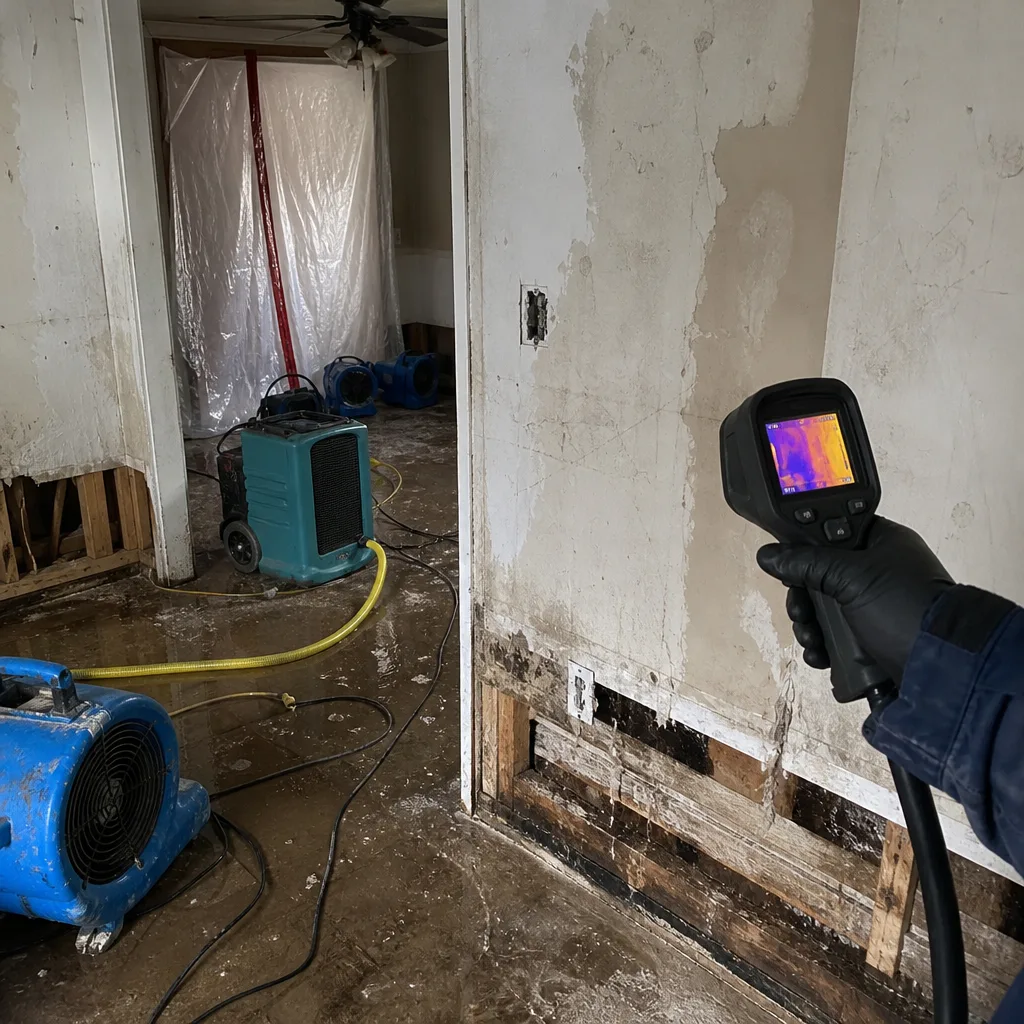 Before
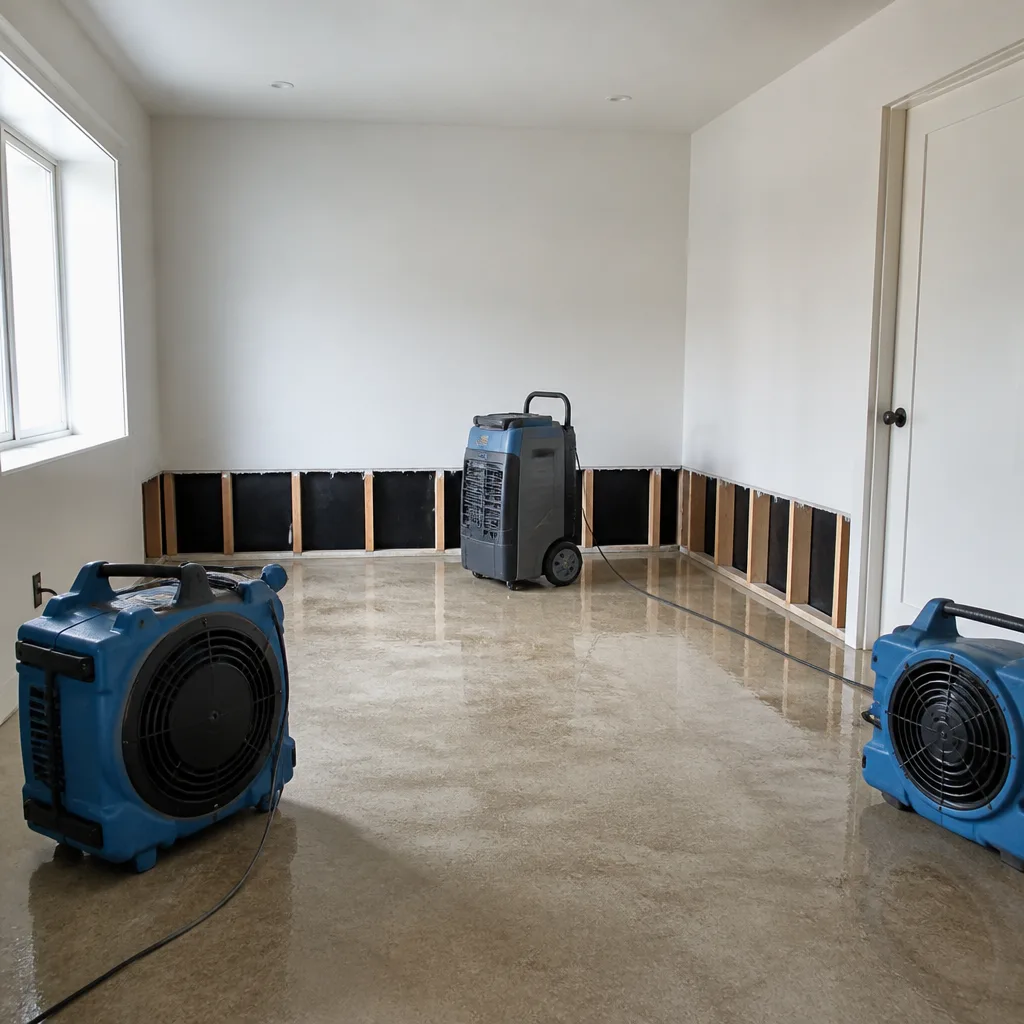 After
After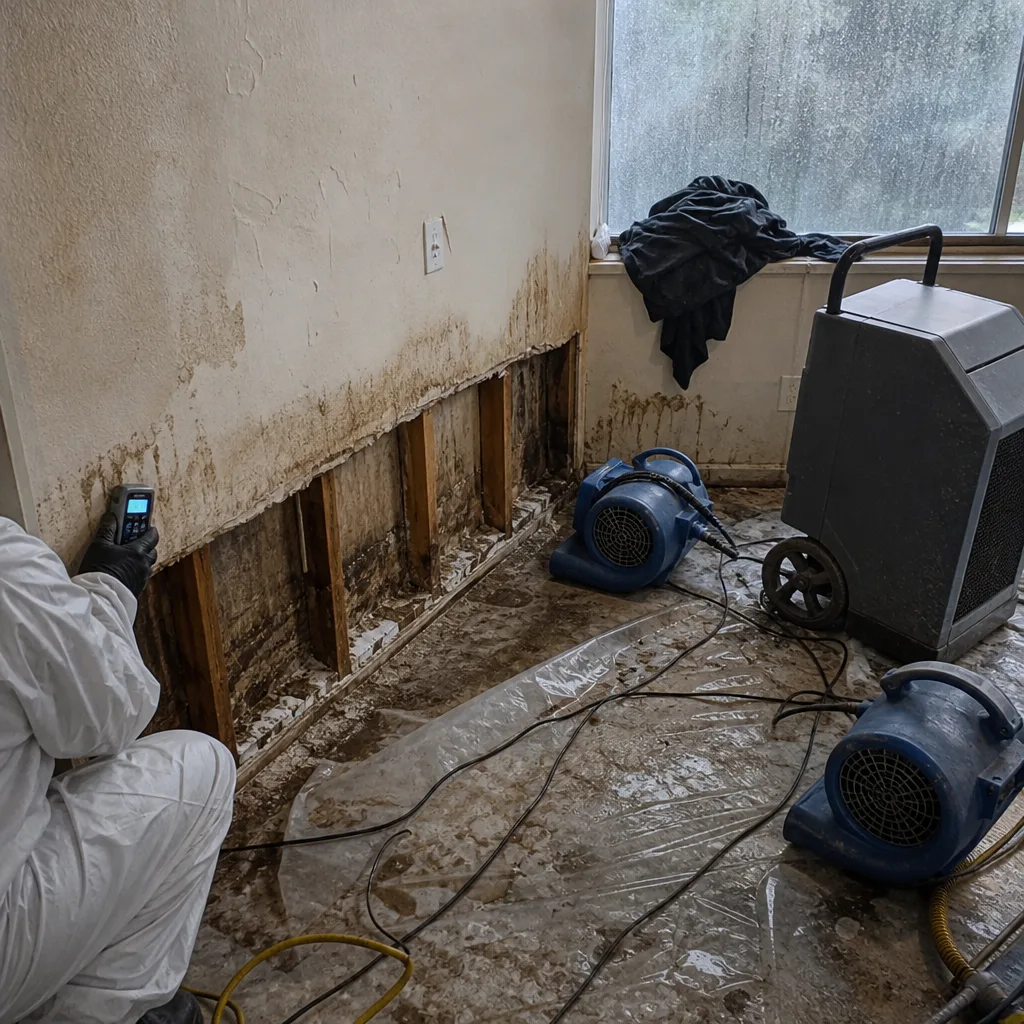 Before
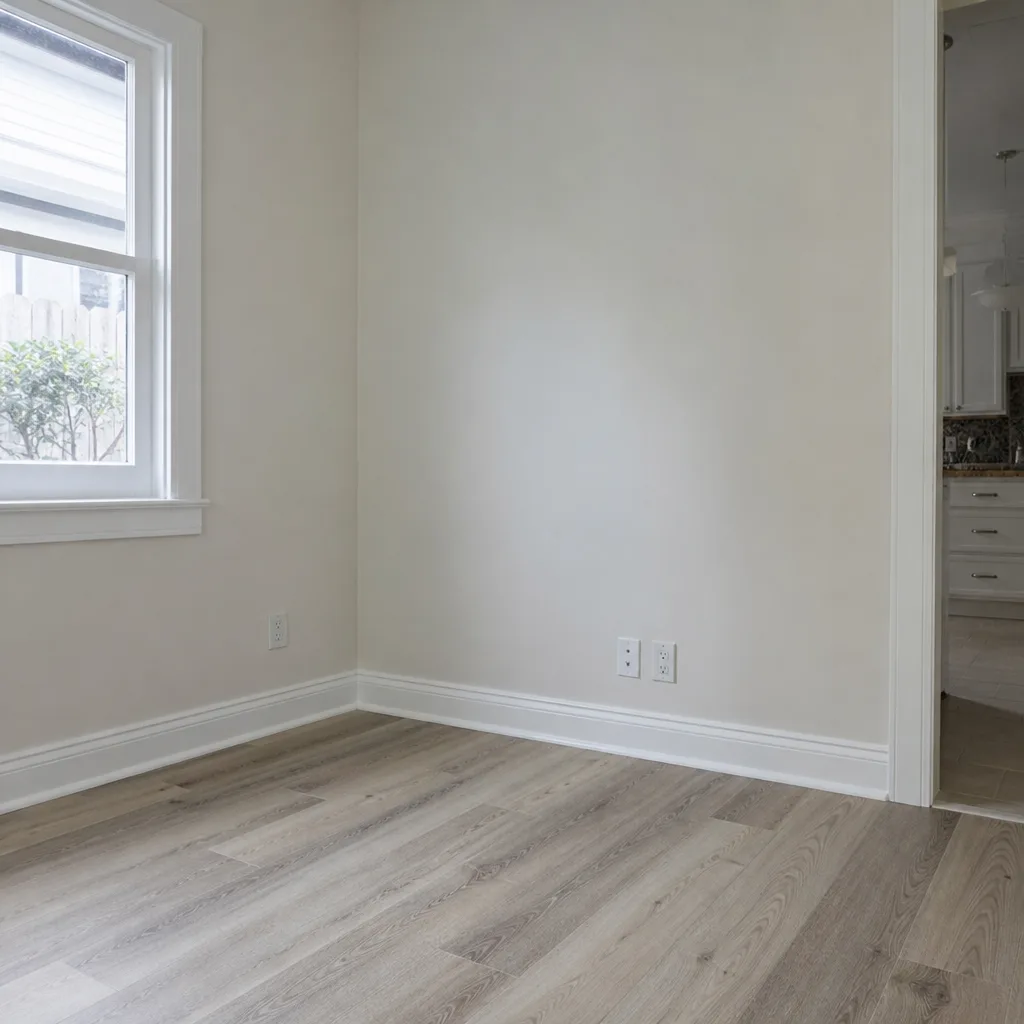 After
After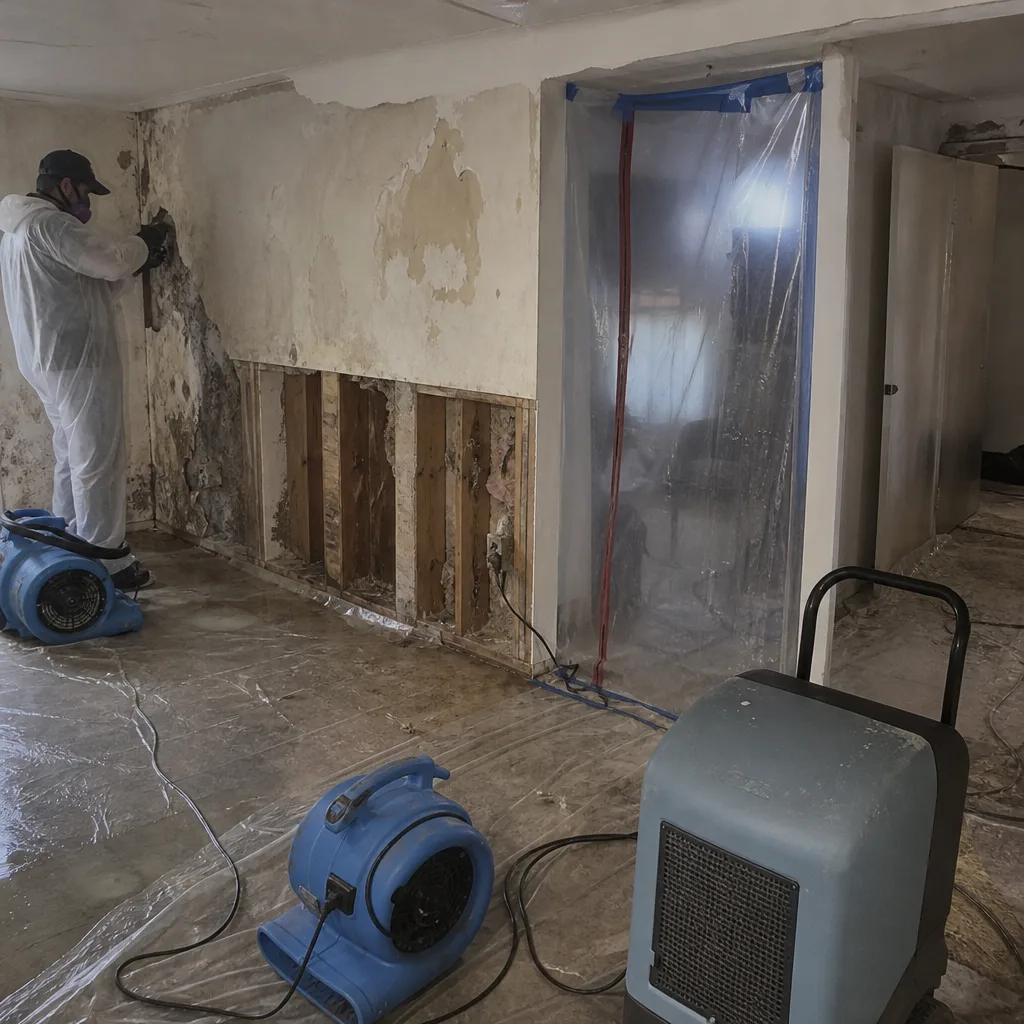 Before
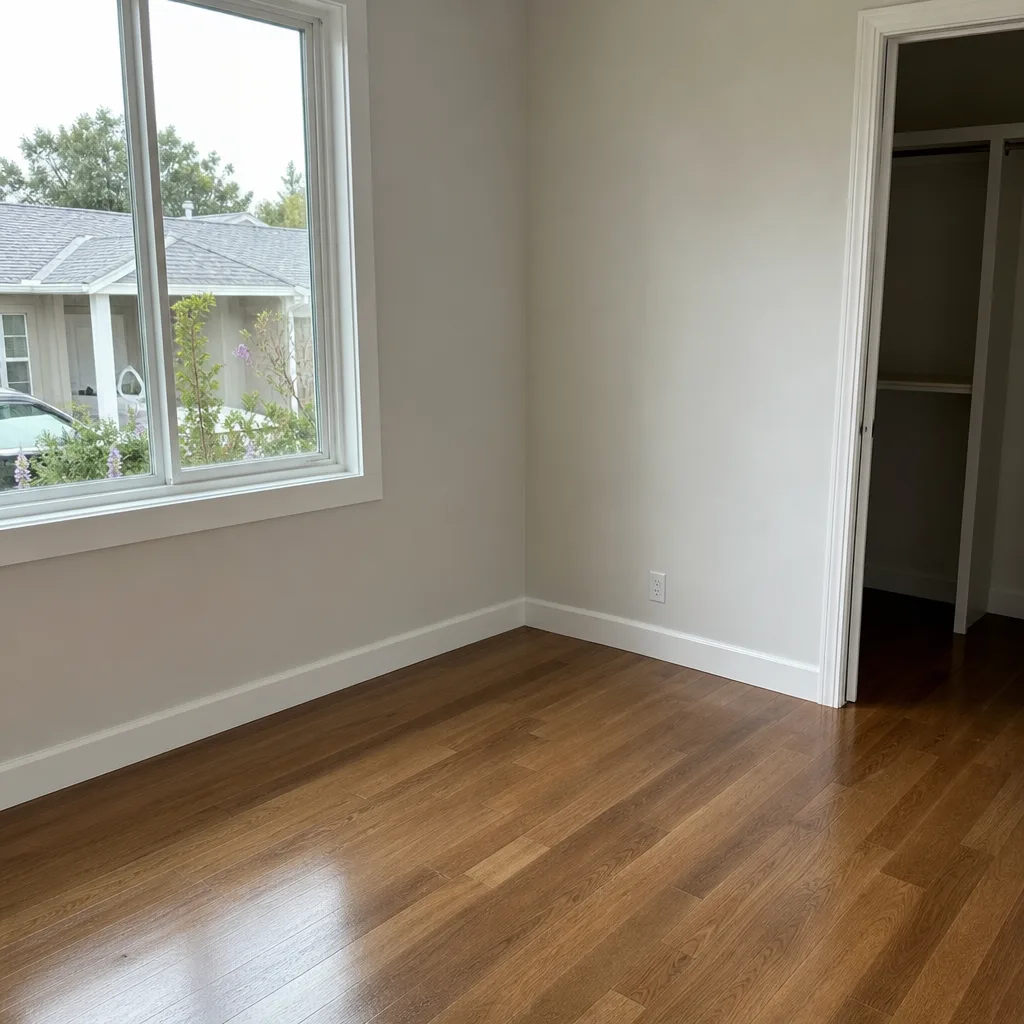 After
AfterHow Long Does Water Damage Restoration Take? Timelines and What to Expect
The insurance-standard drying window for most residential water losses is three to five days. Yet the national average actual drying time billed to insurers sits at 8.2 days, and that gap almost always traces back to the first 24 hours being handled wrong. In Los Angeles, where indoor humidity averages 20-30% lower than Gulf Coast or Midwest markets, a properly equipped crew can hit the short end of that range – but only if they make the right three decisions before noon on day one. This guide breaks down what each phase actually takes, what measurable milestone marks completion, and how to spot when a timeline is being managed honestly versus managed for billing.
Quick Answer
Most residential Water Damage Restoration services in Los Angeles takes 3 to 5 days for drying, plus 1 to 2 days for extraction and setup, and 3 days to 3 weeks for repairs depending on scope. The full timeline from emergency call to completed reconstruction typically ranges from 1 week for minor losses to 4 to 6 weeks for major Category 3 floods with structural damage. A contractor who cannot give you a written drying target with daily moisture goals on day one is managing your expectations instead of managing the job.
Table of Contents
- The First Four Hours: Three Decisions That Make or Break Your Timeline
- Extraction and Emergency Mitigation: Day 1 Completion Criteria
- Structural Drying: The 3-to-5-Day Window Explained
- How Los Angeles Climate Affects Drying Speed (And What to Ask Your Crew)
- Reading Your Daily Moisture Reports: A Homeowner’s Guide
- Legitimate Timeline Extensions vs. Red Flags
- Repairs and Reconstruction: From Dry to Done
- Common Mistakes to Avoid
- When to Call a Professional
- Frequently Asked Questions
- The Bottom Line
The First Four Hours: Three Decisions That Make or Break Your Timeline
Every hour that standing water sits, it migrates further into building materials and the repair scope grows. We’ve seen a Category 1 clean water loss in a Los Angeles mid-century ranch become a Category 2 gray water job because the homeowner waited overnight for a callback. The three decisions made before noon on day one determine whether you hit the 3-day drying target or the 8.2-day average.
Decision 1: Category Classification
Water damage is classified by contamination level, and this classification locks in your decontamination requirements and disposal protocols. Category 1 (clean water from a supply line) requires no antimicrobial treatment. Category 2 (gray water from appliances or sump failures) requires surface disinfection. Category 3 (black water from sewage or ground flooding) requires removal of porous materials and full antimicrobial treatment per IICRC S500 standards. A misclassification here either pads your bill with unnecessary chemicals or leaves contamination that will force a restart later.
Decision 2: Extraction Method and Equipment Match
The volume of water removed in the first pass determines how much evaporation the drying equipment must handle. A truck-mounted extraction unit pulls 25 to 35 gallons per minute. Portable units pull 8 to 12. For a flooded Los Angeles basement with 2 inches of standing water, that difference means 45 minutes versus 2.5 hours of extraction time, and significantly less moisture load for the drying phase. We match extraction equipment to the loss: truck-mounted for large volumes, portable units with specialized wands for hardwood or tile where weight matters, and Injectidry systems for wall cavity extraction where demolition needs to be minimized.
Decision 3: Drying Plan and Daily Target Documentation
Before any air mover or dehumidifier is placed, the crew should present a written drying plan with target equilibrium moisture content (EMC) for each affected material and daily reduction goals. This is not optional documentation. It is the standard we hold ourselves to at Keegan Water Damage Restoration, and you can find more guides & resources in our blog. Without it, you have no basis to evaluate whether day 3 extension requests are legitimate or padded.
These three decisions are codified in The Garrison Standard that governs every Keegan job: show up inside the window, price in writing, do it by the book, leave the site clean, stand behind the work for a full year.
Extraction and Emergency Mitigation: Day 1 Completion Criteria
Extraction is complete when standing water is eliminated and the remaining moisture is bound within materials, not free-flowing. This sounds obvious, but we’ve arrived at Los Angeles jobs where the previous crew ran a wet-dry shop vac for twenty minutes and called it done. Here’s what proper day-one completion looks like:
- Standing water eliminated: No visible pooling in any affected area, verified with moisture probes in corners and low points.
- Category-appropriate contamination control applied: Antimicrobials for Category 2 and 3, containment barriers if cross-contamination risk exists.
- Salvageability assessment documented: Each building material rated as salvageable, questionable, or non-salvageable with photographic evidence.
- Equipment placement plan executed: Air movers, dehumidifiers, and specialty drying equipment positioned per psychrometric calculations, not guesswork.
- Initial moisture readings recorded: Baseline readings for drywall, wood framing, concrete, and any specialty materials like bamboo flooring or plaster.
- Written scope and price delivered: Before any demolition or equipment activation, the homeowner receives a written price and drying timeline.
Day 1 typically takes 4 to 8 hours on-site for a standard residential loss. Large commercial losses or multi-story Los Angeles townhomes with elevator access constraints may extend to 12 hours. The key metric is not time spent but completion of all six criteria.
Our crews run professional-grade equipment from Phoenix, XPOWER, and B-Air, sized to the loss using IICRC-standard calculations. A 12×12 bedroom with wet carpet and pad requires approximately 1 dehumidifier rated at 50 to 70 pints per day and 3 to 4 air movers. Under-sizing equipment to save rental costs is a common timeline killer.
Structural Drying: The 3-to-5-Day Window Explained
Structural drying is complete when affected materials return to within 2 to 4 percentage points of their documented pre-loss moisture content, or reach the calculated equilibrium moisture content for the local climate. This is measurable. It is not a guess. Any contractor who tells you “it feels dry” without presenting hygrometer and moisture meter readings is not following IICRC standards.
The Daily Drying Curve
Days 1 to 2 show the steepest moisture reduction as surface water evaporates. Days 3 to 4 target bound water in wall cavities and subfloors. Day 5 is verification and documentation. Here’s what each day should produce:
- Day 1: 15 to 25% moisture reduction in surface materials; dehumidifiers running continuously, condensate lines draining properly.
- Day 2: 35 to 50% total moisture reduction; focus shifts to cavity drying with Injectidry or similar systems if walls are involved.
- Day 3: 65 to 80% total reduction; materials approaching target EMC; crew evaluates whether specialty equipment or targeted demolition is needed.
- Day 4: 85 to 95% reduction; most standard losses at or near target; verification readings begin.
- Day 5: Final verification readings, equipment removal, documentation for insurance submission.
Category 3 losses, losses affecting plaster or concrete, and losses in buildings with poor ventilation may extend to 7 days. Category 1 losses in Los Angeles’s dry climate with proper equipment may complete in 2.5 to 3 days.
Why the 8.2-Day Average Happens
The gap between the 3-to-5-day standard and the 8.2-day national average comes from predictable failures: inadequate extraction extending evaporation load, under-sized dehumidifiers running continuously without achieving grain depression, failure to remove wet insulation or pad, and lack of daily monitoring leading to equipment running on autopilot after moisture targets are reached. Each of these is avoidable with disciplined execution.
How Los Angeles Climate Affects Drying Speed (And What to Ask Your Crew)
Los Angeles’s Mediterranean climate creates distinct advantages and specific challenges for water damage restoration. Average indoor relative humidity in Los Angeles homes runs 35 to 45%, compared to 55 to 65% in Houston or Miami. Lower ambient humidity means faster evaporation rates and more efficient dehumidifier performance. A refrigerant dehumidifier that extracts 50 pints per day in humid conditions may extract 65 to 75 pints in a dry Los Angeles environment.
But this advantage only materializes if the crew understands psychrometrics – the study of air moisture relationships – and adjusts equipment accordingly. Psychrometric calculations determine how much dehumidification capacity you need based on the specific humidity of the affected air, the temperature, and the target drying conditions. In dry climates, crews sometimes oversize dehumidifiers and create excessively dry conditions that can damage wood flooring or cause veneer cracking. The goal is controlled, documented drying, not maximum speed at any cost.
What to Ask Your Contractor
- “What is the target grain depression for this job, and how are you calculating it?” Grain depression is the difference between the specific humidity of the affected air and the outside or target air. A meaningful answer includes actual numbers.
- “Are you adjusting for Los Angeles’s low baseline humidity, or running standard calculations?” A crew that doesn’t know local conditions will default to national tables and potentially oversize or undersize equipment.
- “What is the documented pre-loss moisture content of my materials, and what is the target EMC?” Without pre-loss documentation, targets are guesswork.
- “How often are you recording psychrometric readings, and will I see them?” Daily readings minimum. Shared documentation is standard under The Garrison Standard.
We’ve completed drying in Los Angeles hillside homes where the combination of dry air, proper equipment sizing, and targeted air circulation achieved 48-hour completion on Category 1 losses. We’ve also seen jobs extend to 10 days because a crew ran equipment without recalculating for the local climate after a Santa Ana wind event dropped humidity into the teens and over-dried oak flooring.
Reading Your Daily Moisture Reports: A Homeowner’s Guide
Your contractor should provide daily moisture readings with three data points per affected area: current moisture content percentage, target moisture content percentage, and the difference expressed as percentage of total reduction achieved. Here’s how to interpret what you receive.
Understanding the Numbers
Moisture content for wood framing is typically measured with pin-type meters and expressed as a percentage of dry weight. Normal, dry wood in Los Angeles ranges from 6 to 12% moisture content. Drywall is measured with non-invasive scanners or pin meters and normally reads 5 to 12%. Concrete requires relative humidity probes drilled into the slab and normally reads 75 to 85% relative humidity.
A proper daily report shows:
- Location identifier: “North bedroom, east wall, 24 inches above baseboard” – not “bedroom.”
- Material type: Oak hardwood, CDX plywood subfloor, 5/8″ drywall, etc.
- Reading method: Pin meter, non-invasive scanner, thermo-hygrometer, etc.
- Current reading: The actual number.
- Target reading: Based on pre-loss documentation or calculated EMC.
- Trend: Increasing, decreasing, or stable versus previous day.
- Technician initials and timestamp: Accountability for every reading.
Red Flags in Daily Reports
Reports that show identical readings multiple days in a row may indicate equipment malfunction, improper placement, or fabricated data. Reports without material-specific targets suggest the crew is working without a drying plan. Reports that show moisture content dropping below normal dry levels (below 6% for wood, below 4% for drywall) may indicate over-drying that can cause permanent damage.
Ask questions. A crew doing honest work welcomes informed homeowners. At Keegan Water Damage Restoration, we explain every reading before we leave the site each day, and we document every job to support your insurance claim with photo evidence, moisture logs, and equipment runtime records.
Legitimate Timeline Extensions vs. Red Flags
Not every drying extension is padding. Some losses genuinely require additional time. The skill is knowing which is which before you sign off on equipment rental day 6, 7, or 8.
Legitimate Reasons for Extension
- Category 3 contamination requiring full antimicrobial treatment and clearance testing: Adds 1 to 2 days for application and verification.
- Concrete or stone saturation: Concrete slabs may require 7 to 14 days to reach acceptable relative humidity, especially with vapor barrier issues.
- Plaster or lath construction: Common in pre-1960 Los Angeles homes; plaster dries slowly and may require specialized desiccant dehumidification.
- HVAC system contamination: Ductwork that took on water requires separate cleaning and verification, adding 1 to 3 days.
- Insurance adjuster delays: When adjuster approval is required before demolition or equipment reconfiguration, timelines pause through no fault of the crew.
- Hidden moisture discovered during drying: Water migration into wall cavities, under cabinets, or through subfloor seams that wasn’t apparent during initial assessment.
Red Flags Suggesting Padding
- No written drying plan with daily targets was provided on day one. Extensions without a baseline are unverifiable.
- Equipment runs without daily moisture readings being taken or shared. If the crew isn’t measuring, they aren’t managing.
- Identical equipment configuration from day 1 to day 5 with no adjustments. Proper drying requires repositioning as moisture pockets shift.
- Extension requested after target EMC is already reached. Some contractors run equipment until insurance authorization expires.
- Vague explanations: “It just needs more time” without specific material readings or adjusted calculations.
- Pressure to sign extensions without documentation: Any timeline change should come with updated moisture logs and a revised plan.
The 365-Day Done Right Promise at Keegan Water Damage Restoration covers not just the repair but the integrity of the process. If we extend a timeline, we show you exactly why in writing, with readings, before you approve another day of equipment.
Repairs and Reconstruction: From Dry to Done
Drying completion and job completion are not the same. Once materials reach target moisture content, the repair phase begins. This is scheduled work, not emergency dispatch, and it should be scoped and priced in writing like any remodeling project.
Typical Repair Timelines
| Repair Scope | Typical Duration | Key Variables |
|---|---|---|
| Drywall patch and paint, single room | 3 to 5 days | Texture match, paint curing time, inspection |
| Hardwood floor replacement, single room | 5 to 10 days | Acclimation period, finish type, humidity control |
| Cabinet replacement, kitchen | 2 to 4 weeks | Lead time, custom vs. stock, countertop templating |
| Full bathroom rebuild | 3 to 6 weeks | Permit requirements, tile work, fixture availability |
| Whole-house reconstruction after major loss | 8 to 16 weeks | Structural assessment, permit timeline, material sourcing |
Los Angeles permitting adds specific considerations. The Los Angeles Department of Building and Safety requires permits for structural repairs, electrical work, and plumbing modifications. Permit approval typically takes 2 to 4 weeks for standard residential work, and inspections must be scheduled at rough-in and final stages. A contractor who begins reconstruction without pulling required permits is creating liability that can delay your project significantly.
We coordinate directly with adjusters on repair scope, provide photo-documented damage assessments formatted for insurance submission, and never begin reconstruction without a written price and signed scope agreement. This is The Garrison Standard: the price is put in writing before any work begins, and every repair is backed by the 365-Day Done Right Promise with a free return visit if the work fails.
Common Mistakes to Avoid
- Waiting for insurance approval before starting mitigation. Every hour of delay increases the loss category and repair scope. Start extraction immediately; document for reimbursement.
- Accepting a verbal estimate for drying. Without written daily targets, you have no basis to evaluate timeline extensions or final billing.
- Ignoring musty odors after “completion.” Persistent odors indicate residual moisture or microbial growth. Demand moisture verification, not air freshener.
- Allowing unmonitored equipment to run for days. Daily readings are the standard. Equipment running without measurement is equipment running on hope.
- Skipping the acclimation period for replacement wood flooring. Los Angeles’s dry climate makes this especially critical; installing wood at 6% moisture content into a 35% humidity home without acclimation guarantees gaps and cupping.
- Not verifying contractor equipment brands and maintenance. Professional-grade brands like Phoenix, XPOWER, B-Air, and Injectidry perform to published specifications. Unbranded or poorly maintained equipment does not.
- Assuming all contractors follow the same standards. IICRC certification, written guarantees, and documented processes vary enormously. Verify, don’t assume.
When to Call a Professional
Call for professional water damage restoration when the affected area exceeds what you can dry with household fans within 24 hours, when water has reached wall cavities or subflooring, when the source is Category 2 or 3 contamination, or when any building material shows visible distortion, staining, or odor. If you’re unsure how to choose a provider, see our guide on How to Hire a Damage Restoration Contractor in Los Angeles: A Step-by-Step Guide. In Los Angeles, where slab construction and stucco exteriors can hide moisture migration for weeks, even seemingly minor losses warrant professional assessment.
Keegan Water Damage Restoration offers free estimates in Los Angeles. A live person answers every call, 24 hours a day, 7 days a week – including nights, weekends, and holidays. Call (361) 317-7269 for immediate response, written pricing before any work starts, and the 365-Day Done Right Promise on every repair.
Frequently Asked Questions
Most residential water damage restoration in Los Angeles takes 3 to 5 days for structural drying, plus 1 to 2 days for extraction and equipment setup. Repairs add 3 days to 3 weeks depending on scope. A clean water loss in a single room with prompt response often completes drying in 72 hours. Call (361) 317-7269 for a free estimate with a written timeline specific to your loss.
Surface materials in a minor Category 1 loss may reach acceptable moisture levels in 24 hours with aggressive extraction and professional equipment, but complete structural drying including wall cavities and subfloors typically requires 48 to 72 hours minimum. Claims of full restoration in 24 hours should be viewed skeptically unless supported by documented moisture readings meeting IICRC standards.
Most homeowners policies cover reasonable and necessary mitigation and drying time, typically 3 to 5 days for standard losses. Extended timelines require documentation of legitimate cause. We format every job’s photo documentation, moisture logs, and equipment records to support your adjuster’s review and minimize disputes over duration or scope.
Demand a written drying plan with daily moisture targets on day one, daily readings shared with you, and equipment repositioning as drying progresses. Identical readings for multiple days, extensions without specific cause, or pressure to approve additional days without documentation are red flags. At Keegan Water Damage Restoration, every timeline decision is explained in writing with supporting data.
Yes. Los Angeles’s lower average indoor humidity, typically 35 to 45% versus 55 to 65% in more humid regions, enables more efficient evaporation and dehumidifier performance. However, this advantage requires proper psychrometric calculations and equipment sizing. Over-drying in very low humidity can damage wood and other materials, so controlled, monitored drying remains essential.
Legitimate extensions occur when hidden moisture, contamination, or material-specific drying requirements emerge. Any extension should come with updated moisture logs showing progress against revised targets, not vague explanations. Under The Garrison Standard, we communicate timeline changes in writing before they occur, with full documentation and homeowner approval required.
The Bottom Line
Water damage restoration timelines are measurable, not mysterious. The 3-to-5-day drying standard is achievable when the first four hours include proper category classification, adequate extraction, and a written drying plan with daily targets. Los Angeles’s dry climate is an advantage, but only for crews who calculate psychrometrics correctly rather than running generic protocols. Know how to read your moisture reports, distinguish legitimate extensions from padding, and hold every contractor to documented standards. For ongoing prevention, follow a Mold Remediation Maintenance Schedule: What to Do and When. The gap between the 3-day standard and the 8.2-day average is not luck. It is process discipline, or its absence.
Written by Shane Pruitt, Owner at Keegan Water Damage Restoration, serving Los Angeles since 2005.