
Last updated October 11, 2026
Free visual inspection and a written scope of work before any mitigation begins - photos, moisture readings, and drying logs go in your claim file
The scope we write is the scope we bill. Anything new gets shown to you, in writing, before we touch it.
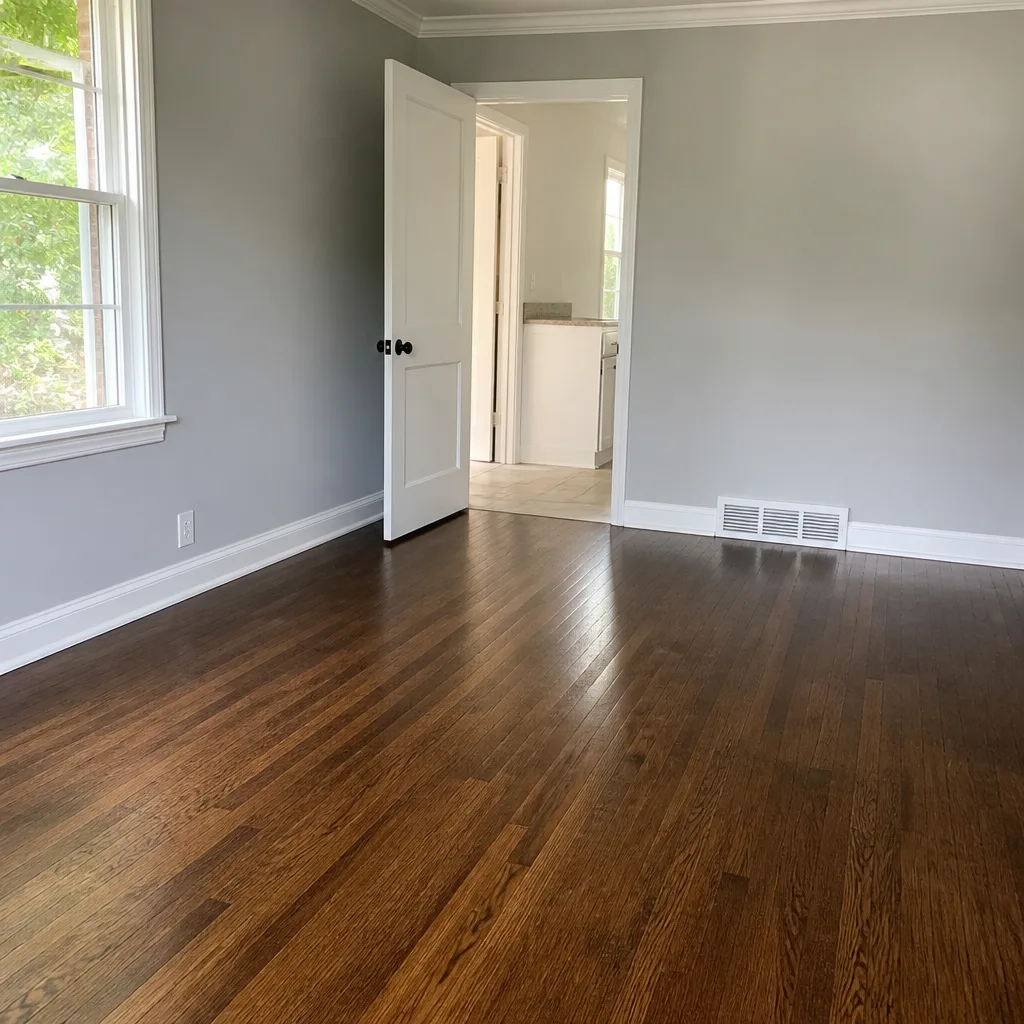
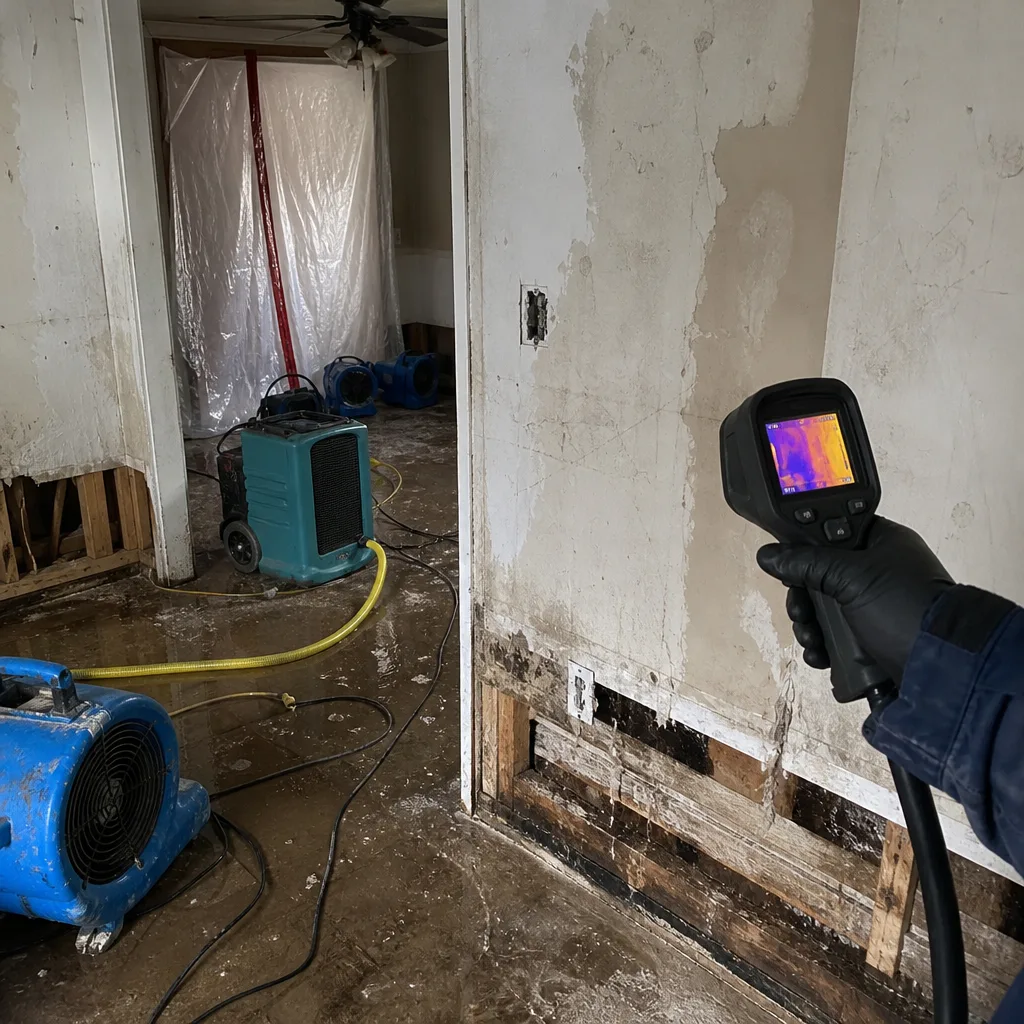 Before
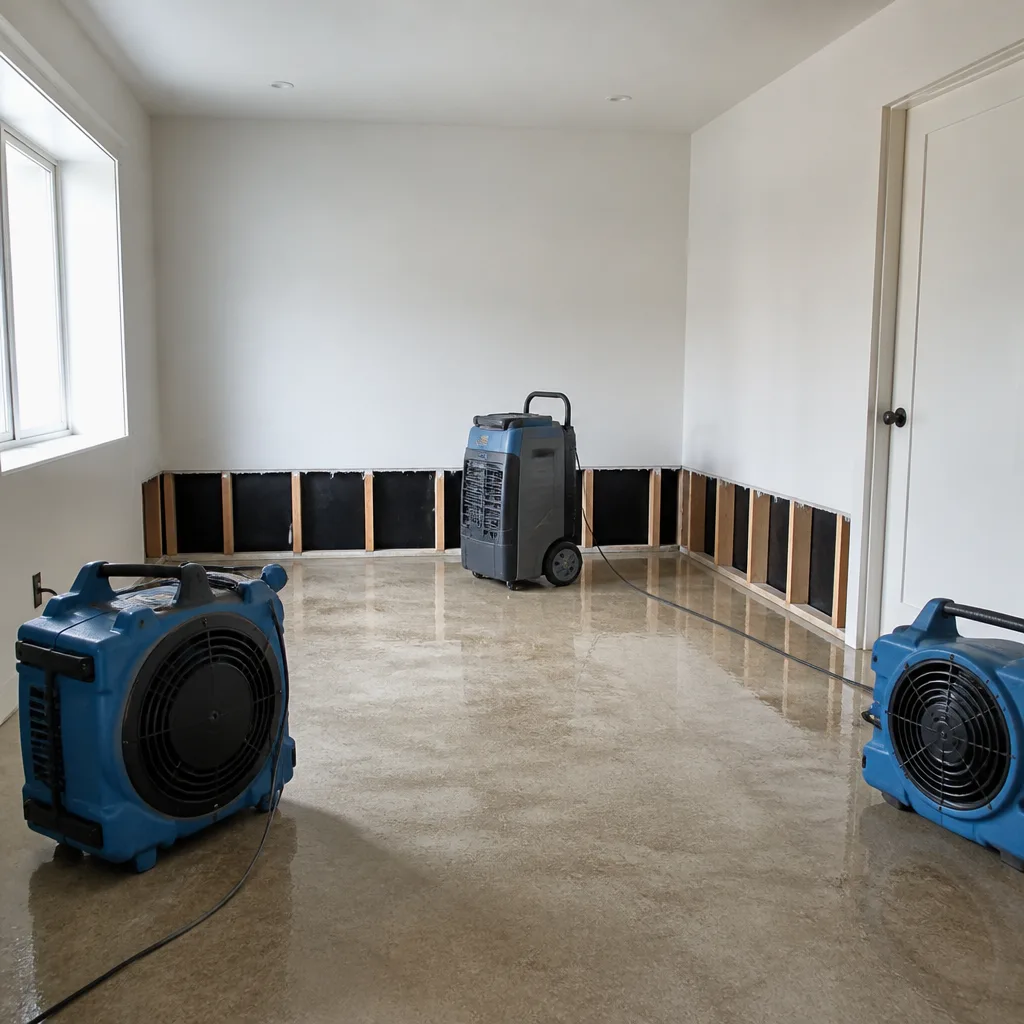 After
After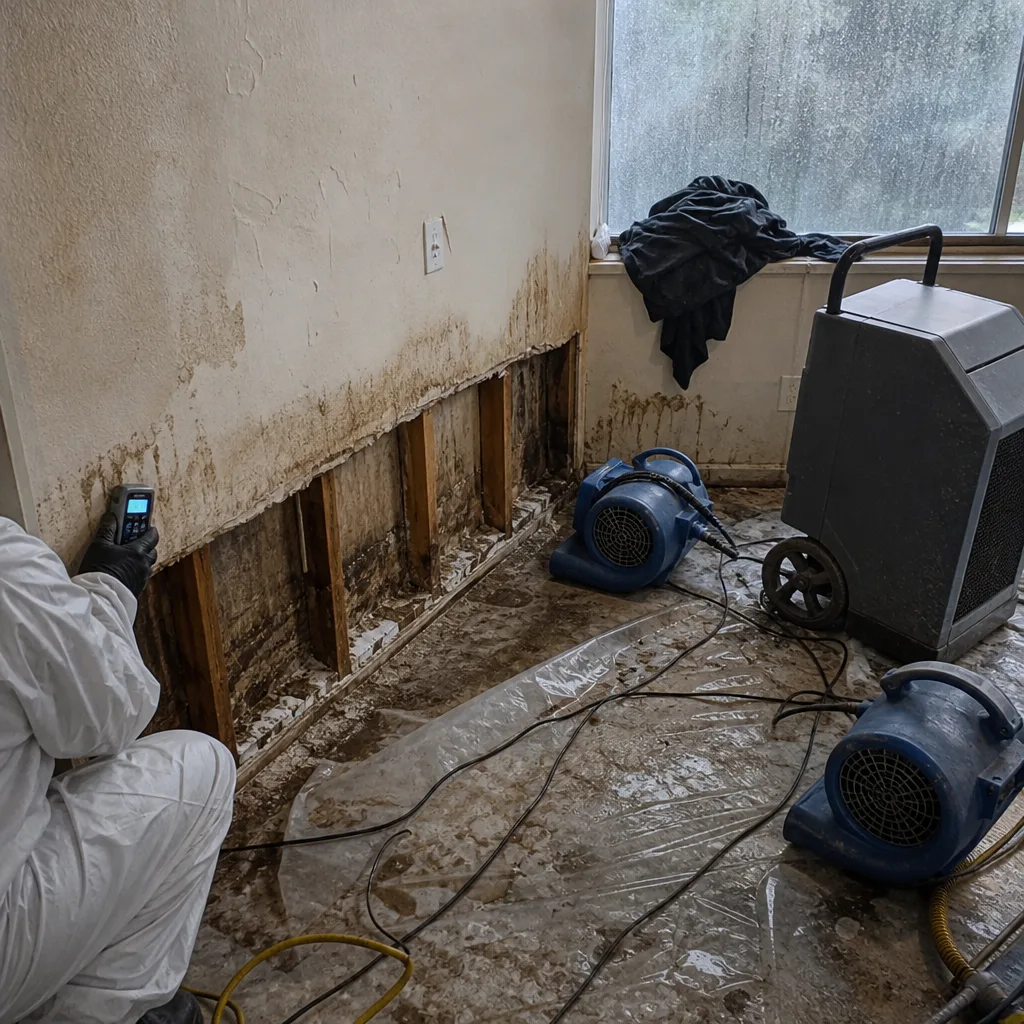 Before
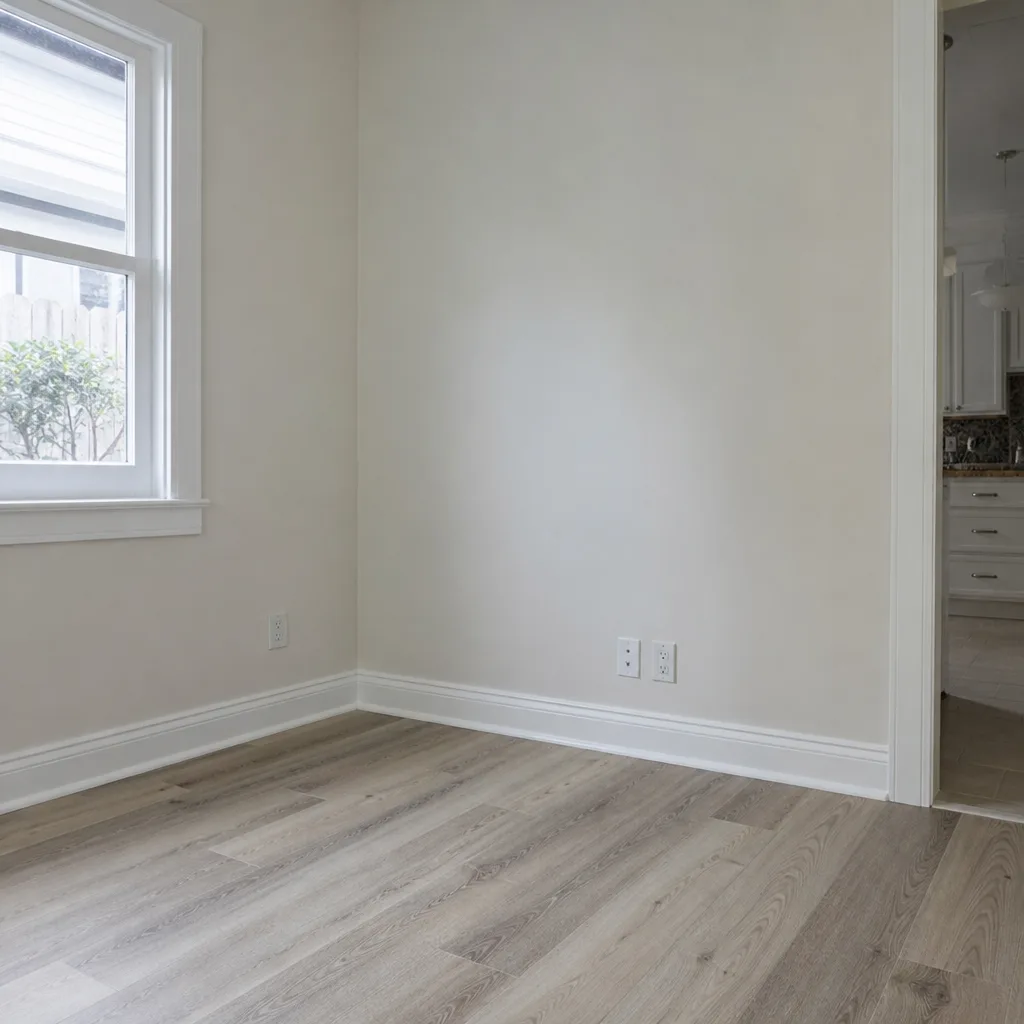 After
After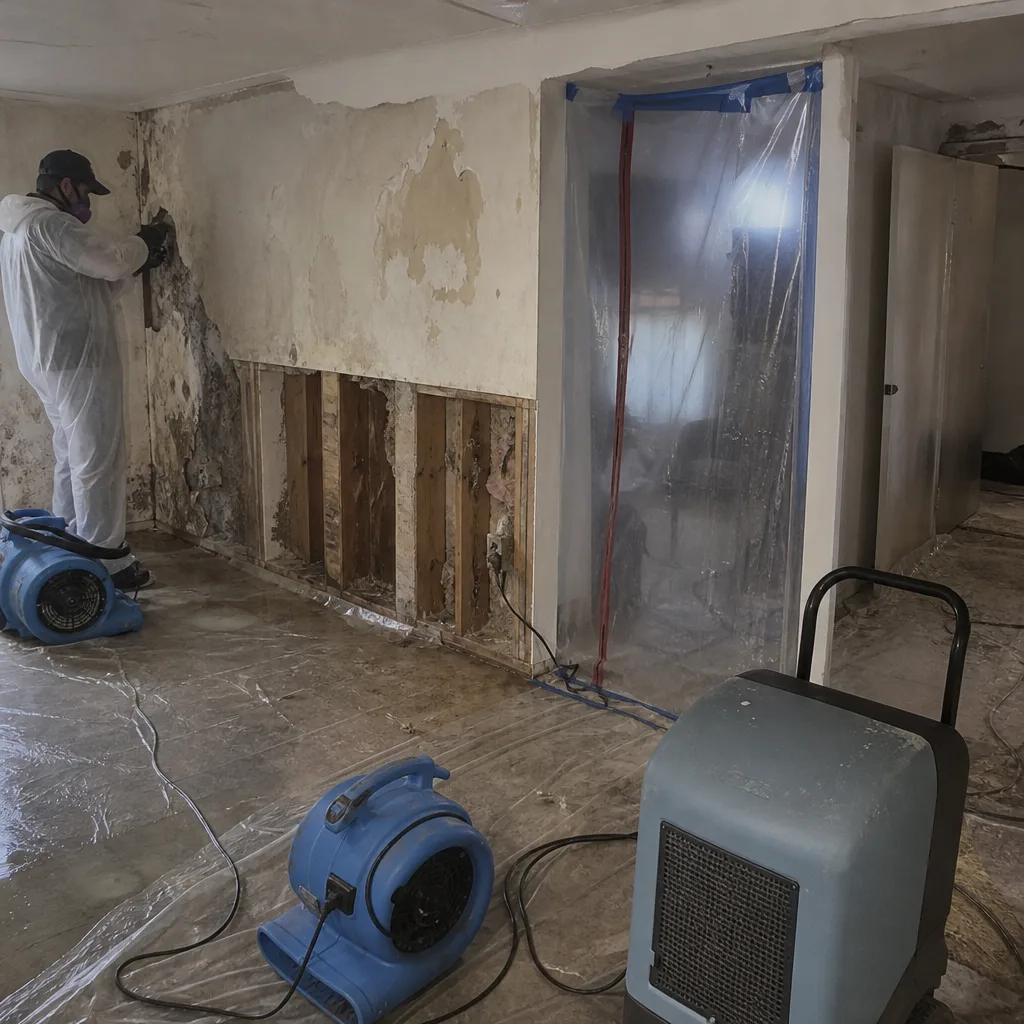 Before
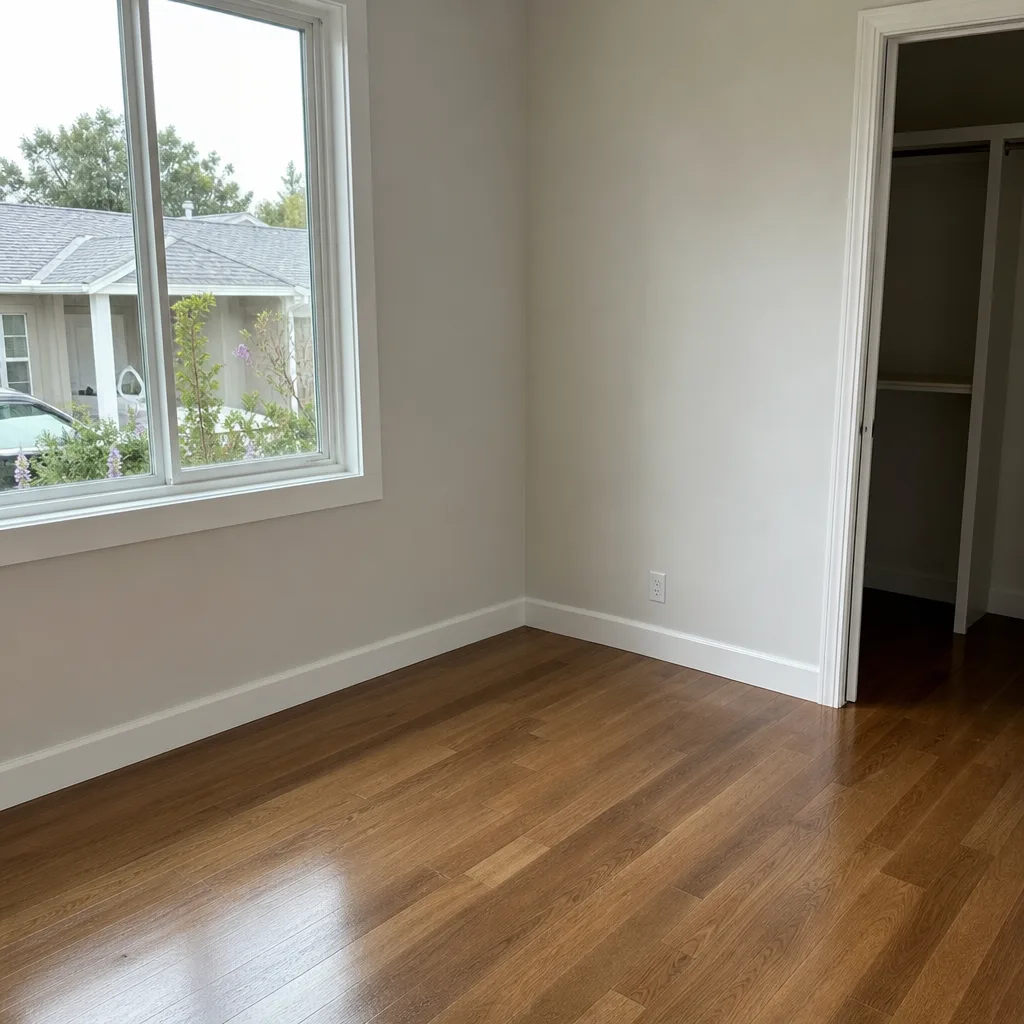 After
AfterMold Remediation Troubleshooting: Common Problems and How to Fix Them
Here’s a number that stops most homeowners cold: roughly 40% of mold remediation jobs in Los Angeles require some form of callback within 18 months. Not because the mold was somehow “resistant,” but because the crew that treated it never found what was feeding it. In a climate where marine layer moisture rolls inland overnight and older slab foundations wick groundwater year-round, mold is a symptom. The real problem is almost always water hiding where standard remediation checklists don’t look. This guide-along with our Mold Remediation Warning Signs Every Homeowner Should Know-walks you through how to diagnose why mold keeps returning, what your contractor should have caught, and how to hold the right party accountable so you don’t pay twice.
Quick Answer
Mold that returns after remediation is almost never a treatment failure. It’s either an unresolved moisture source (HVAC condensate, slab vapor, plumbing leak) or incomplete removal during the first job. The fix starts with a diagnostic decision tree: odor without visible mold points to hidden growth inside wall cavities; visible regrowth in the same spot signals the moisture source was never eliminated; a positive air test after clearance suggests either premature testing or cross-contamination during the original remediation.
Table of Contents
- Why Mold Returns After Professional Remediation
- The Diagnostic Decision Tree: Odor, Regrowth, or Failed Clearance
- The Three Most Missed Moisture Sources in Los Angeles Homes
- New Contamination vs. Survival: How to Tell the Difference
- The False-Positive Clearance Test Problem
- Your Legal Options When Mold Returns Within a Guarantee Period
- What Proper Remediation Actually Looks Like
- Common Mistakes to Avoid
- When to Call a Professional
- Frequently Asked Questions
- The Bottom Line
Why Mold Returns After Professional Remediation
We’ve been called to hundreds of Los Angeles homes where a previous remediation failed. The pattern is remarkably consistent. A homeowner spots mold, hires a crew, gets a clearance test, and six months later the stain is back or the musty smell has returned. The homeowner assumes the mold was “tough” or the product was weak. Almost always, the real cause is simpler and more frustrating: the first crew treated the symptom and missed the disease.
Mold needs three things to colonize: organic material (drywall paper, wood framing, dust), temperatures above 40°F, and moisture. Los Angeles provides the first two automatically. The third is where remediation lives or dies. A crew that removes visible mold but leaves the moisture source active has simply cleared space for the next colony. We’ve seen this in Santa Monica bungalows with crawl space vapor barriers installed backward, in Mid-Century homes in the Hollywood Hills where condensate lines drip into wall cavities, and in post-war slab homes from Torrance to Alhambra where foundation moisture wicks upward through concrete for decades.
The critical distinction: Mold Remediation services are not mold removal. Removal is scraping and spraying. Remediation is identifying the source, eliminating it, drying the structure to IICRC-standard moisture content (typically below 16% for wood framing), removing contaminated materials, treating remaining surfaces, and verifying with post-remediation testing that both the mold and the conditions that allowed it are gone. A job that skips any step in that chain will likely fail.
Here’s what proper documentation from a first remediation should include. If your contractor didn’t provide this, the return may be traceable to incomplete work:
- Moisture mapping readings from all affected and adjacent areas, with baseline and post-drying numbers
- Photos of the moisture source, the containment setup, and the removed materials
- Air and surface sampling results before and after remediation, with lab chain-of-custody documentation
- A written scope stating exactly what was removed, what was treated, and what moisture repairs were performed
- Written guarantee terms with specific duration and coverage
At Keegan Water Damage Restoration, every mold job includes this full documentation package, formatted to support your insurance claim. We put the price in writing before any work starts, and we don’t close a job until the moisture source is verified eliminated and the structure reads dry on our meters.
The Diagnostic Decision Tree: Odor, Regrowth, or Failed Clearance
Homeowners facing a return typically land in one of three categories. Each points to a different failure mode in the original job. Use this framework to diagnose what you’re actually dealing with before calling anyone for a second round.
Scenario 1: Musty Odor Without Visible Mold
This is the most commonly misdiagnosed situation. The homeowner smells mold, sees nothing, and assumes they’re imagining it or that the odor will fade. It won’t. In our experience across Los Angeles, odor without visible growth almost always means active mold inside a wall cavity, ceiling plenum, or HVAC duct. The original remediation likely addressed surface growth but never opened the cavity, or the moisture source introduced new water after the job closed.
Specific checks we perform:
- Infrared camera scan of all walls and ceilings in the affected zone to identify temperature differentials that indicate moisture
- Borescope inspection of wall cavities through small access holes, looking for growth on the backside of drywall and on framing
- HVAC duct inspection with remote camera, particularly at condensate pan connections and flex duct joints where condensation pools
- Air sampling with spore trap cassettes in the affected room, an outdoor control, and an unaffected indoor control for comparison
In Los Angeles, we see this pattern frequently in homes with plaster-over-wire-lath construction, common in neighborhoods like Los Feliz and Pasadena. The plaster dries slowly, and mold can grow extensively on the lath and insulation behind it while the surface looks clean.
Scenario 2: Visible Regrowth in the Same Location
Regrowth where mold appeared before is the clearest signal that the moisture source was never eliminated. The colony may have been removed, but the environment that selected for mold remained. Common causes: a plumbing leak that was “repaired” with a temporary clamp, a roof leak that only manifests in driving rain, or slab moisture that seasonal groundwater changes reactivate.
Visual cues that distinguish regrowth from residual staining:
- Active growth has dimension, texture, and often a slightly fuzzy or slimy surface; residual staining from dead mold is flat and may powder when touched
- Active growth spreads in a pattern that follows moisture, often with darker leading edges; staining stays within boundaries established during the original event
- Active growth produces a sharp, penetrating musty odor that intensifies on humid days; dead mold odor is faint and constant
- Active growth on painted surfaces will bleed through fresh paint within weeks; staining can be sealed with proper primer if the mold is truly dead and the moisture gone
Scenario 3: Positive Air Test After Clearance
This is the most legally consequential scenario. A homeowner receives a clearance report stating “pass,” moves back in, and later testing (often ordered by a concerned buyer, property manager, or physician) shows elevated spore counts. The original contractor points to the passing report and disclaims responsibility. The homeowner is caught between two conflicting lab results.
We’ll address the false-positive problem in detail below, but the key point: a passing clearance test does not guarantee the job was done correctly. It guarantees that at the moment of testing, under the conditions tested, the sample met the criteria used. If the test was performed too soon, with inadequate air exchange, or without aggressive air sampling to disturb settled spores, it can pass while significant contamination remains.
The Three Most Missed Moisture Sources in Los Angeles Homes
Los Angeles presents a specific set of moisture challenges that contractors from wetter climates often miss. Our drier reputation masks significant humidity sources, and our construction types create hidden pathways that standard inspections don’t catch.
1. HVAC Condensate Lines and Drain Pans
Los Angeles runs air conditioning heavily from May through October, and many systems are oversized for the space they cool. An oversized AC short-cycles, running briefly and shutting off before the blower has time to fully evacuate condensate from the evaporator coil pan. Water sloshes, overflows, or backs up into the plenum and ductwork. We’ve opened ceiling returns in Brentwood condos and found standing water in the duct bottom, with Stachybotrys colonizing the paper liner.
The failure mode: the original remediation treated visible ceiling mold but never traced the HVAC as the source. The pan continues to overflow seasonally, and the mold returns each summer. Proper diagnosis requires a wet season inspection with the AC running, measuring condensate flow rate and checking the pan with a borescope.
2. Slab Moisture Vapor
Post-war slab construction is ubiquitous from the San Fernando Valley to the South Bay. These slabs were poured without modern vapor barriers, or with barriers that have degraded over 60-70 years. Groundwater, irrigation overspray, or seasonal rises in the water table create hydrostatic pressure that pushes moisture vapor through the concrete. The vapor condenses on cool flooring materials or is absorbed by base plates and drywall.
We see this particularly in homes with recent luxury vinyl plank (LVP) installations. The vinyl traps vapor underneath, creating a microclimate at the slab surface that stays between 70-90% relative humidity year-round. Mold grows on the adhesive, the flooring underlayment, and eventually the baseboards. The homeowner assumes a plumbing leak; the real source is geological.
Diagnosis requires calcium chloride vapor emission testing or in-situ relative humidity probes in the slab, per ASTM F1869 or F2170. Surface moisture meters are not sufficient. A contractor who doesn’t perform these tests on a slab home with unexplained floor-level mold is guessing.
3. Slow Shower-Pan Failures
Tile shower pans in Los Angeles homes from the 1950s through 1980s were commonly built with hot-mopped tar or copper pans that degrade over time. A pinhole or seam separation allows slow, constant water migration into the subfloor and wall framing. The leak may be less than a cup per day, but over months it saturates the structure.
The critical diagnostic clue: mold or water damage appearing on the wall outside the shower, or in the room below, while the shower itself looks fine. The original remediation may have treated the visible damage in the adjacent room without ever flood-testing the pan. We flood-test every suspect shower with a plugged drain and marked water level, monitoring for 24 hours. It’s the only way to confirm pan integrity.
New Contamination vs. Survival: How to Tell the Difference
When mold returns, homeowners and contractors often argue about whether it’s “new” or “the same mold coming back.” This distinction matters for liability, insurance coverage, and choosing the right fix. Here’s how to determine what you’re actually seeing.
New contamination occurs when mold spores from elsewhere land on a surface with adequate moisture and begin new growth. In Los Angeles, this commonly happens when:
- A remediation created cross-contamination by failing to establish proper containment and negative air pressure, depositing spores throughout the home
- HVAC systems were not isolated during remediation, spreading spores to distant rooms
- The homeowner introduced moldy items (cardboard boxes from a damp garage, for example) after remediation
- A new water event occurred after the original remediation was completed
Survival from incomplete removal occurs when live mold remained in the structure after the remediation was declared complete. Indicators include:
- Regrowth in exactly the same pattern and location, suggesting roots or hyphae remained in porous material
- Regrowth on materials that were supposedly removed and replaced (indicating the replacement material was contaminated before installation, or the source was never fixed)
- Presence of the same mold species in pre- and post-remediation testing, with similar concentration ratios to other species
The visual and smell cues that help distinguish them:
- Location precision: Survival growth is geographically precise, often within millimeters of the original colony boundaries. New contamination is more randomly distributed.
- Species consistency: Lab identification of the returning species matching the original species suggests survival. A different dominant species suggests new introduction. (Note: most homes have multiple species, so this requires professional interpretation.)
- Odor character: Survival growth produces a sharper, more immediate musty smell when disturbed because the colony is established and actively metabolizing. New growth may take weeks to develop noticeable odor.
- Substrate condition: Survival growth appears on substrates that were supposedly cleaned or treated. New growth appears on previously unaffected materials.
At Keegan, when we’re called to a callback situation, we collect samples for species identification and compare them to any available documentation from the original job. If the species match and the location is identical, we document this as evidence of incomplete original remediation for the homeowner’s records.
The False-Positive Clearance Test Problem
This is one of the most expensive misunderstandings in mold remediation. A clearance test that “passes” does not mean the home is mold-free. It means the sample collected, under the conditions present, met the criteria established for that test. Several common errors produce false passes that leave homeowners with a clean report and a contaminated house.
Testing too soon after remediation: Industry standards from IICRC and RIA specify a waiting period after remediation completion and before clearance sampling. This allows time for air scrubbers to complete their cycles, for any remaining spores to settle or be filtered, and for the space to reach stable conditions. Testing immediately after equipment removal captures the artificial cleanliness created by active air movement, not the true condition of the space. We require 24 hours minimum between equipment demobilization and clearance sampling, and we prefer 48 hours in larger or more complex jobs.
Inadequate air sampling method: Standard air sampling with a spore trap captures only what is airborne at the moment of sampling. If the HVAC has been off, if windows have been closed, if no one has walked through the space for hours, settled spores won’t be captured. Proper clearance testing includes “aggressive air sampling,” where a clean leaf blower or similar device is used to disturb settled dust immediately before or during sampling. Without this step, a space can pass while harboring significant contamination in dust reservoirs.
Single-sample reliance: A single air sample in a single location has almost no statistical validity. Proper clearance includes multiple air samples, surface samples in areas that were treated, and outdoor controls for comparison. We’ve reviewed clearance reports from other contractors with one indoor sample and no outdoor control. That’s not clearance; it’s theater.
Wrong comparison criteria: Some labs compare indoor results to arbitrary “clean building” standards rather than to outdoor levels specific to that day and location. In Los Angeles, outdoor spore counts vary dramatically with Santa Ana wind conditions, marine layer influence, and proximity to vegetation. A proper report compares indoor to outdoor on the same day, in similar weather.
If your original remediation provided a clearance report, request the full lab packet (not just the summary page) and check for these elements: date of remediation completion, date of sampling, number and type of samples, whether aggressive air sampling was performed, outdoor control data, and the specific comparison criteria used. Missing any of these is a red flag.
Your Legal Options When Mold Returns Within a Guarantee Period and the Contractor Is Unresponsive
This is where the homeowner’s preparation during the first job becomes critical. A mold return within a guarantee period, with an unresponsive contractor, is a contract dispute with potential health and safety implications. Here’s the practical path forward.
Document everything immediately: Photograph the regrowth with date stamps. Note odors, health symptoms, and any moisture events. Request your original contract, scope of work, and clearance report. If the contractor was paid through insurance, contact your adjuster to report the return and request the claim be reopened.
Review your guarantee in writing: Verbal promises are unenforceable. The guarantee should state what is covered (labor, materials, re-testing), for how long, and what triggers it. Keegan’s 365-Day Done Right Promise, part of The Garrison Standard, covers every repair for a full year with a free return visit if the work fails, as we explain in more guides & resources. We put this in writing on every job. If your original contractor’s guarantee is vague or missing, that’s a data point in your favor in any dispute.
Get an independent assessment: Hire a separate IICRC-certified mold inspector (not a remediator) to evaluate the return. Their report provides third-party documentation of the cause. In Los Angeles, qualified inspectors can be found through the IICRC or RIA directories. Expect to pay $400-$800 for a thorough assessment with sampling. This investment often pays for itself many times over in dispute resolution.
Insurance claim reopening: If the original remediation was insurance-paid, the return may qualify as supplemental damage under the original claim. Your adjuster can reopen the claim and potentially assign a new contractor. Document that the return is in the same area, involves the same or related cause, and occurred despite professional remediation. Photo documentation from the original job helps enormously here, which is why we photograph every Keegan job comprehensively.
Small claims and contractor’s bond: If the contractor remains unresponsive and the cost of proper re-remediation is significant, California small claims court allows claims up to $12,500 (as of 2024, check current limits). Licensed contractors in California are required to carry a contractor’s bond, which can be accessed for valid claims. The Contractors State License Board (CSLB) also accepts complaints and can discipline unresponsive or negligent contractors.
The strongest position is prevention: hire a contractor who documents thoroughly, guarantees in writing, and responds to calls. A live person answers our phone 24 hours a day, 7 days a week, including nights, weekends, and holidays, precisely because mold doesn’t wait for business hours.
What Proper Remediation Actually Looks Like
After diagnosing failures, it’s worth stating clearly what success looks like. This is the standard we apply on every Mold Remediation in Los Angeles job, and it’s the standard you should expect from any contractor.
Pre-remediation assessment: Moisture mapping with calibrated meters, thermal imaging to identify hidden wet areas, and air/surface sampling to establish baseline contamination levels. The scope of work is written and priced before any containment is built. No surprises, no price moves at the door.
Containment and engineering controls: Polyethylene barriers sealed with tape, negative air machines with HEPA filtration maintaining pressure differential, and decontamination chambers for worker entry/exit. HVAC systems are isolated, not just turned off.
Removal, not just treatment: Porous materials with visible growth are removed and bagged. Non-porous materials are HEPA-vacuumed and treated with EPA-registered antimicrobial. We do not “encapsulate” active mold as a primary strategy; encapsulation is for residual staining on structurally necessary materials after active growth is removed.
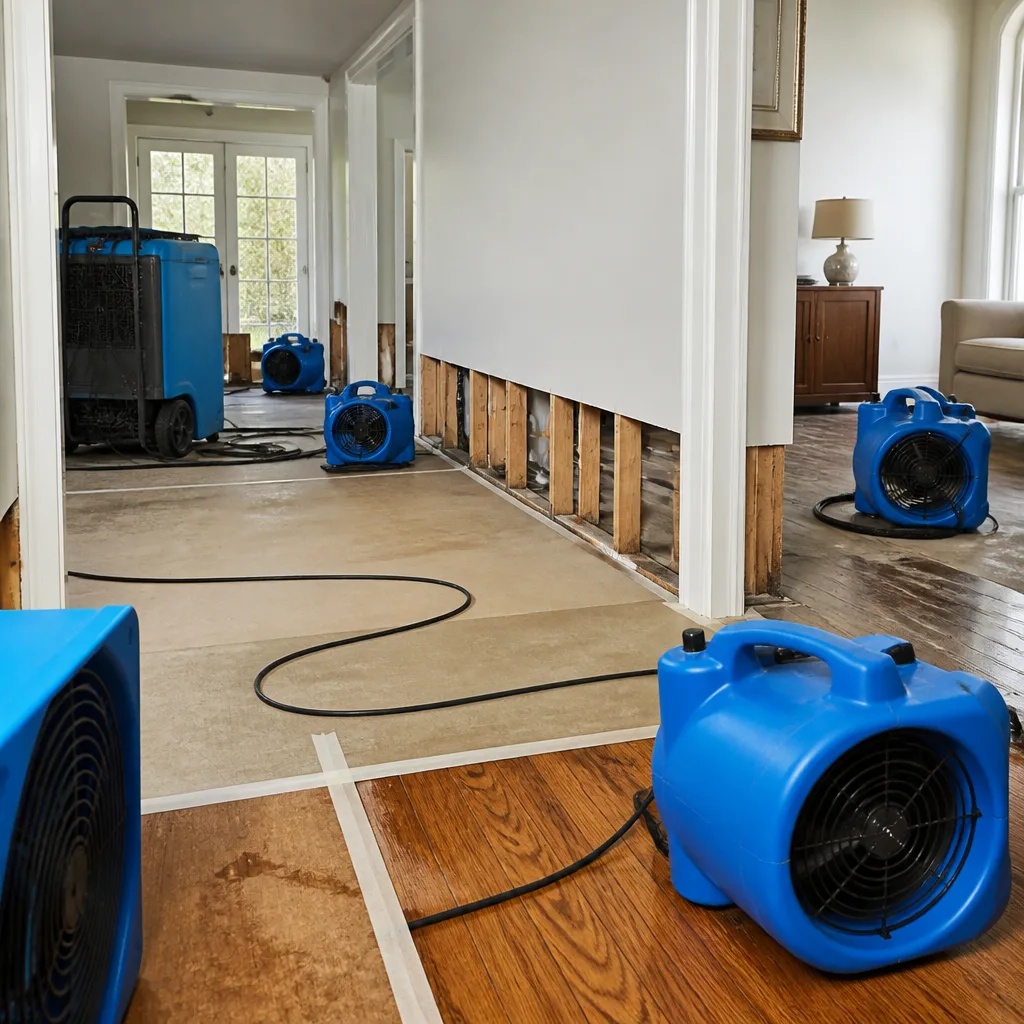
Drying to standard: Structural materials are dried to IICRC S500 standards using professional-grade equipment from our roster: Dri-Eaz and Phoenix dehumidifiers, XPOWER and B-Air air movers, and Injectidry systems for cavity drying. We monitor with daily moisture readings until materials reach specified targets.
Post-remediation verification: Visual inspection, moisture meter confirmation, and independent clearance testing with aggressive air sampling. Documentation is compiled and formatted to support your insurance claim.
Written guarantee: The 365-Day Done Right Promise, in writing, with specific terms. If the repair fails within one year, we return and make it right at no charge.
This is The Garrison Standard. Show up inside the window. Price in writing. Do it by the book. Leave the site clean. Stand behind the work for a full year.
Common Mistakes to Avoid
- Hiring based on lowest bid alone. In Los Angeles, mold remediation pricing ranges from $15 to $45 per square foot of affected area depending on containment complexity and access. A bid at the bottom of this range often skips steps (proper containment, independent clearance, moisture source repair) that determine whether the job lasts.
- Accepting a verbal guarantee. If it’s not in writing with specific duration and coverage, it doesn’t exist. California law requires specific disclosures for mold remediation; a contractor who won’t put terms in writing is already signaling how they’ll handle problems.
- Ignoring seasonal patterns. Mold that appears every winter or every summer is telling you something about your home’s envelope or systems. Track when it appears, what the weather was, and whether HVAC or irrigation was running. This pattern recognition often reveals the source faster than any inspection.
- Self-testing with retail kits. Petri dish kits sold online grow mold from almost any air sample, including normal outdoor spores. They create false alarms and false reassurances in equal measure. Professional spore trap sampling with laboratory analysis is the only method with diagnostic validity.
- Repainting over visible mold. Paint, even “mold-resistant” paint, does not kill mold. It encapsulates it temporarily and provides a food source (paint contains organic compounds). Within weeks, growth bleeds through or spreads to adjacent areas. Always remove active growth before refinishing.
- Failing to address the whole moisture pathway. A roof leak that runs down a rafter and pools in a ceiling may create visible mold in the ceiling while saturating the wall plate below. Treating only the ceiling guarantees return. Proper remediation traces the full water pathway.
When to Call a Professional
Call for professional assessment when mold covers more than 10 square feet, when you smell mold but cannot locate the source, when mold returns after any previous treatment, or when anyone in the home has respiratory symptoms that worsen indoors. Don’t attempt to open wall cavities or disturb visible mold if you suspect hidden growth behind the surface; disturbing it without containment releases spores throughout the home.
Keegan Water Damage Restoration offers free estimates in Los Angeles. A live person answers every call, 24 hours a day, 7 days a week. We’ll put the price in writing before any work starts, and every repair is backed by our 365-Day Done Right Promise. Call (361) 317-7269.
Frequently Asked Questions
Most residential mold remediation in Los Angeles ranges from $1,500 for contained, small-area jobs to $8,000 or more for whole-room remediation with HVAC contamination and structural drying. The critical variable is whether the moisture source requires repair (plumbing, roofing, HVAC) in addition to mold removal. We provide written, itemized pricing before any work begins. Call (361) 317-7269 for a free estimate at your property.
It depends on the cause. If the return stems from the same water event that triggered the original claim, and the original remediation was insurance-paid, the claim can often be reopened for supplemental damages. If the return stems from a new water event, a new claim may be required. If the return stems from contractor error, your policy may subrogate against the original contractor’s insurance. We document every job to support your adjuster’s evaluation. Photo documentation from the original remediation is essential; if you don’t have it, request it from your original contractor or insurer.
For active water events with mold growth, we dispatch same-day when possible. For assessment of returning mold without active water, we typically schedule within 24-48 hours. A live person answers our phone 24/7 to determine urgency and schedule appropriately. Speed matters most when water is actively feeding the mold; once the moisture source is stopped, scheduling a thorough assessment takes priority over rushing.
Cleaning (HEPA vacuuming and surface treatment) is appropriate only for non-porous materials with limited visible growth and a confirmed eliminated moisture source. If growth has penetrated drywall, insulation, carpet, or other porous materials, those materials must be removed. If the moisture source is still active, cleaning is temporary at best. We assess each situation and recommend the minimum effective response, documented in a written scope with pricing before any work starts.
Exhaust fans in older Los Angeles homes are often undersized, unvented to the exterior (dumping into the attic instead), or connected to deteriorated ductwork. Even a properly sized fan (minimum 50 CFM, or 1 CFM per square foot of bathroom) won’t prevent mold if the shower pan is leaking, grout is failing, or the bathroom lacks adequate air supply to allow the fan to move air effectively. We diagnose bathroom mold with moisture meters, fan flow measurement, and shower pan flood testing to identify which factor is actually driving the return.
Industry standards specify minimum 24 hours after air scrubbers and dehumidifiers are removed, with the HVAC returned to normal operation and the space under normal use conditions. We prefer 48 hours for most residential jobs in Los Angeles, to allow any residual spore settling to stabilize. Testing immediately after equipment removal produces unreliable results and can pass a space that remains contaminated.
The Bottom Line
Mold that returns after remediation is a solvable problem, but only if you diagnose correctly before treating again. The three-part decision tree, odor versus regrowth versus failed clearance, points to three distinct failure modes with three distinct fixes. The most commonly missed moisture sources in Los Angeles, HVAC condensate, slab vapor, and shower pan leaks, require specific diagnostic methods that generalist contractors often skip. False-positive clearance tests create a dangerous illusion of completion. And when a contractor’s guarantee proves empty, homeowners with proper documentation have legal and insurance options that those without it lack.
The through-line in every successful resolution: the job isn’t done when the mold is gone. It’s done when the moisture source is verified eliminated, the structure is confirmed dry to standard, the documentation supports your insurance claim, and the guarantee is in writing. That’s The Garrison Standard. That’s how we work at Keegan Water Damage Restoration.
Written by Shane Pruitt, Owner at Keegan Water Damage Restoration, serving Los Angeles since 2005.