
Last updated October 11, 2026
Free visual inspection and a written scope of work before any mitigation begins - photos, moisture readings, and drying logs go in your claim file
The scope we write is the scope we bill. Anything new gets shown to you, in writing, before we touch it.
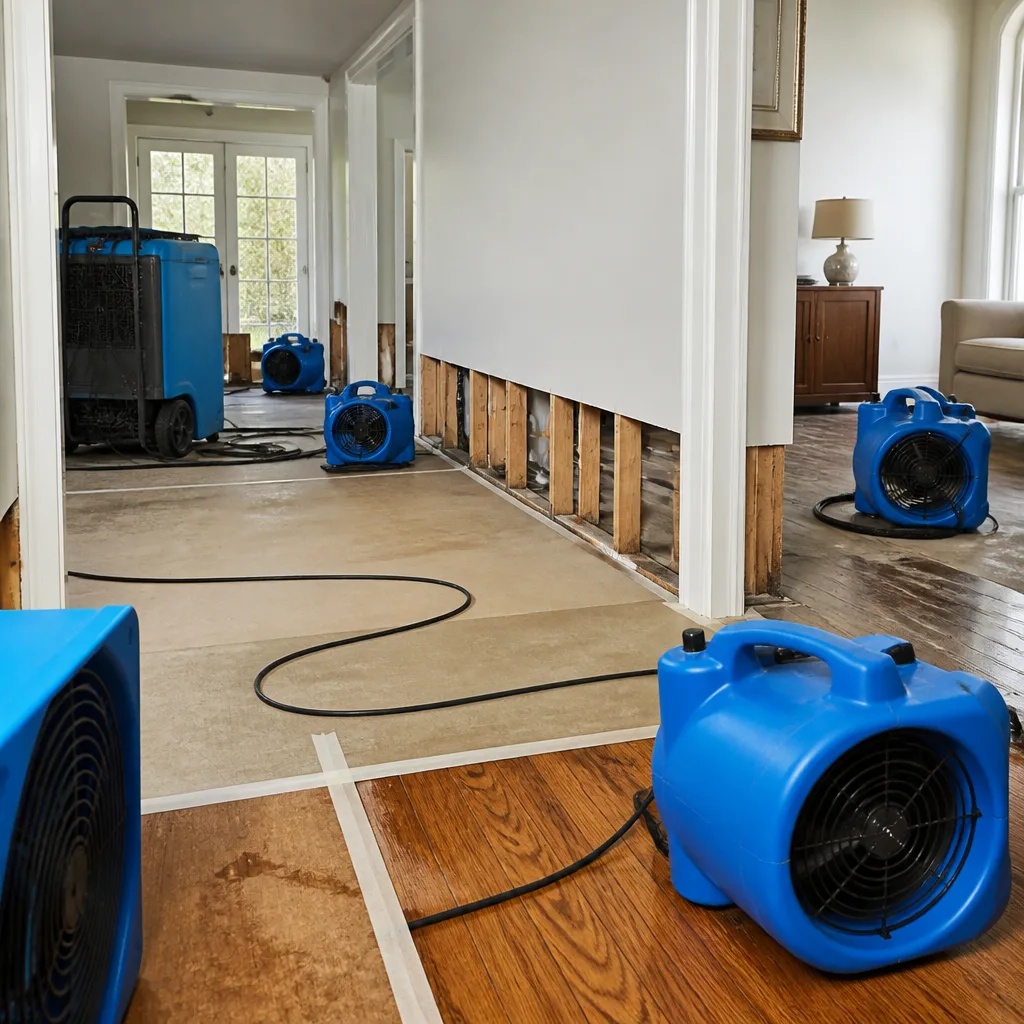

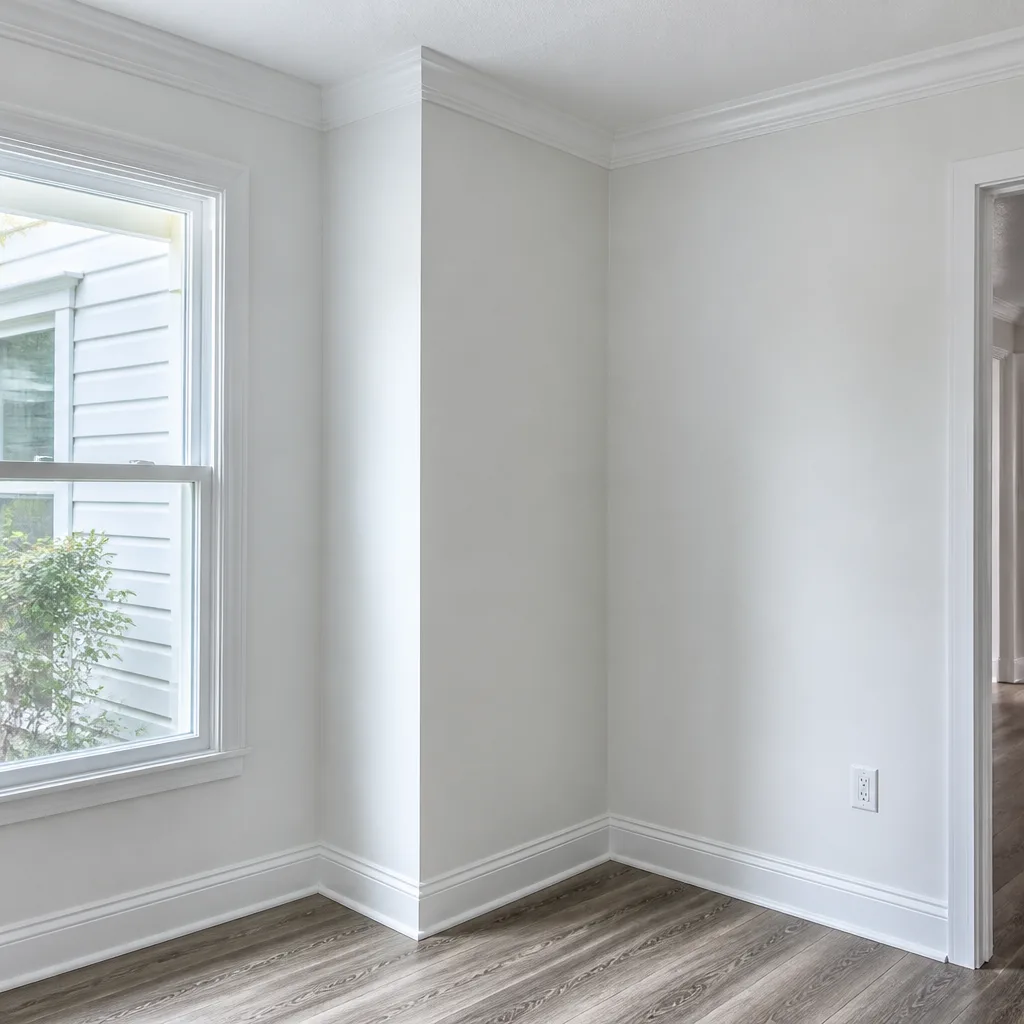

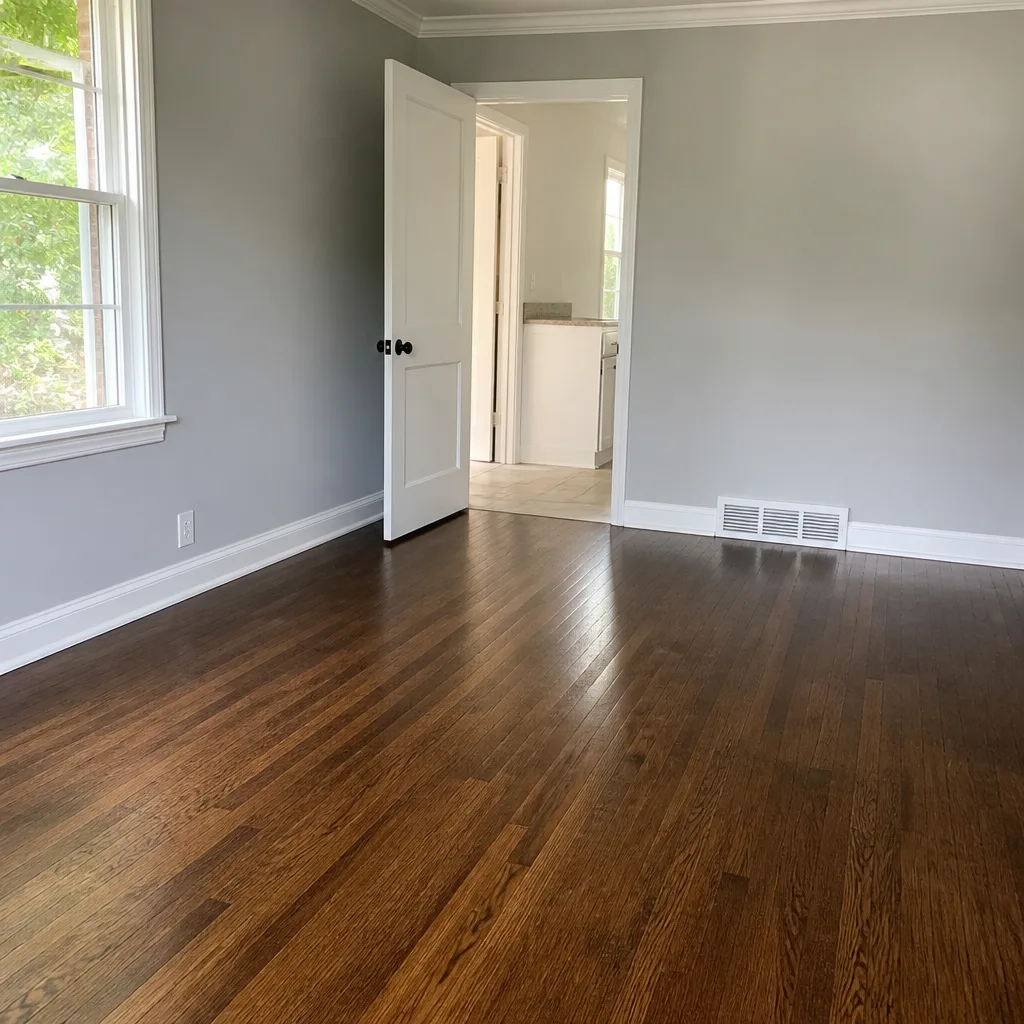

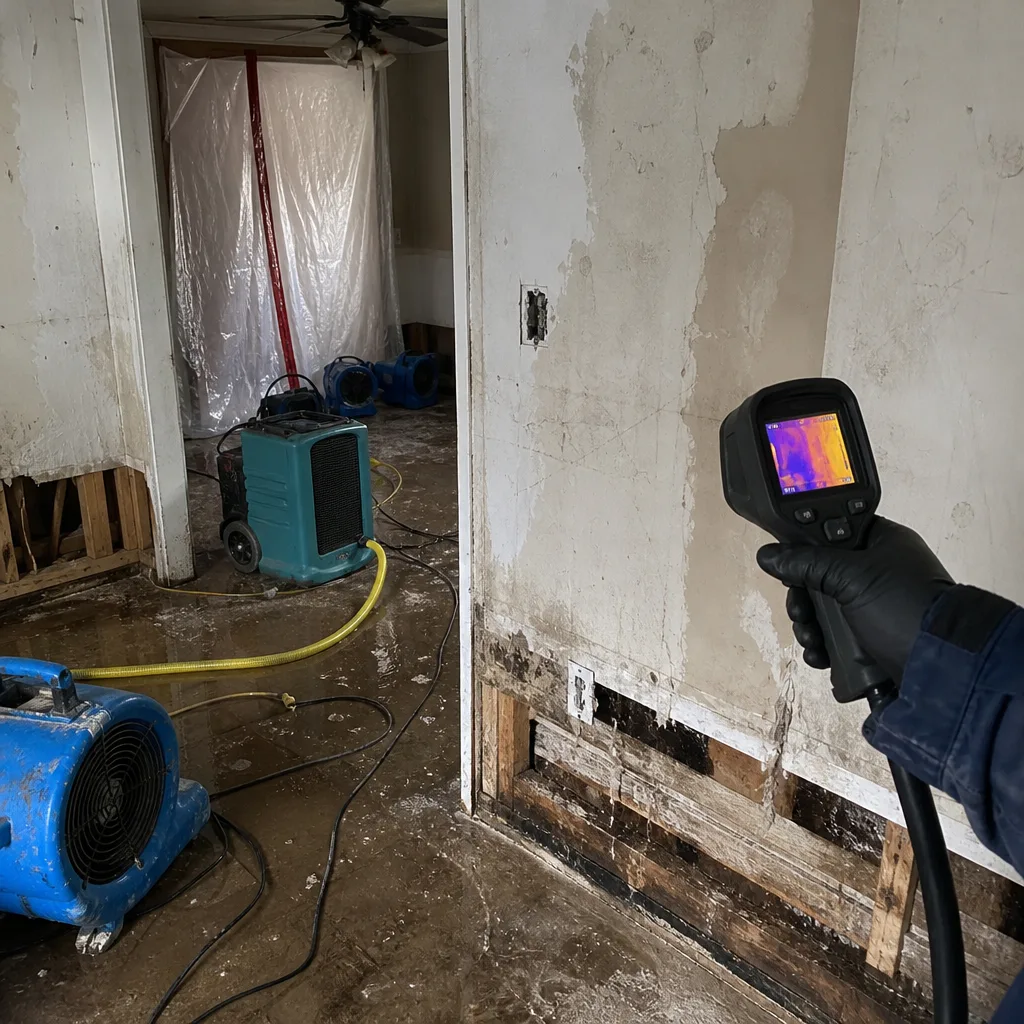 Before
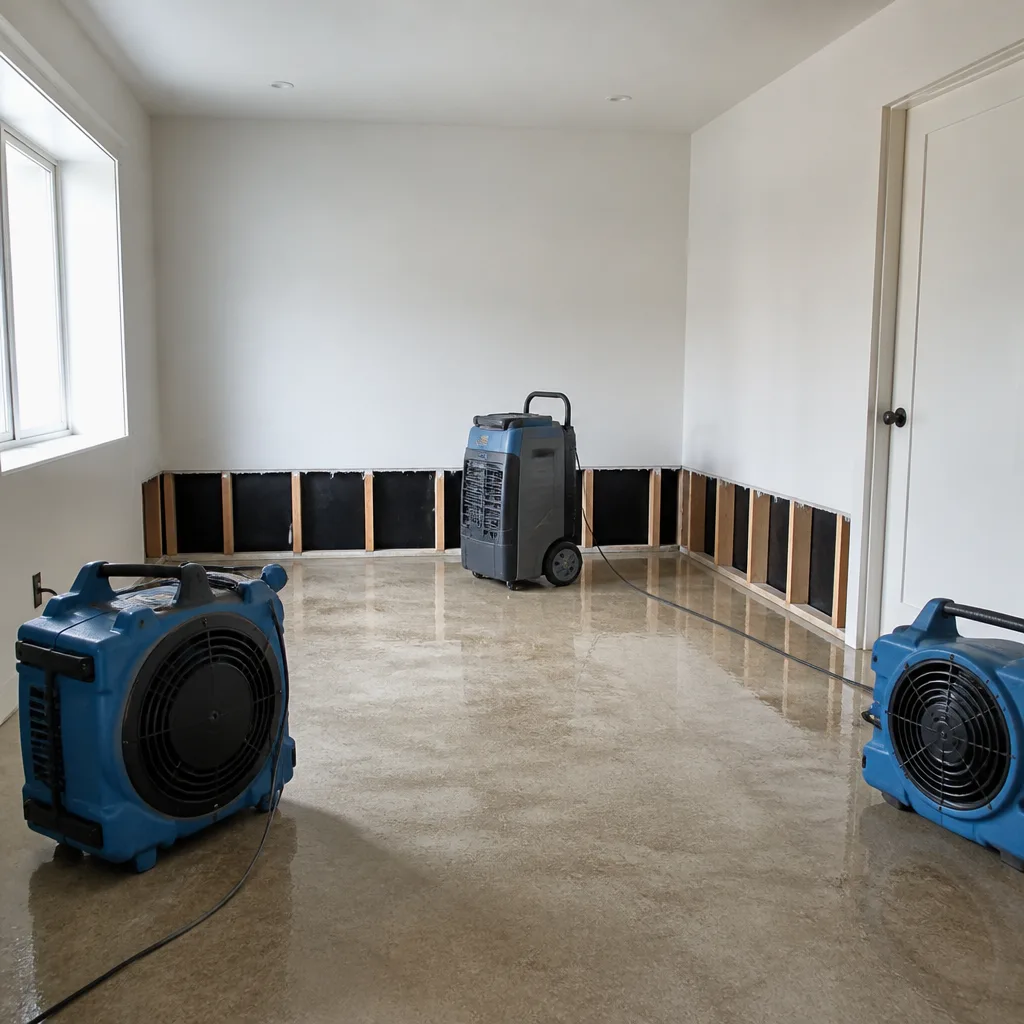 After
After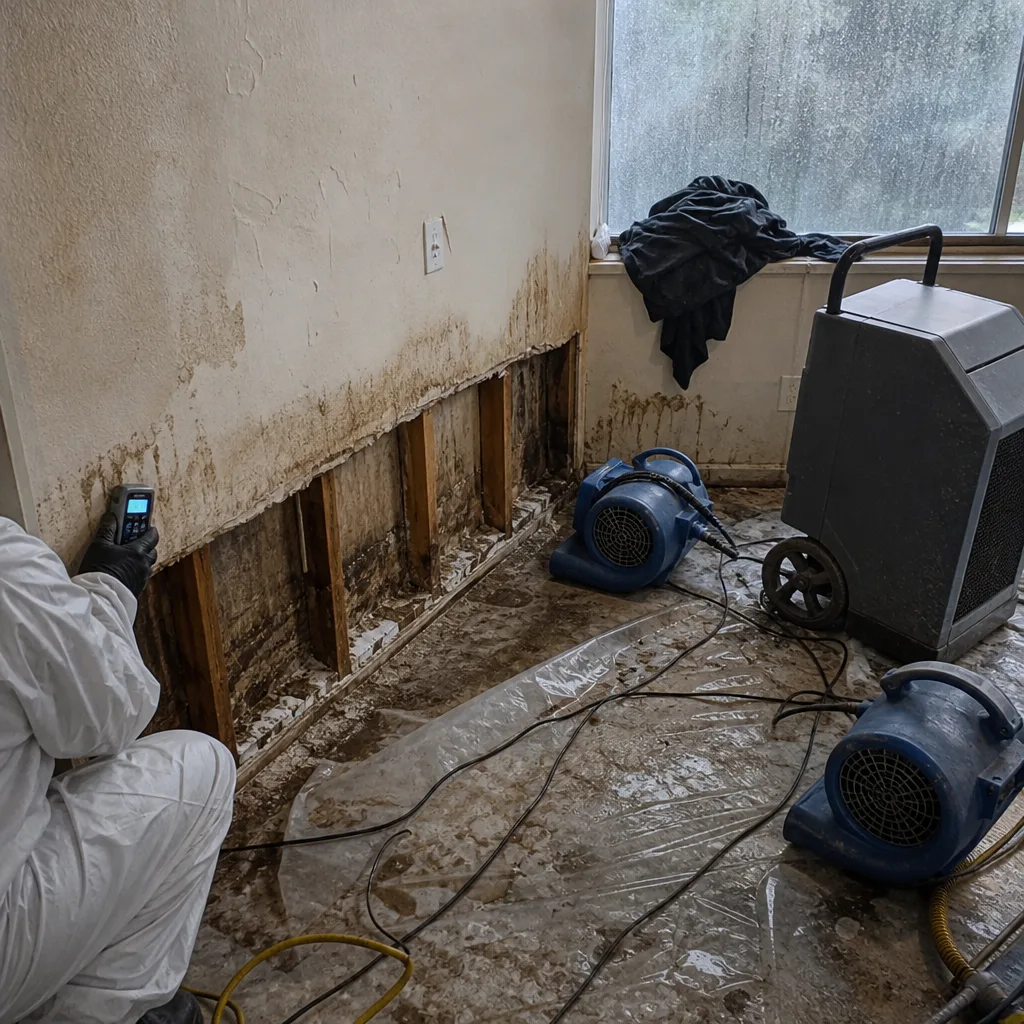 Before
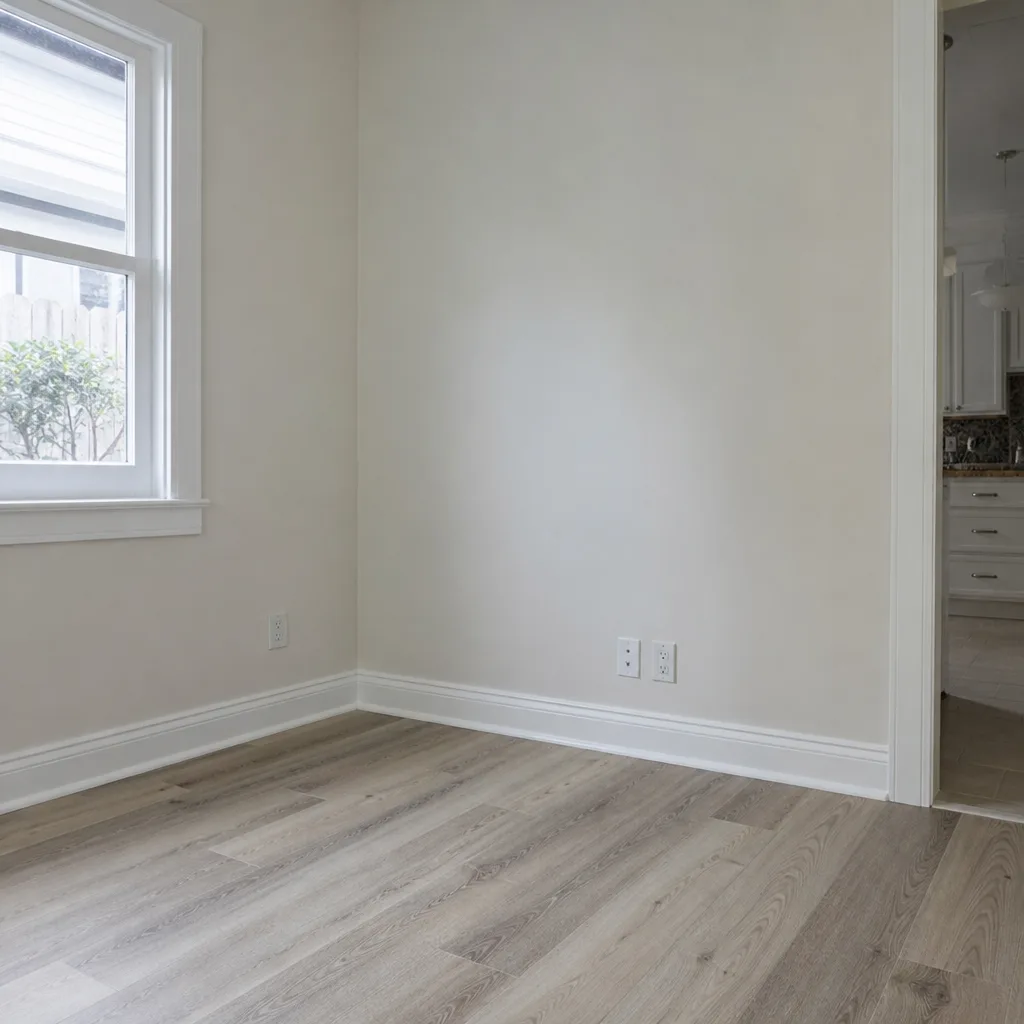 After
After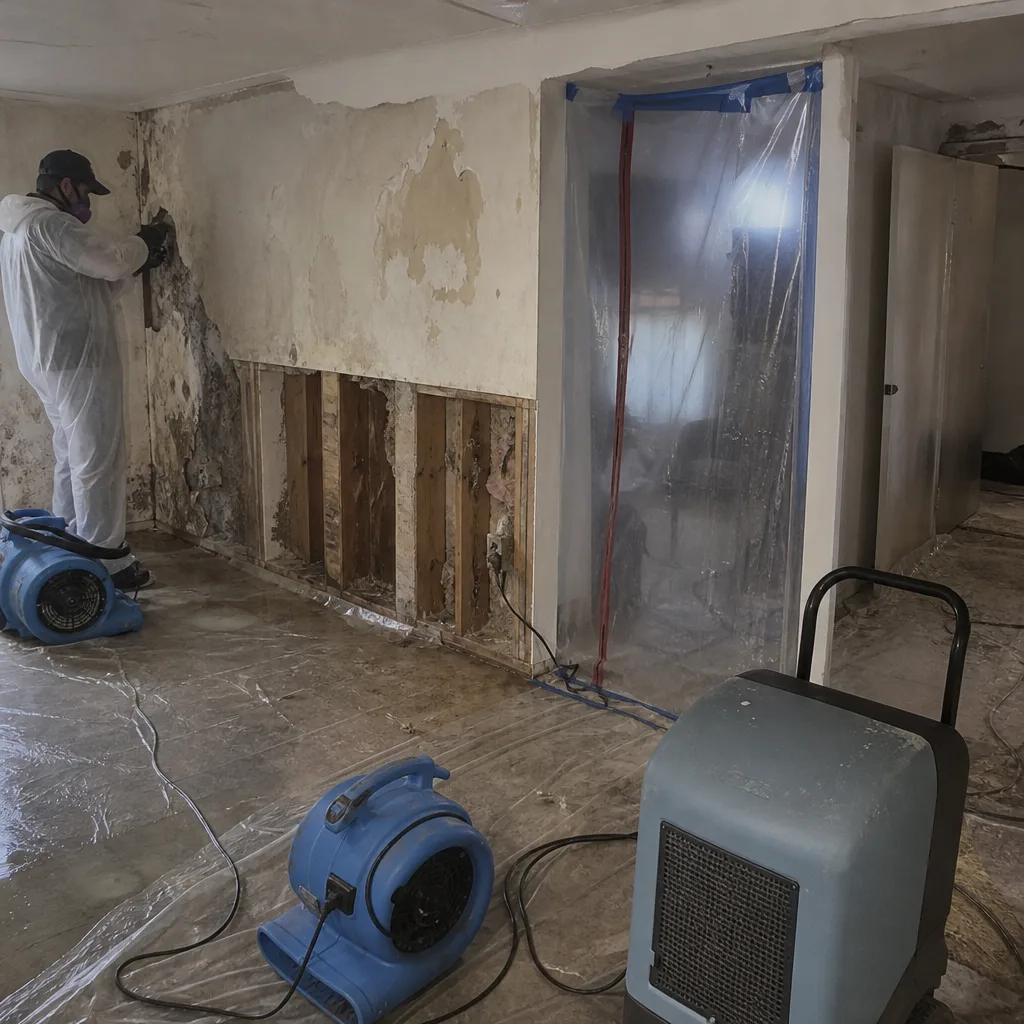 Before
 After
AfterMold Remediation Warning Signs Every Homeowner Should Know
Visible mold is a late indicator. By the time you can spot a colony on your wall or ceiling, it has typically been growing inside the wall assembly for 30 to 90 days and has already released millions of spores into your living space. In Los Angeles, where our mild winters and marine layer mornings create extended periods of elevated humidity, mold gets a longer growing season than most homeowners realize. This guide covers the pre-visible warning signs that appear weeks before mold becomes visible, what each sign means, and how to document what you find so your insurance claim moves faster.
Quick Answer
The most reliable warning signs that you need mold remediation are: a persistent musty odor that intensifies in certain rooms or weather conditions, allergy symptoms that cluster in specific areas of your home, paint bubbling or wallpaper peeling at interior corners, and efflorescence (white, powdery deposits) on concrete or masonry surfaces. These signs typically appear 2 to 12 weeks before visible mold growth.
Table of Contents
- How to Read Musty Odor Patterns Like a Technician
- Allergy and Health Symptom Clustering by Room
- Surface Changes That Precede Visible Mold
- Building Movement and Moisture Intrusion Signals
- Los Angeles Construction-Specific Warning Signs
- What to Document Before You Call
- Common Mistakes to Avoid
- When to Call a Professional
- Frequently Asked Questions
How to Read Musty Odor Patterns Like a Technician
The human nose is more sensitive than most electronic air quality monitors for detecting active mold. The problem is that homeowners learn to ignore gradual changes, and not every musty smell means the same thing.
Active mold growth produces a distinct odor profile: damp, earthy, and slightly sweet, like wet cardboard or rotting leaf litter. This smell intensifies when humidity rises above 60 percent, which in Los Angeles often happens during May Gray and June Gloom mornings, or when Santa Ana winds give way to onshore flow that pushes marine moisture inland. If you notice the smell is stronger near exterior walls, in closets, or after running your HVAC system, that points to a colony feeding on organic material inside the building envelope.
Old mildew, by contrast, smells flat and stale. It does not intensify with humidity changes because the organism is no longer metabolizing and releasing volatile organic compounds. A dead colony, killed by previous cleaning or temporary drying, often smells sharp or acrid, sometimes with an ammonia edge. Homeowners frequently mistake a dead colony for a resolved problem, but the allergenic material remains in the wall cavity and can still trigger reactions.
Track these patterns:
- What time of day is the smell strongest? Morning humidity often reveals active growth that dries below detection by afternoon.
- Which rooms are affected, and does the pattern follow your HVAC duct runs? Mold in ductwork distributes spores unevenly, creating seemingly random hotspots.
- Does the smell change when you run exhaust fans or open windows? If it dissipates quickly, the source may be surface-level. If it persists, the colony is likely inside a wall, floor, or ceiling cavity.
In our experience across Los Angeles, from older Craftsman bungalows in Highland Park to mid-century slabs in the San Fernando Valley, odor tracking is the single most reliable early indicator homeowners can use without equipment.
Allergy and Health Symptom Clustering by Room
Not every health symptom means mold, but symptom clustering by location is a pattern worth investigating. We see this frequently: a homeowner feels fine in the living room and kitchen, but develops a headache, stuffy nose, or irritated eyes within 30 minutes of entering the bedroom or home office. That spatial pattern is data.
Mold-related symptoms that cluster by room include:
- Respiratory irritation that clears when you leave the house for several hours and returns within an hour of coming back
- Skin irritation or rashes that appear after sleeping in a specific bedroom
- Throat irritation or persistent cough that worsens at night, when HVAC circulation drops and local humidity rises in closed rooms
- Fatigue or brain fog that improves on weekends away from home
The key distinction is the location trigger, not just the symptom. Seasonal allergies follow pollen calendars and weather patterns. Viral illnesses spread through households regardless of room. Mold creates a geographic footprint inside your home that matches where spore concentrations are highest.
In Los Angeles, where many homes built between 1945 and 1970 have minimal wall insulation and original HVAC ductwork, spore distribution often follows the path of least resistance through gaps in the building envelope. We have documented cases in Atwater Village and Eagle Rock where a single bathroom exhaust duct leak created a symptom cluster in an adjacent bedroom, with no visible mold until we opened the wall.
If multiple household members develop new symptoms within the same two-week window, that timeline overlap is significant. Document who, what room, and when.
Surface Changes That Precede Visible Mold
Paint, wallpaper, and finishes do not fail randomly. They fail because something behind them has changed. These surface changes are your early warning system.
Paint bubbling at interior corners is one of the most specific indicators. When mold grows on the backside of drywall, it produces moisture and gases that separate the paint film from the substrate. The bubbles often appear first where two walls meet, or where the wall meets the ceiling, because these are natural collection points for condensation and because framing gaps create air pathways. Press gently on a paint bubble: if it feels slightly soft or yields, moisture is present. If the paint behind it is discolored even slightly yellow or brown, microbial growth has likely begun.
Wallpaper peeling at seams follows the same mechanism but is more pronounced because wallpaper adhesive is more water-sensitive than latex paint. In Los Angeles, we see this frequently in homes with original 1960s and 1970s wallpaper in bathrooms and kitchens, where decades of steam exposure have compromised the wall assembly.
Efflorescence on concrete or masonry appears as white, powdery, crystalline deposits. It is not mold, but it proves that moisture is moving through the material and evaporating at the surface, carrying dissolved salts with it. Where efflorescence appears, mold often follows within weeks to months because the same moisture that transports salts also activates mold spores. In Los Angeles, efflorescence is common on garage floors, basement walls in hillside homes, and foundation stems in older properties where drainage has failed.
Grout discoloration in showers and tile surrounds starts at the bottom course of tile or at fixture penetrations. Pink or orange staining typically indicates bacterial growth in soap film, which is a separate issue. Dark gray, brown, or black discoloration that spreads along grout lines despite regular cleaning suggests mold has colonized the grout and possibly the substrate behind it.
Baseboard gaps or separation from the wall occurs when moisture swells the baseboard material or the drywall behind it. In Los Angeles, we see this where slab moisture vapor has risen through the floor plate, or where a previous water damage event was dried incompletely. The gap is not just cosmetic; it is evidence of dimensional change caused by water.
Building Movement and Moisture Intrusion Signals
Your house moves. Seasonal expansion and contraction, foundation settlement, and seismic activity all create gaps that become moisture pathways. Our Seasonal Damage Restoration Care for Los Angeles: Year-Round Homeowner’s Guide explains how to manage these risks. Certain movement patterns predict mold risk before any biological growth begins.
Doors and windows that stick seasonally indicate frame swelling from humidity cycling. In Los Angeles, where many homes have wood windows and stucco exteriors, the combination of morning marine moisture and afternoon drying creates repeated wet-dry cycles. If a door that closed easily in October now requires shoulder pressure in February, the frame has absorbed moisture. That same moisture is entering the wall cavity.
Cabinet doors that no longer align in kitchens and bathrooms often signal moisture accumulation in the cabinet box material, which swells faster than the face frame. Check under sinks: if the cabinet floor feels soft or looks stained, a slow leak has been active long enough to compromise the structure.
Crown molding or trim that separates from the ceiling at exterior walls indicates either truss uplift (common in homes with attic insulation changes) or moisture-driven expansion of the top plate. Either way, the gap becomes a condensation surface during temperature differentials.
Floor tiles that sound hollow when tapped suggest the thinset adhesive has failed, often from moisture vapor transmission through a concrete slab. In Los Angeles, post-war slab-on-grade construction is widespread from the Westside to the San Gabriel Valley. Slab moisture that reaches the tile adhesive creates a failure plane, and the hollow space becomes a microclimate where mold thrives unseen.
These structural signals are not definitive proof of mold. They are proof of moisture, and moisture is the necessary precondition. Addressing the moisture source before mold establishes is always less expensive than remediation.
Los Angeles Construction-Specific Warning Signs
Los Angeles building stock has characteristics that create mold risks distinct from other markets. Understanding your home’s construction era helps you know where to look.
Stucco cracks at window and door corners are nearly universal in Los Angeles homes older than 20 years. Our seismic activity, expansive clay soils, and thermal cycling stress the stucco matrix. Cracks at window corners are not random; they indicate stress concentration where the rigid stucco meets the flexible window frame. Water enters these cracks during rare heavy rains or from irrigation overspray, then migrates inward along the weather-resistant barrier. By the time interior drywall shows damage, mold has been active in the wall cavity for weeks. Inspect exterior stucco annually, especially on north and east elevations that dry slowly.
Slab moisture vapor showing through flooring is common in 1940s through 1970s slab construction, which often lacked vapor barriers or used degraded polyethylene. In neighborhoods from Mar Vista to Alhambra, we find vinyl plank flooring where the adhesive has emulsified, creating a white, chalky residue at seams. Laminate floors cup or buckle. Engineered wood develops dark spots at the wear layer. These are not manufacturing defects; they are moisture vapor transmission, and the constant dampness beneath the flooring material supports mold growth that the homeowner cannot see without removal.
Hillside home crawl spaces and stepped foundations create unique moisture dynamics. In the Hollywood Hills, Silver Lake, and Mount Washington, homes built into slopes often have partial crawl spaces with one or more walls below grade. These areas rarely have adequate ventilation, and seasonal groundwater or irrigation runoff enters through the uphill foundation wall. The first sign is often a musty smell from floor registers, because the crawl space communicates with the living space through construction gaps.
Flat roofs with built-up roofing or modified bitumen, common on 1950s and 1960s modernist homes, develop ponding and membrane splits that allow slow, chronic leaks. The damage accumulates in the roof deck and insulation, with interior signs appearing only when the ceiling drywall saturates. In Los Angeles, where rain is infrequent but sometimes intense, these leaks can be active for months between weather events.
Original galvanized steel water supply lines, still present in many pre-1970 Los Angeles homes, develop pinhole corrosion that creates intermittent leaks inside walls. Unlike copper or PEX failures that announce themselves with visible water, galvanized leaks often seep slowly enough to evaporate at the wall surface, leaving no visible water but creating sustained humidity for mold colonization.
What to Document Before You Call
Documentation serves two purposes: it helps the remediation technician locate and characterize the problem faster, and it supports your insurance claim if coverage applies. Most Los Angeles-area homeowners’ policies cover mold remediation only when the mold results from a covered water damage event, not from long-term maintenance issues. Your documentation establishes the timeline and cause.
Photograph these items in sequence:
- The exterior context. Take wide shots showing the home’s relationship to grade, drainage patterns, and vegetation. Note any irrigation heads that spray the foundation or stucco.
- The specific damage or symptom. Include a ruler or coin for scale. Photograph paint bubbles, efflorescence, baseboard gaps, and grout discoloration from multiple angles, including raking light that reveals texture changes.
- The surrounding area. Show the relationship between the symptom and HVAC vents, windows, plumbing fixtures, and exterior features. This helps trace moisture pathways.
- Your HVAC filter and return grille. A heavily loaded filter or stained return can indicate long-term spore circulation.
Write a dated log of symptom progression:
- When did you first notice the odor, health symptoms, or surface changes?
- Have they changed in intensity, location, or seasonality?
- What weather events, plumbing incidents, or home improvements preceded the first symptom?
- Have any previous contractors addressed this area? When, and what did they do?
Collect any previous inspection reports, repair invoices, or insurance correspondence. If a prior water damage claim exists, the adjuster’s file number and scope of loss documentation speed re-opening.
At Mold Remediation in Los Angeles, we format our assessment documentation to match insurance industry standards, using the same line-item structure that adjusters expect. Your preliminary photos and timeline let us build that documentation faster and more completely.
Common Mistakes to Avoid
- Covering mold with paint or sealant. Kilz and similar products encapsulate the surface but do not kill the colony inside the wall. The mold continues to grow, and the sealant traps moisture, accelerating damage. We have opened walls in Los Angeles homes where three layers of “mold-resistant” paint concealed framing rot.
- Running a dehumidifier without finding the moisture source. Dehumidification treats the symptom, not the cause. In slab-on-grade homes, a dehumidifier may lower ambient humidity while slab moisture continues wicking upward, creating a hidden mold reservoir beneath flooring.
- Self-testing with retail mold kits. Petri dish settling plates detect spores that are already airborne but cannot distinguish active growth from normal background levels, and they provide no location data. Air sampling requires controlled airflow and laboratory analysis to be meaningful.
- Waiting for visible mold before calling. By the time mold is visible, remediation costs typically double or triple compared to addressing the moisture source at the first warning sign. The 30-to-90-day growth window is your opportunity for prevention.
- Hiring a contractor who does not put the scope and price in writing before starting. This is the single most common complaint we hear from Los Angeles homeowners who have been burned. The Garrison Standard requires written price before work starts for exactly this reason.
- Ignoring health symptoms because they seem “minor.” Chronic low-level mold exposure produces cumulative effects. The homeowner who dismisses morning congestion as “just allergies” often discovers resolution only after remediation, when the symptom pattern becomes obvious in retrospect.
- Attempting DIY removal of large colonies. Disturbing a colony larger than 10 square feet without containment and negative air pressure releases millions of spores into the living space. The EPA guideline for homeowner self-remediation stops at that threshold for good reason.
When to Call a Professional
Call for professional assessment when you detect any of the pre-visible warning signs described above, when health symptoms cluster by room, or when you find visible mold covering more than a few square inches. Do not wait for the problem to declare itself fully.
Keegan Water Damage Restoration offers free estimates in Los Angeles. Our technicians arrive in uniform, background-checked, and equipped with moisture meters, thermal imaging, and borescopes to inspect inside wall cavities without unnecessary demolition. We document every finding with photographs formatted for insurance submission, and we put the full scope and price in writing before any work begins, governed by The Garrison Standard.
If you are tracking warning signs now, call (361) 317-7269. Early intervention costs less, preserves more of your home’s structure, and prevents the health effects that develop with prolonged exposure.
Frequently Asked Questions
Professional mold remediation in Los Angeles typically ranges from $1,500 for contained, small-area removal to $6,000 or more for whole-room treatment with full containment, negative air pressure, and HVAC decontamination. The final cost depends on the affected square footage, the materials involved (drywall removal versus selective treatment), and whether the moisture source requires separate repair. Call (361) 317-7269 for an exact quote – estimates are free, and we put the price in writing before any work starts.
Homeowners insurance covers mold remediation when the mold results from a sudden, accidental water damage event that is itself covered, such as a burst pipe or appliance leak. It generally does not cover mold from long-term leaks, maintenance neglect, or humidity issues. Documentation of the original water event and its timeline is critical. We format our assessments to support your adjuster’s requirements and can coordinate directly with your insurance company.
Keegan Water Damage Restoration answers calls with a live person 24 hours a day, including nights, weekends, and holidays. For active mold situations with health impacts or ongoing moisture intrusion, we typically dispatch within hours. Reconstruction and non-urgent remediation is scheduled after written scope and pricing, not rushed. Speed matters for mitigation; precision matters for rebuild.
Bleach is ineffective on porous materials like drywall and wood because it cannot penetrate to kill the root structure, and the water content can actually feed deeper growth. On non-porous surfaces, it may remove visible staining while missing the colony behind. For areas larger than 10 square feet, professional containment and removal following IICRC standards is the safer approach.
Cleaning addresses surface growth on non-porous materials where the moisture source has been eliminated. Remediation is required when mold has penetrated porous materials, when the moisture source is ongoing or unknown, or when air sampling shows elevated spore counts. Our assessment distinguishes these scenarios and recommends the appropriate scope – we do not sell remediation where cleaning suffices.
Contained, single-room remediation typically takes 2 to 5 days, including setup, removal, treatment, drying verification, and clearance sampling. Whole-house situations or those requiring extensive reconstruction may extend to 2 weeks or more. We use professional-grade drying equipment from Phoenix and XPOWER, with moisture readings documented daily until the structure returns to dry standard.
The Bottom Line
Mold gives warning. The musty odor that intensifies on humid mornings, the headache that appears only in your bedroom, the paint bubble at the corner of the wall – these are not random. They are the detectable signals of a moisture problem that will become a mold problem. In Los Angeles, where construction characteristics and climate patterns create specific vulnerabilities, knowing what to look for and where to look puts you weeks ahead of the colony. For more guides & resources, visit our blog.
Document what you find. Track the patterns. And call before visible mold appears, when intervention is simplest and least expensive. Keegan Water Damage Restoration serves Los Angeles with the 365-Day Done Right Promise, written pricing before work starts, and live answer every hour of every day. Call (361) 317-7269 for your free estimate.
Written by Shane Pruitt, Owner at Keegan Water Damage Restoration, serving Los Angeles since 2005.