
Last updated October 11, 2026
Free visual inspection and a written scope of work before any mitigation begins - photos, moisture readings, and drying logs go in your claim file
The scope we write is the scope we bill. Anything new gets shown to you, in writing, before we touch it.
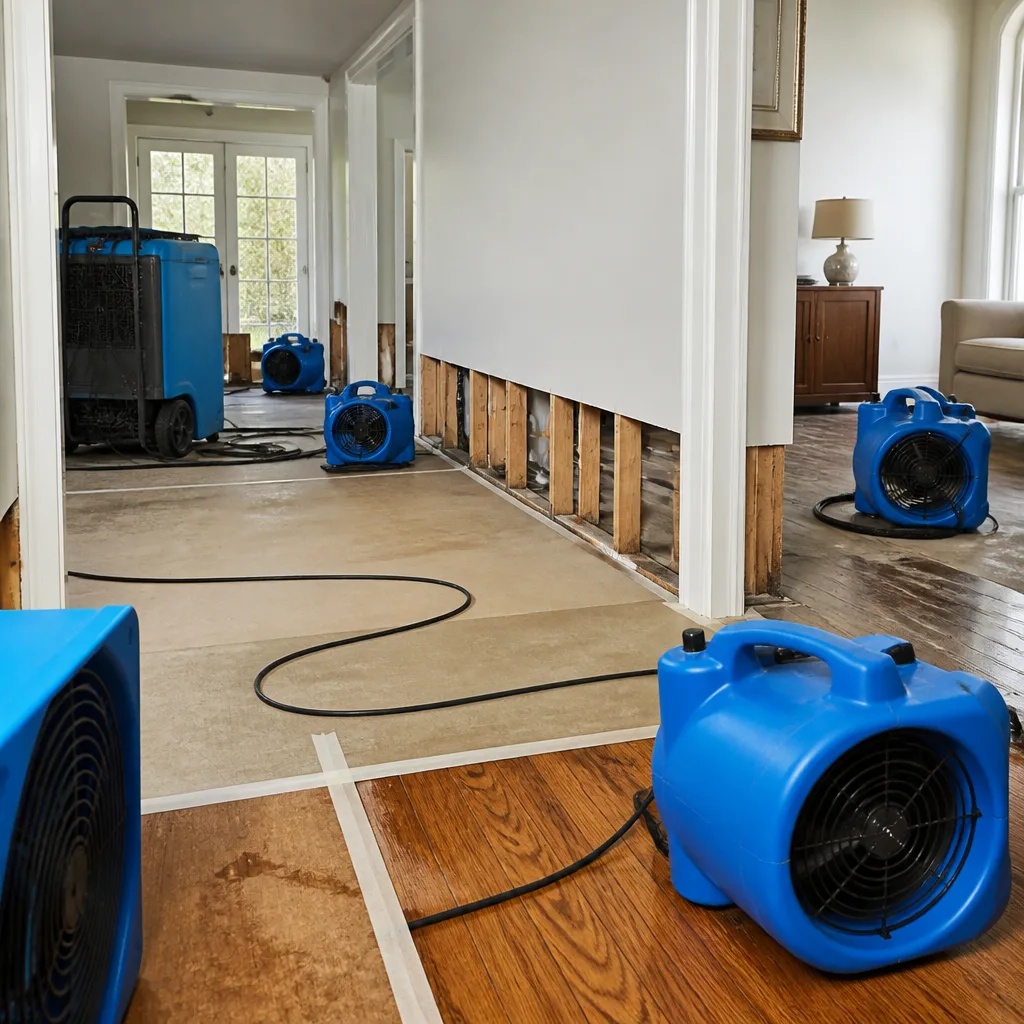
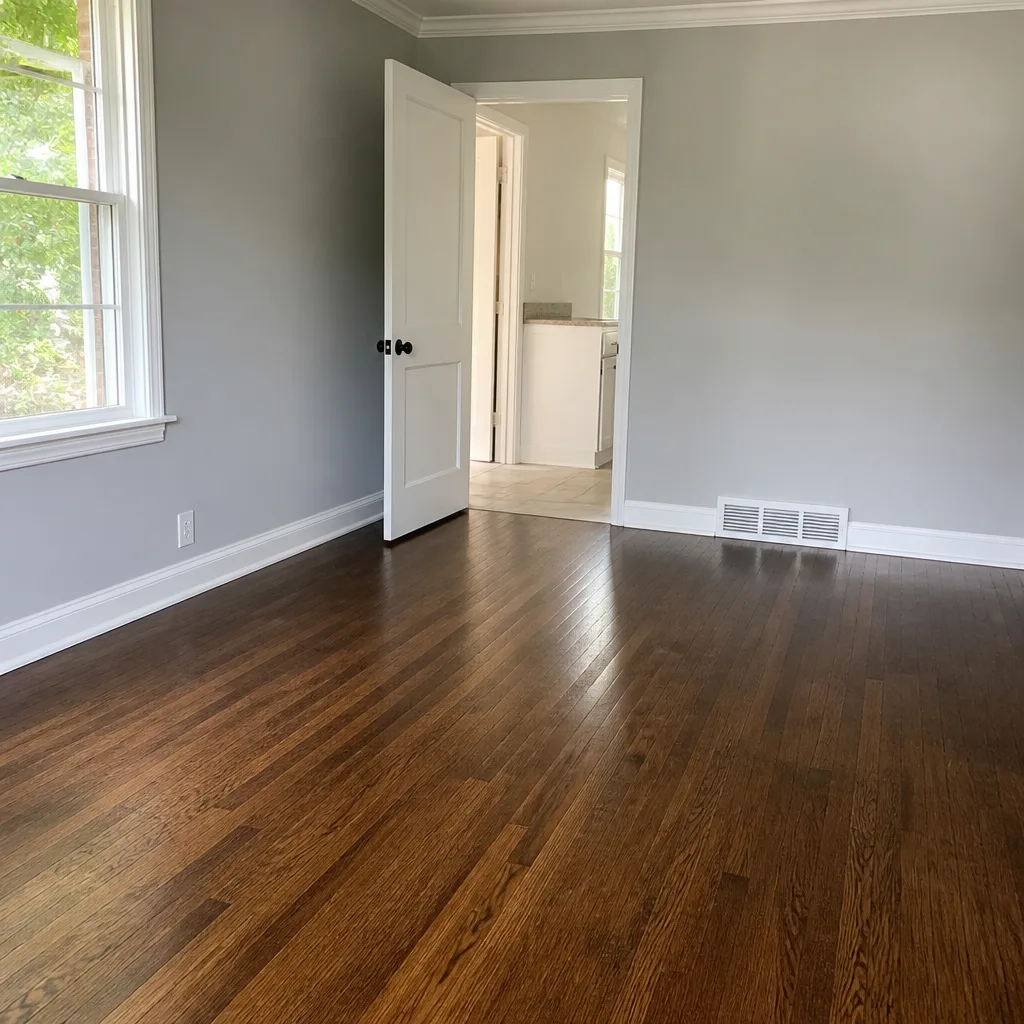
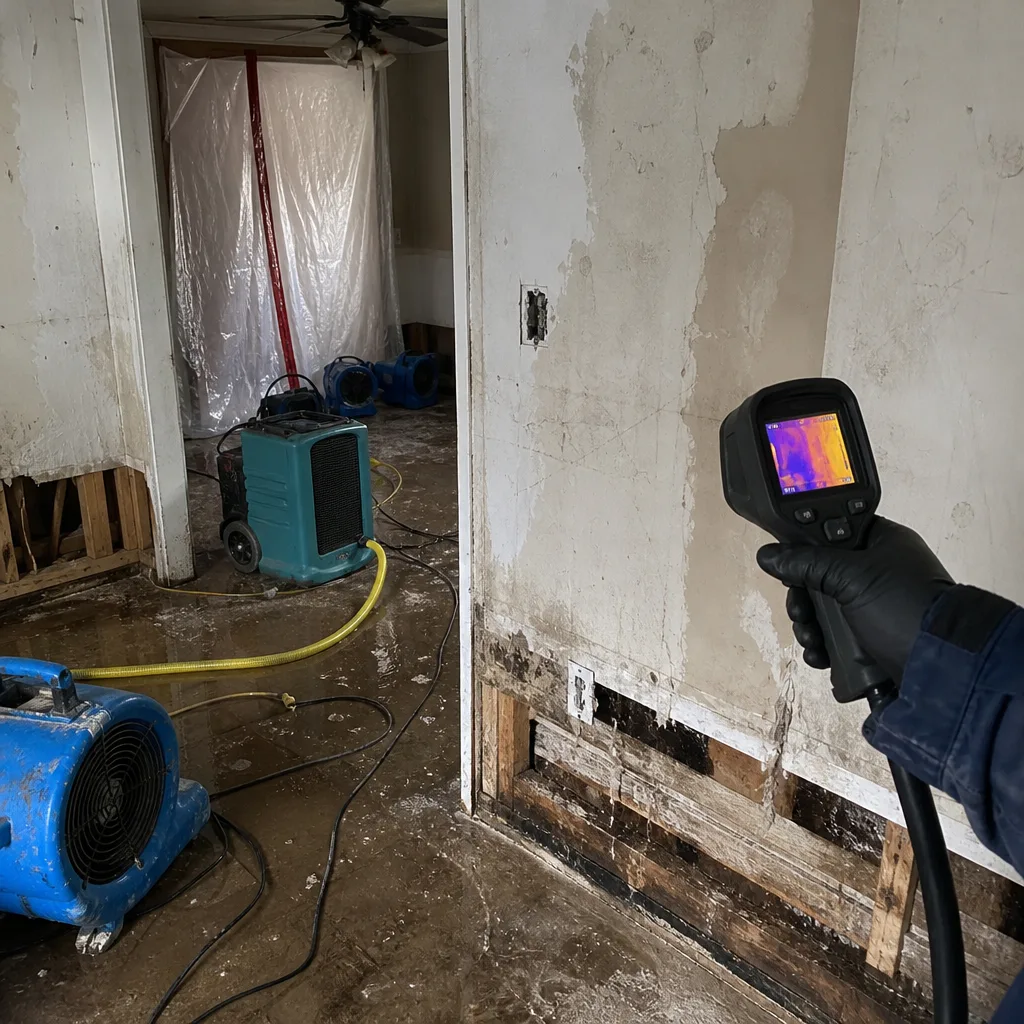 Before
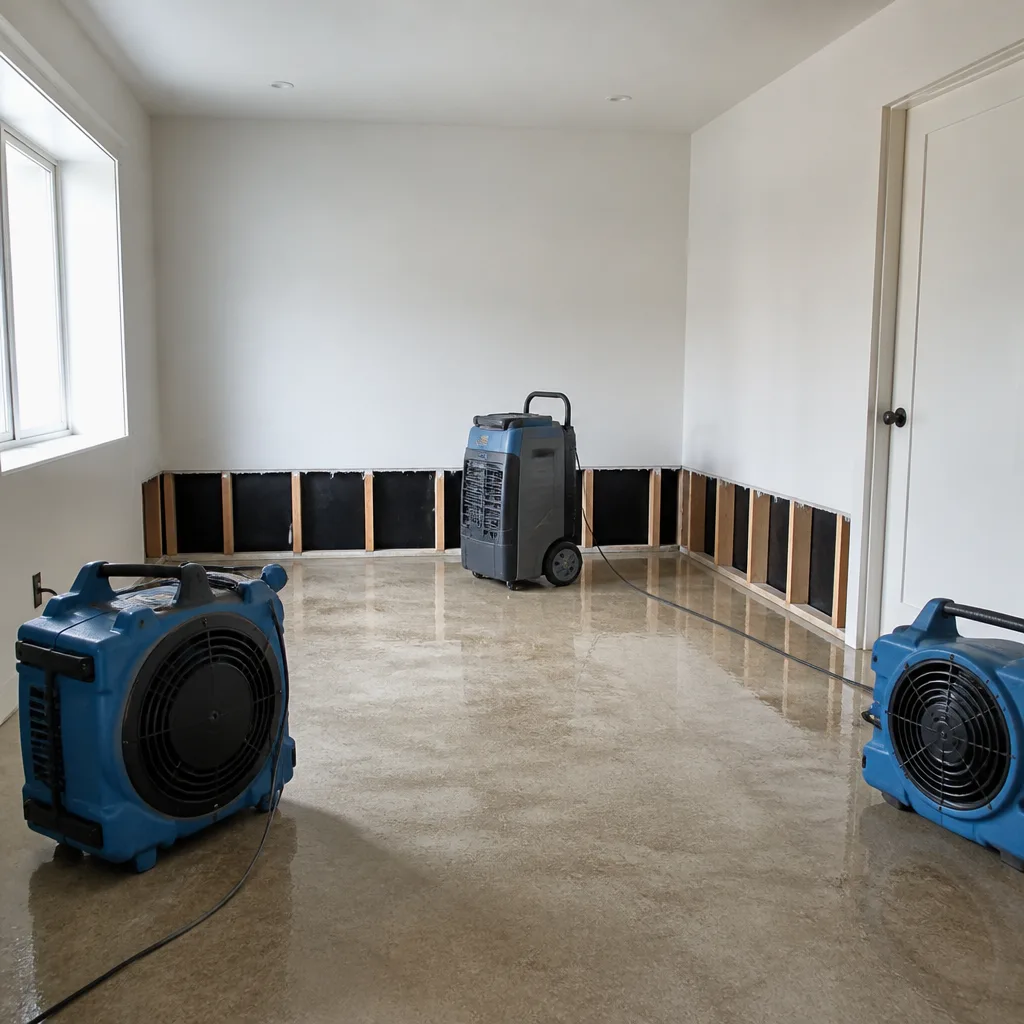 After
After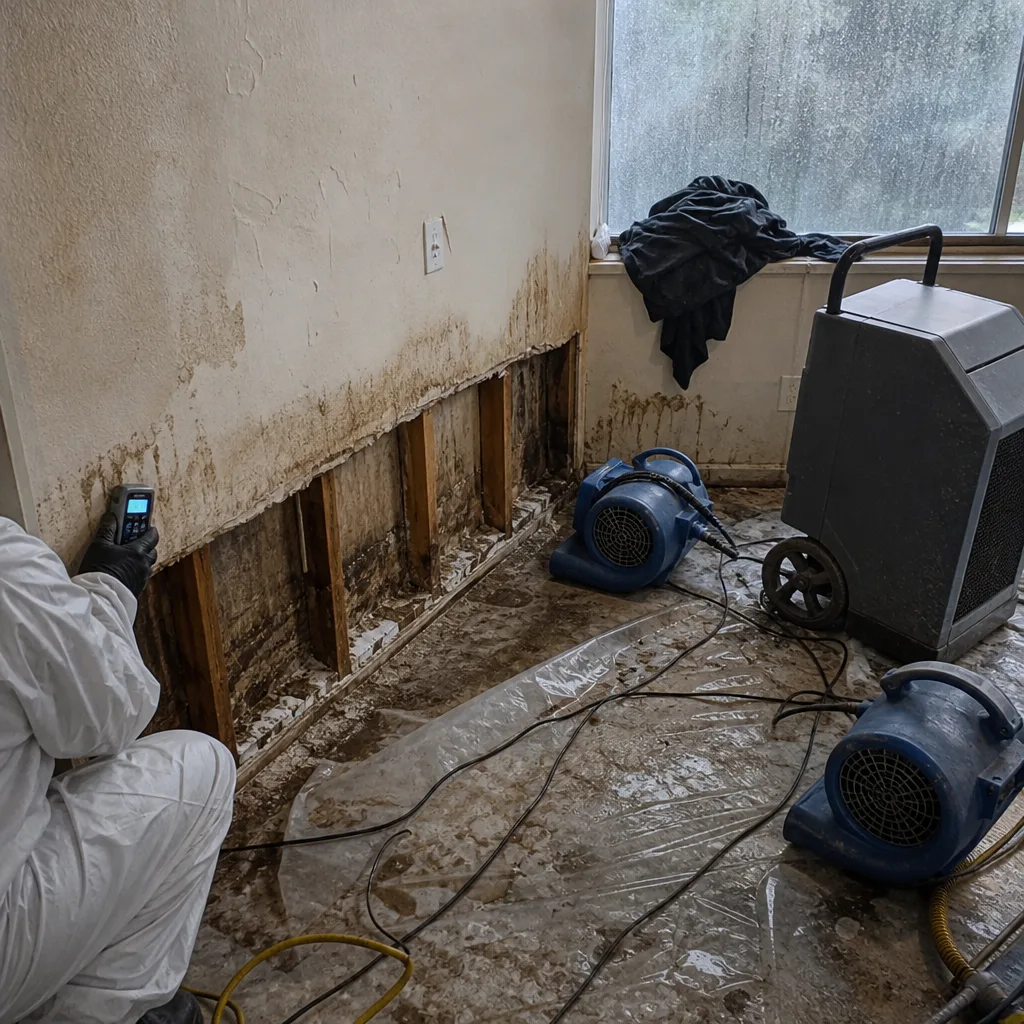 Before
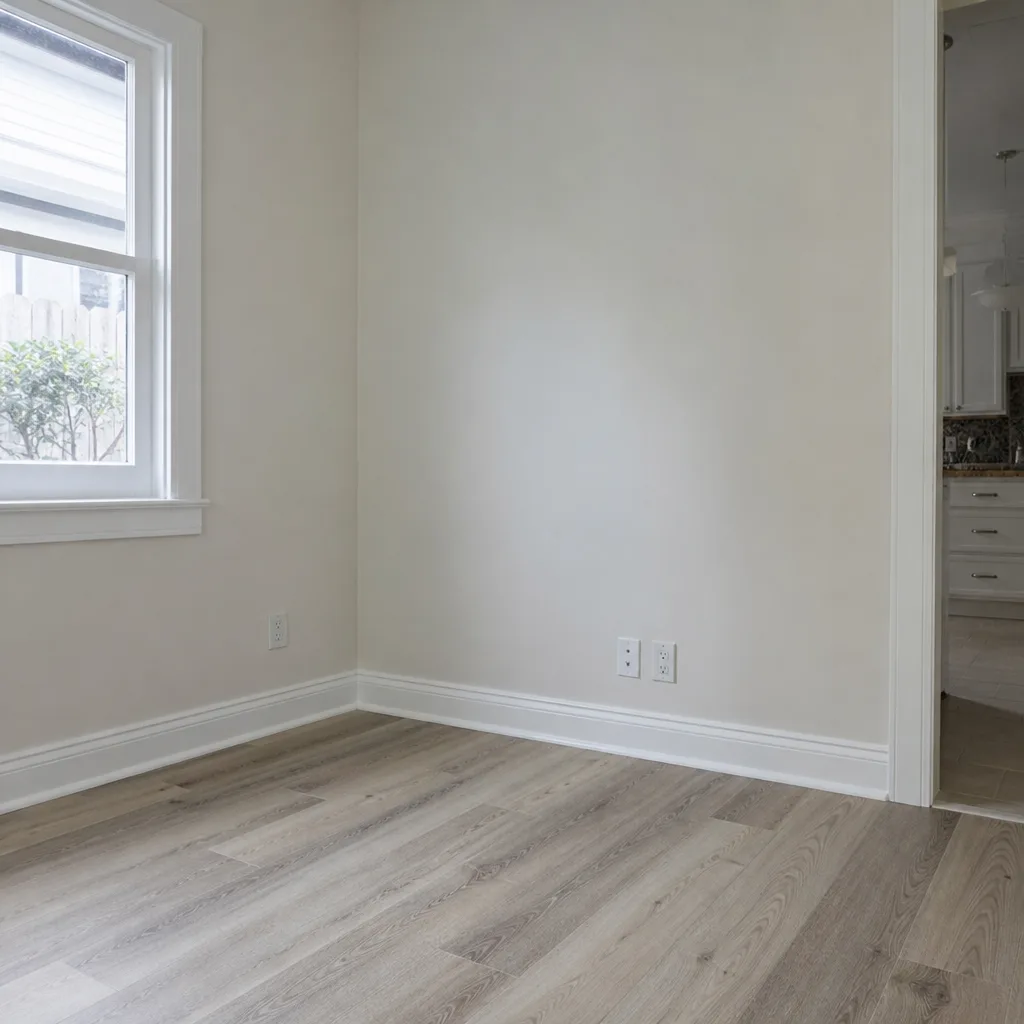 After
After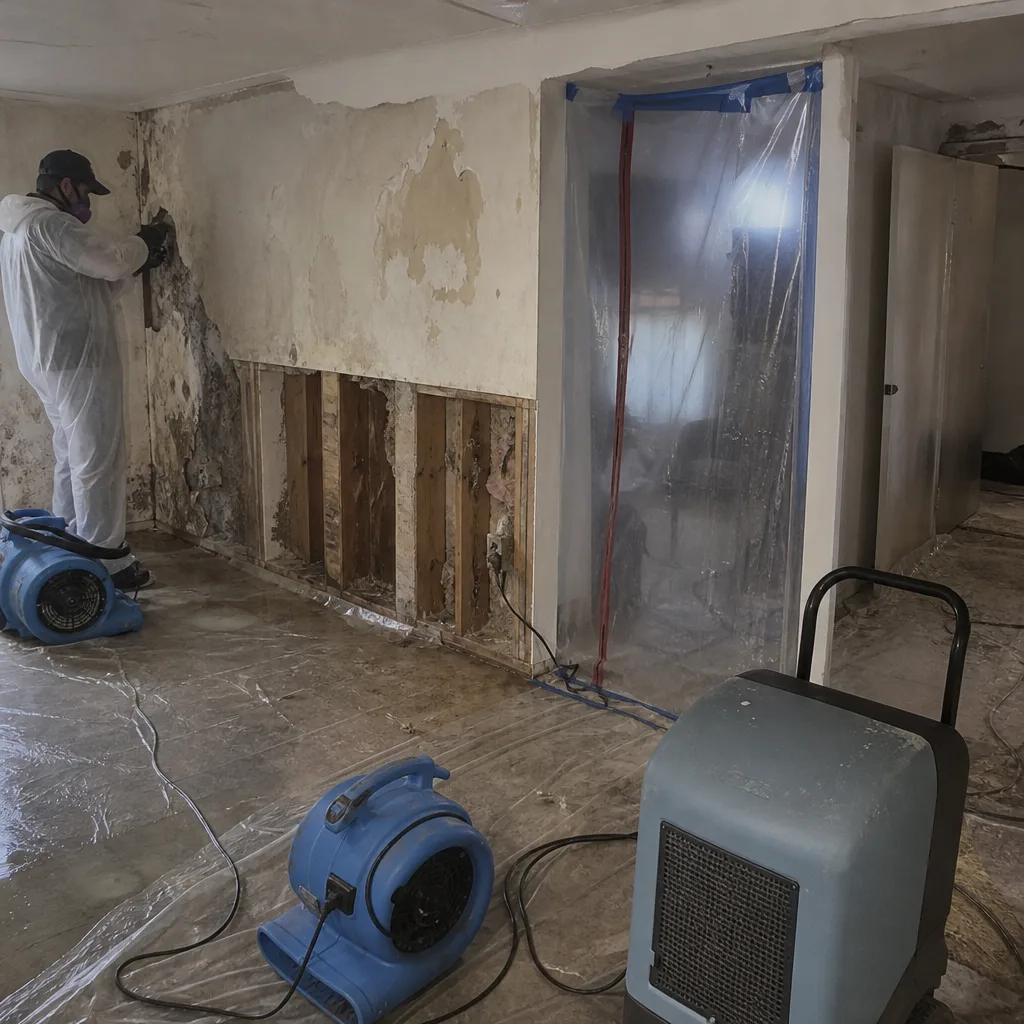 Before
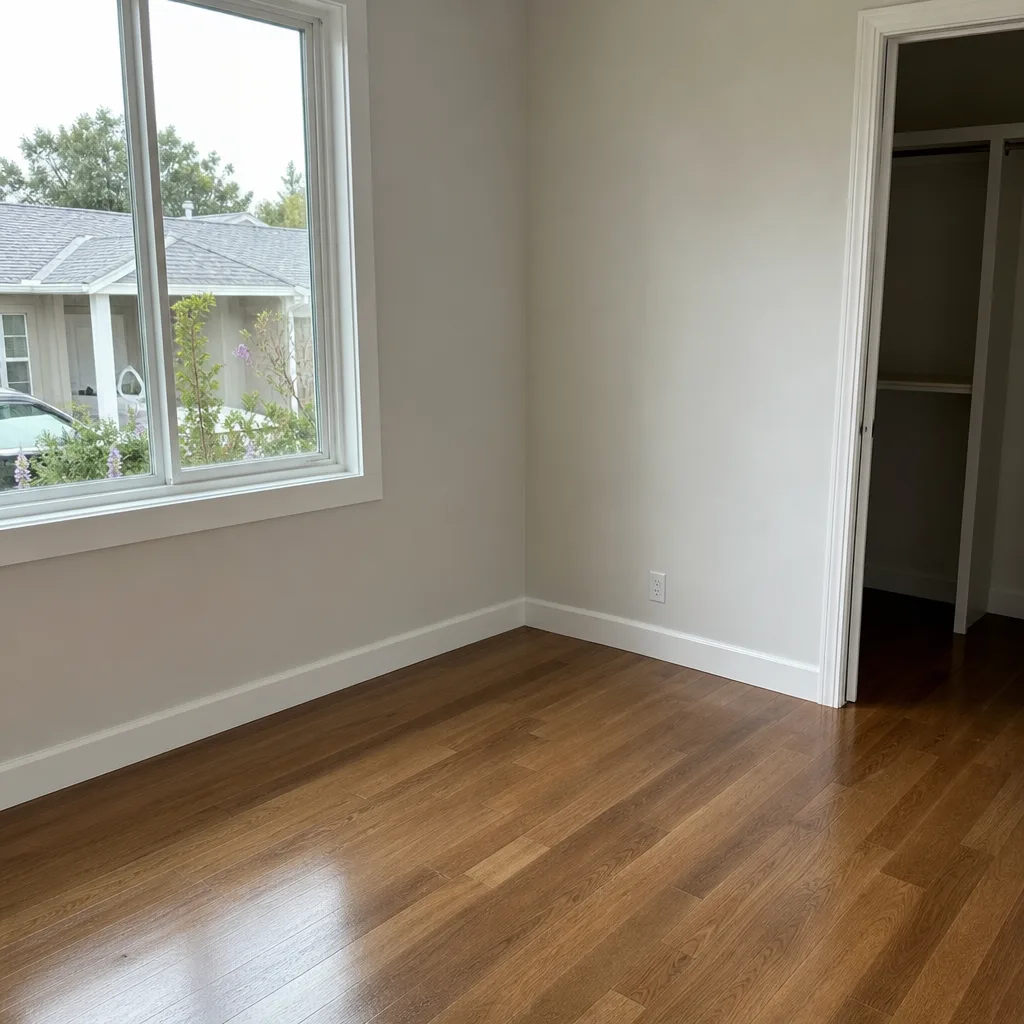 After
AfterWater Damage Restoration Maintenance Checklist for Los Angeles Homeowners
The number-one source of water damage claims in Los Angeles isn’t storms – it’s supply line failures inside the home, most of which show warning signs weeks before they fail that homeowners walk past every day. In our experience responding to calls across Los Angeles, the difference between a $200 fix and a $15,000 restoration comes down to whether someone looked behind the washing machine or checked the water heater pan before the line let go. This checklist is built specifically for Los Angeles homes: the pre-1970 construction with galvanized plumbing, the clay soils that shift with every rainy season, and the flat roofs that collect debris where pitched roofs would shed it.
Quick Answer
Los Angeles homeowners should inspect water supply lines, appliance connections, and drainage systems every March and October, with additional checks after significant earthquakes or Santa Ana wind events. Pre-1970 homes with galvanized or cast-iron plumbing need twice-yearly rust and corrosion inspection, while flat and low-slope roofs require quarterly drainage clearing. Document every inspection with dated photos stored in cloud backup – this creates the evidence trail your adjuster needs if damage occurs.
Table of Contents
- Pre-1970 Plumbing: Galvanized and Cast-Iron Inspection Points
- Clay Soil and Foundation Hydrostatic Pressure in Los Angeles
- Flat and Low-Slope Roof Drainage Maintenance
- Water Heater and HVAC Condensate: Ten-Minute Prevention Checks
- Your Los Angeles Seasonal Inspection Calendar
- How to Document Inspections for Insurance Claims
- Common Mistakes to Avoid
- When to Call a Professional
- Frequently Asked Questions
Pre-1970 Plumbing: Galvanized and Cast-Iron Inspection Points
Homes built before 1970 in Los Angeles neighborhoods like Silver Lake, Echo Park, Highland Park, and much of the San Fernando Valley were plumbed with galvanized steel supply lines and cast-iron drain lines. These materials have exceeded their design life. Galvanized pipes corrode from the inside out, meaning the exterior can look fine while the interior is reduced to a rust-choked passage waiting to burst.
Here’s what to check, and what the warning signs look like:
- Look for rust discoloration at joints and valves. Galvanized steel fails at the threads first. Open the cabinet under any sink and examine where the shutoff valve meets the wall pipe. Orange or brown staining around the threads means active corrosion. In our work across Los Angeles, we’ve found this staining precedes failure by 30 to 90 days in roughly two-thirds of cases.
- Run the hot water full for 60 seconds, then fill a clear glass. Rust-colored water that clears after running indicates interior pipe corrosion. If the water never clears, the hot water heater tank may be failing – but persistent cloudiness in cold water means the supply line itself is compromised.
- Check water pressure at multiple fixtures simultaneously. Turn on the kitchen sink, a bathroom sink, and a tub. If pressure drops dramatically when multiple fixtures run, galvanized pipes may be occluded with rust scale. Normal pressure in Los Angeles municipal supply is 40 to 80 PSI; occluded galvanized lines often read below 30 PSI at the fixture.
- Listen for hammering or vibration when valves close. Water hammer in galvanized systems accelerates joint failure. The rigid steel pipe transmits shock directly to threaded connections.
- Inspect cast-iron drain lines for green or white efflorescence. This mineral deposit indicates slow leaks at joints. In crawl spaces and basements (more common in older Los Angeles hillside construction), look for this on pipe undersides. Cast-iron also develops longitudinal cracks as it ages – a flashlight beam across the pipe surface will catch these.
Replacement of galvanized supply lines with copper or PEX is the permanent fix. Partial replacement – replacing only the visible failed section – often just moves the failure point to the next weakest joint. We document pre-existing corrosion on every water damage restoration in Los Angeles where galvanized plumbing is involved, because insurance adjusters routinely question whether the damage was sudden and accidental or the result of long-term maintenance neglect.
Clay Soil and Foundation Hydrostatic Pressure in Los Angeles
Los Angeles sits on expansive clay soils, particularly in the Westside, the Valley, and areas around the Baldwin Hills. These soils shrink dramatically during dry months and expand when winter rains arrive or irrigation runs heavy. That expansion creates hydrostatic pressure against foundation walls and slabs, forcing water through hairline cracks that were invisible in August.
The Los Angeles rainy season runs November through March, but the soil shift lags. We see the most foundation-related water damage calls in January through April, when saturated clay is at maximum expansion.
Interior slab inspection points:
- Check baseboards and drywall bottoms in rooms with slab-on-grade construction – this includes most postwar tract homes in the Valley and South Bay. Darkening, swelling, or paint bubbling at the baseboard bottom indicates moisture wicking through slab cracks.
- Look for tile grout darkening or vinyl flooring edge curling in kitchens and bathrooms. These materials show moisture migration before visible standing water appears.
- Monitor floor drains and cleanouts in garages and utility rooms. In hillside Los Angeles homes with partial basements or walkout lower levels, these are often the first points where hydrostatic pressure manifests.
- Examine the exterior foundation after heavy rain. Look for soil pulling away from the foundation (shrinkage) or soil lifted above the grade line (expansion pushing against the wall). Either indicates active soil movement.
Proper grading – soil sloped away from the foundation at 6 inches of drop per 10 feet of run – is the first defense. In Los Angeles, where lot sizes are tight and hardscaping is common, this grade is often compromised by patios, walkways, or planter beds installed against the house. Regrading these areas before the rainy season is preventive maintenance that pays for itself many times over.
French drains and perimeter drain systems require inspection too. In older Los Angeles homes, these were often built with clay tile or concrete channel that has cracked or filled with sediment. A drain camera inspection every three to five years identifies blockage before pressure builds.
Flat and Low-Slope Roof Drainage Maintenance
Mid-century modern architecture, apartment buildings, and many commercial-to-residential conversions in Los Angeles feature flat or low-slope roofs with parapet walls. These don’t fail dramatically – they fail incrementally, with ponding water finding the path of least resistance through aged membrane seams or failed flashing.
The critical difference from pitched-roof maintenance: debris doesn’t slide off. It accumulates at drains and scuppers, creating dams that hold water against the membrane.
Quarterly inspection and clearing schedule for Los Angeles flat roofs:
- Clear all drains, scuppers, and gutters of leaves and debris. Los Angeles has extended dry seasons, so debris accumulates for months and then gets cemented in place by the first heavy rain. Use a plumber’s snake or water jet to clear fully – partial clearing leaves enough blockage to back up during a storm.
- Inspect membrane seams and flashing at parapet walls. Look for cracking, alligatoring, or separation. The UV exposure in Los Angeles is severe; even “20-year” modified bitumen membranes often show degradation at year 12 to 15.
- Check for ponding 48 hours after rain. Standing water that remains more than 48 hours indicates inadequate slope or drain blockage. The weight of ponded water also stresses the roof structure – a significant concern in Los Angeles seismic country.
- Examine interior ceiling stains after Santa Ana wind events. These hot, dry winds accelerate membrane shrinkage and can lift poorly secured edges, creating entry points that the next rain exploits.
Many Los Angeles homeowners we work with in neighborhoods like Los Feliz, the Hollywood Hills, and mid-century tracts in Woodland Hills discover roof leaks only after water has traveled through ceiling cavities and emerged far from the actual penetration point. Infrared moisture detection – part of our standard assessment protocol using equipment from Phoenix and Injectidry – traces these migration paths without destructive investigation.
Water Heater and HVAC Condensate: Ten-Minute Prevention Checks
These two systems cause more indoor floods in Los Angeles homes than any other single source except supply line failures. Both checks take under ten minutes and require no tools.
Water heater (do this monthly):
- Verify the temperature-pressure relief (TPR) valve discharge line terminates where you can see it – not into a hidden drain. Lift the TPR lever briefly; water should flow freely and stop when released. If it drips continuously, the valve is failing.
- Check the drain pan under the tank. In Los Angeles, many water heaters sit in attic spaces or on raised platforms in garages. The pan should have no standing water, no rust, and an intact drain line to exterior or approved drain. We’ve restored dozens of Los Angeles homes where a failed pan drain allowed a slow leak to saturate ceiling drywall for weeks.
- Look for corrosion at pipe connections and tank base. Water heaters in Los Angeles garages are particularly vulnerable to airborne moisture and coastal salt air in beach-adjacent neighborhoods.
- Note the installation date. Tank water heaters in Los Angeles typically last 8 to 12 years with local water chemistry. Beyond year 10, monthly inspection frequency should increase.
HVAC condensate (check at season start, March and October):
- Locate the condensate drain line from your air handler – typically a PVC pipe exiting near the exterior wall or connecting to a pump. Run a cup of water through the line; it should flow freely. Algae and biofilm buildup in Los Angeles warm-season climates is common.
- Check the condensate pump if present. These fail silently. Pour water into the reservoir and verify the pump activates and empties completely.
- Inspect the emergency shutoff float switch. This should be wired to kill the AC if condensate backs up. Test by lifting the float manually – the system should stop.
The HVAC condensate line is the most common source of “mystery” water damage we encounter in Los Angeles condos and townhomes, where the air handler sits in a closet above living space. A clogged line can dump 20 gallons of water per day of AC operation into ceiling and wall cavities.
Your Los Angeles Seasonal Inspection Calendar
Los Angeles climate patterns create distinct risk windows. This Water Damage Restoration Maintenance Schedule: What to Do and When aligns inspection timing with actual local conditions, not generic national advice.
March (pre-warm season):
- Full plumbing inspection, with emphasis on galvanized supply lines
- HVAC condensate line flush and pump test
- Flat roof drain clearing after winter debris accumulation
- Sprinkler system pressurization check – look for winter freeze damage at above-ground backflow preventers
- Exterior grade inspection after winter soil expansion
June (early dry season):
- Water heater TPR and drain pan check
- Irrigation system zone-by-zone inspection – Los Angeles watering restrictions often lead to over-pressurized lines compensating for limited run times
- Window and door seal inspection before Santa Ana wind season
October (pre-rainy season):
- Repeat full plumbing inspection
- Roof membrane and drainage inspection
- Gutter and downspout clearing – even homes with minimal rainfall need these functional for the occasional intense storm
- Foundation grade verification; recompact any settled areas
- HVAC condensate line second flush
January (mid-rainy season):
- Interior slab and baseboard moisture check
- Post-storm roof interior inspection for leaks
- Drainage system performance verification during actual rain events
After any earthquake of 4.0+ magnitude:
- Immediate inspection of all visible supply lines for joint stress
- Water meter check – shut off all fixtures, verify meter is static; movement indicates a new leak
- Water heater strap and flex line inspection per Los Angeles seismic code requirements
How to Document Inspections for Insurance Claims
Insurance adjusters in Los Angeles process thousands of water damage claims annually. The claims that move smoothly share one characteristic: the homeowner has pre-loss documentation showing the property was maintained and the damage was sudden and accidental.
We format every Keegan Water Damage Restoration home job documentation to support this standard. Here’s how to create the same evidentiary foundation yourself:
- Photograph every inspection with date-stamped images. Use your phone’s location and timestamp features. Capture wide shots establishing the area, then close-ups of specific conditions. For galvanized pipe corrosion, photograph the staining, then photograph the same joint from the same angle at each subsequent inspection to show progression or stability.
- Maintain a simple log. Spreadsheet or notebook – the format matters less than consistency. Record: date, area inspected, condition found, action taken, next inspection due. This creates a maintenance history that counters any insurer’s claim of long-term neglect.
- Store in cloud backup with offline redundancy. Los Angeles wildfire risk makes local-only storage unreliable. Use any cloud service, but also email copies to yourself or a family member. If your home suffers damage, you’ll access these from anywhere.
- Keep receipts for any preventive work. Re-piping, roof membrane replacement, drain cleaning – these prove active maintenance. The invoice date and scope establish timeline.
- Photograph your personal property in storage areas. Basements, garages, and closets in lower levels are common flood points in Los Angeles hillside homes. A annual video walkthrough with narration (“January 15, 2024, garage contents…”) supports contents claims without requiring you to reconstruct inventory from memory after a loss.
When we arrive at a water damage loss in Los Angeles, one of our first questions is whether the homeowner has pre-loss documentation. Those who do typically see faster claim resolution and fuller coverage. Those who don’t often spend weeks in back-and-forth with adjusters over whether staining was pre-existing or whether damage was truly sudden.
Common Mistakes to Avoid
- Assuming new paint covers old water stains. In Los Angeles flip properties and renovated rentals, fresh paint over unaddressed moisture damage is common. The stain returns, and the underlying damage continues. Always identify and fix the moisture source before cosmetic repair.
- Ignoring slow drips because “it’s not much water.” A drip every three seconds equals roughly 30 gallons per month. In Los Angeles warm, dry air, this evaporates without visible puddling – but saturates framing, insulation, and creates mold-conducive conditions we remediate regularly.
- Clearing only visible roof debris. Flat roof drains often have strainer baskets below the visible grate. Leaves compact in these baskets and create complete blockages that surface clearing won’t address. Remove and clean baskets fully.
- Testing TPR valves without verifying the discharge path. Opening a TPR valve into a blocked or misdirected discharge line can flood the immediate area. Confirm the line terminates visibly before testing.
- Skipping inspection after minor earthquakes. Los Angeles experiences dozens of perceptible earthquakes annually. The 3.5 that didn’t knock anything off shelves can still stress a corroded galvanized joint to failure point. The water meter static test takes two minutes.
- Waiting for visible mold before addressing moisture. In Los Angeles climate, mold growth can establish on wet gypsum within 48 to 72 hours. By the time you see visible growth, remediation rather than simple drying is often required. Our mold remediation in Los Angeles work frequently starts with homeowners who delayed on “just a little water.”
- Relying on home inspector reports from purchase without update. A clean inspection at purchase means nothing about current condition five years later, especially for galvanized plumbing at end of life.
When to Call a Professional
Some conditions require trained assessment beyond homeowner inspection. Call a professional when you find active water flow you cannot source; rust-colored water from multiple fixtures simultaneously; visible mold growth of any size; sagging ceilings or bulging drywall; or electrical outlets or switches that have been wet. These indicate conditions where DIY investigation risks injury or worsens damage.
For water damage already in progress, our Water Damage Restoration services prioritize speed of response to limit the scope. We answer calls with a live person 24 hours a day, including nights, weekends, and holidays – no phone trees when water is actively damaging your home. Our technicians arrive in uniform, background-checked, and put the scope and price in writing before any work begins, governed by The Garrison Standard.
Keegan Water Damage Restoration offers free estimates in Los Angeles – call (361) 317-7269.
Frequently Asked Questions
Category 1 clean water mitigation in Los Angeles typically ranges from $1,200 to $3,500 for contained areas under 500 square feet, while Category 2 or 3 losses with contamination or widespread saturation often run $4,000 to $12,000 or more depending on affected materials and required drying duration. Reconstruction costs are additional and scoped separately. Call (361) 317-7269 for an exact quote – estimates are free, and we put the price in writing before any work starts.
Most Los Angeles homeowners policies cover sudden and accidental water damage from supply line failures, but exclude damage from long-term leaks or maintenance neglect. Your documentation – dated inspection photos, maintenance logs, and repair receipts – determines how the adjuster classifies the loss. We document every job to insurance-standard format and can coordinate directly with your adjuster.
Keegan Water Damage Restoration answers calls with a live person 24/7 and dispatches background-checked, uniformed technicians to Los Angeles locations. For active water flow, response speed directly limits damage scope – every hour of delay increases saturation and secondary damage risk. Call (361) 317-7269 for current dispatch availability.
Surface water removal with consumer equipment addresses what you can see, but wall cavities, subfloors, and insulation retain moisture that creates mold-conducive conditions within 48 to 72 hours in Los Angeles climate. Professional-grade equipment from XPOWER and B-Air, operated with psychrometric monitoring to IICRC standards, verifies that structural materials reach true dry standard, not just surface dryness.
Standard drying for a contained Category 1 loss typically requires 3 to 5 days of active equipment operation, plus 1 to 2 days for assessment and setup. Contaminated water, extensive demolition, or reconstruction needs extend this timeline. We provide a written scope with timeline before work begins, and our 365-Day Done Right Promise covers every repair.
Los Angeles combines aging pre-1970 infrastructure, expansive clay soils that stress foundations seasonally, flat-roof architecture vulnerable to drainage failures, and seismic activity that damages plumbing. The dry climate also creates false confidence – homeowners miss slow leaks because evaporation hides accumulation until structural damage or mold is established. Our checklist addresses these specific conditions, not generic national averages.
The Bottom Line
Water damage in Los Angeles is preventable in most cases, but prevention requires looking at the specific conditions of local homes: galvanized plumbing at end of life, clay soils that move with every season, flat roofs that collect what pitched roofs shed. Inspect on a schedule tied to actual local climate patterns, document everything for the claim you hope never to file, and know the warning signs that mean a professional assessment is the right next step. See our more guides & resources for deeper dives on each topic. The Garrison Standard applies whether we’re on the job or you’re handling maintenance yourself – do it by the book, put it in writing, and stand behind the work.
Questions about your home’s specific risks? Call Keegan Water Damage Restoration at (361) 317-7269 for a free estimate. A live person answers 24 hours a day, and we put every scope and price in writing before any work begins.
Written by Shane Pruitt, Owner at Keegan Water Damage Restoration, serving Los Angeles since 2005.