
Last updated October 11, 2026
Free visual inspection and a written scope of work before any mitigation begins - photos, moisture readings, and drying logs go in your claim file
The scope we write is the scope we bill. Anything new gets shown to you, in writing, before we touch it.
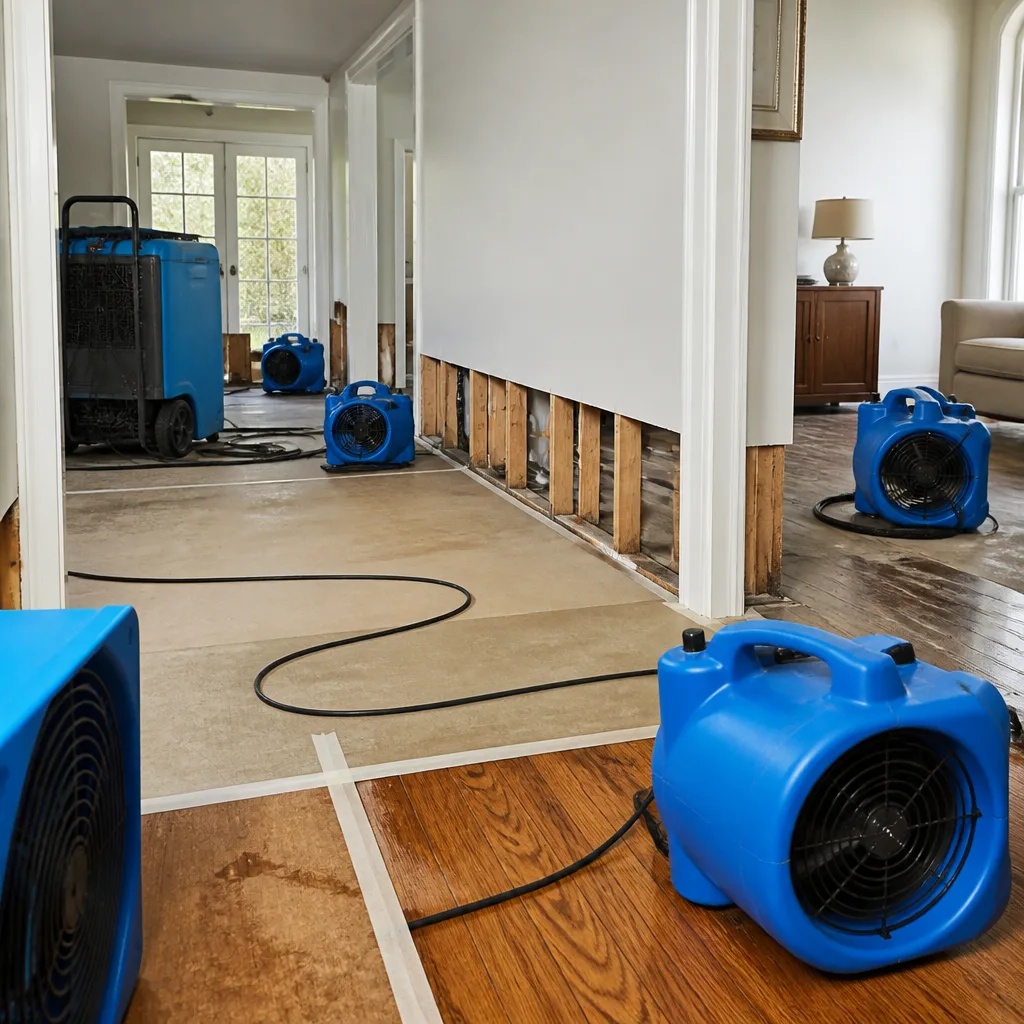
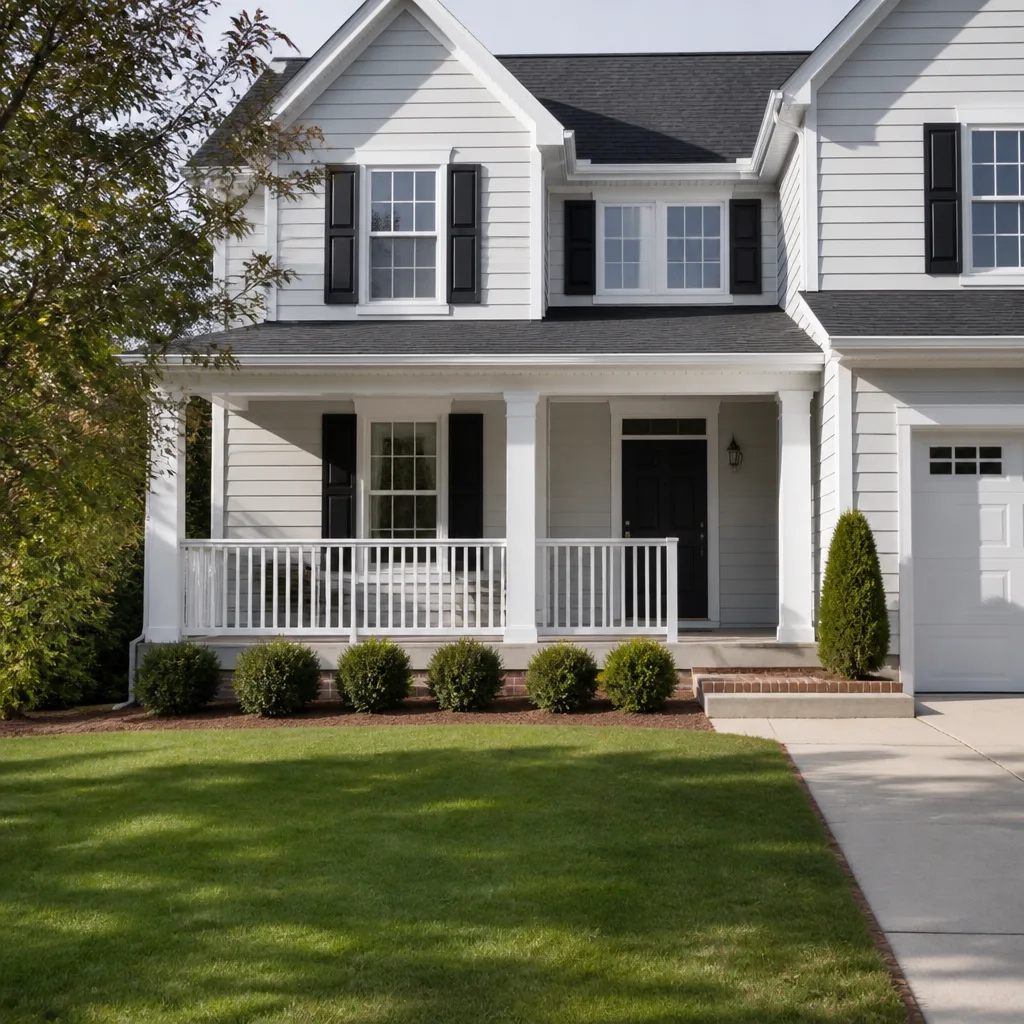
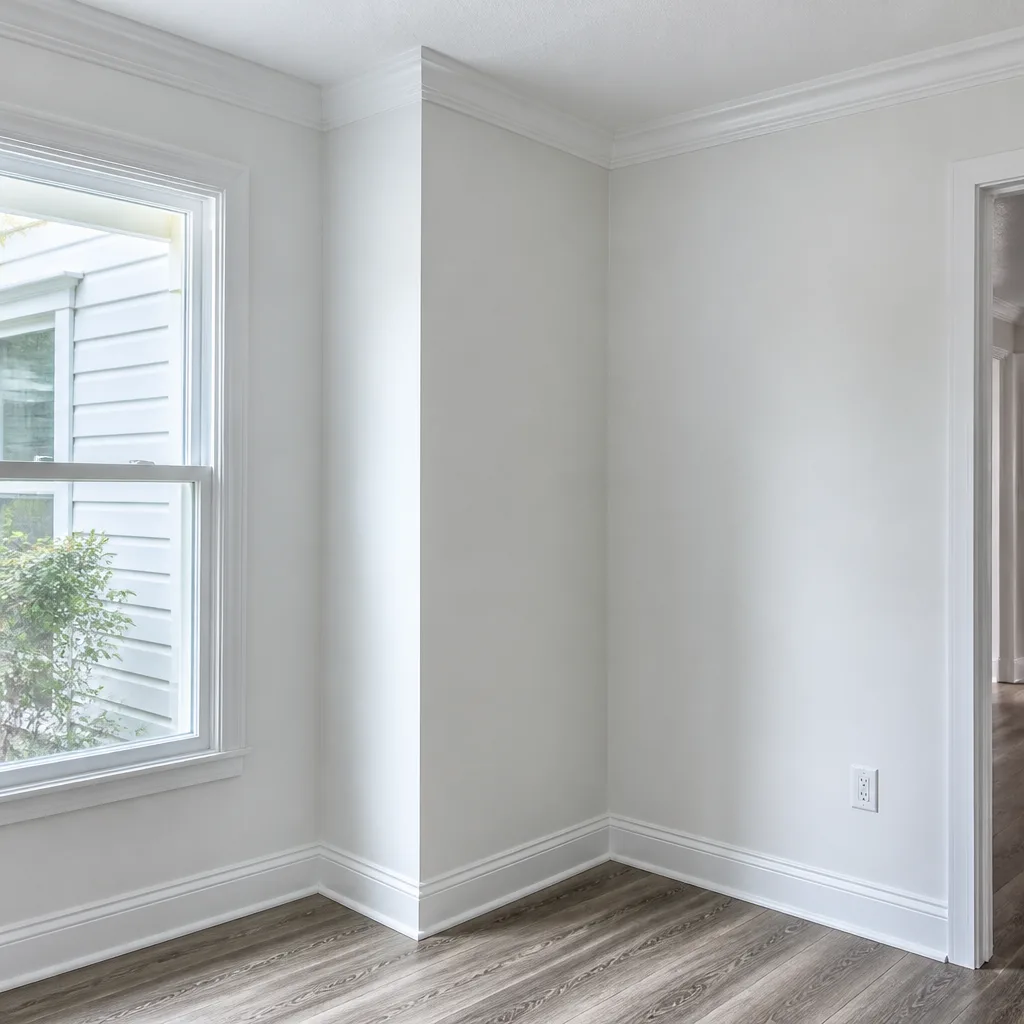

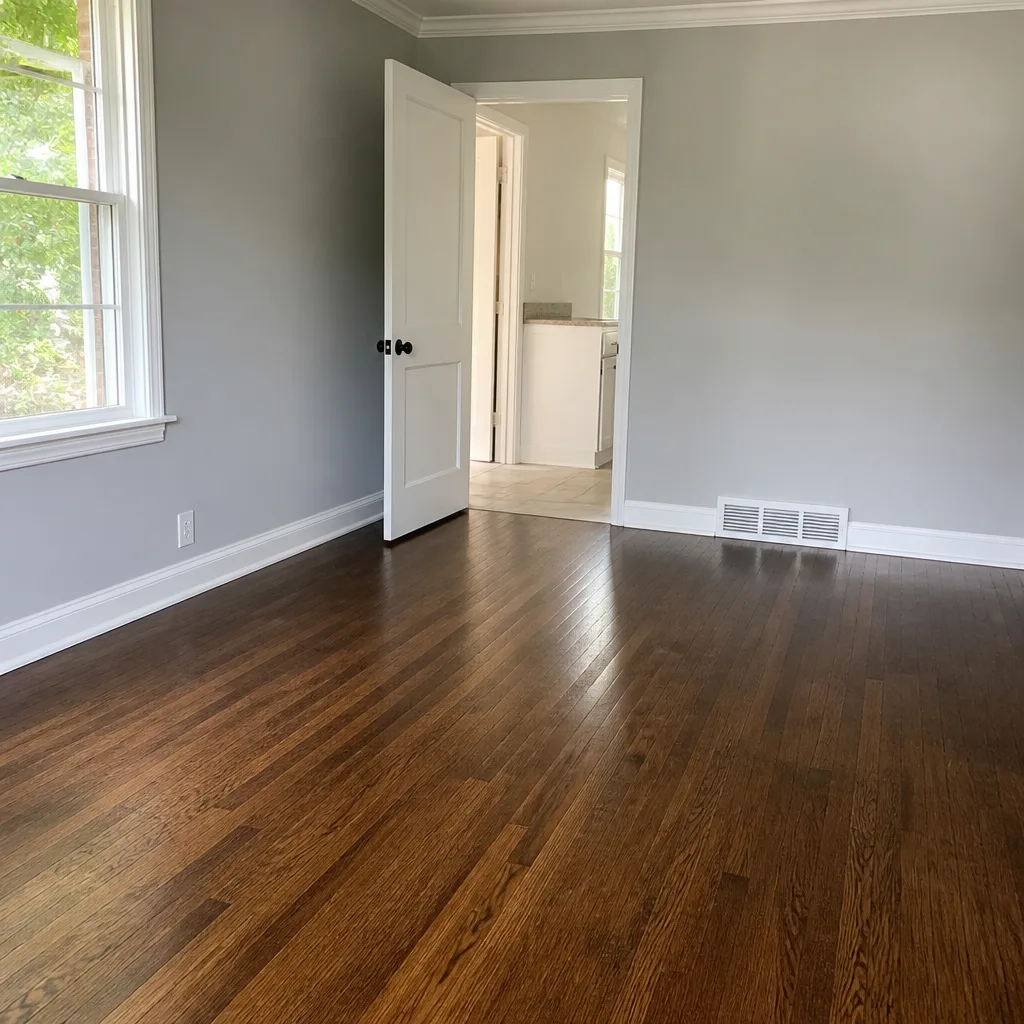
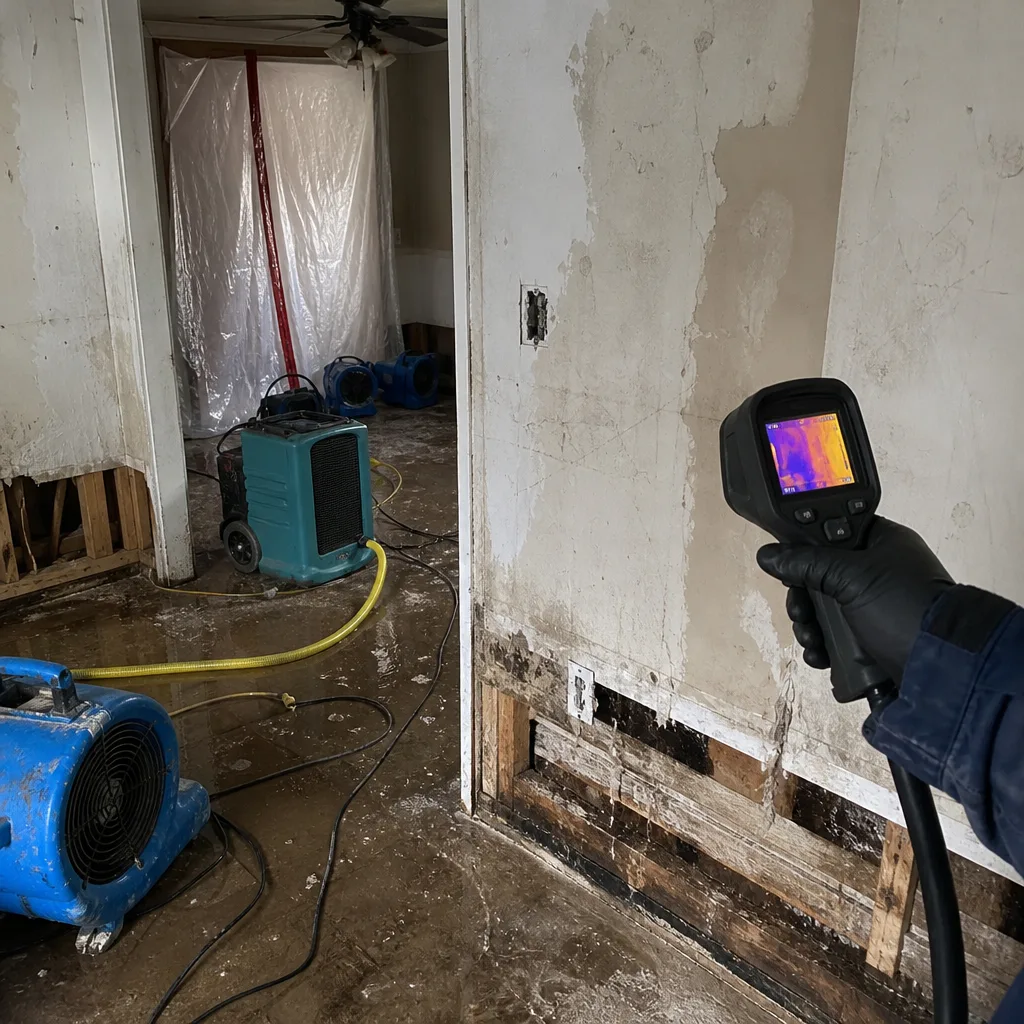 Before
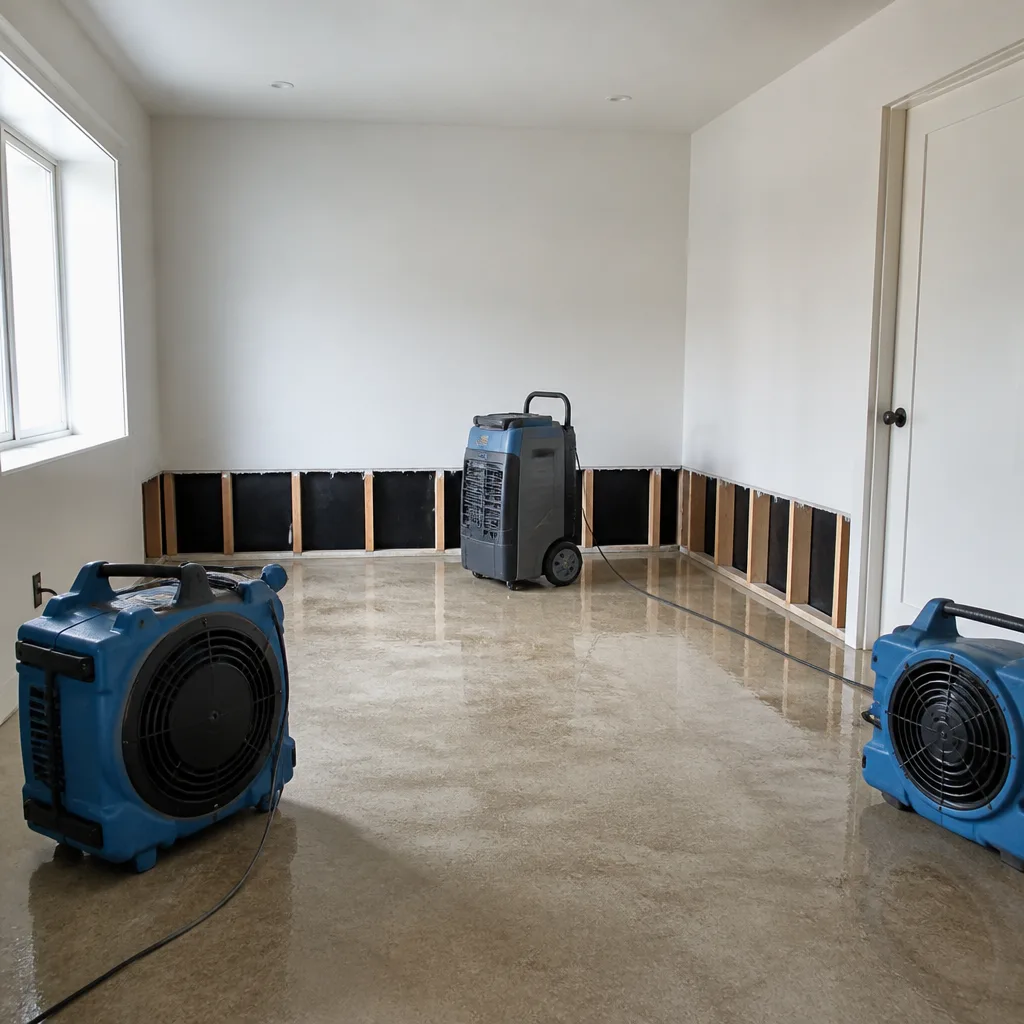 After
After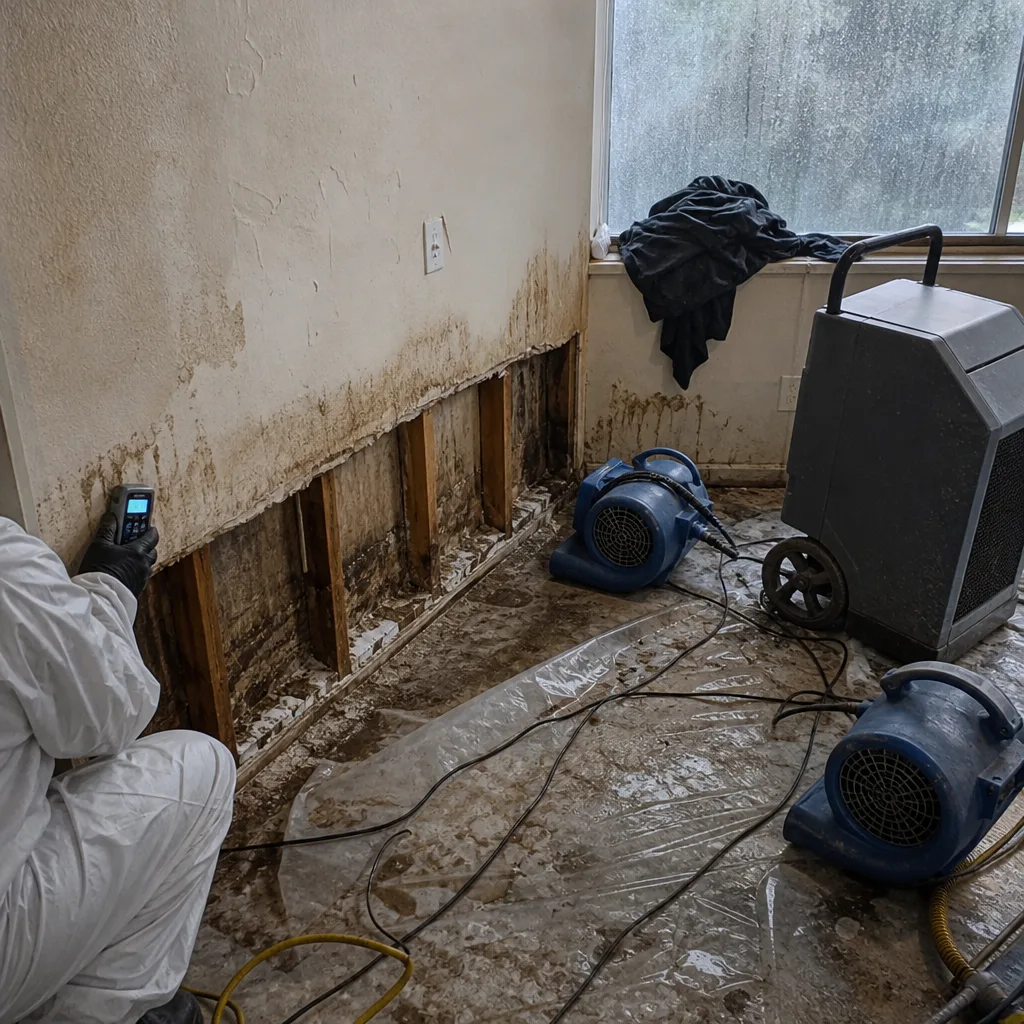 Before
 After
After Before
 After
AfterWater Damage Restoration Warning Signs Every Homeowner Should Know
The most expensive water damage claims we handle in Los Angeles are not from dramatic pipe bursts. They are from slow leaks that homeowners walked past for six to eighteen months, mistaking the warning signs for cosmetic annoyances. A bubble in your drywall paint is not a painting problem. It is a water problem that has already been active long enough to saturate the paper facing of the drywall, and in Los Angeles, that means mold spore counts inside the wall cavity are almost certainly already elevated. This guide will teach you to read your home the way a Water Damage Restoration technician does, rank warning signs by urgency, and know when a 48-hour wait is reasonable versus when same-day action prevents a five-figure mold remediation bill.
Quick Answer
Water damage warning signs fall into three categories: visual (stains, bubbling paint, efflorescence), olfactory (musty odors that persist after cleaning), and systemic (unexplained water bill spikes, humid spots on concrete floors). In Los Angeles, the most commonly missed indicator is efflorescence on stucco or mineral staining on exterior weep screeds, both of which signal moisture migration through the building envelope. Active leaks require same-day response to prevent mold establishment within 24 to 48 hours; dry, historical stains allow a 48-hour window for professional assessment.
Table of Contents
- Warning Signs Ranked by Urgency: Same-Day vs. 48-Hour Response
- Visual Indicators Los Angeles Homeowners Routinely Dismiss
- The Ceiling Stain Color Guide: What the Color Tells You About the Source
- How to Distinguish an Active Leak from a One-Time Moisture Event
- Why Your Water Bill Is the Most Reliable Early-Detection Tool for Slab Leaks
- Common Mistakes to Avoid
- When to Call a Professional
- Frequently Asked Questions
Warning Signs Ranked by Urgency: Same-Day vs. 48-Hour Response
Not every water stain demands a 2 AM phone call. But some do. We have organized the warning signs we encounter on Los Angeles jobs into two response tiers based on mold risk, structural threat, and the likelihood of ongoing water flow.
Same-Day Response Required
These signs indicate active, ongoing water intrusion with elevated mold establishment risk. In Los Angeles, where ambient humidity often sits in the 50 to 70 percent range even in dry months, mold colonization can begin on wet organic material within 24 to 48 hours.
- Sagging or bulging ceiling drywall. This means water has pooled above, saturating the gypsum core. The ceiling could release without warning. We have seen 4-by-8-foot sections drop in Pacific Palisades homes where a slow toilet flange leak went unaddressed for three weeks.
- Water actively dripping or seeping from any surface. Obvious, but homeowners sometimes place a bucket and wait. Do not wait. The water is finding a path, which means it has already compromised the building material.
- Soft, spongy subflooring near toilets, tubs, or exterior doors. In slab-on-grade construction common across the San Fernando Valley, this often indicates a wax ring failure or door threshold leak that has been wicking into the slab edge.
- Sudden appearance of multiple stains after rain. Suggests roof compromise, failed flashing, or stucco crack penetration. Los Angeles sees intense, short-duration rain events that expose envelope failures quickly.
- Musty odor that intensifies when HVAC runs. Your ductwork is pulling air from a wet cavity. The mold is already colonizing.
48-Hour Assessment Window
These signs warrant prompt professional evaluation but do not indicate active, flowing water. You can schedule during business hours, though we still recommend calling quickly to prevent escalation.
- Dry, crisp-edged stains with no new expansion. Historical event. Document with photos and schedule assessment to rule out intermittent leaks.
- Isolated efflorescence on exterior stucco. Mineral salt deposition from past moisture migration. In Los Angeles, this is common on north-facing walls or where irrigation overspray hits the building envelope.
- Minor grout discoloration in a single shower tile area. May indicate localized shower pan compromise. Monitor for 48 hours; if discoloration spreads, escalate to same-day.
- White mineral rings on concrete floors. Evaporative residue from past moisture. Common in garages and basements (where they exist in older Los Angeles hillside homes).
- Single instance of condensation on windows. Ventilation issue unless accompanied by wall staining.
The critical distinction: same-day signs involve ongoing water flow or structural compromise. Everything else buys you 48 hours, but only if you actually schedule the assessment. The most expensive jobs we see in Los Angeles started as a 48-hour sign that the homeowner monitored for six months. For help identifying problems early, see our more guides & resources.
Visual Indicators Los Angeles Homeowners Routinely Dismiss
Los Angeles architecture and climate create a specific set of water damage indicators that homeowners here misread more often than in other markets. Three in particular generate false confidence because they look like maintenance issues rather than moisture emergencies.
Efflorescence on Stucco
That white, chalky bloom on your exterior stucco is not paint failure or air pollution residue. It is soluble salt left behind when water migrates through the stucco, dissolves minerals in the substrate, and evaporates at the surface. In Los Angeles, we see this frequently on:
- North-facing walls with failed or missing vapor barriers
- Properties where irrigation spray hits the stucco directly (common in Beverly Hills and Hancock Park with mature landscaping)
- Additions or remodels where the original weep screed was buried during grade changes
Efflorescence means water has found a path through your wall assembly. It may not be active today, but the pathway exists. We document these with moisture mapping during our assessments and often find elevated readings in the framing cavity behind the bloom.
Discoloration Along Concrete Slab Expansion Joints
Post-war Los Angeles construction relied heavily on slab-on-grade foundations with perimeter expansion joints. When you see darkening, staining, or mineral deposits along these joints, especially near plumbing walls, it often indicates a slab leak or hydrostatic pressure pushing moisture upward. Homeowners frequently mistake this for “concrete aging.” It is not. It is water under pressure finding every available exit.
Mineral Staining on Exterior Weep Screeds
Weep screeds are the metal strips at the base of stucco walls designed to drain moisture. When they show rust staining or white mineral buildup, water is not exiting properly. In Los Angeles, weep screeds get buried during landscaping grade changes or covered by hardscaping in patio renovations. The water has nowhere to go but inward.
Our crews carry moisture meters and thermal imaging on every assessment. These tools let us trace the visible sign to its source without destructive investigation. If you see any of these three indicators, call for documentation even if the area feels dry to the touch. The pathway matters more than the current moisture reading.
The Ceiling Stain Color Guide: What the Color Tells You About the Source
We can often predict the source of a ceiling leak before we enter the attic or open the wall, just by reading the stain. Color is not decorative. It is forensic evidence of the water chemistry, duration, and source material.
| Stain Color | What It Indicates | Typical Source | Response Urgency |
|---|---|---|---|
| Yellow-brown, uniform | Iron-rich water, slow leak from galvanized or aging supply line | Bathroom supply lines, water heater connections | Same-day: ongoing metal corrosion suggests active flow |
| Gray-black, irregular edges | Organic material in water: roof runoff, condensation with dust/particulate | Roof leaks, HVAC condensate drain failures | Same-day: organic load accelerates mold |
| White or light gray rings | Evaporative mineral residue, typically clean water | Pure supply line leak, ice maker line, recent spill | 48-hour if dry; same-day if soft |
| Rust-orange | High iron content, often from roof flashing or nail bleed-through | Roof penetration, chimney flashing | Schedule within 48 hours; inspect roof |
| Greenish tint | Copper corrosion byproducts in water | Copper supply lines, especially in pre-1980 Los Angeles construction | Same-day: pinhole leaks in copper accelerate rapidly |
The edge quality matters as much as the color. Crisp, defined edges suggest a single historical event that dried completely. Fuzzy, expanding edges with color gradients mean water is still moving. When we scope a job in Los Angeles, we photograph stains with a color reference card and measure moisture content at the center and perimeter. This documentation goes to your insurance adjuster in the format they expect.
How to Distinguish an Active Leak from a One-Time Moisture Event
Homeowners ask us this on nearly every assessment: “Is this old, or is it happening right now?” You can gather significant intelligence with two tools you already own: your hand and a flashlight. Here is what we teach clients to check before they call.
Step-by-Step Field Test
- Visual inspection with raking light. Hold your flashlight at a low angle to the wall or ceiling surface, not straight on. Raking light reveals texture changes invisible in direct illumination. Active water damage creates a slightly raised, irregular surface as the drywall paper delaminates. Historical damage sits flat.
- Perimeter tracing. Look at the stain’s outer edge. Active leaks push new water outward, creating a gradient where the color fades gradually. Historical stains have abrupt color stops where the water event ended.
- Touch test for softness. Gently press the center of the stain with your fingertip. Not your palm, not a tool, your fingertip. You are feeling for gypsum core degradation. Soft, spongy, or crumbly means active or very recent saturation. Firm and chalky means dried historical event.
- Temperature check. Wet material conducts heat differently than dry. The back of your hand is sensitive to this. Hold it near the stain surface without touching. A perceptible cool spot suggests evaporative cooling from active moisture.
- Odor assessment after disturbance. Lightly scratch the stain surface with a fingernail. If a musty odor releases, organic material is decomposing in the cavity. This indicates ongoing moisture sufficient to support microbial growth, even if the surface feels dry.
These tests are diagnostic, not remedial. If you find softness, cool spots, or musty release, you have an active condition that requires professional moisture mapping. Our crews use pinless moisture meters, borescopes for cavity inspection, and thermal imaging to confirm what your field test suggested. We put the findings in writing, with photos formatted for insurance submission, before any work begins.
One Los Angeles-specific note: many homes here have textured “orange peel” or “knockdown” drywall finishes. These textures trap moisture longer than smooth finishes and can feel dry at the surface while the gypsum core remains wet. Do not trust surface dryness alone in textured applications.
Why Your Water Bill Is the Most Reliable Early-Detection Tool for Slab Leaks in Southern California
Of all the warning signs we investigate, the one homeowners ignore longest is also the most objective: a water bill that jumps 20 percent or more with no change in usage habits. In Los Angeles, where slab-on-grade construction dominates and copper supply lines run through or beneath concrete, this is often the first detectable signal of a pressurized leak that has already been running for weeks.
Why Slab Leaks Hide So Effectively
Pressurized supply lines buried in concrete do not create dramatic indoor flooding initially. The water follows the path of least resistance: into the soil beneath the slab, through expansion joints, or up through minor cracks. You may see no interior sign for months. Meanwhile, the leak is:
- Eroding soil support beneath the slab, contributing to foundation settlement common in Los Angeles clay soils
- Creating a saturated zone that wicks into walls through capillary action
- Raising ambient humidity in crawl spaces or slab-adjacent framing
- Generating the precise conditions for mold colonization in wall cavities
How to Use Your Bill as a Diagnostic Tool
- Establish your baseline. Pull 24 months of bills. Los Angeles Department of Water and Power provides monthly usage in hundred-cubic-foot (HCF) units. Your baseline is the consistent winter usage, when irrigation is minimal.
- Calculate your irrigation-adjusted threshold. Summer bills will run higher. Compare each month to the same month in the prior year, not to the prior month. A year-over-year jump of 2+ HCF with no landscape or household change is significant.
- Perform a meter static test. Turn off all water fixtures, including ice makers and irrigation systems. Watch your meter’s flow indicator (the small triangle or dial) for 15 minutes. Any movement indicates flow somewhere in your system.
- Isolate the house from the yard. If your system has a separate irrigation shutoff, close it and repeat the static test. Movement now means the leak is in the house, likely in the slab or wall supply lines.
We have responded to calls in Los Angeles where the homeowner detected a slab leak this way, called us for moisture mapping, and we found a 3-month-old pressurized leak that had saturated 40 linear feet of wall cavity with no visible interior staining yet. Early detection prevented a $15,000 mold remediation. The water bill was the only warning sign, and it was unmistakable if you knew to look.
Our documentation protocol includes meter test coaching by phone, and we format all findings for direct adjuster submission. Most homeowner policies cover slab leak detection and the resulting water damage, though not the plumbing repair itself. We help you separate the two for cleaner claims processing.
Common Mistakes to Avoid
- Treating a stain with Kilz or similar cover-up primer without investigating the source. In Los Angeles, we regularly open walls where three layers of primer hide active leaks that have rotted studs and generated mold colonies. The primer becomes a vapor barrier that traps moisture against the drywall.
- Assuming a dry surface means a dry wall. Stucco and textured drywall in Los Angeles climate conditions can read dry at the surface while maintaining 80%+ moisture content in the gypsum core. Surface meters miss this; professional pinless and pin-type meters do not.
- Waiting for the rainy season to confirm a roof leak. Los Angeles rain events are intense but infrequent. A leak that shows only in January may be active in July from morning dew or HVAC condensate. Do not let the calendar dictate your response.
- Calling a plumber for water damage restoration. Plumbers fix pipes. Restoration companies dry structures, document damage, and manage mold risk. We work with plumbers constantly, but the disciplines are different. Call both, or call us first and we will coordinate the plumber.
- Ignoring musty odors because “it’s an old house.” Old houses do not smell musty. Old houses with moisture problems smell musty. The odor is volatile organic compounds from microbial growth. It is a health indicator, not a character feature.
- Attempting DIY drywall removal after a major leak. Category 2 or 3 water (gray or black water) requires personal protective equipment and containment protocols under IICRC standards. We have seen homeowners expose themselves to sewage contamination and airborne mold without realizing it.
- Accepting a verbal estimate for emergency drying. Under The Garrison Standard, we put every price in writing before work starts. Verbal estimates in emergency situations often move at the door when the scope expands. Get it in writing, or call someone who will.
When to Call a Professional
Call for same-day assessment when you see active water, sagging ceilings, soft subflooring, or musty odors that intensify with HVAC operation. Call within 48 hours for dry historical stains, isolated efflorescence, or unexplained water bill increases. Do not attempt to self-diagnose pressurized leaks or open walls after gray water exposure.
At Keegan Water Damage Restoration, we answer every call with a live person, 24 hours a day, 7 days a week. Our technicians arrive in uniform, background-checked, and equipped with Dri-Eaz and Phoenix professional drying systems. We document every job to support your insurance claim and put the full scope and price in writing before any work begins. Every repair is backed by our 365-Day Done Right Promise: if it fails within one year, we return and make it right at no charge.
Water Damage Restoration in Los Angeles is our core service, and we also provide Fire Damage Restoration in Los Angeles and Mold Remediation in Los Angeles to the full range of property damage needs.
Keegan Water Damage Restoration offers free estimates in Los Angeles. Call (361) 317-7269 to speak with a live dispatcher now.
Frequently Asked Questions
Mold colonization can begin on wet organic materials within 24 to 48 hours in Los Angeles climate conditions, where ambient humidity often supports microbial growth even without additional water intrusion. We recommend same-day response for active leaks and professional drying within 48 hours for any saturated porous material. Call (361) 317-7269 for immediate assessment.
Most homeowner policies cover sudden and accidental water damage but exclude long-term leaks that the homeowner knew about or reasonably should have known about. Documentation is critical: photos of the discovery, your water bills, and our professional moisture mapping report help establish that the damage was hidden and recently discovered. We format all documentation to support your adjuster’s review. Call (361) 317-7269 and we will guide you through the claims coordination process.
Surface cleaning addresses appearance, not the moisture condition in the cavity. If the drywall core is wet or mold has colonized the paper facing, cleaning the surface leaves the active problem intact. Our assessment determines whether the damage is limited to surface discoloration (rare) or extends to substrate saturation and microbial growth (common). We put our findings and recommendations in writing before any work begins. Call (361) 317-7269 for a free evaluation.
We handle direct adjuster coordination on every job. Our documentation includes moisture mapping photos, equipment logs, drying graphs, and line-item scopes formatted to the standard your adjuster expects. You stay informed but not burdened. This is part of The Garrison Standard on every Keegan Water Damage Restoration job in Los Angeles.
Yellow-brown indicates iron-rich water, typically from corroding galvanized supply lines or water heater connections, and suggests an active leak requiring same-day response. Gray-black indicates organic material in the water, common with roof leaks or HVAC condensate, and also demands same-day action due to accelerated mold risk. White or light gray rings suggest clean water with mineral residue, allowing a 48-hour assessment window if the surface is dry and firm. See our full ceiling stain color guide above for complete details.
A sudden water bill increase with no visible interior signs is the most reliable early indicator of a slab leak in Southern California homes. Pressurized supply lines beneath concrete can leak for weeks or months, saturating soil and wicking into walls, before any interior staining appears. Perform a meter static test: turn off all water, watch the flow indicator for 15 minutes, and call us if it moves. Early detection through bill monitoring has saved our Los Angeles clients from five-figure mold remediations. Call (361) 317-7269 for moisture mapping and documentation.
The Bottom Line
Your home displays water damage warning signs constantly. The difference between a $400 repair and a $40,000 restoration is often how long the homeowner took to recognize the sign as a signal rather than a cosmetic flaw. Rank your observations by urgency: active water and structural compromise demand same-day response; dry, historical stains allow 48 hours for professional assessment. Learn to read stain color, perform basic field tests for active moisture, and monitor your water bill as a diagnostic tool. When in doubt, document with photos and call for professional moisture mapping. In Los Angeles, where slab construction, stucco envelopes, and intermittent intense rain create specific risk patterns, informed observation is your best defense against the slow leaks that generate the most expensive claims.
Written by Shane Pruitt, Owner at Keegan Water Damage Restoration, serving Los Angeles since 2005.