
Last updated October 11, 2026
Free visual inspection and a written scope of work before any mitigation begins - photos, moisture readings, and drying logs go in your claim file
The scope we write is the scope we bill. Anything new gets shown to you, in writing, before we touch it.
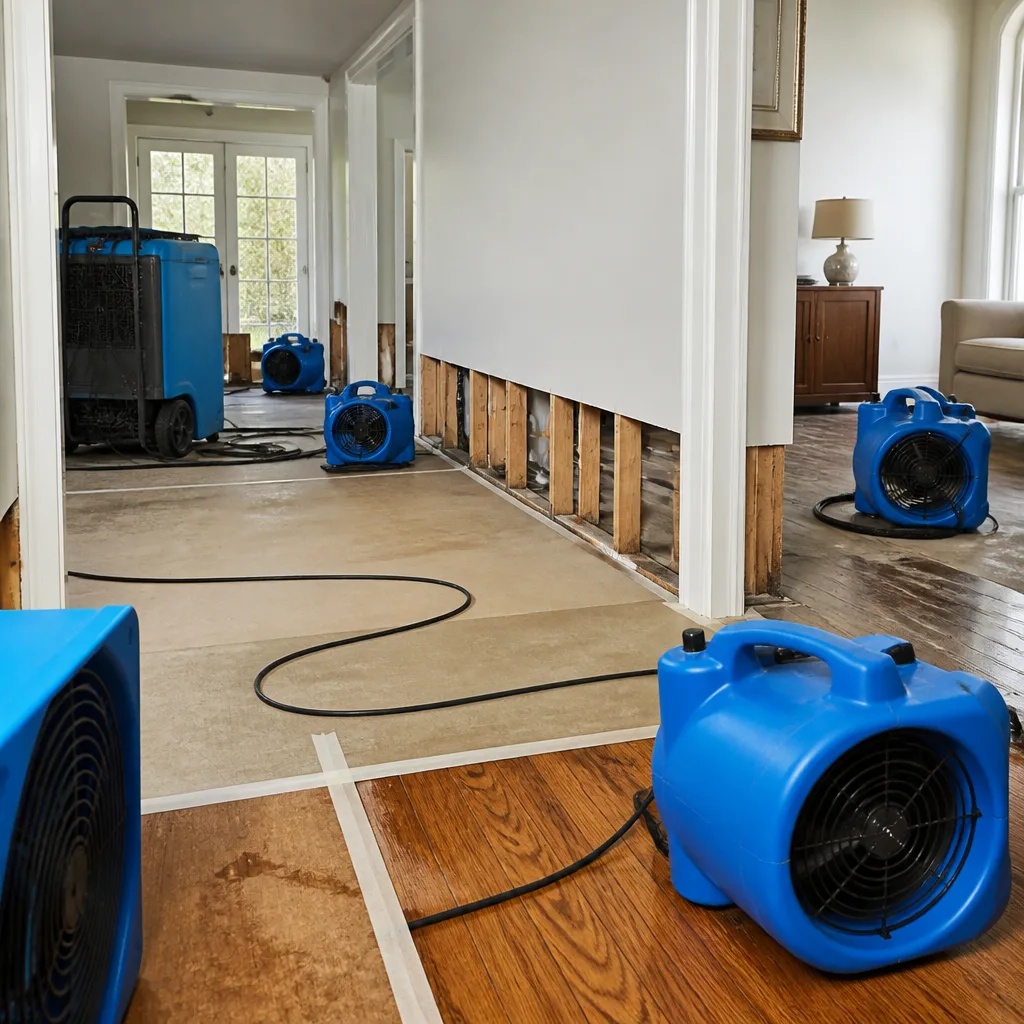
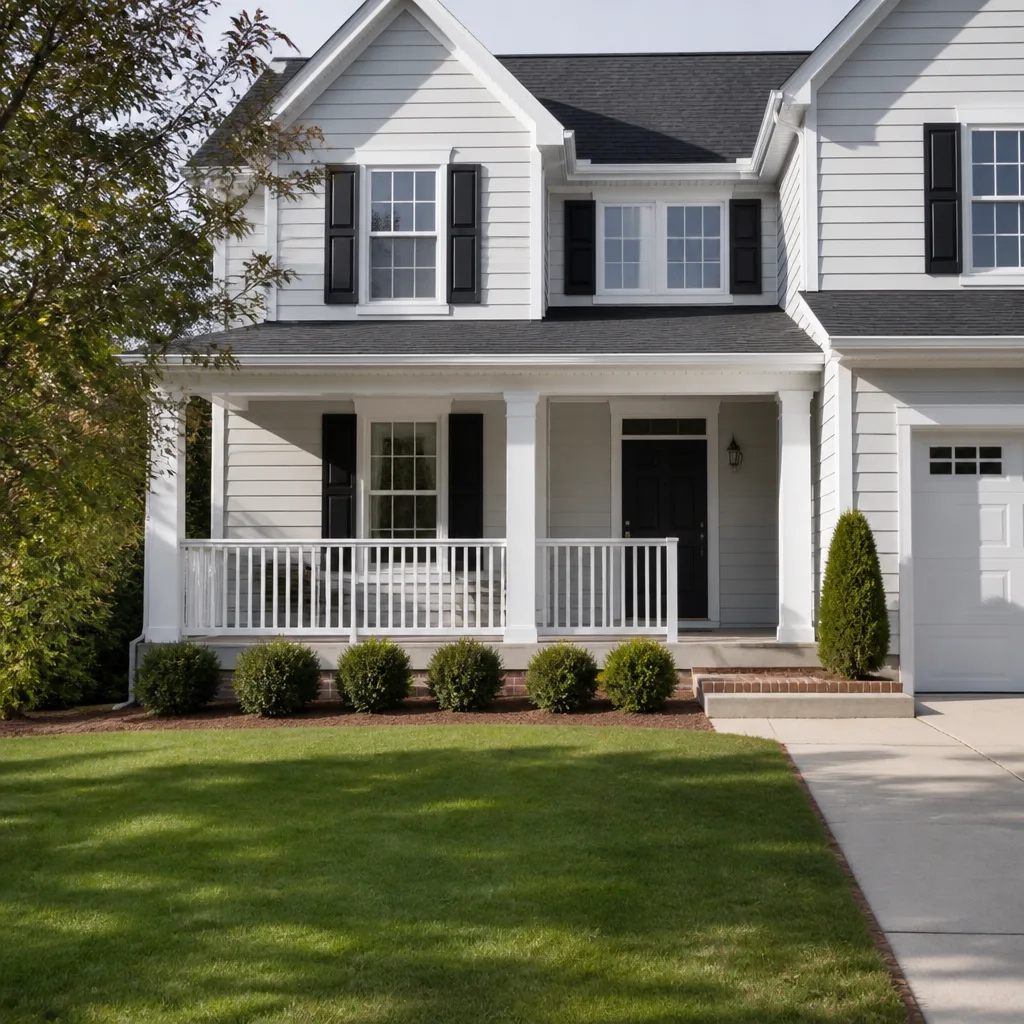
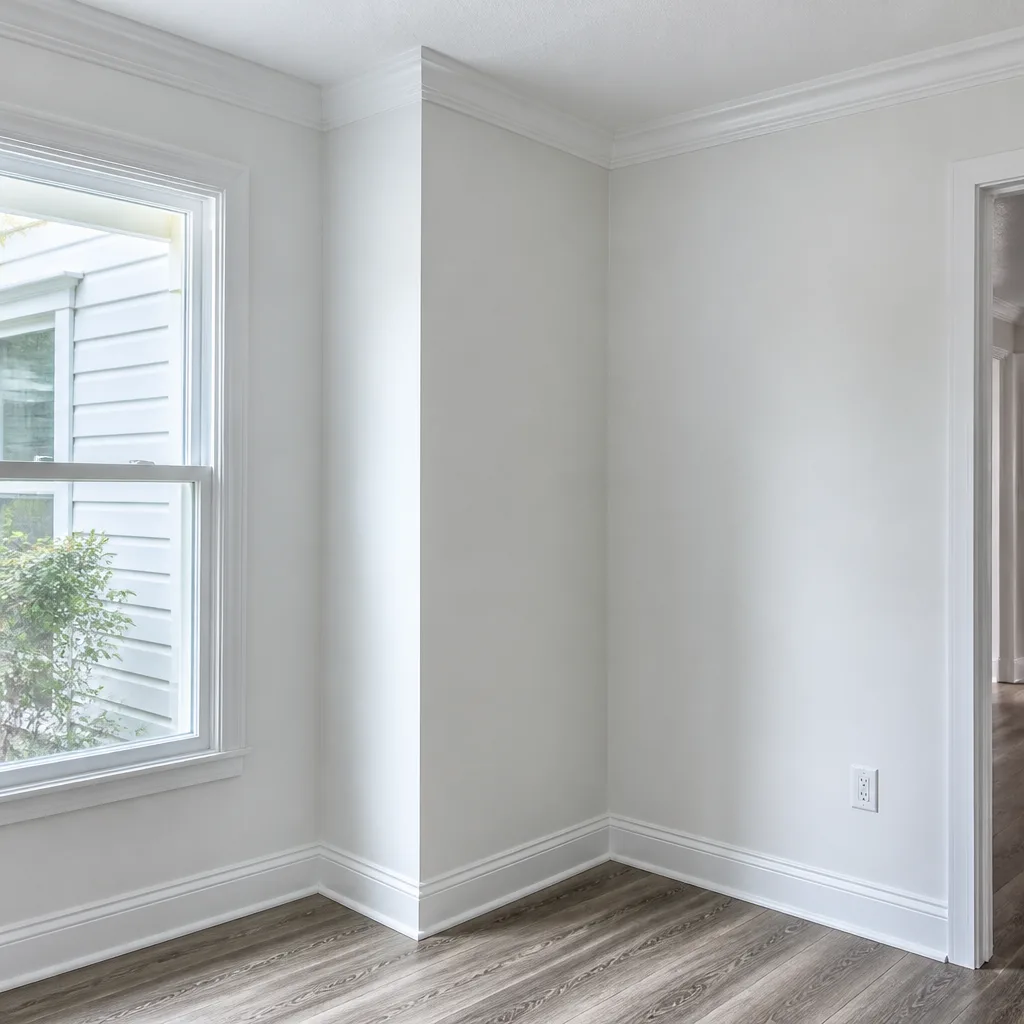
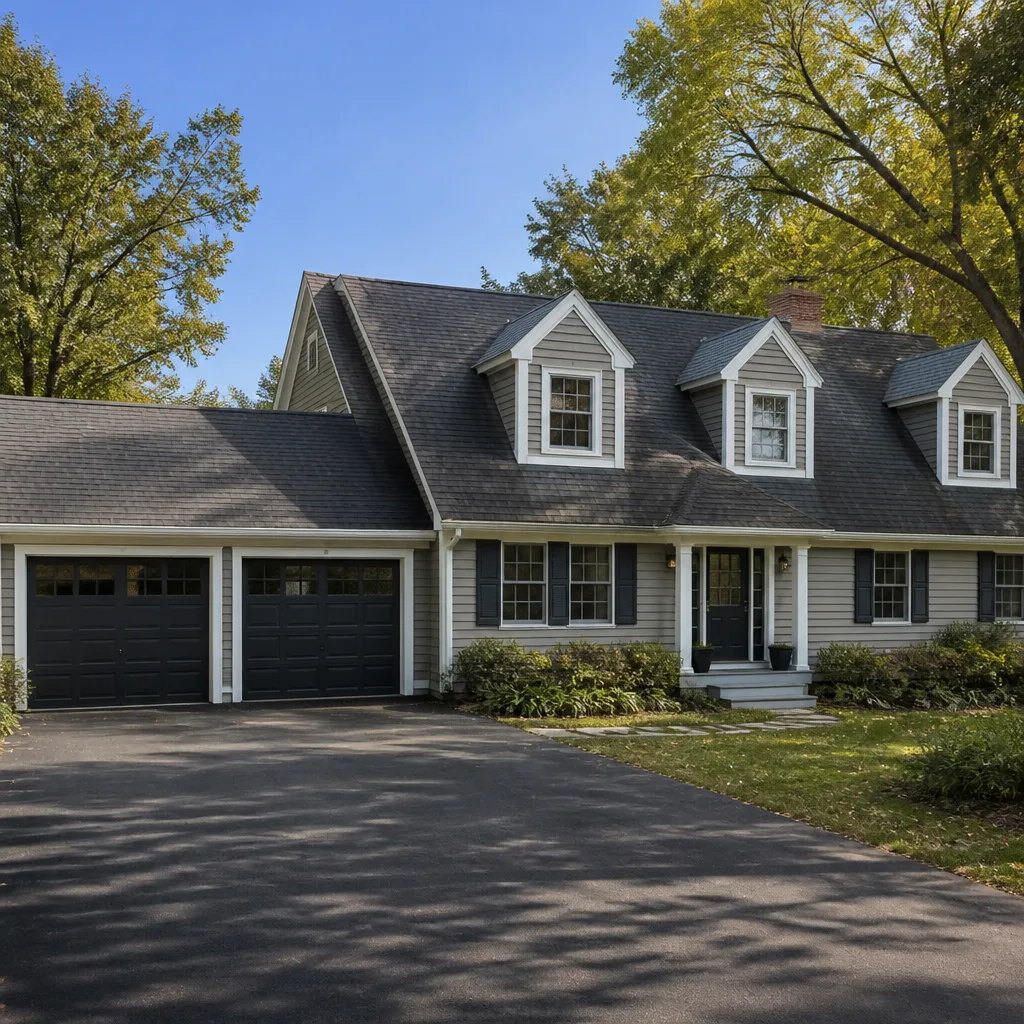
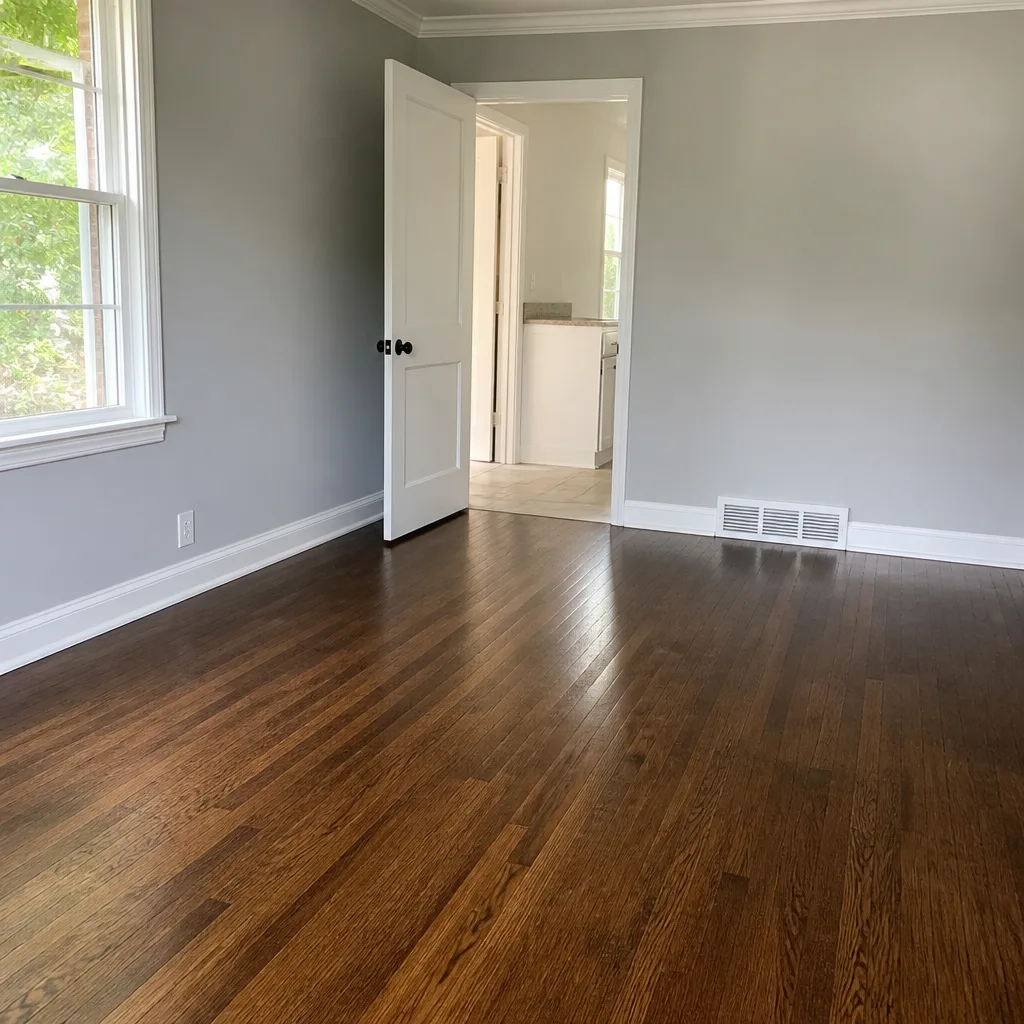
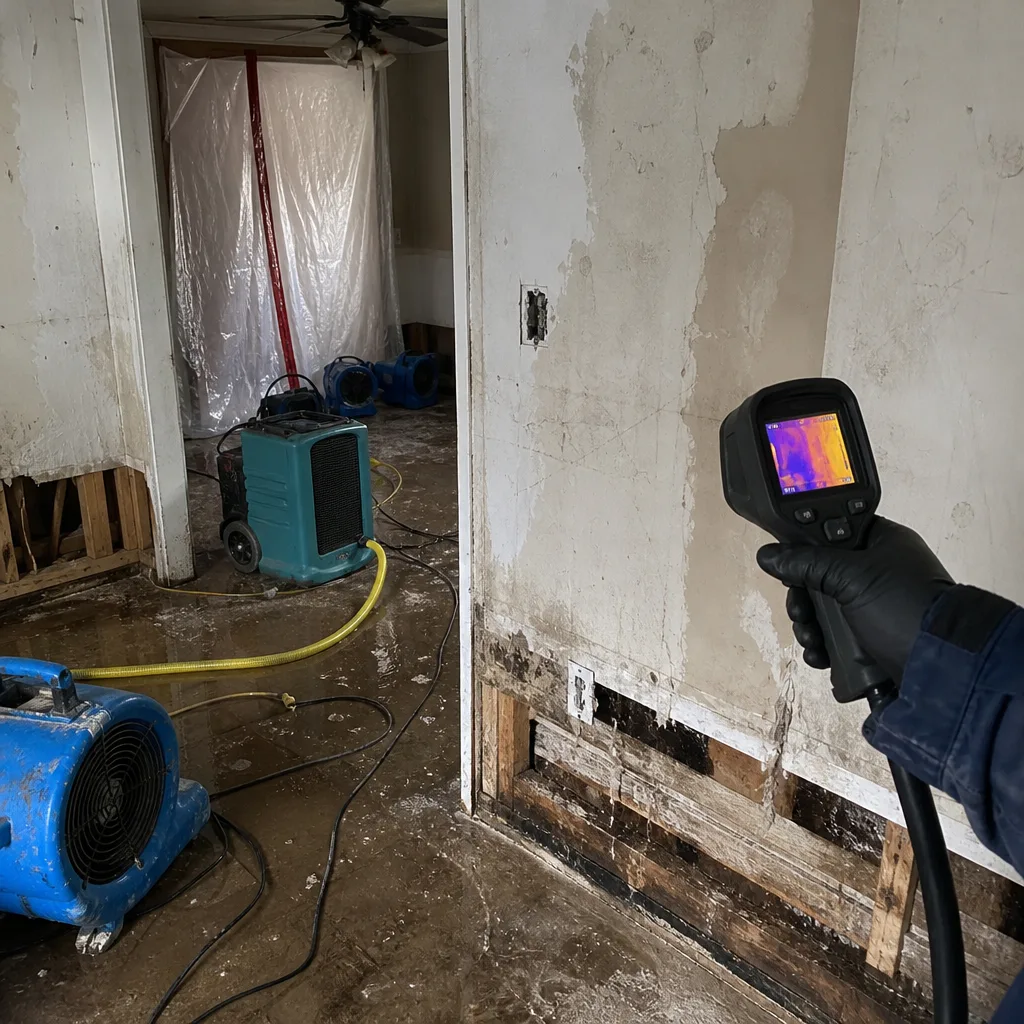 Before
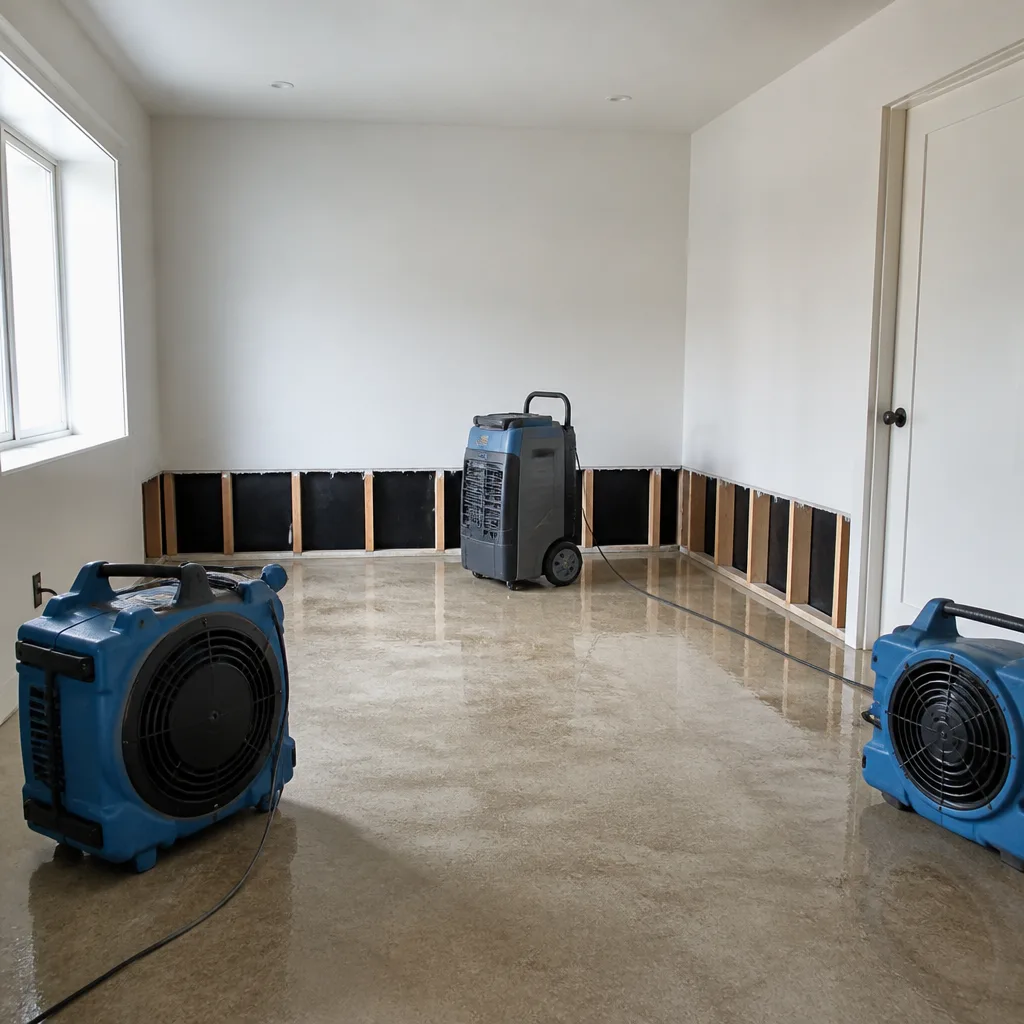 After
After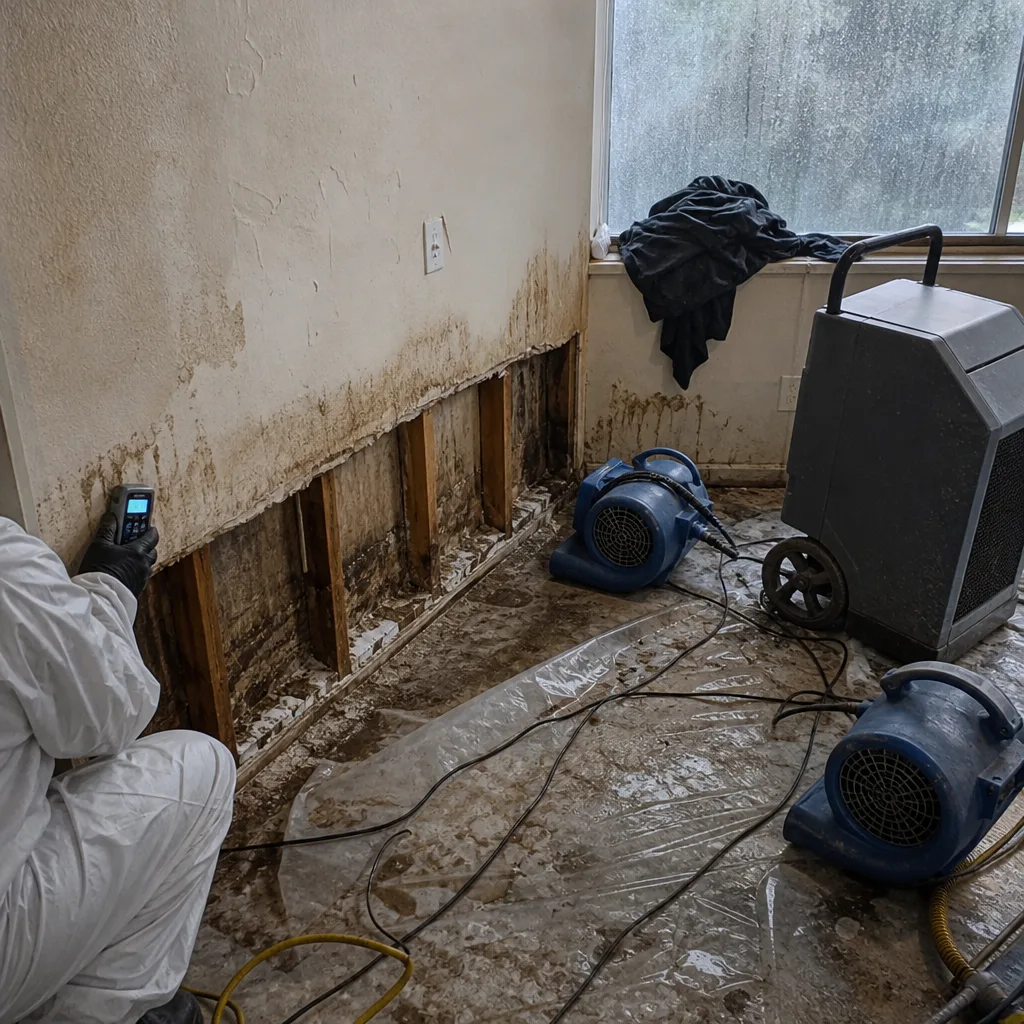 Before
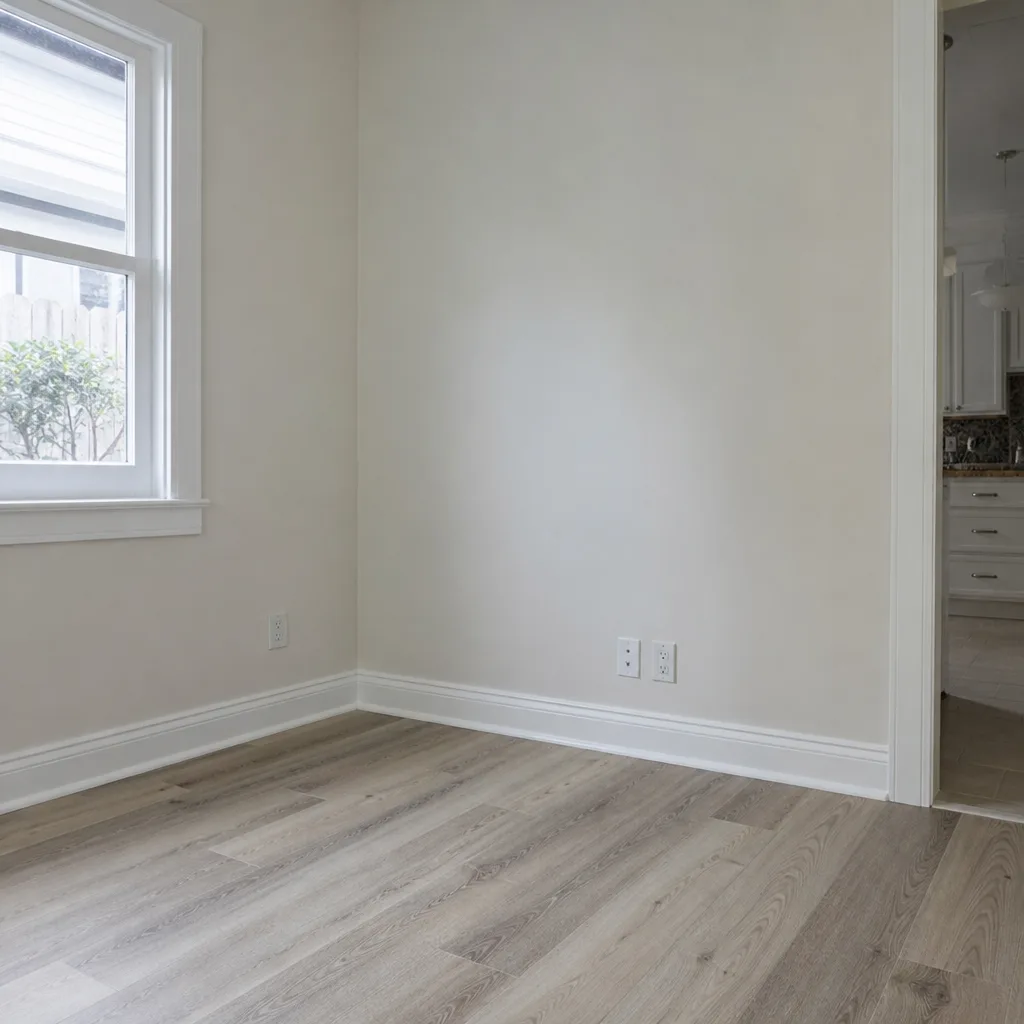 After
After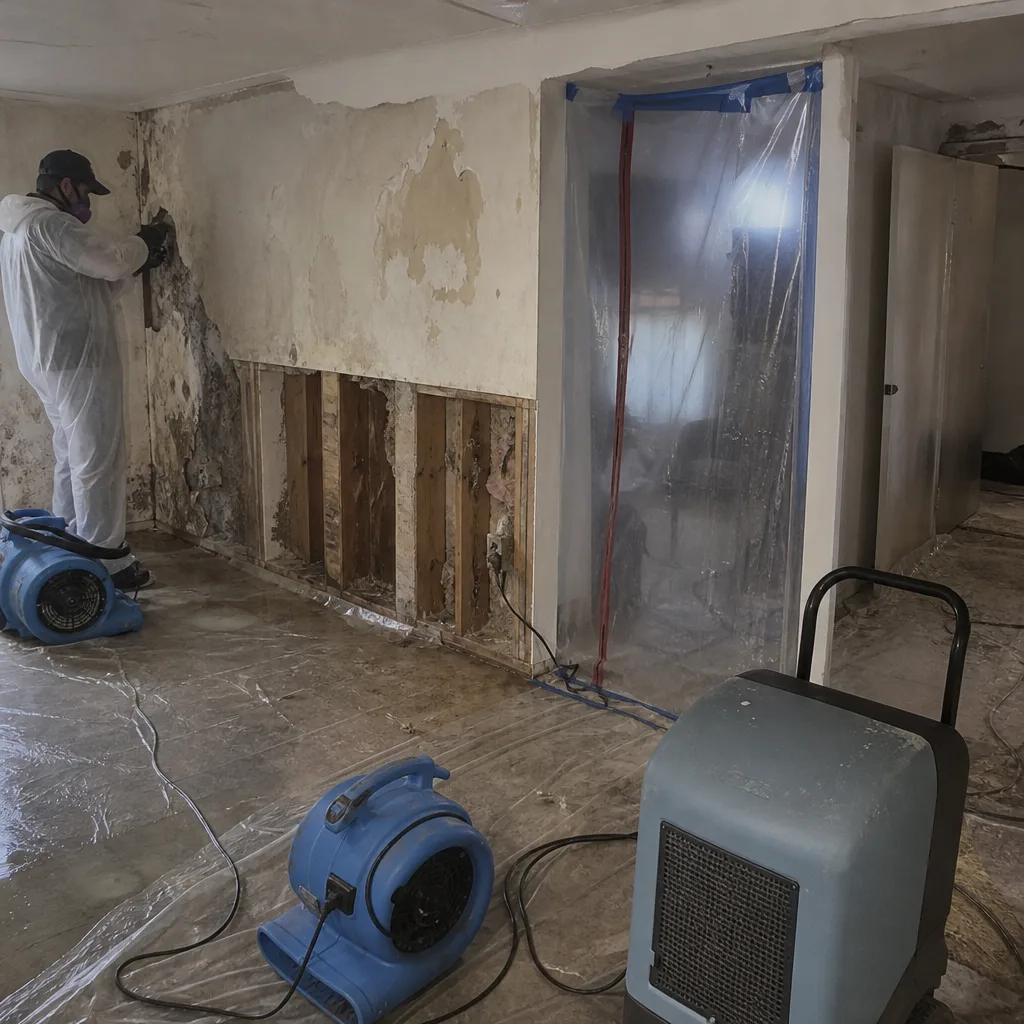 Before
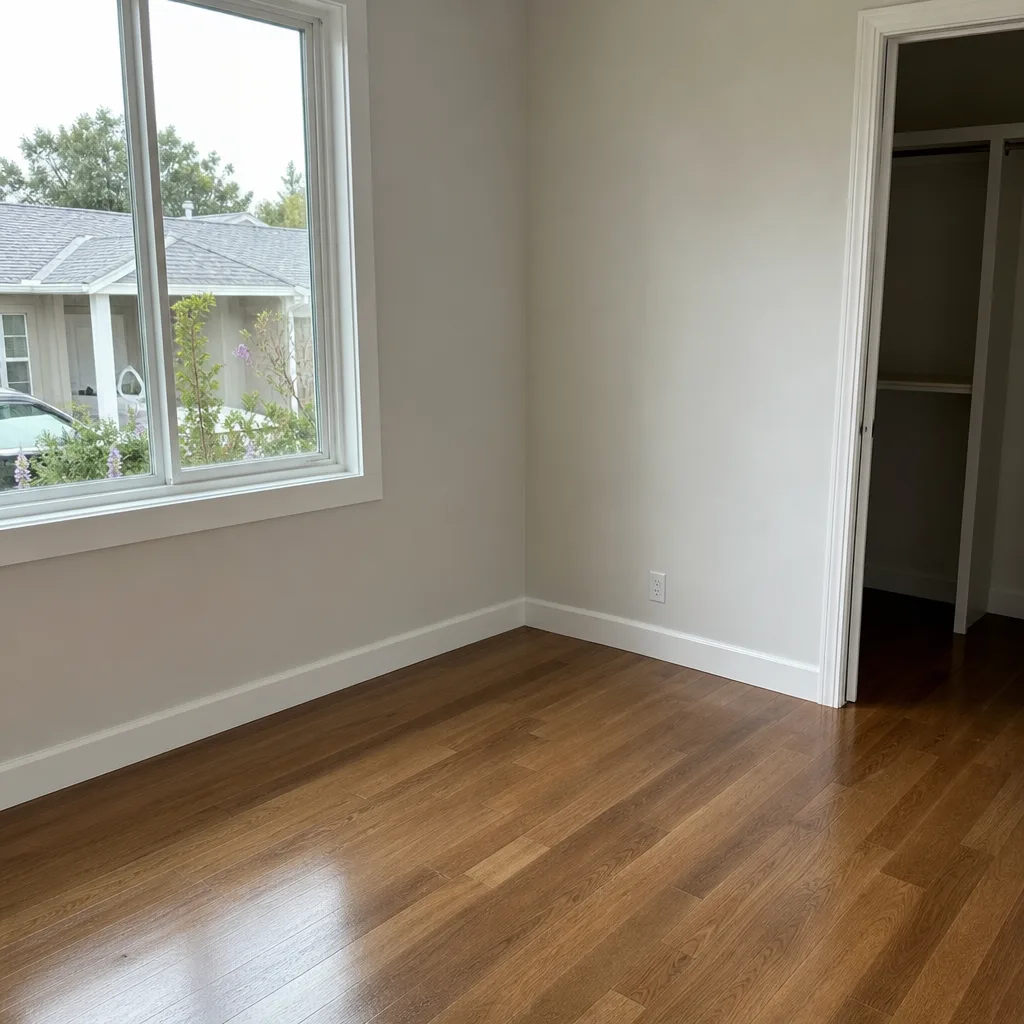 After
AfterThe Complete Guide to Damage Restoration in Los Angeles
A burst pipe that soaks drywall for 48 hours doesn’t stay a water damage claim – it becomes a mold remediation job, and your insurer may dispute coverage for the second problem if you can’t prove you acted on the first. In Los Angeles, where slab foundations trap moisture, stucco exteriors hide slow leaks, and hillside homes shift seasonally, damage rarely stays in one category. This guide maps how water, fire, and mold restoration actually connect, what the first 24 hours should look like, and how to read a written scope of work so you know exactly what you’re paying for before anyone opens a wall. For more detail, see our Complete Water Damage Restoration Guide for Los Angeles Homeowners and related resources.
Quick Answer
Damage restoration in Los Angeles is the coordinated process of stopping active damage (mitigation), documenting conditions for insurance, and rebuilding affected areas to pre-loss condition. A properly sequenced job prevents secondary damage – water becoming mold, fire suppression causing structural rot, or incomplete drying triggering airborne contamination – while a written scope of work delivered upfront protects you from price escalation and coverage disputes.
Table of Contents
- How Water, Fire, and Mold Damage Connect
- Los Angeles Building Factors That Change Restoration
- Mitigation vs. Restoration: Why the Distinction Matters
- The First 24 Hours: A Step-by-Step Sequence
- How to Read a Written Scope of Work
- What Insurers Require: The Documented Job File
- Equipment and Industry Standards
- Common Mistakes to Avoid
- When to Call a Professional
- Frequently Asked Questions
- The Bottom Line
How Water, Fire, and Mold Damage Connect
Most Los Angeles homeowners call a water damage restoration company, a fire damage restoration crew, or a mold remediation specialist as if these are separate trades. They’re not. The same moisture meters, air scrubbers, and containment barriers appear on all three jobs because the underlying physics overlap.
Water damage is the entry point. When a supply line fails behind a bathroom wall in a 1960s Encino ranch, water follows the path of least resistance – down wall cavities, across slab foundations, into baseplates. Within 24 to 48 hours, mold spores already present in Los Angeles’s dry climate activate when relative humidity inside the wall cavity exceeds 60 percent. The water job and the mold job are now the same job, separated only by timing and documentation.
Fire damage compounds this sequence. The thousands of gallons used to suppress a kitchen fire in a hillside Pacific Palisades home don’t simply evaporate. They pool in subfloors, saturate insulation, and create the exact conditions mold needs. Soot and smoke residues are also hygroscopic – they attract moisture – which means fire-damaged materials that aren’t properly dried will off-gas and degrade faster than clean materials in the same environment.
We’ve seen this sequence repeatedly in Los Angeles County. A homeowner handles the water extraction, assumes the drywall will “air out” in the dry climate, and discovers six weeks later that Aspergillus has colonized the stud bay. The insurer denies the mold claim because there’s no documentation proving the initial water damage was dried to IICRC standards.
The key takeaway: every restoration job is a moisture management job. Whether the source was a pipe, a fire hose, or pre-existing humidity, the technician’s task is to establish dry standards, document them, and repair only after those standards are met.
Los Angeles Building Factors That Change Restoration
Restoration procedures that work in Chicago or Atlanta often fail in Los Angeles because the building stock and climate are genuinely different. Here are the factors we account for on every local job.
Slab-on-grade foundations. Most Los Angeles homes built after 1950 sit on concrete slabs with no basement or crawl space. When water escapes, it has nowhere to go but outward through walls or upward through flooring. Extraction from slab foundations requires specific equipment – Injectidry panel systems that pull air through hardwood floors, or sealed negative-air setups that draw moisture from the perimeter. Standard carpet wands won’t touch water trapped under tile or engineered wood.
Stucco exteriors with weep screed issues. Los Angeles’s dominant exterior finish is stucco over lath, and it’s notorious for concealing slow leaks. Cracks from seismic movement, failed flashing at deck connections, or improperly sealed windows allow water to enter the wall cavity for months before visible staining appears. By the time a homeowner notices, the sheathing is compromised and mold is established. We always recommend moisture mapping the full wall plane, not just the visibly damaged section.
Hillside construction and retaining walls. Homes in the Hollywood Hills, Laurel Canyon, or the Santa Monica foothills often have below-grade rooms with hydrostatic pressure from uphill drainage. Water intrusion in these spaces isn’t a plumbing failure – it’s a grading or drainage failure. Restoration here requires coordination with waterproofing contractors, and the scope of work must distinguish between drying the interior and preventing future intrusion. Insurers sometimes cover the former and deny the latter; clear documentation separates the two.
Earthquake retrofitting and access constraints. Many Los Angeles properties have been retrofitted with bolted foundations or shear walls, which can limit demolition access or require engineered support during structural drying. Older homes in Angelino Heights or Echo Park may have balloon framing that allows vertical fire and moisture travel across multiple floors. Our crews map these conditions before cutting or drilling.
Seasonal Santa Ana winds. The hot, dry winds that arrive in fall and winter create deceptive surface conditions. Exterior stucco reads dry while interior cavities remain saturated. We use penetrating moisture meters, not surface readings, to verify dry standards before closing walls.
Mitigation vs. Restoration: Why the Distinction Matters
This distinction is where most disputes with contractors and insurers begin. Mitigation is emergency work to stop damage from spreading. Restoration is the repair and reconstruction that returns the property to pre-loss condition. They require different skills, different pricing structures, and different timelines.
Mitigation includes:
- Water extraction and controlled demolition of unsalvageable materials
- Structural drying using air movers, dehumidifiers, and targeted drying systems
- Soot and odor removal from fire-affected surfaces
- Mold containment, air filtration, and removal of contaminated materials
- Application of antimicrobial agents to prevent secondary growth
- Documentation of moisture readings, atmospheric conditions, and material removal
Restoration includes:
- Drywall, flooring, and finish carpentry replacement
- Electrical and plumbing repair or replacement
- HVAC duct cleaning or replacement after contamination
- Painting, texture matching, and final cosmetic work
- Permit coordination and inspection scheduling
Contractors who blur this line often undercharge on mitigation to win the job, then discover “unforeseen” restoration work that wasn’t in the original scope. Or they rush through drying to start reconstruction, trapping moisture that becomes mold six months later.
At Keegan Water Damage Restoration, we deliver two separate written scopes when both phases are needed: one for mitigation with a fixed price and timeline, and one for restoration with allowances based on what we find when walls open. The price never moves at the door. The 365-Day Done Right Promise applies to both phases separately, so if a repair fails, we return and make it right at no charge.
The First 24 Hours: A Step-by-Step Sequence
What you do in the first day determines whether a manageable mitigation becomes a months-long reconstruction. This sequence applies to water and fire damage in Los Angeles; mold discoveries follow a modified timeline because the hazard is already established.
- Stop the source. Shut off the main water supply for plumbing failures. For fire damage, wait for the fire department’s all-clear before re-entry. Do not enter a structure with compromised electrical service or standing water in contact with energized circuits.
- Document everything before touching anything. Photograph standing water, damaged materials, and the source area from multiple angles. Insurers deny claims when the scene has been altered before documentation. If safe, capture video walking the affected areas.
- Call for professional assessment. A live person answers our phones 24 hours a day, 7 days a week – including nights, weekends, and holidays. We dispatch a technician to your Los Angeles property within our committed window, not “whenever someone is free.”
- Contain the damage. Our crew establishes containment barriers to prevent cross-contamination. In water jobs, this means blocking airflow to unaffected areas. In fire jobs, it means sealing HVAC returns to prevent soot circulation. In mold jobs, negative air pressure is established before any material is disturbed.
- Extract standing water or remove bulk debris. For water damage, we use truck-mounted extraction units and portable flood pumper systems. For fire damage, we remove charred structural elements that are beyond salvage. Speed matters here: every hour of delay increases the moisture load that must later be dried.
- Establish drying goals and begin structural drying. We set target moisture content percentages for each material type – typically 12-15% for softwood framing in Los Angeles’s climate – and deploy air movers, dehumidifiers, and specialty drying systems accordingly. Psychrometric readings are logged every 24 hours.
- Deliver the written scope of work. Before any reconstruction begins, you receive a detailed written scope with line-item pricing, material specifications, and timeline. No work starts until you approve it in writing.
The Santa Monica Canyon job from last winter illustrates why this sequence matters. A homeowner discovered a failed water heater on a Friday evening, called a cut-rate service that extracted visibly standing water, and was told the slab “would dry fine in this weather.” By Monday, moisture had wicked two feet up the drywall and activated mold in three adjacent wall cavities. What should have been a $3,400 mitigation became an $11,000 remediation and reconstruction. Proper equipment – specifically a Dri-Eaz dehumidifier and Injectidry floor drying system left in place over the weekend – would have prevented the escalation.
How to Read a Written Scope of Work
A written scope of work is your protection against price escalation and incomplete work. Here’s what to look for and what to question.
Line-item breakdown vs. lump sum. A lump-sum quote for “water damage repair” tells you nothing. The scope should list each task separately: extraction, demolition, disposal, equipment rental by day, drying monitoring, antimicrobial application, and each reconstruction phase. This lets you verify what’s included and compare apples-to-apples if you get multiple estimates.
Material specifications. “Replace drywall” is insufficient. The scope should state the drywall type (standard, moisture-resistant, or mold-resistant), thickness, and finish level. For flooring, it should specify whether you’re getting like-kind replacement or an upgrade. Upgrades sound generous but can complicate insurance reimbursement.
Equipment list and duration. How many air movers? What dehumidifier capacity? For how many days? Professional-grade equipment from Phoenix, XPOWER, or B-Air should be specified by model or capacity class. Vague language like “industrial drying equipment” is a red flag.
Timeline with milestones. The scope should state when drying equipment will be deployed, when moisture readings will be taken, and when reconstruction can begin. There should also be a clause addressing what happens if dry standards aren’t met by the projected date – typically, extended equipment rental at a predefined rate.
Exclusions and assumptions. This is where contractors hide surprises. “Scope assumes no asbestos-containing materials” is common in Los Angeles homes built before 1980. If asbestos is discovered, work stops and abatement adds cost. A proper scope flags these possibilities upfront so you’re not blindsided.
Guarantee terms. The 365-Day Done Right Promise should appear in writing, with specific language about what triggers a return visit and who covers the cost. At Keegan, that language is: “If any repair performed under this scope fails within 365 days of completion, Keegan Water Damage Restoration will return and correct the deficiency at no charge to the property owner.”
What Insurers Require: The Documented Job File
Insurance adjusters in Los Angeles see thousands of claims annually. The claims that process smoothly have one thing in common: a complete, organized job file that tells the story without requiring the adjuster to interpret or reconstruct it.
Here’s what a properly documented restoration file contains:
- Initial moisture mapping. A diagram or photo series showing moisture readings at multiple depths and locations, timestamped upon arrival.
- Daily psychrometric logs. Temperature, relative humidity, and specific humidity readings taken at the same locations each day, with equipment settings noted.
- Photo documentation of all phases. Before, during, and after photos of each affected area, with date stamps. Photos of equipment placement demonstrate that drying was attempted according to IICRC standards.
- Material removal inventory. What was removed, why (moisture content, contamination, structural compromise), and how it was disposed of. Hazardous materials require manifests.
- Equipment deployment records. Serial numbers or asset tags, placement diagrams, and runtime logs. This proves the equipment was actually on site and operating.
- Final moisture verification. Readings demonstrating that all materials reached dry standard before reconstruction began. Without this, insurers may deny subsequent mold claims.
- Written scope and change orders. The original approved scope, plus any modifications with homeowner signature and date.
The Los Angeles market has a specific wrinkle: many homes are insured through the California FAIR Plan or surplus lines carriers due to wildfire risk. These insurers often employ third-party claim administrators who are stricter about documentation than standard carriers. A missing moisture log or undated photo can delay payment by weeks. We format every job file to their specifications from day one, and we coordinate directly with adjusters when authorized.
Equipment and Industry Standards
Restoration equipment is not interchangeable. A homeowner-grade dehumidifier from a hardware store removes perhaps 30 pints per day under ideal conditions. A commercial LGR (low-grain refrigerant) dehumidifier from Dri-Eaz or Phoenix removes 125-150 pints per day and continues extracting at lower humidity levels, which is essential for achieving dry standard in wall cavities.
Our Los Angeles crews deploy equipment based on the IICRC S500 (water damage), S520 (mold remediation), and RIA guidelines. Key equipment categories include:
- Extraction: Truck-mounted systems for large-volume water removal; portable flood pumpers for confined spaces; weighted extraction tools for carpet and pad.
- Air movement: Axial and centrifugal air movers positioned to create laminar airflow across wet surfaces. Placement matters – too few movers extends drying time; too many wastes energy and can drive moisture into unaffected areas.
- Dehumidification: LGR units for most residential jobs; desiccant dehumidifiers for large commercial losses or when extremely low humidity is required for specialty materials.
- Specialty drying: Injectidry panel systems for hardwood floors and plaster; B-Air cage dryers for confined spaces; interwall drying systems that inject dry air into wall cavities without full demolition.
- Air filtration: HEPA-negative air machines for mold and fire jobs, sized to achieve the required air changes per hour based on containment volume.
All equipment is operated by background-checked, uniformed technicians who document settings and readings at each visit. The Garrison Standard requires that equipment never be “set and forgotten” – a technician checks, adjusts, and logs conditions daily until dry standard is achieved.
Common Mistakes to Avoid
- Waiting to see if it dries on its own. Los Angeles’s dry exterior climate is deceptive. Interior wall cavities with limited airflow can remain wet for weeks, and mold doesn’t need much moisture to colonize.
- Hiring a contractor who won’t put the price in writing before starting. Verbal estimates that “might change” after work begins are a known problem in this trade. The written price is your only protection.
- Demolishing before documenting. Once materials are removed, you can’t prove the extent of damage to an adjuster. Document first, then demolish.
- Assuming your insurance covers everything. Most policies cover sudden and accidental damage, not long-term maintenance failures. A slow leak behind a shower in a Los Angeles bungalow may be denied as “seepage” rather than covered as water damage.
- Ignoring the permit requirement. Structural repairs, electrical replacement, and plumbing modifications in Los Angeles require permits and inspections. Unpermitted work can void your policy or complicate a future sale.
- Accepting a scope that bundles mitigation and restoration without line items. You need to know what each phase costs separately so you can verify insurance payments and hold the contractor accountable for each deliverable.
- Not verifying dry standard before reconstruction. Closing walls over damp framing guarantees future mold. Demand moisture readings in writing before approving any rebuild.
When to Call a Professional
Call immediately when water is actively flowing, when fire damage has affected structural elements or HVAC systems, or when you see visible mold covering more than 10 square feet. Also call when you smell musty odors in a recently water-damaged home – this often indicates hidden colonization behind intact surfaces.
Do not attempt DIY remediation on Category 3 water (sewage or flooding from outside), on fire damage with compromised electrical systems, or on mold in HVAC ductwork. These scenarios require containment, respiratory protection, and disposal protocols that exceed homeowner capability.
Keegan Water Damage Restoration offers free estimates in Los Angeles – call (361) 317-7269. A live person will answer, gather the essential details, and dispatch a technician to assess your situation and deliver a written scope before any work begins.
Frequently Asked Questions
Water mitigation typically ranges from $1,200 for a contained leak to $6,500 for a multi-room extraction and drying job; fire damage restoration starts around $4,000 for light smoke and soot removal and can exceed $25,000 for structural reconstruction; mold remediation runs $800-$3,500 for localized removal and $5,000-$15,000 for whole-house treatment in Los Angeles’s older hillside homes. The exact cost depends on square footage, material types, and how long the damage sat before treatment. Call (361) 317-7269 for a free written estimate – we put the price in writing before any work starts.
Most Los Angeles homeowners policies cover sudden and accidental water damage – burst pipes, water heater failures, or appliance supply line breaks – but exclude gradual leaks, seepage, or flood damage from outside. Fire damage is almost universally covered, including the water damage from suppression efforts. Mold coverage varies widely; some policies cap it at $10,000, others exclude it entirely unless it resulted from a covered water loss. We document every job to support your claim and can coordinate directly with your adjuster. Call (361) 317-7269 to discuss your specific situation.
For active water damage or fire damage with ongoing structural risk, we dispatch within our committed arrival window, not a vague “same day” promise. Our phones are answered by a live person 24 hours a day, 7 days a week – no phone trees or callback queues when water is actively damaging your home. Speed matters most in mitigation; reconstruction is scheduled after drying is complete and the written scope is approved.
Visible mold on a single bathroom tile can be cleaned by a homeowner. Mold in wall cavities, under flooring, or in HVAC systems requires professional remediation because disturbing it without containment releases spores throughout the home. In Los Angeles, where many homes have been retrofitted with energy-efficient windows and reduced ventilation, indoor humidity can sustain hidden mold for months. We use HEPA-negative air machines and sealed containment per IICRC S520 standards. Call (361) 317-7269 for an assessment – estimates are free.
A restoration company specializes in emergency mitigation, moisture management, and documentation for insurance claims. A general contractor builds and remodels but typically lacks the equipment and protocols for structural drying, contamination containment, and psychrometric monitoring. Some restoration companies, including Keegan, offer reconstruction as a second phase, but the critical distinction is whether they can deliver a documented dry standard before rebuilding begins. A general contractor who skips this step is building over wet materials.
Verify that they’re certified to IICRC standards, carry general liability and workers compensation insurance, and can provide a written scope with line-item pricing before work begins. Ask for equipment specifications – legitimate crews use recognized brands like Dri-Eaz, Phoenix, or Injectidry, not consumer-grade hardware. In Los Angeles, also confirm they understand local permit requirements and hillside construction codes. At Keegan, every technician is background-checked and uniformed, and every job runs to The Garrison Standard: show up inside the window, price in writing, do it by the book, leave the site clean, stand behind the work for a full year.
The Bottom Line
Damage restoration in Los Angeles is not three separate problems – it’s one coordinated process of moisture management, documentation, and reconstruction. The decisions you make in the first 24 hours, the clarity of your written scope, and the thoroughness of your job file determine whether your claim processes smoothly and whether the repair lasts. Slab foundations, stucco exteriors, and hillside construction here create specific challenges that standard national procedures don’t address. A crew that understands these local factors, documents every step to insurance standards, and puts the price in writing before touching anything is the difference between a resolved incident and a recurring problem. Browse our more guides & resources for additional homeowner guidance.
Written by Shane Pruitt, Owner at Keegan Water Damage Restoration, serving Los Angeles since 2005.