
Last updated October 11, 2026
Free visual inspection and a written scope of work before any mitigation begins - photos, moisture readings, and drying logs go in your claim file
The scope we write is the scope we bill. Anything new gets shown to you, in writing, before we touch it.
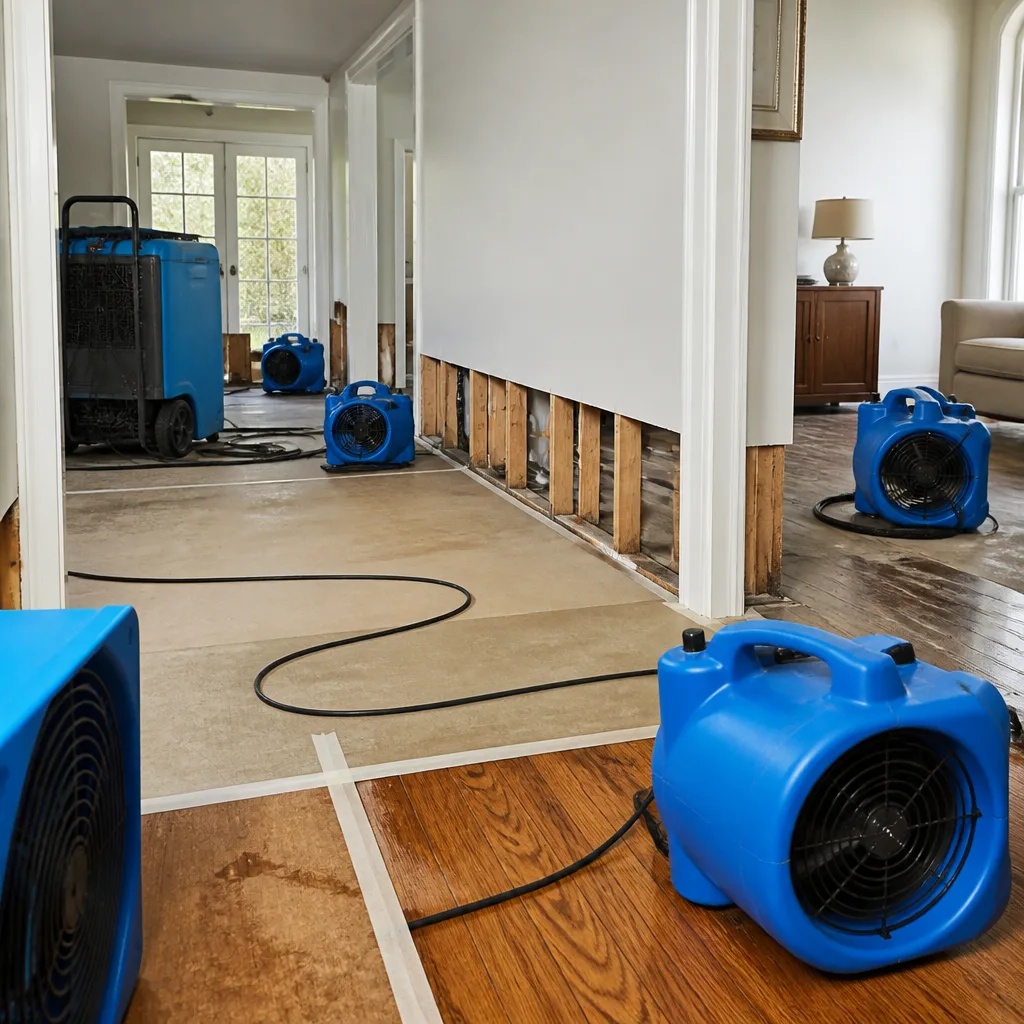
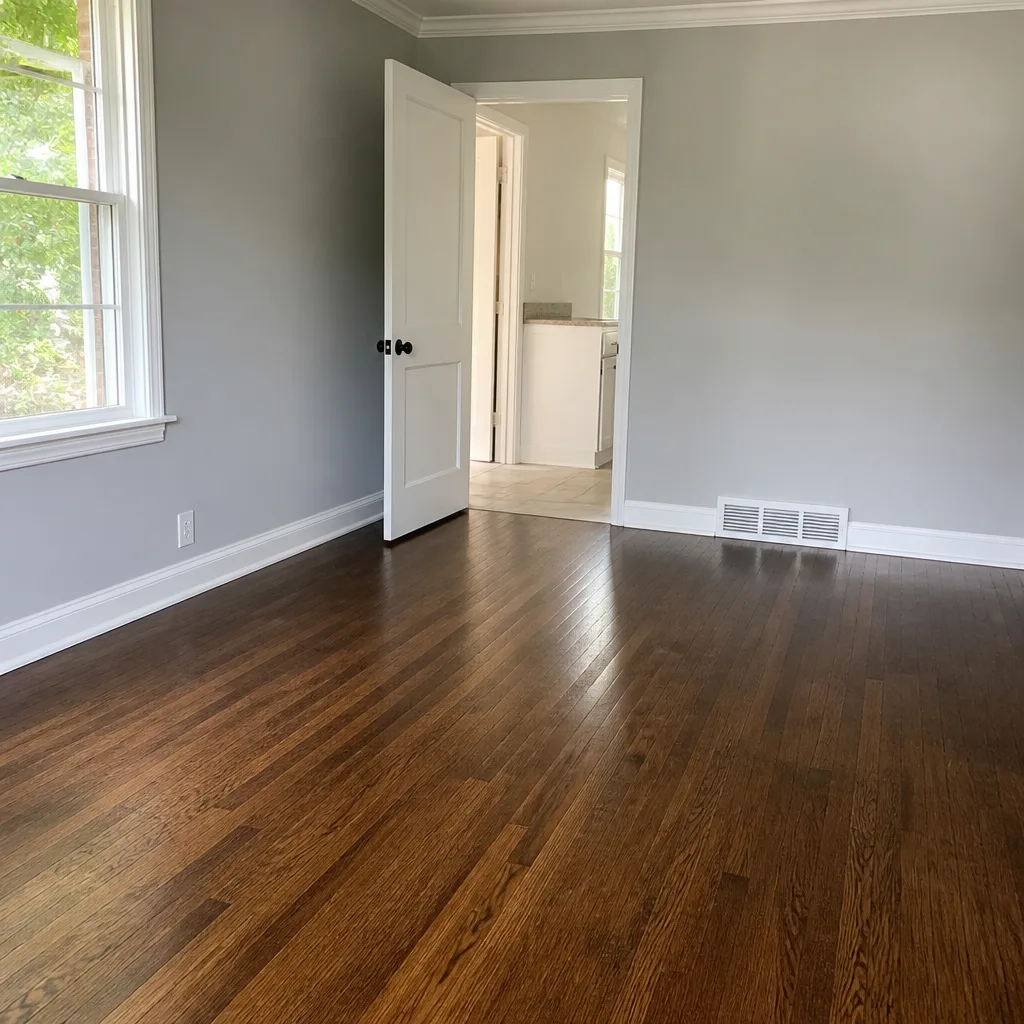
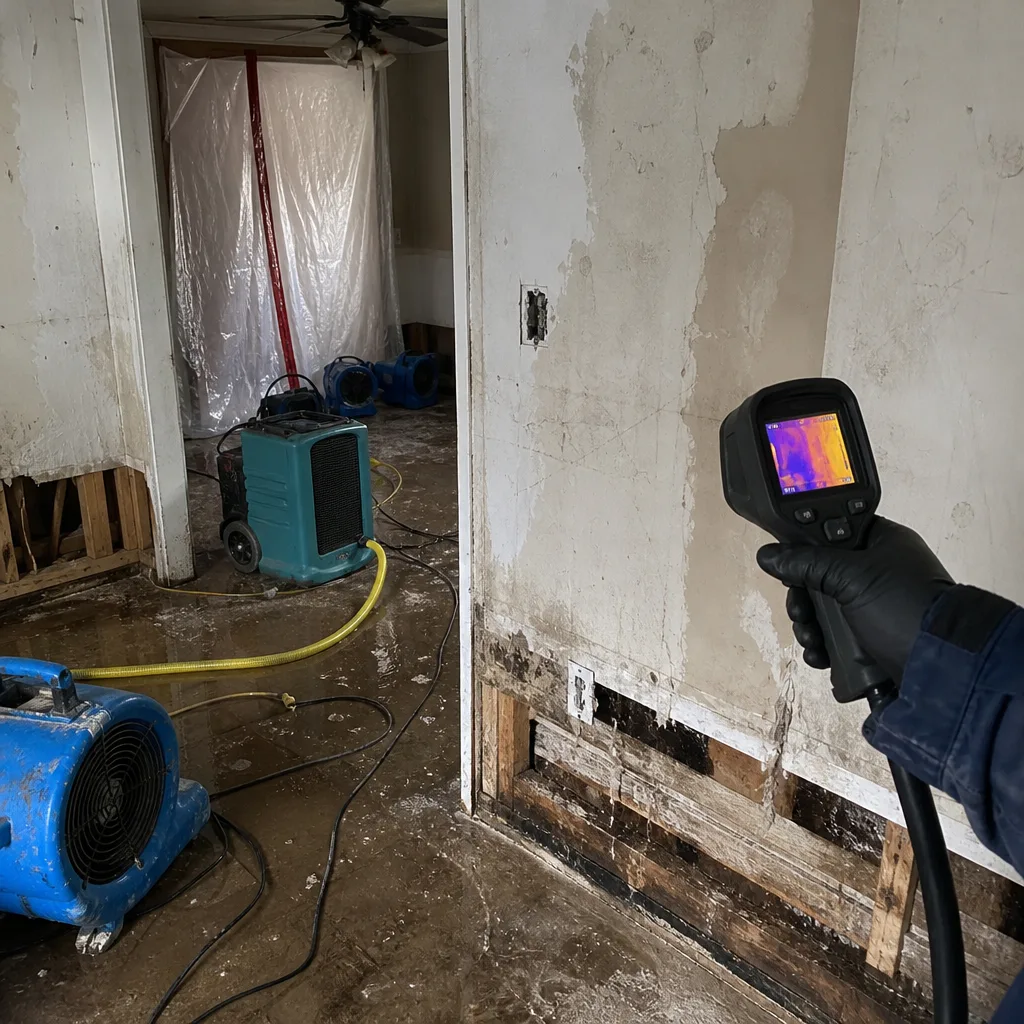 Before
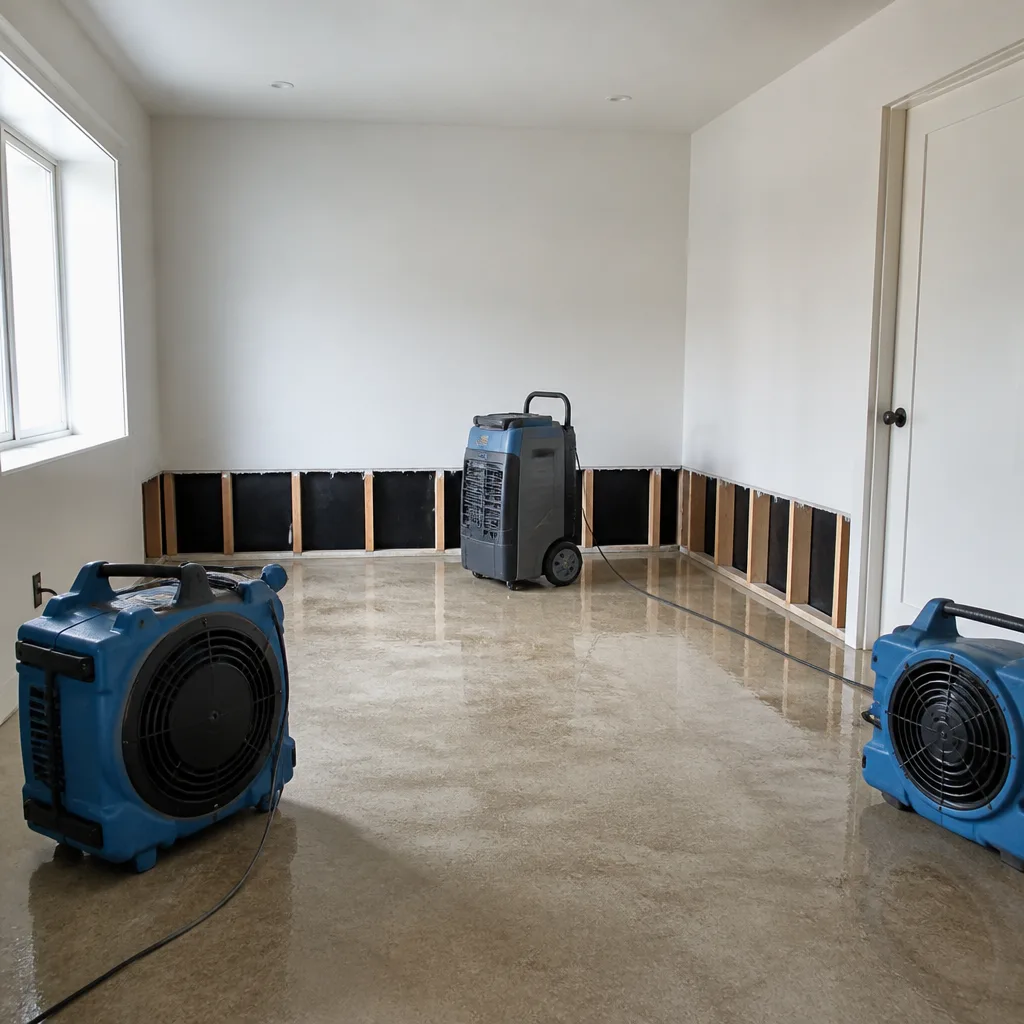 After
After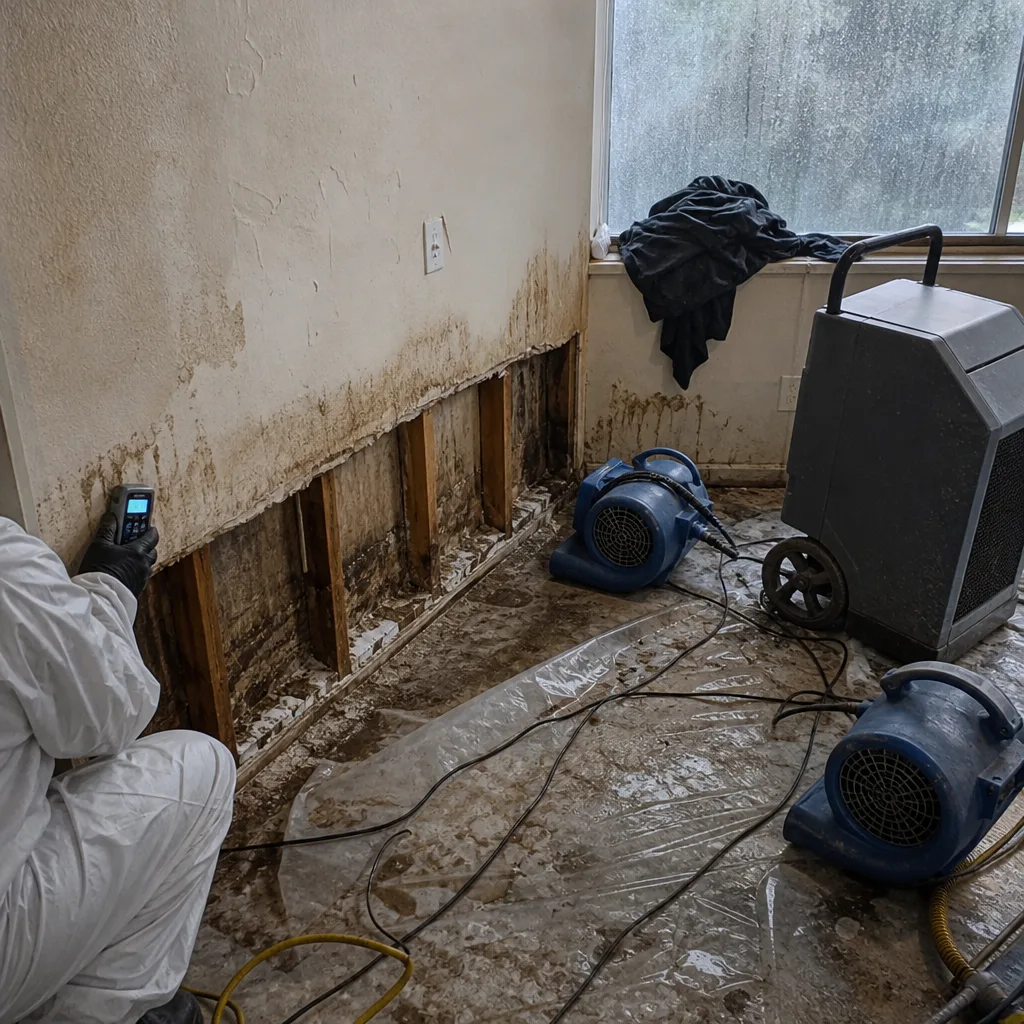 Before
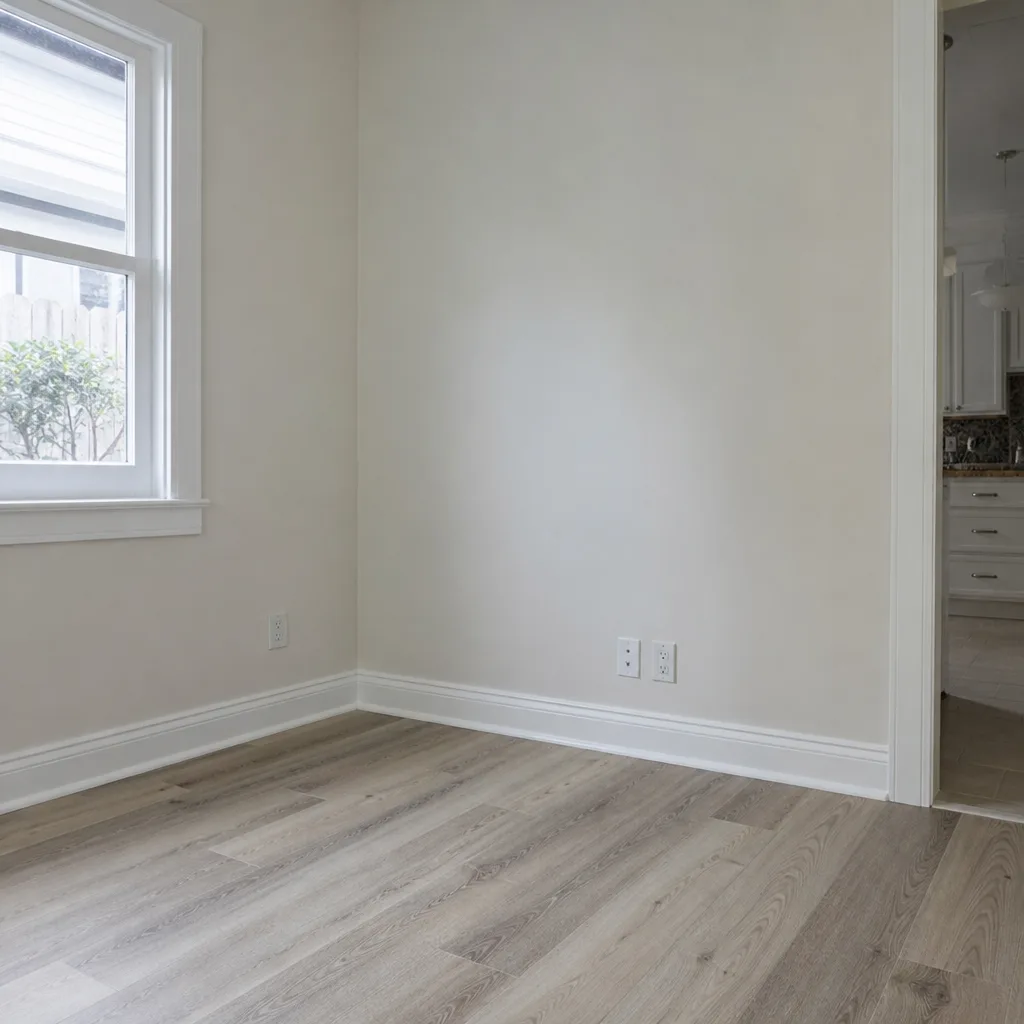 After
After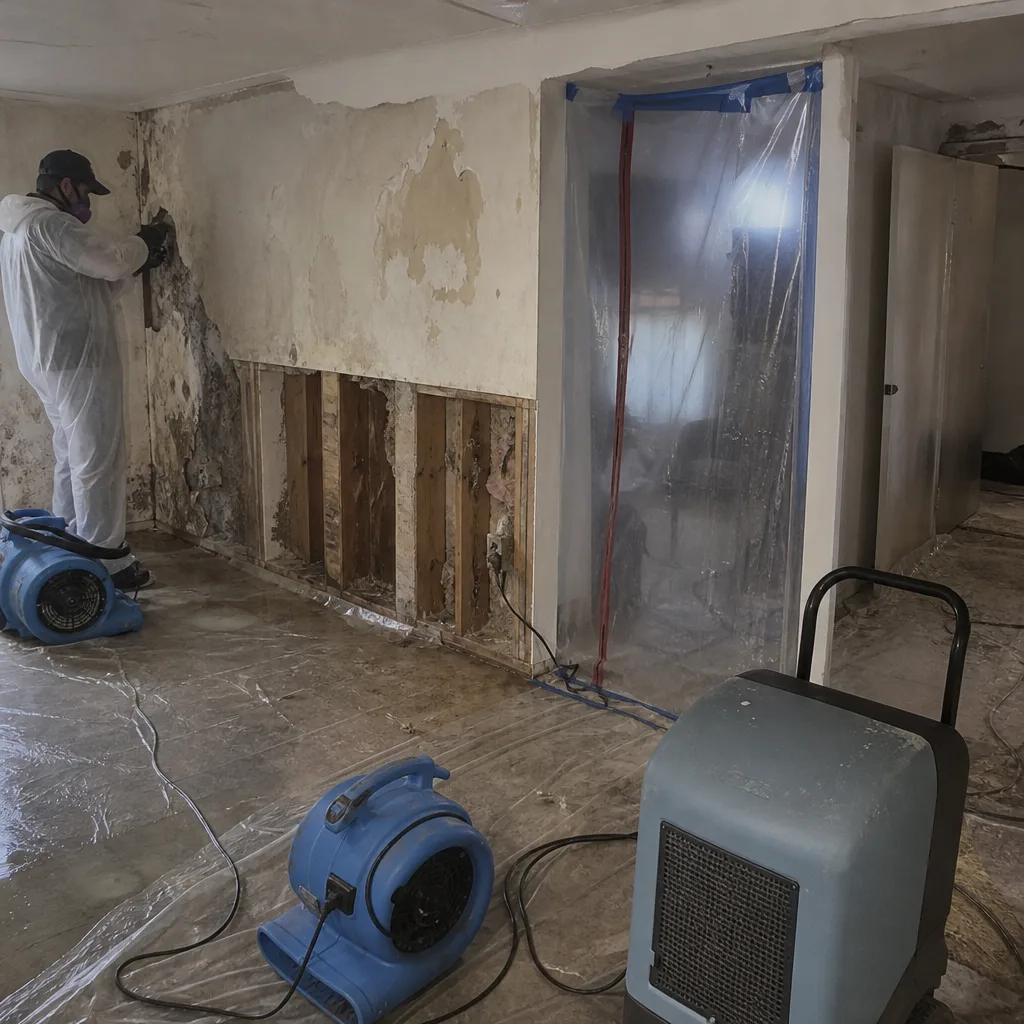 Before
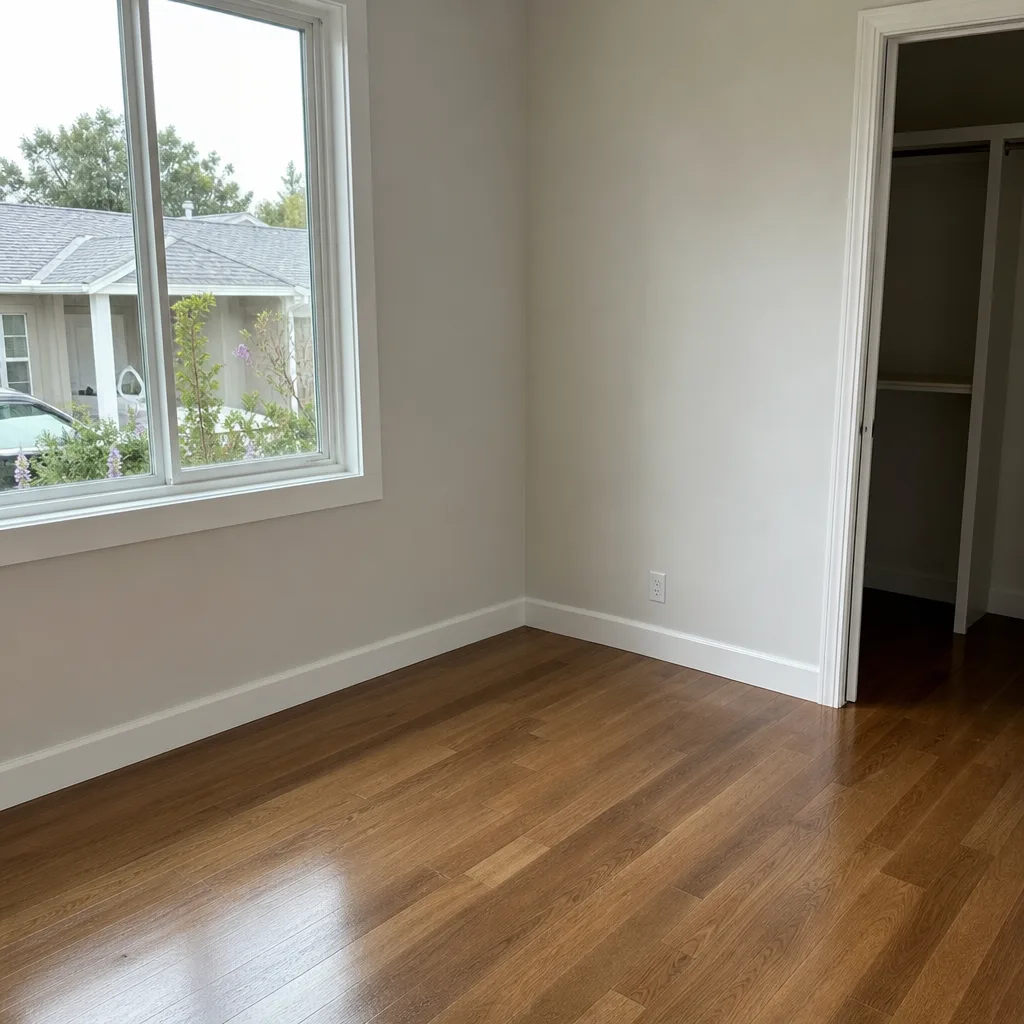 After
AfterThe Complete Mold Remediation Guide for Los Angeles Homeowners
Los Angeles averages under 15 inches of rain a year, yet mold calls in coastal ZIP codes spike every June and July – not from rain, but from marine-layer humidity condensing inside walls that were never designed to manage moisture. Most homeowners assume mold follows water damage, but in Los Angeles, mold often grows silently in homes that have never flooded. In this Mold Remediation guide, we’ll explain why coastal neighborhoods face different risks than the San Fernando Valley, how California law protects you during remediation, what the actual process looks like step by step, and why post-remediation testing should never come from the same company that did the work.
Quick Answer
Professional mold remediation in Los Angeles typically costs $1,500 – $6,500 depending on the affected area size, contamination level, and whether stucco walls need specialized containment; see our Damage Restoration Cost Breakdown: The Los Angeles Homeowner’s Reference for 2026 for fuller pricing context. The full process takes 3 – 7 days for standard residential jobs, including containment setup, removal, HEPA filtration, and drying to IICRC standards. California law requires specific disclosures before and after remediation, and reputable contractors provide written scopes and independent clearance testing.
Table of Contents
- Why Los Angeles Mold Problems Are Different
- The Coastal vs. Inland Risk Split
- California Legal Requirements: What Contractors Must Disclose
- The Full Remediation Process, Step by Step
- The Stucco-and-Lathe Challenge in Older Los Angeles Homes
- Post-Remediation Clearance Testing: Who Orders It and Why
- What Mold Remediation Costs in Los Angeles
- Common Mistakes to Avoid
- When to Call a Professional
- Frequently Asked Questions
- The Bottom Line
Why Los Angeles Mold Problems Are Different
Most mold guides treat all climates the same. They aren’t written for Los Angeles.
Our city’s mold profile breaks the standard playbook in three ways. First, the marine layer pushes moisture inland for months without a single drop of rain. Second, our housing stock spans nearly a century of construction methods, from balloon-framed bungalows in Echo Park to slab-on-grade ranch houses in the Valley. Third, our dry-season wildfire cycles create pressure differentials that pull humid air through wall cavities in ways that don’t happen in consistently humid climates.
We’ve responded to mold jobs in Venice where the source was condensation on cool concrete slab edges, not a leak. We’ve found Aspergillus colonies in Silver Lake crawl spaces where morning fog penetrated vent screens for six straight weeks. In both cases, the homeowner had checked for roof leaks and found nothing, because the moisture source wasn’t liquid water – it was airborne humidity meeting cold surfaces.
This matters for remediation. A crew trained for flood-response mold in Houston or Miami will set up standard containment and drying protocols that may miss the actual moisture dynamics in a Los Angeles home. Psychrometrics – the science of how air holds moisture – works differently here. Our drying calculations have to account for diurnal temperature swings that can swing 30 degrees in a day, and for the way Santa Ana winds suddenly drop relative humidity to desert levels in October, then the marine layer returns it to 85% by June.
At Mold Remediation in Los Angeles, we run every job to The Garrison Standard: written price before work starts, background-checked uniformed technicians, and documentation formatted for your insurance claim.
The Coastal vs. Inland Risk Split
Not all of Los Angeles faces the same baseline mold risk. The split runs roughly along the I-405 corridor, and understanding it helps you assess your own home.
Coastal Zone (Santa Monica, Venice, Marina del Rey, Pacific Palisades, Malibu, San Pedro, Long Beach adjacent):
- Marine-layer humidity averages 75 – 85% from May through August, often peaking before sunrise
- Pre-1980 stucco-and-lathe construction common; these walls breathe differently than modern assemblies
- Slab-on-grade foundations with minimal vapor barriers, especially in 1950s – 1970s construction
- Year-round risk; no true “dry season” for foundation perimeters
- Basement and crawl space mold prevalence 2 – 3x inland rates in our experience
Inland Zone (San Fernando Valley, Pasadena, Glendale, East LA, South Bay interior):
- Drier overall, but Santa Ana wind events create unique problems: hot, dry air outside drives occupants to run evaporative coolers or overcool with AC, creating cold interior surfaces
- Post-1990 construction more common, with better vapor barriers but tighter envelopes that trap moisture
- Higher fire-rebuild concentration means newer insulation and window assemblies, but also faster construction cycles where moisture was trapped during build
- Summer peak risk from irrigation overspray against foundations and poor drainage on hillside lots
Highest-Risk Neighborhood and Construction Combinations:
- Pre-1970 stucco homes within 3 miles of the coast, especially with original single-pane windows
- 1950s – 1960s slab ranch houses in Venice, Mar Vista, and San Pedro with no foundation vents
- Hillside homes in Pacific Palisades or the Hollywood Hills with retaining-wall water intrusion
- Any home with a below-grade space (basement, converted garage, walk-out lower level) in coastal zones
- Post-fire rebuilds in the Santa Monica Mountains where fast-track construction may have trapped moisture
In our experience, the most overlooked risk factor in Los Angeles is the combination of original stucco with added insulation. Homeowners in neighborhoods like Los Feliz and Eagle Rock add interior insulation to improve energy efficiency, but the insulation shifts the dew point to the interior surface of the stucco. Moisture that previously dried outward now condenses against the new insulation layer. We’ve opened walls in Los Feliz where the stucco was dry to the touch outside and soaked inside, with mold colonies thriving in the gap.
California Legal Requirements: What Contractors Must Disclose
California has some of the strictest mold remediation disclosure laws in the country. SB 655, which took effect in 2016, amended the Health and Safety Code to create specific obligations for contractors and property owners. Here’s what actually matters for your job.
Before Work Starts:
Any contractor performing mold remediation in Los Angeles must provide a written disclosure that includes:
- A description of the mold assessment and the basis for determining remediation is necessary
- The scope of work, including specific areas to be remediated and methods to be used
- A statement that the contractor carries liability insurance covering mold-related work
- Notice that the property owner may choose to have a separate assessment performed by a different licensed party
This last point is critical and widely ignored. The law explicitly gives you the right to separate assessment from remediation. A contractor who pressures you to skip independent assessment or who offers “free” assessment as part of their remediation package is creating a conflict of interest that California law specifically warns against.
After Work Completes:
The contractor must provide:
- A written statement that remediation was completed according to the disclosed scope
- Documentation of any deviations from the original scope and the reason for each
- A summary of post-remediation activities, including cleaning and disposal methods
What the law does not require – and this surprises many homeowners – is mandatory post-remediation testing. The contractor must disclose whether testing was performed, but California does not currently require clearance sampling on every job. This is why we strongly recommend independent clearance testing on any job larger than 10 square feet or involving HVAC contamination. The Garrison Standard includes written documentation either way; we don’t hide behind legal minimums.
At Keegan Water Damage Restoration home, we put every scope in writing before work starts, with no exceptions. That’s The Garrison Code: show up inside the window, price in writing, do it by the book, leave the site clean, stand behind the work for a full year.
The Full Remediation Process, Step by Step
Generic guides compress this into “contain, remove, clean.” Here’s what actually happens on a standard Los Angeles residential job, with honest timeframes.
Step 1: Assessment and Moisture Mapping (Day 1, 2 – 4 hours)
We start with moisture meters, thermal imaging, and psychrometric readings. In Los Angeles, we pay special attention to slab edges, stucco transitions, and any south-facing wall that gets direct sun followed by marine-layer cooling. We identify the moisture source before we plan removal; remediation without source elimination is temporary. We document everything with photos formatted for insurance submission.
Step 2: Containment Setup (Day 1, 2 – 3 hours)
We establish negative air pressure containment using 6-mil polyethylene sheeting and HEPA-filtered air scrubbers. In standard drywall construction, this is straightforward. In Los Angeles stucco-and-lathe homes, we often have to extend containment to full wall sections because the lath creates continuous voids that standard corner seals can’t isolate. We use Phoenix and XPOWER HEPA units sized to achieve 4 air changes per hour minimum.
Step 3: Source Elimination (Day 1 – 2, varies)
Before removing mold, we stop the moisture. This might mean sealing a slab edge, repairing a flashing detail, or coordinating with a plumber. We don’t start removal while the wall is still wet; that’s a guarantee of recurrence.
Step 4: Controlled Demolition and Removal (Day 2 – 3, 4 – 8 hours)
We remove contaminated materials using HEPA vacuum attachment and bagging protocols. In Los Angeles, we frequently encounter multiple material layers: modern drywall over original plaster over lath, each with different contamination profiles. We remove to one inch beyond visible growth, per IICRC S520 standards. All debris is double-bagged and disposed of as regulated waste.
Step 5: HEPA Vacuum and Surface Cleaning (Day 3, 3 – 4 hours)
All surfaces within containment receive HEPA vacuuming followed by damp-wiping with appropriate cleaning agents. We don’t use bleach on porous materials; it drives moisture deeper and can feed future growth. Our technicians use B-Air and Injectidry drying systems to bring materials to below 15% moisture content before any rebuild begins.
Step 6: Drying and Dehumidification (Day 3 – 5, continuous)
We establish drying goals using psychrometric calculations, not guesswork. Los Angeles’s variable humidity means we adjust dehumidifier capacity based on daily readings. We log temperature and relative humidity every 4 hours until materials reach equilibrium.
Step 7: Clearance Testing and Documentation (Day 5 – 7)
See the next section for why this step’s independence matters.
Step 8: Rebuild (Scheduled separately)
Reconstruction is scoped and priced in writing like any remodel. We don’t promise same-day rebuild because proper drying can’t be rushed. The 365-Day Done Right Promise covers our rebuild work too: if it fails within one year, we return and make it right at no charge.
The Stucco-and-Lathe Challenge in Older Los Angeles Homes
Pre-1980 Los Angeles homes often use a stucco-and-lathe exterior wall assembly that doesn’t exist in most US markets. Understanding it explains why standard remediation protocols fail here.
The assembly runs: exterior stucco (1 inch), building paper or felt (often degraded), horizontal wood lath (1/2 inch), stud cavity with or without insulation, interior plaster or drywall. The lath creates a continuous horizontal void space. When moisture enters – through stucco cracks, failed flashing, or condensation – it travels along the lath channels far beyond the original entry point.
We’ve opened walls in Los Angeles neighborhoods from Highland Park to West Adams where visible mold covered 8 square feet of interior surface, but the lath cavity held contaminated dust for 20 linear feet. Standard containment that seals the immediate work area doesn’t capture this migration. Our crews are trained to extend containment to the next natural break – often a corner or floor line – and to HEPA-vacuum the full lath run even where interior surfaces look clean.
The other stucco-specific issue: stucco itself holds moisture. Unlike vinyl or wood siding that sheds water, stucco absorbs it and releases slowly. During Los Angeles marine-layer periods, stucco can hold elevated moisture for weeks without any liquid water intrusion. This means our drying phase often runs longer than inland jobs of similar size. We use desiccant dehumidification when exterior humidity prevents standard refrigerant units from achieving target grains per pound.
Homeowners in neighborhoods like Los Feliz, Echo Park, and Eagle Rock should expect that remediation in stucco homes costs 15 – 25% more than equivalent drywall construction, primarily from extended containment and drying time. We put that in the written scope upfront, not as a surprise.
Post-Remediation Clearance Testing: Who Orders It and Why
This is the most important section in this guide, and the one most contractors hope you skip.
Clearance testing is air and/or surface sampling performed after remediation to verify that mold levels have returned to normal background conditions. It is not optional if you want documentation that the job was done right. But who orders it matters enormously.
Never let the remediation contractor order or interpret clearance testing for their own work.
This isn’t suspicion; it’s basic quality assurance. The contractor who performed the work has a financial incentive to see passing results. Even honest technicians can unconsciously bias sample placement or timing. California’s SB 655 recognizes this conflict by requiring disclosure of the owner’s right to separate assessment, though it doesn’t mandate separation.
The proper structure:
- Homeowner or property owner engages an independent mold assessor (licensed in California, separate company from remediator)
- Assessor develops a sampling plan before remediation begins, including locations and acceptable criteria
- Remediator performs work to IICRC S520 standards
- Assessor returns after work completes, performs sampling without remediator present
- Assessor issues report directly to homeowner; remediator receives copy only with homeowner authorization
At Keegan Water Damage Restoration, we welcome independent clearance testing. We document our work thoroughly so any assessor can verify containment integrity, drying logs, and disposal records. We’ve never had a properly performed independent clearance test fail on our work, and we don’t fear transparency.
What does clearance testing cost in Los Angeles? Typically $400 – $900 for residential jobs, depending on sample count and lab turnaround. We don’t mark this up or take a referral fee; we give you assessor names and let you choose. The Garrison Standard means no hidden relationships.
If a contractor tells you clearance testing is “included free” or discourages independent assessment, that’s a signal to find another contractor.
What Mold Remediation Costs in Los Angeles
Here’s the honest pricing landscape for Los Angeles in 2024 – 2025. These are ranges for professional, insured, IICRC-compliant work with proper containment and documentation. For more guides & resources, visit our blog.
| Job Scope | Typical Range | Timeframe |
|---|---|---|
| Small contained area (under 10 sq ft, one surface) | $1,500 – $2,800 | 1 – 2 days |
| Moderate residential (single room, closet, or bath) | $2,800 – $4,500 | 3 – 4 days |
| Large residential (multiple rooms, HVAC involvement) | $4,500 – $8,500 | 5 – 7 days |
| Whole-house or severe contamination | $8,500 – $15,000+ | 7 – 14 days |
| Stucco-and-lathe surcharge (pre-1980 homes) | +15 – 25% to base | +1 – 2 days drying |
| Independent clearance testing | $400 – $900 | 1 – 3 days lab turnaround |
What drives cost variation in Los Angeles specifically:
- Access: Hillside homes with limited parking or steep approaches add labor hours
- Material layers: Multiple wall systems (stucco, lath, plaster, drywall) require more careful demolition
- HVAC contamination: Duct cleaning and coil remediation add $800 – $2,500
- Asbestos or lead: Pre-1978 homes may require abatement coordination; we test before disturbing
- Insurance coordination: We document for direct adjuster billing at no extra charge
Our pricing is put in writing before any work starts, always, on every job, no exceptions. You’ll know the full scope and cost before we set up containment. Call (361) 317-7269 for a free estimate with realistic numbers for your specific situation.
Common Mistakes to Avoid
- Hiring based on lowest bid without verifying containment protocols. Cut-rate remediators in Los Angeles often skip proper negative air pressure or use consumer-grade air purifiers instead of HEPA scrubbers. The mold returns in 6 months, and you’ve paid twice.
- Assuming bleach solves the problem. Bleach evaporates faster than it penetrates porous materials, leaving moisture behind that feeds deeper growth. It also damages stucco and lath. We see this mistake weekly in DIY attempts from Venice to Atwater Village.
- Ignoring the marine layer as a moisture source. Homeowners who fix the obvious leak but don’t address condensation-driven humidity often call us back within a year. Proper remediation includes moisture source elimination, not just visible mold removal.
- Skipping independent clearance testing to save money. The $400 – $900 test cost is minor compared to re-remediation or health impacts from incomplete work. It’s also your documentation for insurance or future property sale.
- Starting rebuild before materials are dry. Los Angeles’s stucco walls dry slowly. Rebuilding over damp lath traps moisture and guarantees mold recurrence. We use moisture meters, not calendars, to determine when rebuild can start.
- Not checking contractor insurance specifically for mold. General liability doesn’t always cover mold claims. We carry specific pollution liability coverage for mold remediation and provide certificates on request.
- Using the same company for assessment and remediation. California law permits it, but the conflict of interest is real. The company that finds mold shouldn’t be the company paid to remove it.
When to Call a Professional
Call immediately if you smell musty odors that persist after cleaning, see visible mold growth larger than a square foot, or experience unexplained respiratory symptoms that improve when you leave home. In Los Angeles, also call if you’ve had any water intrusion event – even “minor” – in a stucco home, or if you notice condensation on interior walls during marine-layer mornings.
Don’t wait for visible mold to spread. Mold in wall cavities can reach substantial contamination before ever showing on interior surfaces, especially in stucco-and-lathe construction where the cavity space is continuous.
Keegan Water Damage Restoration offers free estimates in Los Angeles. A live person answers every call, 24 hours a day, 7 days a week – including nights, weekends, and holidays. We’ll give you a written scope and price before any work starts, and every repair is backed by our 365-Day Done Right Promise. Call (361) 317-7269.
Frequently Asked Questions
It depends on the cause. Insurance typically covers mold that results from a covered peril, such as sudden pipe rupture or storm damage, but excludes mold from long-term maintenance issues or unresolved leaks. We document every job with photos and moisture logs formatted for adjuster review, and we coordinate directly with your insurance company when coverage applies. Call (361) 317-7269 and we can review your specific situation.
For active water damage with mold risk, we dispatch same day. For established mold without active water intrusion, we typically schedule assessment within 24 – 48 hours. A live person answers every call, 24/7, and we’ll give you an honest timeframe based on current workload. We don’t promise what we can’t deliver.
If the area is under 10 square feet, the surface is non-porous, and the moisture source is fully eliminated, cleaning may suffice. Anything larger, anything involving porous materials like drywall or insulation, or any HVAC contamination requires professional remediation with proper containment and disposal. We assess honestly; we’ve told homeowners “clean this yourself” when the scope didn’t justify professional work.
We do, if you want us to. We provide complete documentation – moisture readings, photos, scope of loss, drying logs – in the format adjusters expect. We can meet the adjuster on site or coordinate remotely. Our documentation has supported hundreds of successful claims. You’re never left translating technical reports to your insurance company alone.
Standard residential jobs take 3 – 7 days from containment setup to clearance-ready. Stucco-and-lathe homes in coastal neighborhoods often need 1 – 2 additional drying days. Rebuild is scheduled separately and scoped in writing. We don’t rush drying to hit an artificial deadline; we hit moisture content targets verified with meters.
Some people are sensitive to mold and experience respiratory irritation, allergic reactions, or asthma exacerbation. Others have no symptoms. The risk varies by individual, mold species, and concentration. We don’t use fear tactics; we use facts. If you have health concerns, consult your physician. Our job is to remove the contamination properly so you can make informed decisions about your home.
“Removal” suggests eliminating all mold, which is impossible – mold spores exist everywhere at background levels. Remediation is the professional process of returning mold levels to normal, removing contaminated materials, eliminating moisture sources, and verifying results through testing. Be wary of companies promising “complete mold removal”; it’s a sign they don’t understand the science.
The Bottom Line
Los Angeles mold remediation requires understanding this city’s specific climate, construction, and legal landscape. The marine layer, stucco-and-lathe walls, and slab-on-grade foundations create conditions that generic protocols miss. California law gives you specific rights to disclosure and independent assessment. The remediation process is straightforward when done by trained technicians with proper equipment and honest documentation. Independent clearance testing protects your investment and health. Costs range from $1,500 for small jobs to $8,500+ for extensive residential work, with stucco homes at the higher end.
At Keegan Water Damage Restoration, we run every job to The Garrison Standard: written price before work starts, background-checked uniformed technicians, professional-grade equipment from Dri-Eaz, Phoenix, XPOWER, B-Air, and Injectidry, and the 365-Day Done Right Promise on every repair. We’ve been part of the Garrison Partners family since 2005, serving Los Angeles homeowners with discipline and plain-spoken honesty. No bait-and-switch, no moving prices, no hiding behind legal minimums.
Call (361) 317-7269 for a free estimate. A live person answers, 24/7.
Written by Shane Pruitt, Owner at Keegan Water Damage Restoration, serving Los Angeles since 2005.