
Last updated October 11, 2026
Free visual inspection and a written scope of work before any mitigation begins - photos, moisture readings, and drying logs go in your claim file
The scope we write is the scope we bill. Anything new gets shown to you, in writing, before we touch it.
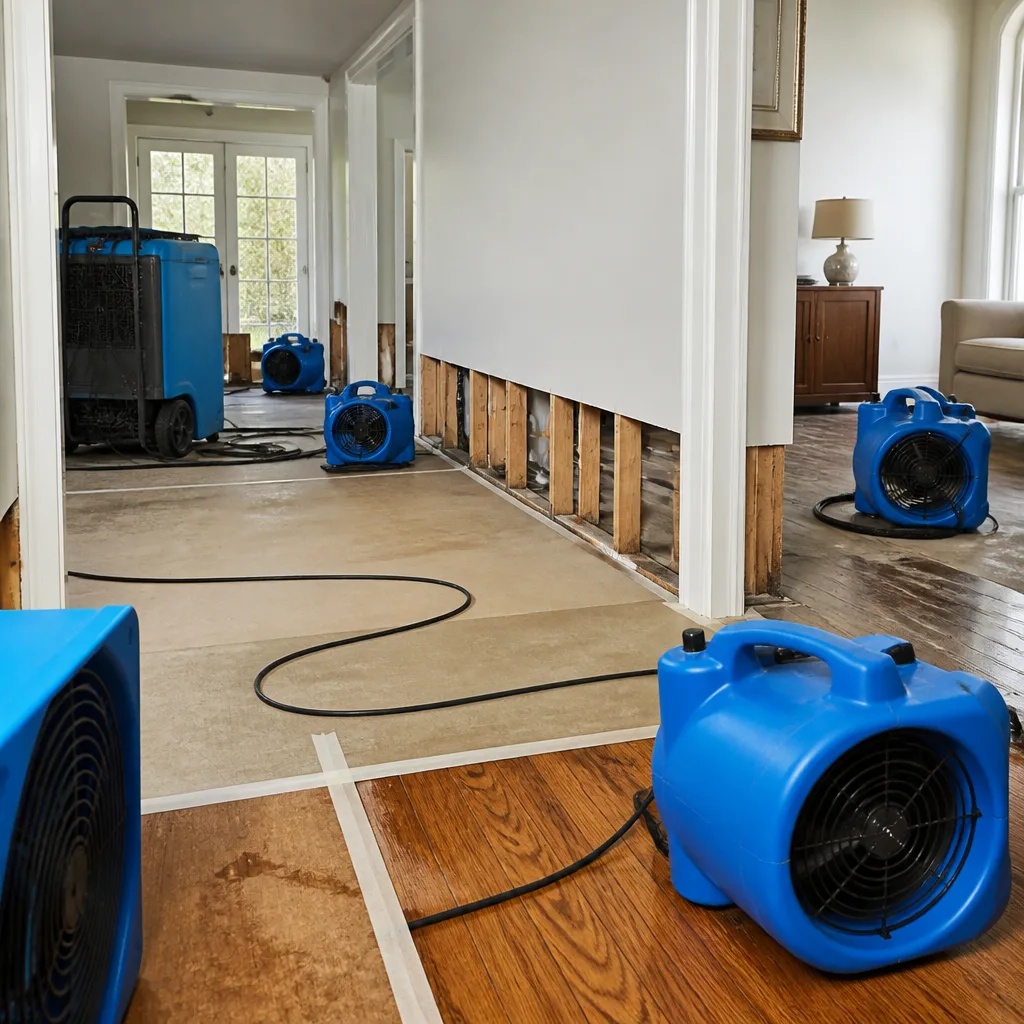
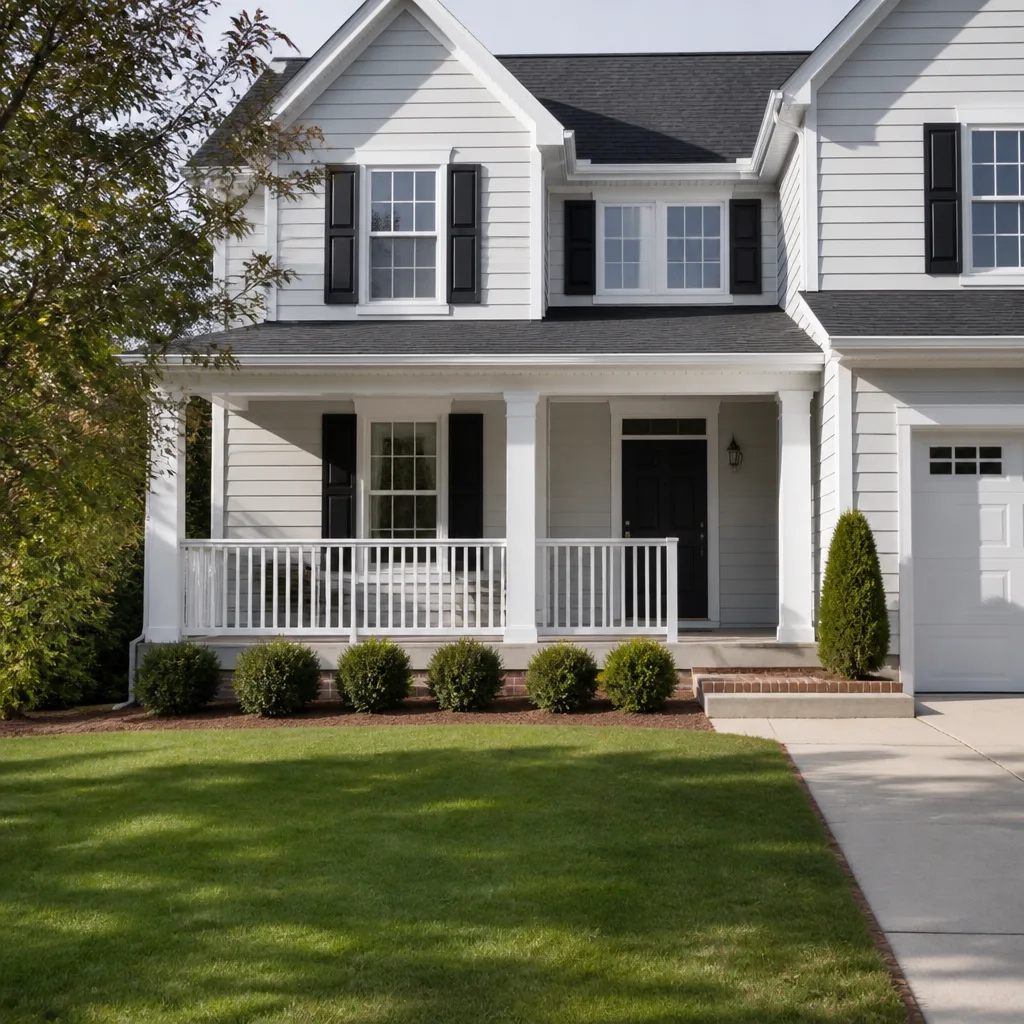
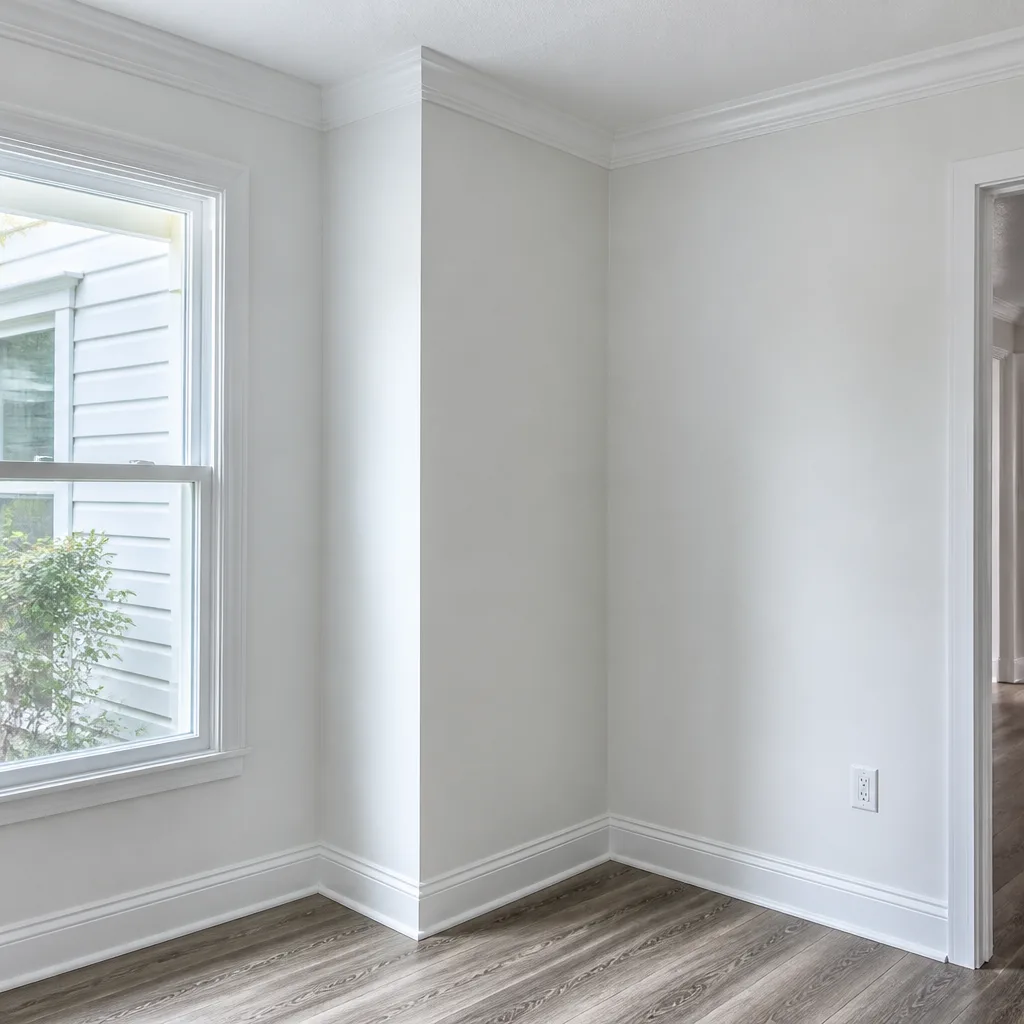
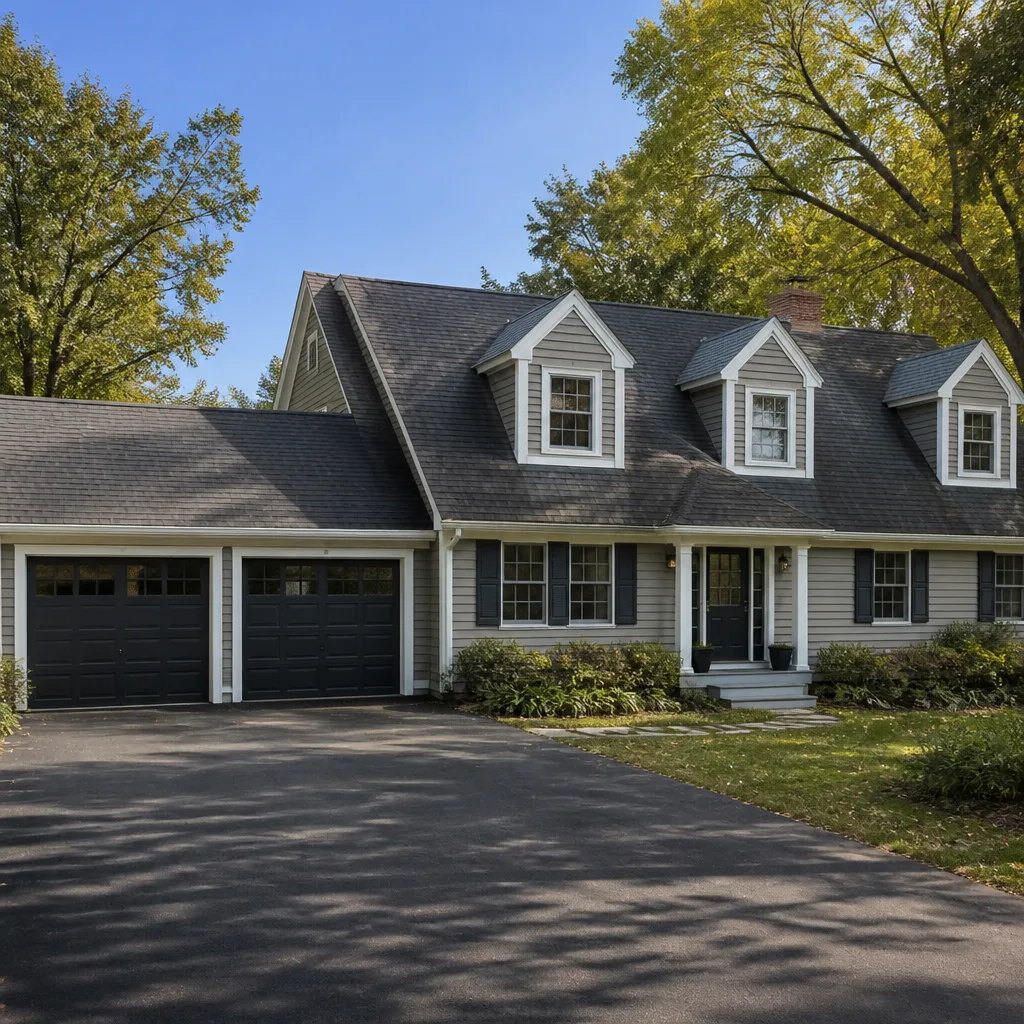
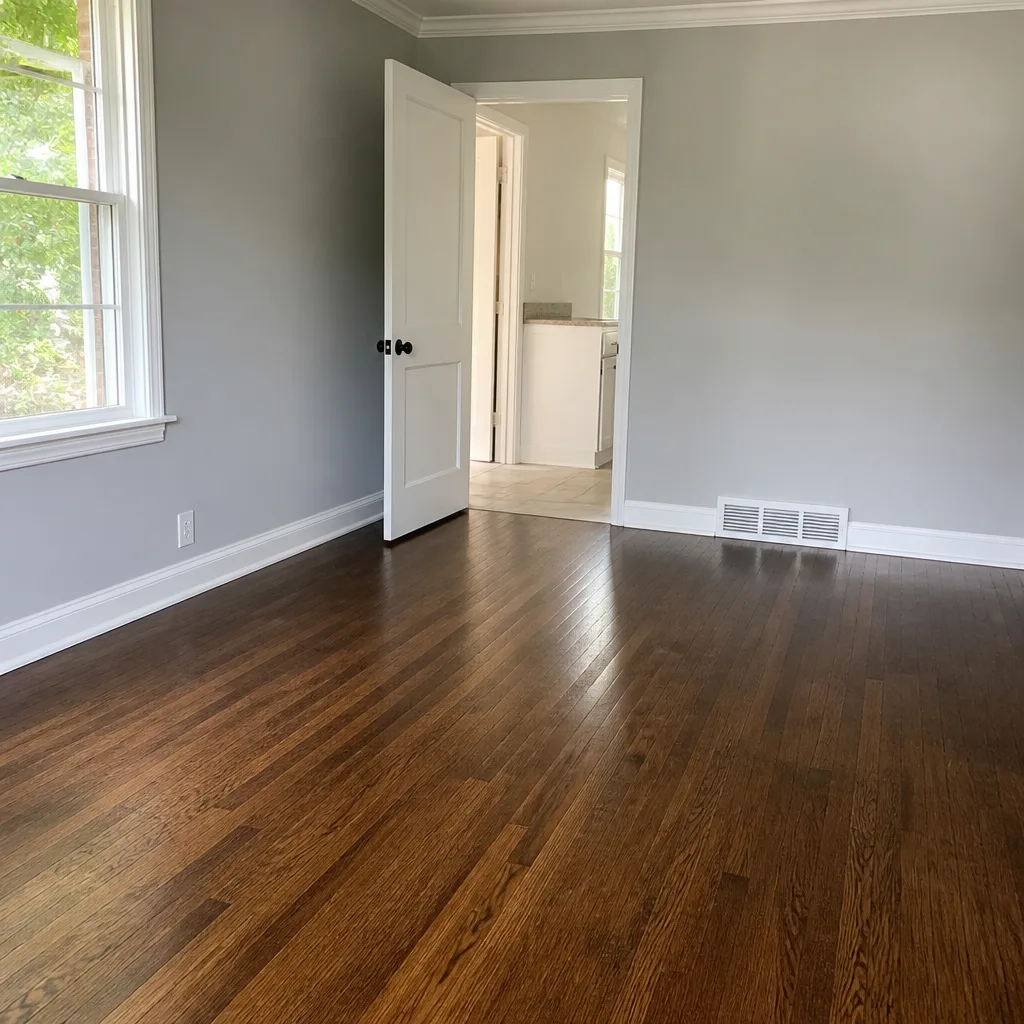
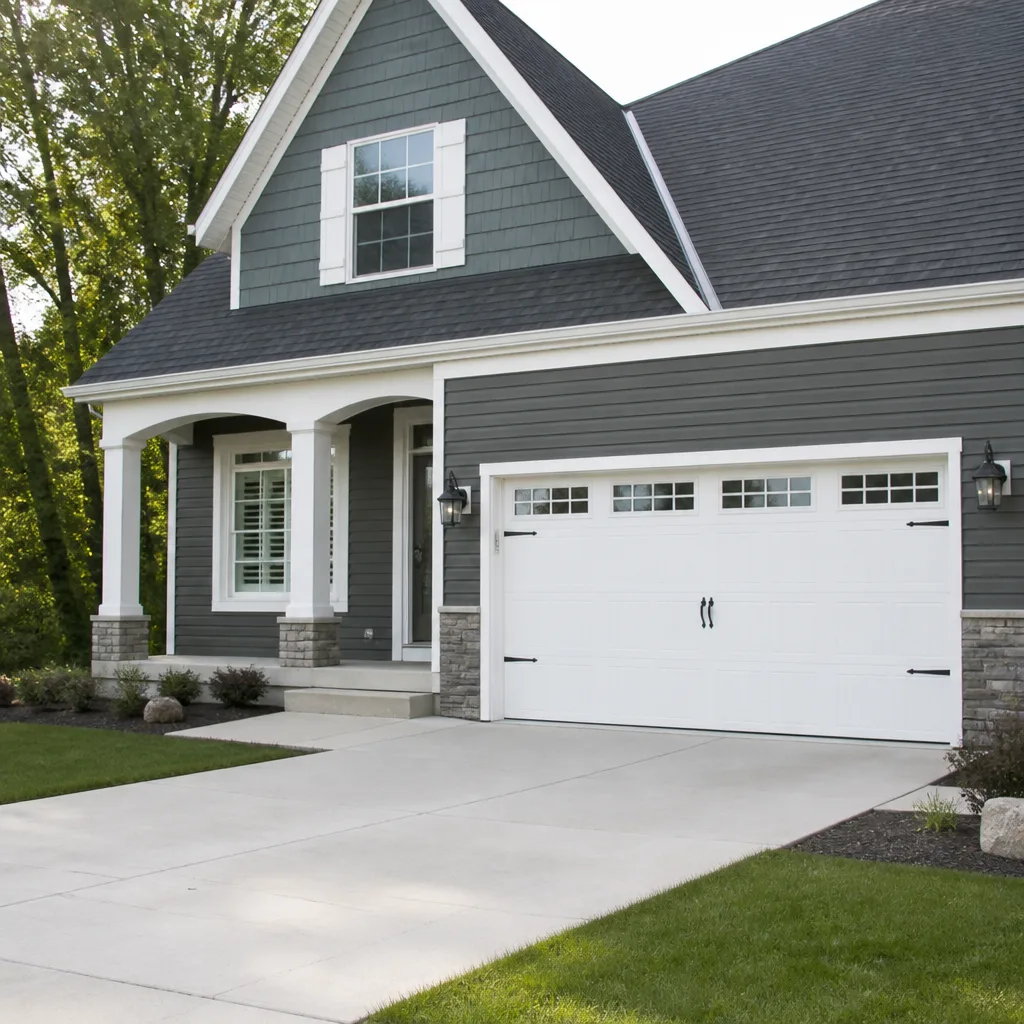
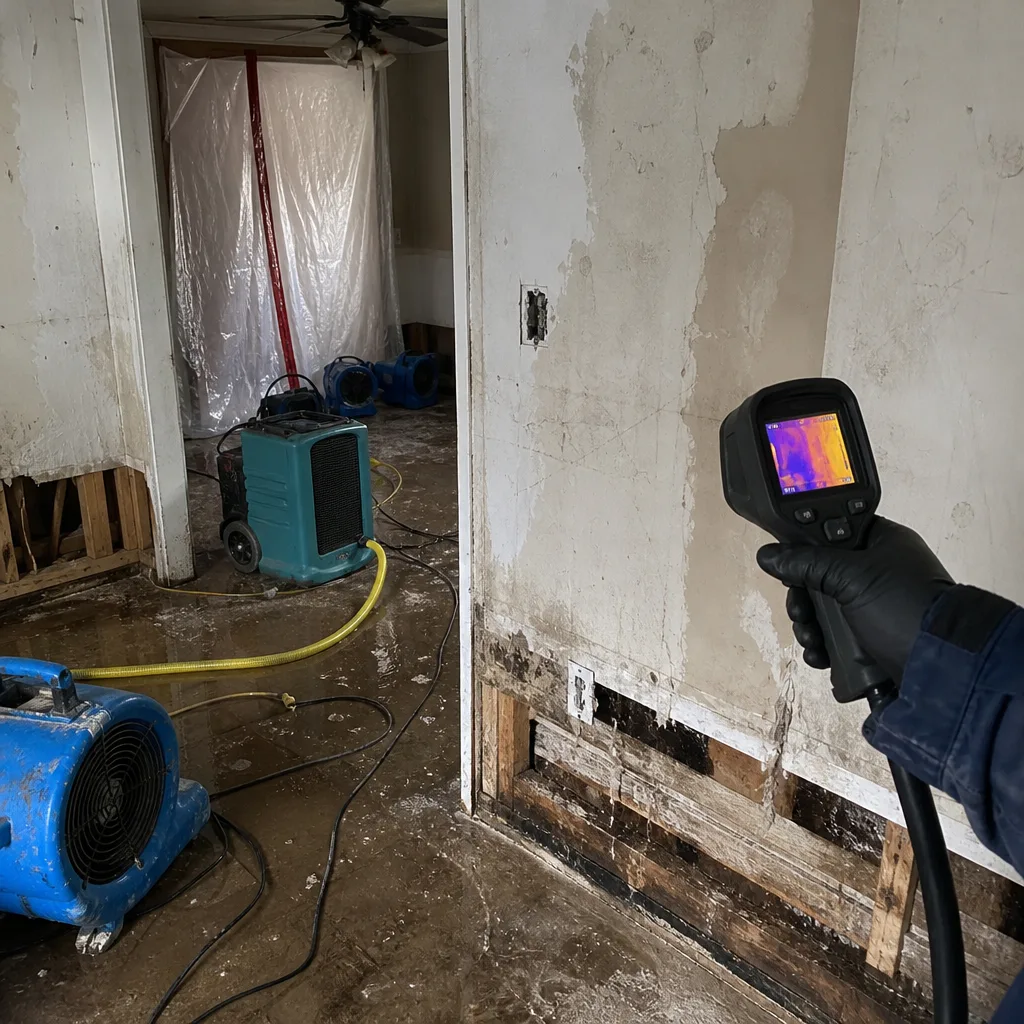 Before
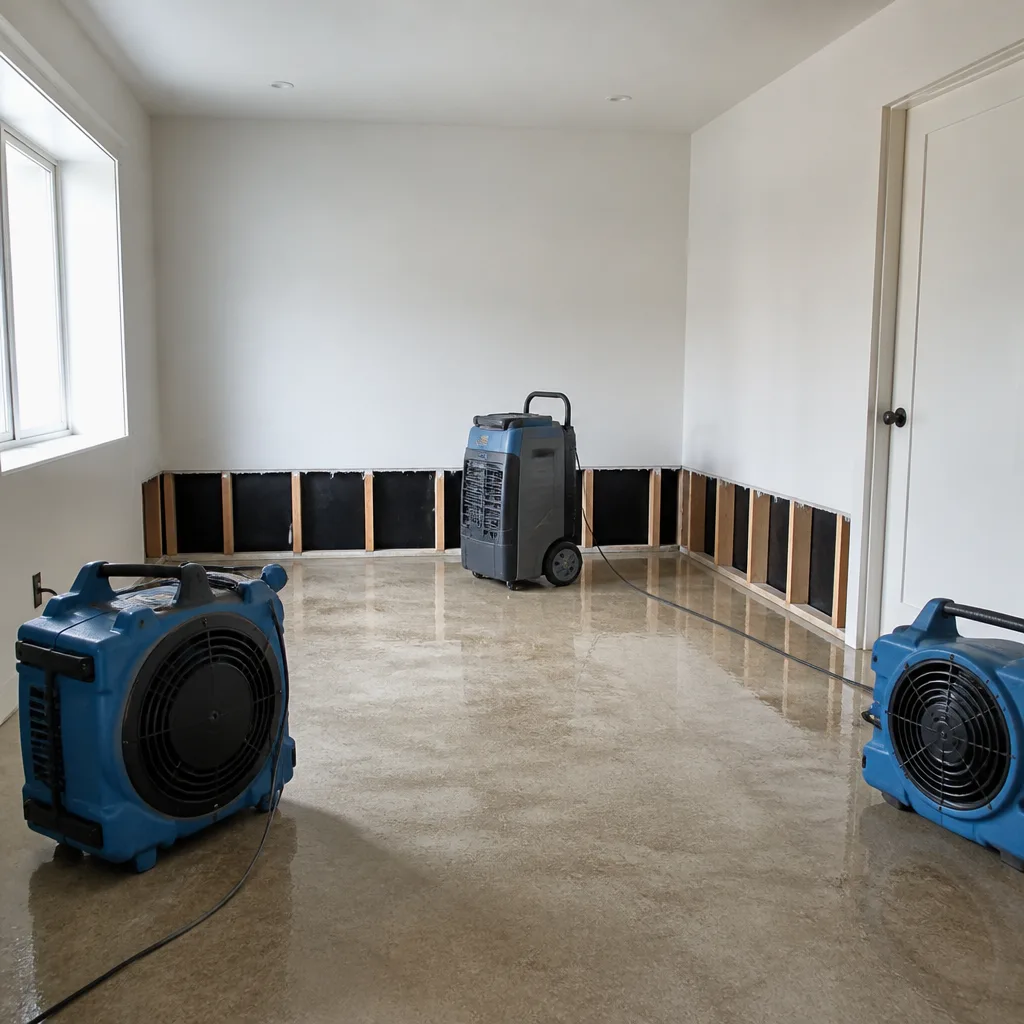 After
After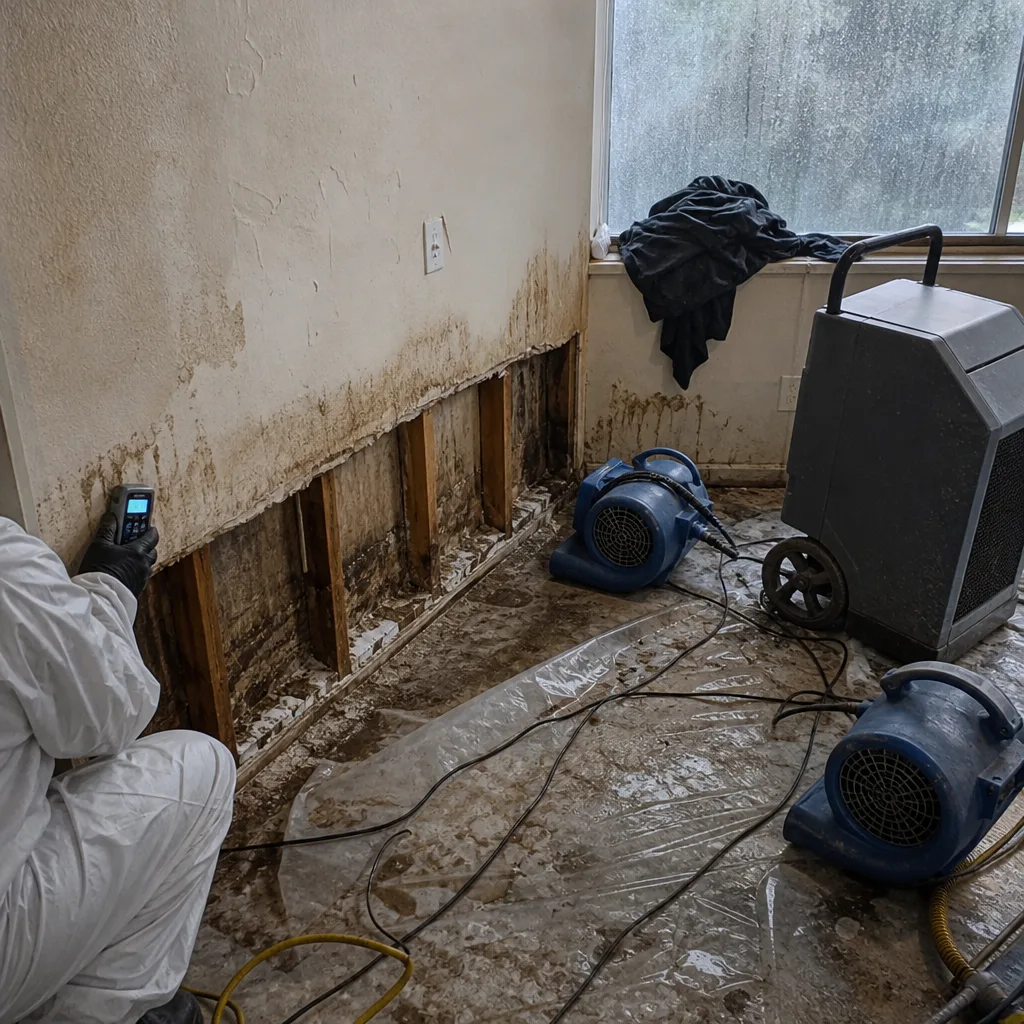 Before
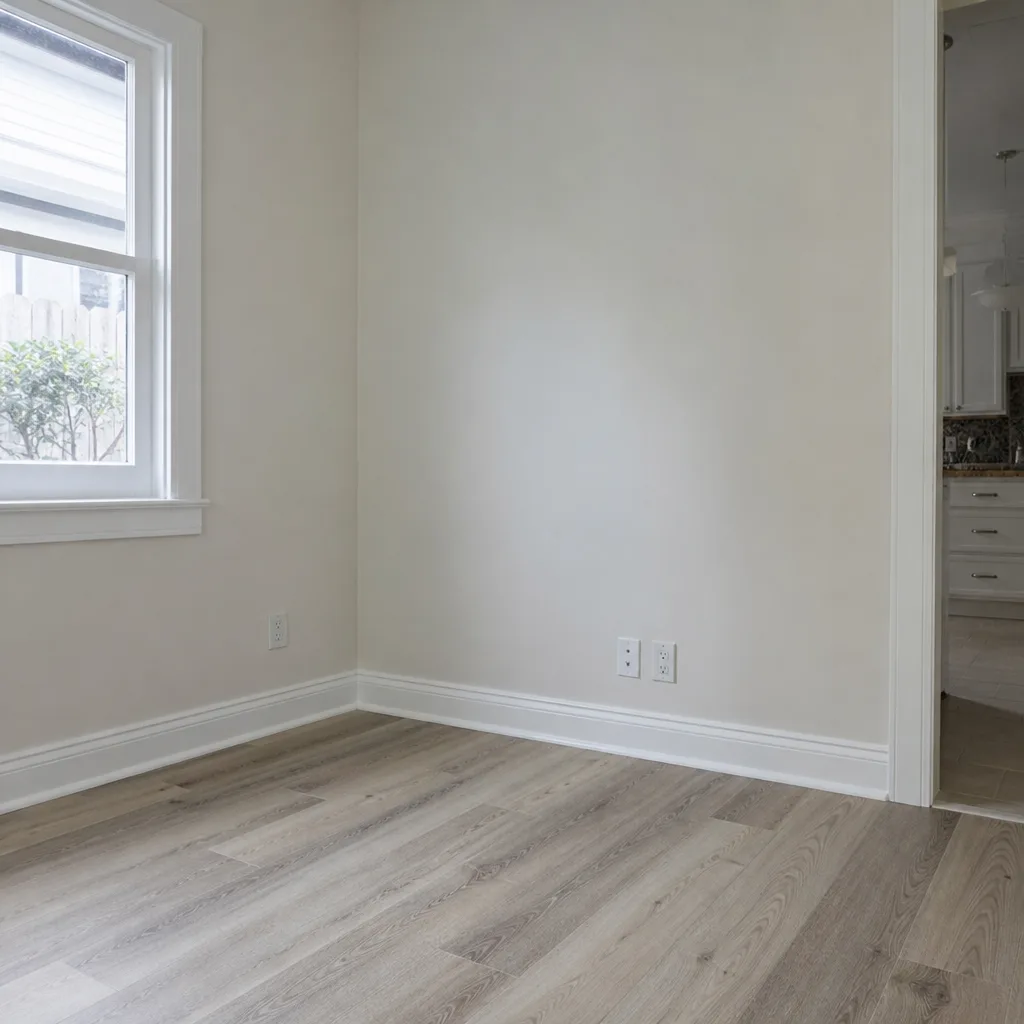 After
After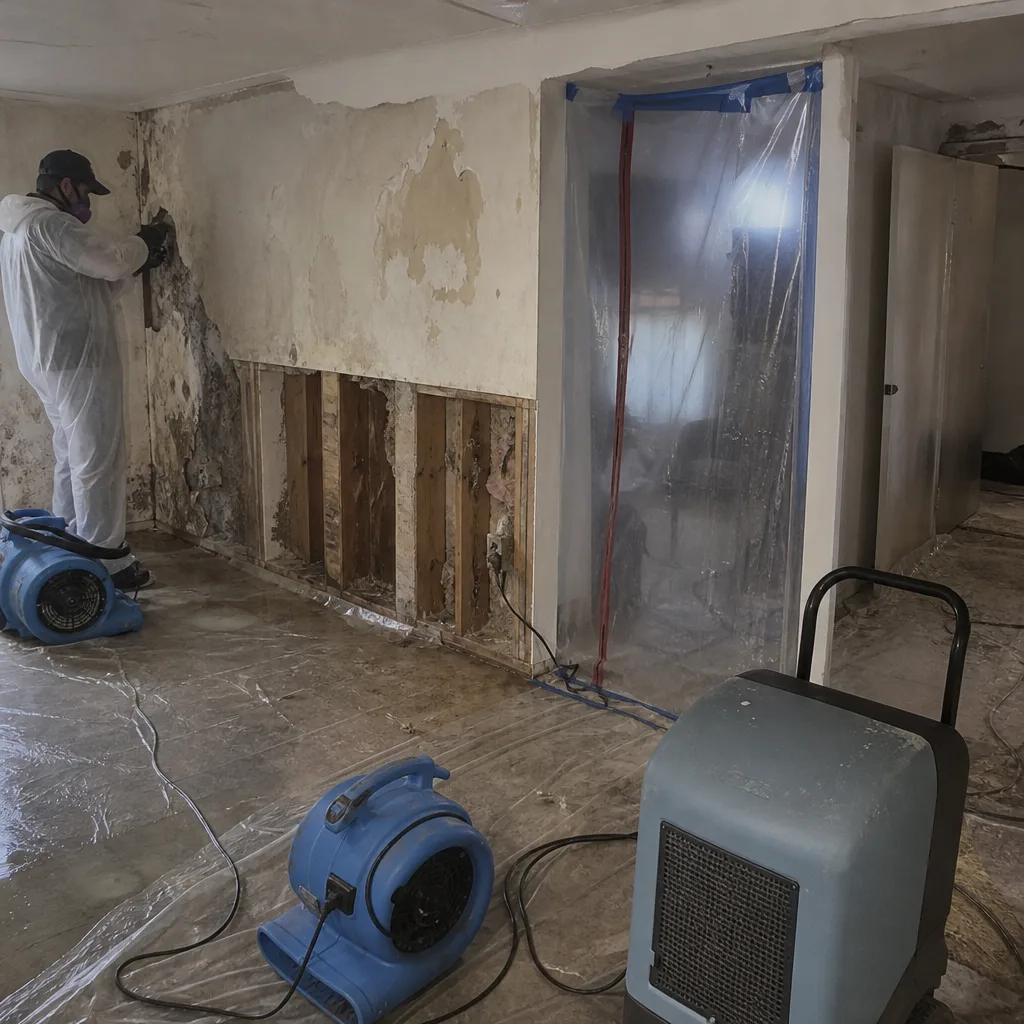 Before
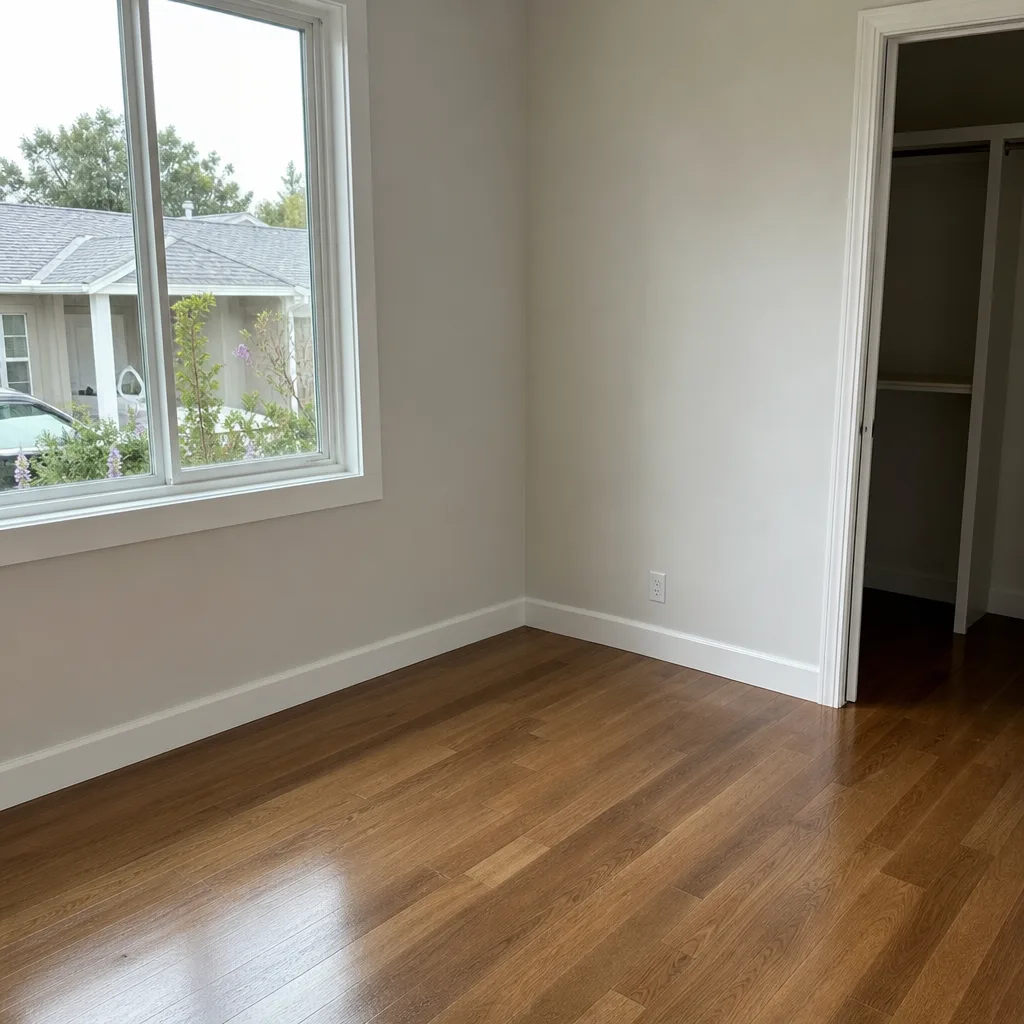 After
AfterWater Damage Restoration Troubleshooting: Common Problems and How to Fix Them
Here’s a number that stops homeowners cold: nearly 40% of water damage callbacks in Los Angeles trace back to the same cause – drying equipment pulled before the structure actually hit dry standard, not because of “new” leaks or bad luck. In our experience running jobs across this city since 2005, from the valley floor to the canyon slopes, the problems that surface weeks after a restoration crew leaves aren’t mysteries. They’re signatures. Each one points to a specific phase of the job that got rushed, skipped, or never documented. This guide shows you how to read those signatures, what to demand from your contractor before you sign anything, and how to protect yourself from paying twice for the same problem. For more prevention tips, see our article on Water Damage Restoration Warning Signs Every Homeowner Should Know.
Quick Answer
Most post-restoration problems – returning odors, re-emerging stains, warped floors – stem from incomplete drying, missing documentation, or mold that was covered rather than eliminated. Homeowners can prevent these issues by demanding a written drying log with daily moisture readings, verifying that readings hit IICRC dry standard before equipment removal, and refusing to sign completion certificates until subfloor and cavity moisture levels are confirmed.
Table of Contents
- How to Read (or Demand) a Drying Log
- Cosmetic Stain vs. Structural Moisture: The One Reading That Tells You
- Why Odors Return After Two Weeks (And What It Actually Means)
- Floors That Re-Warp: The Subfloor Reading That Predicts It
- Your Pre-Signing Completion Checklist
- Los Angeles-Specific Climate and Code Factors
- What Professional-Grade Equipment Actually Does Differently
- Documentation That Protects Your Insurance Claim
How to Read (or Demand) a Drying Log
A drying log is the daily record of moisture content readings, equipment placement, temperature, and relative humidity that IICRC-compliant contractors maintain throughout a water damage job. Think of it as the medical chart for your house. Without it, you have no proof that drying ever reached completion – and no leverage if problems resurface.
Here’s what a legitimate drying log contains, and what each entry means for you:
- Date and time of each reading. Gaps of more than 24 hours between readings, especially in the first 72 hours, indicate inadequate monitoring during the critical evaporation window.
- Specific locations measured. Vague entries like “living room” are worthless. Proper logs list exact spots: “north wall, 16 inches above baseboard, stud bay 3” or “subfloor, beneath kitchen tile, location K-2.”
- Moisture content percentage (MC%) for wood materials. IICRC S500 sets the dry standard for structural wood at 15% or lower in most U.S. climates. In Los Angeles, where winter humidity can spike during Santa Ana wind reversals, some materials need to reach 12% to stay stable year-round.
- Equilibrium moisture content (EMC) target for the specific environment. This adjusts the dry standard based on your home’s normal conditions, not some generic national average.
- Equipment map showing unit types and positions. You should see when air movers shifted, when dehumidifiers cycled, and when specialized equipment like Injectidry cavity drying systems were deployed.
- Technician signature and certification number. Every entry should be attributable to a specific person.
If your contractor hands you a completion certificate but no drying log, that’s a red flag. In Los Angeles, where many restoration companies run lean crews across wide service areas, the temptation to pull equipment early to hit the next job is real. The drying log is your only protection.
We’ve seen this scenario repeatedly: a homeowner in the San Fernando Valley calls us three weeks after another company “finished” a job. The drywall looks dry. The paint is fresh. But the smell won’t quit. We probe the wall cavity with a penetrating moisture meter and find stud moisture at 22% – well above the 15% threshold. The previous crew had removed their Phoenix dehumidifiers based on surface readings alone, never checking the core. No drying log existed. The homeowner’s insurance adjuster initially denied the secondary damage claim because there was no documentation proving the first job was incomplete.
Demand the log before you sign. Review it for gaps. Ask questions about any reading that seems high. A contractor running to The Garrison Standard won’t hesitate to walk you through it.
Cosmetic Stain vs. Structural Moisture: The One Reading That Tells You
A stain that reappears after restoration can mean two very different things, and confusing them costs homeowners thousands.
Cosmetic stain recurrence happens when water-soluble materials in drywall or paint migrate to the surface during drying, leaving a discoloration that bleeds through fresh paint. This is annoying but not dangerous. It responds to stain-blocking primer and repainting.
Structural moisture return means water remains trapped in the assembly – inside the wall cavity, beneath flooring, or in the subfloor – and is slowly migrating back to visible surfaces. This is active damage in progress. It will destroy materials, support mold growth, and likely void portions of your insurance coverage if you signed a completion certificate.
The single tool reading that distinguishes them: penetrating moisture meter reading at the depth of the structural material.
Surface moisture meters, the pinless kind that rest against drywall, only read about 3/4 inch deep. They’re useful for initial surveys, not for final verification. A penetrating meter with insulated pins drives to the center of a 2×4 stud or through tile into the subfloor beneath. Here’s the decision tree:
- Surface stain visible, penetrating meter reads ≤15% at stud/subfloor depth: cosmetic issue. Prime with shellac-based stain blocker, repaint, monitor.
- Surface stain visible, penetrating meter reads >15% at depth: structural moisture active. Drying was incomplete. Equipment must return, or cavity access may be needed.
- No surface stain, but penetrating meter reads >15%: hidden moisture, highest risk category. Often precedes mold bloom by 7-14 days.
In Los Angeles, where slab-on-grade construction is common and many homes have post-tension concrete foundations, subfloor moisture can persist for weeks without ever showing on surface readings. We’ve documented cases in Mid-City where tile floors read “dry” on the surface while the plywood subfloor beneath held 28% moisture – a recipe for adhesive failure and mold colonization that appeared two months later.
Before you accept that a stain is “just cosmetic,” get a penetrating reading. If your contractor doesn’t own the tool or won’t use it, that’s information too.
Why Odors Return After Two Weeks (And What It Actually Means)
An odor that returns after approximately 14 days is not residual dampness. It’s mold.
Here’s the timeline that plays out in water damage jobs across Los Angeles: initial extraction and drying reduce surface moisture below mold’s growth threshold (roughly 16% wood moisture content or 60% relative humidity). Equipment runs for 3-5 days. The contractor does a final check with a surface meter, everything reads “dry,” and the air movers and dehumidifiers come out. The space smells clean, maybe faintly of ozone or antimicrobial treatment.
Two to three weeks later, a musty, earthy odor develops. It may start faint, strengthen in humid conditions, and often concentrates near baseboards, inside closets, or behind cabinets – places with limited air circulation.
This odor is volatile organic compounds (VOCs) released by active mold colonies. The critical window was missed during the initial job: either moisture remained in a cavity long enough for spores to germinate, or existing mold was surface-treated (painted over with antimicrobial coating) rather than physically removed per IICRC S520 mold remediation standards.
Antimicrobial sprays and sealants have their place in water damage restoration, but they are not mold remediation. A product like Concrobium or similar may suppress spores on accessible surfaces. It does not eliminate established hyphal growth inside wall cavities, beneath flooring, or within insulation. When that growth continues, the odor returns – and by then, the completion certificate you signed has likely closed your insurance claim.
In our work across Los Angeles, we see this most often in:
- Homes with lath-and-plaster walls, common in pre-1960s neighborhoods, where plaster keys trap moisture behind the surface
- Canyon-adjacent properties where nighttime humidity inversions create microclimates different from valley readings
- Jobs where “dry” was determined by carpet pad moisture rather than subfloor or tack strip readings
The fix is not more deodorizer. It’s controlled demolition of affected materials, HEPA-contained remediation per IICRC S520, and verification through air sampling or ERMI/HERSTMI-2 dust analysis before rebuild. Anything less is postponing the problem.
If you’re within that 14-day window and smell something developing, document it with dated photos and call immediately. Early intervention limits the scope and protects your claim.
Floors That Re-Warp: The Subfloor Reading That Predicts It
Wood floors that cup, crown, or buckle after restoration aren’t reacting to current conditions. They’re revealing moisture that was never fully removed from the subfloor or the bottom edge of the flooring itself.
Solid hardwood flooring is hygroscopic – it absorbs and releases moisture from the air and from contact surfaces. When the bottom of a board holds more moisture than the top, the bottom expands more, forcing the edges upward in a “cup.” When the top holds more, the center rises in a “crown.” Buckling happens when expansion across the whole floor exceeds the expansion gap left at walls, forcing boards upward off the subfloor.
These deformations don’t appear immediately. The floor may look fine when equipment is removed, then slowly distort over 2-6 weeks as the subfloor continues releasing moisture into the underside of the boards. By the time you see the problem, the flooring may be permanently damaged.
The predictive reading is subfloor moisture content measured from below, or through-floor measurement at multiple points. Here’s what proper protocol looks like:
- Remove baseboards to expose the expansion gap and insert moisture probes at the floor edge.
- Drill discrete test holes through finished flooring in closet corners or other hidden spots to reach the subfloor directly.
- In homes with crawl space access, measure subfloor underside moisture with a pin meter.
- Compare readings to the flooring manufacturer’s specified equilibrium moisture content – typically 6-9% for oak, 8-11% for softer species common in Los Angeles mid-century builds.
- Do not remove drying equipment until subfloor and bottom-edge readings match top-surface readings within 2 percentage points.
We use Injectidry systems with specialized floor drying mats for this exact scenario – forced airflow across the floor surface combined with negative air pressure from below, when access permits. In slab constructions without subfloor access, desiccant dehumidification at aggressive settings may be necessary to pull moisture through the concrete.
A contractor who checks only the floor surface and declares the job done is ignoring the physics of wood moisture dynamics. The warp that shows up later is predictable, preventable, and expensive – often requiring full floor replacement rather than the refinishing that would have sufficed if caught early.
Your Pre-Signing Completion Checklist
Signing a completion certificate without verification is the single most damaging action a homeowner can take after a water damage job. Once signed, you are asserting that the work was completed satisfactorily, which insurance companies and contractors use to close claims and deny subsequent damage.
Use this checklist before signing anything. Demand that your contractor provide evidence for each item:
- Drying log with daily readings for all affected areas. Verify no gaps exceed 24 hours during the first 72 hours, and that final readings meet or exceed IICRC dry standard for your material types.
- Penetrating moisture meter verification at structural depth. Surface readings alone are insufficient for any wall, floor, or ceiling assembly that was wet.
- Subfloor or cavity readings for any flooring or enclosed space that was affected. Ask specifically: “What was the moisture content at the subfloor, and where was it measured?”
- Equipment inventory and placement map. Confirm that the number and type of air movers, dehumidifiers, and specialty equipment matched the job’s psychrometric requirements.
- Antimicrobial application documentation. If mold was present, demand proof that remediation followed IICRC S520, not just surface spraying. This should include containment photos, HEPA vacuum logs, and disposal records.
- Photo documentation of the loss area before, during, and after drying. These support your insurance claim and establish baseline conditions.
- Written scope of all work performed, with line-item pricing. Per The Garrison Standard, this should have been provided before work started; the completion documentation should match it.
- 365-Day Done Right Promise or equivalent written guarantee. Verbal assurances are unenforceable. The guarantee should specify what is covered, the response timeline, and that return visits are at no charge.
- Insurance claim documentation package. Request copies of all photos, drying logs, and scope documents formatted for your adjuster.
- Your own walk-through with a moisture meter. If you own or can borrow a basic pinless meter, verify readings yourself in areas that concern you.
In Los Angeles, where many homeowners carry earthquake or supplemental flood policies with specific documentation requirements, item 9 is particularly critical. We’ve assisted clients in Silver Lake and Echo Park whose carriers initially denied secondary damage claims because the original restoration contractor provided only a one-page invoice with no loss documentation. Our job records, maintained to IICRC and RIA standards, reversed those denials.
If a contractor pressures you to sign before you can complete this checklist, that pressure is itself information. A crew running to The Garrison Standard – price in writing, do it by the book, stand behind the work – has nothing to hide and everything documented.
Los Angeles-Specific Climate and Code Factors
Water damage restoration in Los Angeles operates under conditions that differ materially from other major markets, and contractors who apply national-standard playbooks without local adjustment create predictable failures. If you’re evaluating providers, our Choosing the Right Damage Restoration Brand: A Buyer’s Guide for Los Angeles offers a framework for vetting them.
Climate dynamics: Los Angeles spans multiple microclimates. The basin can hold 70% relative humidity in June while the valleys drop to 15%. Santa Ana wind events drive humidity to desert levels, then marine layer inversions trap moisture against canyon walls. A drying plan calibrated for “Los Angeles” without zone-specific adjustment will over-dry some materials and under-dry others. Proper jobs use local weather data and adjust dehumidifier settings daily.
Foundation types: Post-tension slab, raised foundation, and hillside pedestal construction each present distinct moisture pathways. Slab leaks in post-tension systems require specialized detection to avoid cutting structural cables. Hillside homes in areas like Laurel Canyon or Beachwood Canyon often have waterproofing failures that present as interior water damage but originate from exterior drainage – a source that interior drying alone won’t fix.
Code and permit requirements: Los Angeles Department of Building and Safety requires permits for structural repairs, electrical work, and plumbing modifications triggered by water damage. Unpermitted work can complicate resale and insurance. Restoration contractors should coordinate permit requirements or explicitly flag when permits are needed.
Asbestos and lead: Pre-1978 homes, common in Los Angeles historic districts, require EPA RRP certification for any disturbance that might release lead paint. Asbestos-containing materials appear in older flooring, insulation, and textured ceilings. Disturbance without proper abatement creates liability and health hazards. Your contractor should verify building age and test suspect materials before demolition.
Insurance market conditions: California’s homeowners insurance market has contracted significantly, with many carriers non-renewing or withdrawing. Documentation quality directly affects claim success in this tightened environment. Adjusters in Los Angeles are scrutinizing claims more closely; incomplete drying logs or missing photos are routine bases for denial.
These factors aren’t footnotes. They’re the conditions under which every restoration job in this city actually operates, and they explain why problems that “shouldn’t” happen do – when contractors apply generic protocols to specific local conditions.
What Professional-Grade Equipment Actually Does Differently
Equipment branding matters in water damage restoration because the performance specifications determine whether drying actually reaches completion or merely approaches it. Consumer-grade or outdated equipment often lacks the capacity to maintain the low specific humidity required for structural drying, especially in the first 48 hours when evaporation potential is highest.
Here’s what the professional-grade equipment in our our Water Damage Restoration services roster does, and why it matters for preventing the problems this guide addresses:
- Low-grain refrigerant dehumidifiers (Dri-Eaz, Phoenix): These pull moisture to specific humidity levels below 40 grains per pound – the threshold where structural materials actually release bound water, not just surface moisture. Consumer units often stall at 55-60 grains, leaving materials “dry” to the touch but still holding damaging moisture.
- High-velocity air movers (XPOWER, B-Air): Positioned to create laminar airflow across wet surfaces, these accelerate evaporation rate without creating the turbulent, uncontrolled air movement that can spread contaminants. Proper placement matters: one per 10-12 linear feet of wall, aimed to skim the surface, not blast randomly.
- Cavity drying systems (Injectidry): For water trapped inside wall assemblies, floor systems, or cabinet bases, these create negative pressure that pulls air through the cavity, drying from the inside out. Without cavity drying, many Los Angeles jobs – especially those with lath-and-plaster or multiple layers of remodeling – simply cannot reach dry standard without destructive demolition.
The equipment alone doesn’t prevent callbacks. The protocol does: how it’s deployed, how readings guide adjustments, and how long it stays based on data rather than schedule. We’ve replaced equipment on jobs where the previous contractor used the right brands but pulled them after a fixed three-day rental period, regardless of readings. The tools were professional; the discipline was not.
When evaluating a restoration contractor, ask specifically what equipment they deploy, how they determine when to adjust or remove it, and whether they maintain a drying log that records those decisions. The answers reveal whether you’re getting protocol-driven work or equipment theater.
Documentation That Protects Your Insurance Claim
Insurance claims for water damage fail at documentation more often than at coverage determination. The policy covers sudden and accidental water damage; proving that the damage was sudden, proving the scope of what was affected, and proving that restoration was performed to standard – these are where claims founder.
Every water damage job we run at Keegan Water Damage Restoration home produces a documentation package formatted for adjuster review. This isn’t extra service. It’s baseline professionalism. The package includes:
- Date-stamped photos of the loss area before any equipment touches it, showing the extent of visible water and pre-existing conditions
- Moisture mapping with initial readings, daily progress readings, and final verification readings with equipment serial numbers noted
- Psychrometric chart or data log showing temperature, relative humidity, and specific humidity trends throughout the drying period
- Equipment placement diagram with unit types, serial numbers, and CFM/dehumidification capacity calculations
- Written scope of work with line-item pricing, provided before work starts and updated only with written change orders
- Antimicrobial or remediation product data sheets and application logs, if mold was present
- Final completion certificate with all verification data attached, provided only after dry standard is confirmed
This documentation serves multiple purposes. It supports your claim for the initial loss. It protects you if secondary damage develops and you need to demonstrate that the original work was incomplete. It establishes baseline conditions if mold or structural issues emerge months later. And it satisfies the documentation requirements that many Los Angeles-area carriers now mandate for claim approval.
We coordinate directly with adjusters when requested, providing the technical data they need in the format their systems require. This direct coordination, combined with our documentation discipline, has helped homeowners in Los Angeles secure full claim settlements that were initially reduced or denied for “insufficient evidence of loss.”
Common Mistakes to Avoid
- Signing a completion certificate before verifying dry standard yourself. Once signed, you have waived your right to callback repairs under most contractor agreements, and your insurer will treat the claim as closed.
- Accepting surface moisture readings as proof of complete drying. In Los Angeles, where many homes have tile-over-slab or engineered flooring, surface dryness routinely conceals structural moisture that destroys materials weeks later.
- Allowing a contractor to skip cavity drying because “the wall feels dry.” Lath-and-plaster, insulated stud walls, and floor assemblies cannot be verified without penetration or negative-pressure drying systems.
- Assuming that “mold-resistant” paint or spray eliminates mold. These products suppress spores on accessible surfaces. They do not remove established colonies inside cavities, and the odor of those colonies will return within 2-3 weeks.
- Waiting to document problems because you “don’t want to make trouble.” Delayed documentation weakens insurance claims and may exceed the callback period in your contractor’s guarantee. Date-stamped photos and moisture readings taken at first suspicion preserve your options.
- Hiring based on speed of arrival alone. Emergency response matters for active water, but the quality of drying protocol determines whether you pay once or twice. A crew that arrives in 30 minutes but lacks penetrating meters and cavity drying capability is not equipped to finish the job.
- Neglecting to verify that your contractor’s guarantee is written and specific. Verbal promises of “we’ll take care of you” are unenforceable. The 365-Day Done Right Promise specifies one year of coverage, no-charge return visits, and written terms.
When to Call a Professional
Call immediately if water is actively flowing, if you smell musty odors developing within two weeks of a completed job, if stains reappear after painting, or if floors begin cupping or buckling. These symptoms indicate active moisture or mold that will not resolve without intervention and will compound damage and cost with delay.
Call before signing any completion certificate if your contractor cannot produce a drying log with daily readings, cannot demonstrate penetrating moisture verification, or pressures you to sign despite your concerns. These are indicators of incomplete work that will become your financial responsibility once the certificate is signed.
Keegan Water Damage Restoration offers free estimates in Los Angeles – call (361) 317-7269. A live person answers every call, 24 hours a day, 7 days a week. We’ll review your situation, explain what documentation you should already have, and provide a written scope and price before any work begins. Every repair we perform is backed by the 365-Day Done Right Promise: if it’s not done right, we make it right, in writing, at no charge, for a full year.
Frequently Asked Questions
Proper drying is verified by penetrating moisture meter readings at structural depth, not surface checks. Demand a drying log showing daily readings that reached IICRC dry standard (typically ≤15% wood moisture content) before equipment removal, and verify with your own meter if possible. Call (361) 317-7269 if you need help interpreting your documentation – estimates are free.
Insurance coverage for secondary damage depends on proving the original restoration was incomplete. This requires documentation: drying logs, photos, and moisture readings from the initial job. Without this evidence, carriers typically classify the damage as “maintenance” or “pre-existing” and deny the claim. We format all documentation to support adjuster review and can coordinate directly with your carrier.
For active water damage, speed of response matters to prevent escalation. Keegan Water Damage Restoration answers calls with a live person 24/7 and dispatches background-checked, uniformed technicians to Los Angeles locations. Exact arrival depends on traffic and your specific location; call (361) 317-7269 for current dispatch status. Note that reconstruction and non-emergency work is scheduled and scoped in writing, not dispatched for same-day arrival.
Visible mold on a surface often indicates more extensive colonization inside the cavity. IICRC S520 requires physical removal of mold growth, not just surface treatment, and verification through clearance sampling. Painting over mold without remediation guarantees odor recurrence within 2-3 weeks as the colony continues releasing VOCs. The only way to determine full scope is inspection with moisture mapping and, when indicated, air or surface sampling.
You can manage the adjuster relationship yourself, or your restoration contractor can coordinate directly with documentation support. We provide complete loss documentation packages formatted for adjuster review and communicate technical findings as needed. The key is that documentation quality – photos, moisture logs, scope of work – determines claim success more than who makes the phone call. Call (361) 317-7269 to discuss how we can support your specific claim.
Local construction methods and climate create distinct risk profiles. Pre-1960s homes with lath-and-plaster walls trap moisture behind surfaces. Slab-on-grade construction with tile flooring conceals subfloor moisture. Canyon and hillside locations experience humidity inversions that alter drying dynamics. Contractors who apply national-standard protocols without adjusting for these Los Angeles-specific conditions routinely leave moisture that causes callbacks. Proper jobs calibrate equipment and duration to local microclimate and construction type.
The Bottom Line
Post-restoration water damage problems are rarely mysterious and almost never bad luck. They’re the predictable result of specific failures: equipment removed before dry standard verification, surface readings substituted for structural readings, mold painted over rather than remediated, and completion certificates signed without documentation review. Homeowners who understand these failure modes, demand proper documentation, and refuse to sign until verification is complete protect themselves from paying twice for the same loss. The tools and standards to do this right exist. The question is whether your contractor uses them with the discipline the job requires.
Written by Shane Pruitt, Owner at Keegan Water Damage Restoration, serving Los Angeles since 2005.