
Last updated October 11, 2026
Free visual inspection and a written scope of work before any mitigation begins - photos, moisture readings, and drying logs go in your claim file
The scope we write is the scope we bill. Anything new gets shown to you, in writing, before we touch it.
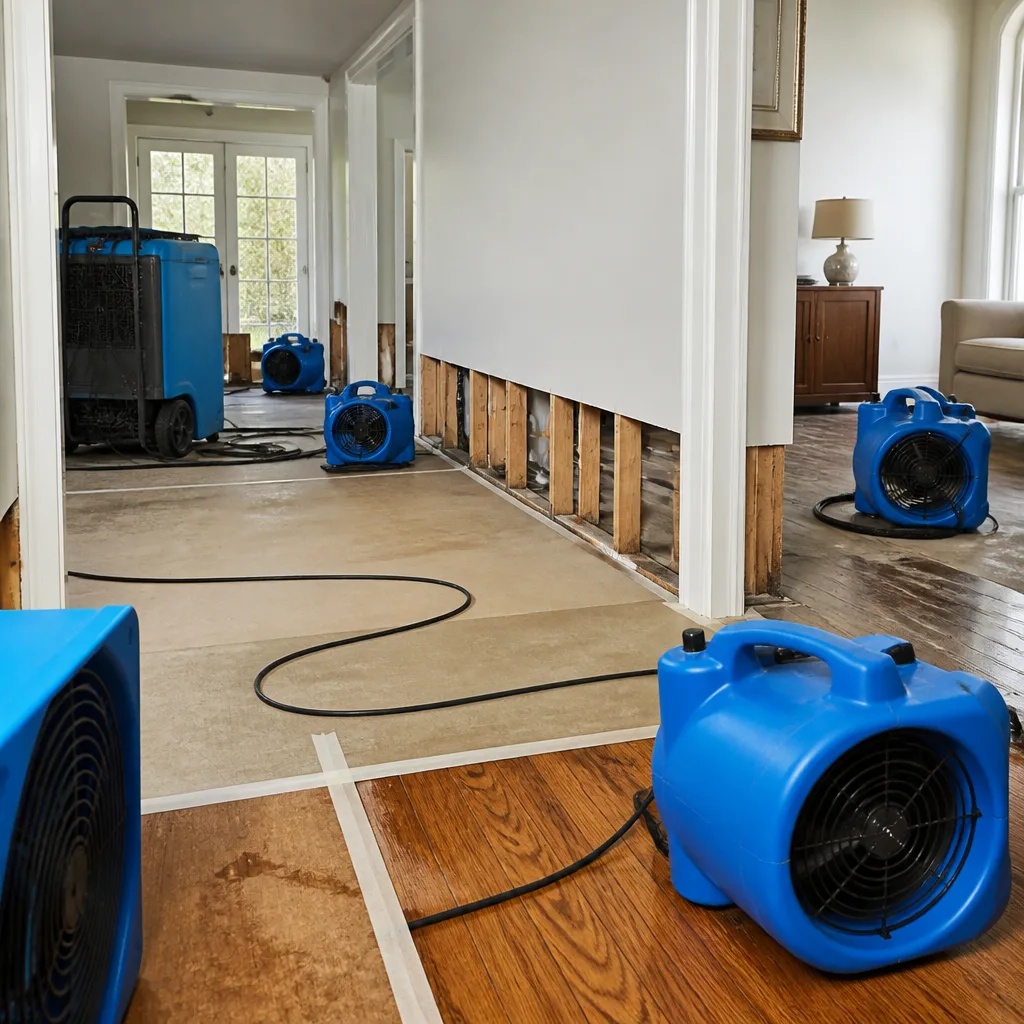
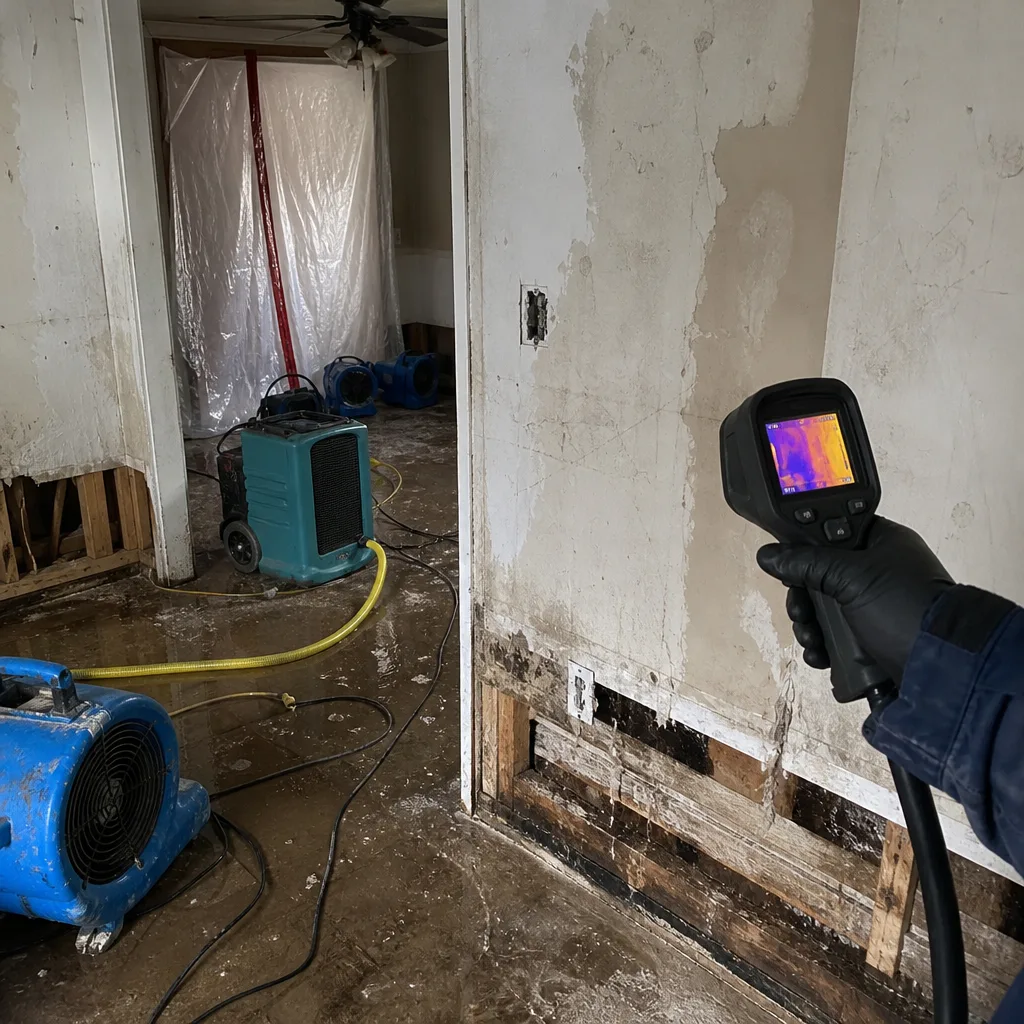 Before
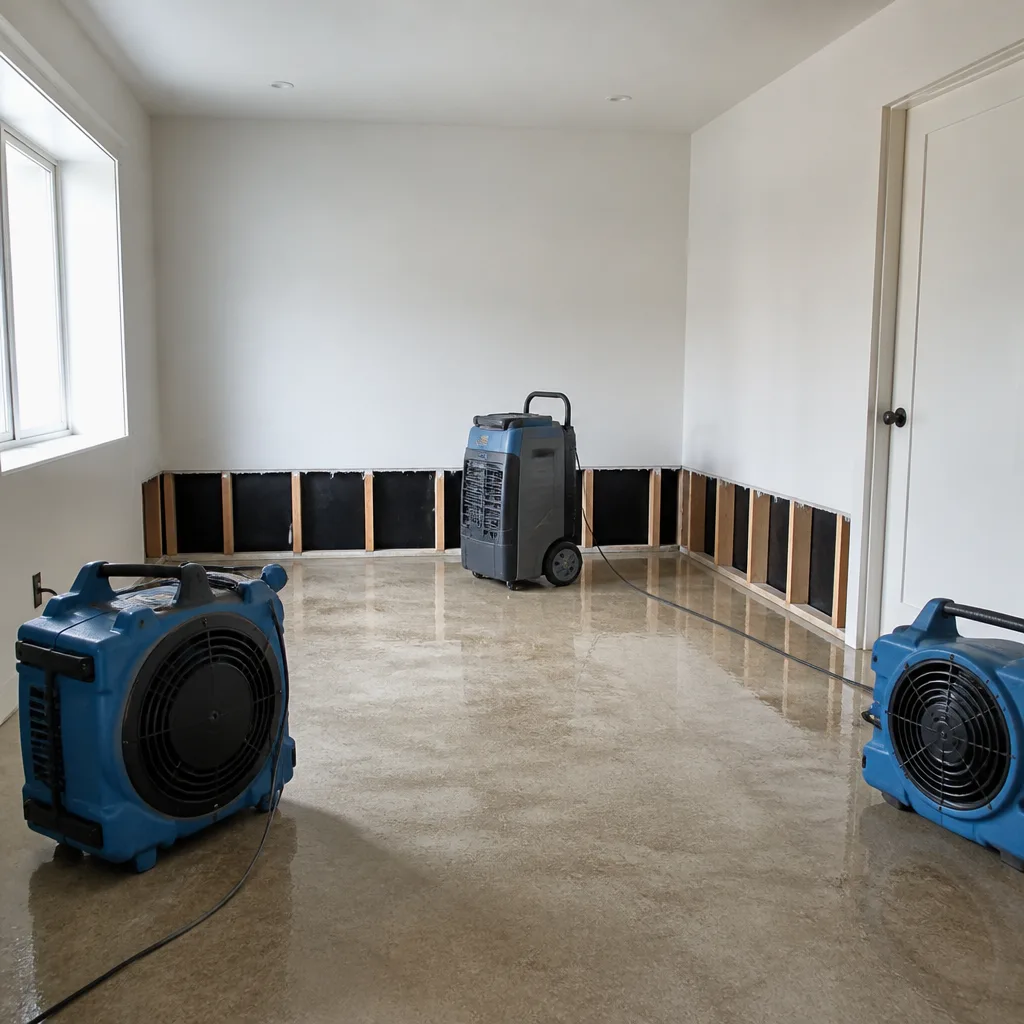 After
After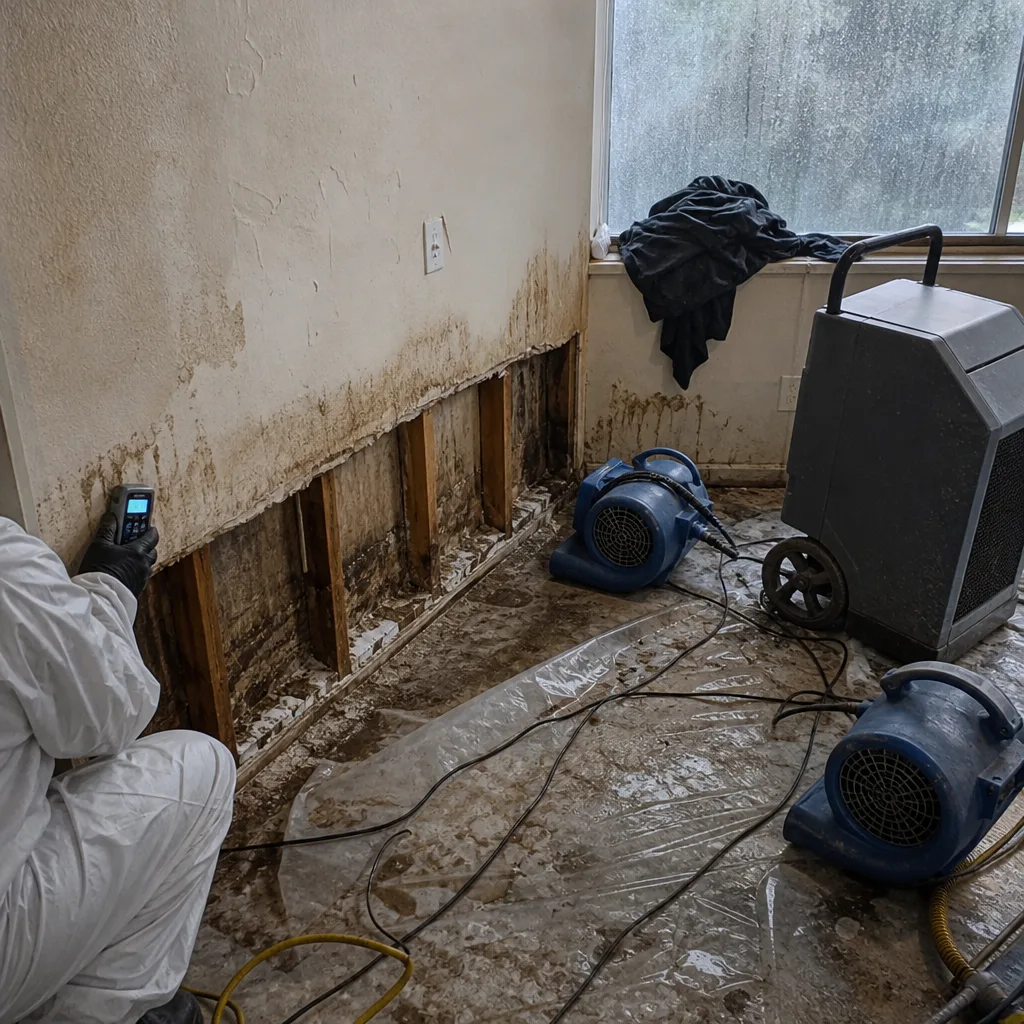 Before
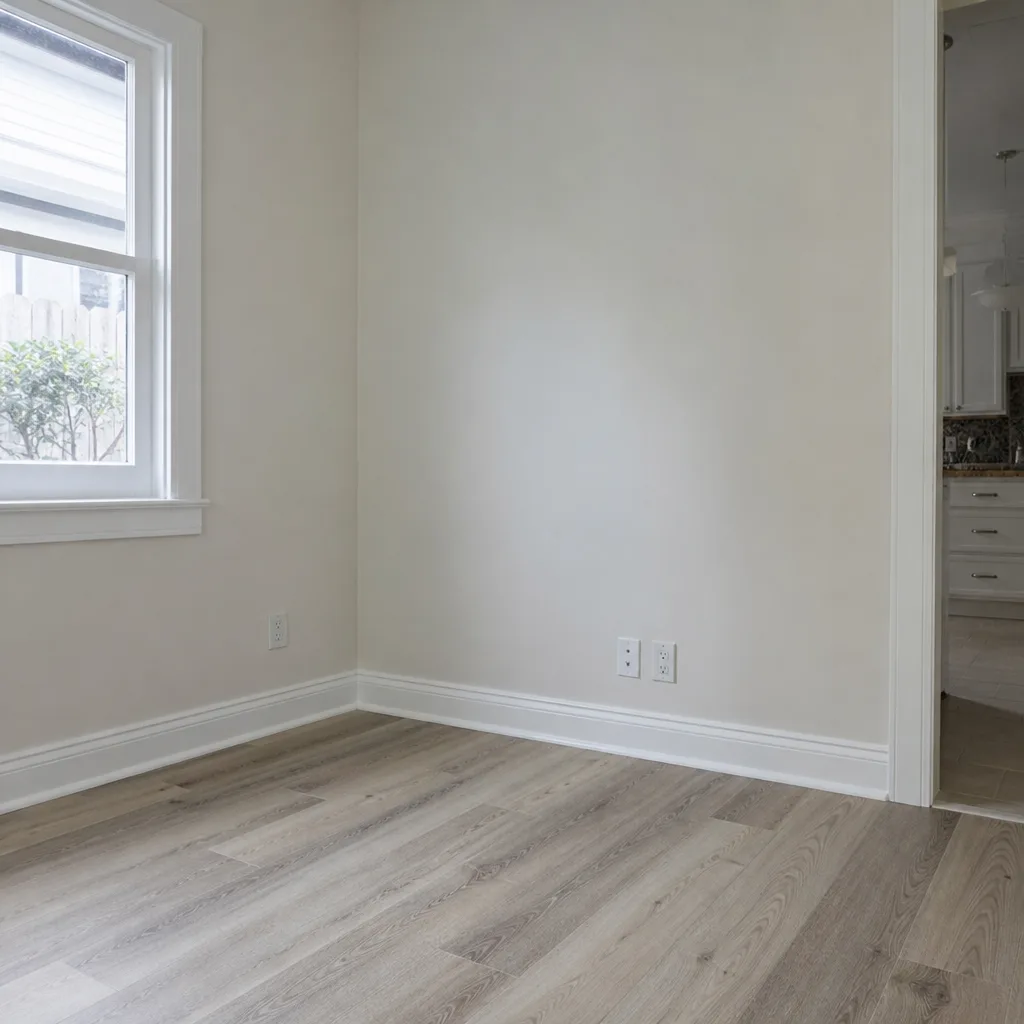 After
After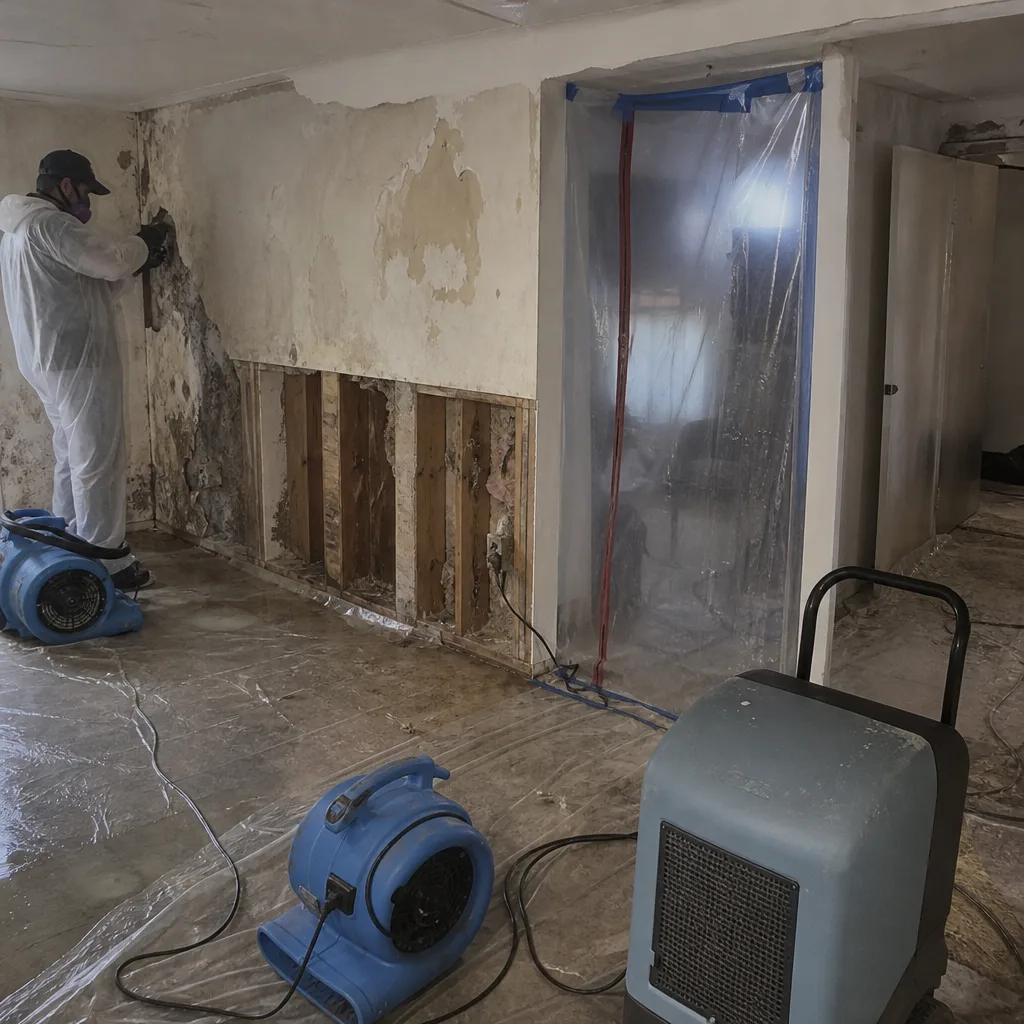 Before
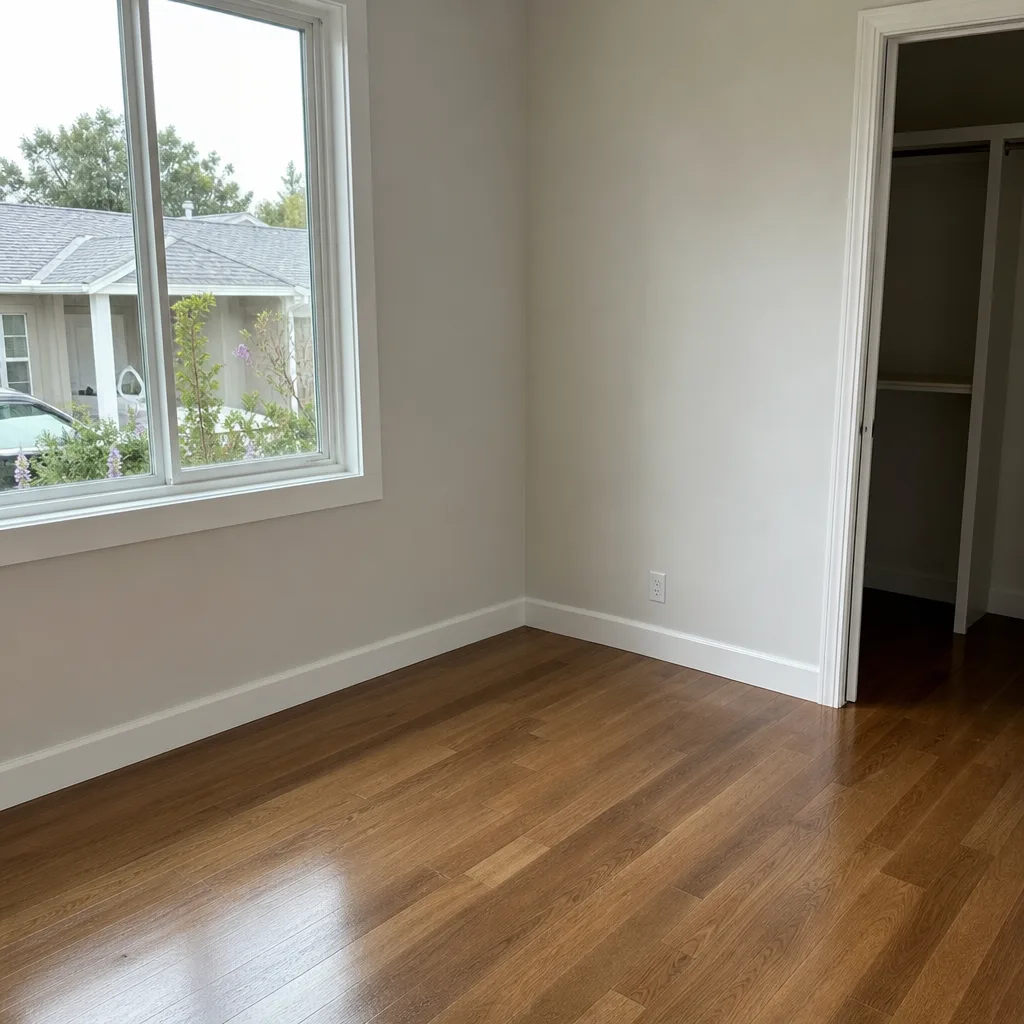 After
AfterFire Damage Restoration Troubleshooting: Common Problems and How to Fix Them
Smoke odor that returns six weeks after a restoration crew cleared the job almost always means the hydroxyl or ozone treatment was applied before surfaces were physically cleaned. The chemistry doesn’t work in that order, and too many crews do it backwards because it’s faster. In Los Angeles, where tight housing stock and year-round dry conditions can trap particulate matter inside wall cavities for months, this mistake is especially costly. This guide walks through the technical causes behind the three most common post-restoration complaints, what proper protocol looks like, and how to verify your contractor followed it. For more guides & resources, see our blog.
Quick Answer
The most common Fire Damage Restoration services failures – phantom smoke smell, soot reappearing on walls, and persistent respiratory irritation – trace to three specific protocol skips: chemical odor treatment applied before physical cleaning, incomplete cavity inspection, and HVAC systems that were visually inspected but never mechanically cleaned. Each has a verifiable fix that homeowners can request before signing off on a job.
Table of Contents
- Why Smoke Smell Returns After Fire Restoration
- Soot Reappearing on Walls: Incomplete Cleaning vs. Secondary Offgassing
- How to Test Whether Your HVAC Ductwork Was Actually Cleaned
- The Surfaces Most Commonly Missed During Fire Cleanup
- The Correct Sequence of Fire Restoration Steps
- What Documentation to Request for Supplemental Insurance Claims
- Common Mistakes to Avoid
- When to Call a Professional
- Frequently Asked Questions
Why Smoke Smell Returns After Fire Restoration
The return of smoke odor is the single most common complaint we hear from Los Angeles homeowners who hired another contractor first. The pattern is remarkably consistent: the crew finishes, the homeowner signs off, and four to eight weeks later the smell drifts back, often stronger in warm weather or when the HVAC cycles on.
The technical cause is almost always premature odor neutralization. Hydroxyl generators and ozone machines break down odor molecules, but they cannot penetrate soot deposits that remain physically bonded to surfaces. When a crew runs ozone first, the surface odor dissipates temporarily. The underlying soot layer, still loaded with acidic combustion byproducts, continues to offgas. Once the ozone dissipates, the smell returns.
Proper protocol, per IICRC S730 and RIA guidelines, requires physical removal first:
- Dry soot removal with HEPA vacuuming and chemical sponges on all affected surfaces
- Wet cleaning with pH-adjusted solutions for protein fires versus synthetic fires
- Substrate evaluation to identify materials too porous to clean (drywall, insulation, unfinished wood)
- Odor neutralization only after verified physical removal is complete
- Sealing of remaining substrates with shellac-based or epoxy sealers when full removal isn’t feasible
In Los Angeles, the dry Santa Ana wind patterns and frequent temperature inversions can compress smoke plumes against hillside homes in neighborhoods like Echo Park, Silver Lake, and the Hollywood Hills. These compressed exposures drive soot deeper into porous materials, making the physical cleaning step even more critical. A crew that skips detailed HEPA vacuuming of every stud cavity in a hillside home is virtually guaranteeing a callback.
How to verify your contractor followed sequence: request the job log with timestamps. The drying and cleaning phase should show substantial hours before odor equipment appears. If ozone or hydroxyl was deployed in hour one, the protocol was backwards.
Soot Reappearing on Walls: Incomplete Cleaning vs. Secondary Offgassing
Two different failures look identical to a homeowner: soot that bleeds back through fresh paint, and soot that was never fully removed in the first place. Distinguishing them matters because the fix is different, and one of them is your contractor’s responsibility while the other may require a supplemental insurance claim.
Incomplete cleaning happens when a crew top-cleans visible soot but leaves a reservoir in the wall cavity. Los Angeles homes built between 1945 and 1975, common in the San Fernando Valley and parts of South LA, often have lath-and-plaster or early drywall with high porosity. Soot migrates into these materials, and standard surface cleaning leaves the reservoir intact. When new paint goes over insufficiently cleaned substrate, the solvent in the paint reactivates the soot, which then migrates through the fresh finish. The telltale sign: a uniform yellowing or graying that appears within days of painting, often worse near heat sources.
Secondary offgassing is different. Here, the surface was properly cleaned, but soot and combustion byproducts inside the wall cavity – behind the drywall, in insulation bays, around electrical boxes – continue to emit volatile compounds. These migrate through the wall assembly and deposit on the interior surface. The telltale sign: recurring deposits that appear after the space is closed up, often with a pattern that tracks to air leaks around outlets, baseboards, or window frames.
To distinguish them before calling your contractor back:
- Press a strip of clean masking tape firmly to the discolored area and remove it. If residue transfers to the tape, the surface itself is contaminated – incomplete cleaning.
- If the tape is clean but the discoloration returns within 48 hours, the source is behind the surface – cavity offgassing.
- Check electrical outlet covers. Remove one carefully and inspect the backside and the box interior. Soot here confirms cavity migration.
The fix for incomplete cleaning is re-cleaning, possibly with abrasive or chemical methods, before repainting. The fix for secondary offgassing requires cavity access – removing drywall sections, cleaning or replacing insulation, and sealing the interior face of the wall assembly. In Los Angeles, where many homes have minimal attic ventilation and stucco exteriors that limit drying, cavity moisture can compound the problem by trapping soot particles in a humid microenvironment.
At Keegan Water Damage Restoration in Los Angeles, we document cavity conditions with photo evidence before closing any wall. If your original contractor didn’t, that documentation gap is itself a red flag.
How to Test Whether Your HVAC Ductwork Was Actually Cleaned
Fire restoration contracts routinely include “HVAC cleaning” or “duct cleaning,” but the gap between what was promised and what was performed is enormous. A visual inspection of register openings is not duct cleaning. Neither is a quick vacuum of the return grille. Yet both are frequently billed as completed work.
The problem is consequential. In Los Angeles, where residents run air conditioning for six to eight months annually, a contaminated duct system becomes a distribution network for soot particles every time the blower cycles. The particulate matter in fire smoke includes polycyclic aromatic hydrocarbons (PAHs) and acidic compounds that are respiratory irritants at very low concentrations.
Here is the white-cloth register test any homeowner can perform:
- Wait 72 hours after the contractor’s final cleaning.
- Turn off the HVAC system completely and allow all registers to go cold.
- Tape a clean, white, lint-free cloth securely over one supply register, covering the full opening.
- Run the system on fan-only mode for 30 minutes.
- Remove the cloth and inspect under good light.
Any gray, black, or yellow staining on the cloth indicates active particulate discharge. A properly cleaned duct system should produce negligible residue. For a more sensitive test, repeat with a clean white paper towel dampened with distilled water – the moisture traps finer particles that dry cloth misses.
What actual duct cleaning looks like: mechanical brushing or compressed air whipping of the full duct run, not just the first few feet accessible from the register. Negative air collection to prevent redistribution. Coil and blower cabinet cleaning. In some Los Angeles homes with flexible ductboard or insulated flex duct, replacement is more cost-effective than cleaning – the porous liner traps soot permanently.
Request your contractor’s duct cleaning log. It should note: duct material type, linear footage cleaned, method (mechanical brush, air whip, or other), negative air equipment used, and post-cleaning verification method. If the log says “visual inspection,” the work was not completed to IICRC or RIA standards.
The Surfaces Most Commonly Missed During Fire Cleanup
Returning odor complaints in Los Angeles fire restoration jobs cluster around a predictable set of missed surfaces. These are not obscure locations – they are simply inconvenient to access, and crews working to a tight scope or timeline skip them.
Inside kitchen cabinets. Soot penetrates cabinet interiors through gaps around hinges and drawer slides. The particle board or MDF substrate common in mid-grade Los Angeles kitchen renovations is highly absorbent. A crew that wipes exterior surfaces but doesn’t remove contents and clean interiors leaves a major odor reservoir.
Ceiling texture and popcorn ceilings. The porous texture traps soot mechanically. Standard surface cleaning doesn’t reach the interstices. In pre-1978 Los Angeles homes, this material may also contain asbestos, requiring specialized abatement before aggressive cleaning – another reason untrained crews skip it.
Window tracks and frames. Aluminum window frames in older Los Angeles homes have complex extrusions that collect soot in channels. The weatherstripping and felt piles in sliding windows are essentially soot filters. These must be removed, cleaned, or replaced – not wiped down.
Closet contents and shelving. Textiles absorb odor compounds readily. But the closet itself – walls, ceiling, shelf surfaces, and the floor under stored items – is often missed because contents haven’t been removed.
Attic insulation and sheathing. Even when the fire was contained to lower levels, thermal buoyancy drives smoke into attic spaces. Fiberglass insulation holds particulate matter indefinitely. Blown cellulose, common in Los Angeles attic retrofits, is worse – the paper content absorbs odor compounds and supports microbial growth if moisture follows the fire suppression.
HVAC return plenum and filter rack. The return side of the system is the dirtiest after a fire, yet it’s often less accessible than supply ducts. The filter rack itself, and the plenum behind it, require direct cleaning or verification.
Subflooring under removed flooring. When carpet or vinyl is removed as non-salvageable, the subfloor beneath must be cleaned and sealed. OSB and plywood subfloors are porous and will offgas if left untreated.
The pattern is clear: surfaces that require disassembly, contents removal, or specialized access are the ones most frequently missed. A thorough scope of work should explicitly list each of these locations, not rely on general language like “affected areas.”
The Correct Sequence of Fire Restoration Steps
Fire restoration is not a checklist to be completed in any order. The sequence matters because each step enables or disables the effectiveness of what follows. The most common protocol violation – odor treatment before cleaning – is a sequence error, not a missing step.
Here is the correct sequence, with verification points at each stage:
- Emergency stabilization and safety assessment. Structural evaluation, electrical lockout, water source control from suppression. No restoration work begins until the structure is safe for occupancy and work. Verification: written safety clearance from a qualified party.
- Source removal of charred materials. Non-salvageable structural elements, contents, and finishes are removed. This is not cleaning – it is elimination of the most concentrated contamination. Verification: photo inventory of removed materials, with disposal documentation.
- Water extraction and structural drying. Fire suppression water must be addressed before soot cleaning, or the moisture drives soot deeper into porous materials. Verification: moisture mapping with penetrating and non-penetrating meters, daily psychrometric logs showing drying progress to IICRC S500 standards.
- HEPA vacuuming of all surfaces. Dry particulate removal before any wet cleaning. Wetting dry soot creates a smeared, bonded residue that is harder to remove. Verification: HEPA vacuum with 99.97% efficiency at 0.3 microns, not a standard shop vacuum with a HEPA bag.
- Wet cleaning with appropriate chemistry. Protein fires (kitchen grease) require alkaline cleaners. Synthetic fires (plastics, petroleum) require acidic or solvent-based cleaners. Wood and natural fiber fires require neutral pH. Using the wrong chemistry sets stains or drives residue deeper. Verification: product labels in the job file, with application notes.
- Cavity and void inspection and treatment. Wall cavities, ceiling plenums, and structural voids are inspected with borescopes or selective demolition, then cleaned or sealed as indicated. Verification: photo documentation from inside cavities.
- HVAC cleaning and verification. Full mechanical cleaning with negative air collection, verified with the white-cloth test or equivalent. Verification: cleaning log with linear footage, method, and post-cleaning test results.
- Odor neutralization. Hydroxyl or ozone treatment applied only after verified physical removal is complete. In Los Angeles, where outdoor ozone levels already exceed federal standards seasonally, indoor ozone use requires careful control – hydroxyl generators are often preferable for occupied structures. Verification: treatment log with start and stop times, relative to cleaning completion.
- Sealing of residual substrates. Materials that cannot be fully cleaned (charred stud faces, smoke-stained concrete) are sealed with appropriate barriers. Verification: product specification and application photos.
- Post-restoration verification and documentation. Final inspection, odor verification with multiple observers, and compilation of documentation package for insurance. Verification: signed completion certificate with guarantee terms.
At Keegan Water Damage Restoration, every fire job in Los Angeles runs to this sequence under The Garrison Standard. The price is put in writing before any work starts, and the 365-Day Done Right Promise covers every repair – if it fails within one year, we return and make it right at no charge, with a free second visit included.
What Documentation to Request for Supplemental Insurance Claims
When the original scope of work proves insufficient – smoke returns, soot bleeds through, health symptoms persist – homeowners often need to file a supplemental insurance claim. The success of that claim depends heavily on documentation that was either collected or omitted during the initial restoration.
Request these specific items from your original contractor, in writing:
- The original scope of work with line-item descriptions, not summary language. “Clean affected areas” is not a line item. “HEPA vacuum and wet-clean all surfaces in living room, including ceiling, walls, baseboards, window frames, and floor” is.
- Pre-restoration photo documentation showing condition before work began. If the contractor didn’t photograph cavity interiors, HVAC internals, or behind removed materials, that gap supports a supplemental claim for concealed damage.
- Daily job logs with timestamps showing when each phase started and ended. A log showing ozone deployed on day one, before cleaning logs appear, is evidence of protocol violation.
- Material safety data sheets and product labels for all cleaning agents and sealers used. If the wrong chemistry was applied to a given substrate, this documentation reveals it.
- Moisture logs if water damage from suppression was a factor. Inadequate drying before soot cleaning is a common cause of bonded residue.
- HVAC cleaning verification with method, footage, and post-cleaning test results.
- Waste disposal manifests for removed materials, establishing that source removal actually occurred.
In Los Angeles, where many homeowners carry California Fair Plan policies or high-deductible wind/fire coverage, supplemental claims face heightened scrutiny. Documentation organized to IICRC or RIA standards is more likely to be accepted without independent adjuster dispute.
If your original contractor cannot produce this documentation, or produced it in a form that shows protocol gaps, that is itself useful for your supplemental claim. Keegan Water Damage Restoration provides full documentation on every job, formatted to support insurance submission. We also perform post-restoration inspections for homeowners who need an independent assessment of incomplete work.
Common Mistakes to Avoid
- Accepting “ozone treatment” as a standalone solution. Ozone without prior physical cleaning is odor masking, not restoration. The smell will return.
- Allowing painting over soot-stained surfaces without verification cleaning. Paint seals in odor temporarily; it does not remove the source. In Los Angeles’s warm climate, thermal cycling accelerates the bleed-through.
- Ignoring HVAC contamination because registers “look clean.” The return side of the system is typically more contaminated than the supply side, and neither is visible from the grille.
- Signing completion certificates before verifying results. Once signed, your leverage for contractor callback diminishes. Wait 72 hours, run the white-cloth test, and confirm no odor return before final payment.
- Assuming all fire restoration crews follow the same protocol. IICRC certification is not universal. Ask for certification numbers and verify current status.
- Neglecting to document pre-existing conditions. In Los Angeles’s competitive rental market, landlords and tenants alike need clear documentation of what damage existed before restoration versus what the fire caused.
- Waiting to address water damage from suppression. Soot on wet surfaces bonds chemically within hours. Delaying drying to focus on fire damage alone compounds both problems.
When to Call a Professional
Call a professional immediately if you detect smoke odor return, visible soot recurrence, or respiratory symptoms that persist or worsen after a restoration crew has cleared the job. These are not cosmetic issues – they indicate active contamination that will not self-resolve.
Also call before signing off on any restoration work if the contractor cannot produce documentation of cavity inspection, HVAC mechanical cleaning, or timed protocol logs. A contractor with nothing to hide shows their work.
In Los Angeles, where fire season now extends across much of the year and secondary damage from suppression is common, the overlap between fire and water damage expertise matters. Keegan Water Damage Restoration handles both under The Garrison Standard: written price before work starts, background-checked and uniformed technicians, professional-grade equipment from B-Air and Injectidry, and the 365-Day Done Right Promise on every repair. We offer free estimates in Los Angeles – call (361) 317-7269. A live person answers 24 hours a day, 7 days a week, including nights, weekends, and holidays.
Frequently Asked Questions
Smoke smell returns when odor neutralization chemicals like ozone or hydroxyl were applied before physical soot removal was complete, one of the Fire Damage Restoration Warning Signs Every Homeowner Should Know. The underlying soot layer continues offgassing after the temporary chemical effect dissipates. In Los Angeles homes with stucco exteriors and limited natural ventilation, this trapped contamination can persist for months. Call (361) 317-7269 for an inspection if you’re experiencing return odor – estimates are free.
Request borescope photos or selective demolition photos showing the interior of wall cavities. A contractor who cleaned only visible surfaces will have no documentation from inside the cavity. You can also remove an electrical outlet cover and inspect the box and surrounding drywall edge – soot here indicates cavity contamination that surface cleaning missed.
Insurance may cover supplemental restoration if you can document that the original scope was insufficient or improperly executed. The key is documentation: original scope details, daily logs, photo evidence of concealed damage, and verification that protocol was followed. Keegan Water Damage Restoration formats all documentation to support insurance submission. We also provide independent post-restoration assessments.
A contained kitchen or single-room fire in a Los Angeles home typically requires 3 to 7 days for proper restoration, depending on structural involvement and water damage from suppression. For larger projects, read How Long Does Fire Damage Restoration Take? Timelines and What to Expect. Whole-house restoration from a major fire can extend to several weeks. Rushed completion in one or two days is a red flag that steps were skipped.
Occupancy during active restoration depends on the extent of contamination, the methods being used, and the areas affected. Ozone treatment requires evacuation. Hydroxyl generators are generally safe for occupancy. Your contractor should provide written clearance for re-occupancy based on air quality verification, not just visual completion. In Los Angeles, where many homes lack whole-house ventilation, post-restoration air testing is especially important.
Document your concerns with photos, note specific failures, and request the job file including scope, logs, and product specifications. Do not sign a completion certificate until you’ve verified results. Contact a second restoration company for an independent assessment if needed. Keegan Water Damage Restoration provides post-restoration inspections and documentation review – call (361) 317-7269 to discuss your situation.
The Bottom Line
Fire restoration failures are not mysteries. They trace to specific, verifiable protocol skips: chemical treatment before cleaning, cavities left uninspected, HVAC systems declared clean on visual evidence alone. Homeowners who understand the correct sequence and the simple verification tests – the timestamped job log, the white-cloth register test, the masking tape surface check – can hold contractors accountable and avoid living with the consequences of incomplete work. In Los Angeles’s climate and housing stock, where trapped contamination compounds quickly, this knowledge protects both your property and your health. Documentation is your leverage; request it before work starts, verify it before signing off, and preserve it for any supplemental claim.
Written by Shane Pruitt, Owner at Keegan Water Damage Restoration, serving Los Angeles since 2005.