
Last updated October 11, 2026
Free visual inspection and a written scope of work before any mitigation begins - photos, moisture readings, and drying logs go in your claim file
The scope we write is the scope we bill. Anything new gets shown to you, in writing, before we touch it.
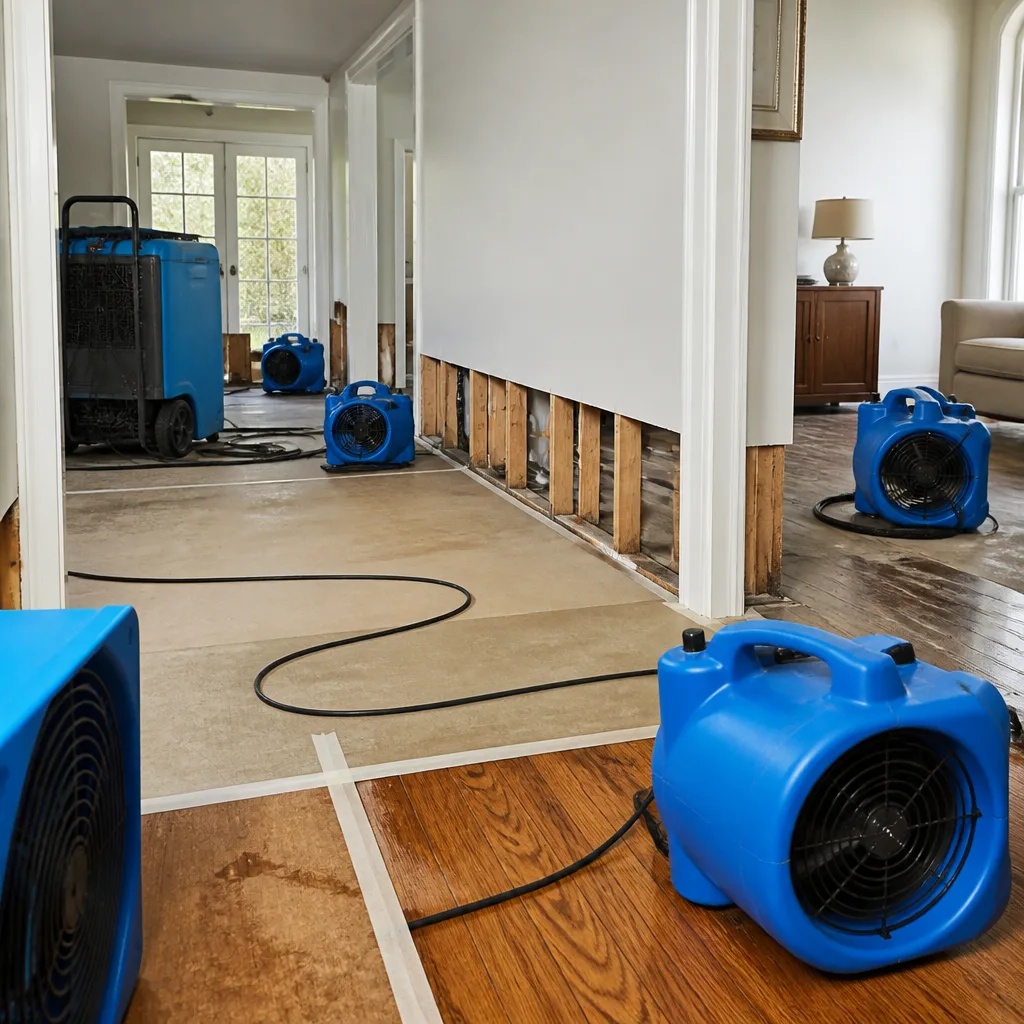
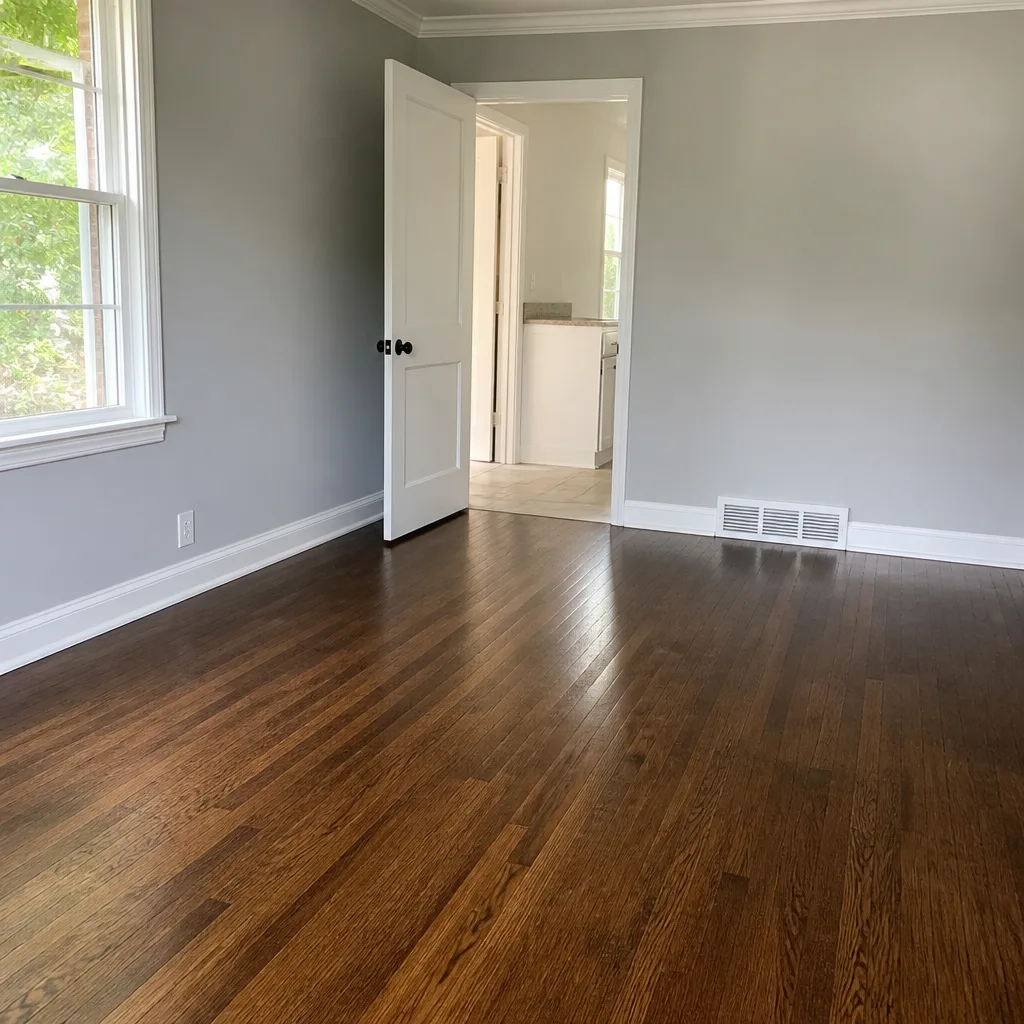
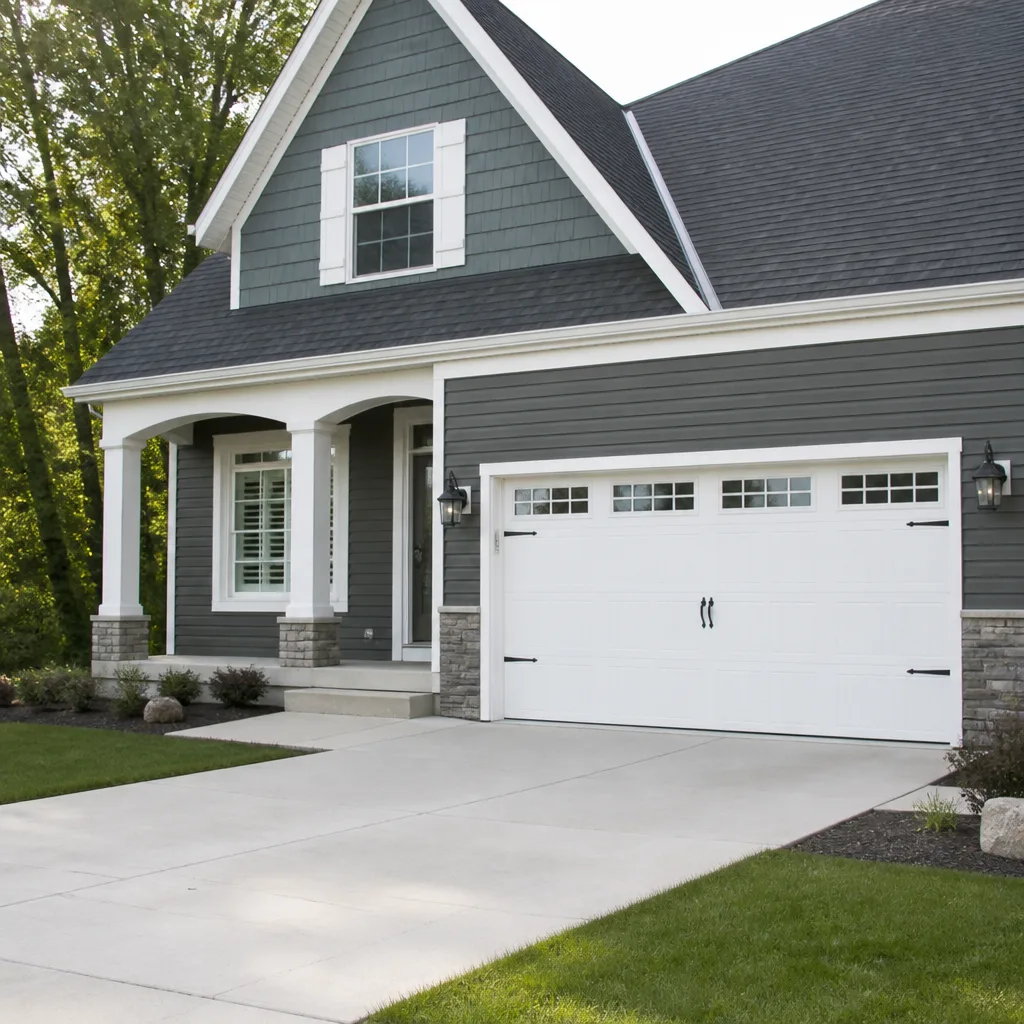
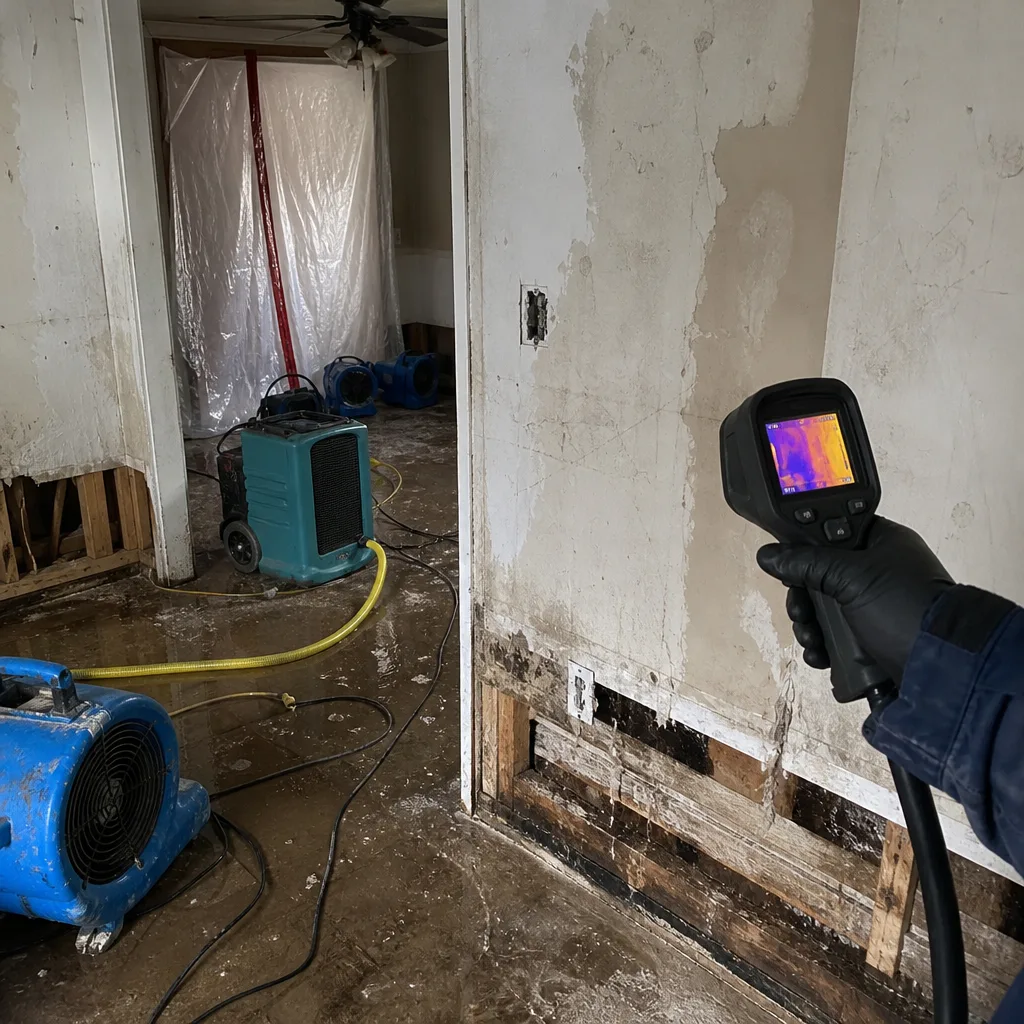 Before
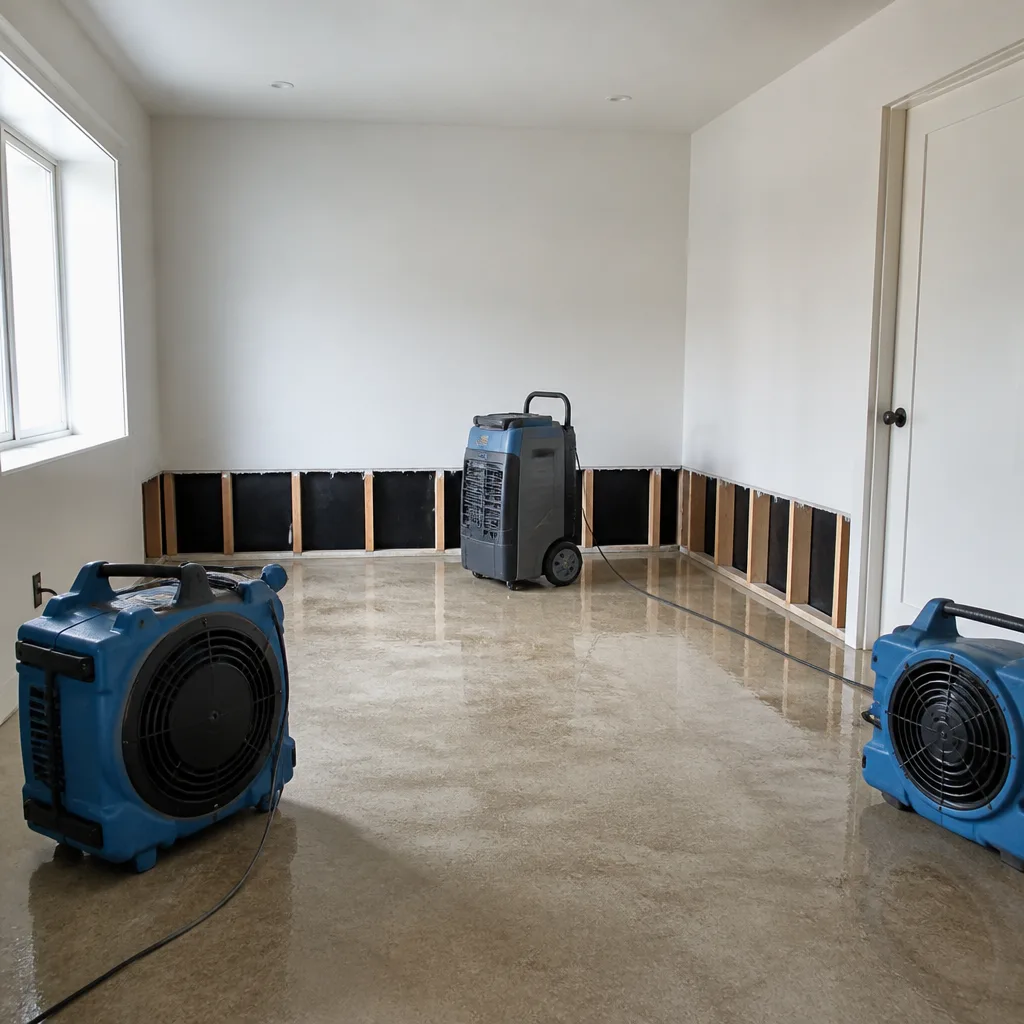 After
After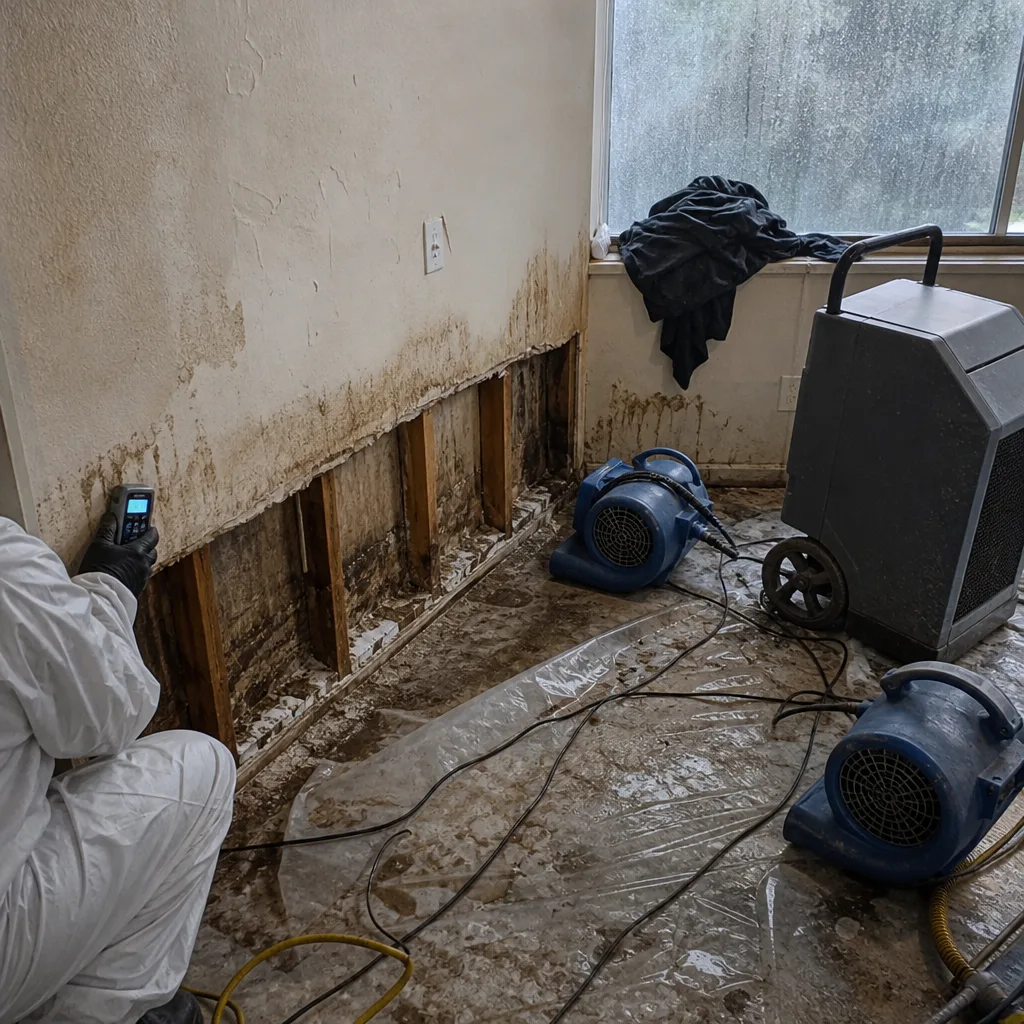 Before
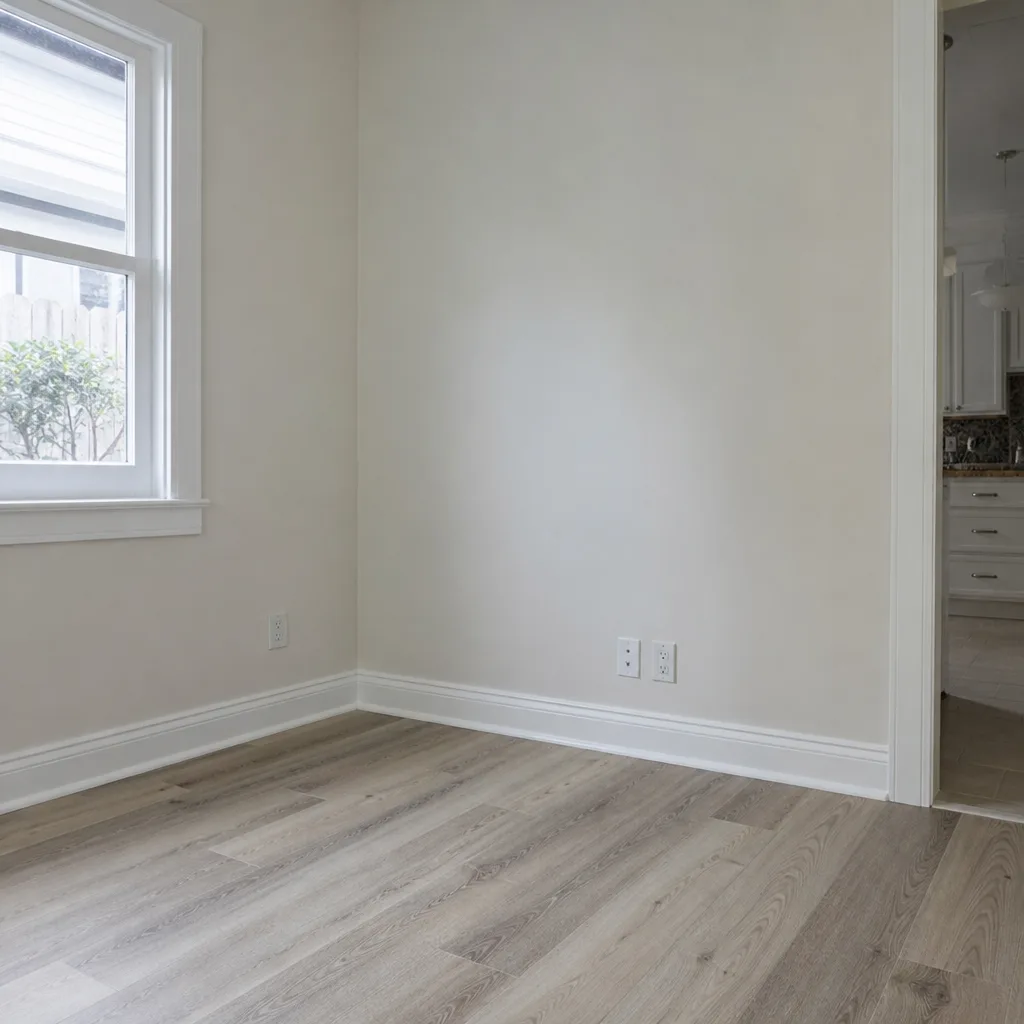 After
After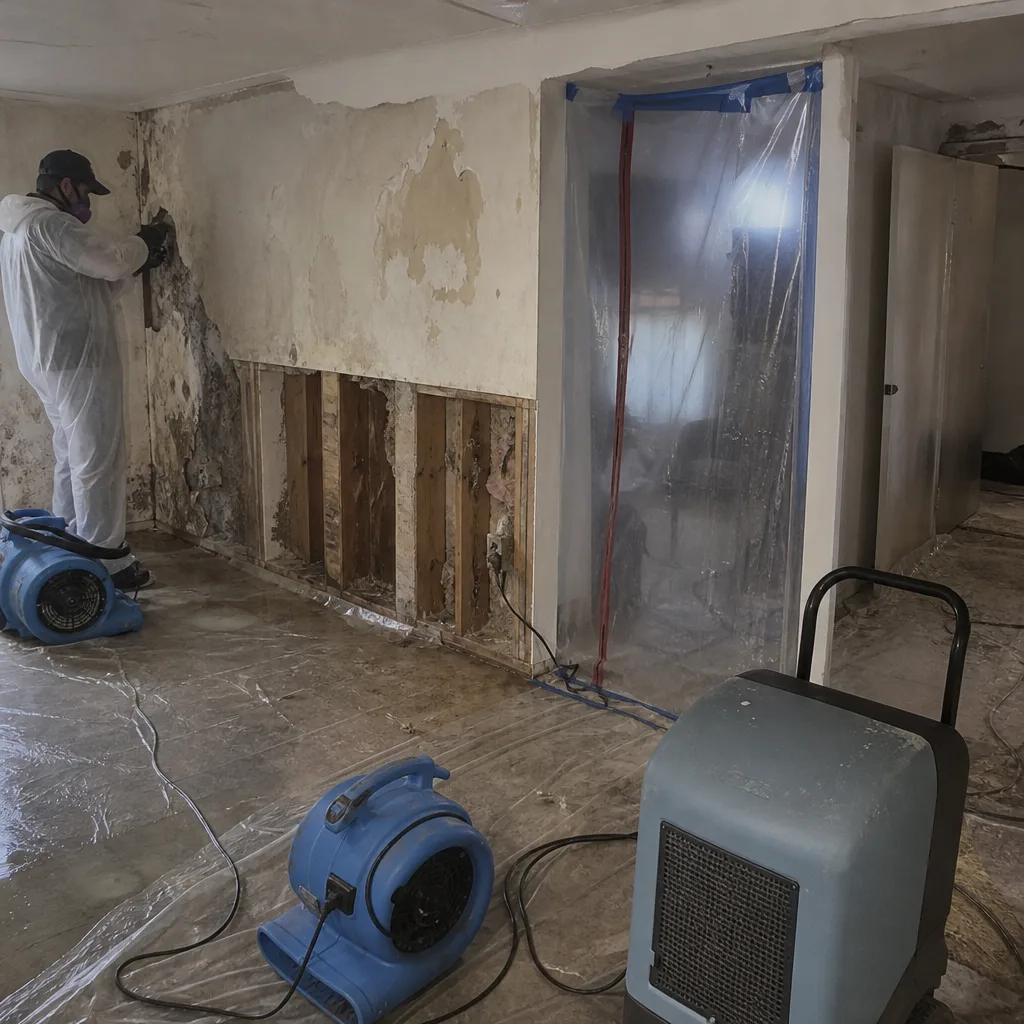 Before
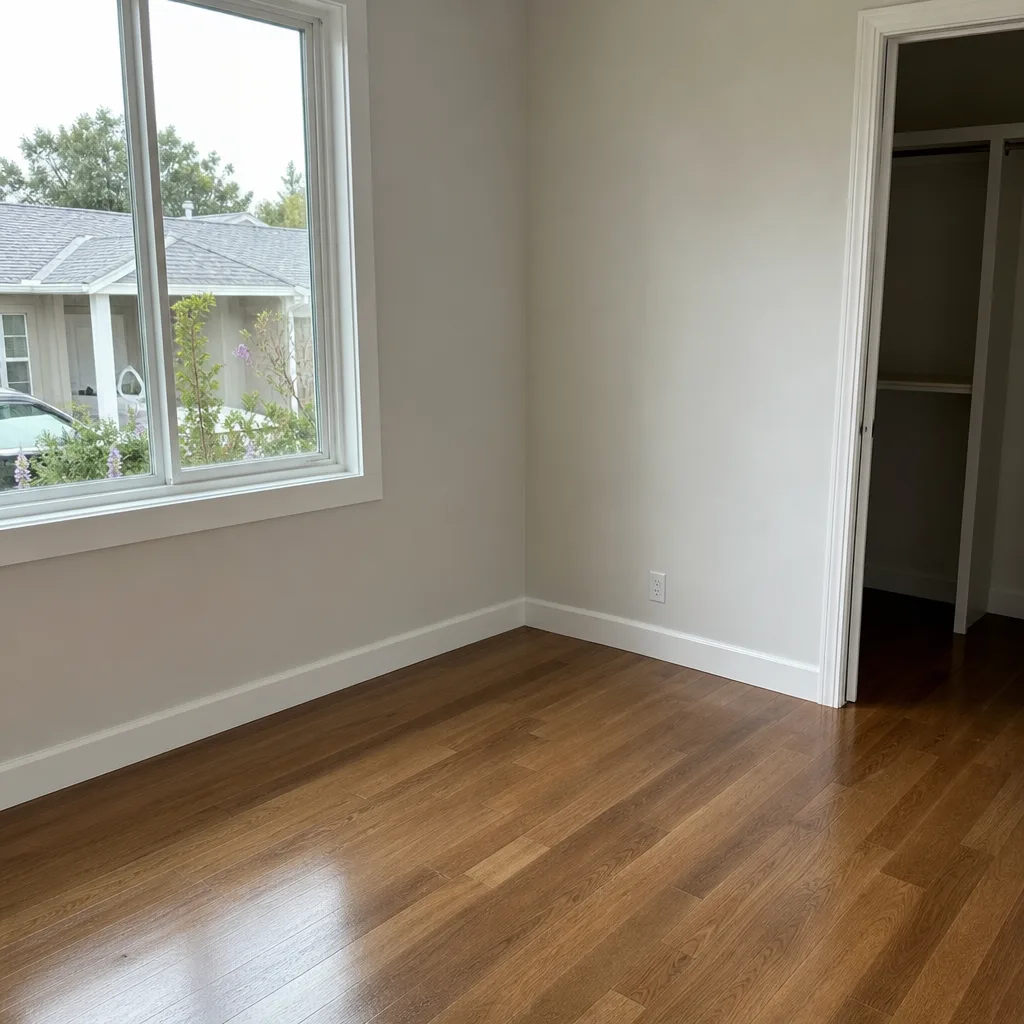 After
AfterHow Long Does Fire Damage Restoration Take? Timelines and What to Expect
A kitchen fire contained in twenty minutes can still keep a family out of their home for sixty days. Not because of the char, but because of the 200 gallons of water the hose line put into the walls. In Los Angeles, where building departments are backlogged and earthquake retrofit codes add layers to every permit, the calendar on a fire job is driven by hidden variables, not by the size of the fire itself. This guide breaks down the real timeline, phase by phase, so you know How Long Does Water Damage Restoration Take? Timelines and What to Expect and what you can control.
Quick Answer
Most residential Fire Damage Restoration services jobs in Los Angeles take 3 to 8 weeks from the first call to move-in ready, split across three phases: emergency stabilization (1-3 days), drying and demolition (5-14 days), and reconstruction (2-6 weeks). Small, contained fires with no structural water damage can finish in 10-14 days; large fires with extensive firefighting water and permit requirements often stretch past 60 days.
Table of Contents
- The Three Phases of Fire Restoration
- The Hidden Delay: Firefighting Water Damage
- The Insurance Adjuster Bottleneck
- Los Angeles-Specific Rebuild Delays
- Realistic Timeline by Fire Size
- What Homeowners Can Control
- Common Mistakes to Avoid
- When to Call a Professional
- Frequently Asked Questions
The Three Phases of Fire Restoration
Every fire job follows the same sequence. Understanding where you are in the sequence keeps you from expecting rebuild work during stabilization, or wondering why demolition is taking so long when permits are the actual holdup.
Phase 1: Emergency Stabilization (Days 1-3)
This is the urgent window. We board up compromised openings, tarp the roof if venting fire burned through, extract standing water, and set professional-grade drying equipment. In our experience on Los Angeles jobs from Sherman Oaks to Silver Lake, this phase moves fast or not at all. If the structure is red-tagged by LAFD or LADBS, no one enters until the city clears it. That clearance alone can add 24-72 hours.
What happens in this phase:
- Board-up and security fencing to prevent weather intrusion and unauthorized entry
- Water extraction using truck-mounted systems and portable extractors
- Initial placement of air movers and dehumidifiers (Dri-Eaz and Phoenix units on our jobs)
- Documentation with photos and moisture readings for the insurance claim
- Application of antimicrobial treatments to prevent mold in wet cavities
The goal is not to fix anything. It is to stop the damage from spreading and to create a safe workspace for what comes next.
Phase 2: Drying and Demolition (Days 4-14)
This is where most homeowners lose patience, and where most contractors lose discipline. Demolition of charred drywall and flooring is visible progress. Drying the studs and subfloor behind it is not. Both must finish before rebuild starts.
We run drying to IICRC S500 standards, which means we measure moisture content daily and move equipment as readings change. In Los Angeles, where winter humidity spikes during Santa Ana wind reversals and summer heat can drive moisture deeper into materials, the drying curve varies significantly by season. A June fire in the Valley dries differently than a January fire in Venice.
Demolition includes:
- Removal of unsalvageable drywall, insulation, flooring, and cabinetry
- HVAC duct inspection and cleaning (smoke particulates travel through forced-air systems)
- Structural assessment by a licensed engineer if load-bearing members are involved
- Asbestos and lead testing for pre-1978 homes, required before demolition permits in Los Angeles County
Phase 3: Reconstruction (Weeks 2-6+)
This is construction, not restoration. It requires permits, inspections, material orders, and subcontractor coordination. The discipline gap between restoration companies and general contractors shows up here. Some restoration companies sub the rebuild out and wash their hands. Others, running to The Garrison Standard, keep the job under one written scope and one guarantee.
Our 365-Day Done Right Promise applies to every repair we touch. If we rebuild it and something fails within a year, we return and make it right at no charge. That promise only works if we control the quality of the reconstruction, not if we hand it off to the lowest bidder.
The Hidden Delay: Firefighting Water Damage
Homeowners almost never anticipate this. A single residential hose line flows 150-200 gallons per minute. Even a brief suppression effort can introduce thousands of gallons into wall cavities, ceiling spaces, and subfloors. That water does not evaporate on its own in time to rebuild.
Here is what we have documented on Los Angeles jobs: a two-bedroom home in Echo Park with a contained attic fire required 11 days of drying before demolition could even assess the full scope. The fire damage was minor. The water damage was structural.
Why this matters for your timeline:
- Wet wood framing cannot be covered with new drywall (trapped moisture breeds mold and compromises fasteners)
- Insulation saturated with firefighting water must be removed entirely; it does not dry in place
- Electrical components exposed to water require replacement per NEC code, adding material lead time
- Oak and maple hardwood floors, common in 1920s-1940s Los Angeles homes, cup and warp within 72 hours of saturation and often require full replacement
We use Injectidry mat systems and contained drying chambers to accelerate this phase, but physics sets the floor. A stud with 28% moisture content needs to reach 12% before it is ready for enclosure. That takes time, airflow, and controlled dehumidification. No contractor can promise to skip it without creating bigger problems downstream.
The Garrison Standard requires us to document every moisture reading and share that documentation with your adjuster. It also means we give you the written drying timeline before equipment is placed, not after you have already paid for three extra days.
The Insurance Adjuster Bottleneck
This is the phase homeowners have the least control over, and the one where a disciplined contractor can compress the calendar by 30% or more.
After emergency stabilization, the insurance company must inspect, approve the scope of loss, and issue payment before major demolition or reconstruction begins. In Los Angeles, where wildfire seasons strain every major carrier’s adjuster corps, this inspection can take 3-10 days to schedule. During active wildfire events in the Angeles National Forest foothills or Malibu corridor, we have seen adjuster assignments stretch past two weeks.
What a homeowner can do to compress this wait:
- Document everything yourself. Photos, videos, and a written inventory of damaged items before anything is moved. Our crews photo-document every job to IICRC standards, but your contemporaneous records strengthen the claim.
- Request a preferred vendor list exception. If your carrier pushes you to their network contractor, you have the right to choose your own. A contractor who formats documentation specifically for adjuster review, as we do, can speed approval.
- Ask for advance payment on emergency services. Most policies cover stabilization immediately; waiting for full scope approval is not required.
- Be present for the adjuster walkthrough. Your contractor should attend too. Miscommunication between adjuster and homeowner about what is “restorable” versus “replaceable” causes the most delays.
- Get the scope in writing before work resumes. The Garrison Standard requires this. If your contractor will not put the full scope and price in writing, that is a signal they are not organized enough to keep the adjuster moving either.
We coordinate directly with adjusters on every Los Angeles job. Our documentation package includes moisture logs, equipment placement maps, photo timelines, and line-item scope breakdowns formatted to the Xactimate system most carriers use. This is not extra service. It is standard operating procedure.
Los Angeles-Specific Rebuild Delays
Reconstruction timelines in Los Angeles diverge from national averages because of local code layers, market conditions, and geography. Here is what adds days or weeks that a Phoenix or Dallas contractor would not face.
Title 24 Energy Compliance: California’s energy code requires specific insulation values, window performance ratings, and lighting efficiency standards on any reconstruction involving exterior walls or roofs. Replacement windows must meet NFRC ratings. Insulation must achieve prescribed R-values. These are not optional upgrades; they are code minimums. Material procurement for compliant products adds 5-10 days to orders that might ship next-day in other markets.
Earthquake Retrofit Triggers: If fire damage exposes a home’s foundation or cripple walls, Los Angeles building codes may require seismic retrofit work as a condition of reconstruction permit approval. This is common in pre-1980 homes in neighborhoods like Highland Park, Eagle Rock, and parts of the San Fernando Valley. A retrofit adds engineering, specialized hardware, and inspection sequences that a straightforward rebuild does not.
LADBS Permit Backlogs: The Los Angeles Department of Building and Safety processes thousands of permits weekly. Simple over-the-counter permits for like-for-like replacement can issue in 2-3 days. Permits requiring plan check, including any structural modification or seismic work, enter a queue that currently runs 4-6 weeks for initial review. Expedited plan check is available for an additional fee, but even expedited service takes 10-14 days.
Specialized Labor Markets: Los Angeles has deep pools of skilled trades, but demand peaks after regional wildfire events. In fall 2025, following the Palisades and Eaton fire complexes, drywall crews, electricians, and HVAC technicians were booked 3-4 weeks out. A contractor without established subcontractor relationships faces delays that a prepared operation does not.
Hillside and Access Constraints: Homes in the Hollywood Hills, Pacific Palisades, or Topanga Canyon often require crane or helicopter access for material delivery after fire damage compromises driveways or access roads. This is not theoretical. We have coordinated helicopter drops for roofing materials on Mulholland Drive jobs where the access road was too damaged for truck delivery. That coordination adds days.
Realistic Timeline by Fire Size
These ranges assume a typical Los Angeles single-family home, with no major structural collapse, and include the adjuster inspection and permit phases. Your job may vary.
| Fire Scenario | Phase 1: Stabilization | Phase 2: Dry/Demo | Phase 3: Rebuild | Total Range |
|---|---|---|---|---|
| Small / contained (1 room, no water damage, no structural involvement) |
1 day | 2-4 days | 5-10 days | 8-15 days |
| Medium / moderate (2-3 rooms, firefighting water, some structural repair) |
1-2 days | 7-12 days | 2-4 weeks | 3-6 weeks |
| Large / extensive (Multiple rooms, major water damage, structural rebuild, permits required) |
2-3 days | 10-18 days | 4-8 weeks | 6-12 weeks |
| Total loss / rebuild (Substantial demolition, engineered reconstruction, seismic retrofit) |
2-3 days | 14-21 days | 3-6 months | 4-8 months |
These are honest ranges, not sales estimates. A contractor who promises a 2-week rebuild on a medium fire is either uninformed or planning to cut corners on drying or permits. The Garrison Standard does not allow either.
What Homeowners Can Control
You cannot control the fire department’s water volume or the building department’s queue. You can control several variables that meaningfully compress the calendar.
- Choose a contractor with in-house reconstruction capability. Handoffs between restoration and rebuild companies add coordination days and blame-shifting. We handle both under one written scope and one 365-Day Done Right Promise.
- Demand daily communication. A crew that reports moisture readings, adjuster status, and next-day tasks keeps the job moving. Silence means drift.
- Pre-approve material selections. Cabinetry, flooring, and fixture choices are the most common rebuild delays. Decide during drying, not after demolition finishes.
- Keep your adjuster’s direct line. Response time on voicemail or email often determines whether a payment releases this week or next.
- Accept that some shortcuts are not shortcuts. Skipping drying to “get to rebuild faster” guarantees mold remediation later. We have been called into jobs where a previous contractor enclosed wet walls, and the homeowner faced a second displacement six months later.
Shane Pruitt has directed fire restoration work in Los Angeles since 2005, and the pattern is consistent: jobs move at the speed of information. The homeowner who knows what phase they are in, what the next gate is, and who is responsible for opening it finishes faster and with less stress.
Common Mistakes to Avoid
- Waiting for the insurance company to choose your contractor. You have the right to select any licensed contractor. Carrier-preferred vendors are often managed to cost caps, not timeline or quality standards.
- Starting demolition before the adjuster sees the damage. Without photographic evidence of the pre-demolition condition, carriers dispute the scope. We document everything, but the adjuster needs to see char patterns and water lines to approve full replacement.
- Ignoring the HVAC system. Smoke particulates infiltrate ductwork and redistribute with every cycle. Cleaning or replacing ducts is not optional; it is a health requirement. Los Angeles air quality is already stressed; recirculating fire particulates compounds it.
- Assuming a general contractor understands fire restoration. GCs build well. They do not necessarily understand psychrometrics, smoke chemistry, or the documentation requirements of an insurance claim. Fire restoration is a specialty trade.
- Accepting verbal estimates. The Garrison Standard requires written price before work starts. Any contractor who will not commit in writing is signaling that the price will move.
- Neglecting personal property inventory during chaos. The emotional toll of fire damage makes this easy to skip. But contents restoration and replacement are significant claim line items. Document now; sort later.
- Rebuilding to pre-fire condition without code upgrades. Los Angeles requires current code compliance on reconstruction, not grandfathered compliance. Your contractor must know Title 24, seismic, and accessibility requirements before drawing plans.
When to Call a Professional
Call a fire restoration professional immediately if any of these apply: the fire department used water suppression; you can see or smell smoke residue beyond the fire room; your electrical or HVAC systems were involved; the structure has been tagged by the city; or you need to file an insurance claim and do not have documentation of the damage.
Even small fires produce toxic combustion byproducts that standard cleaning does not remove. Soot is acidic and continues degrading surfaces and air quality until properly remediated. In Los Angeles, where many homes have limited ventilation and tight envelopes for energy efficiency, these contaminants concentrate.
Keegan Water Damage Restoration offers fire damage restoration in Los Angeles with 24/7 live dispatch, background-checked uniformed technicians, and the 365-Day Done Right Promise on every repair. Call (361) 317-7269 for a free estimate. We will put the scope and price in writing before any work starts.
Frequently Asked Questions
Most residential fire restoration jobs in Los Angeles take 3 to 8 weeks total, with small contained fires finishing in 10-14 days and large fires with structural rebuilds extending past 60 days. The timeline depends more on firefighting water damage, adjuster scheduling, and permit requirements than on the fire size itself. Call (361) 317-7269 for a specific estimate on your property.
Most homeowner policies cover both emergency stabilization and reconstruction, including additional living expenses if you are displaced. The key is documentation: photo evidence, moisture logs, and a written scope submitted in the format your adjuster expects. We format every job file to support direct insurance billing and adjuster coordination.
A single hose line delivers 150-200 gallons per minute, and that water saturates wall cavities, insulation, and subflooring that must dry to code-compliant moisture levels before rebuild. Skipping or rushing drying guarantees mold, structural decay, and failed finishes. We use professional-grade Dri-Eaz and Phoenix dehumidification systems to compress this phase, but we do not skip it.
Only if the fire was extremely small, limited to one non-essential room, with no water damage and no HVAC contamination. In nearly all real Los Angeles fire jobs, air quality, structural safety, and active construction make occupancy unsafe or impractical. Your insurance policy likely includes additional living expense coverage for displacement.
Any reconstruction involving structural elements, electrical, plumbing, or HVAC requires permits from LADBS. Fires in older homes often trigger seismic retrofit requirements under current code. We handle permit application and inspection scheduling as part of our reconstruction scope, with all costs included in the written price.
Ask for daily moisture readings with dates, locations, and target thresholds. A contractor running to IICRC standards will have this documentation without hesitation. At Keegan, we share drying logs in real time and do not enclose walls until wood framing reads below 16% moisture content. No exceptions.
The Bottom Line
The calendar on your fire restoration job is driven by water you did not start, inspections you did not schedule, and materials you did not order. Understanding these variables lets you hold your contractor to a realistic but firm schedule instead of an open-ended “it depends.” The three phases are non-negotiable: stabilize, dry and demolish, then rebuild. Each has its own clock, and rushing any phase creates cost and risk downstream. In Los Angeles, add local code requirements and market conditions to the equation. For more guides & resources, visit our blog, and choose a contractor who explains the timeline in writing, documents every step for your insurance claim, and stands behind the work for a full year. That is The Garrison Standard. It is how we have operated since 2005.
Written by Shane Pruitt, Owner at Keegan Water Damage Restoration, serving Los Angeles since 2005.