
Last updated October 11, 2026
Free visual inspection and a written scope of work before any mitigation begins - photos, moisture readings, and drying logs go in your claim file
The scope we write is the scope we bill. Anything new gets shown to you, in writing, before we touch it.
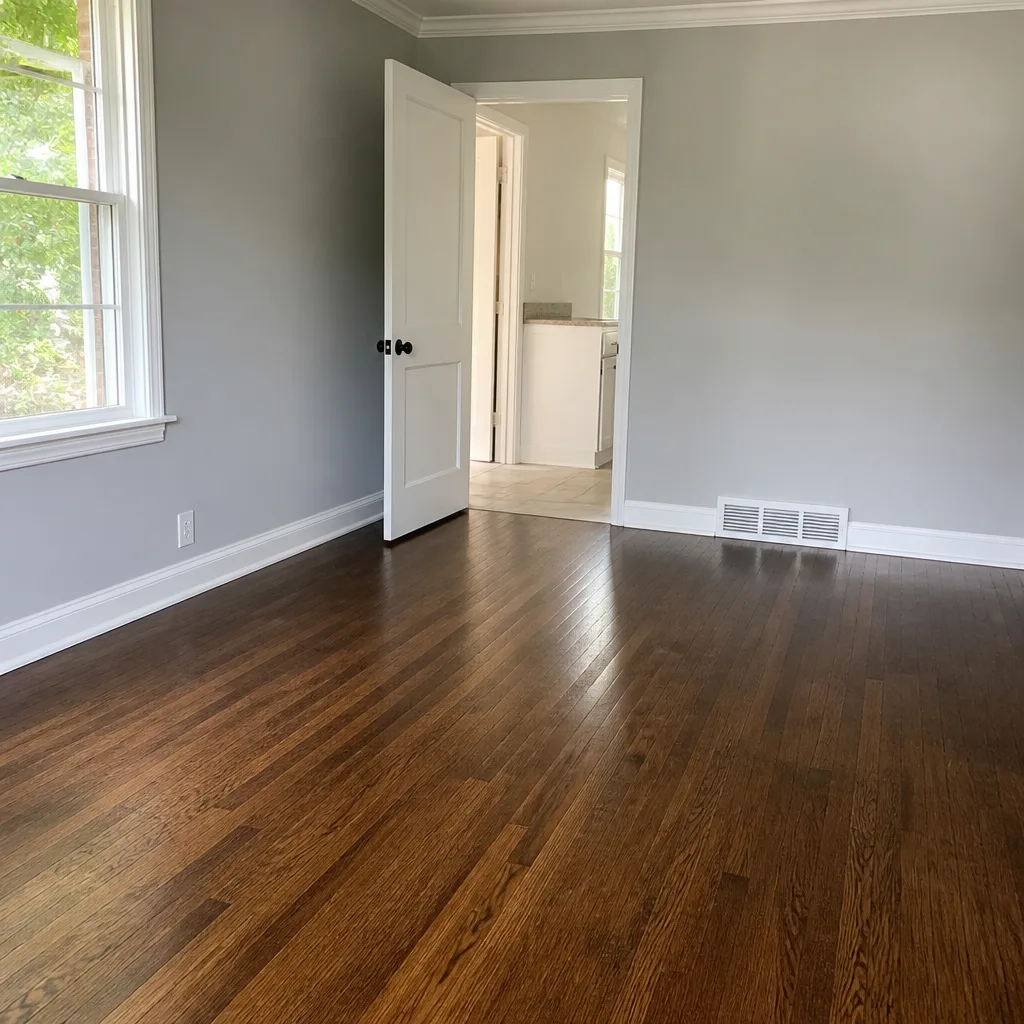
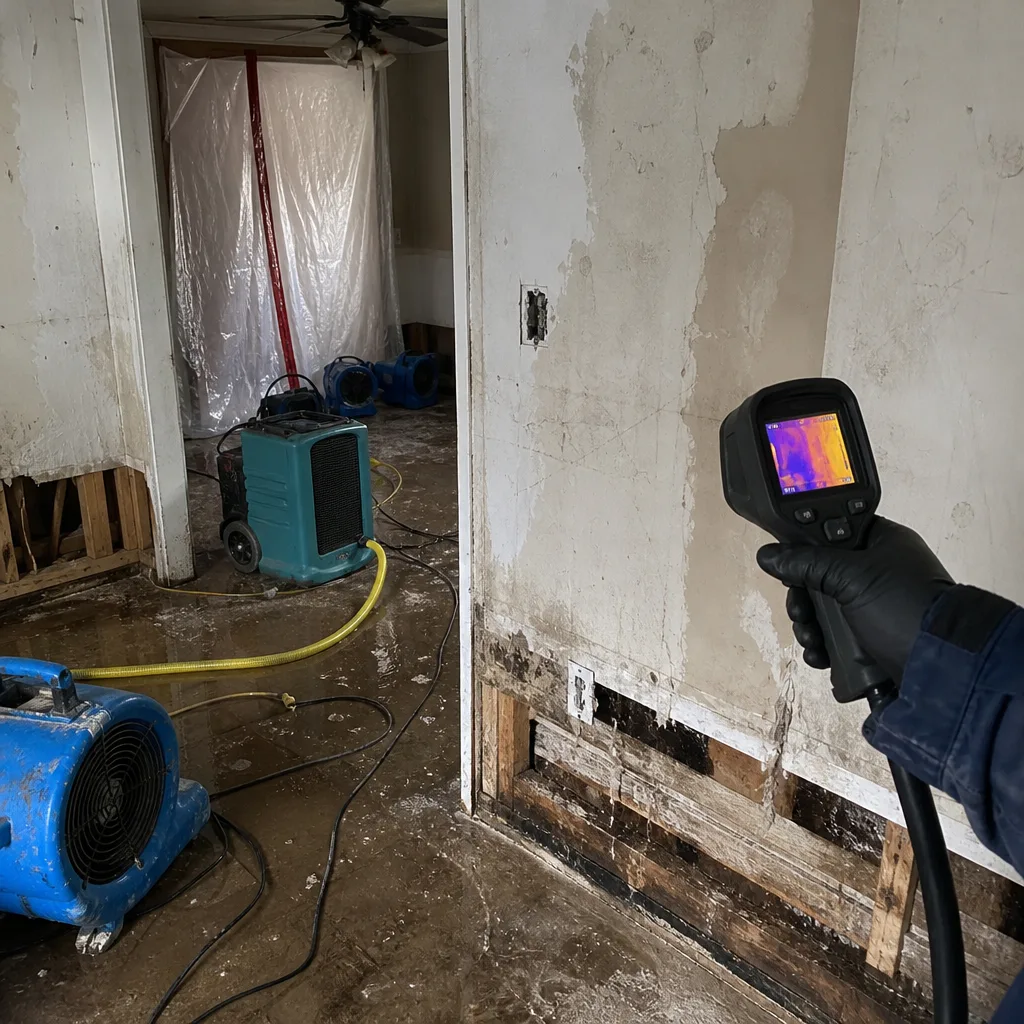 Before
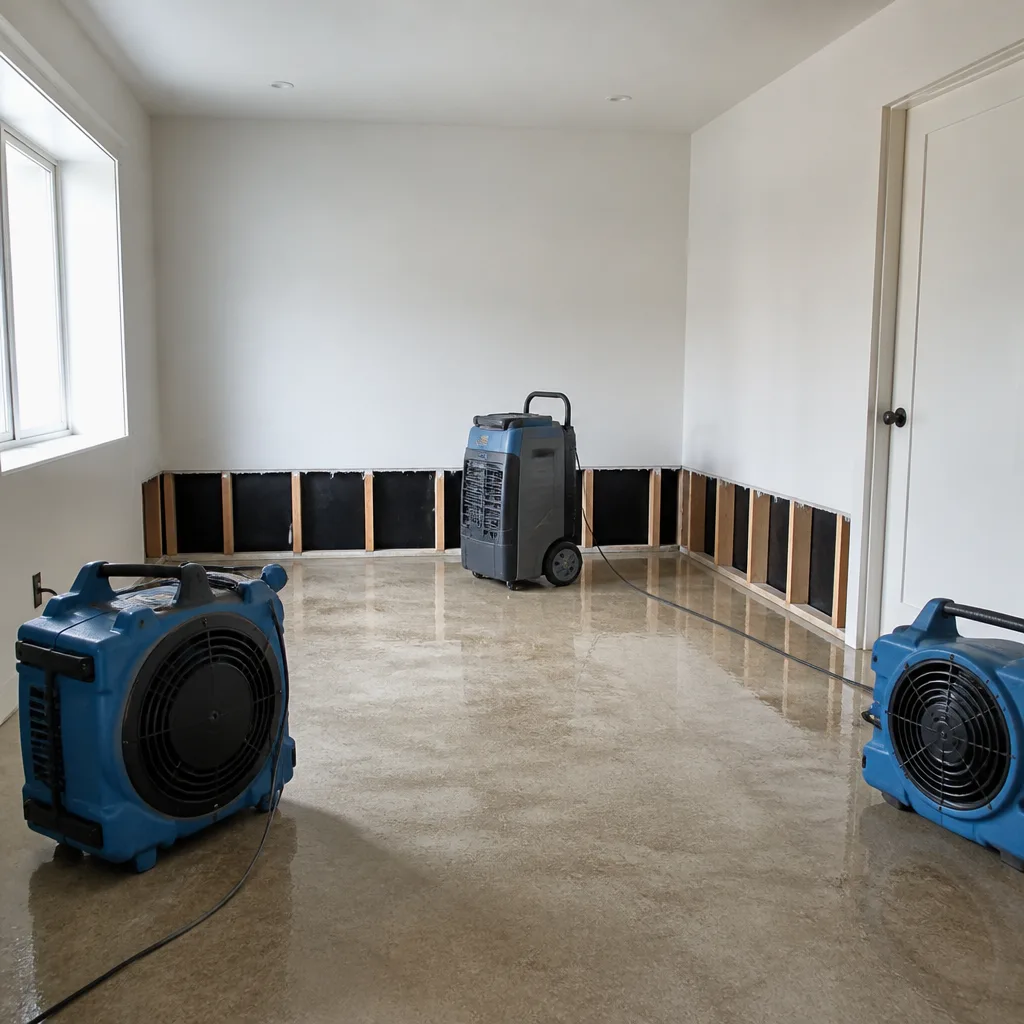 After
After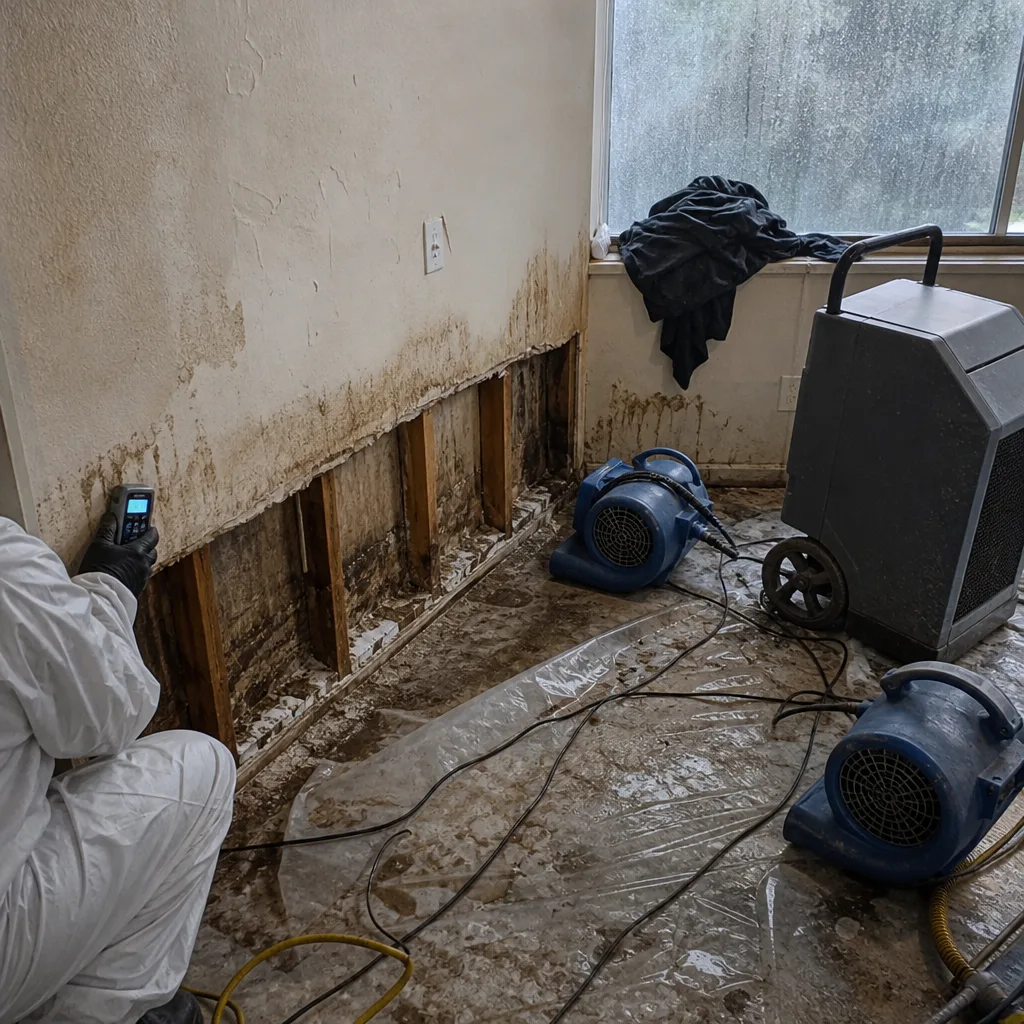 Before
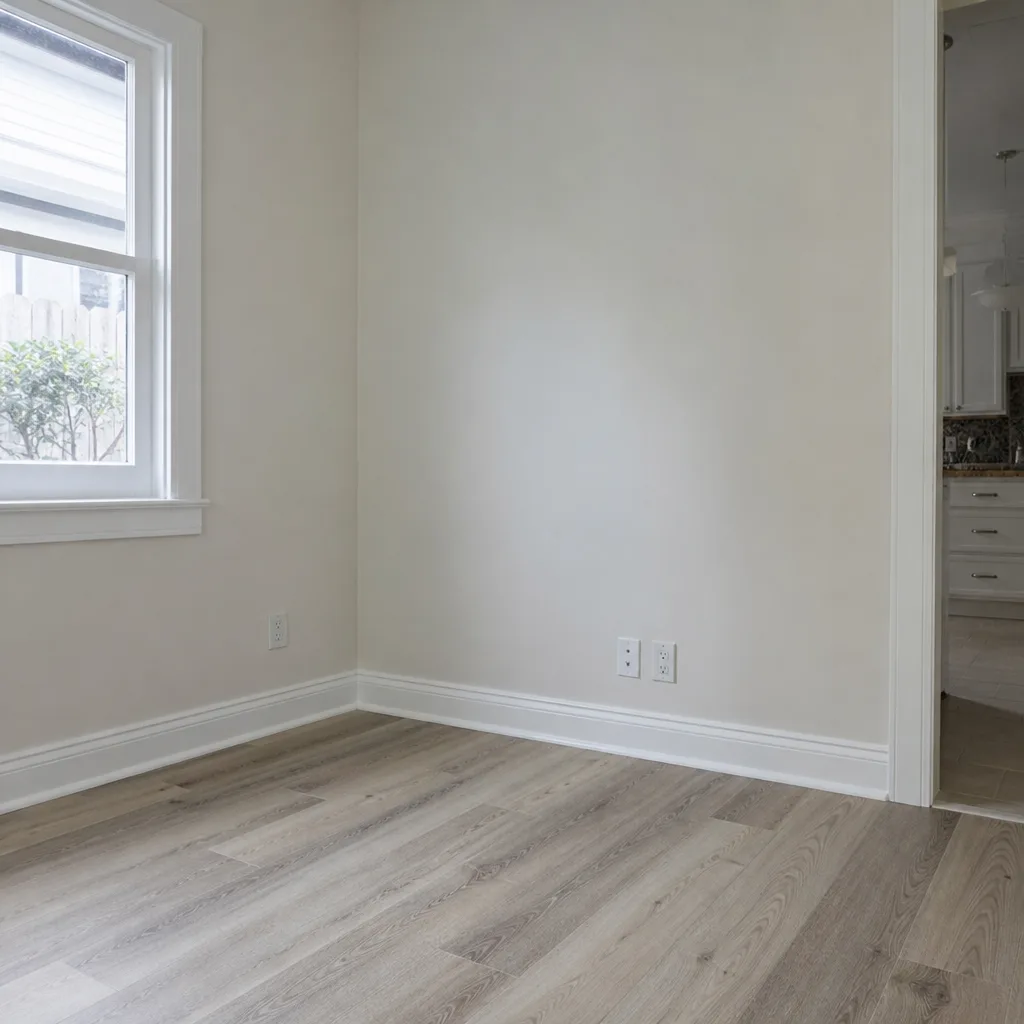 After
After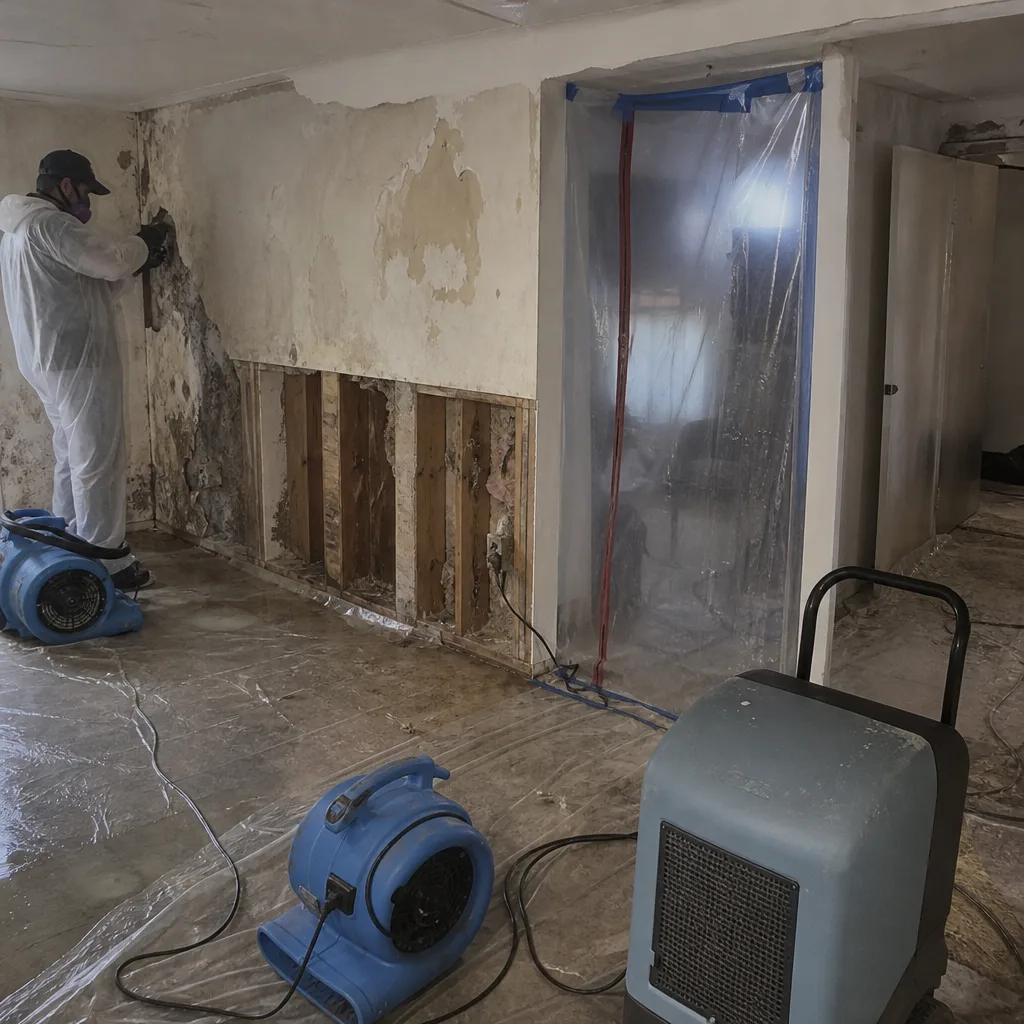 Before
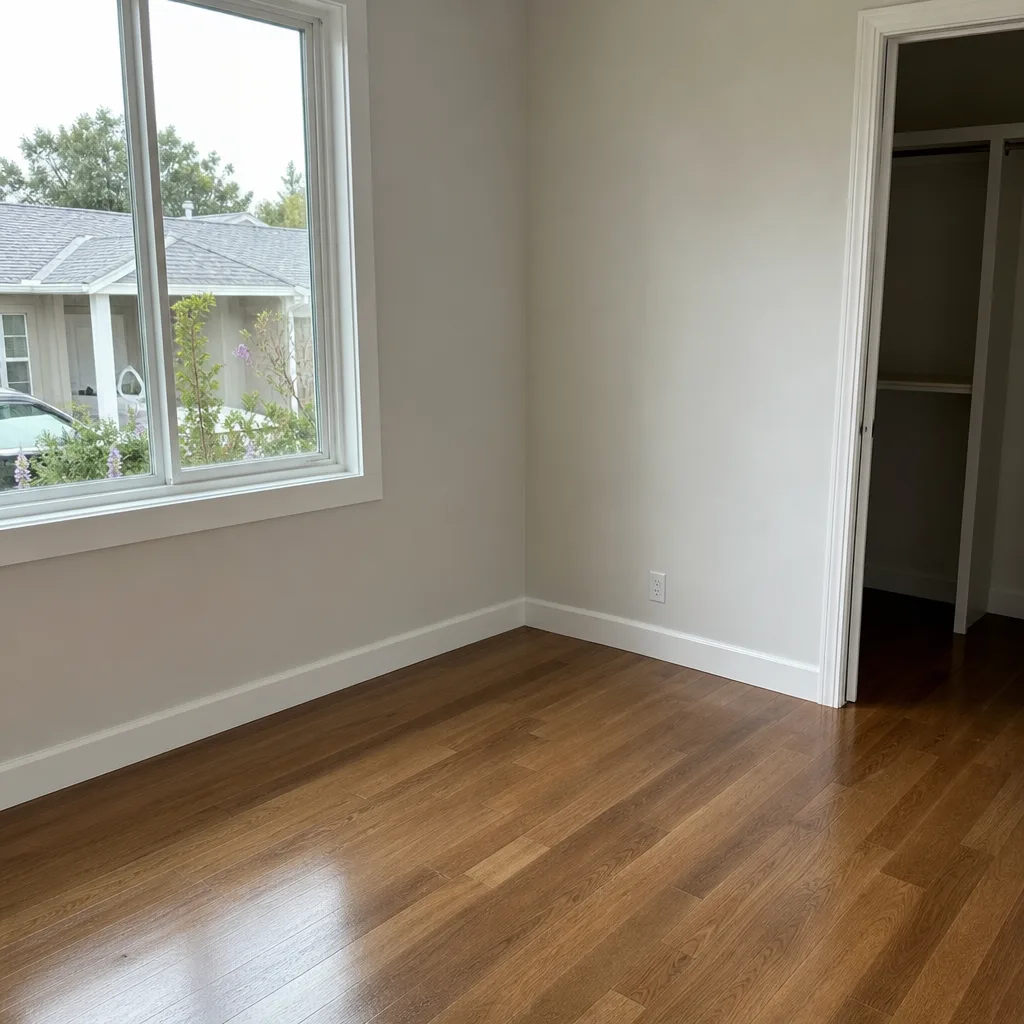 After
AfterFire Damage Restoration Warning Signs Every Homeowner Should Know
Here’s the problem no one talks about: soot that gets painted over instead of chemically neutralized off-gasses for months and is one of the leading causes of post-restoration indoor air complaints, yet it looks identical to properly treated drywall the day the crew leaves. In Los Angeles, where warm Santa Ana winds can heat exterior walls past 90 degrees even in December, improperly encapsulated soot reactivates and releases odor compounds that homeowners mistake for “lingering smoke smell.” We’ve been called into homes across the San Fernando Valley and East LA where a previous contractor’s certificate of completion is still sitting on the counter, and the air quality is worse than before the restoration started. This guide gives you the framework to spot the difference between a finished job and a covered-up one, before you sign off and lose your leverage.
Quick Answer
The most dangerous fire damage warning signs fall into two categories: ongoing damage from the original fire (smoke odor return, discoloration bleed-through, warping from hidden moisture) and red flags of a poorly executed Fire Damage Restoration services job (missing documentation, no HEPA air scrubber logs, odor that worsens in warm weather, sistered fire-weakened framing instead of replacement). If you notice any of these after a crew has left, the work is incomplete and your indoor air quality may be compromised.
Table of Contents
- Warning Signs of Ongoing Fire Damage
- Warning Signs of a Bad Restoration Job
- What Proper Documentation Should Include
- Structural Warning Signs in Los Angeles Homes
- Questions to Ask Before Signing a Certificate of Completion
- The Soot Encapsulation Test Most Homeowners Miss
- Air Quality Red Flags After Restoration
- Common Mistakes to Avoid
- When to Call a Professional
- Frequently Asked Questions
Warning Signs of Ongoing Fire Damage
Fire damage doesn’t stop when the flames go out. Heat-driven chemical reactions continue in building materials, and water from suppression creates secondary damage that unfolds over weeks. Here’s How Long Does Fire Damage Restoration Take? Timelines and What to Expect in the days and weeks after the fire.
Smoke Odor That Returns After Initial Cleaning
A properly restored home should not smell like smoke after the restoration is complete. If odor returns, especially in closets, behind cabinets, or inside wall cavities, it indicates that soot and smoke residue were not fully removed from those spaces. In Los Angeles, where many homes built before 1980 have lath-and-plaster walls with irregular cavities, smoke penetrates deep into voids that surface cleaning can’t reach.
The odor return pattern matters. Odor that comes back consistently in the same location suggests a missed pocket of contamination. Odor that spreads or intensifies suggests active off-gassing from materials that weren’t properly treated or removed.
Discoloration Bleed-Through on Painted Surfaces
Tannin staining from charred wood and smoke residue will bleed through paint within 30 to 90 days if the substrate wasn’t properly sealed. Look for:
- Yellow or brownish rings forming around outlets, switch plates, and baseboard edges
- Greasy or shiny patches on walls that were painted “to cover the smell”
- Staining that appears on ceilings below fire-damaged attic spaces
These aren’t cosmetic issues. They’re evidence that acidic soot compounds are still active and migrating through the paint film, breaking down the coating from underneath and continuing to off-gas into the living space.
Warping, Buckling, or Mold Growth in “Dry” Areas
Fire suppression uses massive water volume. A single residential sprinkler head discharges 15 to 25 gallons per minute until shut off. Water migrates into subfloors, wall cavities, and insulation where it can’t be detected without moisture meters and thermal imaging.
Warning signs of hidden moisture include:
- Hardwood floors that cup or crown 2 to 4 weeks after the fire
- Baseboards pulling away from walls as moisture swells the drywall behind them
- Musty odor in areas that were never directly burned
- Surface mold on “clean” walls, especially in north-facing rooms with poor ventilation
In Los Angeles, where relative humidity can spike from 40% to 85% during marine layer events, even moderate moisture trapped in walls creates conditions for mold colonization within 72 hours. See our guide on How Long Does Mold Remediation Take? Timelines and What to Expect. A proper restoration includes documented moisture mapping and drying logs showing materials returned to within 4% of their pre-loss moisture content.
Warning Signs of a Bad Restoration Job
These indicators reveal corners cut during the restoration process. They’re often invisible on day one but become unmistakable within 60 to 90 days.
No HEPA Air Scrubber Log or Drying Documentation
Professional fire restoration runs HEPA air scrubbers continuously during and after the cleaning phase. These machines, from manufacturers like Dri-Eaz and Phoenix, capture 99.97% of particles down to 0.3 microns, including the respirable soot particles that standard HVAC filtration misses.
A completed job file should include:
- Daily air scrubber run logs showing machine serial numbers, filter change times, and hourly particle counts where applicable
- Psychrometric readings (temperature, relative humidity, dew point) taken at setup, daily, and at completion
- Moisture content readings for wood framing, drywall, and subfloors, with target values referenced to IICRC S500 standards
If your contractor can’t produce these, the “restoration” was performed without measurable standards. We’ve taken over jobs in Koreatown and West Adams where the previous crew ran no air scrubbers at all, and the homeowner’s insurance adjuster had no documentation to evaluate.
Odor That Worsens in Warm Weather
This is the signature tell of improper soot encapsulation. Soot particles are hydrophilic and thermally reactive. When wall surfaces heat above approximately 78 degrees, improperly encapsulated soot releases volatile organic compounds (VOCs) that were bound at cooler temperatures.
In Los Angeles, this pattern is especially revealing because:
- South and west-facing walls routinely exceed 85 degrees on sunny days from March through November
- Homes without whole-house cooling, common in older neighborhoods like Highland Park and Echo Park, experience wider temperature swings
- The Santa Ana wind events that drive wildfire risk also drive rapid temperature increases that stress marginal encapsulation
If your “restored” home smells worse in August than it did in February, the soot wasn’t neutralized. It was covered up.
Sistered Framing Instead of Replacement
Fire weakens wood by pyrolysis, a chemical decomposition that occurs at temperatures well below ignition. Even wood that looks sound may have lost 30% to 50% of its structural capacity. The correct repair is removal and replacement of fire-affected framing members.
Some contractors “sister” new lumber alongside damaged members instead, nailing or bolting a fresh 2×4 to a heat-compromised one. This is faster and cheaper. It’s also structurally inadequate because:
- The damaged member continues to off-gas and degrade
- The connection depends on fasteners driven into compromised material
- Building codes in Los Angeles, which reference CBC Section 2304 and IBC fire repair provisions, typically require engineering evaluation of fire-damaged structural members
Look for double joists, double studs, or sistered rafters in areas that were described as “structurally repaired.” Ask for the engineer’s letter that approved the repair method. If there isn’t one, the repair may not meet code or insurance requirements.
What Proper Documentation Should Include
Documentation isn’t paperwork for its own sake. It’s your protection against disputes with your insurance carrier, your contractor, and future property buyers. A complete fire restoration file should contain specific items that most homeowners don’t know to request.
The Scope of Loss
This is the written description of every affected material and the specific treatment or replacement specified for each. It should read like a construction estimate, not a general description. “Clean and seal living room walls” is inadequate. “HEPA vacuum and apply alkaline cleaner to living room north and east walls, apply solvent-based smoke odor counteractant to ceiling, apply two coats of shellac-based primer, finish with two coats latex paint” is what a proper scope looks like.
Equipment Logs
Every piece of equipment deployed should be logged:
| Equipment Type | What the Log Should Show |
|---|---|
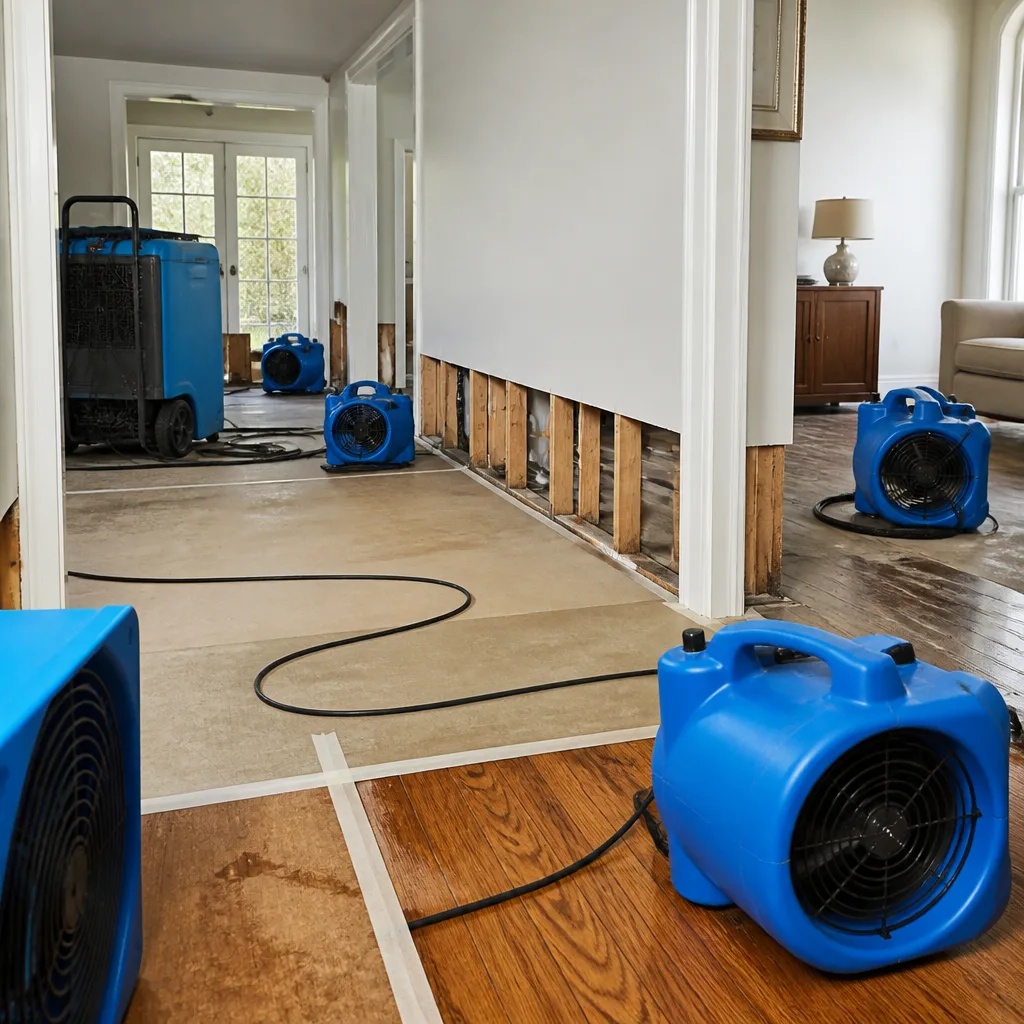
| HEPA air scrubbers (Dri-Eaz, Phoenix, XPOWER) | Serial number, deployment date, daily run hours, filter change dates, final air quality reading |
| Dehumidifiers (Dri-Eaz, B-Air) | Serial number, placement location, daily grain depression readings, removal date |
| Air movers / axial fans | Placement map, daily positions, drying progression photos |
| Thermal imaging camera | Pre-drying and post-drying images with temperature scale visible |
Without these logs, there’s no proof that professional-grade equipment was used, or that it was used correctly for the duration required.
Photo Documentation
Every restoration we perform includes dated, geotagged photos of the loss condition, the cleaning process, and the completed work. These are formatted to support insurance claims and are provided to the homeowner, not held by the contractor. Browse our more guides & resources for help evaluating your project. If your restoration company won’t give you the complete photo file, that’s a warning sign in itself.
Structural Warning Signs in Los Angeles Homes
Los Angeles presents specific structural challenges that affect fire damage assessment and repair. Understanding these helps you evaluate whether your contractor addressed conditions that are common here and rare elsewhere.
Older Wood-Frame Construction
Many neighborhoods, from Silver Lake to Venice to Pasadena-adjacent areas, have significant housing stock built between 1900 and 1940. These homes use true dimensional lumber (a 2×4 measures 2 inches by 4 inches, not 1.5 by 3.5), often of old-growth Douglas fir with density that modern lumber doesn’t match. Fire damage behaves differently in this material: it chars more slowly but pyrolyzes more deeply, meaning the damage zone extends further into apparently sound wood.
Contractors accustomed to modern platform framing may underestimate the depth of damage in older homes. The warning sign is a repair scope that doesn’t account for the different material properties, or that proposes sistering rather than replacement of members that look “pretty good” on the surface.
Hillside Foundation and Slope Stability
Fire suppression water saturates hillside soils. In areas like the Hollywood Hills, Laurel Canyon, and Mount Washington, this can trigger slope movement that damages foundations weeks after the fire is out. Warning signs include:
- New cracks in stucco or drywall that align with foundation steps
- Doors that stick or swing open on their own
- Water pooling in crawl spaces or basements that was never an issue before
A fire restoration scope that doesn’t include geotechnical evaluation of hillside properties is incomplete. The fire may have triggered conditions that aren’t visible until the rainy season.
Soft-Story and tuck-Under Parking Structures
Los Angeles’s soft-story retrofit program has addressed many vulnerable buildings, but fire damage to the ground-level parking or commercial space in mixed-use buildings can compromise retrofit elements that were installed to meet city ordinance. If your building underwent retrofit and then experienced fire, the restoration scope should include verification that retrofit connections, shear walls, and moment frames weren’t affected.
Questions to Ask Before Signing a Certificate of Completion
The certificate of completion is a legal document. Signing it typically releases final payment and, in many cases, limits your ability to pursue deficiencies later. These are the questions most homeowners never think to ask, and the answers that should satisfy you.
- “Can I see the HEPA air scrubber run logs and the final moisture readings?” If these don’t exist, the work wasn’t performed to a documented standard. A verbal assurance that “we ran the machines” is not enough.
- “What specific products were used for soot neutralization and encapsulation, and what are their VOC emissions profiles?” Proper products have technical data sheets showing VOC content, cure times, and temperature performance ranges. You’re looking for solvent-based or water-based smoke odor counteractants with specific formulation for protein fires, wood fires, or synthetic fires, not generic “odor eliminator” spray.
- “Which framing members were replaced versus sistered, and where is the engineer’s approval for the sistered repairs?” In Los Angeles, fire-damaged structural repairs typically require evaluation by a licensed structural engineer or the city’s Department of Building and Safety. The contractor should have this documentation before asking you to sign completion.
- “What is the warranty period, what does it cover, and what triggers a return visit?” At Keegan Water Damage Restoration, we put this in writing as the 365-Day Done Right Promise: if any repair fails within one year, we return and make it right at no charge. If your contractor won’t specify the warranty in writing, they’re not standing behind the work.
- “Will you provide the complete photo documentation file, and will you coordinate directly with my insurance adjuster if questions arise later?” Documentation held by the contractor serves the contractor. Documentation provided to you serves your interests. Direct adjuster coordination protects you from being caught between parties if disputes arise.
The Soot Encapsulation Test Most Homeowners Miss
There’s a simple evaluation you can perform 30 to 60 days after restoration, when the contractor’s equipment is gone and the house has returned to normal temperature cycles. It requires no special tools.
On a warm day when exterior wall surfaces are likely above 80 degrees, close all windows and run the HVAC system normally for two hours. Then, using your hand or a non-contact thermometer, identify the warmest interior wall surfaces, typically those with afternoon sun exposure. Press your nose close to the wall surface and inhale deeply. Do this at multiple locations: outlets, baseboards, and open wall areas.
Properly encapsulated soot produces no detectable odor. Improperly encapsulated soot, where paint was applied over chemically active residue, will release detectable smoke or chemical odor when the wall surface warms. The effect is subtle, not overwhelming, which is why most homeowners miss it until they’ve lived with it for months.
If you detect odor, document the location, temperature, and time of day. This is evidence that the encapsulation failed, and it’s grounds for requiring the contractor to re-treat the affected areas. In our experience across Los Angeles, this test reveals problems in roughly one of every four jobs we evaluate that were performed by other contractors.
Air Quality Red Flags After Restoration
Your nose isn’t the only tool for evaluating restoration quality. These measurable indicators suggest problems that surface cleaning won’t address.
Persistent Respiratory Symptoms
If household members develop or worsen asthma, experience frequent headaches, or report throat and eye irritation after returning home, the restoration may have left respirable particulate matter or VOCs in the environment. Soot particles below 2.5 microns penetrate deep into lung tissue. They’re not visible and don’t produce obvious odor at low concentrations, but they trigger inflammatory responses.
Visible Dust Accumulation on Horizontal Surfaces
Post-restoration homes should be cleaner than before the fire, not dustier. If you’re wiping black or gray film from shelves and countertops within weeks of completion, the HVAC system likely wasn’t properly cleaned and is recirculating soot that was disturbed but not removed during restoration.
HVAC Odor on First Use of Heating or Cooling
Fire smoke penetrates ductwork. If the first heating cycle in November or the first cooling cycle in April produces odor from vents, the duct cleaning was inadequate or omitted. This is especially common in Los Angeles homes with flexible ductwork in attics, where smoke-stained flex duct was left in place because “it looked okay.”
Common Mistakes to Avoid
- Accepting paint as proof of restoration. Paint hides problems; it doesn’t fix them. A painted wall with active soot underneath fails within months and costs more to correct than doing it properly the first time.
- Waiting for the insurance adjuster to verify restoration quality. Adjusters evaluate cost, not workmanship. They rely on contractor documentation that may be incomplete. Your independent evaluation protects your health and your property value.
- Assuming odor will fade with time. Chemically active soot doesn’t fade; it continues to degrade and off-gas. Odor that persists beyond 30 days indicates incomplete treatment, not a need for patience.
- Hiring a general contractor without fire restoration certification. Fire restoration requires IICRC Fire and Smoke Restoration Technician certification and specific equipment. A general contractor who “does everything” often lacks both, especially in Los Angeles’s competitive construction market where fire jobs get subcontracted to the lowest bidder.
- Signing completion before verifying documentation. Once you sign, your leverage disappears. Request and review all logs, photos, and engineering approvals before releasing final payment.
- Ignoring moisture in “just the smoke damage” areas. Fire suppression water reaches places the fire didn’t. Every affected area needs moisture verification, not just the visibly burned spaces.
- Assuming all restoration companies follow the same standard. They don’t. The Garrison Standard exists because we’ve seen what happens when they don’t: price movement at the door, undocumented work, and callbacks that the original contractor won’t answer.
When to Call a Professional
Call for immediate evaluation if you notice smoke odor return, discoloration bleed-through, or respiratory symptoms after a restoration is supposedly complete. These aren’t cosmetic concerns; they’re indicators of active contamination that affects your home’s habitability and your family’s health.
Call before signing any certificate of completion if the contractor can’t produce equipment logs, moisture readings, or engineering approvals for structural repairs. The time to resolve deficiencies is while you still have leverage.
Call if your insurance adjuster is pressing for completion and you have unresolved concerns about workmanship. Documentation from an independent evaluation strengthens your position and protects your claim.
Keegan Water Damage Restoration offers free estimates in Los Angeles. A live person answers every call, 24 hours a day, 7 days a week, including nights, weekends, and holidays. Call (361) 317-7269.
Frequently Asked Questions
Evaluate restoration quality at 30 days, 60 days, and after the first significant warm weather period. Odor return from improper encapsulation typically appears within 30 to 90 days, while moisture-related issues like mold or wood warping may take 60 to 120 days to become visible. In Los Angeles, schedule your warm-weather evaluation for April or May, when south-facing walls first reach sustained temperatures above 80 degrees.
It depends on your policy language and whether the original work was performed by a vendor you chose or one your insurer assigned. If you selected the contractor, you may have recourse against their errors and omissions coverage. If the insurer directed you to a preferred vendor, the insurer may bear responsibility for deficient work. Document everything, request your complete claim file, and consider independent evaluation to support your position. Call (361) 317-7269 for an exact assessment of your situation, estimates are free.
Cleaning removes soot from surfaces through HEPA vacuuming and chemical treatment. Encapsulation seals any remaining microscopic residue behind a barrier coating that prevents off-gassing. Both steps are required: cleaning alone leaves residue that continues to degrade, while encapsulation without proper cleaning traps active chemicals against the substrate. A proper scope specifies both, with product names and application methods.
Request the engineer’s letter or city inspection sign-off for any structural repair. In Los Angeles, fire-damaged structural members in buildings subject to the California Building Code require evaluation by a licensed engineer or city inspector before repair. If your contractor performed structural work without this documentation, the repair may not be code-compliant and could affect your ability to sell or insure the property.
This is the thermal reactivation of improperly encapsulated soot. When wall surfaces warm, soot particles release volatile compounds that were bound at cooler temperatures. It’s the single most reliable indicator that the restoration contractor painted over chemically active residue rather than neutralizing it first. The problem won’t resolve on its own and requires re-treatment.
Costs vary widely based on fire size, materials affected, and structural involvement. Light smoke damage with no structural impact typically ranges from $3,000 to $8,000 for cleaning, encapsulation, and air quality management. Moderate damage with some material replacement runs $8,000 to $25,000. Heavy damage with structural repair and reconstruction can exceed $50,000. The critical factor isn’t the price but the specificity of the scope: every material and treatment should be itemized in writing before work starts. Call (361) 317-7269 for an exact quote, estimates are free.
The Bottom Line
The most dangerous fire damage is what you can’t see on the day the crew leaves. Soot painted over instead of neutralized. Fire-weakened framing sistered instead of replaced. Moisture trapped in walls that will breed mold by spring. These problems don’t announce themselves; they emerge over months, long after you’ve signed completion and the contractor has moved on. The framework in this guide, equipment logs, moisture documentation, warm-weather odor testing, and specific questions before you sign, gives you the tools to verify that restoration was done to a standard, not just to a price. In Los Angeles, where wildfire risk, older housing stock, and a crowded contractor market create special challenges, that verification matters more than it does almost anywhere else.
Written by Shane Pruitt, Owner at Keegan Water Damage Restoration, serving Los Angeles since 2005.