
Last updated October 11, 2026
Free visual inspection and a written scope of work before any mitigation begins - photos, moisture readings, and drying logs go in your claim file
The scope we write is the scope we bill. Anything new gets shown to you, in writing, before we touch it.
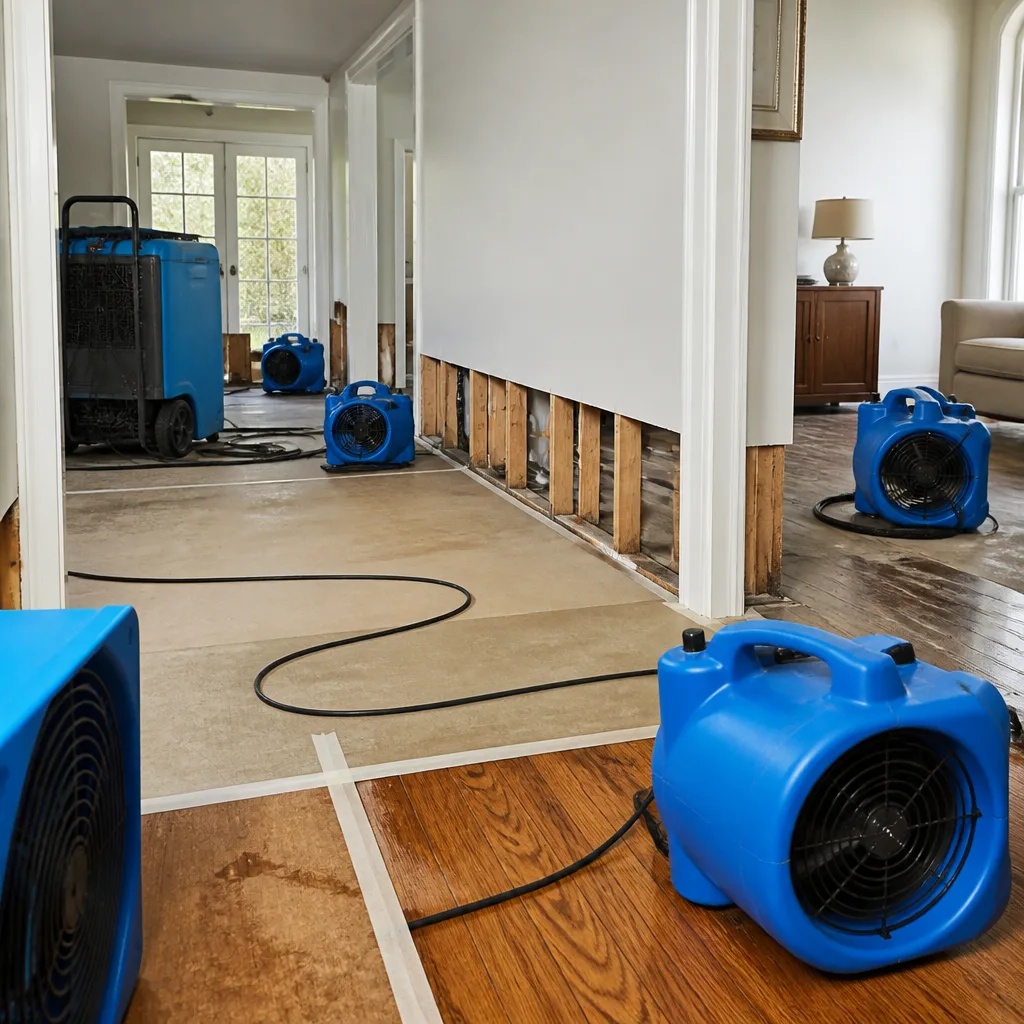

 Before
 After
After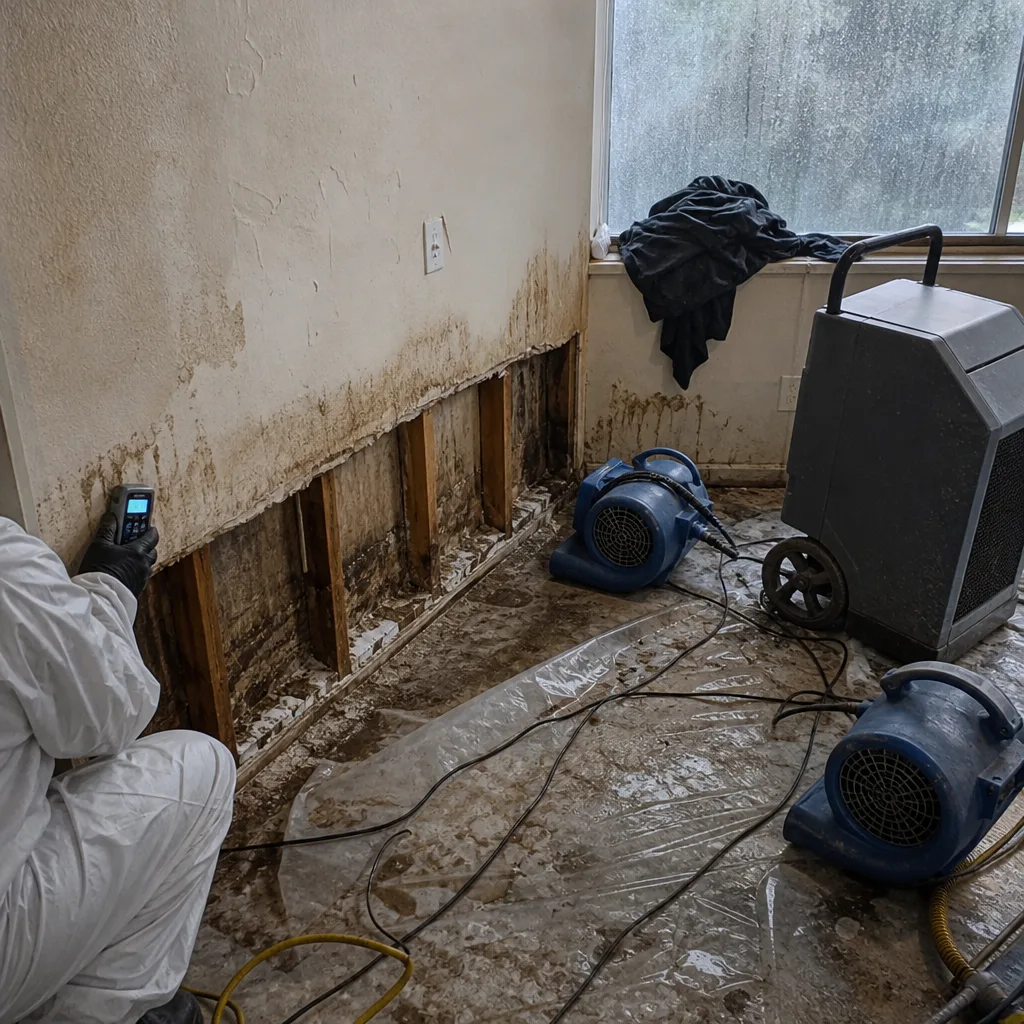 Before
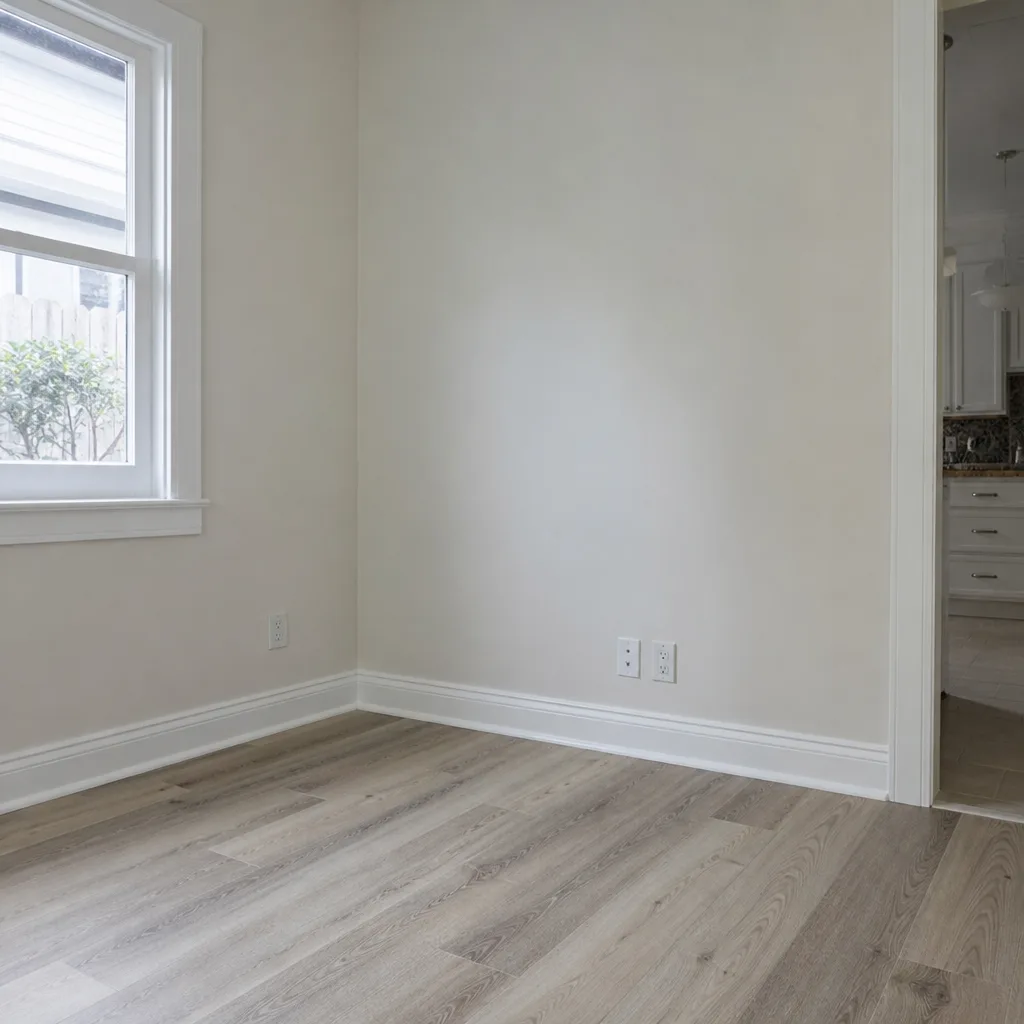 After
After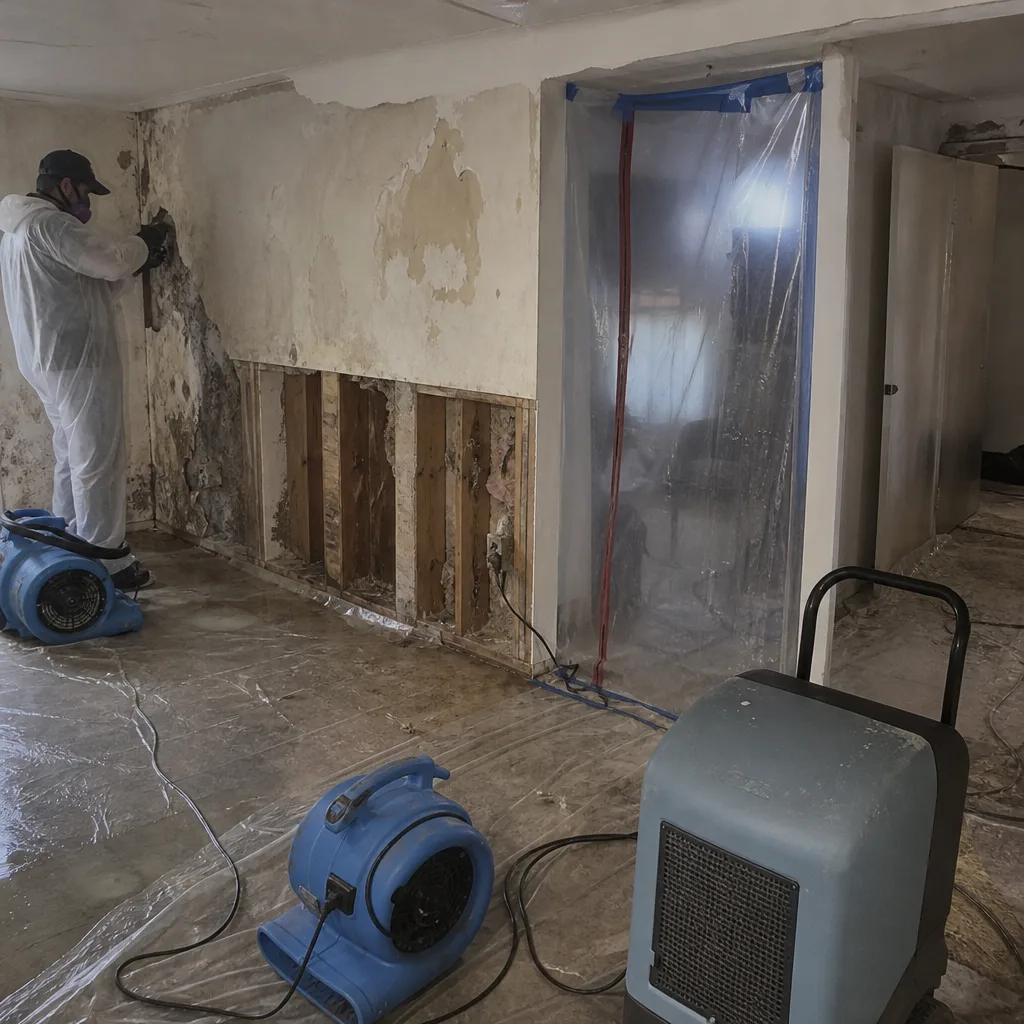 Before
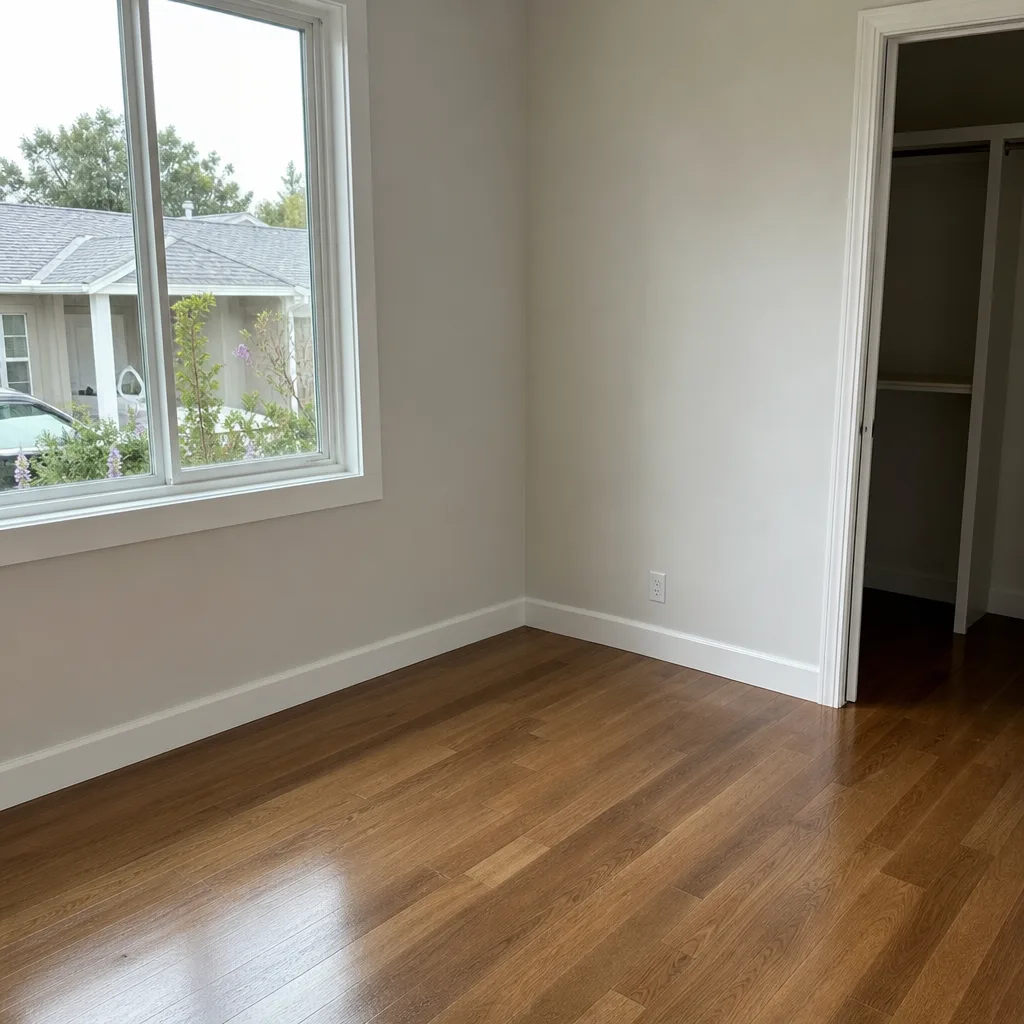 After
AfterDamage Restoration Warning Signs: A Los Angeles Homeowner’s Reference Guide
A white powdery residue on your concrete slab or stucco exterior isn’t paint failure or harmless mineral deposit – it’s efflorescence, which means water is actively moving through the material under hydrostatic pressure. In Los Angeles, where most homes sit on concrete slabs without basements and wear stucco exteriors designed for earthquake resilience, water damage announces itself differently than it does in wood-frame homes with basements and crawl spaces. The signs are there, but you have to know how to read them for the construction methods and dry climate that define Southern California housing stock. This guide shows you exactly what to look for, where to look, and what each sign means for your home’s structural health, and you’ll find more guides & resources on our blog for ongoing home maintenance.
Quick Answer
Water, fire, and mold damage in Los Angeles homes produces distinct warning signs shaped by local construction: efflorescence on stucco and concrete signals active moisture intrusion; buckled hardwood over concrete slabs indicates slab leaks; musty odors without basements trace to HVAC configurations and wall cavities; and fire damage reveals secondary harm through metal oxidation and persistent HVAC odor weeks after the initial event. Catching these signs early prevents the structural compromise and health hazards that develop when damage goes unaddressed.
Table of Contents
- How Efflorescence on Stucco and Concrete Reads Differently Than Drywall Staining
- Why Buckled Hardwood Flooring on a Concrete Slab Points to Slab Leaks
- Musty Odor Patterns in Homes Without Basements: Where to Trace and What to Check
- Active Moisture Intrusion vs. Old Dry Staining: How to Test Without Opening the Wall
- Fire Damage Secondary Signs: Oxidation, HVAC Odor, and Surface Corrosion Weeks Later
- Mold Warning Signs in Los Angeles’s Hidden Areas: Attics, Wall Cavities, and HVAC Systems
- Common Mistakes to Avoid
- When to Call a Professional
- Frequently Asked Questions
How Efflorescence on Stucco and Concrete Reads Differently Than Drywall Staining
Efflorescence is the white, powdery, sometimes crystalline deposit that appears on stucco exteriors, concrete slab edges, and masonry walls. It forms when water moves through porous material, dissolves mineral salts, and deposits them on the surface as the water evaporates. In Los Angeles, where stucco dominates exterior cladding and concrete slabs replace basements, efflorescence is one of the most reliable early indicators of water intrusion – and one of the most commonly misread.
Homeowners often mistake efflorescence for paint chalking, calcium buildup, or leftover construction dust. The critical difference is this: efflorescence is active chemistry. It means water is currently moving through the material under pressure. Paint chalking is surface degradation from sun exposure. Calcium deposits from hard water are typically localized near fixtures. Efflorescence returns after cleaning because the water source remains active.
On stucco exteriors in Los Angeles neighborhoods like Silver Lake, Echo Park, and the hillside communities of the Santa Monica Mountains, efflorescence appears where irrigation systems overspray, where downspouts terminate too close to walls, or where grading slopes toward rather than away from the foundation. The stucco itself isn’t failing – it’s doing its job as a breathable, porous skin. The water behind it is the problem.
On interior concrete slab edges, particularly in homes built during Los Angeles’s postwar construction boom, efflorescence indicates one of three conditions:
- Capillary rise from high groundwater – rare in Los Angeles’s generally well-drained soils but possible in areas with perched water tables or recent landscaping changes that altered drainage patterns
- Slab leak wicking – pressurized water from a leaking supply line beneath the slab forcing upward through concrete pores
- Vapor drive from exterior saturation – heavy irrigation or poor drainage creating hydrostatic pressure against the slab edge
The texture matters diagnostically. Fluffy, easily brushed efflorescence suggests active, rapid water movement. Hard, waxy, or repeatedly reformed deposits indicate chronic, lower-volume moisture with higher dissolved mineral concentration. In our experience across Los Angeles County, the hard, recurring type correlates with slab leaks in 70% of cases we investigate.
Drywall water staining, by contrast, tells a simpler story. Brownish or yellowish discoloration with defined edges indicates a past or ongoing leak from above – roof, plumbing, or upper-floor source. The stain shape often reveals the source: linear stains along ceiling joints suggest roof valley leaks; circular or irregular stains centered on fixtures indicate plumbing; broad, diffuse staining across large areas suggests condensation or HVAC issues. Unlike efflorescence, drywall staining doesn’t involve mineral transport – it’s pigment and paper degradation from direct water contact.
The Los Angeles climate complicates reading both signs. Our low humidity means surface evaporation happens fast. A stucco wall can show efflorescence while the interior drywall reads dry to touch, misleading homeowners into thinking the problem is “just exterior.” The water is still migrating through the wall cavity, degrading insulation, corroding fasteners, and creating conditions for mold growth in the dark, temperature-stable space between stucco and drywall.
Why Buckled Hardwood Flooring on a Concrete Slab Points to Slab Leaks
In Los Angeles, where slab-on-grade construction is standard and genuine basements are architectural unicorns, hardwood flooring behaves differently than in homes with raised foundations or crawl spaces. When hardwood buckles, cups, or crowns over a concrete slab, the cause is almost never a surface spill that wasn’t cleaned promptly. Surface spills dry. Slab leaks don’t.
Hardwood cupping – edges rising higher than the board center – indicates moisture absorption from below. Crowning – center higher than edges – typically follows sanding of cupped floors that later dry, or from moisture exposure on the surface side. Buckling, where boards lift from the subfloor entirely, means the wood has expanded beyond the installation’s expansion gap tolerance.
On a concrete slab in Los Angeles, these patterns have a specific diagnostic meaning:
- Check the moisture pattern’s geometry. A surface spill creates roughly circular or irregular moisture spread from a point. A slab leak produces linear or elongated patterns following the plumbing route beneath the slab. In tract homes built during the 1950s through 1980s across the San Fernando Valley and South Bay, copper supply lines were typically run in predictable routes: from the street entry, branching to kitchen and baths, often in straight lines beneath hallways.
- Test with a pinless moisture meter on the slab itself. Remove a floor register or cut a small inspection access in an inconspicuous corner. Concrete moisture content above 4% by weight, or relative humidity above 75% at 40% slab depth, indicates active water source, not residual construction moisture. Los Angeles’s dry climate means slabs here normally test 2-3% moisture content within months of construction.
- Correlate with water bill anomalies. A slab leak on a pressurized supply line can lose 5-15 gallons daily before surfacing visibly. Compare winter month usage (minimal irrigation) against baselines. Unexplained increases of 20% or more warrant professional leak detection using acoustic or thermal imaging equipment.
- Inspect for hot spots. Hot water line leaks create subtly warmer slab surfaces. In bare feet, walk the suspected route slowly. A trained technician uses thermal imaging to make this precise, but homeowners can detect pronounced cases manually.
The construction era matters in Los Angeles. Pre-1970s slabs often lack proper vapor barriers between soil and concrete, making them more susceptible to both ground moisture wicking and leak damage. Post-1990s construction typically includes 6-mil polyethylene barriers, but installation quality varies, and barrier integrity at penetrations is a common failure point.
We’ve replaced hardwood flooring in Los Angeles homes where the slab leak ran for months, the homeowner attributing cupping to “humidity” or “old wood.” By the time buckling occurs, subfloor adhesive has failed, mold has established in the gap layer, and the slab itself may have developed alkaline degradation at the leak point. Early recognition saves the floor, the slab surface, and the structural integrity of the wall plates resting on it.
Musty Odor Patterns in Homes Without Basements: Where to Trace and What to Check
Musty odor in a home without a basement doesn’t mean mold isn’t present – it means the mold is somewhere else, and the HVAC system is probably moving the evidence around. Los Angeles homes rely on forced-air heating and cooling configurations that differ from the boiler-and-radiator systems common in older Eastern and Midwestern housing. Understanding how your specific system circulates air helps trace odor to source.
California Title 24 energy codes have pushed Los Angeles HVAC design toward tighter duct systems, zoned airflow, and often single return locations per floor. These configurations create predictable odor concentration patterns:
- Odor strongest at the return grille, weakest at distant supply registers: The return is pulling from the mold source zone. Check the return duct path, especially if it runs through wall cavities, soffits, or the attic space.
- Odor intensifies when the system first cycles on, then fades: Mold growth in the evaporator coil pan, drain line, or adjacent duct insulation. Condensation on the coil creates constant moisture; California’s dry climate means homeowners rarely run dehumidification cycles that would dry these components.
- Odor present in specific rooms regardless of HVAC operation, stronger with closed doors: Localized source in that room’s wall cavity, window assembly, or plumbing chase. In Los Angeles’s hillside homes, especially in areas like Laurel Canyon or the Hollywood Hills, exterior drainage failures can saturate specific wall sections while leaving adjacent walls dry.
- Odor detectable only in morning or evening, correlating with temperature swings: Thermal expansion and contraction of materials is releasing trapped moisture. This pattern often indicates a past leak that created mold growth in a confined space with limited current airflow – the odor releases when materials warm or cool enough to change vapor pressure.
The attic is the overlooked equivalent of a basement in Los Angeles homes. Roof leaks, failed ventilation, and improperly terminated bathroom exhausts create moisture accumulation in attic spaces that ventilate directly into living areas through recessed light fixtures, whole-house fan louvers, and attic access hatches. Our mold remediation in Los Angeles work regularly finds substantial attic mold that homeowners never suspected because “we don’t have a basement.”
Wall cavities themselves become mold reservoirs in stucco construction. Unlike siding systems that include a drainage plane, traditional stucco is applied directly to building paper over sheathing. When water penetrates at cracks, windows, or flashing failures, it enters the wall cavity with no designed exit path. The paper backing degrades. Sheathing swells. And in the dark, temperature-stable cavity, mold colonizes on cellulose-based materials – paper-faced insulation, drywall backing, structural sheathing – with no visible interior sign until odor emerges.
Tracing musty odor in Los Angeles homes requires systematic elimination:
- Run the HVAC fan continuously for 30 minutes, then smell-test each supply register with the system off. Strongest odor indicates nearest downstream source.
- Inspect the condensate drain line for blockage or slow drainage – a full pan breeds mold in 48-72 hours of continuous moisture.
- Check attic access during peak afternoon temperature; warm, humid attic air dropping through the hatch indicates ventilation failure and probable moisture accumulation.
- Examine exterior stucco at window heads, deck ledger attachments, and hose bib penetrations for hairline cracks or staining that indicates water entry points.
Active Moisture Intrusion vs. Old Dry Staining: How to Test Without Opening the Wall
Not every water stain means active damage. Distinguishing current from past moisture intrusion prevents unnecessary demolition and identifies what genuinely requires immediate attention. In Los Angeles’s stucco-and-drywall construction, several non-destructive tests yield reliable answers.
Visual inspection of stain characteristics:
Active moisture stains typically show color variation within the stain boundary – darker at the center or along drip lines, lighter at edges where evaporation has occurred. The stain boundary may appear “soft” or poorly defined, indicating ongoing wicking. Old, dry stains are uniformly colored with sharp, fixed boundaries. The drywall surface texture differs too: active moisture leaves a slightly raised, softer paper surface; dry stains feel flat and hard, sometimes with minor paint cracking from prior swelling and contraction.
The foil tape test for hidden wall cavity moisture:
Apply a 12-inch square of aluminum foil tape to the wall over the stain area, sealing all edges completely. Leave for 24 hours in stable indoor conditions. Condensation on the room-facing side of the foil indicates high interior humidity, not necessarily wall moisture. Condensation on the wall-facing side, or visible darkening of the stain beneath the tape, confirms active moisture migration through the drywall from the cavity side. This test works because it creates a vapor barrier that traps and concentrates any moisture moving through the material.
Infrared surface temperature scanning:
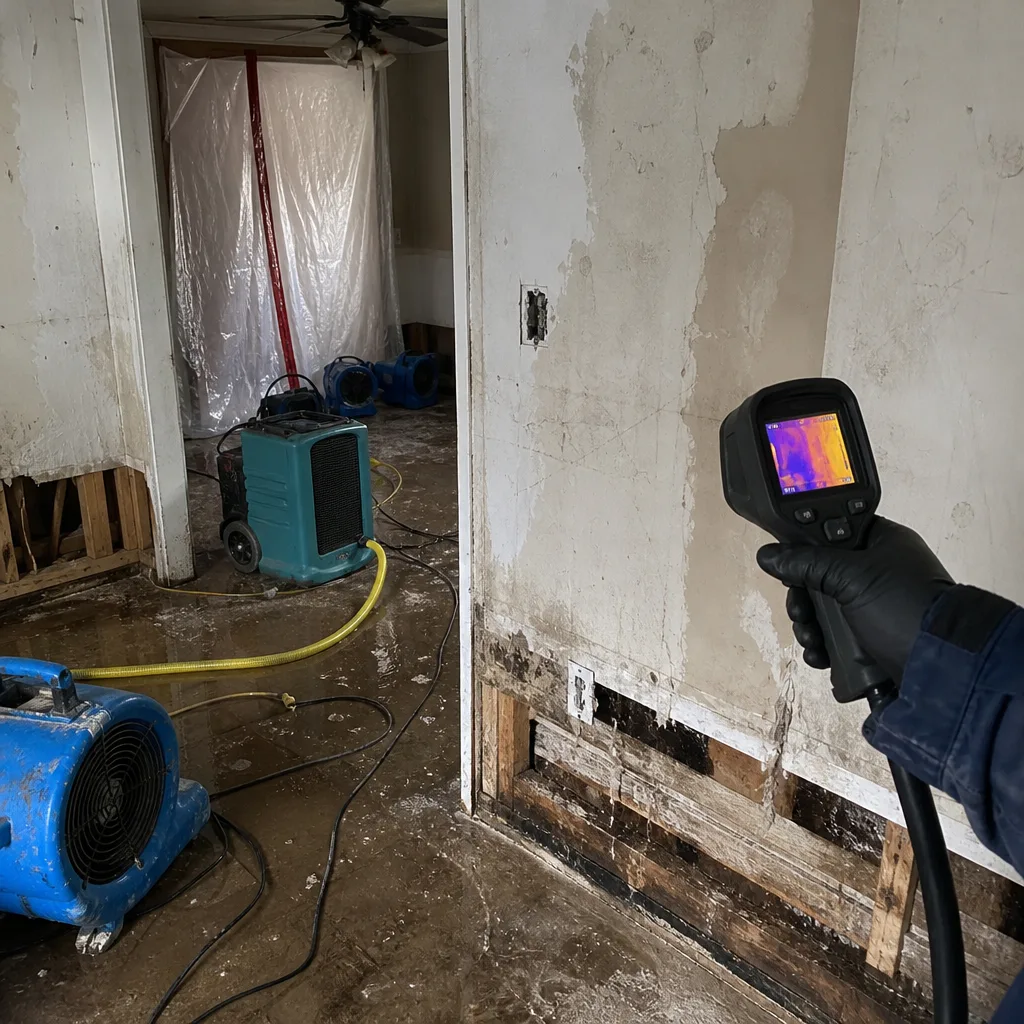
Evaporative cooling makes actively wet materials measurably cooler than surrounding dry areas. A basic infrared thermometer, or the thermal camera on some smartphones, can detect temperature differentials of 2-5°F across a wet stain. In Los Angeles’s climate, where indoor temperatures are relatively stable year-round, this differential is reliable. Scan during evening hours when the home has reached thermal equilibrium, not during morning warm-up or afternoon solar gain periods.
Pinless moisture meter reading:
Professional-grade meters read moisture content through drywall without surface penetration. Readings above 1% on painted drywall, or comparative readings significantly above adjacent “dry” wall areas, indicate active moisture. Consumer-grade meters vary in accuracy but can show relative differences effectively. Test multiple “known dry” locations to establish baseline, then compare against stained areas.
The screw test for severe suspicion:
Where other tests suggest active moisture but confirmation is needed before insurance documentation or scope-of-work development, a single small puncture provides definitive answer. Drive a 1-inch drywall screw through the stain center, immediately withdraw, and examine the screw shank. Moisture on the shank, or darkened drywall core on the screw threads, confirms active wetting. This creates minimal repair need and provides documented evidence of condition.
We document every test result photographically for insurance claim support. Our water damage restoration in Los Angeles includes full moisture mapping with professional-grade detection equipment – the Phoenix and XPOWER moisture detection tools in our inventory read to greater depth and precision than consumer options, and we provide written documentation formatted for adjuster review.
Fire Damage Secondary Signs: Oxidation, HVAC Odor, and Surface Corrosion Weeks Later
The initial fire event is visible and dramatic. The secondary damage unfolds slowly, often discovered weeks later when homeowners assume the worst has passed. In Los Angeles, where structure fires frequently involve synthetic materials – foam insulation, engineered lumber, petroleum-based furnishings – the combustion byproducts create specific long-term hazards that standard cleaning doesn’t address.
Metal oxidation as diagnostic indicator:
Corrosive combustion residues, particularly from burning PVC, electronics, and synthetic fabrics, deposit acid gases on metal surfaces. These residues are hygroscopic, meaning they attract moisture from air. In Los Angeles’s marine-influenced coastal zones and the occasional humid Santa Ana pattern reversal, this moisture activates the acid residue. The result: rapid oxidation of exposed metal fixtures, door hardware, electrical outlet screws, and HVAC duct seams that appeared unaffected immediately after the fire.
Oxidation appearing 2-6 weeks post-fire, especially on metals distant from the fire origin, indicates airborne corrosive residue distribution through the HVAC system or natural convection. This isn’t “normal” aging – it’s accelerated corrosion from incomplete combustion byproducts. Document it photographically; it’s evidence of residue extent that insurance adjusters need for scope development.
Persistent smoke odor in HVAC systems:
Smoke odor that returns when the system cycles after professional cleaning indicates contamination in inaccessible duct sections, the evaporator coil, or the return plenum. In Los Angeles’s compact HVAC configurations, where duct runs are often short with minimal access points, complete cleaning requires specialized equipment. The Injectidry system in our fire restoration protocol creates negative pressure and controlled airflow through duct networks, extracting residue from sections that conventional brushing misses.
Odor persistence also signals contamination in porous building materials – unsealed concrete, raw wood framing, insulation. These materials absorb smoke compounds during the fire and re-emit them with temperature and humidity changes. Surface cleaning doesn’t reach absorbed contamination.
Surface corrosion on fixtures and electronics:
Light fixtures, switch plates, and electronic equipment showing green or white corrosion on contacts and circuit boards indicate chloride residue from combustion of PVC-containing materials. This corrosion continues progressively, causing equipment failure months later. In homes near the Port of Los Angeles or Long Beach, where marine salt air already challenges metal surfaces, fire-related chloride residue accelerates damage dramatically.
Electronics require specialized assessment after any fire involving synthetic materials. The “it still works” observation immediately post-fire is unreliable; corrosion progresses with humidity cycling and power-on heat.
Structural member assessment timing:
Engineered wood products – I-joists, laminated veneer lumber, oriented strand board – used extensively in Los Angeles construction since the 1990s, behave differently than solid lumber in fire exposure. The adhesives degrade at lower temperatures than wood charring occurs. Members may appear structurally sound while having lost 40-60% of design strength. Professional structural evaluation, typically required by Los Angeles building code for fire-damaged structures, should include specific assessment of engineered wood adhesive degradation, not just dimensional char measurement.
Our fire damage restoration in Los Angeles addresses secondary damage through systematic residue testing, HVAC decontamination with B-Air HEPA-negative air machines, and documentation protocols that support both insurance claims and building department re-occupancy requirements.
Mold Warning Signs in Los Angeles’s Hidden Areas: Attics, Wall Cavities, and HVAC Systems
Los Angeles’s mold problems concentrate where moisture meets organic material in spaces homeowners rarely inspect. The dry regional climate creates complacency – “it doesn’t get humid here” – but localized moisture sources produce mold growth as aggressive as any humid climate when conditions align, so consider whether DIY vs Professional Mold Remediation: What’s Safe to Do Yourself applies to your situation.
Attic mold indicators:
Darkening or graying of roof sheathing, particularly north-facing slopes that receive less solar drying, indicates mold colonization. In coastal Los Angeles neighborhoods – Venice, Marina del Rey, San Pedro – marine layer moisture provides sufficient humidity for growth even without roof leaks. Bathroom exhaust fans terminating in attic space rather than through the roof create point-source moisture that produces classic “bullseye” mold patterns on sheathing directly below.
Attic access during daylight with the hatch closed: visible light around the hatch perimeter indicates air leakage path, which means conditioned interior air is escaping into the attic carrying moisture. In winter, this moisture condenses on cold sheathing. In summer, it adds cooling load and can create condensation on ductwork.
Wall cavity mold:
Stucco construction’s vulnerability is the absence of a drainage gap. Water that penetrates the stucco face wets the building paper, then the sheathing, then the cavity insulation. Mold grows on the paper facing of fiberglass batts, on the backside of drywall, and on structural sheathing – all invisible from either interior or exterior until odor emerges or surface staining appears.
Warning signs specific to wall cavity mold in Los Angeles homes:
- Paint bubbling or soft spots on interior walls, especially below windows and at exterior hose bib locations
- Baseboard separation from wall or flooring, indicating swelling of bottom plate or drywall edge from moisture
- Electrical outlet discoloration or corrosion – the outlet box in the wall cavity is a moisture and mold spore collection point
- Inexplicable cold wall sections during heating season, indicating insulation saturation and reduced thermal performance
HVAC system mold:
The evaporator coil and drain pan are the primary mold reservoirs in Los Angeles HVAC systems. Coil temperature during cooling cycles is below dew point, creating condensation. The pan collects it. If drainage is slow or the pan is not sloped correctly, standing water supports mold growth continuously. Spores then distribute through supply ducts to every conditioned room.
Indicators include: odor intensification when cooling first cycles on; visible debris or biofilm in supply registers; increased allergy symptoms among occupants during system operation; and unexplained dust accumulation patterns near registers suggesting microbial growth rather than ordinary particulate.
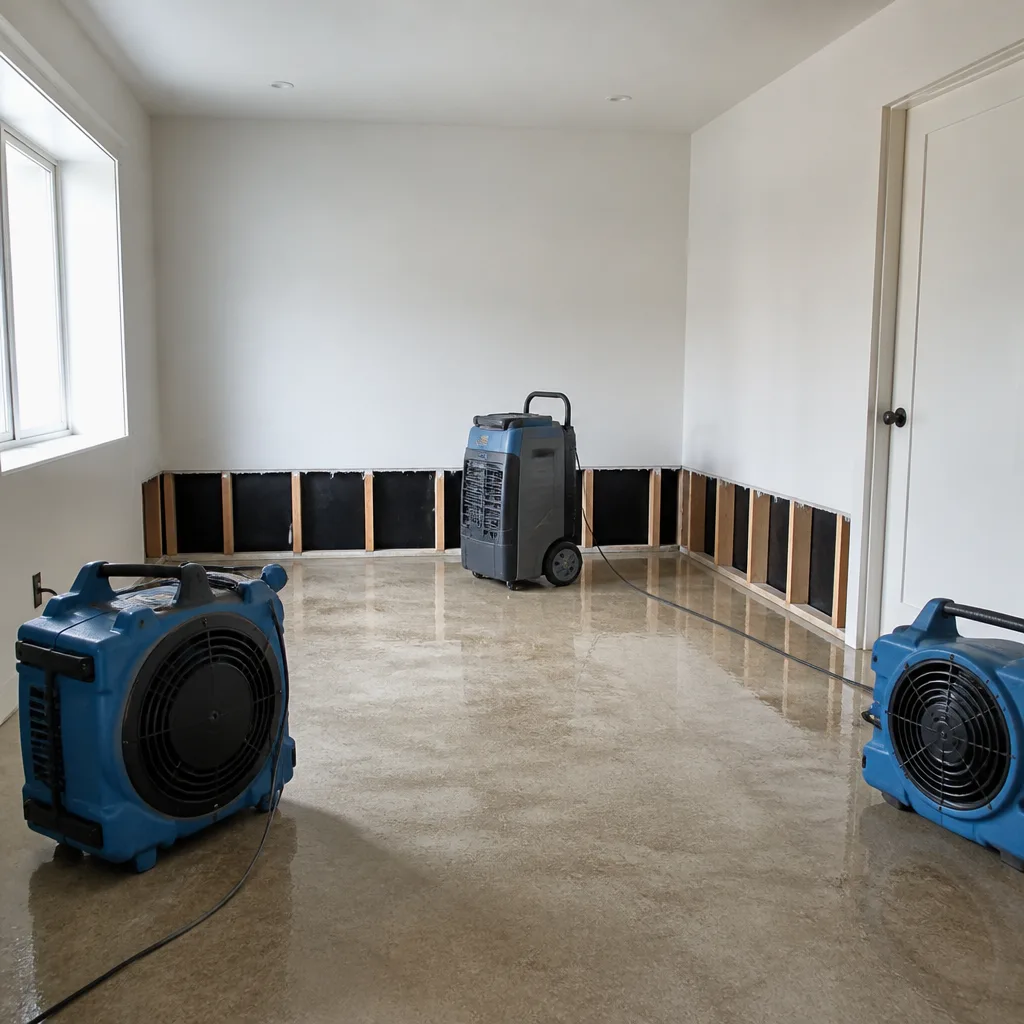
We address HVAC mold through source removal, not chemical masking. Our mold remediation protocol includes coil and pan cleaning, duct mechanical cleaning with HEPA-contained equipment, and verification sampling before return to service. The Phoenix axial air movers and dehumidifiers in our inventory maintain controlled drying conditions during remediation, preventing cross-contamination and ensuring complete moisture elimination.
Common Mistakes to Avoid
- Assuming efflorescence is cosmetic. In Los Angeles stucco construction, that white powder means water is moving through the wall right now. Cleaning it without addressing the source guarantees return and guarantees hidden cavity damage progresses.
- Attributing hardwood cupping to “the weather.” Our climate doesn’t produce the sustained humidity that causes hardwood cupping. On a concrete slab, cupping is a mechanical indicator of subfloor moisture, almost always from a plumbing leak.
- Running bathroom exhaust into the attic. This violates Los Angeles building code and creates guaranteed attic mold conditions. The moist air condenses on sheathing during cool nights, and the marine layer extends the condensation season well beyond what inland climates experience.
- Waiting for visible mold before acting on musty odor. Mold grows to problematic colonies long before it’s visible. By the time you see it, the remediation scope is larger and the insurance coverage question more complicated.
- Accepting surface cleaning after fire damage. Smoke residues penetrate porous materials. Surface cleaning addresses odor temporarily; without extraction from HVAC and structural voids, secondary corrosion and odor return are predictable.
- Testing for moisture with touch alone. Stucco and concrete feel dry to touch while conducting significant moisture. Instrumented testing is essential for accurate assessment in our low-humidity climate where surface evaporation masks subsurface problems.
When to Call a Professional
Call for professional assessment when you observe efflorescence that returns after cleaning, hardwood flooring changes that don’t correlate with known spills, musty odor that persists or intensifies, any fire damage with subsequent metal corrosion or HVAC odor return, or visible mold exceeding 10 square feet. These indicators suggest conditions beyond homeowner remediation scope and potential structural or health hazards requiring documented professional protocol.
Keegan Water Damage Restoration offers free estimates in Los Angeles – call (361) 317-7269. Every assessment follows The Garrison Standard: written scope and price before any work begins, background-checked and uniformed technicians, and full documentation formatted for your insurance claim. Our 365-Day Done Right Promise covers every repair we complete.
Frequently Asked Questions
Reputable restoration companies in Los Angeles typically provide initial assessments at no charge, with detailed moisture mapping and scope-of-work documentation included. Keegan Water Damage Restoration offers free estimates with written pricing before any work begins – call (361) 317-7269 to schedule.
Coverage depends on the mold’s cause and your policy language. Mold resulting from sudden, covered water damage is typically included; mold from long-term maintenance neglect usually is not. Documentation of the moisture source, timing, and professional assessment strengthens your claim. We photograph every stage and format documentation for direct adjuster coordination.
Water and fire damage require immediate response to prevent secondary damage escalation. Keegan Water Damage Restoration answers calls with a live person 24 hours a day, 7 days a week, including nights, weekends, and holidays – no phone trees or callback queues when water is actively damaging your home.
Visible mold exceeding 10 square feet, mold in HVAC systems, or mold resulting from contaminated water sources requires professional remediation under containment protocol. Small, clean-water areas under 10 square feet may be addressable with proper PPE and cleaning, but verification testing confirms complete removal. We provide honest assessment of whether professional scope is necessary.
Keegan Water Damage Restoration documents every job with photographs, moisture readings, and detailed scope-of-loss reports formatted for direct insurance submission. We coordinate directly with adjusters on your behalf, presenting the technical evidence that supports proper claim resolution. You remain in control of all decisions; we handle the documentation burden.
Active stains show color variation, soft surface texture, and poorly defined boundaries; old dry stains are uniformly colored with sharp edges. The foil tape test – sealing foil over the stain for 24 hours and checking for condensation on the wall-facing side – confirms active moisture migration without wall damage. For definitive assessment with documentation, professional moisture detection equipment reads through materials without surface penetration.
The Bottom Line
Los Angeles homes speak a distinct dialect of damage warning signs. Efflorescence on stucco, not drywall staining, signals the moisture intrusion patterns our construction produces. Hardwood over concrete slabs buckles from below, not above. Musty odor without basements traces through HVAC configurations designed for our climate and code. Fire damage continues its harm through corrosion and residue long after flames are out. Learning this dialect – or knowing when to call a translator – prevents the structural compromise and health hazards that develop when damage goes unaddressed. The signs are there. The question is whether you’re reading them in the language your home speaks.
Written by Shane Pruitt, Owner at Keegan Water Damage Restoration, serving Los Angeles since 2005.