
Last updated October 11, 2026
Free visual inspection and a written scope of work before any mitigation begins - photos, moisture readings, and drying logs go in your claim file
The scope we write is the scope we bill. Anything new gets shown to you, in writing, before we touch it.
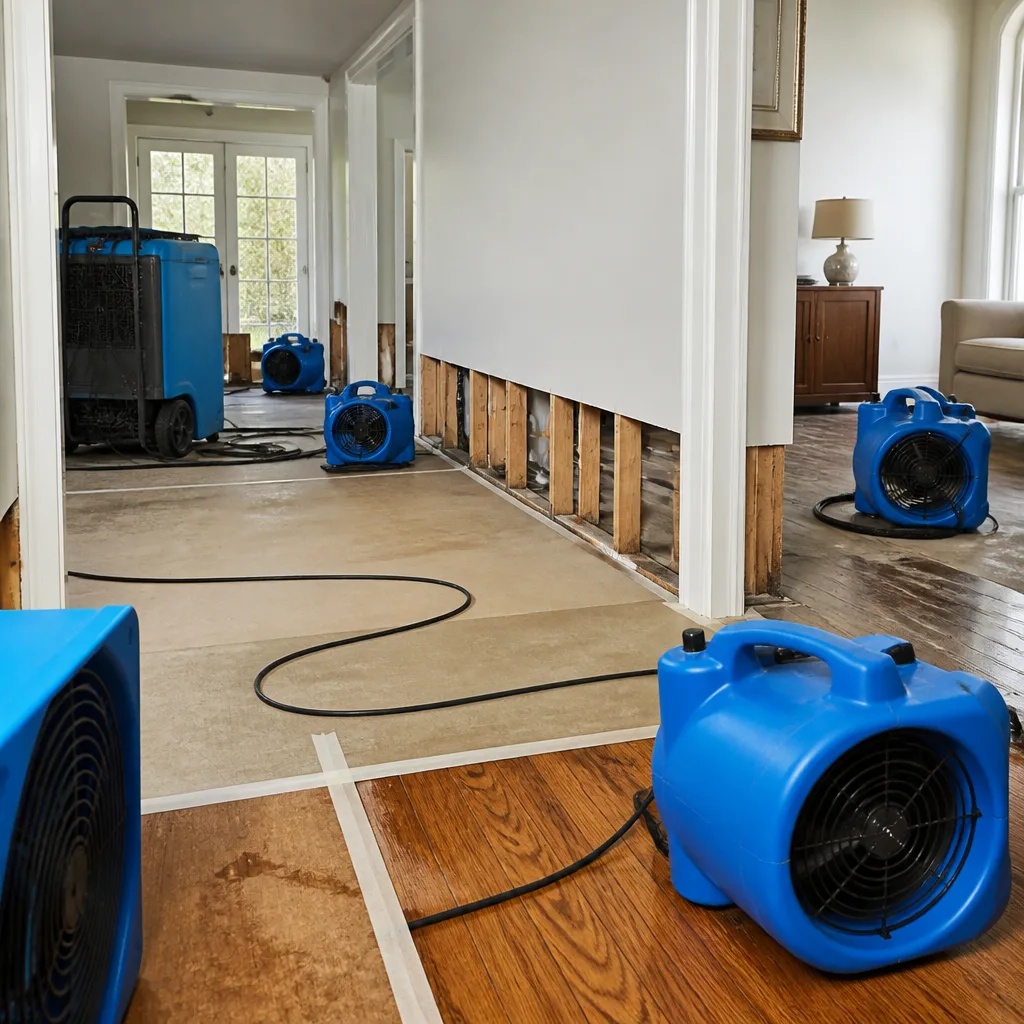
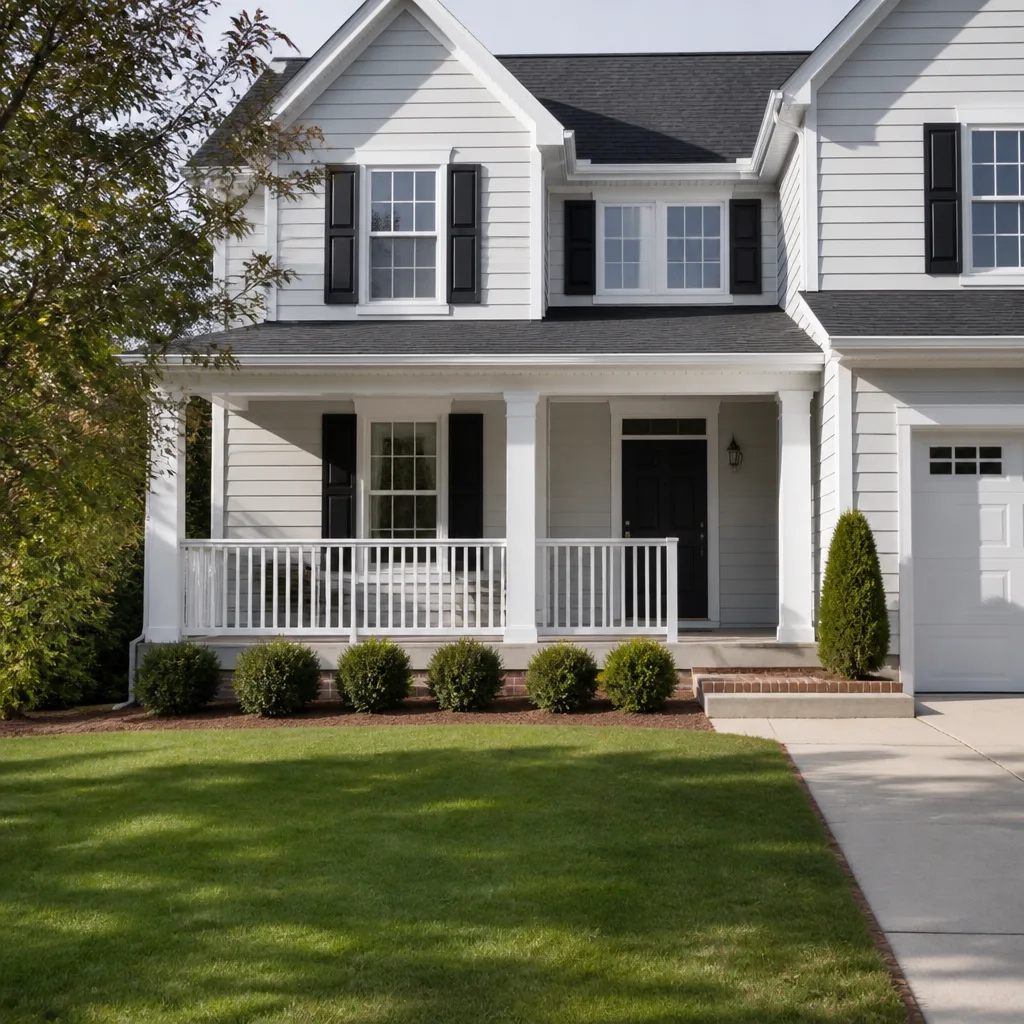
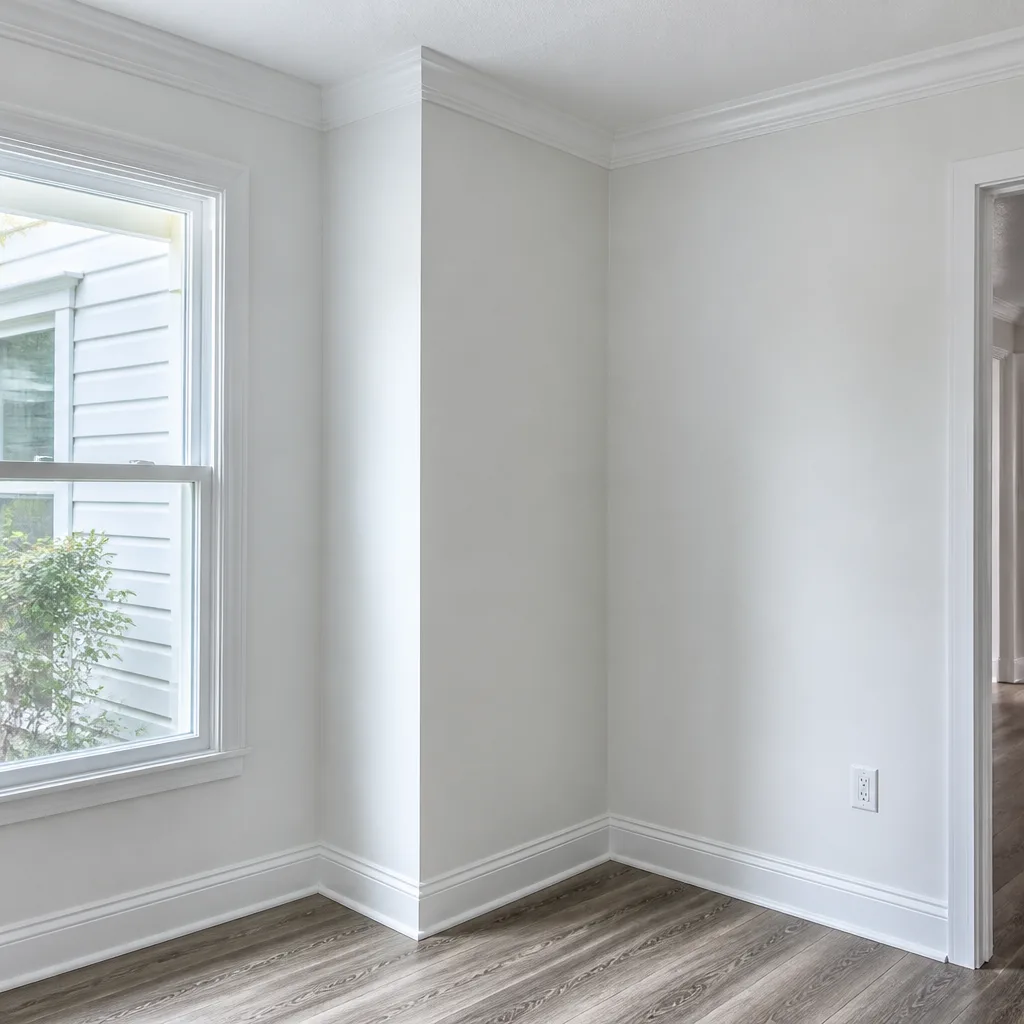
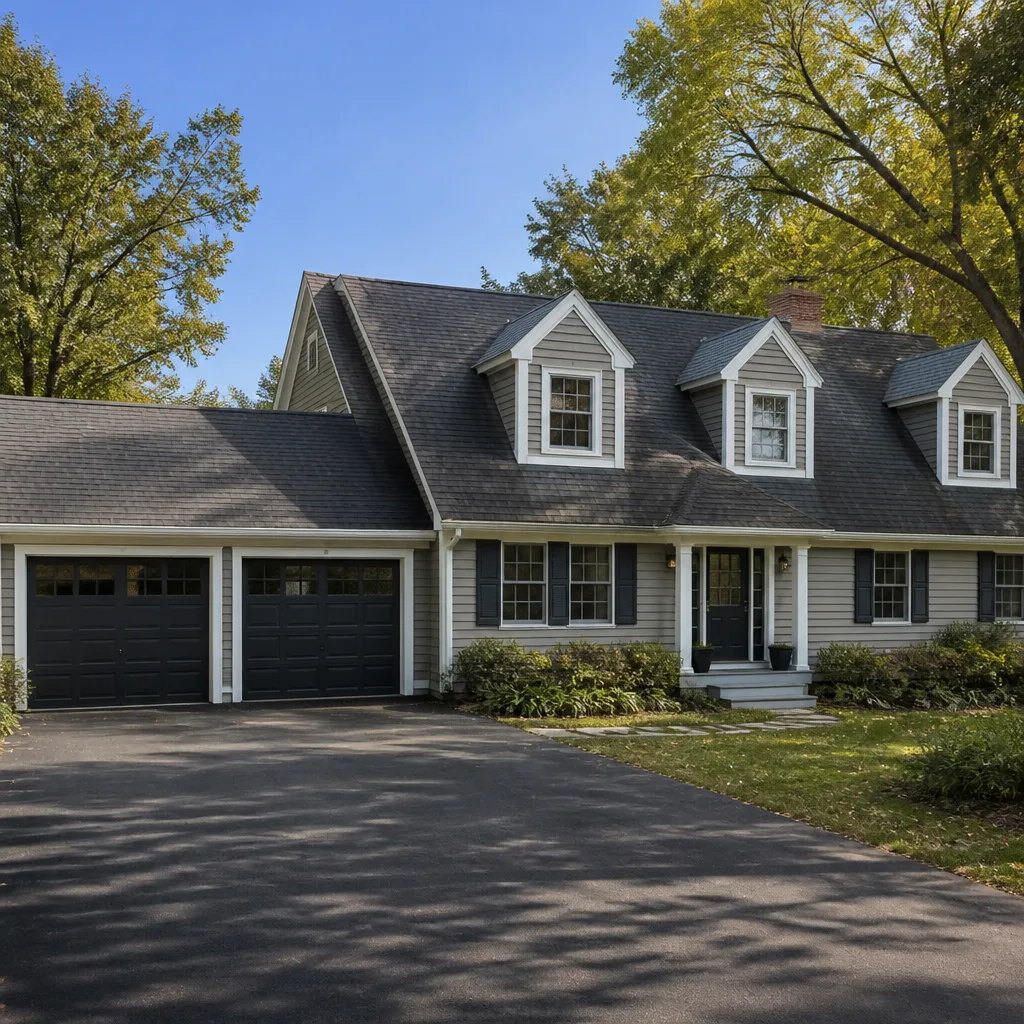
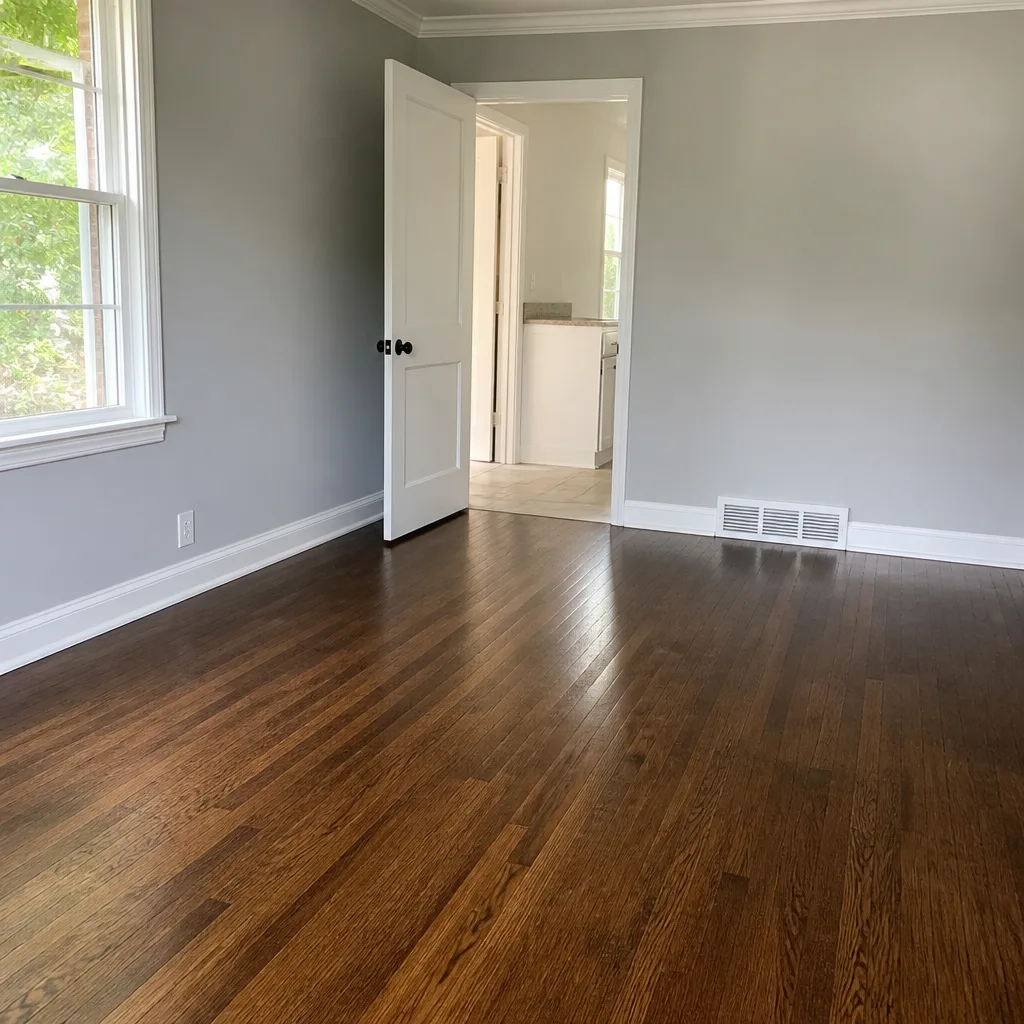
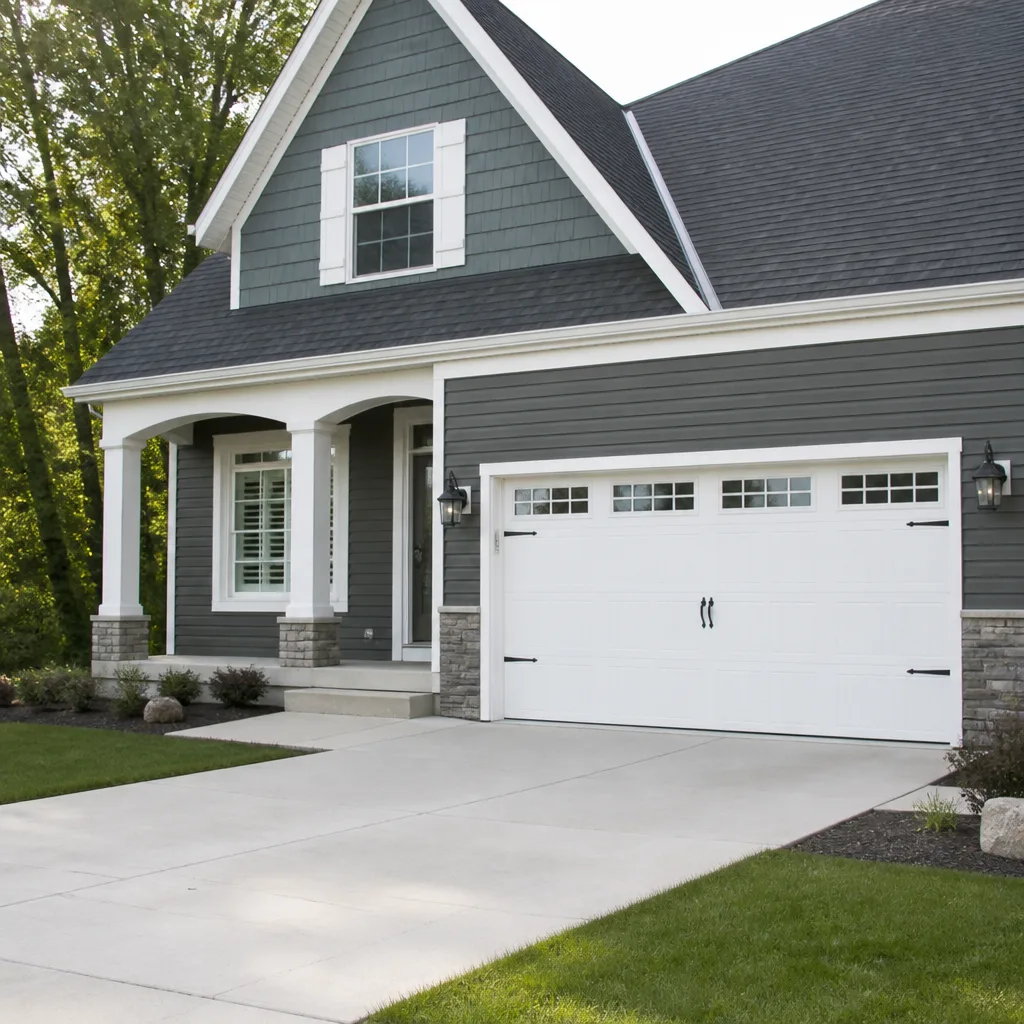
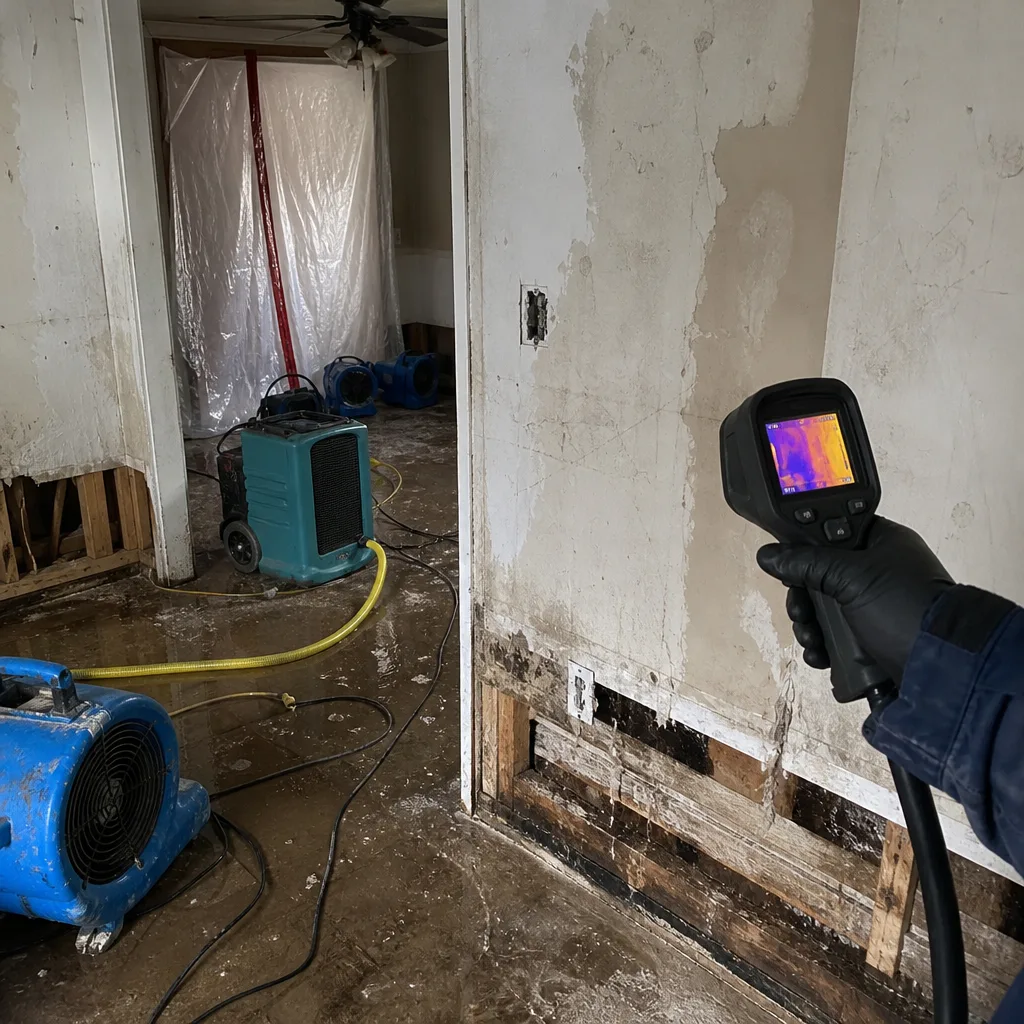 Before
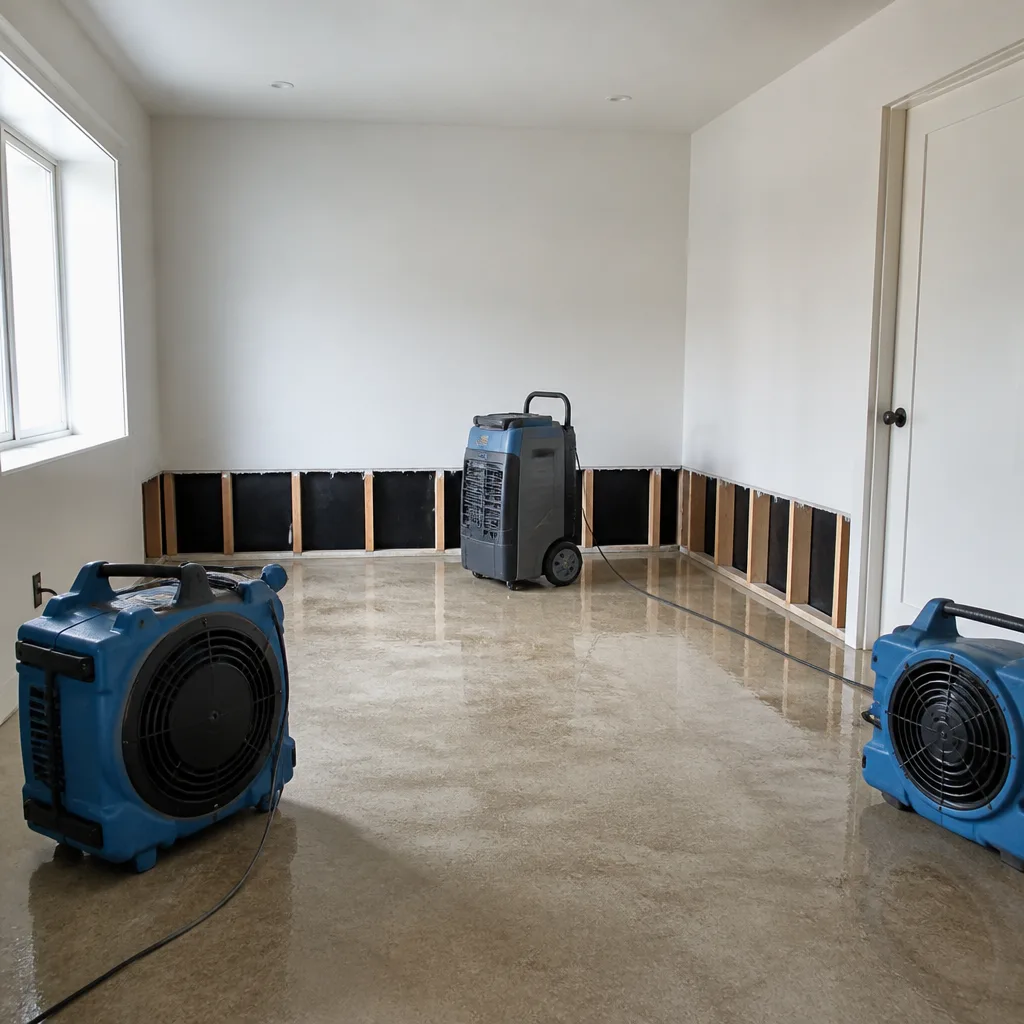 After
After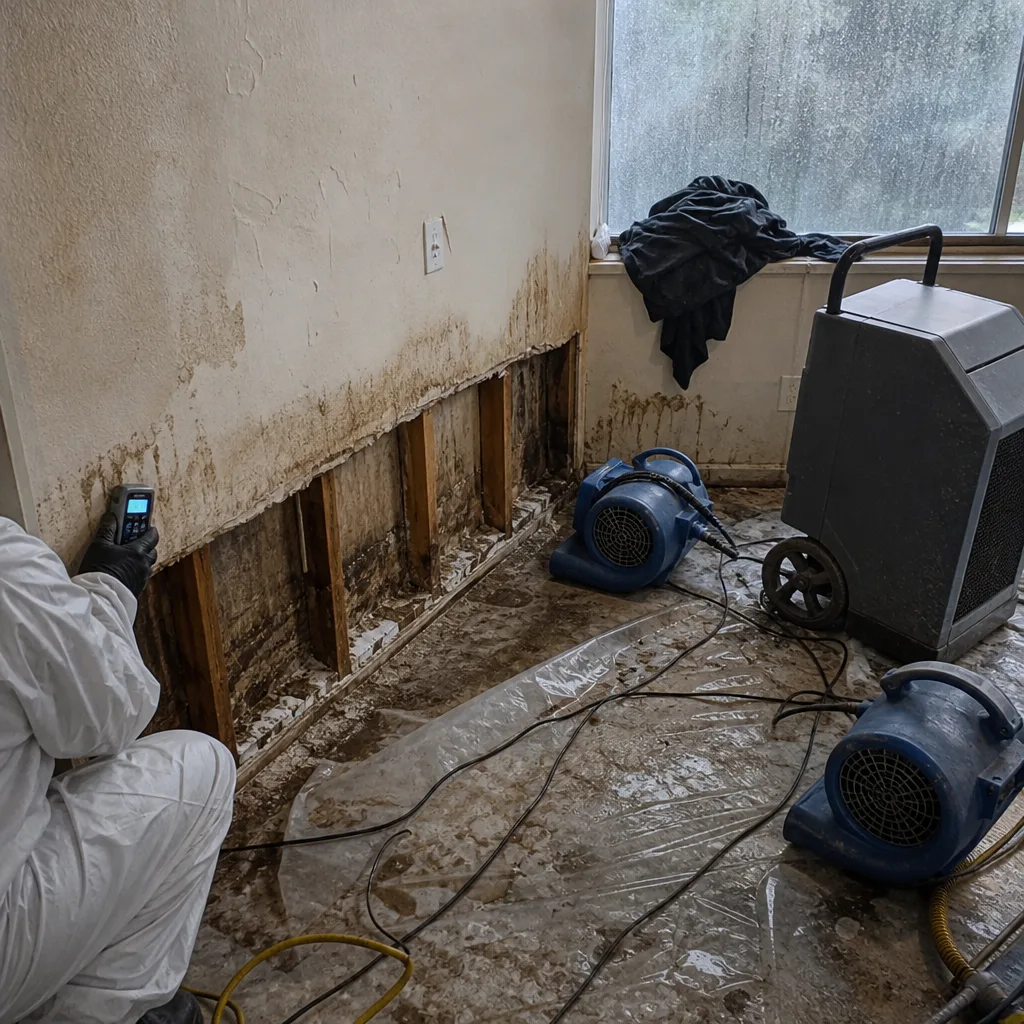 Before
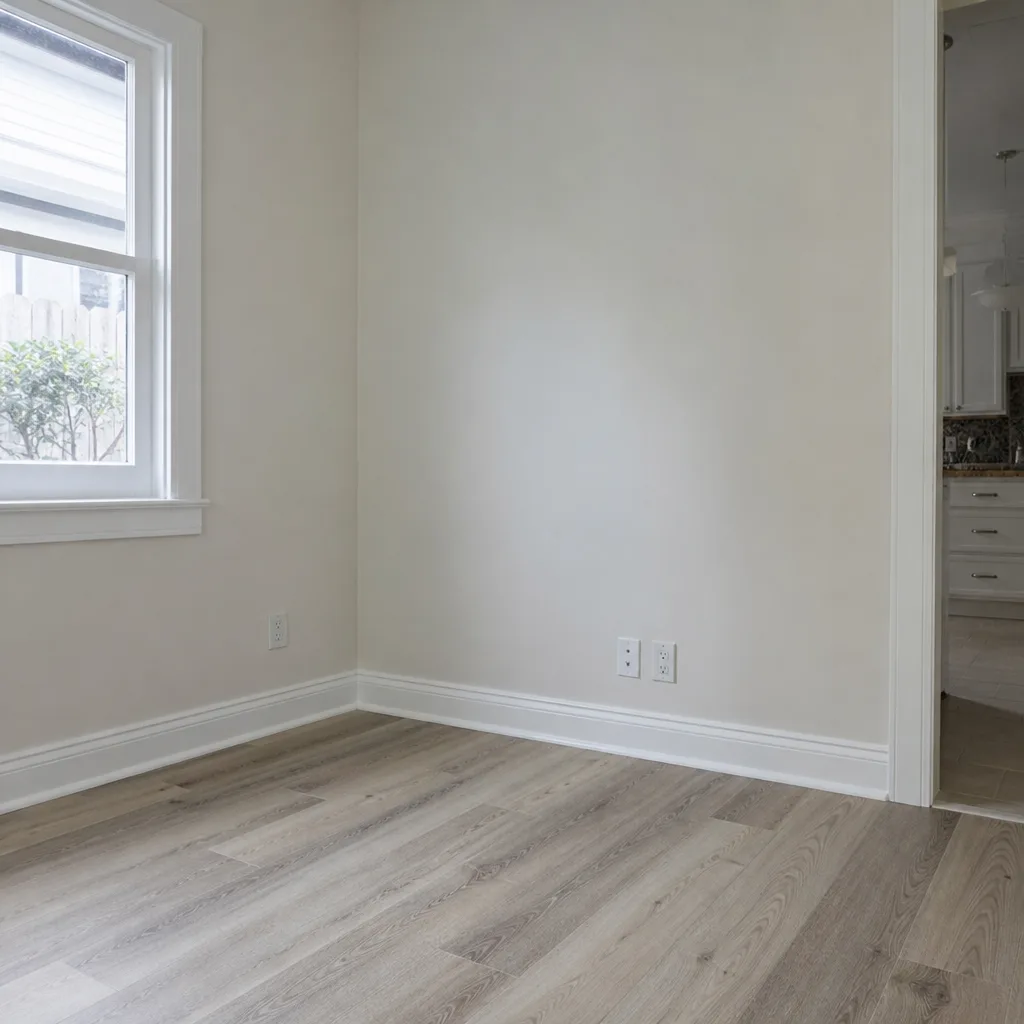 After
After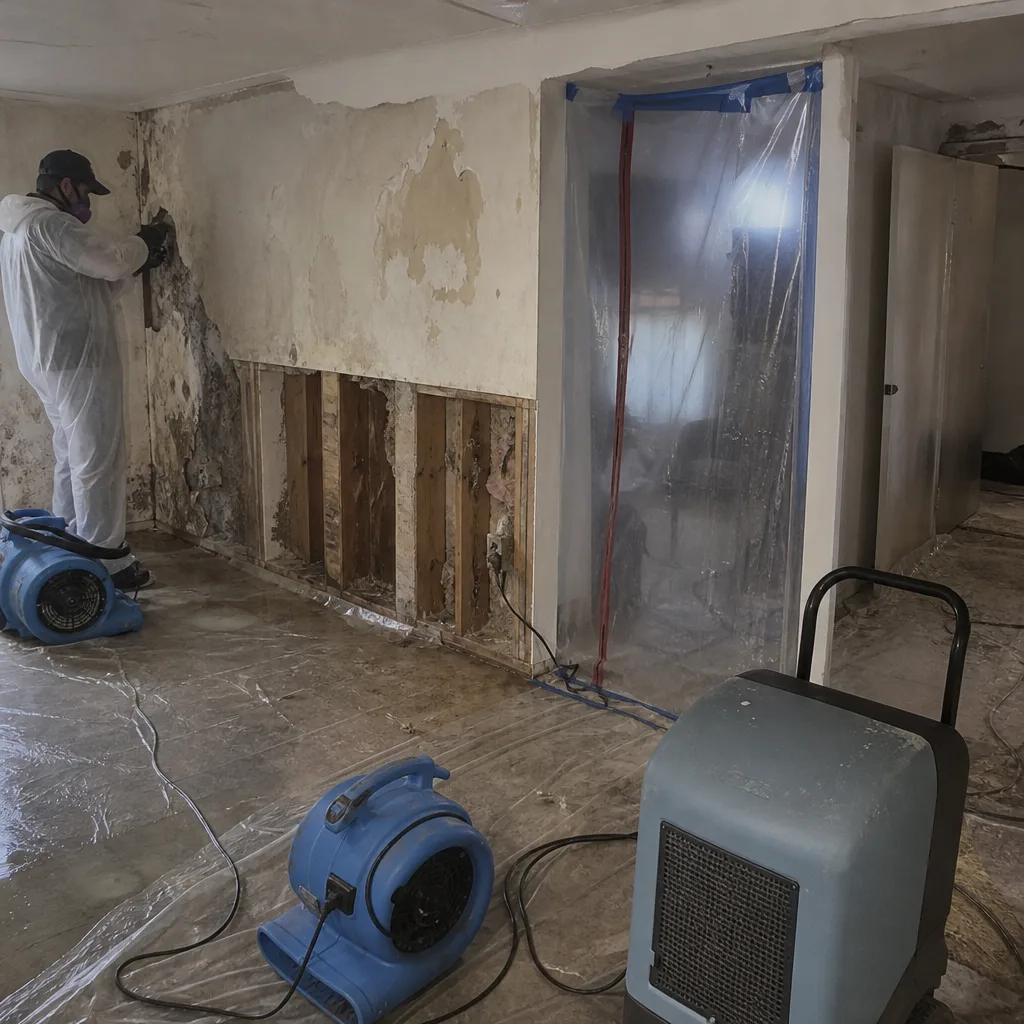 Before
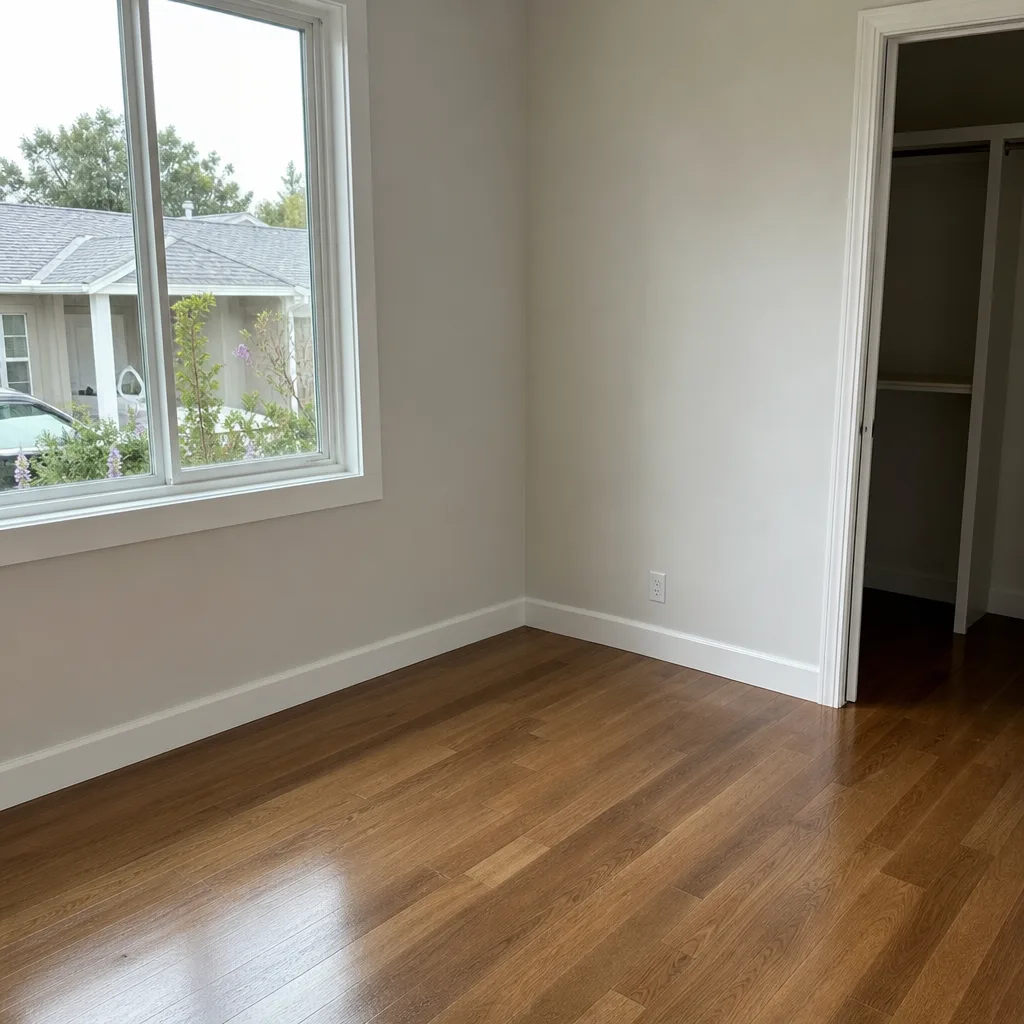 After
AfterChoosing the Right Damage Restoration Brand: A Buyer’s Guide for Los Angeles
Here’s something most homeowners in Los Angeles don’t realize until it’s too late: a nationally recognized franchise name on the side of a van guarantees marketing consistency, not job quality. We’ve been called to homes in Silver Lake and the San Fernando Valley where the first restoration crew left standing water in wall cavities, used residential dehumidifiers rated for closets instead of whole-house drying, or quoted one price over the phone and demanded another after cutting into drywall. The brand name told the homeowner nothing about whether the local operator carried workers’ compensation, ran background checks, or had ever calibrated their moisture meters. In this guide, we’ll show you the operational standards that actually predict a good outcome in Los Angeles, regardless of whose logo is on the truck. For more on this topic, see our The Complete Guide to Damage Restoration in Los Angeles.
Quick Answer
The right damage restoration brand in Los Angeles is the one that puts the price in writing before work starts, documents their equipment specifications, verifies technician backgrounds, and backs every repair with a written guarantee of at least one year. These four operational standards matter more than franchise affiliation, review count, or how fast they answer the phone.
Table of Contents
- Franchise vs. Independent: Where Accountability Actually Lives
- The Four Operational Standards That Predict Job Quality
- Why Equipment Documentation Matters More Than Brand Recognition
- How to Verify Insurance Coverage Before You Sign
- Red Flags That Appear Regardless of Brand Reputation
- How Los Angeles Climate and Building Codes Affect Restoration Work
- When Independents with Written Standards Outperform Big Brands
Franchise vs. Independent: Where Accountability Actually Lives
Los Angeles homeowners often assume a national franchise offers more protection than a local independent. Sometimes that’s true. Often it isn’t. The difference depends on who owns the local territory and what standards they actually enforce.
Franchise operators in Los Angeles typically fall into three categories:
- Corporate-owned locations – run by the parent company’s regional management, with standardized training programs and direct warranty backing. These tend to have the most consistent procedures but may route calls through national call centers that don’t know local permit requirements in Los Angeles County or the specific challenges of mid-century slab foundations in the San Fernando Valley.
- Franchisee-owned operations – independently owned businesses licensed to use the brand name. Quality varies dramatically. Some franchisees invest heavily in IICRC certification, maintain their own quality control, and build long-term local reputations. Others minimize overhead, hire day labor, and rely on the brand’s marketing to generate calls. The franchise agreement may require certain standards, but enforcement is uneven. We’ve seen franchise territories in Los Angeles change hands three times in five years, with no continuity in crew quality.
- Subcontractor networks – the brand takes the call and dispatches whoever is available, sometimes without direct employment relationship. This is the highest-risk model. The person answering your emergency may never have met the technician who shows up at your door.
Independently owned operations, by contrast, live and die by their local reputation. There’s no brand umbrella to absorb a bad review or warranty claim. The owner typically answers to the customer directly. But independence alone guarantees nothing. What matters is whether the independent has documented, enforced standards – written procedures that exist whether the owner is on site or not.
In our experience serving Los Angeles since 2005, the best outcomes come from operations that combine local accountability with documented standards. That’s the structure we’ve built at Keegan Water Damage Restoration: independently owned, governed by The Garrison Standard, with every technician background-checked and uniformed, and every repair backed by our 365-Day Done Right Promise.
The Four Operational Standards That Predict Job Quality
After nearly two decades of restoration work in Los Angeles, we’ve learned to evaluate any company – franchise or independent – against four operational standards. These predict job quality more reliably than any brand name.
1. Written Price Before Work Starts
Any restoration company that won’t put the full scope and price in writing before beginning work is operating on a model that benefits them, not you. This is especially critical in Los Angeles, where emergency water damage calls often happen after hours when homeowners are stressed and less likely to scrutinize paperwork. Verbal estimates allow scope creep, “discovered” charges, and invoice shock. A written scope with line-item pricing protects both parties and is required for proper insurance documentation.
At Keegan, The Garrison Standard requires written price before any work begins – always, on every job, no exceptions. We’ve seen competitors in Los Angeles quote $2,800 over the phone and present a $7,400 invoice after extraction. That doesn’t happen when the scope is fixed in writing first.
2. Documented Equipment Specifications
Professional restoration requires professional equipment. Not hardware-store dehumidifiers. Not rental fans. The equipment list should include specific brands and models appropriate to the job type:
- Air movers: Dri-Eaz or Phoenix units rated for structural drying, with CFM (cubic feet per minute) specifications documented
- Dehumidifiers: Low-grain refrigerant (LGR) or desiccant units capable of achieving specific humidity ratios, not residential-grade models
- Extraction tools: Truck-mounted or portable units with sufficient lift to remove standing water from carpet pad and subfloor
- Specialty drying: Injectidry systems for wall cavity drying, hardwood floor rescue mats
Ask any Los Angeles restoration company to specify what equipment they’ll deploy on your job and how they’ll monitor progress. Vague answers mean vague standards. We document our full equipment roster – Dri-Eaz, Phoenix, XPOWER, B-Air, and Injectidry – on every job sheet, along with daily moisture readings.
3. Technician Background Verification
The person entering your home during a vulnerable moment should be someone you can trust. Ask directly: Are technicians employees or subcontractors? Are background checks conducted? Is there a uniform requirement? Who trains them and to what standard?
In Los Angeles, where many homes have security systems, gated access, and valuable contents, this isn’t a luxury. It’s a baseline. We’ve heard from homeowners in Hancock Park and Pacific Palisades who discovered missing jewelry after restoration crews left – crews from established brands who never background-checked their subcontractors.
4. Written Guarantee With Defined Terms
A guarantee without written terms is a marketing phrase, not a promise. The guarantee should specify:
- Exactly what is covered (materials, workmanship, or both)
- The duration (one year minimum for restoration work)
- What happens if failure occurs (repair, replacement, or refund)
- Whether there’s a cost for the return visit
- Who honors the guarantee if the local operator closes or sells
Our 365-Day Done Right Promise covers every repair for a full year. If it fails, we return and make it right at no charge. The terms are in writing, not implied.
Why Equipment Documentation Matters More Than Brand Recognition
Los Angeles presents specific drying challenges that generic equipment can’t handle. The marine layer brings overnight humidity spikes even during dry days. Older buildings in neighborhoods like Los Feliz and Echo Park have plaster-and-lath walls that trap moisture differently than modern drywall. Slab foundations common in postwar construction create vapor migration paths that surface drying misses entirely.
These conditions require equipment selected and deployed based on psychrometrics – the science of air, moisture, and temperature relationships. A technician who can’t explain psychrometric readings or who shows up with equipment that lacks specifications isn’t prepared for Los Angeles conditions.
Here’s what proper equipment documentation looks like on a water damage job in Los Angeles:
- Initial assessment: Moisture mapping with calibrated penetrating and non-penetrating meters, documented with photos and readings
- Extraction phase: Truck-mounted or high-capacity portable extraction to remove bulk water before evaporation begins
- Drying setup: LGR dehumidifiers sized to the cubic footage and class of water loss, with air movers positioned for optimal airflow patterns
- Specialty applications: Injectidry systems for wall cavities, desiccant dehumidifiers for hardwood floors or low-temperature conditions
- Monitoring: Daily readings logged until materials reach established dry standards, typically 12-16% moisture content for wood framing in Los Angeles climate conditions
We format all documentation to support your insurance claim, with photo timestamps, equipment deployment logs, and drying records. Adjusters in Los Angeles recognize this format; it speeds claim resolution.
How to Verify Insurance Coverage Before You Sign
California requires specific insurance coverage for restoration contractors, and Los Angeles homeowners should verify three policies before any work begins:
| Insurance Type | What It Covers | Minimum Verification |
|---|---|---|
| General Liability | Property damage caused by the contractor’s work | Request certificate of insurance (COI) naming you as additional insured for the project duration |
| Workers’ Compensation | Injuries to workers on your property | Verify active policy through California DIR website; uninsured workers can create liability for homeowners |
| Pollution Liability | Mold spore dispersal, contaminated water, or other environmental releases | Essential for mold remediation; standard general liability often excludes microbial contamination |
Don’t accept verbal assurances. In Los Angeles, where mold remediation often follows water damage, we’ve seen homeowners discover that their contractor’s general liability excluded microbial claims – after spores had spread to unaffected areas during improper containment. For prevention strategies, read The Complete Mold Remediation Guide for Los Angeles Homeowners.
Ask for the certificate directly. A legitimate contractor provides it without hesitation. At Keegan, we carry all three coverage types and provide documentation before any work begins.
Red Flags That Appear Regardless of Brand Reputation
These warning signs predict bad outcomes across every brand category. We’ve encountered them in Los Angeles from one-truck operators and from crews wearing nationally recognized franchise uniforms.
- Verbal pricing only. Any company that won’t put the price in writing before starting work is preparing to move it later. This is the single most common complaint we hear from homeowners who call us for second opinions.
- Pressure to sign before inspection is complete. A proper scope of loss requires moisture mapping, category classification (clean, gray, or black water), and square footage calculation. Anyone pushing paperwork before this is done is selling, not assessing.
- Assignment of benefits agreements presented as standard. In California, signing over your insurance benefits to a contractor limits your control and can complicate disputes. This should never be presented as routine paperwork.
- Vague equipment descriptions. “Industrial fans” and “big dehumidifiers” aren’t specifications. Professional equipment has brand names, model numbers, and capacity ratings.
- No local physical address. Virtual offices and PO boxes make accountability difficult. Verify where the company actually operates from.
- Requests for large upfront payments. Standard practice is billing against the scope of work, with payment terms aligned to insurance proceeds or completion milestones. Demanding full payment before work begins is atypical and risky.
How Los Angeles Climate and Building Codes Affect Restoration Work
Restoration in Los Angeles isn’t interchangeable with restoration in Phoenix or Miami. Local conditions create specific requirements that competent contractors account for in their planning.
The Mediterranean climate produces extended dry periods punctuated by intense rainfall events, particularly during atmospheric river conditions that overwhelm drainage in hillside neighborhoods like Hollywood Hills and Laurel Canyon. Soil saturation on slopes creates hydrostatic pressure against foundations that can drive moisture into slab edges days after surface water appears resolved.
Los Angeles building codes require permits for structural repairs, electrical work, and plumbing modifications that often accompany water damage restoration. A contractor unfamiliar with LADBS (Los Angeles Department of Building and Safety) permit requirements can delay your project or leave you with unpermitted work that complicates future sale. We coordinate permit applications as part of our scope documentation.
Older housing stock in Los Angeles – pre-1978 construction – requires lead-safe work practices when disturbing painted surfaces during restoration. This isn’t optional; it’s federal law under RRP (Renovation, Repair, and Painting) regulations. Ask any contractor about their EPA RRP certification before work begins on older homes.
Finally, Los Angeles air quality regulations affect equipment choices. Some older dehumidifier models don’t meet California emissions standards. Professional-grade equipment from manufacturers like Dri-Eaz and Phoenix complies with current requirements.
When Independents with Written Standards Outperform Big Brands
There’s a misconception that bigger brands deliver more reliable service. In restoration, that’s often backwards. Here’s when independents with documented standards outperform:
When the owner is accountable directly. In a franchise system, your complaint travels through layers: local technician, local manager, regional supervisor, franchise support line. With an independent governed by written standards, the owner answers directly. At Keegan, Shane Pruitt reviews every job file personally.
When standards are enforced, not assumed. The Garrison Standard exists in writing: show up inside the window, price in writing, do it by the book, leave the site clean, stand behind the work for a full year. These aren’t aspirations. They’re requirements that apply whether the owner is on site or not.
When equipment investment reflects local needs, not national purchasing agreements. Some franchises require equipment purchases from approved vendors that may not match Los Angeles conditions. Independents select equipment based on local performance requirements.
When warranty claims are handled locally, not routed to a national call center. Our 365-Day Done Right Promise is honored by the same crew that did the original work, with the same equipment, with no deductible or service fee.
We’ve rebuilt water-damaged kitchens in Los Angeles where the first franchise crew dried the surface, declared the job complete, and left moisture trapped in wall cavities that produced mold six weeks later. The brand name didn’t prevent the failure. Written drying standards and daily moisture monitoring would have.
Common Mistakes to Avoid
- Choosing by response speed alone. Fast arrival matters for active water damage, but speed without standards can cause more harm than delay. A crew that arrives in 30 minutes with inadequate equipment may extract surface water while driving moisture deeper into structure.
- Assuming insurance company “preferred vendors” are vetted for quality. These relationships are often based on pricing agreements, not job quality. You’re entitled to choose your own contractor in California.
- Neglecting to verify that mold work carries pollution liability insurance. General liability often excludes microbial contamination. In Los Angeles, where mold follows water damage within 24-48 hours in warm conditions, this gap can be catastrophic.
- Accepting “dry to the touch” as completion. Proper drying is measured with calibrated meters against established standards, not finger tests. Demand documented moisture readings.
- Failing to get the guarantee in writing with specific terms. “We stand behind our work” means nothing without duration, coverage, and procedure defined.
- Overlooking permit requirements for repairs. Unpermitted structural, electrical, or plumbing work in Los Angeles can block future sale or insurance coverage. Confirm permit handling before work begins.
When to Call a Professional
Call a professional restoration company when water has affected multiple rooms, when water has been standing for more than a few hours, when contamination is suspected (sewage backup, category 2 or 3 water), when fire damage has affected structural elements or HVAC systems, or when mold is visible or suspected based on musty odor or moisture history. In Los Angeles, where warm temperatures accelerate microbial growth, delaying professional assessment beyond 24 hours often converts a water damage job into a mold remediation project with significantly higher scope and cost.
Keegan Water Damage Restoration offers free estimates in Los Angeles – call (361) 317-7269. A live person answers 24 hours a day, 7 days a week, including nights, weekends, and holidays. We’ll document the damage, provide a written scope and price before any work begins, and format everything to support your insurance claim.
Frequently Asked Questions
Water damage restoration in Los Angeles typically ranges from $1,200 for limited clean-water extraction and drying to $8,000+ for category 3 contamination with structural repairs. Factors affecting price include water category (clean, gray, or black), affected square footage, whether flooring and drywall require removal, and whether mold remediation is needed. Call (361) 317-7269 for an exact quote – estimates are free.
Most Los Angeles homeowners policies cover sudden and accidental water damage, but coverage varies for mold, gradual leaks, and certain water sources. We document every job with photo evidence, moisture logs, and detailed scopes formatted for adjuster review, and we coordinate directly with your insurance company. Call (361) 317-7269 and we’ll review your coverage specifics during the estimate.
For active water damage, we dispatch immediately and typically arrive within our committed window. Speed matters most during the first 24 hours, before water wicks into drywall, insulation, and framing. Call (361) 317-7269 – a live person answers every call, 24/7, with no phone trees or callback queues.
Category 1 clean water in a small area, addressed within hours with proper extraction and drying equipment, sometimes doesn’t require professional service. But water that has affected walls, seeped under flooring, or stood for more than a day requires professional assessment – in Los Angeles climate conditions, mold colonization begins within 24-48 hours. We provide honest scope assessments; if the job is smaller than you feared, we’ll tell you.
Franchises offer brand recognition and often national call centers; independents offer direct owner accountability. The quality difference depends entirely on whether the specific location enforces written operational standards. Evaluate any company – franchise or independent – against the four standards: written price before work, documented equipment, verified technicians, and written guarantee. Learn more about our water damage services in Los Angeles.
We do. Every Keegan job includes documentation formatted for insurance review, and we coordinate directly with adjusters to clarify scope, answer questions, and expedite claim resolution. This is standard on fire damage, mold remediation, and water damage jobs throughout Los Angeles.
The Bottom Line
The brand name on the van matters less than the standards behind it. In Los Angeles, where climate conditions, building age, and code requirements create specific restoration challenges, look for four operational commitments: written price before work starts, documented professional-grade equipment, background-verified technicians, and a written guarantee with defined terms. These standards predict job quality regardless of whether the company is a national franchise, regional chain, or independent operator. Ask direct questions, verify insurance coverage, and never sign paperwork under pressure. The right restoration company earns your trust through transparency, not urgency. Explore more guides & resources to protect your home.
Written by Shane Pruitt, Owner at Keegan Water Damage Restoration, serving Los Angeles since 2005.