
Last updated October 11, 2026
Free visual inspection and a written scope of work before any mitigation begins - photos, moisture readings, and drying logs go in your claim file
The scope we write is the scope we bill. Anything new gets shown to you, in writing, before we touch it.
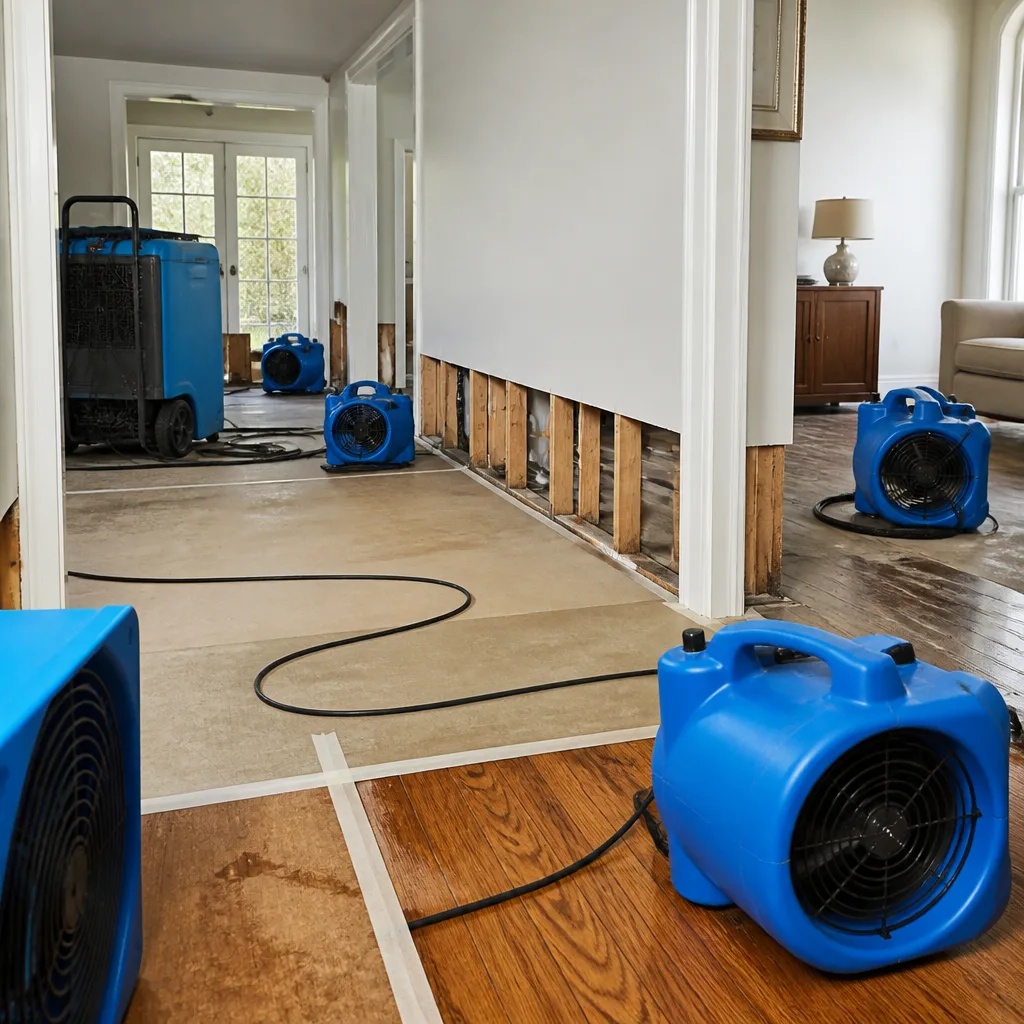
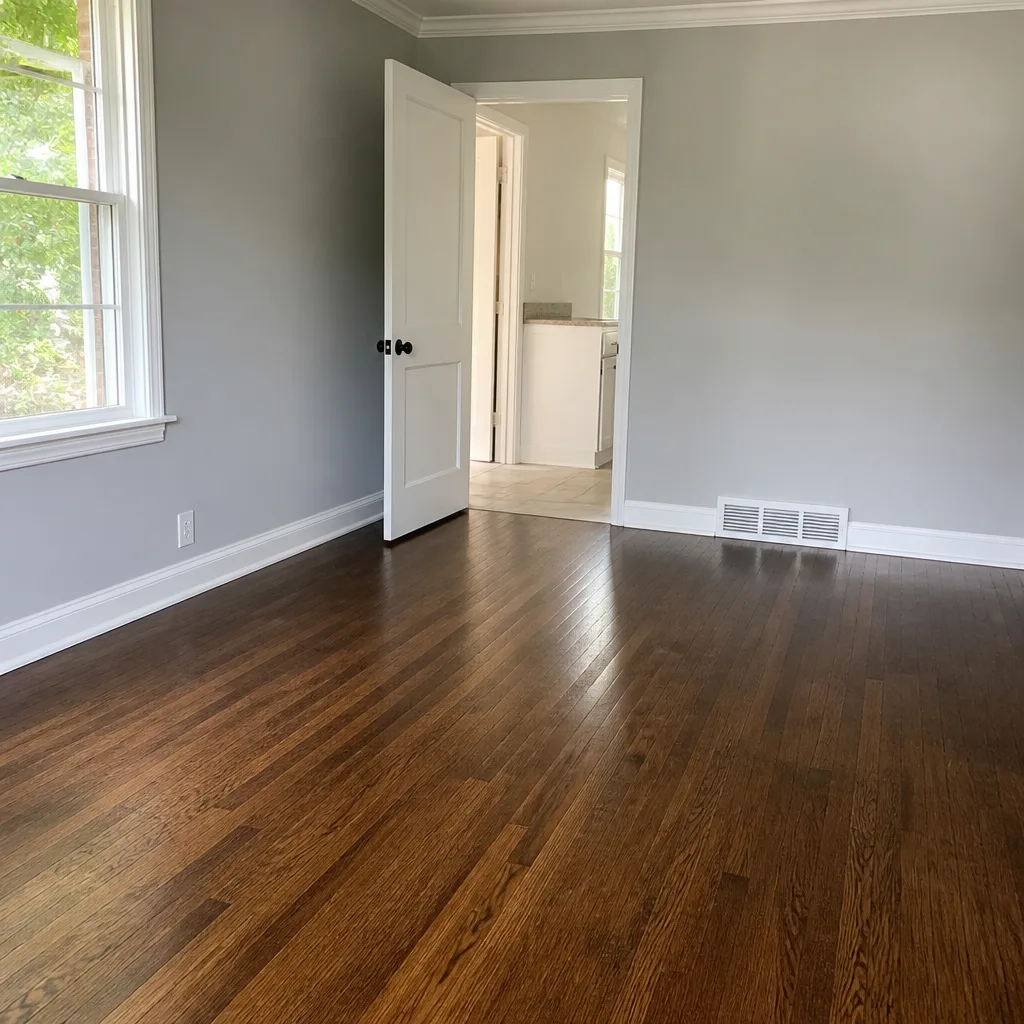
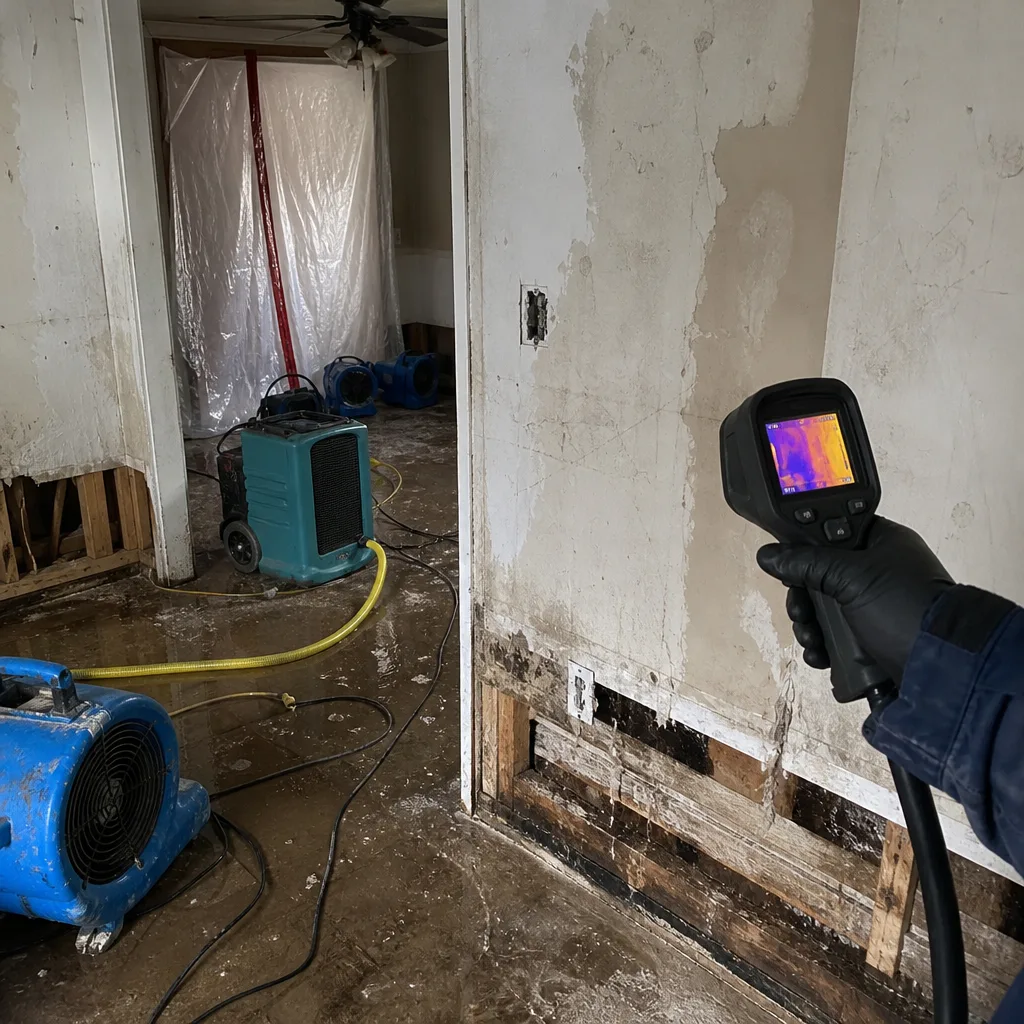 Before
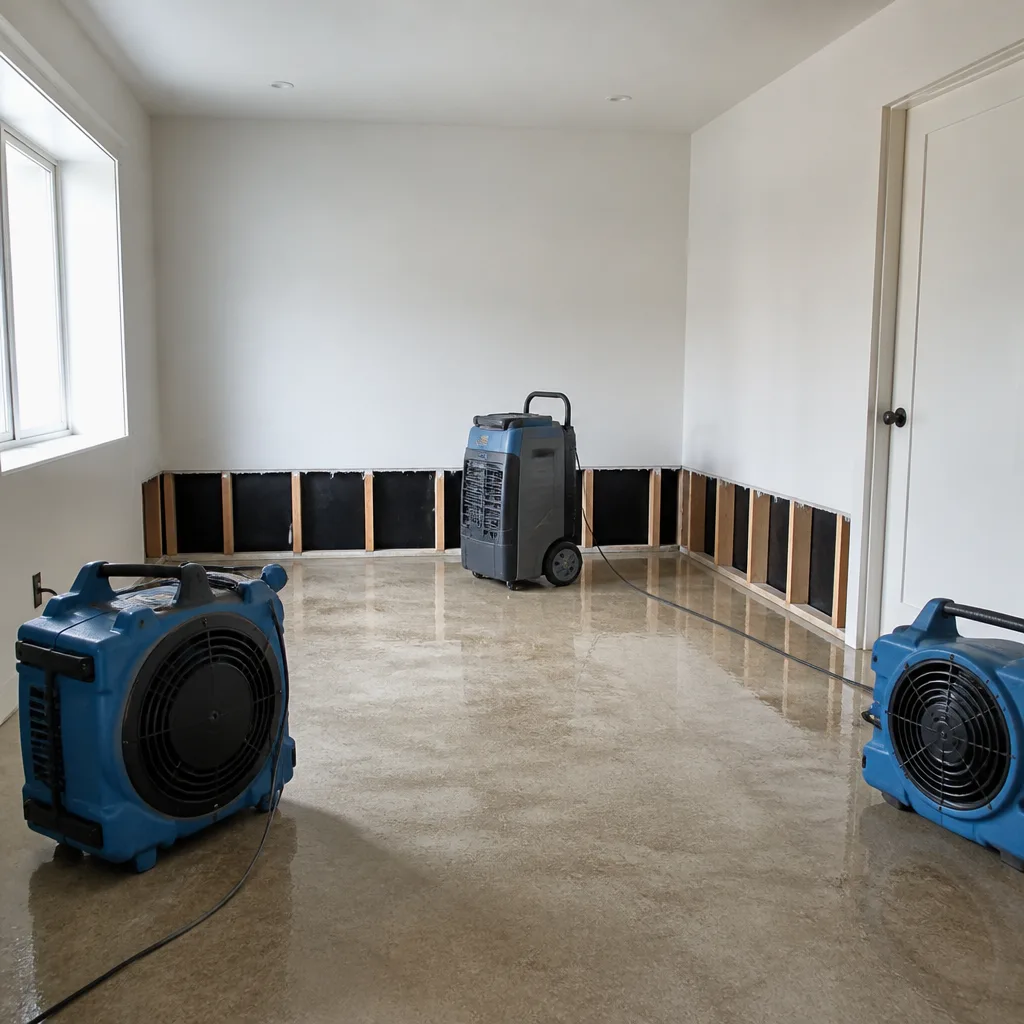 After
After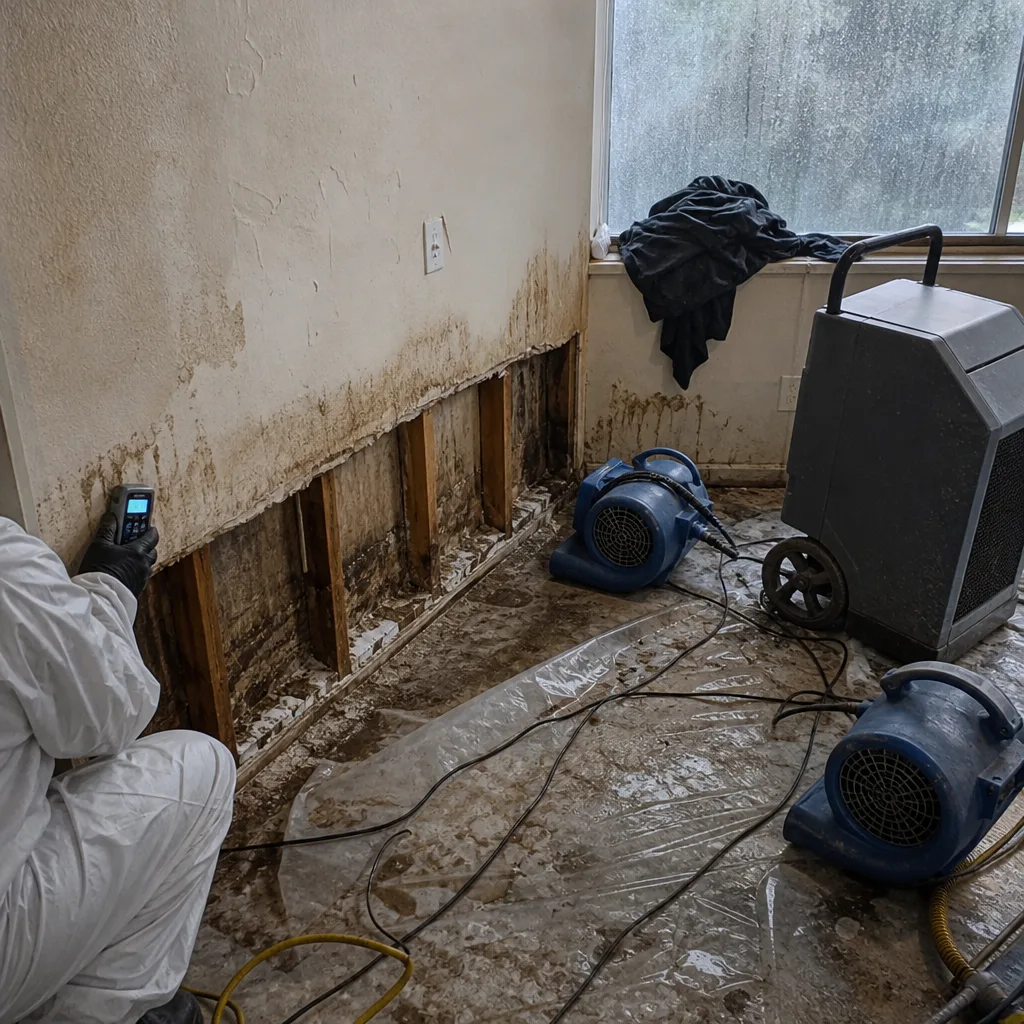 Before
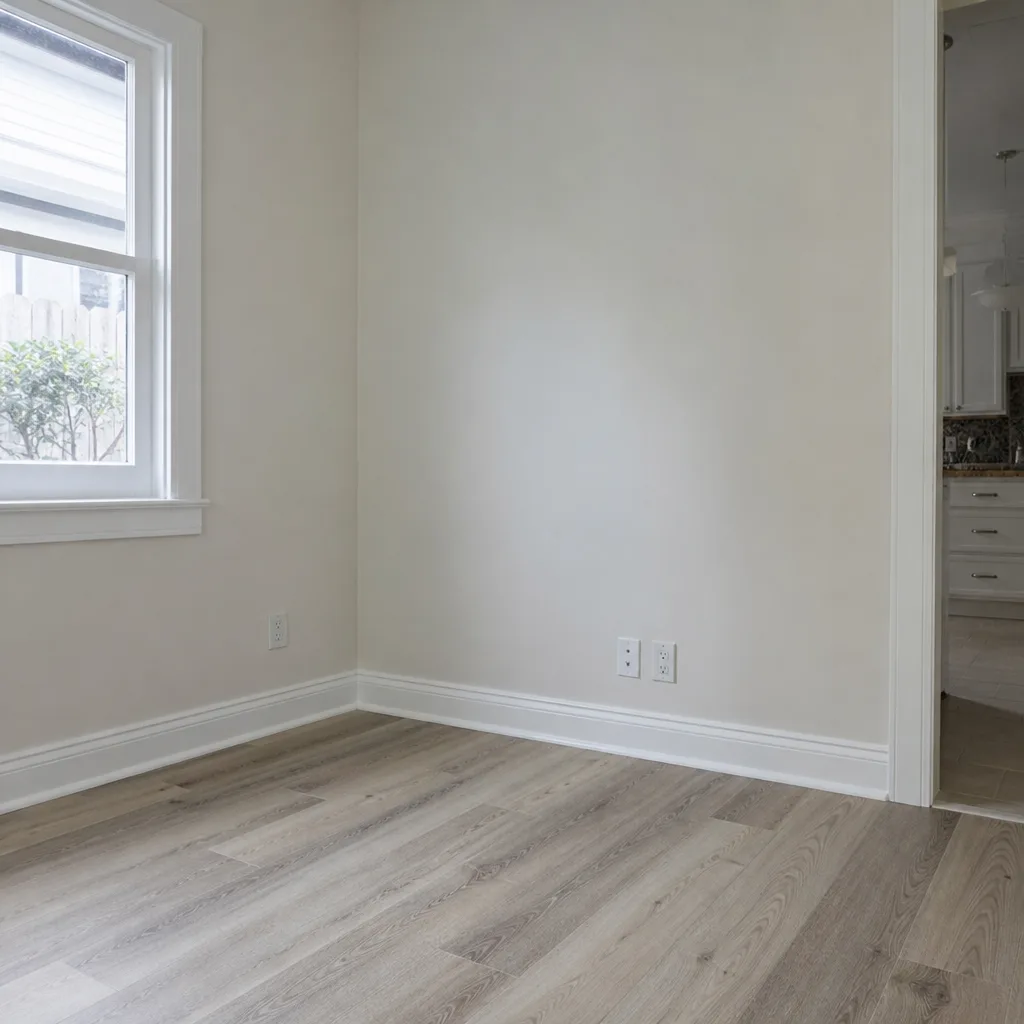 After
After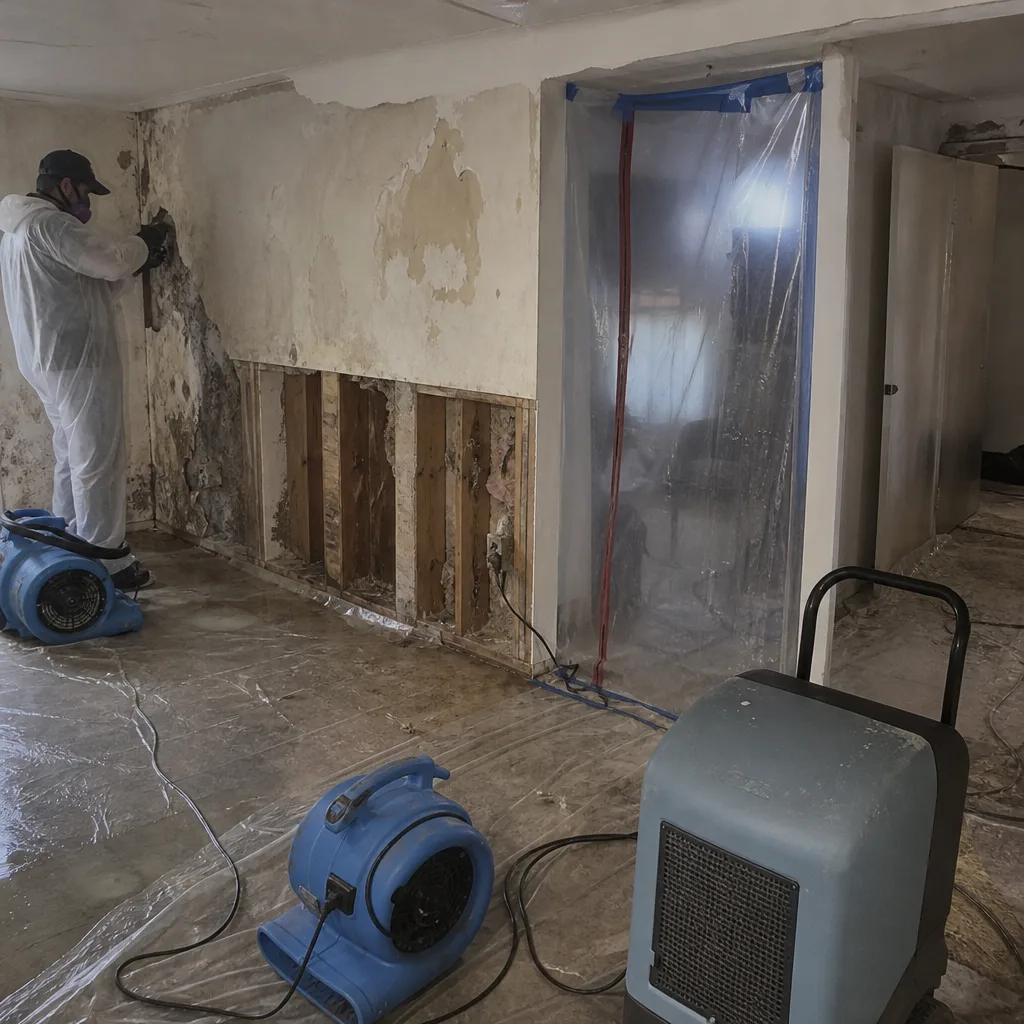 Before
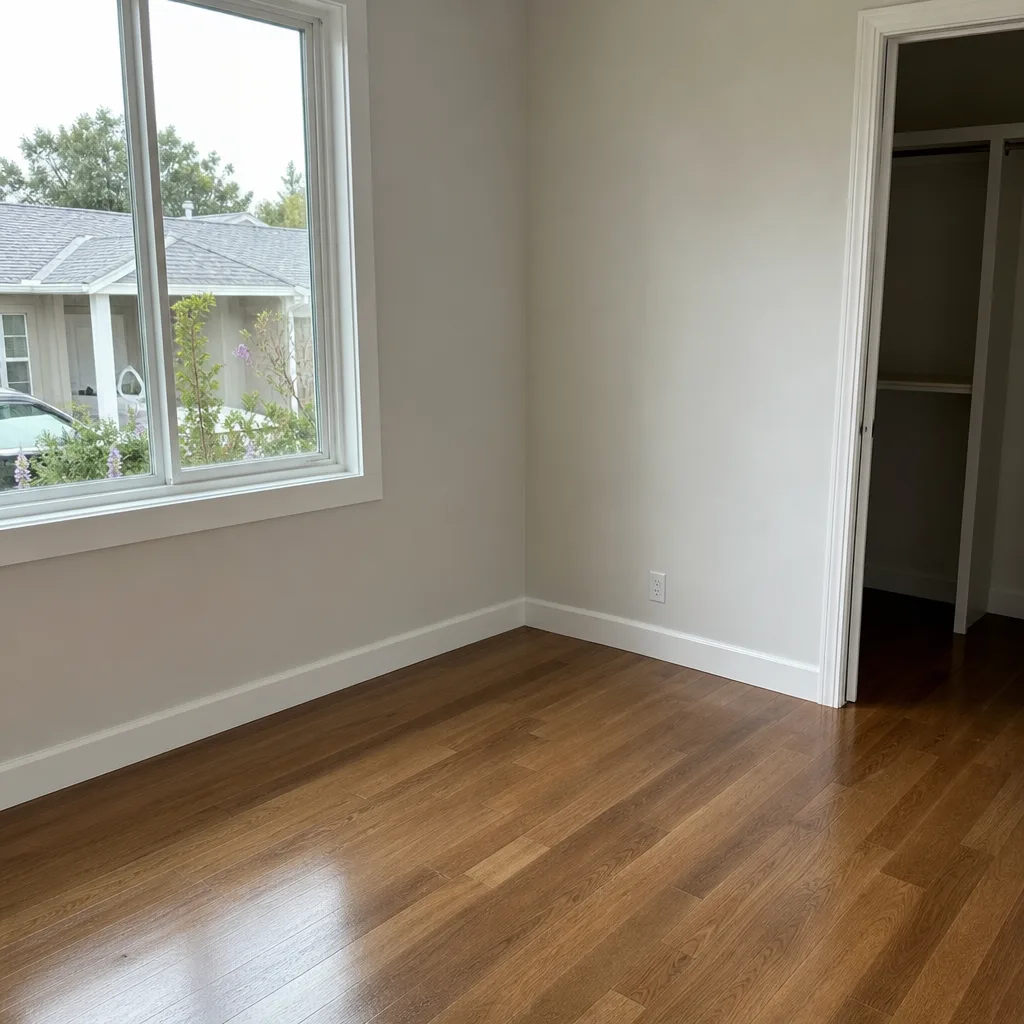 After
AfterThe Complete Fire Damage Restoration Guide for Los Angeles Homeowners
Even a small kitchen fire in a Los Angeles home can deposit char and smoke compounds into the HVAC system, spreading soot to every room. If restoration crews clean visible surfaces without scoping the ductwork first, the smell returns within weeks of move-in. In our experience across Los Angeles, from Sherman Oaks to Silver Lake, we’ve seen homeowners spend thousands on cosmetic repairs only to discover their air ducts were still pumping wildfire smoke particulates or structure-fire soot through “restored” rooms. This guide explains what Fire Damage Restoration actually involves in Los Angeles, why local building materials and California regulations change the playbook, and how to read a scope of work before signing anything.
Quick Answer
Fire damage restoration in Los Angeles typically costs $4,500 to $25,000 for residential properties, depending on whether the fire was contained to one room or involved structural elements. A complete restoration includes emergency board-up, water removal from fire suppression, soot and odor remediation, HVAC cleaning, debris disposal per California environmental codes, and reconstruction. In Los Angeles, crews must also account for wildfire smoke infiltration, stucco and tile construction that traps odor compounds, and Cal Fire documentation requirements for insurance claims.
Table of Contents
- Types of Fire Damage Los Angeles Homes Face
- The Fire Damage Restoration Process Step by Step
- How Los Angeles Building Materials Affect Restoration
- California Regulations and Debris Disposal Requirements
- Insurance Documentation and the Cal Fire Report
- How to Read a Scope of Work Before Demolition
- What Fire Damage Restoration Costs in Los Angeles
- Common Mistakes to Avoid
- When to Call a Professional
- Frequently Asked Questions
Types of Fire Damage Los Angeles Homes Face
Not all fire damage is the same. The restoration approach for a grease fire in a Venice bungalow differs sharply from wildfire smoke infiltration in a Pasadena hillside home. Understanding which type of damage you’re dealing with determines everything from cleaning chemistry to disposal permits.
Structure Fires
These originate inside the home: kitchen grease fires, electrical panel failures, space heater incidents, or candle accidents. Structure fires produce complex soot containing plastics, synthetic fabrics, and building materials that create acidic residues. Within hours, this soot begins etching glass, corroding metal, and staining porous surfaces. In Los Angeles, where many homes built between 1940 and 1980 contain asbestos-containing materials or lead-based paints, structure fires also raise immediate hazmat concerns during demolition.
Wildfire Smoke Infiltration
Los Angeles faces extended wildfire seasons, and homes miles from the fire line often sustain significant smoke damage. Wildfire smoke differs chemically from structure fire smoke. It contains burned vegetation, soil particulates, and sometimes fire retardant chemicals dropped from aircraft. These compounds are alkaline rather than acidic, meaning the wrong cleaning agent can set odors permanently. We’ve treated homes in the San Fernando Valley where wildfire smoke sat in attic insulation for weeks because the homeowner didn’t realize infiltration had occurred.
Protein Fires
Burnt food, especially meat and fish, releases nearly invisible residue that coats surfaces with a stubborn, rancid film. These fires often cause more odor damage than visible damage, and standard cleaning methods fail because protein residues require enzymatic breakdown rather than solvent cleaning.
Secondary Water Damage
Every structure fire involves water from suppression efforts. In Los Angeles, where many homes have finished basements or crawl spaces in hillside construction, this water often pools unseen. Within 24 to 48 hours, untreated moisture triggers mold growth. Our crews use Dri-Eaz and Phoenix dehumidification systems with Injectidry cavity drying to address this before it becomes a second major claim.
The Fire Damage Restoration Process Step by Step
IICRC-certified restoration follows a documented sequence. Here’s what happens when a qualified crew arrives at a Los Angeles fire damage scene:
- Emergency contact and immediate response. A live person answers your call, gathers critical details, and dispatches a crew. We document the initial conversation for your insurance file.
- Inspection and fire damage assessment. Technicians evaluate structural integrity, identify the fire type, test soot composition, and locate hidden water damage. This includes HVAC scope and attic inspection.
- Immediate board-up and roof tarping. Openings are secured to prevent weather intrusion and unauthorized entry. In Los Angeles, where rain following fire season can cause additional damage, this step is time-critical.
- Water removal and drying. Extraction of fire suppression water using professional-grade equipment, followed by psychrometric monitoring until moisture readings return to normal.
- Removal of smoke and soot from all surfaces. This includes walls, ceilings, fixtures, and contents. The cleaning chemistry varies by fire type and surface material.
- Cleaning and sanitizing. Odor removal using thermal fogging, ozone treatment, or hydroxyl generators depending on occupancy status and material sensitivity.
- Restoration and rebuild. Return of the property to pre-loss condition, which may involve minor repairs or full reconstruction.
Each step is photographed, logged, and formatted to support your insurance claim. The Garrison Standard requires that the full scope be written and priced before any demolition or irreversible work begins.
How Los Angeles Building Materials Affect Restoration
Los Angeles construction differs significantly from Midwest or East Coast norms, and these differences change how fire damage behaves and how restoration crews must respond.
Stucco Exteriors
Stucco is porous and absorbs smoke odor compounds to a depth that surprises many contractors. Surface cleaning or repainting without proper chemical neutralization leaves odor reservoirs that reactivate during hot Santa Ana wind days. We’ve restored homes in Los Feliz where previous contractors painted over smoke-damaged stucco; the smell returned within two months. Proper restoration requires application of odor-counteracting agents that penetrate the full stucco thickness, sometimes requiring removal and reapplication of the finish coat.
Clay Tile Roofs
Traditional Spanish and Mission tile roofs common in Los Angeles neighborhoods from Hancock Park to Highland Park create complex attic ventilation patterns. Smoke infiltrates through tile gaps and soffit vents, then settles in insulation and on rafters. Tile roofs also complicate emergency tarping; crews familiar only with asphalt shingle techniques often create additional water intrusion points. Our technicians are trained in both tile-safe tarping methods and the specific attic inspection protocols these roofs require.
Open Floor Plans and High Ceilings
Mid-century modern homes throughout Los Angeles feature open plans and vaulted ceilings that allow smoke to travel farther and settle higher than in compartmentalized traditional homes. Restoration requires lift equipment and often involves cleaning surfaces 15 to 20 feet above floor level that would be irrelevant in a standard eight-foot-ceiling home.
Older Electrical and HVAC Systems
Many Los Angeles homes still operate original electrical panels and ductwork from the 1960s or earlier. Fire damage often reveals pre-existing hazards that must be addressed during restoration. We document these findings photographically for insurance and permit purposes.
California Regulations and Debris Disposal Requirements
California imposes environmental regulations that directly affect fire restoration scope and cost. Contractors who ignore these requirements expose homeowners to liability and permit denials.
Hazardous Materials Identification
Fire-damaged homes built before 1980 likely contain asbestos in flooring, insulation, or textured ceiling materials. Fire damage frequently releases these materials in friable form. California law requires asbestos survey and abatement by licensed contractors before demolition. We’ve seen Los Angeles homeowners accept low bids from unlicensed crews who demolished asbestos-containing materials illegally, leaving the owner liable for California Air Resources Board penalties and future disclosure issues.
Fire Retardant Chemical Disposal
Homes in wildfire-adjacent areas may have been exposed to aerial fire retardants containing ammonia phosphate compounds. These require specific disposal pathways and cannot be landfilled with standard construction debris. Your scope of work should explicitly address whether testing and specialized disposal are included.
Debris Hauling and Manifest Requirements
Structural fire debris in Los Angeles County requires waste manifest documentation tracking from origin to final disposal. Reputable contractors include this in their scope. Ask to see the disposal facility’s acceptance letter for fire-damaged materials.
Air Quality Permits for Ozone and Thermal Fogging
Odor treatment equipment that generates ozone or uses petroleum-based thermal fogging compounds may require South Coast Air Quality Management District notification or permits in certain Los Angeles zones. Professional crews know when these apply and handle the paperwork.
Insurance Documentation and the Cal Fire Report
California fire claims involve documentation requirements that differ from standard homeowner claims. Understanding these upfront prevents delays and coverage disputes.
For any fire involving structural damage in Los Angeles, your insurance adjuster will require a Cal Fire incident report number or local fire department incident number. This number must appear on all damage assessments, restoration scopes, and contractor invoices. Without it, claim processing stalls. We obtain this number during our initial site inspection and include it on every document we generate.
Photographic documentation requirements are also more extensive for fire claims than for water damage. Insurers expect:
- Pre-demolition photos of all affected areas, including serial numbers of damaged appliances
- Photos of the fire origin point before any disturbance
- Documentation of water damage from suppression efforts
- Contents inventory with condition assessment for salvageable vs. total loss items
- HVAC inspection photos showing duct contamination
Our crews photograph every stage and format these images to match major insurer submission requirements. We also coordinate directly with adjusters to prevent the back-and-forth that delays restoration starts by weeks.
California law allows policyholders to choose their own restoration contractor rather than accepting the insurer’s preferred vendor. This matters because preferred vendor programs sometimes prioritize cost control over complete restoration. Your scope of work is your protection.
How to Read a Scope of Work Before Demolition
The scope of work is the contract’s technical heart. It should list every task, material, and verification method. Before you authorize demolition, demand a written document that includes these elements:
| Line Item | What to Verify | Common Omission |
|---|---|---|
| Emergency board-up | Specific openings covered, materials used, weatherproofing method | Roof tarping not specified separately; cheap tarps fail in rain |
| Water extraction and drying | Equipment type, daily moisture readings, drying endpoint criteria | No psychrometric logs; “dry to touch” instead of meter-verified |
| HVAC inspection and cleaning | Duct camera inspection, register removal, coil cleaning | Omitted entirely; biggest source of return odors |
| Soot and smoke remediation | Cleaning chemistry by surface type, odor treatment method | Generic “clean walls” without chemistry specification |
| Contents cleaning | On-site vs. pack-out, ultrasonic or other specialized methods | Assumed salvageable without assessment; no storage location named |
| Debris disposal | Asbestos abatement included, waste manifest provided, disposal facility named | Dump fees estimated instead of fixed; hazmat not addressed |
| Reconstruction | Specific materials, finishes matching pre-loss, permit responsibility | “Restore to pre-loss condition” without material specification |
| Guarantee terms | Duration, coverage scope, response time for callback | Verbal only; no written document |
At Keegan Water Damage Restoration in Los Angeles, we deliver this document before any work begins. The price on that document is the price you pay. Change orders only occur for genuinely unforeseen conditions discovered during work, and even then, they’re written and signed before proceeding.
What Fire Damage Restoration Costs in Los Angeles
Pricing varies by fire type, square footage, and whether reconstruction is included. These ranges reflect our experience across Los Angeles neighborhoods from the Westside to the San Gabriel Valley:
- Minor smoke damage, single room: $2,500 – $5,500 (cleaning, odor treatment, contents restoration)
- Moderate fire damage, multiple rooms, no structural rebuild: $5,500 – $15,000 (includes water extraction, soot remediation, HVAC cleaning)
- Significant structural fire with rebuild: $15,000 – $60,000+ (full restoration including reconstruction, permits, finish matching)
- Wildfire smoke infiltration, whole-house: $4,000 – $12,000 (attic insulation replacement, duct cleaning, surface treatment often required)
Factors that increase cost in Los Angeles specifically: asbestos abatement requirements, hillside access complications for debris hauling, permit expediting fees, and the higher finish quality expectations common in the market. Factors that should not increase cost after work starts: contractor discovery of “unexpected” conditions that a competent initial inspection should have identified.
We provide written estimates at no charge. Call (361) 317-7269 to schedule an inspection.
Common Mistakes to Avoid
- Starting cleanup before documenting for insurance. Every surface you clean before photographing becomes an unsubstantiated claim. Wait for professional documentation or photograph everything yourself with timestamps.
- Hiring a contractor who won’t put the full scope in writing. Verbal promises and handshake agreements leave no recourse when odors return or finishes don’t match. The Garrison Standard exists because we’ve seen what happens without it.
- Ignoring the HVAC system. In Los Angeles, where air conditioning runs six months or more, contaminated ductwork circulates soot continuously. Cleaning visible surfaces while neglecting ducts guarantees callback odors.
- Using standard household cleaners on soot. Many soot residues are oil-based and smear when wet-cleaned with consumer products. Incorrect chemistry can also set stains permanently. Professional-grade cleaning agents are matched to the specific fire type.
- Accepting the lowest bid without verifying disposal compliance. Illegal debris disposal in Los Angeles exposes the homeowner to CARB and local enforcement action. Verify your contractor’s disposal documentation.
- Moving back in before odor verification. Nose fatigue sets in quickly; homeowners stop smelling odors that visitors detect immediately. Objective verification using air sampling or third-party inspection prevents premature move-in.
- Assuming wildfire smoke damage is “just smell.” Wildfire particulates include PM2.5 and chemical compounds that affect respiratory health. Surface cleaning without filtration system upgrade may leave health hazards in place.
When to Call a Professional
Call a certified fire restoration contractor immediately if: the fire involved structural elements or roofing; smoke traveled beyond the fire room; fire suppression water pooled in any area; you smell smoke odor more than 24 hours after the fire; or your home was exposed to wildfire smoke even without direct flame contact. In Los Angeles, where Santa Ana winds can drive wildfire smoke miles into urban areas, smoke infiltration often goes unrecognized until health symptoms or persistent odors appear.
Keegan Water Damage Restoration offers free estimates in Los Angeles. A live person answers every call, 24 hours a day, 7 days a week, including nights, weekends, and holidays. We’ll inspect your property, document damage to insurance standards, and deliver a written scope and price before any work begins. Call (361) 317-7269.
Frequently Asked Questions
Minor smoke damage with cleaning only typically takes 3 to 5 days. Moderate fire damage involving water extraction, soot remediation, and HVAC cleaning usually requires 1 to 2 weeks. Full reconstruction after significant structural fire damage can extend to 2 to 4 months depending on permit timelines and material availability. Call (361) 317-7269 for a timeline specific to your situation.
Most homeowner policies cover fire damage restoration, including smoke and soot remediation, water damage from suppression, and debris removal, up to policy limits. Coverage disputes typically arise around: pre-existing conditions, code upgrade requirements not included in standard policies, and contents valuation disagreements. Our documentation is formatted to support maximum legitimate claim recovery, and we coordinate directly with adjusters.
For minor smoke damage limited to one or two rooms, partial occupancy may be possible with containment barriers and air filtration. Any structural damage, significant soot contamination, or odor treatment involving ozone requires temporary relocation. Your insurance policy likely includes Additional Living Expenses coverage for this purpose; we document the necessity in writing for claim support.
Wildfire smoke contains burned vegetation, soil minerals, and sometimes fire retardant chemicals, creating alkaline residues. Kitchen fires produce protein or petroleum-based residues that are typically acidic. The cleaning chemistry, neutralization approach, and health considerations differ significantly. In Los Angeles, we test residue composition before selecting treatment protocols.
Ensure the fire department has cleared re-entry, avoid touching soot-covered surfaces to prevent oil transfer, open windows if weather permits and structural integrity allows, and photograph everything before any disturbance. Do not attempt to clean walls, ceilings, or contents yourself. Incorrect cleaning methods can permanently set stains and complicate professional restoration.
Returning odor almost always indicates incomplete initial remediation: untreated HVAC ducts, soot trapped in insulation or wall cavities, or cleaning that addressed surfaces without penetrating porous materials like stucco or unfinished wood. In Los Angeles homes with clay tile roofs, attic smoke reservoirs are a frequent culprit. Proper initial scope and inspection prevent this.
The Bottom Line
Fire damage restoration in Los Angeles demands more than standard cleaning. Wildfire smoke chemistry, stucco and tile construction that traps odors, California’s strict debris disposal rules, and insurance documentation requirements all shape what complete restoration actually involves. The homeowners who recover fastest are those who demand a written scope before work starts, verify their contractor’s disposal compliance, and ensure HVAC and attic inspection are included from day one. At Keegan Water Damage Restoration, we run every job to The Garrison Standard: written price before work begins, background-checked uniformed technicians, professional-grade Dri-Eaz, Phoenix, and Injectidry equipment, and the 365-Day Done Right Promise backing every repair. We’ve been part of the Garrison Partners family since 2005, and we answer our phones live, around the clock.
Call (361) 317-7269 for a free estimate in Los Angeles. We’ll put the full scope and price in writing before any work starts.
Written by Shane Pruitt, Owner at Keegan Water Damage Restoration, serving Los Angeles since 2005. For more guides & resources, visit our blog.