
Last updated October 11, 2026
Free visual inspection and a written scope of work before any mitigation begins - photos, moisture readings, and drying logs go in your claim file
The scope we write is the scope we bill. Anything new gets shown to you, in writing, before we touch it.
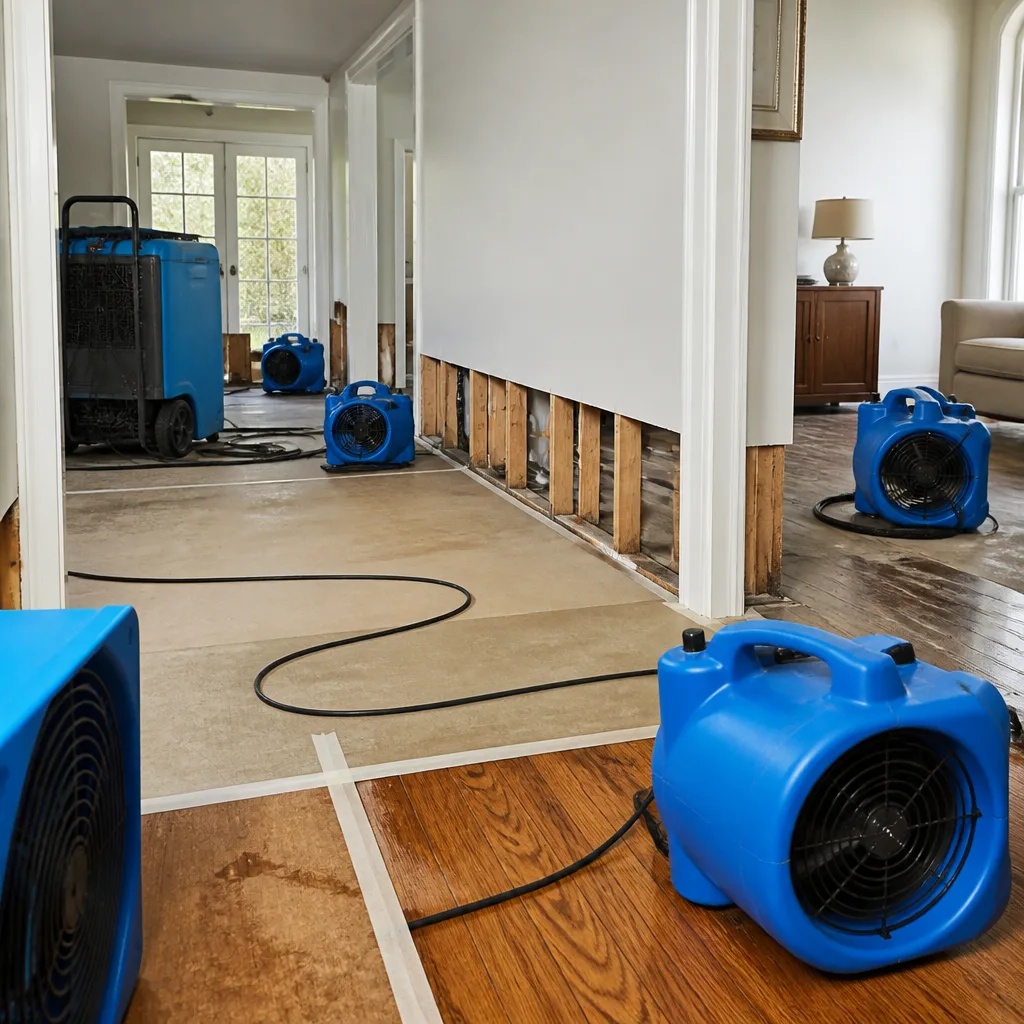
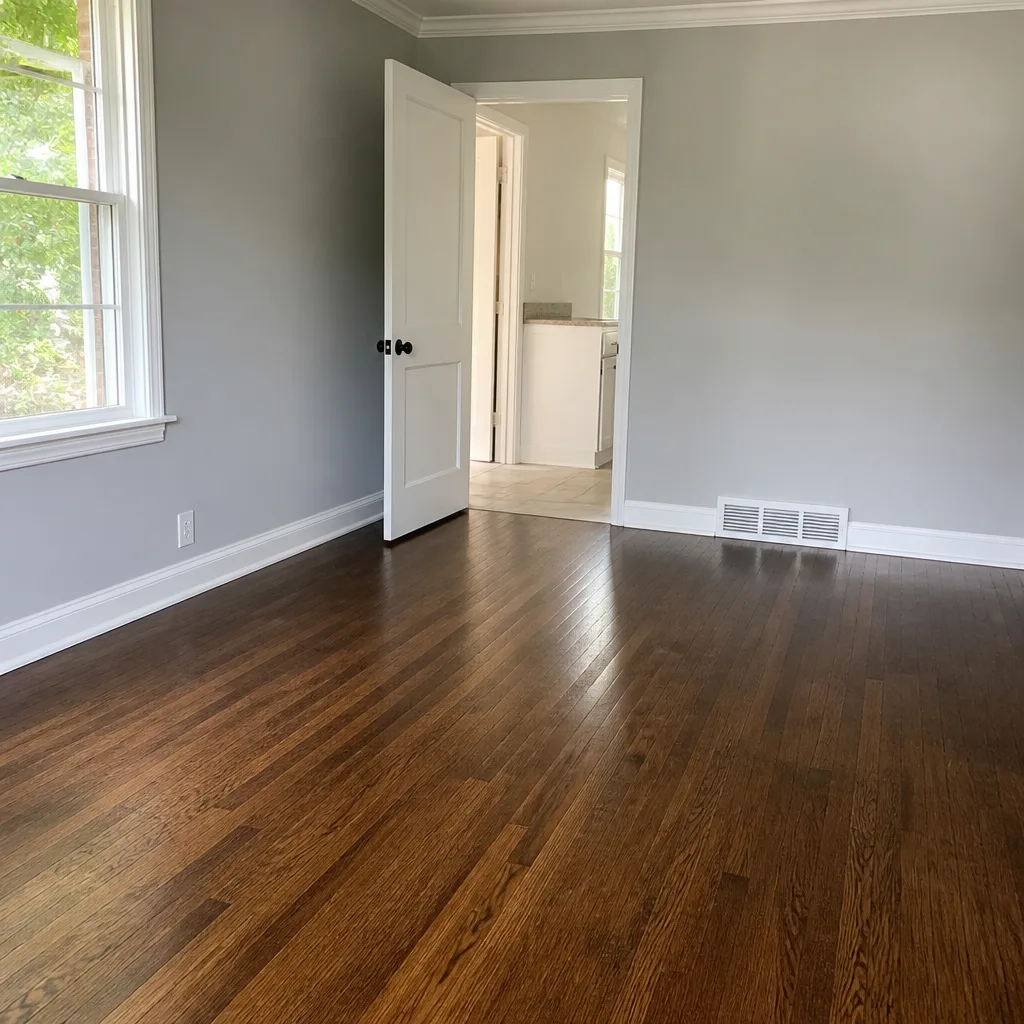
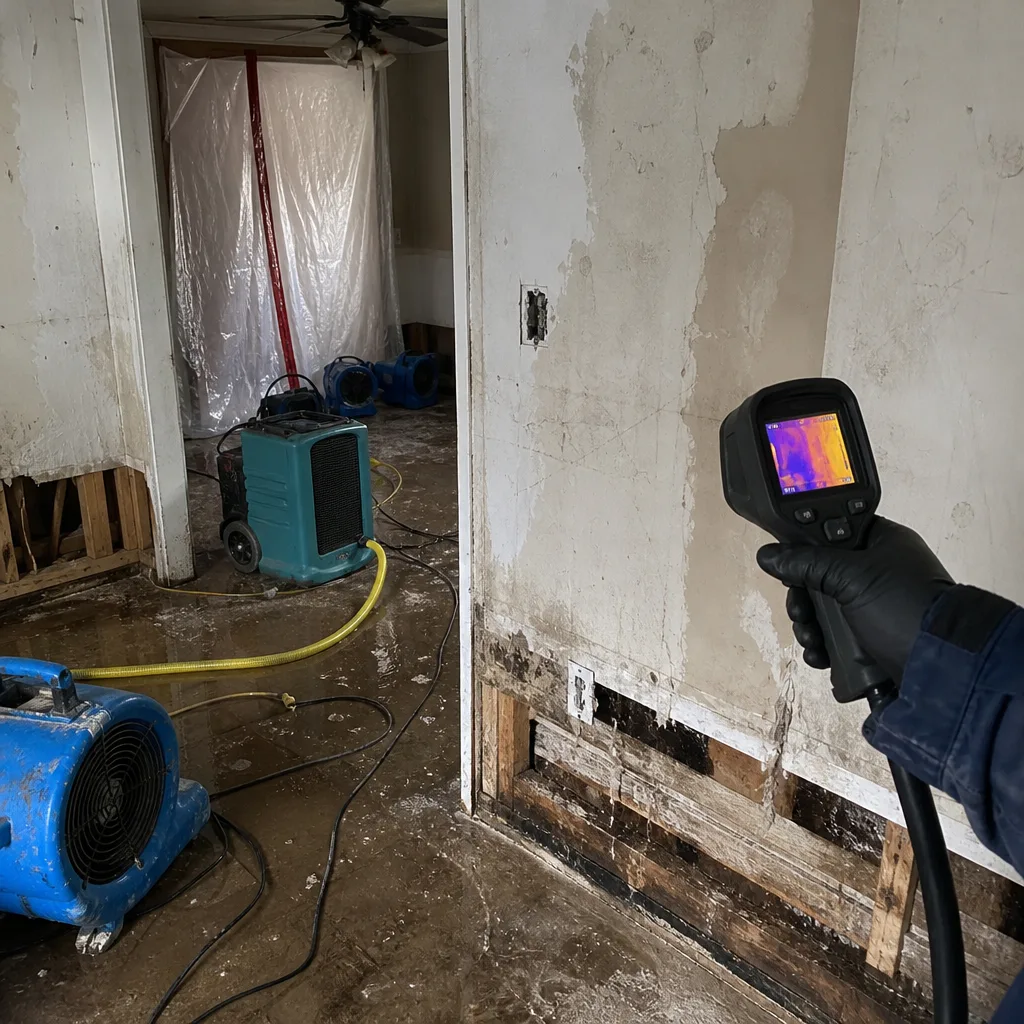 Before
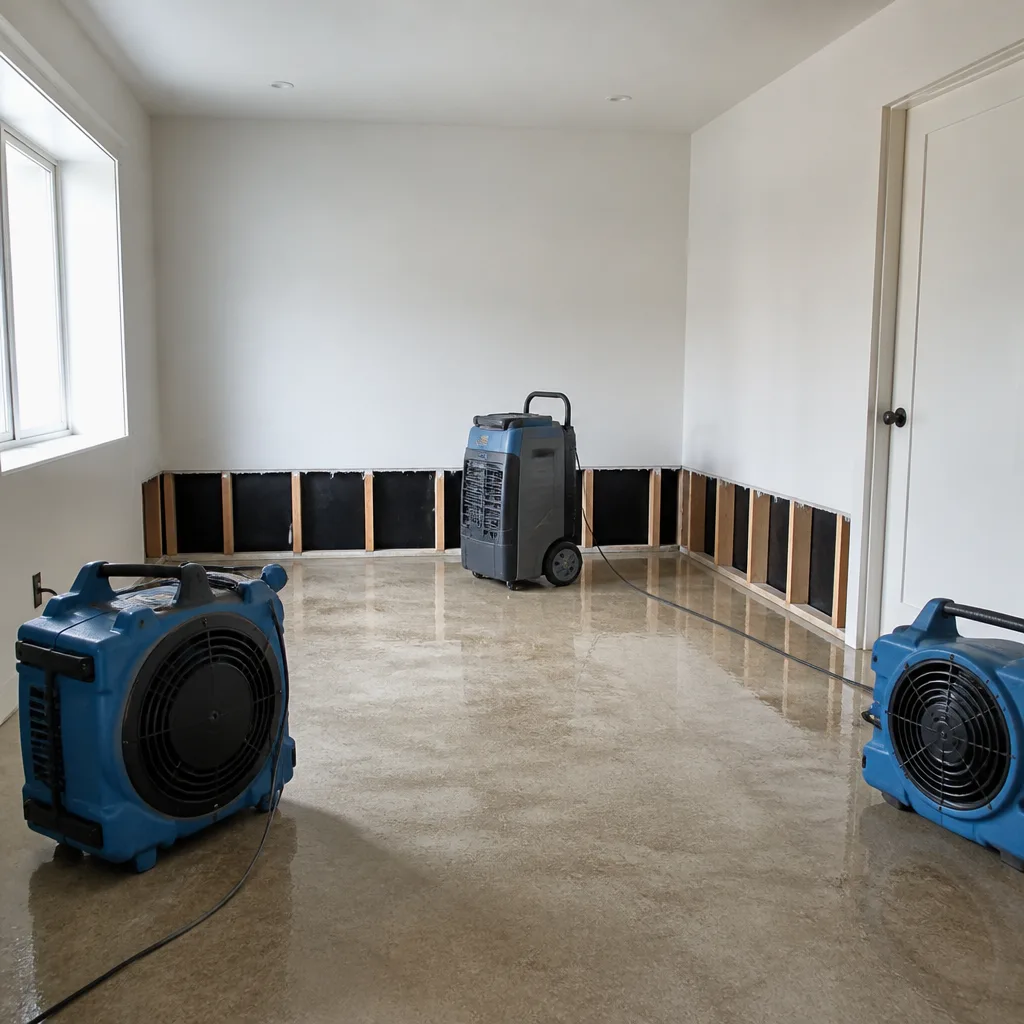 After
After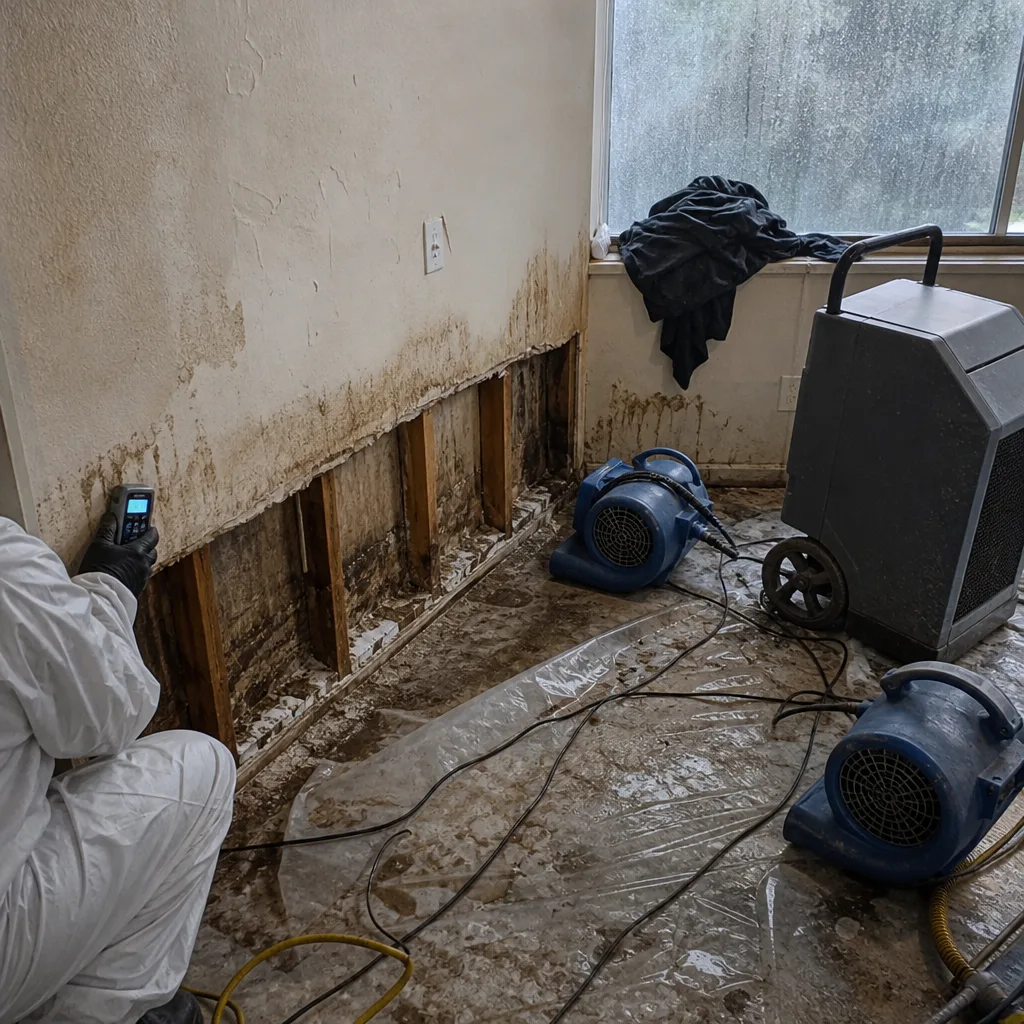 Before
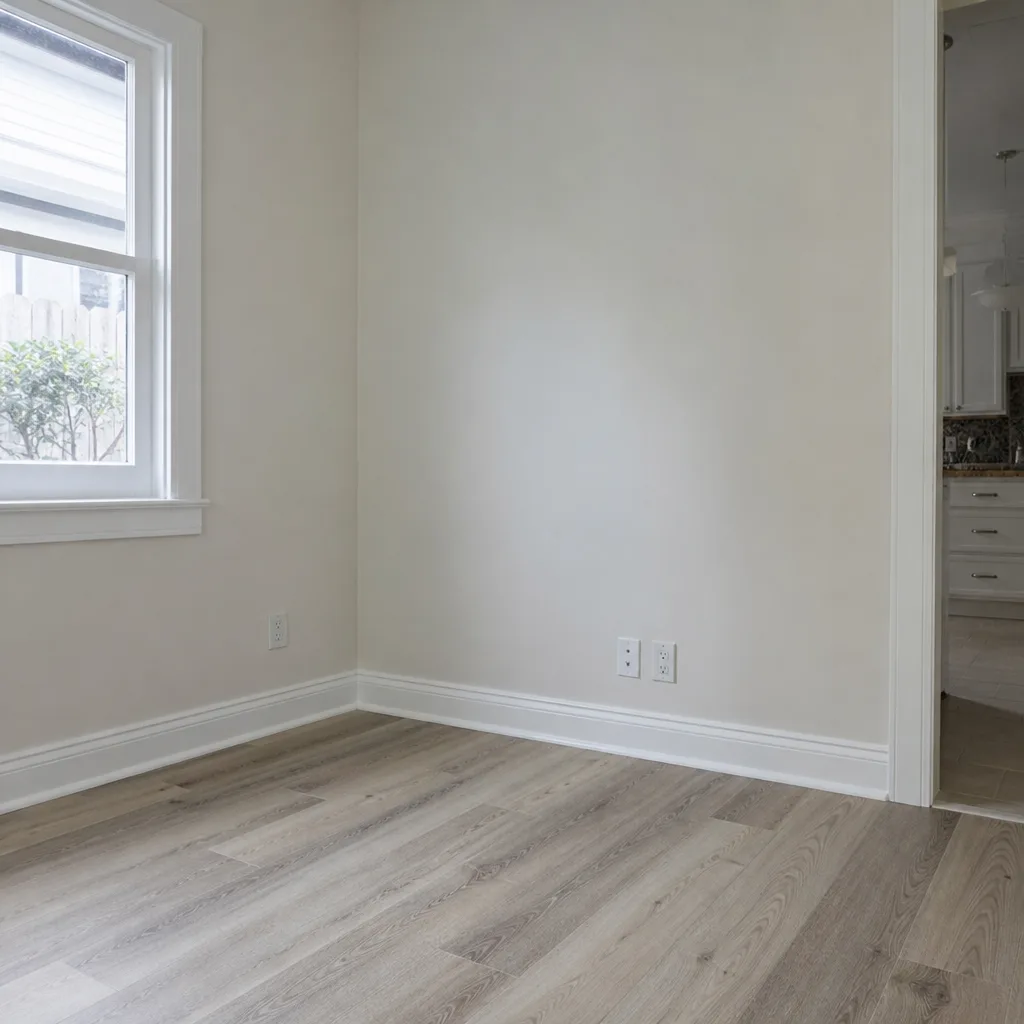 After
After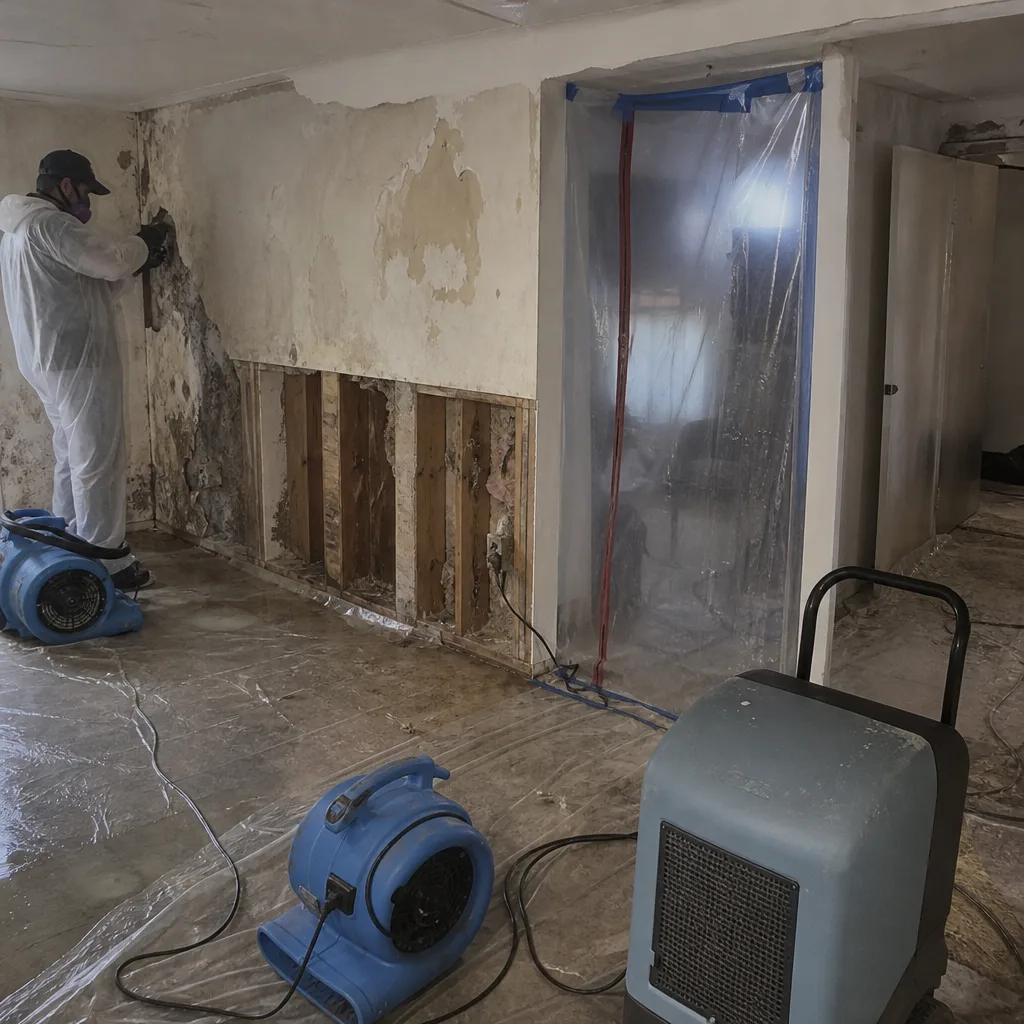 Before
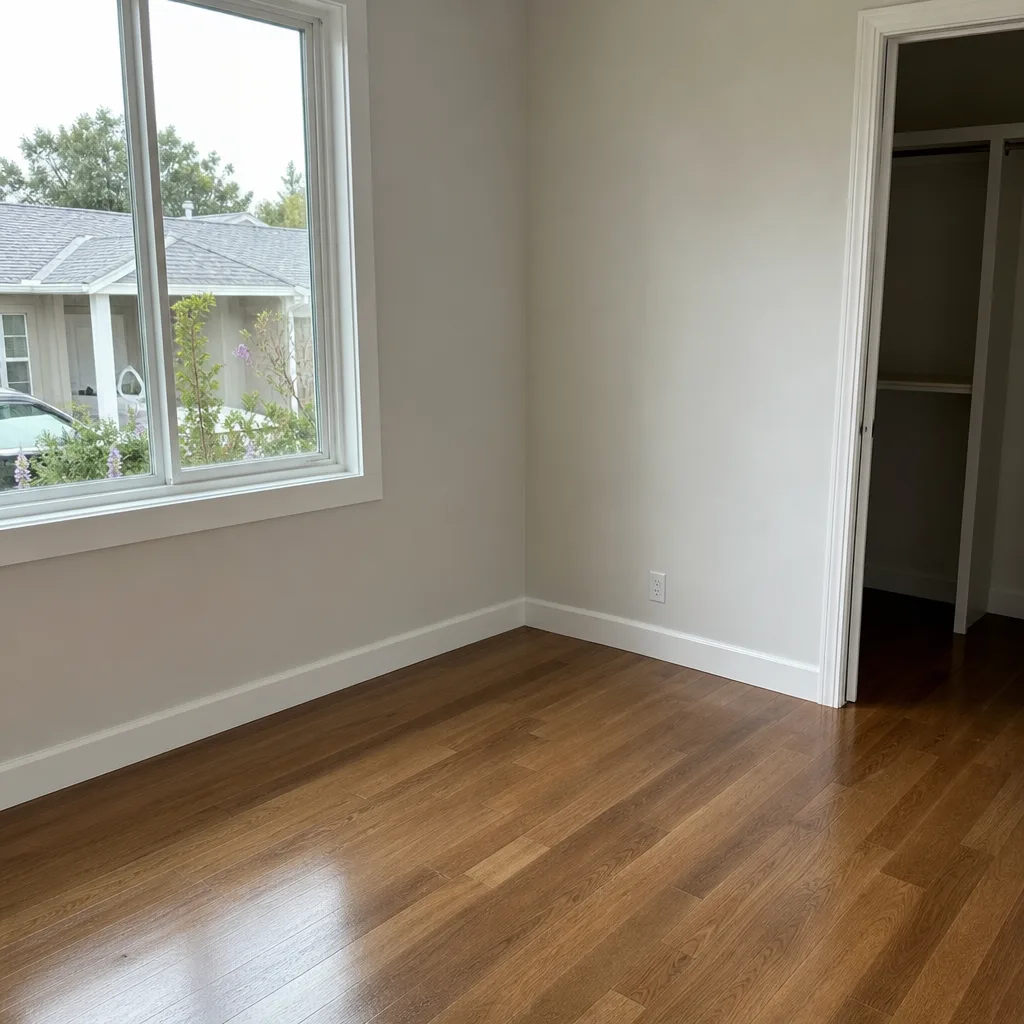 After
AfterDIY vs Professional Fire Damage Restoration: What’s Safe to Do Yourself
Here’s a truth most fire damage contractors in Los Angeles won’t say out loud: cleaning soot off your kitchen cabinets with the right degreaser is safe DIY work. Pulling out drywall that was adjacent to the fire zone is not. You cannot tell by looking whether the framing behind it is structurally compromised or whether the wiring running through it has melted insulation. In 2024 alone, the Los Angeles Fire Department responded to over 3,800 structure fires, and our crews have seen too many homeowners turn a contained kitchen fire into a six-figure rebuild because they crossed that line without knowing it existed. This guide draws that line in plain language – what you can handle, what requires professional assessment first, and what’s illegal to attempt yourself under California law. For tasks beyond your scope, our Fire Damage Restoration services provide licensed, documented restoration that protects both safety and insurance coverage.
Quick Answer
Homeowners can safely handle surface cleaning of non-porous items, light soot removal from hard surfaces, and sorting undamaged belongings for inventory – but only after the fire department has cleared the structure and the utility company has confirmed electrical and gas systems are safe. Any task involving structural materials, electrical components, HVAC systems, or materials requiring hazardous waste disposal must be performed by licensed professionals in Los Angeles. Attempting DIY work on these elements risks personal injury, code violations, and insurance claim denial.
Table of Contents
- What’s Safe to Do Immediately After the Fire Department Clears Your Home
- What’s Safe Only After Professional Assessment
- Never DIY: Tasks That Require Licensed Contractors Under California Law
- Why an N95 Mask Is Not Enough for Fire Cleanup
- How DIY Cleanup Can Compromise Your Insurance Claim
- The Real Cost Calculation: When DIY Saves Money and When It Costs You
- Los Angeles-Specific Fire Code and Disposal Requirements
- Common Mistakes to Avoid
- When to Call a Professional
- Frequently Asked Questions
What’s Safe to Do Immediately After the Fire Department Clears Your Home
The fire department’s clearance means the active emergency is over. It does not mean your home is safe to occupy or that all systems are functional. Before you touch anything, confirm with LAFD or your utility provider that electrical service is disconnected at the meter and gas is shut off at the main valve. In Los Angeles, where many homes in neighborhoods like Silver Lake and Echo Park date to the 1920s-1940s, original knob-and-tube wiring or aging gas lines can fail catastrophically even after the visible fire is out.
Once cleared, these tasks fall within safe DIY territory:
- Document everything with photos and video before moving or cleaning anything. Walk through room by room. Capture wide shots and close-ups. This inventory supports your insurance claim and establishes the baseline condition.
- Remove undamaged belongings from unaffected rooms. Smoke migrates surprisingly far, especially in Los Angeles’s tight hillside homes where shared ventilation channels carry particulates between floors. Move clean items to a garage, secondary property, or climate-controlled storage.
- Surface-clean non-porous items with mild detergent and warm water. Glass, sealed ceramics, metal fixtures, and sealed countertops can often be restored with simple cleaning. Test a small area first – some soot compositions react with common cleaners and set stains permanently.
- Place clean towels or old linens at entry points to prevent tracking soot into cleaner areas. Soot is chemically active and abrasive; grinding it into flooring causes secondary damage.
- Open windows and doors for ventilation if outdoor air quality permits. Check the South Coast Air Quality Management District (SCAQMD) alerts first – Los Angeles frequently experiences high ozone or wildfire particulate days that make outdoor air worse than what’s inside.
What we consistently see in our work across Los Angeles: homeowners who skip the documentation step and start cleaning immediately. They mean well. They’re trying to reclaim normalcy. But an adjuster cannot verify the original extent of damage if surfaces have already been wiped down, and some insurance policies contain clauses that reduce payouts when the policyholder has “altered the damage scene” before official inspection.
One more caution specific to our market: Los Angeles’s dense housing means many fires involve shared walls or common attic spaces in duplexes, triplexes, and condominium buildings. Your DIY cleaning in your unit does not address smoke infiltration into neighboring systems, and your HOA or neighboring owners may have legitimate claims that your insurance needs to coordinate. Starting cleanup without understanding these boundaries creates liability exposure.
What’s Safe Only After Professional Assessment
This middle category is where most homeowners get hurt – physically and financially. The tasks appear manageable. The materials look intact. But hidden damage makes them dangerous until a licensed contractor or structural engineer has signed off. If you’re weighing whether to tackle these yourself, see our comparison of DIY vs Professional Water Damage Restoration: What’s Safe to Do Yourself for parallel guidance on hidden-risk scenarios.
Drywall removal adjacent to fire zones. Fire travels through wall cavities along wiring, plumbing, and HVAC runs. The drywall face may look merely discolored while the paper backing is fully charred and the studs behind are compromised. In Los Angeles, where many homes have been remodeled multiple times with non-permitted additions, wall cavities may contain unexpected structural modifications or unprotected wiring that no longer meets code. We regularly find romex with melted insulation that appeared fine from the room side.
Subfloor inspection or removal in kitchen and utility fires. Water from fire suppression pools beneath flooring. In older Los Angeles homes with raised foundations common in areas like Highland Park and Atwater Village, this moisture creates immediate rot risk and attracts termites – but you cannot assess the framing below without pulling flooring, and you cannot safely pull flooring without knowing whether the joist system above the crawl space has been heat-weakened.
Cabinet and built-in removal. These are often structural elements in modern construction. Removing them without understanding load transfer can compromise countertop supports or adjacent wall stability. Additionally, cabinets conceal electrical outlets, gas shutoffs, and plumbing connections that may have been damaged.
Attic or roof space entry. Even “minor” kitchen fires frequently breach the ceiling plane through light fixtures or vent hood ducting. Los Angeles’s combination of flat roofs, low-slope torch-down membranes, and intense summer heat means fire-damaged roofing materials continue degrading after the active fire is out. Walking on a compromised roof structure has caused serious falls.
The assessment you need here is not a casual contractor walkthrough. For structural elements, you need a California-licensed structural engineer or a general contractor with A-grade fire restoration experience who will put their findings in writing. For electrical, you need a C-10 licensed electrician. For gas, a C-36 plumbing contractor. Keegan Water Damage Restoration coordinates these assessments as part of our standard fire restoration protocol – we don’t guess, and we don’t ask homeowners to guess either.
Never DIY: Tasks That Require Licensed Contractors Under California Law
California draws bright legal lines around fire damage restoration that many homeowners – and some unlicensed contractors – either don’t know or choose to ignore. Violations carry real penalties, including fines and personal liability if someone is injured.
Electrical system repair or replacement. Any work beyond resetting a tripped breaker requires a C-10 license. Fire-damaged panels, melted conductors, compromised junction boxes – all of these must be addressed by a licensed electrician, inspected by the Los Angeles Department of Building and Safety (LADBS), and signed off before service restoration. We’ve seen homeowners attempt panel replacement after “minor” garage fires and create arc-fault conditions that reignited hours later.
HVAC system cleaning, repair, or duct replacement. Fire smoke infiltrates ductwork and deposits acidic residues on metal surfaces. Running the system before professional cleaning distributes these contaminants throughout the home. In California, HVAC work on systems over a certain capacity requires C-20 or C-38 licensing, and duct replacement in fire scenarios must comply with Title 24 energy efficiency standards. Los Angeles’s LADBS enforces these requirements strictly.
Structural framing repair or replacement. Any load-bearing element that has been charred, even superficially, requires engineering evaluation and permitted repair. The California Building Code and Los Angeles Municipal Code specify maximum allowable char depths and repair methods. Unpermitted structural work voids most homeowners insurance policies and creates title issues on future sale.
Asbestos-containing material disturbance. Homes built before 1980 in Los Angeles frequently contain asbestos in drywall joint compound, floor tiles, pipe insulation, and roofing materials. Fire damage often friabilizes these materials, making them immediately hazardous. California requires asbestos survey and abatement by C-22 licensed contractors following Cal/OSHA and SCAQMD protocols. Homeowners who disturb asbestos without proper licensing face fines starting at thousands of dollars and personal liability for contamination of neighboring properties.
Hazardous waste disposal. Fire-damaged materials containing certain levels of heavy metals, treated wood, or chemical residues fall under California hazardous waste regulations. Disposal at standard construction and demolition facilities is illegal. Proper disposal requires manifest documentation and transport by certified waste haulers. In Los Angeles, the Sanitation Districts and SCAQMD coordinate enforcement, and illegal dumping – even by well-meaning homeowners – carries penalties.
Smoke and soot remediation requiring professional equipment. Surface cleaning with household products addresses visible residue. It does not address embedded particulate, acidic film on porous surfaces, or odor compounds that have bonded at the molecular level. For similar analysis of mold risks, read DIY vs Professional Mold Remediation: What’s Safe to Do Yourself. Professional restoration using thermal fogging, ozone treatment, or hydroxyl generation requires trained technicians and proper respiratory protection. Our crews use Phoenix and XPOWER air scrubbers with HEPA filtration, B-Air dehumidification systems, and Injectidry specialized drying equipment to achieve restoration standards that household methods cannot meet.
Why an N95 Mask Is Not Enough for Fire Cleanup
This is a point where well-intentioned guidance from hardware stores and online forums becomes dangerous. An N95 respirator filters 95% of airborne particles 0.3 microns and larger. Fire soot contains particles well below this threshold, and more critically, it contains polycyclic aromatic hydrocarbons (PAHs), heavy metals, and acidic compounds that adhere to surfaces and become resuspended during cleaning activities.
OSHA’s guidance for fire restoration work specifies minimum respiratory protection based on exposure assessment. For most post-fire environments, this means a half-face elastomeric respirator with P100 filters (99.97% efficiency at 0.3 microns) as baseline protection, escalating to powered air-purifying respirators (PAPRs) or supplied-air respirators in confined spaces or where airborne concentrations exceed permissible exposure limits.
The EPA’s fire recovery guidance for homeowners similarly cautions against relying on basic dust masks or N95s for interior fire cleanup. In Los Angeles, where wildfire smoke events have made N95s familiar household items, this confusion is particularly common. The N95 you wore during the 2025 Palisades fire smoke event protected against outdoor particulate. It does not protect against the concentrated, chemically complex residue inside a fire-damaged structure.
Additional PPE requirements most homeowners cannot meet: nitrile gloves rated for chemical exposure, not standard latex; eye protection with sealed edges; disposable coveralls with hoods to prevent skin contact with soot that can absorb through dermal layers; and proper decontamination protocols when exiting the work area. Our technicians at Keegan Water Damage Restoration follow IICRC S740 fire and smoke damage restoration standards for PPE, and we don’t send crews into fire-damaged structures without full respiratory protection – we certainly don’t recommend homeowners do so with less.
How DIY Cleanup Can Compromise Your Insurance Claim
Insurance claims after fire damage operate on documentation and duty to mitigate. Both concepts create traps for DIY cleanup efforts.
Duty to mitigate means you must take reasonable steps to prevent further damage – covering roof breaches, boarding windows, shutting off water to damaged plumbing. Insurance expects this and will deny secondary damage claims when homeowners fail to act. But “reasonable steps” does not mean full restoration efforts. There’s a critical distinction between emergency stabilization and damage remediation.
Documentation requirements mean the adjuster needs to see the damage as it existed immediately post-fire. Every surface you clean, every material you remove, every item you discard becomes evidence you cannot reproduce. In Los Angeles’s competitive insurance market, adjusters are increasingly strict about this. We’ve reviewed claims where homeowners’ good-faith cleanup reduced payouts by 30-50% because the adjuster could not verify original damage extent.
Specific scenarios we’ve encountered:
- A homeowner in Los Feliz discarded smoke-damaged clothing before inventory, losing thousands in contents coverage because the adjuster required physical verification.
- A Venice homeowner pulled water-damaged drywall before mold testing, and the insurer denied the mold remediation rider because the homeowner had “altered the conditions that would have established coverage trigger.”
- A Pasadena homeowner cleaned soot from what they believed were “just cabinets,” but the cleaning removed the visual evidence of heat damage that would have supported full replacement rather than refinishing.
The correct sequence: document thoroughly, notify your insurer immediately, obtain written scope from a licensed restoration contractor before beginning any work beyond emergency stabilization, and ensure all work is photo-documented with timestamps. Keegan Water Damage Restoration formats every job documentation package specifically for insurance submission – itemized scopes, photo logs, moisture readings, and equipment placement records that satisfy adjuster requirements without dispute.
One Los Angeles-specific consideration: California’s FAIR Plan, which covers many homes in high fire-risk areas including substantial portions of the Santa Monica Mountains, Topanga, and Malibu, has particularly strict documentation requirements and shorter claim filing windows. FAIR Plan policyholders who delay professional assessment to attempt DIY cleanup often miss critical deadlines.
The Real Cost Calculation: When DIY Saves Money and When It Costs You
Let’s be direct about money. Professional fire restoration is not inexpensive. In Los Angeles, where labor rates, permit fees, and disposal costs exceed national averages, a moderate kitchen fire with smoke damage throughout a single-story home typically runs $15,000-$45,000 for professional restoration. Major structural fires start at $50,000 and escalate rapidly. Facing these numbers, DIY cleanup looks like potential savings.
But the calculation must include risk-adjusted cost, not just visible expense.
| Task | DIY Cost Range | Professional Cost Range | Risk If DIY Goes Wrong |
|---|---|---|---|
| Surface cleaning of non-porous items | $50-$200 (supplies) | $500-$1,500 | Low – possible staining if wrong cleaner used |
| Light soot removal from hard surfaces | $100-$400 | $1,000-$3,000 | Moderate – acid etching if residue left too long |
| Drywall removal in fire-adjacent areas | $200-$600 (tools, disposal) | $3,000-$8,000 | Severe – structural compromise, electrical shock, code violation, claim denial |
| HVAC duct cleaning/replacement | Not legally possible DIY | $2,500-$7,500 | N/A – requires licensed contractor |
| Electrical panel or circuit replacement | Not legally possible DIY | $1,500-$5,000 | N/A – requires C-10 license |
| Asbestos abatement | Not legally possible DIY | $5,000-$25,000+ | N/A – requires C-22 license; illegal DIY carries criminal penalties |
| Full structural restoration with permits | Not possible without licenses | $25,000-$150,000+ | N/A – requires A-grade contractor, structural engineer, LADBS permits |
The genuine financial risk of DIY on prohibited tasks: claim denial for unlicensed work, personal liability for injuries to others, fines for code violations, and the cost of redoing work that failed inspection. We’ve been called to jobs where homeowners spent $8,000 on DIY cleanup, were denied insurance reimbursement, then spent $35,000 for professional remediation of the same damage plus secondary issues their work created. The “savings” became additional cost.
Our recommendation at Keegan Water Damage Restoration: handle the safe category yourself, use professional assessment for the middle category, and never attempt the prohibited category. Explore more guides & resources on our blog for detailed breakdowns of each damage type. When you call us at (361) 317-7269, we provide written pricing before any work begins – you’ll know exactly where professional investment is required and what it costs, with no surprise escalation.
Los Angeles-Specific Fire Code and Disposal Requirements
Los Angeles operates under layered regulatory authority: California state codes, Los Angeles Municipal Code, Los Angeles County Code for unincorporated areas, and SCAQMD rules for air quality and hazardous materials. Fire restoration contractors must navigate all of these simultaneously.
Permit triggers. LADBS requires permits for any structural repair, electrical work, plumbing work, or HVAC modification following fire damage. Emergency repairs can proceed without permit if they address immediate life safety hazards, but must be permitted within 72 hours. Unpermitted work must be removed and redone – at the property owner’s expense – if discovered during sale inspection or insurance review.
Asbestos and lead. Pre-1980 homes in Los Angeles require asbestos survey before demolition or disturbance of suspect materials. Lead-based paint testing is similarly required for pre-1978 homes. SCAQMD Rule 1403 governs asbestos demolition and renovation notification requirements. Failure to notify properly before fire restoration work carries penalties from $1,000 per day.
Wildfire debris disposal. Los Angeles County’s wildfire debris removal program, activated after major fire events like the 2025 Palisades and Eaton fires, operates under specific protocols separating hazardous household waste from structural debris. Homeowners in burn scar areas must coordinate with county environmental health departments – independent debris removal without proper characterization can result in rejection at disposal facilities and citation.
Water damage from fire suppression. This is where fire and water restoration overlap critically. Los Angeles’s aging water infrastructure means fire hydrant flows can introduce sediment and contaminants. Standing water in fire-damaged structures requires extraction, structural drying with professional equipment, and mold prevention within 24-48 hours. Our crews deploy Dri-Eaz and Phoenix extraction equipment, B-Air air movers, and Injectidry cavity drying systems to address this combined damage – the same equipment roster we use on pure water damage calls throughout Los Angeles.
Climate factor: Los Angeles’s dry summers and mild winters create deceptive conditions. Fire-damaged materials that appear dry may retain moisture in wall cavities that supports mold growth during winter humidity spikes or Santa Ana wind-driven rain events. Professional moisture mapping prevents this hidden damage progression.
Common Mistakes to Avoid
- Starting cleanup before documenting for insurance. Every item moved, every surface wiped, every material discarded is evidence lost. Photograph everything in place before touching anything.
- Using household vacuums on soot. Standard vacuums exhaust fine particulate back into the air, redistribute contamination, and can damage the vacuum motor. Soot requires HEPA-filtered equipment operated with proper technique.
- Applying water or liquid cleaners to dry soot. Dry soot smears when wet, setting stains permanently. Dry cleaning sponges (chemical sponges) must be used first on dry surfaces before any liquid application.
- Ignoring odor because visible damage seems minor. Smoke odor indicates particulate penetration into porous materials. Masking with air fresheners or ozone generators (the consumer kind) does not remove source contamination and can create secondary chemical reactions.
- Assuming “it was just a small fire” means systems are undamaged. In Los Angeles’s older housing stock, small fires frequently damage concealed electrical or plumbing. The fire department’s clearance addresses immediate life safety, not system integrity.
- Disposing of fire-damaged materials at standard C&D facilities. Charred materials, pressure-treated wood, and fire-damaged electronics may require hazardous waste manifesting. Illegal disposal in Los Angeles carries fines and creates liability if contamination is traced to your property.
- Delaying professional assessment to “see how much I can do myself.” Soot is chemically active and becomes more difficult to remove over time. Acidic residues etch glass, corrode metal, and degrade plastics within days. Delay increases restoration cost and reduces salvageability.
When to Call a Professional
Call a licensed fire restoration contractor immediately when: the fire involved structural materials or concealed spaces; electrical, gas, or HVAC systems were in the fire zone or adjacent to it; water from suppression has pooled in any area; you smell smoke odor beyond the immediate fire room; your home was built before 1980 and may contain asbestos; or your insurance policy requires professional documentation for coverage.
Keegan Water Damage Restoration offers free estimates in Los Angeles for fire damage assessment. Our technicians arrive in uniform, background-checked, with written pricing delivered before any work begins. We document every job to support your insurance claim and back every repair with our 365-Day Done Right Promise. Call (361) 317-7269 – a live person answers 24 hours a day, including nights, weekends, and holidays.
Frequently Asked Questions
Yes, but only within strict limits. Insurance policies permit policyholders to perform emergency mitigation – covering openings, removing water, protecting undamaged property – but require professional documentation for structural repairs, electrical work, and most remediation. Extensive DIY cleaning before adjuster inspection often reduces claim payouts because the original damage condition cannot be verified. Call your adjuster before beginning any work beyond basic stabilization, and photograph everything first.
Within 24 hours, ideally the same day. Soot becomes chemically bonded to surfaces within hours, water damage from suppression begins microbial growth within 24-48 hours, and Los Angeles’s permit and hazardous material notification windows are strict. Same-day assessment allows emergency stabilization, documentation, and protective measures that preserve both your property and your claim. Keegan Water Damage Restoration answers calls live 24/7 at (361) 317-7269.
Standard homeowners policies in California typically cover both direct fire damage and necessary restoration to return the property to pre-loss condition, including smoke remediation, water extraction from suppression, and odor treatment. Coverage limits and specific riders vary. Professional restoration contractors who understand insurance documentation requirements, like Keegan Water Damage Restoration, format scopes of work to align with standard policy language and adjuster expectations – reducing dispute and delay.
Only after the fire department has cleared the structure, utilities have been verified safe, and air quality has been assessed. Smoke particulate remains suspended and resuspends with normal activity. Even “small” fires often produce carbon monoxide, hydrogen cyanide, and other combustion byproducts that standard residential detectors may not fully capture. Professional air quality testing with calibrated instruments is the only reliable verification. In Los Angeles, where many homes have limited ventilation and shared air spaces, this caution is particularly important.
Stop work immediately, seal the area if possible, and contact a C-22 licensed asbestos abatement contractor. In California, disturbing asbestos without proper licensing is a violation of Cal/OSHA regulations and SCAQMD rules, with penalties including fines and potential criminal liability if others are exposed. Your insurance may deny claims related to unpermitted asbestos disturbance. Proper abatement requires air monitoring, negative pressure containment, and manifest-documented disposal – none of which are DIY-achievable.
Verify the contractor’s license class through the California Contractors State License Board (CSLB) at cslb.ca.gov. Fire restoration typically requires a B-General Building contractor or specialist licenses for electrical (C-10), plumbing (C-36), or HVAC (C-20/C-38). Ask for proof of workers’ compensation insurance, general liability insurance, and specific fire restoration training credentials such as IICRC certification. At Keegan Water Damage Restoration, we’re happy to provide license verification, insurance certificates, and references from completed Los Angeles fire restoration projects.
The Bottom Line
Fire damage restoration has a clear boundary: surface cleaning of non-porous items is safe DIY work; anything involving structural integrity, electrical systems, or California hazardous waste disposal is not. The line exists to protect your safety, your legal compliance, and your financial recovery through insurance. In Los Angeles’s complex regulatory environment and aging housing stock, attempting work beyond your qualification rarely saves money and frequently costs far more than professional restoration would have. Document everything, stabilize only what you can safely handle, and bring in licensed professionals for assessment and remediation before hidden damage compounds. The Garrison Standard we work to at Keegan Water Damage Restoration means written pricing before work starts, background-checked uniformed technicians, and a full-year guarantee on every repair – because fire recovery is too important to leave to guesswork.
Written by Shane Pruitt, Owner at Keegan Water Damage Restoration, serving Los Angeles since 2005.