
Last updated October 11, 2026
Free visual inspection and a written scope of work before any mitigation begins - photos, moisture readings, and drying logs go in your claim file
The scope we write is the scope we bill. Anything new gets shown to you, in writing, before we touch it.
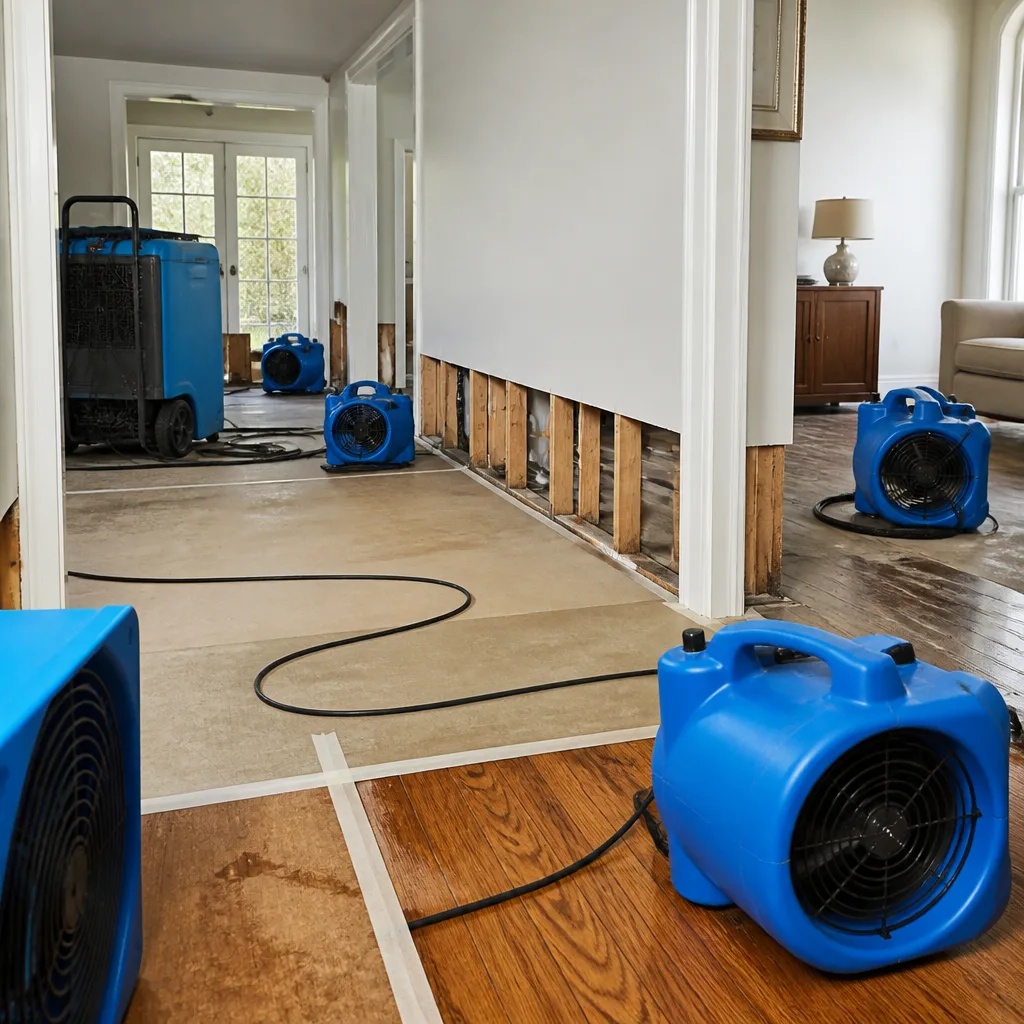
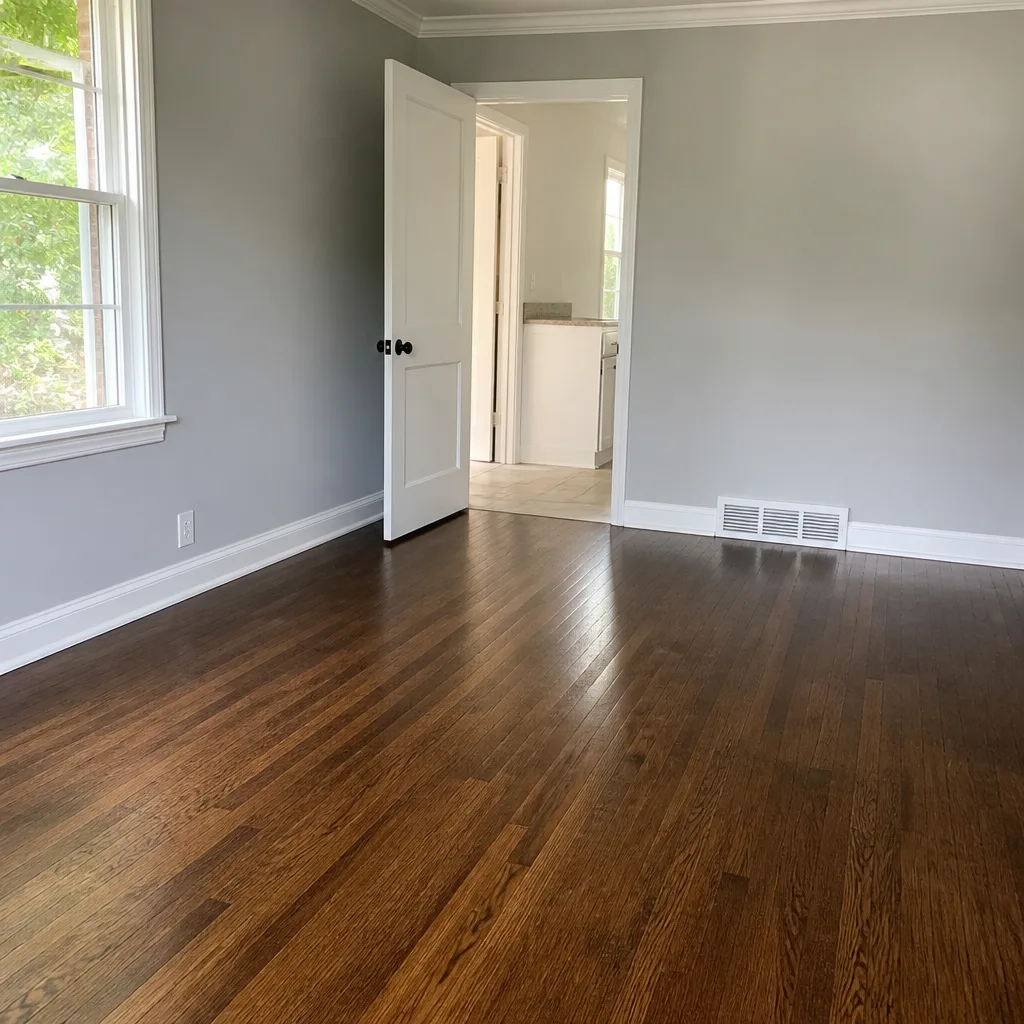
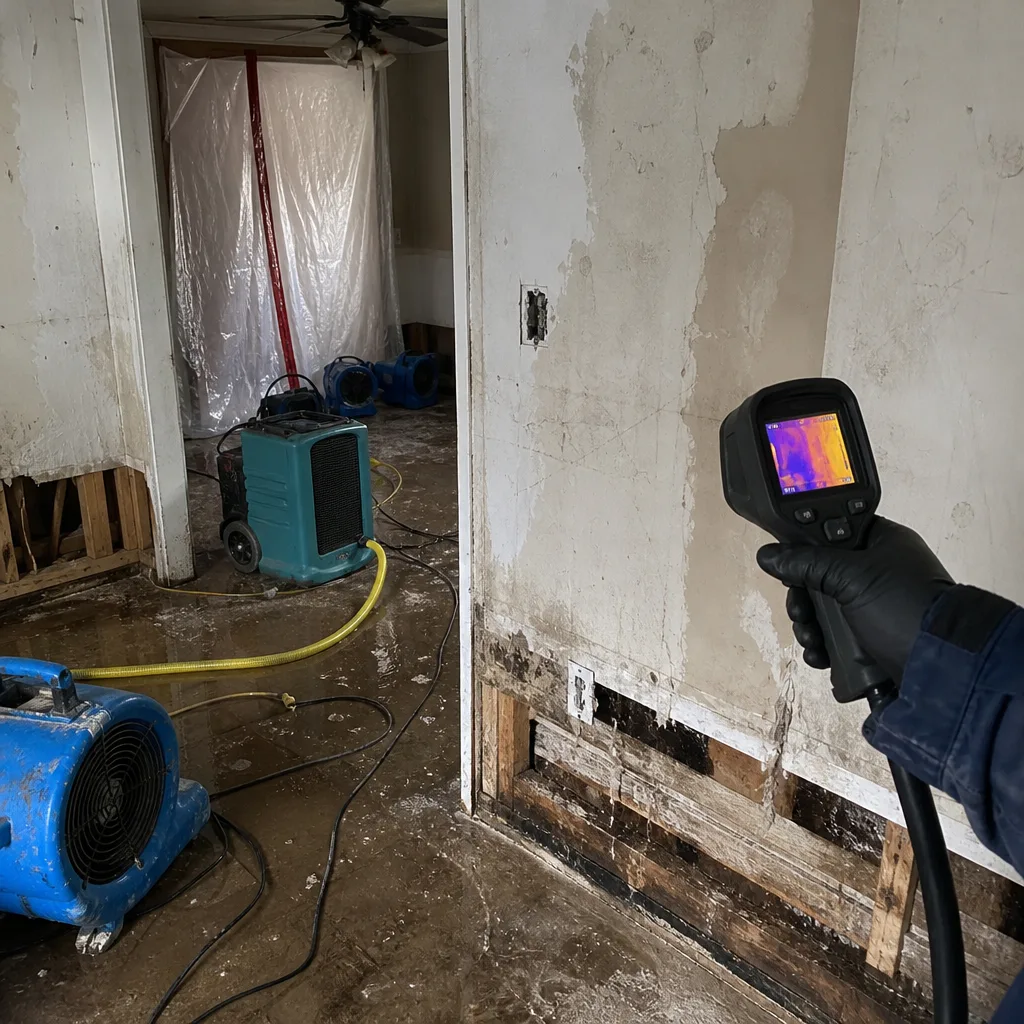 Before
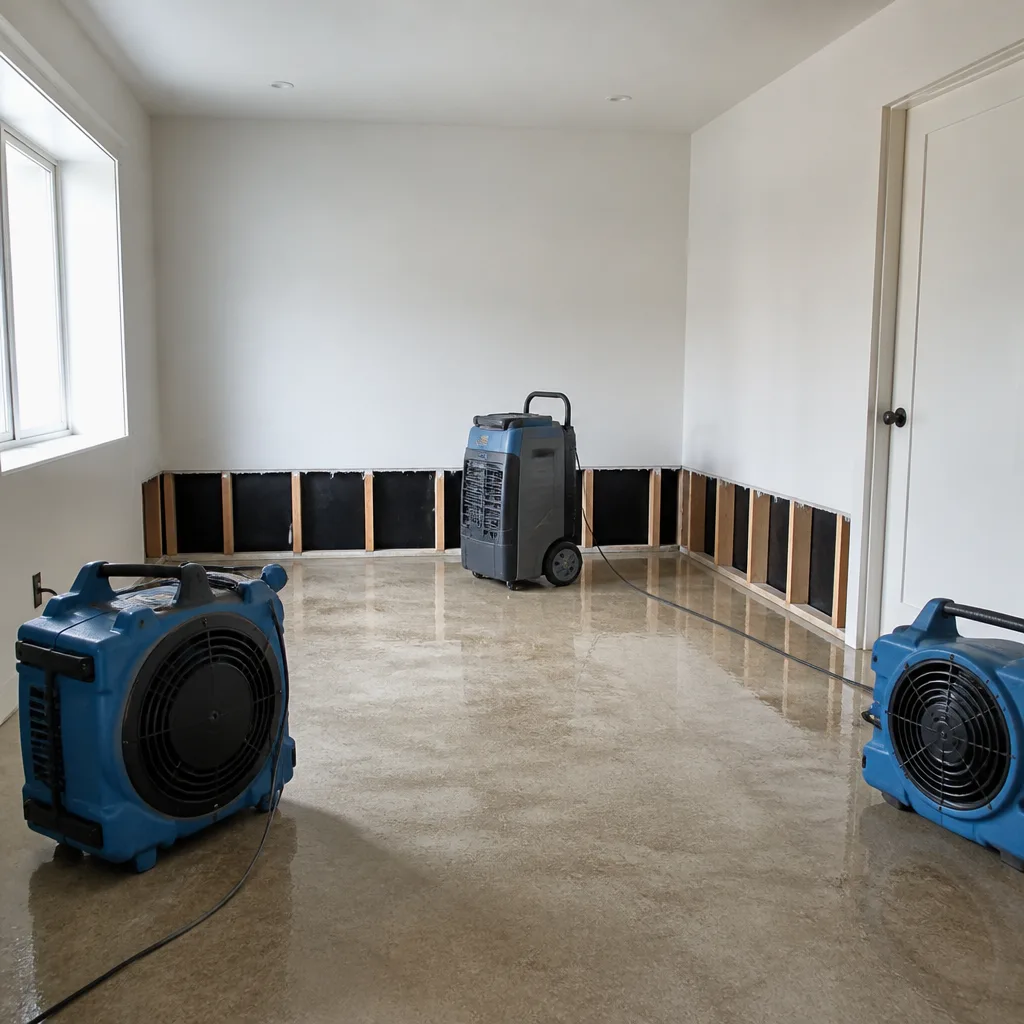 After
After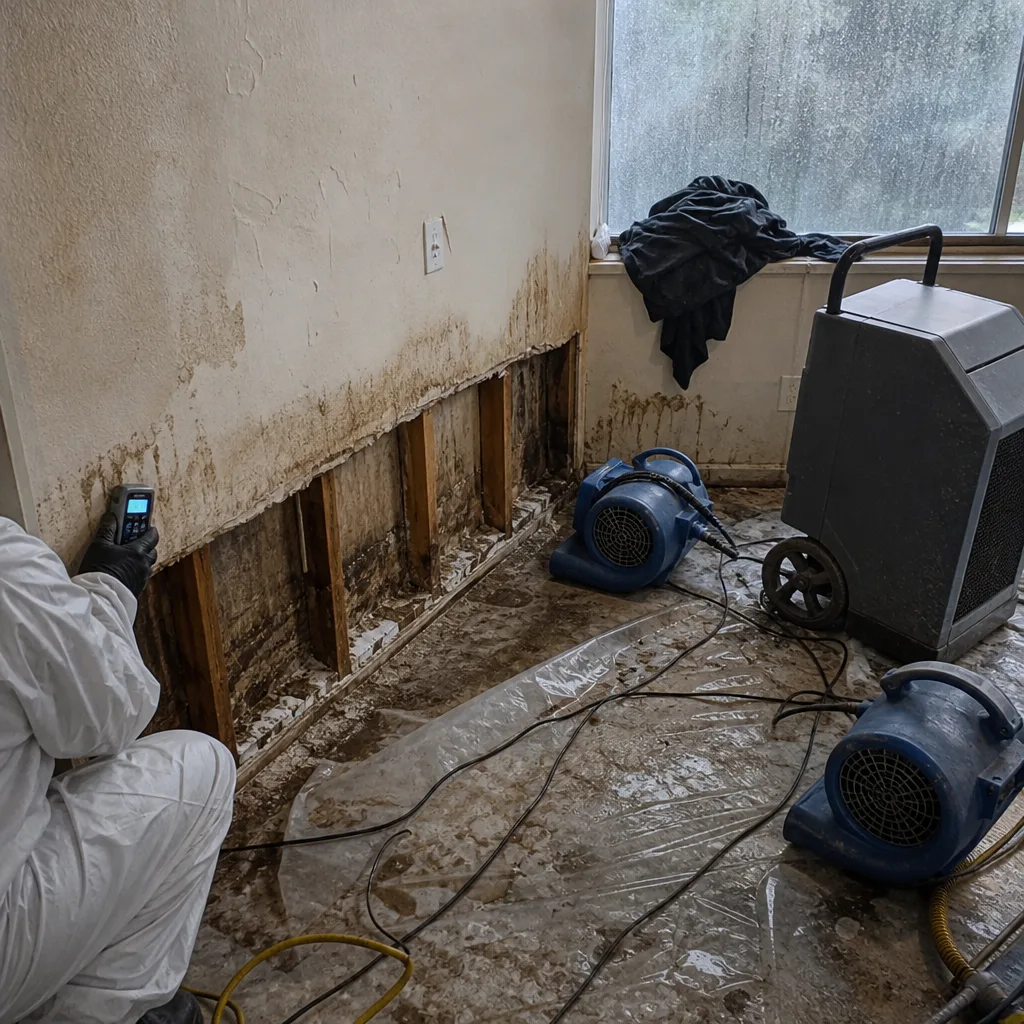 Before
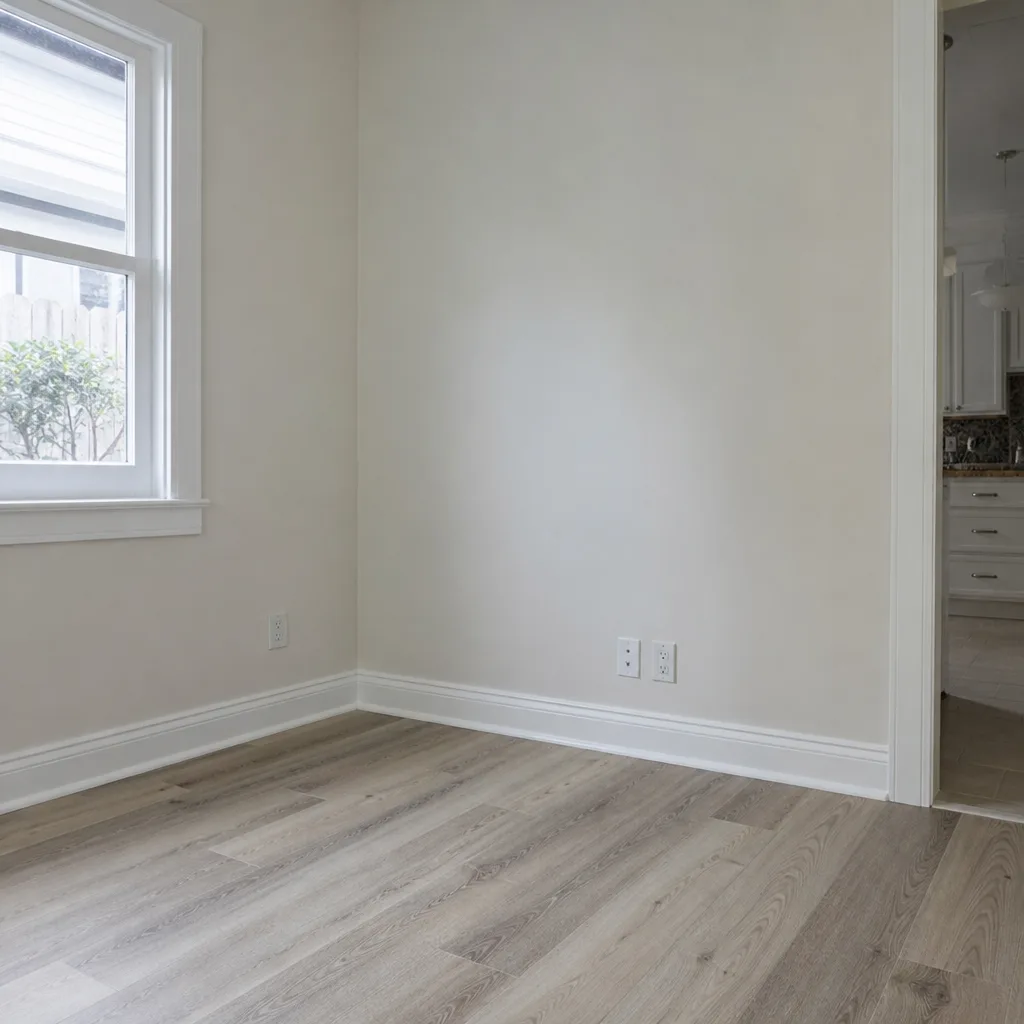 After
After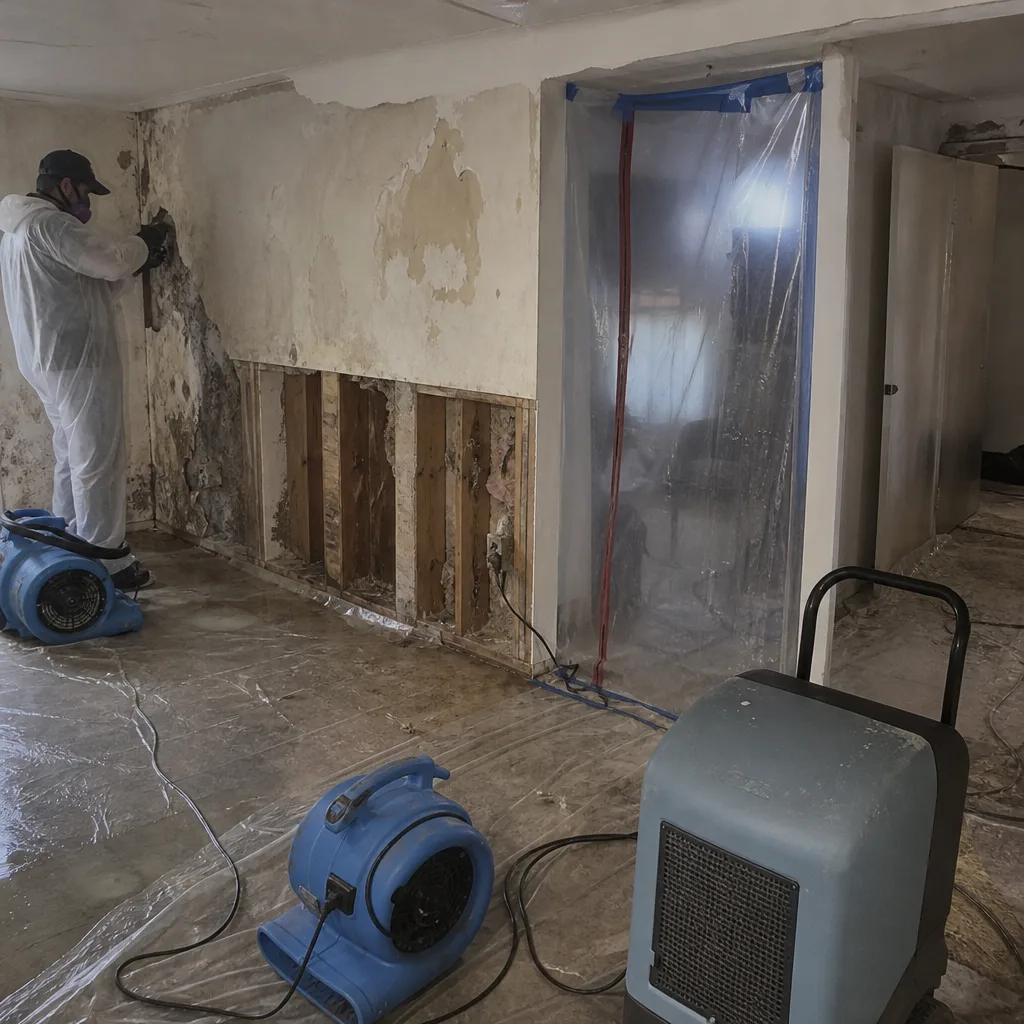 Before
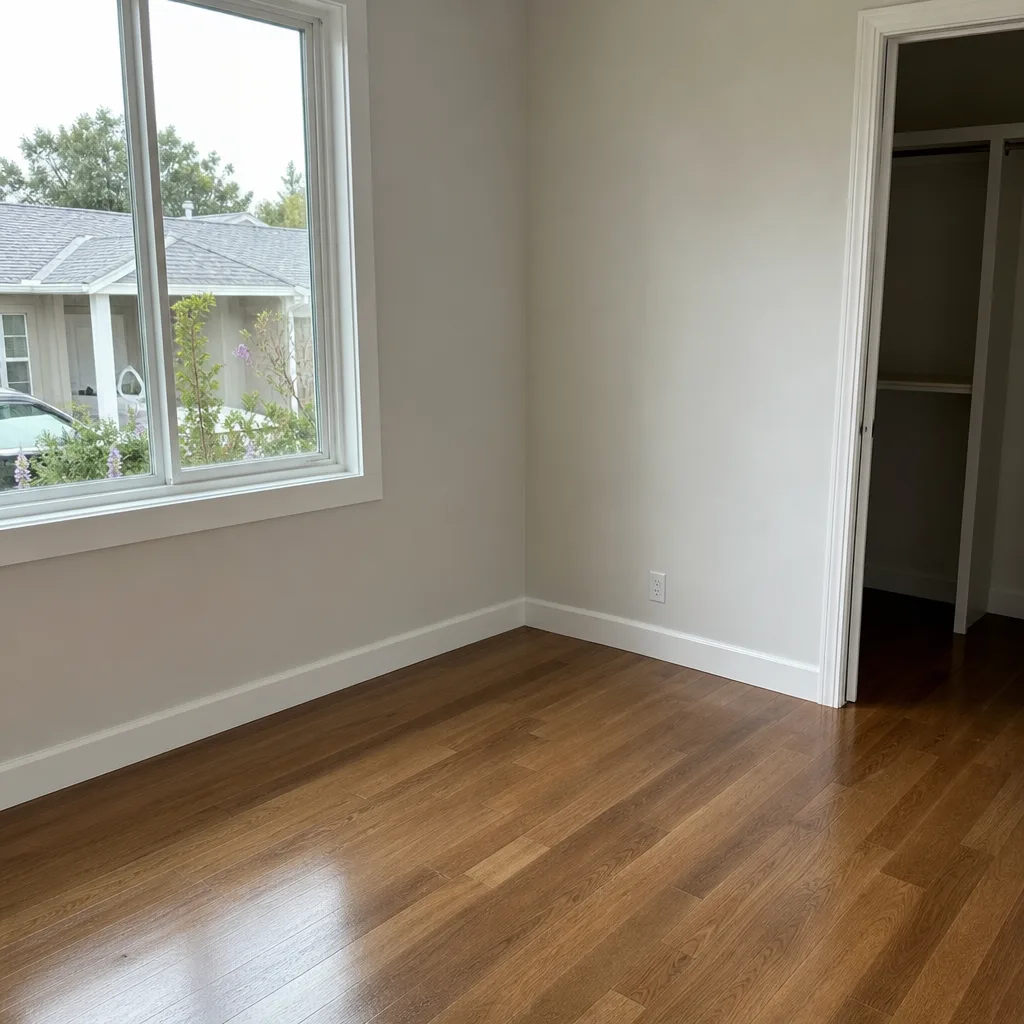 After
AfterMold Remediation Maintenance Schedule: What to Do and When
A remediated space that passes clearance testing today can have active mold growth within 90 days if relative humidity is allowed to climb above 60%. Most homeowners in Los Angeles have no humidity monitoring in the rooms that matter most, and many treat post-remediation like a finish line rather than the start of a maintenance discipline. In this guide and our Mold Remediation Troubleshooting: Common Problems and How to Fix Them resource, we’ll show you how to put mold prevention on a 30/90/365-day calendar with specific tasks, pass/fail criteria, and seasonal adjustments for the LA climate cycle. No contractor required for most of it.
Quick Answer
Mold remediation maintenance follows a four-phase schedule: 30 days (intensive monitoring and HVAC reset), 90 days (establish baseline patterns and verify drainage), 6 months (seasonal protocol shift for marine layer or Santa Ana conditions), and 12 months (full inspection cycle with professional clearance review). Each phase has specific humidity targets, visual inspection zones, and documentation requirements that prevent recurrence without ongoing contractor visits.
Table of Contents
- Why Mold Comes Back Without a Maintenance Schedule
- 30-Day Post-Remediation: The Critical Reset Phase
- 90-Day Check: Establishing Your Baseline
- 6-Month Review: Seasonal Shift for Los Angeles
- 12-Month Cycle: Full Inspection and Documentation
- HVAC Filter Protocol: Your First Line of Defense
- How to Perform a Visual Inspection That Actually Works
- Los Angeles Climate Protocols: Marine Layer vs. Santa Ana Seasons
- Common Mistakes to Avoid
- When to Call a Professional
- Frequently Asked Questions
- The Bottom Line
Why Mold Comes Back Without a Maintenance Schedule
Professional Mold Remediation services remove active growth and address the moisture source that fed it. It does not make a building immune to future colonization. Spores are present in virtually all indoor air; they need only moisture, a food source, and time to reestablish. In Los Angeles, where the Mediterranean climate creates sharp seasonal swings between humid marine layer conditions and desiccating Santa Ana winds, buildings experience repeated stress cycles that can reactivate latent moisture problems.
We’ve seen this pattern repeatedly in our work. A homeowner in Silver Lake completed remediation in March after a slow plumbing leak behind a bathroom vanity. By June, during the first sustained marine layer period, humidity climbed in the wall cavity where the original repair had left a small gap in the vapor barrier. New growth appeared not at the original site but in an adjacent stud bay where the moisture migrated. The remediation had been performed to IICRC S520 standards. The failure was in post-remediation monitoring, a gap covered in our Mold Remediation Warning Signs Every Homeowner Should Know guide.
The maintenance schedule we’re outlining here is designed to catch exactly these scenarios: moisture migration to new areas, seasonal humidity spikes in hidden spaces, and gradual HVAC degradation that changes air distribution patterns. It treats mold prevention as a systems discipline rather than a single event.
Key principle: mold prevention after remediation is about controlling moisture, not eliminating spores. You cannot eliminate spores. You can eliminate the conditions that select for growth.
30-Day Post-Remediation: The Critical Reset Phase
The first 30 days after professional remediation are when your building’s moisture dynamics are most unstable. New materials are acclimating, HVAC balancing may be disrupted, and any residual moisture from the original event is still seeking equilibrium. This phase requires daily attention to specific metrics, not casual observation.
Humidity monitoring setup:
- Install digital hygrometers in three zones minimum: the remediated room, an adjacent room that shares a wall or floor assembly, and the room farthest from the remediation site to establish a building baseline. In Los Angeles homes with open floor plans, add a fourth unit in any mezzanine or loft area where stratification occurs.
- Select devices with ±3% accuracy and data logging capability. We recommend units that store 30 days of readings; the specific brand matters less than the accuracy spec and the discipline of checking it.
- Set alert thresholds: 55% relative humidity triggers increased ventilation; 60% triggers active dehumidification; 65% requires investigation for source moisture.
Daily tasks (Days 1-14):
- Record humidity readings at the same time each day, ideally mid-morning after the HVAC has cycled but before afternoon warming skews readings
- Run bathroom and kitchen exhaust fans for 30 minutes after any steam-generating activity
- Verify that remediated areas show no surface dampness, musty odor, or discoloration
Weekly tasks (Days 15-30):
- Photograph all remediated surfaces with date stamp, using raking light (see visual inspection section below)
- Check HVAC condensate drain lines for flow; in Los Angeles, algae buildup in condensate lines is common and can cause backup
- Verify that windows and doors in remediated areas seal properly; the dry season preceding many remediations can cause weatherstripping to shrink, then fail when humidity returns
30-day pass/fail criteria: Humidity remains below 55% for 28 of 30 days with no single reading above 60%; no visible staining or surface changes in photographed areas; no musty odor detected by two different household members at different times.
90-Day Check: Establishing Your Baseline
By day 90, your building has cycled through enough temperature and humidity variation to reveal its true moisture behavior. The 90-day check is not a repeat of the 30-day intensity; it’s a diagnostic that establishes whether your space is stable or trending toward risk.
Data review:
Export or transcribe all hygrometer logs. Look for patterns, not outliers. A single spike to 62% during a dinner party is less concerning than a gradual climb from 48% to 56% over three weeks. In Los Angeles, we pay particular attention to the transition from Santa Ana conditions (typically October through March) to marine layer season (May through July, with variability). A building that held 45% humidity through winter but drifts to 58% in late spring has a ventilation or vapor drive problem that will worsen.
Specific 90-day tasks:
- Replace HVAC filters (see filter protocol section for specifications)
- Inspect all caulking and grout in water-use areas; Los Angeles water is moderately hard and can degrade sealants faster than soft-water regions
- Check exterior drainage: gutters, downspout extensions, and soil grading around the foundation. Even in drought-conscious Los Angeles, irrigation systems and rare heavy rains create concentrated moisture at foundation perimeters
- Verify that exhaust fans achieve their rated airflow; hold a tissue to the grille, it should pull flat and hold. If not, clean the fan and duct or replace the unit
90-day pass/fail criteria: Humidity trend line is stable or declining; no remediated area shows change from 30-day photographs; exhaust fans achieve rated draw; exterior drainage moves water at least 6 feet from foundation.
If you fail any criterion, the corrective action depends on severity. A rising humidity trend with no visible source suggests HVAC imbalance or hidden moisture; this is a professional call. A single failed exhaust fan is a DIY replacement. Document your findings with dated photographs either way.
6-Month Review: Seasonal Shift for Los Angeles
The 6-month mark in Los Angeles typically coincides with a significant climate transition. If your remediation completed in fall, you’re entering the core marine layer season. If it completed in spring, you’re heading into Santa Ana dryness. Each transition requires protocol adjustments that many homeowners miss.
Marine layer season protocol (typically May-July, with October variability):
- Increase hygrometer check frequency to daily during sustained overcast periods; marine layer can penetrate inland 20 miles, affecting Pasadena, Burbank, and even the San Fernando Valley
- Run HVAC in “dry” or dehumidify mode rather than auto-cool; cooling alone can overshoot temperature targets while leaving humidity elevated
- Monitor north-facing walls and rooms, which receive least solar drying and are often first to show condensation in LA’s coastal-influenced climate
- Check window weep holes and tracks for condensation accumulation; modern low-E windows reduce heat transfer but can create cold spots at frames
Santa Ana season protocol (typically October-March):
- Humidity drops are expected, but extreme dryness can crack sealants and create new air infiltration paths
- Verify that humidifiers, if used, are cleaned weekly; mold in humidifier reservoirs is a common secondary contamination source
- Check for dust accumulation in HVAC returns; Santa Ana winds carry fine particulates that load filters and reduce airflow
6-month specific tasks:
- Perform full visual inspection per protocol below
- Test GFCI outlets in water-adjacent areas; electrical safety and moisture control are linked in remediation zones
- Review insurance documentation from original remediation; verify that policy coverage remains adequate and that any claims were properly closed
- Schedule professional HVAC inspection if humidity trends have been unstable; duct leakage in Los Angeles attic spaces is a common hidden moisture source
6-month pass/fail criteria: Seasonal protocol is active and documented; no visual changes from prior photographs; humidity remains in target range under current climate conditions; insurance documentation is current and accessible.
12-Month Cycle: Full Inspection and Documentation
The 12-month mark completes your first full annual cycle and establishes the pattern for ongoing maintenance. This is not a casual walkthrough. It is a structured review that compares current conditions to your remediation baseline and determines whether professional re-evaluation is warranted.
Annual inspection sequence:
- Replace all hygrometer batteries and recalibrate against a known reference if possible; consumer units drift ±5% per year
- Perform complete visual inspection with raking light photography of all prior remediation areas plus any new water-stain history
- Review full year of humidity data for trend analysis; export to spreadsheet if your devices support it
- Inspect roof and attic if accessible; Los Angeles buildings often have inadequate attic ventilation, and summer heat buildup can drive moisture into conditioned spaces through pressure differentials
- Test all plumbing fixtures for slow leaks; dye tablets in toilet tanks, meter-flow check during no-use periods
- Verify that all exhaust fans, range hoods, and dryer vents discharge fully to exterior; disconnected ducts in wall cavities are a major hidden moisture source we encounter
Documentation requirements:
Compile a single file: annual inspection photographs with dates, humidity trend summary, any maintenance actions taken, and professional service records. This documentation serves two purposes. First, it reveals gradual changes that single inspections miss. Second, it supports any future insurance claim by demonstrating due diligence in property maintenance. Insurance adjusters in Los Angeles increasingly request maintenance documentation for mold-related claims; having it organized strengthens your position.
12-month decision point: If all criteria pass, continue annual cycles with quarterly spot checks. If any criterion fails, or if humidity data shows unexplained variation, schedule professional evaluation. The cost of early intervention is always lower than repeated remediation.
HVAC Filter Protocol: Your First Line of Defense
HVAC filtration is rarely discussed in mold prevention, but it is critical in post-remediation spaces. Your system circulates air through the building; if filters are inadequate or poorly maintained, they become distribution mechanisms for spores rather than barriers.
Filter specifications for post-remediation spaces:
| Parameter | Specification | Rationale |
|---|---|---|
| MERV rating | 11-13 minimum | Captures mold spores (typically 3-40 microns) without excessive static pressure that strains blower motors |
| Replacement interval | 60-90 days maximum | Los Angeles particulate load from Santa Ana dust and wildfire smoke saturates filters faster than manufacturer estimates |
| Filter fit | No bypass gaps | Air follows path of least resistance; gaps render MERV rating irrelevant |
| Frame condition | Intact, no corrosion | Metal frames in high-humidity return plenums can corrode and collapse filter media |
Post-remediation specific considerations:
If your remediation included HVAC duct cleaning or sanitization, the first filter change after remediation is critical. Remediation disturbs settled particulate; the initial filter load is higher than normal. We recommend replacement at 30 days, then 60 days, before settling to the standard interval. This is not upselling; it’s observable in pressure-drop measurements across filter banks.
For homes with multiple return air pathways, maintain identical filters on identical schedules. Mixing MERV ratings or replacement dates creates unbalanced airflow that can pressurize some zones and depressurize others, altering moisture migration patterns.
Never operate HVAC without a filter, even briefly during filter changes. The blower motor and coil become spore collection surfaces that are extremely difficult to clean effectively.
How to Perform a Visual Inspection That Actually Works
Most homeowner “inspections” fail to detect early mold recurrence because they rely on overhead lighting and casual observation. Effective visual inspection uses specific techniques that reveal surface texture changes and early colonization before it becomes obvious.
Equipment:
- High-output LED flashlight with adjustable beam (500+ lumens)
- Smartphone with date-stamp enabled
- Inspection mirror for behind fixtures and in cavities
- Moisture meter with pinless mode for non-destructive scanning (optional but recommended; basic units run $50-80)
Raking light technique:
- Position the flashlight parallel to the surface, not perpendicular. Light grazing across a wall at 5-15 degrees reveals texture variations that overhead lighting flattens
- Scan in overlapping strips, moving systematically left-to-right, top-to-bottom
- Photograph any anomaly with the light in raking position; the shadow profile documents subtle changes over time
- Date every photograph and store in a dedicated album or folder
Priority inspection zones in Los Angeles homes:
- North and east exterior walls (least solar exposure, longest moisture retention)
- Areas above or adjacent to prior remediation; moisture seeks new paths when old ones are blocked
- Ceiling penetrations: recessed can lights, smoke detectors, HVAC grilles; thermal bridging creates cold spots
- Cabinet bases and toe-kicks in kitchens and baths; plumbing penetrations and inadequate ventilation create chronic microclimates
- Closet interiors on exterior walls; closed doors prevent air circulation and create stagnant humidity pockets
- Garage-to-house shared walls; Los Angeles garages often house water heaters and laundry with minimal ventilation
What to document: Any discoloration, surface irregularity, or material change from prior photographs. Musty odor alone warrants investigation even without visible change. A moisture meter reading above 16% in wood or 1% in drywall indicates active moisture that requires source identification.
Los Angeles Climate Protocols: Marine Layer vs. Santa Ana Seasons
Los Angeles presents a unique mold prevention challenge: two distinct moisture regimes separated by sharp transitions. Homeowners who apply identical protocols year-round miss the seasonal dynamics that drive recurrence.
Marine layer season (May through July, with October extensions):
The Pacific marine layer pushes inland on many nights and mornings, bringing relative humidity to 80-95% at the surface. Buildings in coastal zones (Santa Monica, Venice, San Pedro) and inland valleys that channel marine air (Pasadena, parts of the San Fernando Valley) experience sustained exterior humidity loads. The critical factor is not the exterior humidity itself but whether your building envelope and HVAC system prevent that moisture from reaching interior surfaces.
Protocol: Run HVAC in dehumidify mode during marine layer events, not auto-cool. Cooling-first strategies can satisfy temperature setpoints while leaving humidity elevated, the exact condition that favors mold. Verify that bathroom and kitchen exhaust fans achieve full draw; the humidity differential between exterior and interior is smallest during marine layer season, reducing natural exhaust pressure. Check window and door seals; older single-glazed windows in pre-1970s Los Angeles housing stock are particularly vulnerable to frame condensation.
Santa Ana season (October through March, episodic):
Santa Ana winds bring extremely dry conditions, often dropping relative humidity below 15%. This seems favorable for mold prevention, and it is, but with complications. Rapid drying can shrink building materials, crack sealants, and create new air infiltration paths that become moisture entry points when conditions reverse. Wildfire smoke during Santa Ana events loads HVAC filters and reduces system efficiency.
Protocol: Maintain humidification only if medically necessary, and clean humidifier reservoirs weekly with disinfectant. The dry period is ideal for inspecting and replacing weatherstripping, caulking, and exterior sealants; materials cure properly and adhesion is verifiable. Replace HVAC filters more frequently during smoke events; pressure drop across loaded filters reduces airflow and extends HVAC runtime without achieving proper air exchange.
Transition periods (August-September, April):
These are the highest-risk windows. Rapid humidity swings stress building materials and can create transient condensation conditions. Increase monitoring frequency to daily during transition weeks. The Labor Day heat events common in Los Angeles, followed by rapid marine layer return, create particularly sharp moisture gradients.
Common Mistakes to Avoid
- Relying on a single central thermostat for humidity data. Thermostats measure temperature at one location, usually a hallway. They do not reflect conditions in bathrooms, closets, or behind cabinets where mold actually grows. Install dedicated hygrometers in risk zones.
- Using “mold-resistant” paint as a substitute for moisture control. Mold-resistant paints contain biocides that suppress growth on the paint surface; they do not prevent moisture accumulation in the substrate. We’ve seen mold growing behind mold-resistant paint in Los Angeles condos where the underlying leak was never fixed.
- Ignoring the garage. Los Angeles garages frequently contain water heaters, washing machines, and pet areas with minimal ventilation. They share walls and often ductwork with conditioned spaces. A humid garage is a reservoir that feeds adjacent rooms.
- Running bathroom fans on timers rather than humidity sensors. Timers shut off based on duration, not moisture load. A 10-minute timer is inadequate after a shower; a humidity-sensing fan runs until the moisture is actually removed. The incremental cost is recovered in prevented recurrence.
- Storing items against exterior walls before the wall has completed drying. After remediation, gypsum board and framing may read dry on the surface while maintaining elevated moisture at the core. Furniture or storage items against these walls block evaporation and create microclimates. Maintain 4-inch clearance for the first 90 days minimum.
- Skipping documentation because “nothing looks wrong.” The purpose of documentation is to reveal gradual change, not to confirm stasis. A photograph from 6 months ago showing slightly different discoloration pattern is often the only evidence that justifies professional evaluation before major recurrence.
- Assuming desert dryness means no mold risk. Los Angeles is not a desert everywhere, every season. The coastal plain and inland valleys experience sustained humidity. Even arid zones create mold conditions through irrigation overspray, plumbing leaks, and indoor moisture generation. Climate zone generalizations fail at the building scale.
When to Call a Professional
Call for professional evaluation when: humidity consistently exceeds 60% despite ventilation adjustments; visual inspection reveals any new discoloration, texture change, or odor in a remediated area; you detect moisture meter readings above 16% in wood framing or 1% in gypsum without identifiable source; your HVAC system cannot maintain target humidity or shows signs of contamination in ducts or coils; or you experience any water event, even minor, in a previously remediated zone.
Early professional intervention typically involves moisture mapping, limited invasive inspection, and targeted correction. Delayed response often requires full repeat remediation. The cost differential is substantial.
Mold Remediation in Los Angeles from Keegan Water Damage Restoration includes moisture source identification, containment and removal per IICRC S520 standards, and full documentation formatted for insurance submission. We put the scope and price in writing before any work begins, and every repair is backed by our 365-Day Done Right Promise. If you’re unsure whether your maintenance findings warrant professional review, call us at (361) 317-7269 for a free estimate. A live person answers 24 hours a day, including weekends and holidays.
Frequently Asked Questions
Professional mold remediation in Los Angeles typically ranges from $15 to $30 per square foot of affected area, with minimum project sizes often starting around $1,500 for contained bathroom or closet remediation. Whole-room or multi-room projects with HVAC contamination can exceed $10,000. The exact cost depends on containment complexity, material removal requirements, and whether third-party clearance testing is specified. Call (361) 317-7269 for a written estimate specific to your situation – estimates are free.
Insurance coverage for mold remediation in Los Angeles depends on the cause of the moisture that led to growth. Sudden and accidental water events, such as burst pipes or appliance failures, are typically covered when reported promptly. Long-term leaks, maintenance neglect, or flood damage from exterior sources usually are not. Document your maintenance schedule and any water events with photographs and dates; this documentation significantly improves claim outcomes. Keegan provides photo-documented assessments formatted for direct adjuster submission. Call (361) 317-7269 to discuss your specific policy situation.
Keegan Water Damage Restoration answers calls with a live person 24 hours a day, 7 days a week, including nights, weekends, and holidays. For active mold conditions that present health concerns or are spreading due to ongoing moisture, we typically dispatch within hours. For non-emergency evaluations, we schedule within 24-48 hours. The response speed you need depends on whether the moisture source is controlled; active leaks require faster response than stable, contained growth. Call (361) 317-7269 to discuss urgency and scheduling.
Surface cleaning with household products is appropriate only for very limited growth, less than 10 square feet, on non-porous materials, where the moisture source has been permanently eliminated. Larger areas, growth on porous materials like drywall or insulation, HVAC contamination, or any growth resulting from sewage or gray water intrusion require professional remediation per IICRC standards. The health risk assessment also considers occupant sensitivities; homes with asthma, immunocompromised residents, or infants warrant more conservative thresholds. When in doubt, professional evaluation protects against under-treatment that leads to recurrence.
Use MERV 11-13 rated filters after mold remediation. MERV 11 captures most mold spores; MERV 13 captures smaller spores and fragments with minimal additional static pressure. MERV 14 and above are generally unnecessary for residential systems and can strain blower motors not designed for high-resistance filtration. The critical factor is filter fit and replacement schedule, not maximum MERV. A MERV 13 filter with bypass gaps performs worse than a properly sealed MERV 11.
Los Angeles climate creates two distinct risk patterns. Marine layer season brings sustained high humidity that can penetrate building envelopes and create condensation on cool surfaces, particularly in north-facing rooms and coastal zones. Santa Ana season brings extreme dryness that cracks sealants and creates infiltration paths for moisture when conditions reverse. The rapid transitions between these regimes stress building materials and HVAC systems. Successful long-term prevention requires seasonal protocol adjustments, not year-round identical management.
The Bottom Line
Mold prevention after remediation is a maintenance discipline with a clear calendar: intensive monitoring at 30 days, baseline establishment at 90 days, seasonal protocol adjustment at 6 months, and full annual review with documentation at 12 months. Each phase has specific humidity targets, inspection techniques, and pass/fail criteria that any homeowner can execute. The Los Angeles climate demands additional attention to marine layer and Santa Ana seasonal transitions. HVAC filtration, raking-light visual inspection, and systematic documentation are your primary tools. Professional evaluation is warranted when metrics trend wrong or visual changes appear, but the majority of prevention is homeowner-executable with the schedule and protocols outlined here. Explore our more guides & resources for additional maintenance strategies.
Written by Shane Pruitt, Owner at Keegan Water Damage Restoration, serving Los Angeles since 2005.