
Last updated October 11, 2026
Free visual inspection and a written scope of work before any mitigation begins - photos, moisture readings, and drying logs go in your claim file
The scope we write is the scope we bill. Anything new gets shown to you, in writing, before we touch it.
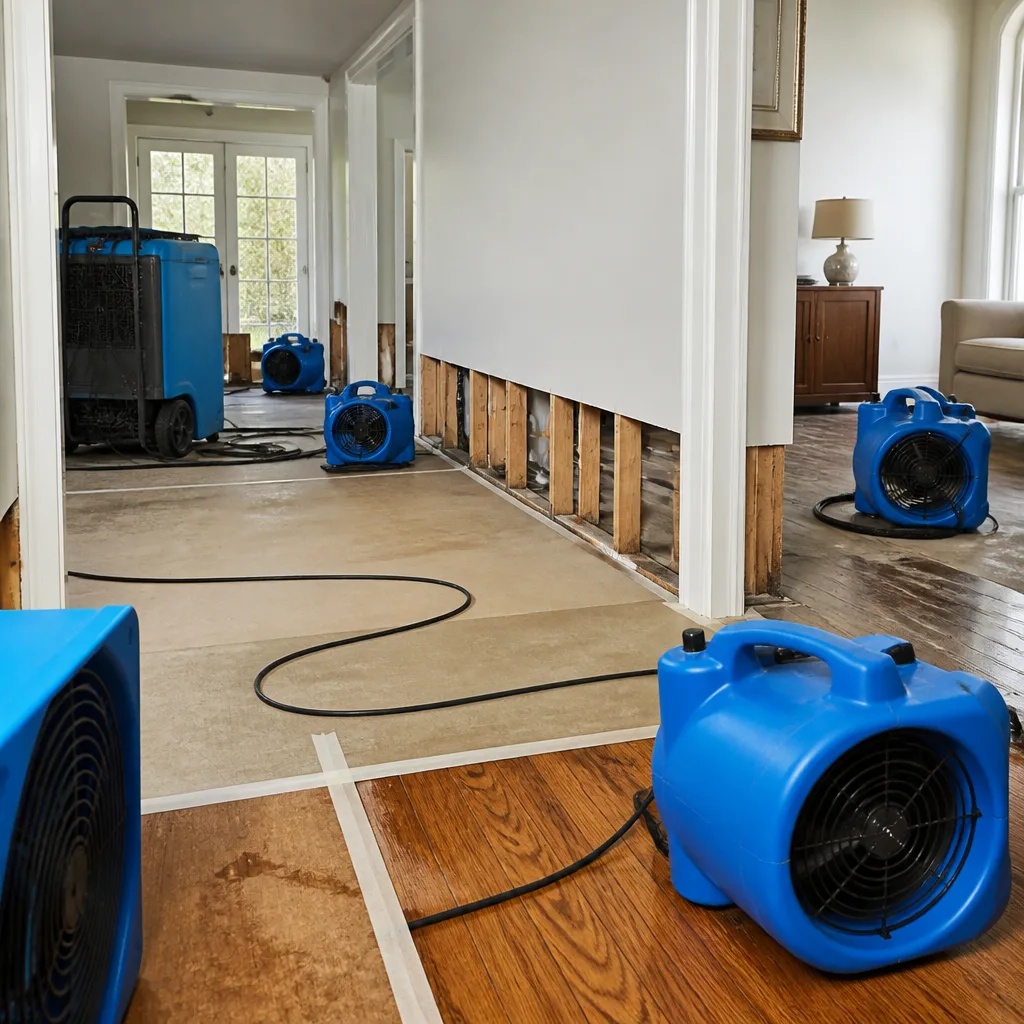
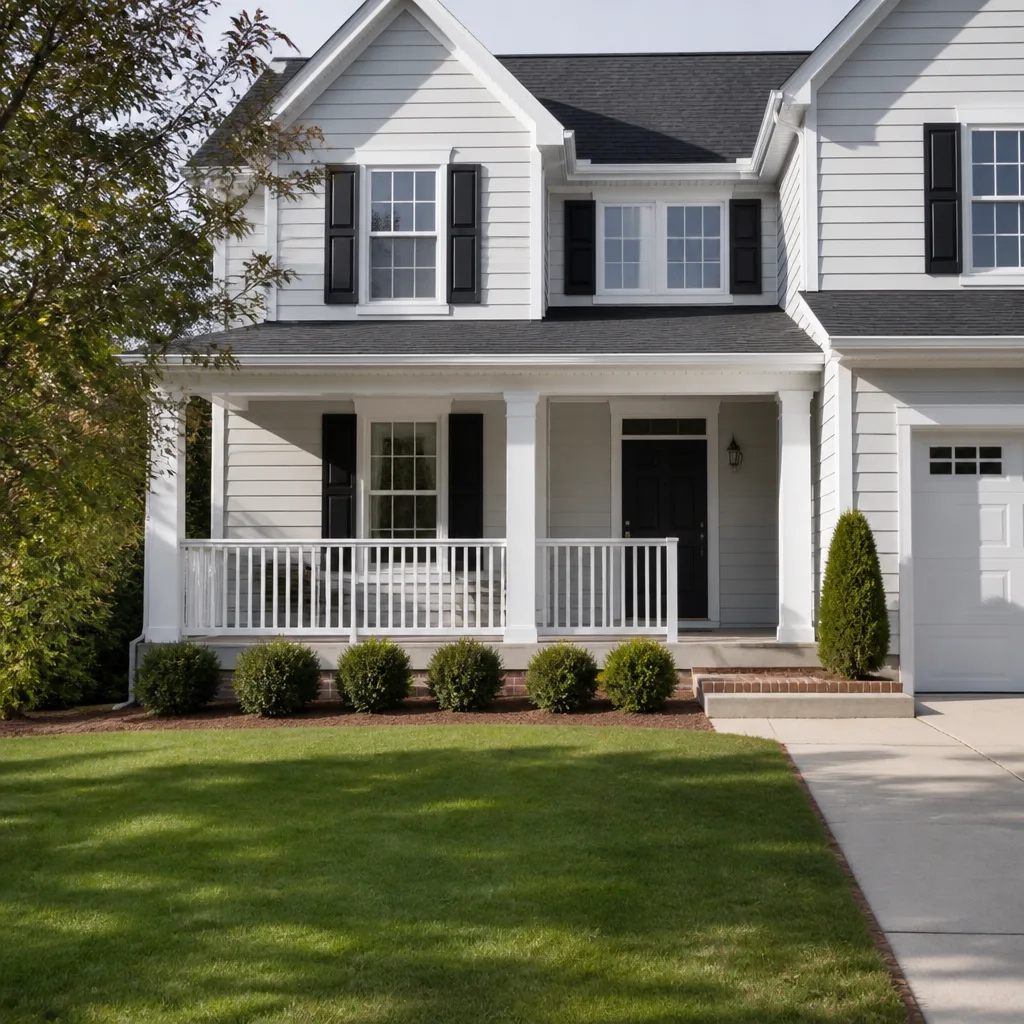
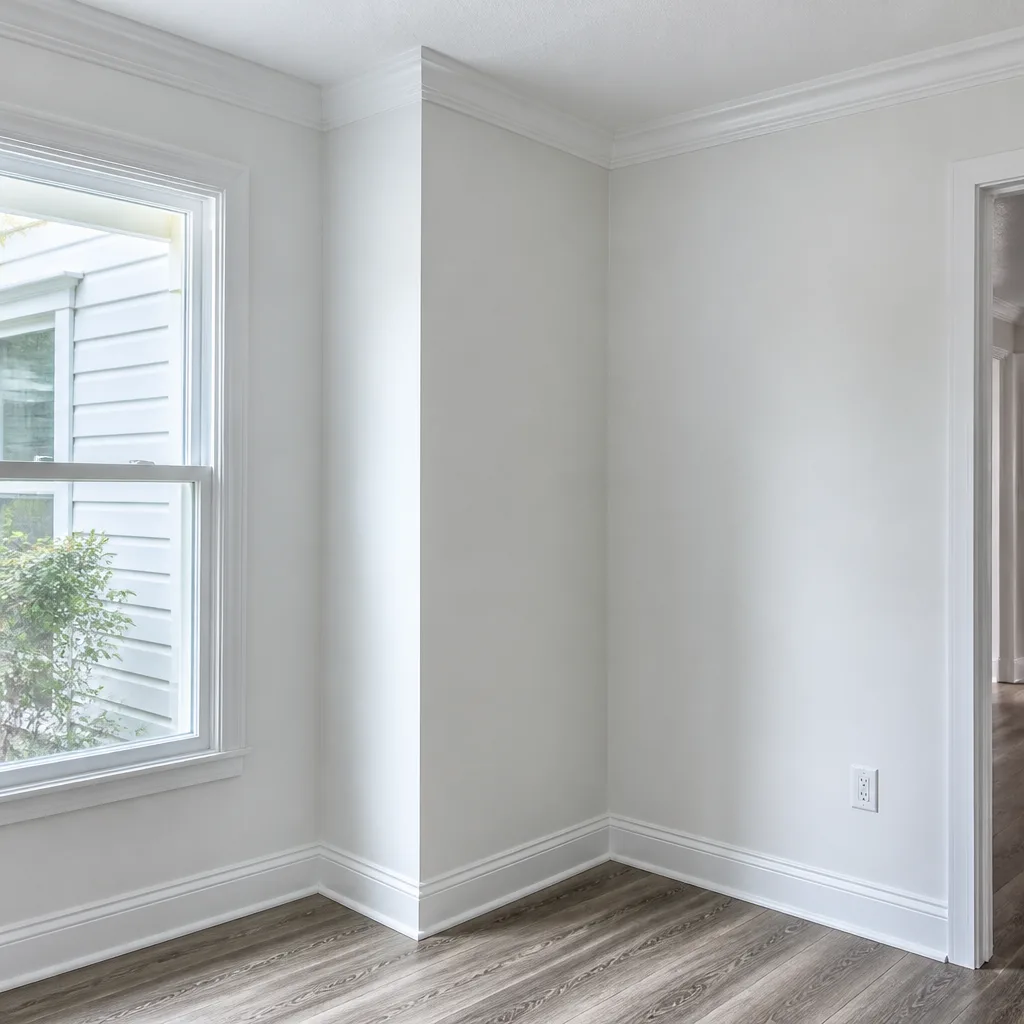
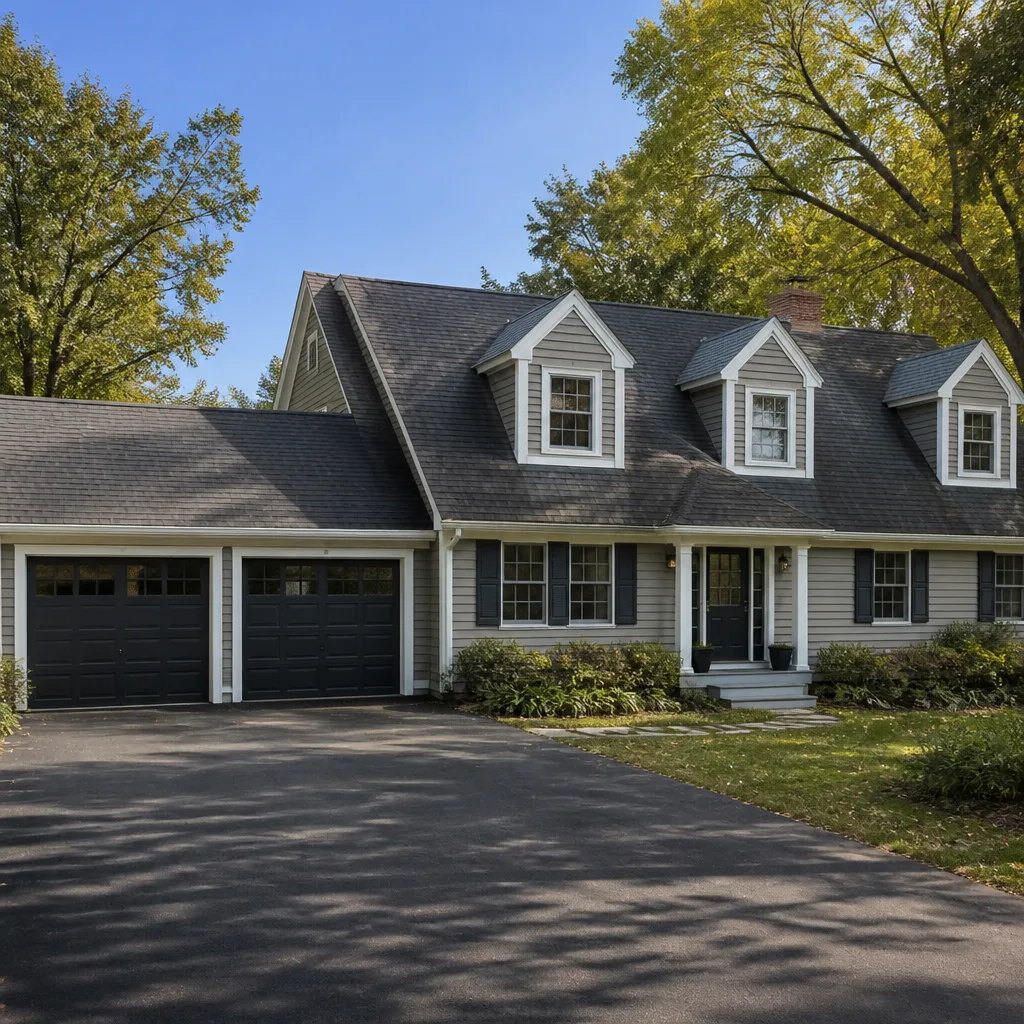
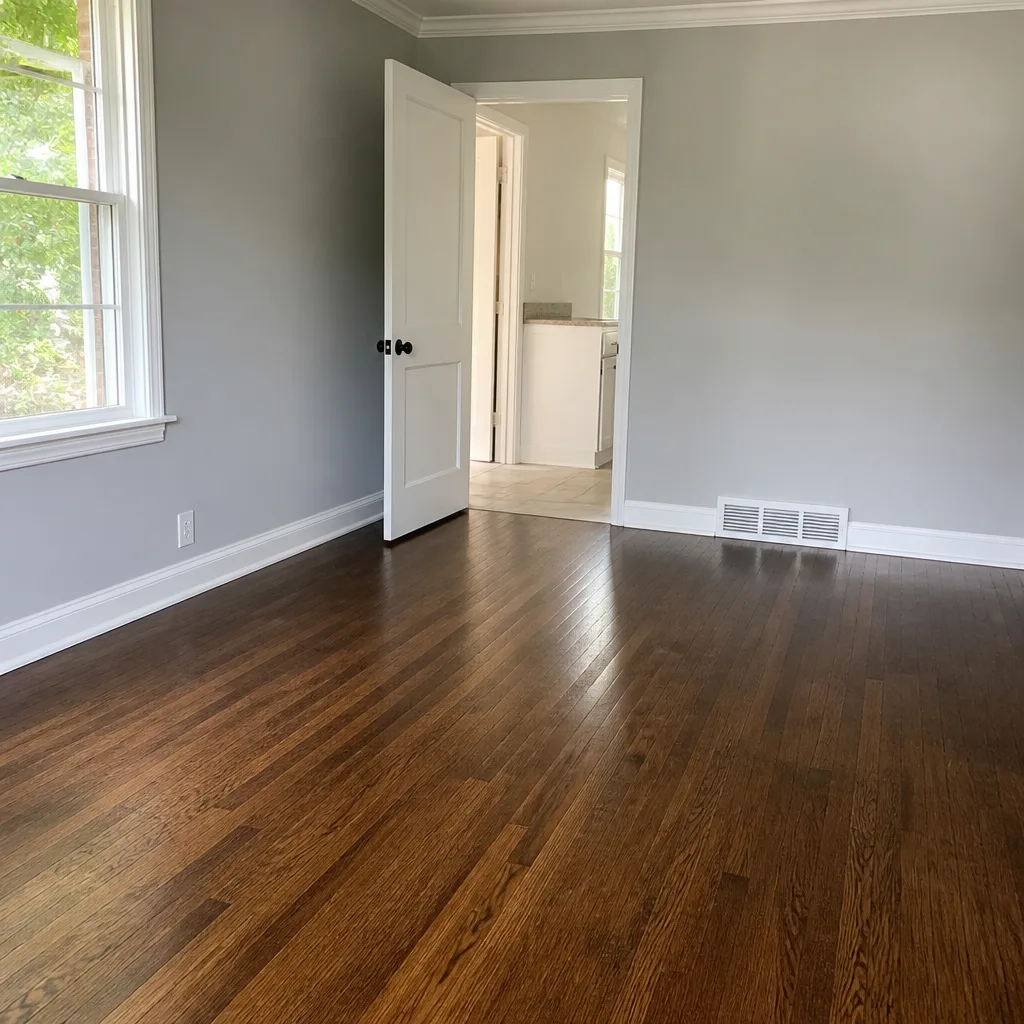
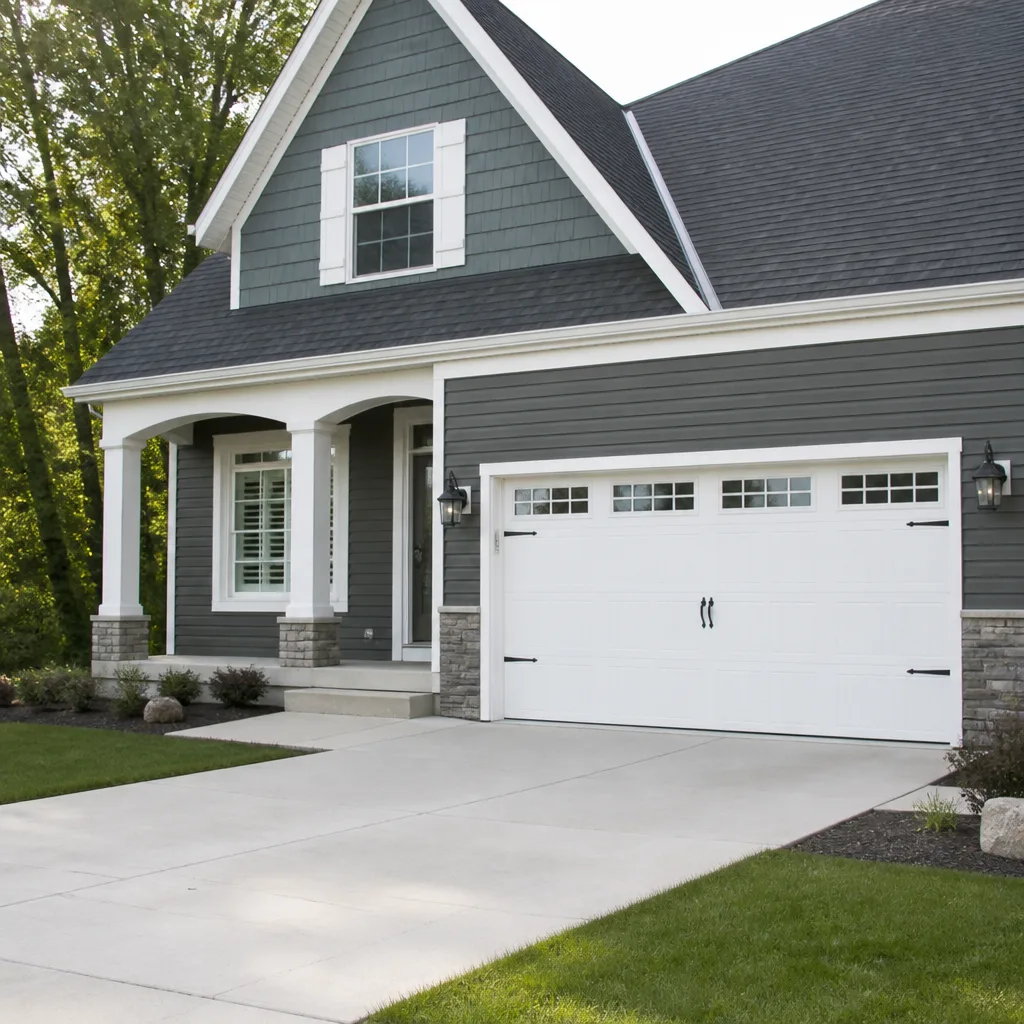
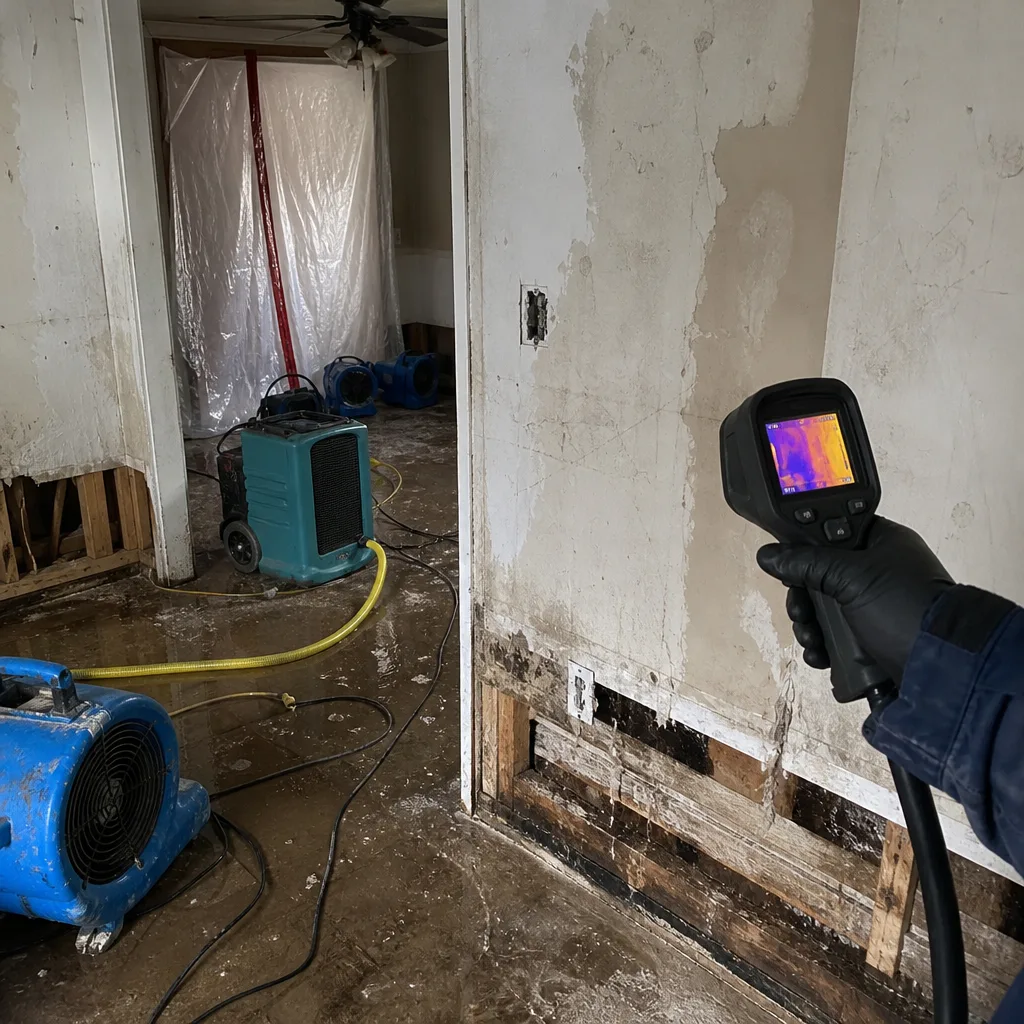 Before
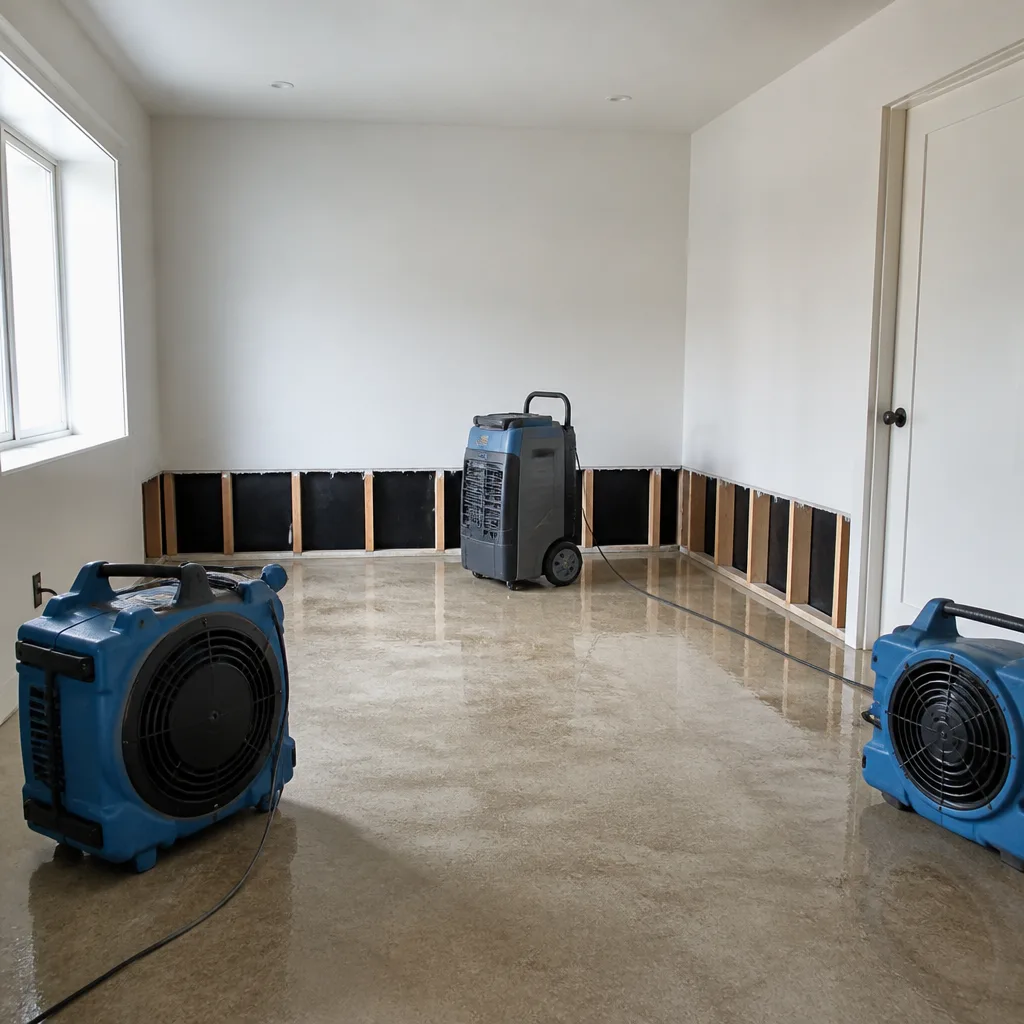 After
After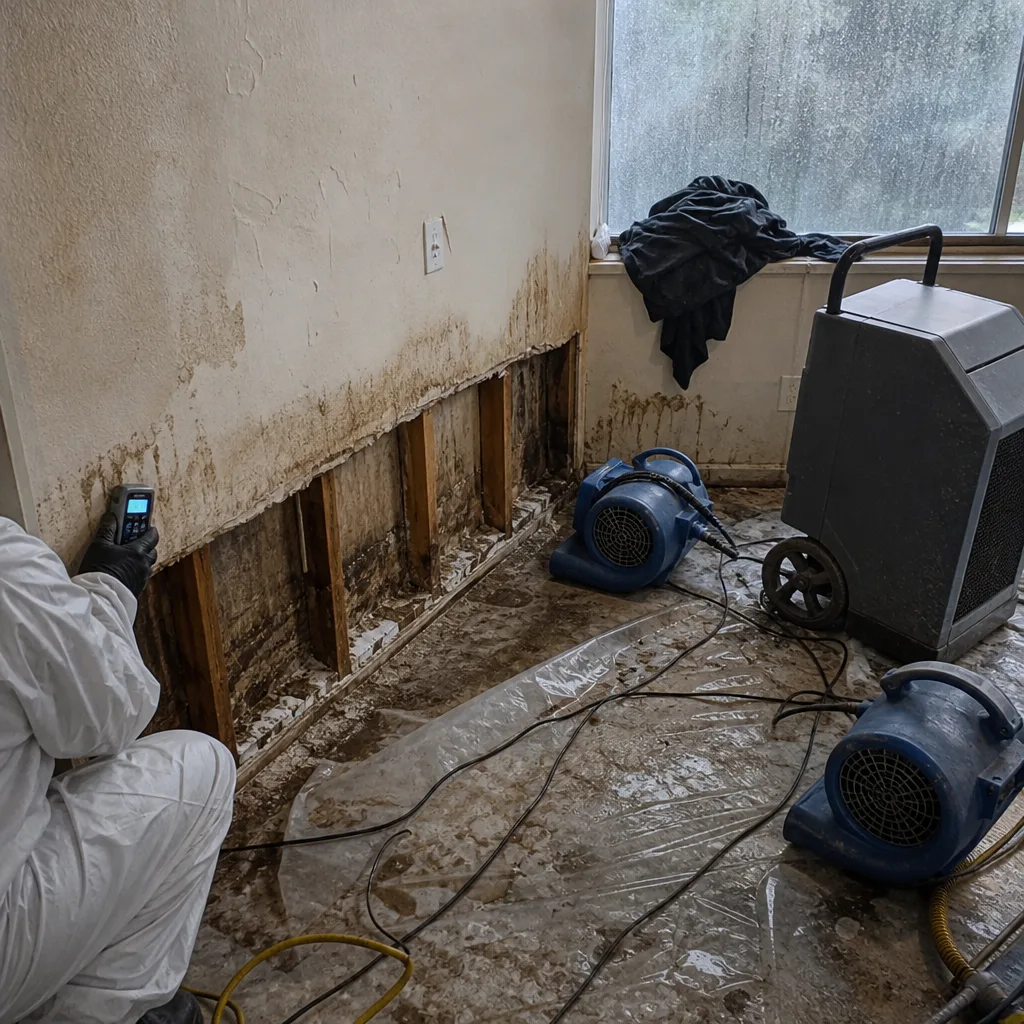 Before
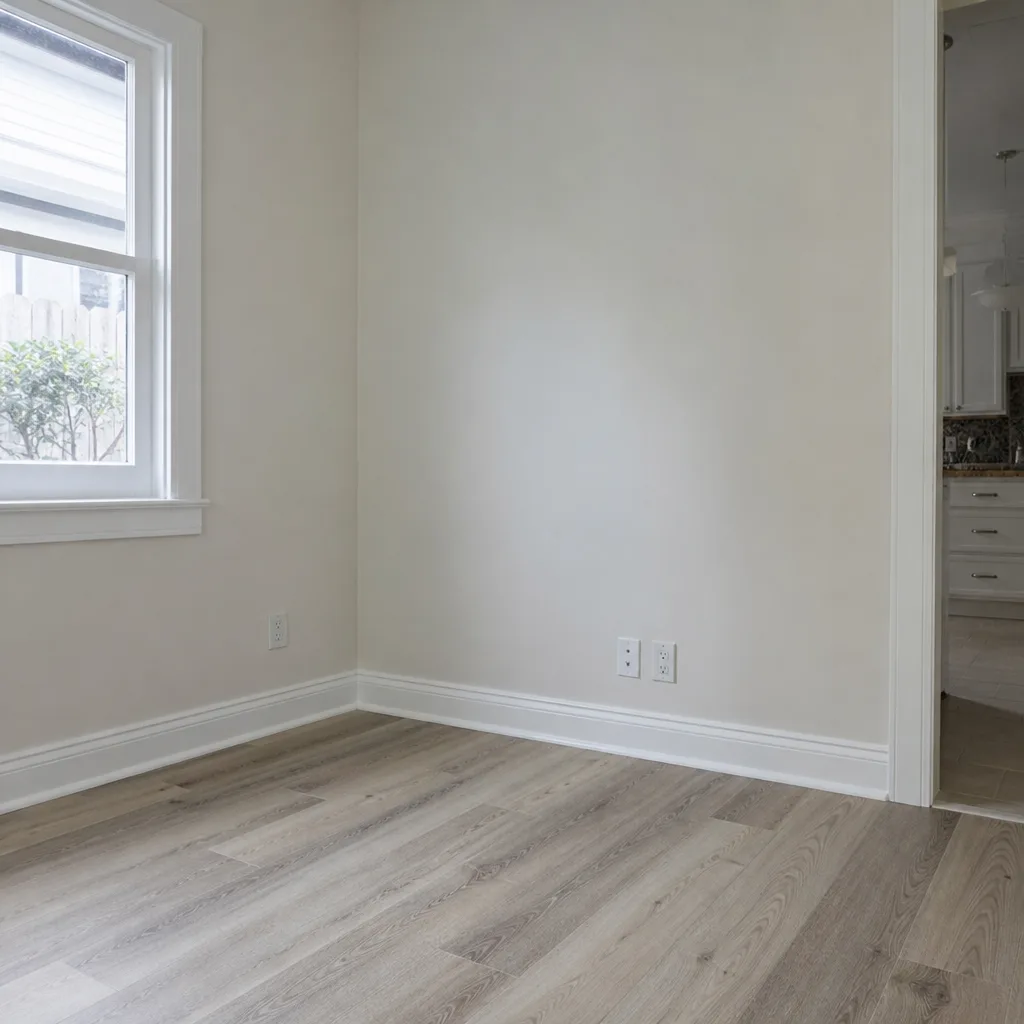 After
After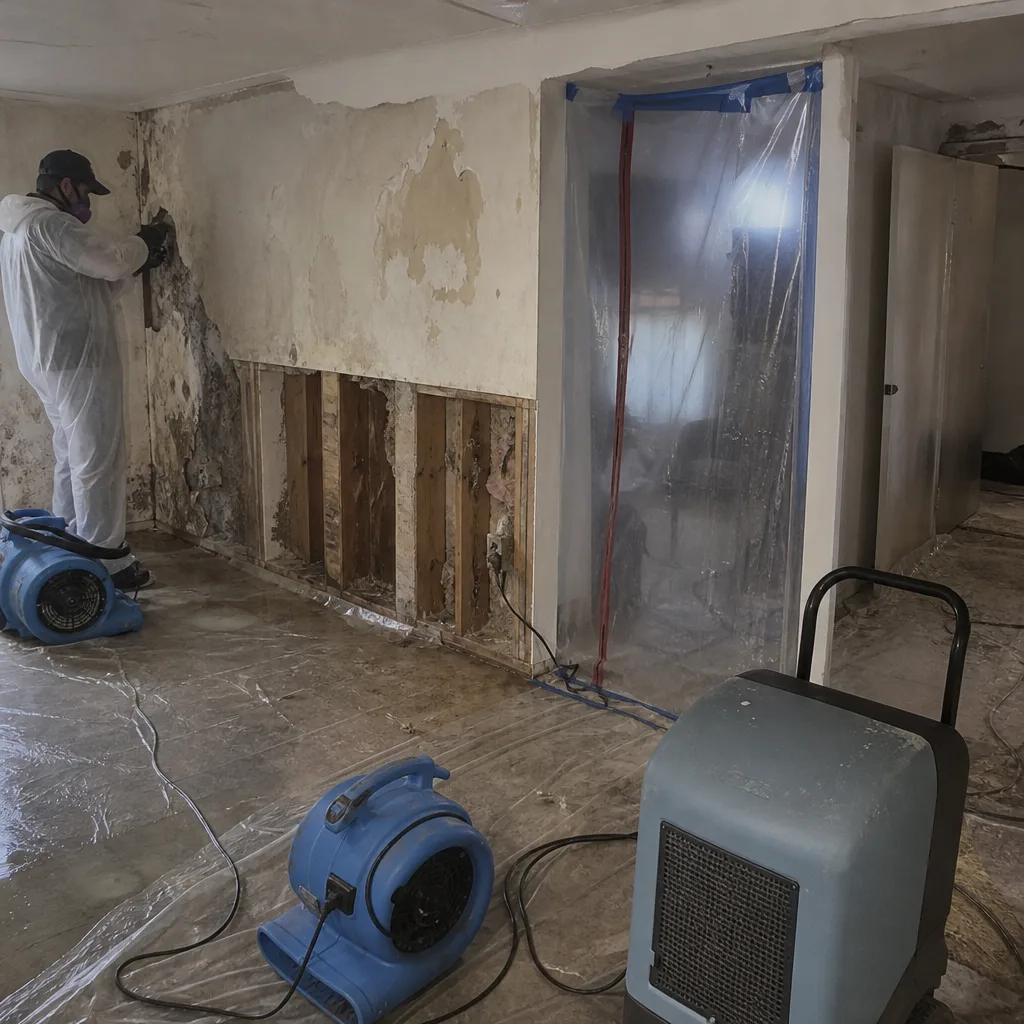 Before
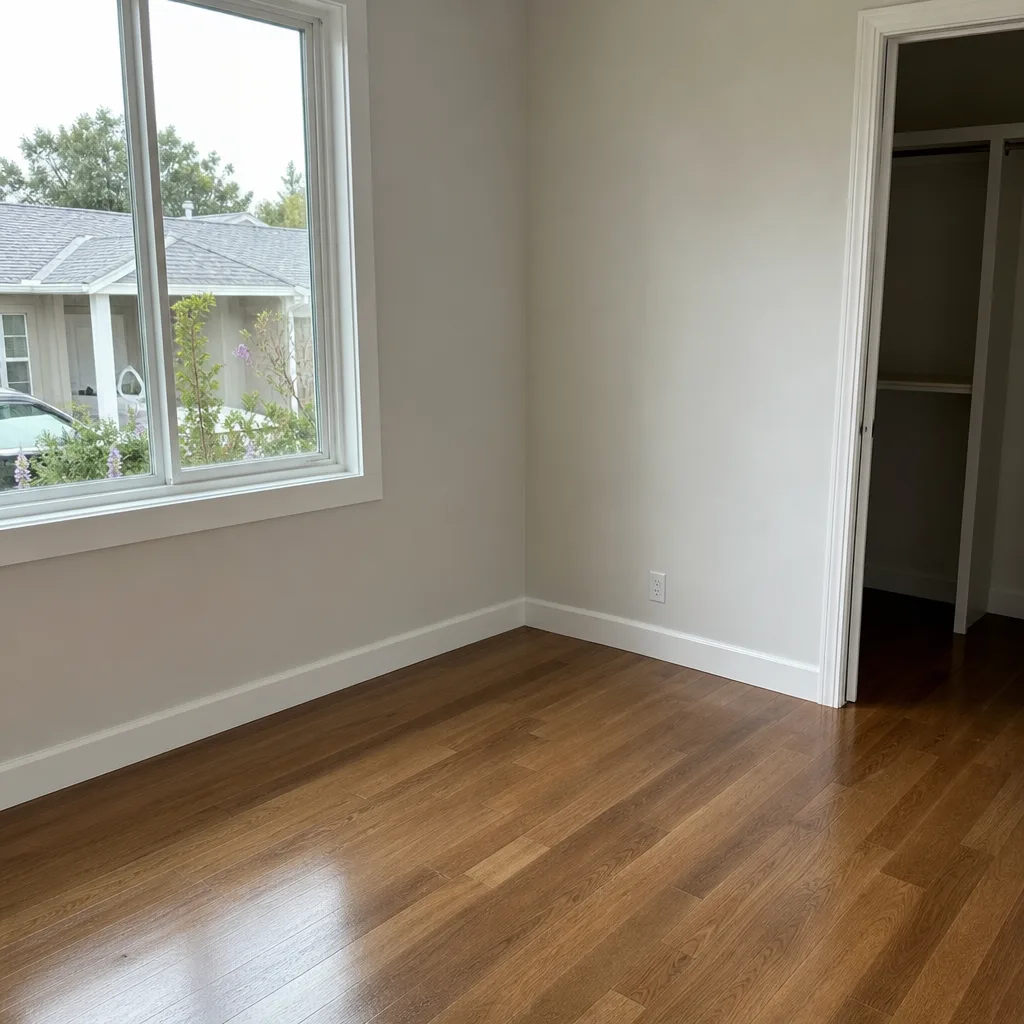 After
AfterSeasonal Damage Restoration Care for Los Angeles: Year-Round Homeowner’s Guide
The month after Los Angeles’s rainy season ends – typically March into April – is when the most water damage goes undetected. Moisture trapped in wall cavities and under flooring during a wet winter dries out of sight, feeding mold growth nobody notices until summer heat pushes spores into the air. In our experience running water and mold jobs across Los Angeles since 2005, the homeowners who fare best aren’t the ones with the newest roofs; they’re the ones who check the right places at the right times. This guide maps four real risk windows that shape property damage in Los Angeles: Santa Ana wind season, atmospheric river season, summer heat and UV stress, and the deceptive dry-out period that hides damage behind dried surfaces.
Quick Answer
Los Angeles homes face four distinct damage risk windows, not traditional seasons. October through November brings Santa Ana wind and fire risk; December through February carries atmospheric river flooding; June through September drives heat-related pipe and material failure; and March through April hides moisture damage behind surfaces that appear dry. A one-page Water Damage Restoration Maintenance Schedule: What to Do and When with dated photos of attic, crawl space, and mechanical areas gives you a baseline record and catches problems before they require full remediation.
Table of Contents
- October – November: Santa Ana Wind and Fire Season
- December – February: Atmospheric River and Flood Season
- March – April: The Hidden Moisture Window
- June – September: Heat, UV, and Mechanical Stress
- How to Build a One-Page Seasonal Log
- Common Mistakes to Avoid
- When to Call a Professional
- Frequently Asked Questions
October – November: Santa Ana Wind and Fire Season
Los Angeles doesn’t cool off in autumn the way much of the country does. Instead, October and November bring the Santa Ana winds – hot, dry air that can exceed 60 mph and turn a small ignition into a structure fire in minutes. For homeowners, this window demands a specific set of checks that most standard fall maintenance lists miss entirely.
Roof fastener integrity. Santa Ana winds test every weak point. In hillside and canyon neighborhoods like Laurel Canyon, Topanga, and the Santa Monica Mountains, we’ve seen continuous ridge vents peeled back because fasteners were set into dried-out decking. Check for lifted shingles, exposed nail heads, and any ridge vent section that moves when you press it. The gap created by a lifted vent becomes an ember intrusion point during a wildfire.
Vent screen condition. Soffit vents, gable vents, and foundation vents should have intact 1/8-inch metal mesh. Embers can penetrate torn fiberglass screens or gaps where mesh has pulled away from the frame. In our fire damage restoration work in Los Angeles, ember intrusion through compromised vents is one of the most common pathways that allow a roof fire to enter attic space and then drop into wall cavities.
Defensible space specifics. The Los Angeles Fire Department requires Zone 0 clearance (zero to 5 feet from structure) to be free of combustible materials. But the detail most homeowners miss: this includes mulch, wooden planters, and accumulated leaf litter in roof valleys. Check these areas after the first Santa Ana event each year.
Garage and outbuilding sealing. Garage door bottom seals dry out and crack in Los Angeles heat. A 1/4-inch gap under a garage door becomes a wind-driven ember entry point. Replace cracked seals before October. Same for weatherstripping around exterior doors, particularly on homes in the wind corridors of the San Fernando Valley.
Document with photos. Take dated photos of roof condition, vent screens, and defensible space. If fire damage does occur, these establish pre-loss condition for your insurance claim.
December – February: Atmospheric River and Flood Season
Los Angeles receives most of its annual rainfall in concentrated atmospheric river events – narrow bands of moisture that can drop multiple inches in 24 hours on already saturated ground. The 2023 storms demonstrated how quickly this overwhelms drainage systems and exposes every maintenance gap.
What to monitor: crawl space and under-slab moisture. A healthy crawl space in Los Angeles should read below 60% relative humidity on a continuous basis. During atmospheric river events, a temporary spike to 70-75% is normal if it drops within 48 hours after rain stops. If humidity stays elevated past 72 hours, you have a drainage or vapor intrusion problem that will feed mold growth.
How to check without destructive testing. A simple pinless moisture meter ($30-50 at hardware stores) can read through drywall and subflooring. In Los Angeles’s older neighborhoods like Echo Park, Silver Lake, and parts of Pasadena, we’ve found that original 1920s-1950s construction often lacks vapor barriers entirely. Pinless meter readings above 16% in wood framing or 1.0% in concrete signal trapped moisture.
Gutter and downspout function. This sounds basic, but in Los Angeles’s infrequent rain pattern, gutters fill with debris between storms. Check downspout discharge points – water should exit at least 6 feet from foundation. Many Los Angeles homes have downspouts that dump directly against slab edges, creating hydrostatic pressure that drives moisture under flooring.
Sump pump and backflow prevention. If your property has a sump system, test it by pouring 5 gallons into the pit. The pump should activate within 10 seconds and clear the water in under 30 seconds. Check the discharge line for cracks – we’ve restored water damage in Los Angeles homes where a cracked discharge line simply recirculated water back into the crawl space.
Window and door seal inspection. Driving rain in atmospheric river conditions hits horizontally. Check weatherstripping on windward-facing windows, particularly on upper stories and in canyon locations where wind speed increases. Caulk failures at window perimeters are common entry points we document on water damage jobs.
March – April: The Hidden Moisture Window
This is the most dangerous period for Water Damage Restoration Troubleshooting: Common Problems and How to Fix Them in Los Angeles, precisely because it looks safe. Days are warm and sunny. Surfaces feel dry. But inside wall cavities, under cabinets, and in crawl spaces, moisture from winter rains is still present – and now it’s warming, creating ideal conditions for mold colonization.
Where moisture hides after the rainy season:
- Behind baseboards in exterior walls. Water that entered through window perimeters or slab edges wicks up into drywall and gets trapped behind baseboards. Look for slight discoloration, paint that feels cooler than adjacent walls, or baseboards that no longer sit flush.
- Under kitchen and bath cabinets. Sink supply line leaks during winter often go unnoticed because cabinet interiors are dark and rarely opened. Check the cabinet floor with your pinless meter. Readings above 12% in particle board or plywood indicate ongoing moisture.
- Crawl space corners and low points. Even with proper grading, Los Angeles’s clay-heavy soils in areas like the Westside and San Fernando Valley hold moisture in low spots. Probe these areas with a moisture meter after the third consecutive dry week in March. If readings haven’t normalized, you have trapped moisture.
- Attic insulation against roof deck. Minor roof leaks during winter may not reach interior ceilings, but they saturate insulation. Compressed or discolored fiberglass batts against the roof deck signal a leak that sealed itself with summer heat – but left wet insulation that will mold.
The probe method without demolition. A borescope camera ($40-80, or borrowed) inserted through a small existing opening – an electrical outlet box, HVAC register, or plumbing access – lets you inspect wall cavities and under-sink areas without cutting drywall. Document what you see with photos dated to your seasonal log.
When hidden moisture becomes mold. In Los Angeles’s March-April temperature range (60-75°F), mold can colonize on wet organic material in 48-72 hours. By May, when temperatures rise further, established mold colonies release spores that become noticeable as musty odors or visible growth. The window to prevent full mold remediation in Los Angeles closes fast in this period.
June – September: Heat, UV, and Mechanical Stress
Los Angeles summer temperatures in attics regularly exceed 140°F. This isn’t uncomfortable – it’s destructive to materials and creates failure modes that show up as water damage months later.
Attic pipe joint failure. Copper and PEX pipe joints expand and contract with daily temperature swings. In unventilated Los Angeles attics, we’ve seen soldered copper joints fatigue and crack after 10-15 years of thermal cycling. The leak may be intermittent – active only during peak heat – making it hard to detect until water stains appear on ceilings below.
What to check: Inspect visible attic plumbing during peak afternoon heat (2-4 PM). Look for condensation on cold water lines – this indicates humid attic air and potential insulation gaps – and any greenish discoloration on copper joints that signals early failure. In our water damage restoration in Los Angeles, attic pipe failures during summer are second only to supply line bursts in total gallons released.
Unventilated mechanical spaces. Water heaters, HVAC air handlers, and laundry equipment in closet or garage installations suffer accelerated hose and seal degradation in heat. The rubber supply hoses on washing machines have a 5-year reliable life in Los Angeles conditions; in hot garage installations, we’ve seen failures at 3 years. Check the manufacture date stamped on the hose – replace at 4 years regardless of appearance.
UV degradation of exterior seals. Los Angeles has some of the highest UV exposure in the continental US. Caulk at window perimeters, door frames, and roof penetrations degrades faster here than in coastal Northern California or the Pacific Northwest. Check for chalking, cracking, or separation. A failed seal that admitted winter rain may now admit summer irrigation overspray – same result, different season.
Swimming pool and spa equipment. Pool equipment pads in full sun experience pump seal failures and filter housing cracks from thermal stress. A cracked filter housing can release 100+ gallons rapidly. Check for pooling under equipment during pump operation, and verify that backwash lines drain away from structures – not toward slab edges.
How to Build a One-Page Seasonal Log
Documentation serves two purposes: it catches problems in real time, and it establishes pre-loss condition if you need to file an insurance claim. A one-page seasonal log, kept with your home files, accomplishes both.
The format:
| Date | Location Checked | Condition Note | Photo File Name | Reading/Measurement |
|---|---|---|---|---|
| 11/15/2024 | Attic ridge vent, north side | All fasteners tight, mesh intact | Attic_Ridge_N_111524.jpg | N/A |
| 3/20/2025 | Crawl space, southeast corner | Moisture meter 14% wood, 0.8% concrete | Crawl_SE_032025.jpg | 14% / 0.8% |
| 7/8/2025 | Attic copper joints, water heater feed | No condensation, no green discoloration | Attic_Pipe_070825.jpg | N/A |
Minimum four check dates annually:
- First week of November: Santa Ana season prep – roof, vents, defensible space, seals.
- First week of January: Mid-atmospheric river check – gutters, downspouts, crawl space humidity after a storm.
- Third week of March: Post-rain hidden moisture probe – baseboards, cabinets, crawl space corners, attic insulation.
- First week of July: Peak heat mechanical check – attic pipes, water heater, washing machine hoses, UV-exposed seals.
Photo documentation standards. Each photo should include a reference object for scale (ruler, coin, or your hand) and be taken from the same angle as previous years. Store in a dated folder structure: 2025/03_March/Crawl_Space/. Cloud backup is essential – local storage can be lost in the same event that damages your home.
Thresholds that trigger professional inspection: Crawl space humidity sustained above 65% for 72+ hours after rain; moisture meter readings above 16% wood or 1.0% concrete; any visible mold growth regardless of size; water stains that expand between checks; musty odors that persist after ventilation.
Common Mistakes to Avoid
- Waiting for visible water. By the time water stains appear on Los Angeles ceilings, damage has typically progressed through insulation, framing, and drywall. The moisture meter catches problems at 1/10th the remediation cost.
- Assuming “drought years” mean no water risk. Los Angeles’s drought periods often end with intense atmospheric river events on hardened, less absorbent ground – increasing runoff and foundation intrusion.
- Using consumer-grade dehumidifiers for crawl spaces. A standard home dehumidifier cannot achieve the air exchange rates needed for crawl spaces over 400 square feet. Professional-grade drying with Dri-Eaz or Phoenix equipment, operated to IICRC standards, is required for proper moisture removal.
- Ignoring garage and outbuilding exposure. Los Angeles hillside homes often have detached garages or ADUs with the same fire and water risks as the main structure, but without the same maintenance attention. Include these in your seasonal log.
- Replacing materials without identifying the source. We’ve restored jobs where homeowners replaced moldy drywall three times without fixing the slab moisture driving it. Find the source first, or you’re funding repeat damage.
- Skipping documentation “because nothing happened this year.” The year you don’t document is the year your insurance adjuster disputes pre-loss condition. A blank log entry with a dated “all clear” photo has evidentiary value.
- Confusing reconstruction with mitigation timing. Water extraction and structural drying are emergency services that can’t wait. Rebuild work is scoped, scheduled, and priced in writing – never promise yourself a same-day cabinet replacement.
When to Call a Professional
Some conditions require immediate professional response regardless of your maintenance diligence. Active water intrusion during a storm, sewage backup, fire damage with structural compromise, or mold growth exceeding 10 square feet all need trained technicians with professional-grade equipment.
Keegan Water Damage Restoration offers free estimates in Los Angeles – call (361) 317-7269. Our crews arrive in uniform, background-checked, and equipped with Dri-Eaz, Phoenix, and XPOWER drying systems operated to IICRC, RIA, and IFA standards. Every job starts with a written scope and price before any work begins, backed by our 365-Day Done Right Promise. We document every phase to support your insurance claim, and a live person answers the phone 24 hours a day, 7 days a week.
Frequently Asked Questions
Professional water damage mitigation in Los Angeles typically ranges from $1,200 for contained clean-water extraction and drying to $8,000+ for Category 3 sewage contamination with full structural drying and material removal. Reconstruction costs are separate and scoped in writing after mitigation is complete. Call (361) 317-7269 for an exact quote – estimates are free.
Most Los Angeles homeowners policies cover sudden and accidental water damage, including supply line bursts and storm intrusion through damaged roofing. They typically exclude gradual leaks, maintenance neglect, and flood damage from exterior rising water (which requires separate flood insurance). Your seasonal log with dated photos strengthens any claim by establishing that damage was sudden and not from deferred maintenance. We format all documentation to support direct adjuster coordination.
A live person answers every call to Keegan Water Damage Restoration 24 hours a day, 7 days a week, including nights, weekends, and holidays. For active water damage, we dispatch immediately – standing water continues degrading materials and promoting mold growth every hour it sits. Call (361) 317-7269 and we’ll give you a real arrival window, not a callback queue.
Visible mold growth exceeding 10 square feet, or any mold growth in HVAC systems, requires professional remediation under IICRC S520 standards. Small surface spots on non-porous materials can sometimes be addressed with proper cleaning and moisture source elimination – but in Los Angeles’s climate, “small” spreads fast if the moisture source isn’t fixed. We assess with moisture mapping and air sampling, then give you a written scope before any work starts.
We do. Every Keegan job includes photo documentation, moisture logs, and drying charts formatted to adjuster requirements. We coordinate directly with your carrier’s representative, provide the technical scope of loss in their required format, and answer questions about our equipment deployment and drying timeline. You focus on your home; we handle the paperwork.
Mitigation is emergency work to stop damage and stabilize conditions – water extraction, structural drying, contaminated material removal. It’s urgent and often covered by insurance. Reconstruction is the rebuild phase – drywall, flooring, cabinets, paint – scoped and scheduled like any remodeling project, with a written price before work begins. We handle both phases, but we never confuse the timing: mitigation happens now; reconstruction happens right, with proper planning.
The Bottom Line
Los Angeles homes don’t follow a national seasonal pattern. The homeowners who avoid major restoration costs are those who respect four local risk windows: Santa Ana wind and fire exposure in October-November, atmospheric river flooding in December-February, hidden moisture colonization in March-April, and heat-driven mechanical failure in June-September. A simple one-page seasonal log with dated photos gives you early warning and insurance documentation; explore our more guides & resources for year-round protection. When damage exceeds what you can safely assess or address, professional response with written pricing, documented processes, and guaranteed workmanship protects both your property and your finances.
Written by Shane Pruitt, Owner at Keegan Water Damage Restoration, serving Los Angeles since 2005.